NASA's spacecraft captured images of a comet named MAPS exploding as it got too close to the sun. The comet, also known as C/2026 A1, burst due to intense heat when entering the sun's atmosphere, leaving behind a cloud of dust and debris.
Key Facts
NASA spacecraft recorded Comet MAPS exploding near the sun.
The explosion occurred due to thermal pressure from the sun.
Comet MAPS was discovered in January 2026.
Initial observations suggested the comet was larger and farther from the sun.
The comet passed within 99,000 miles of the sun’s surface.
A specialized telescope called a "coronagraph" helped capture the images.
The comet left a dust cloud structured in narrow bands.
Read the Original
Want the full story? Tap a source to open the original
article.
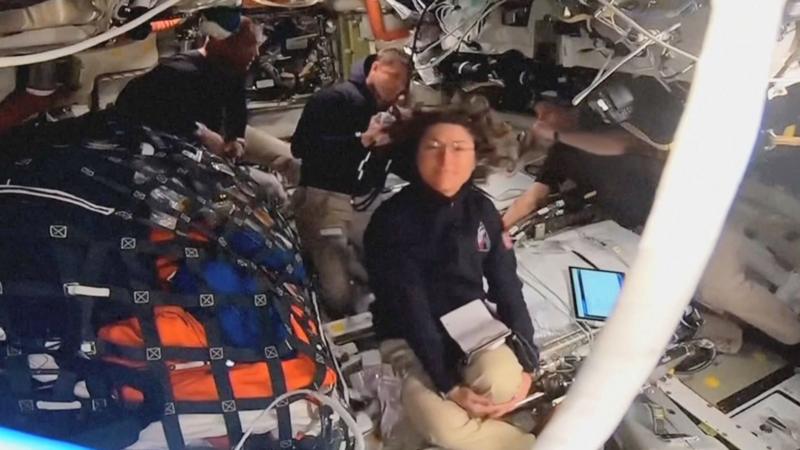
During NASA's Artemis II mission, a video showing a jar of Nutella floating inside the spacecraft went viral. The mission sent four astronauts around the moon, marking a significant milestone in space exploration. NASA's planned food system for the mission includes items like chocolate spread, to support crew health and performance.
Key Facts
A jar of Nutella was seen floating in NASA's Artemis II spacecraft in a viral video.
The video clip was widely shared on social media, causing amusement and surprise.
Artemis II is NASA’s first mission to send astronauts around the moon in over 50 years.
The mission aims to test systems needed for future deep-space crewed missions.
NASA's spacecraft, including the Space Launch System rocket and Orion, launched from Kennedy Space Center in Florida.
The mission's onboard food includes a variety of items to ensure crew health without the option for resupply during the trip.
All food for the mission is made shelf-stable to last throughout the flight.
Read the Original
Want the full story? Tap a source to open the original
article.
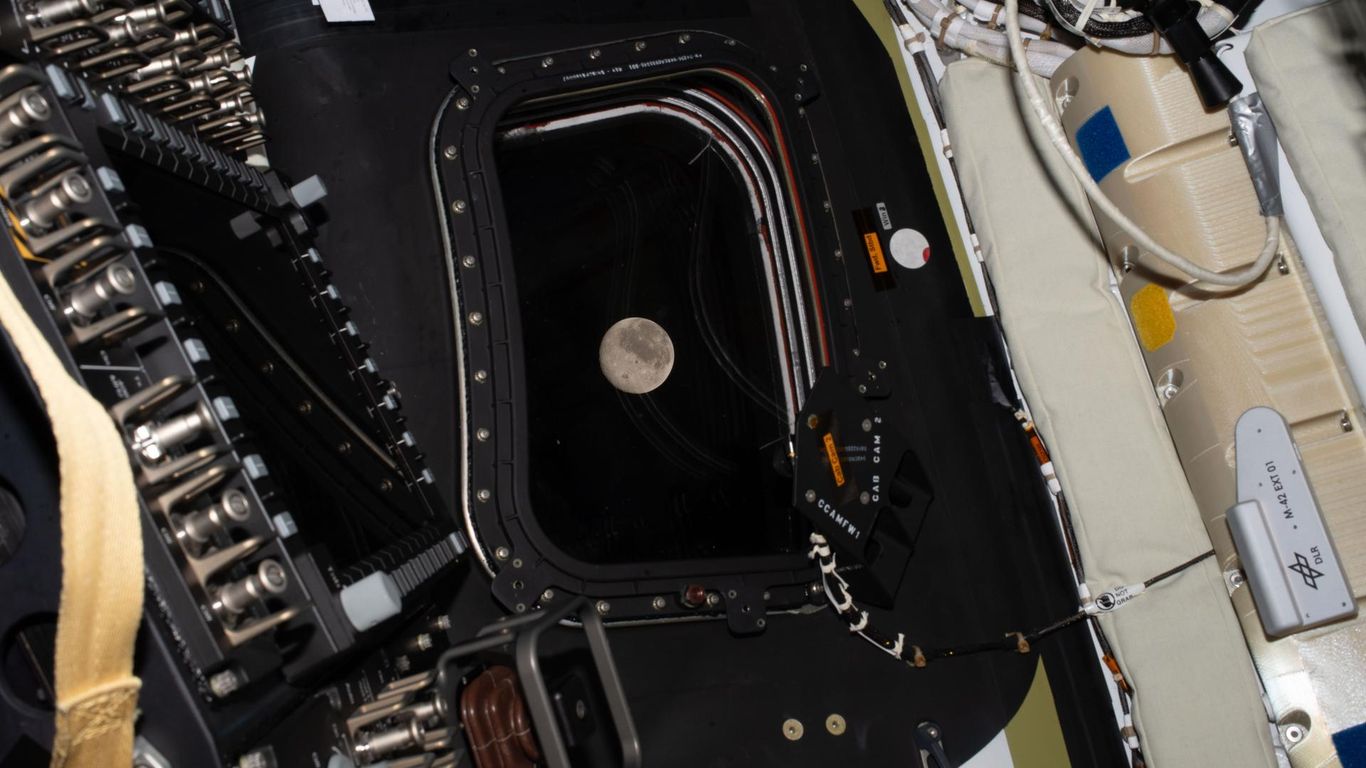
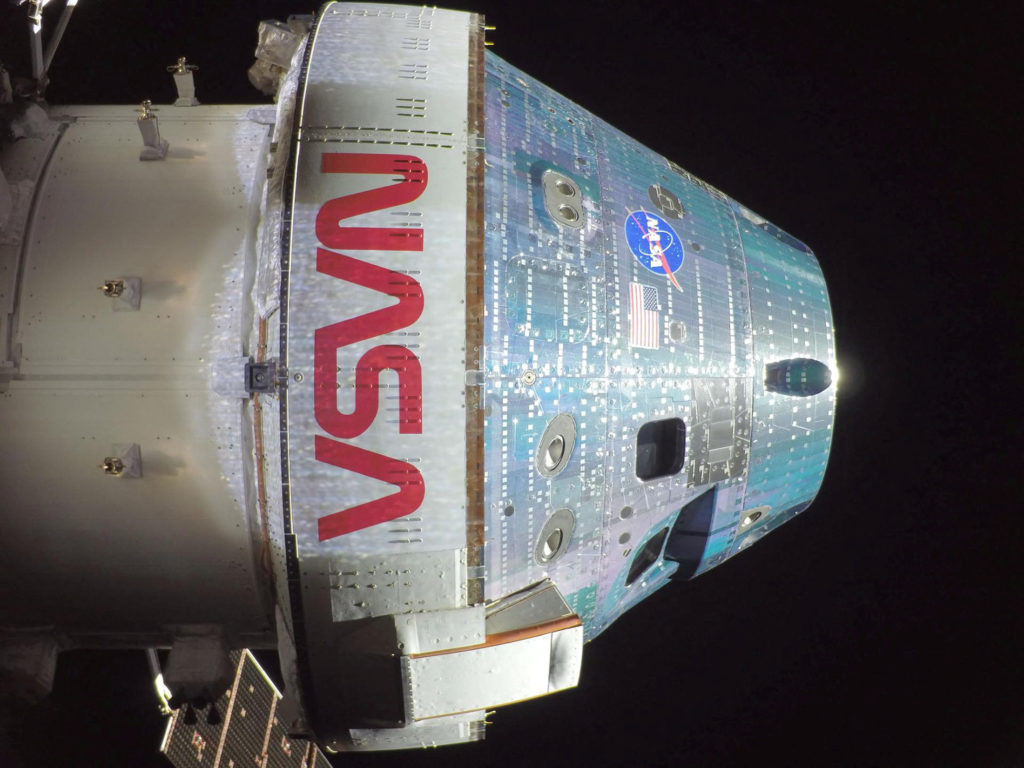
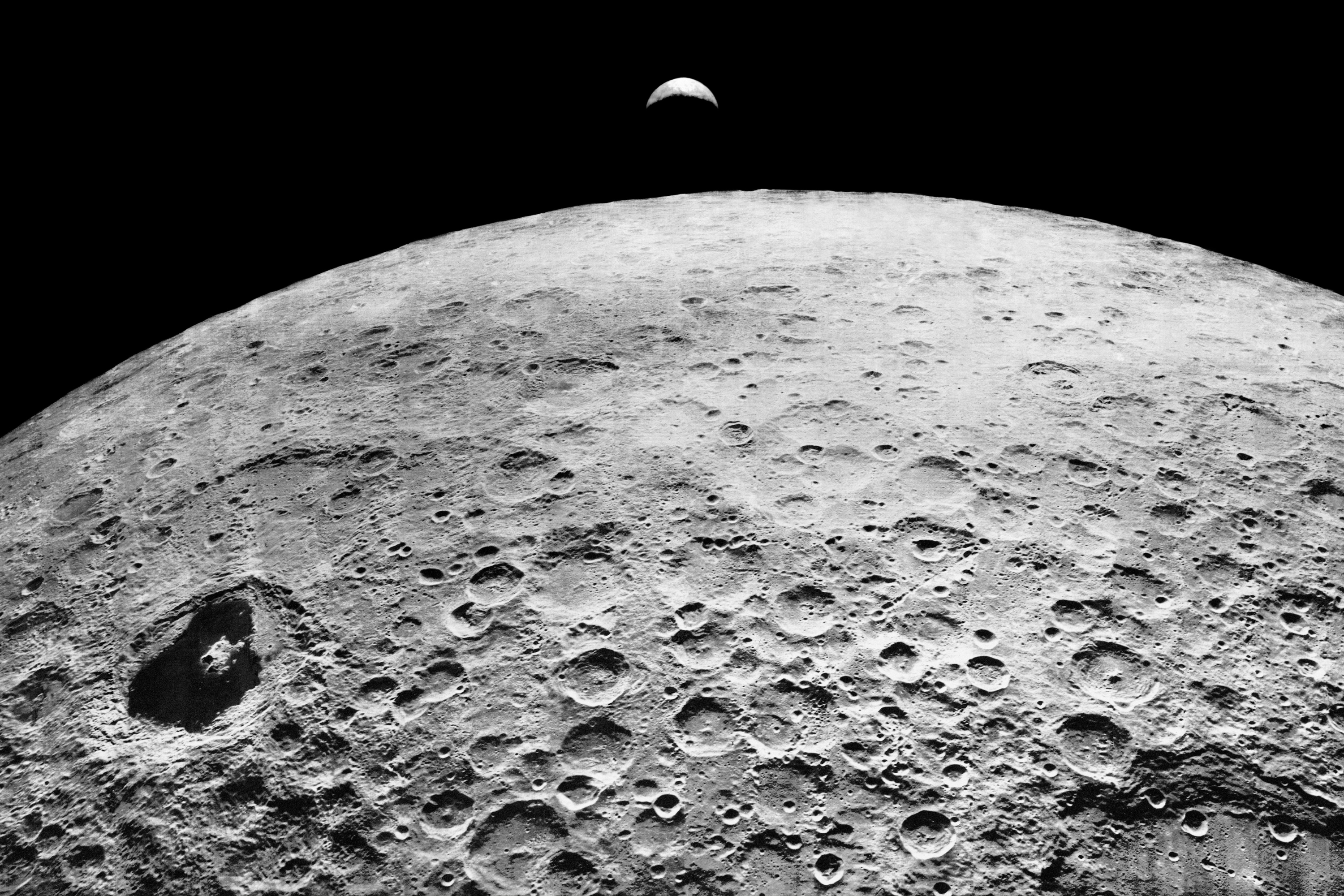
NASA shared remarkable photos from the Artemis II mission, which sent astronauts beyond the Moon for the first time in over 50 years. The mission tested NASA's new spacecraft systems to ensure they operate safely in deep space. The crew achieved a record for the furthest human spaceflight distance.
Key Facts
Artemis II mission contains four astronauts in the Orion spacecraft flying around the Moon.
The mission tested NASA's new spaceship, the Space Launch System and Orion, for deep space travel.
Orion launched from Kennedy Space Center on April 1 and performed engine maneuvers to reach the Moon.
The crew set a record by traveling 248,655 miles from Earth, the farthest humans have gone.
The mission included photos of the Moon and Earth from space during the trip.
NASA plans for the crew to return to Earth, splashing down off San Diego soon.
The mission marks an important step in NASA's goal to establish a Moon Base in the future.
Read the Original
Want the full story? Tap a source to open the original
article.
A blues singer named Eddie Dalton, dominating the iTunes chart, is actually an AI-generated artist created by Dallas Little from Crunchy Records. The rise of AI musicians like Dalton raises discussions about their role in the music industry and challenges in distinguishing them from human musicians.
Key Facts
Eddie Dalton is an AI-generated blues singer created by Dallas Little.
Dalton's debut album, "The Years Between", reached Number 3 on the iTunes chart.
Prominent artists have called for stricter rules on using copyrighted material in AI training.
Dallas Little's company, Crunchy Records, creates AI-generated music and videos.
The music and videos of Eddie Dalton are labeled as AI-generated, but the YouTube channel does not explicitly mention it.
Dalton's music ranks highly on iTunes, raising questions about chart measurement methods that emphasize downloads.
Videos of Dalton's songs receive widespread positive responses, although the authenticity of the comments is unclear.
Read the Original
Want the full story? Tap a source to open the original
article.
The United States and China are in a competition to lead in Artificial Intelligence (AI) technology. The U.S. excels in AI software and microchips, while China is strong in AI robotics. Both countries invest heavily to outpace each other.
Key Facts
The AI race between the U.S. and China mirrors the past nuclear arms race.
The U.S. leads in AI software such as chatbots and large language models (LLMs).
OpenAI's ChatGPT is a prominent example of a successful AI tool from the U.S.
More than 900 million people use ChatGPT weekly.
The U.S. controls much of the world's powerful microchip production, essential for AI advancements.
Nvidia, a U.S. company, is a key player in microchip design and production.
The U.S. restricts high-tech exports to China, aiming to maintain an edge in the AI race.
China's strength lies in manufacturing AI robots, especially humanoid types.
Read the Original
Want the full story? Tap a source to open the original
article.
A large study with nearly 100,000 participants found that the medication Ozempic (semaglutide) has unexpected positive effects on mental health, such as reducing depression, anxiety, and substance-use disorders, beyond its known benefits for weight loss and diabetes control. Researchers observed fewer hospitalizations and sick leaves related to mental health among users of this medication.
Key Facts
The study involved around 100,000 people and focused on Ozempic (semaglutide).
Ozempic was associated with a 42% reduction in hospitalizations for mental health conditions.
Users experienced 44% lower risk of depression and 38% less chance of anxiety disorders.
The medication reduced hospitalizations and sick leave related to substance use by 47%.
Researchers are unsure why these mental health benefits occur but suggest it might involve brain function changes.
Other effects of Ozempic include improved focus and concentration for ADHD symptoms.
The medication could help decrease cocaine-seeking behavior in animal studies.
Rapid weight loss with Ozempic may lead to hair loss, though this is debated.
Read the Original
Want the full story? Tap a source to open the original
article.
Businesses are adapting to how artificial intelligence (AI) changes the way people search online. Companies like HubSpot are adjusting their websites to make sure AI tools can find and display their information easily. This shift includes using strategies like Answer Engine Optimization (AEO) to improve their visibility in AI-driven search results.
Key Facts
HubSpot lost 140 million visits in a year due to changes in online search habits influenced by AI.
AI in search involves large language models, which provide users with quick and specific information without visiting multiple websites.
AI overviews in search results lead to a lower click-through rate for websites, impacting their online traffic.
Businesses are focusing on Answer Engine Optimization (AEO) to become more visible in AI search tools.
AEO requires publishing content in natural language that matches common user questions.
HubSpot now uses shorter content chunks to align with AI's search behavior, contributing 7% to 12% of their website traffic.
The shift in search behavior involves longer, more specific AI queries compared to traditional search engine use.
Read the Original
Want the full story? Tap a source to open the original
article.
A chart shared on social media shows which iPhone models are still compatible with the latest iOS updates and which are nearing the end of their support. The chart helps users understand when they might need to upgrade their devices based on the model's update status.
Key Facts
A chart shows the status of iPhone models and their iOS compatibility from 2007 to 2026.
The latest iPhone models, up to iPhone 17, support the newest iOS version (iOS 26).
iPhones from models 11 to 14 can still receive major updates.
The iPhone XR, XS, and XS Max can only upgrade to iOS 18 and are near the end of their support.
Older models, like iPhone X and iPhone 7, get only security updates and no major upgrades.
Models such as the iPhone 6s and the first iPhone SE no longer receive any updates and are considered obsolete.
Some users express appreciation for Apple's long-term support compared to other brands.
Read the Original
Want the full story? Tap a source to open the original
article.
NASA temporarily lost communication with the Artemis II astronauts when the Orion spacecraft moved behind the moon, blocking radio signals. This loss of contact was expected and part of the mission plan, lasting about 40 minutes before communication resumed.
Key Facts
Communication was lost at 6:44 p.m. ET as Orion moved behind the moon.
The blackout lasted roughly 40 minutes, as expected by NASA.
The Artemis II mission is the first crewed mission under NASA’s Artemis program.
The mission tests Orion’s systems for future lunar landings.
The spacecraft uses NASA’s Deep Space Network for communication.
Contact with Earth is restored once Orion clears the moon's far side.
The Artemis II mission began on April 1 and will last about 10 days.
The moon is about 238,855 miles away from Earth on average.
Read the Original
Want the full story? Tap a source to open the original
article.
Astronauts on the Artemis II mission have set a new record for the farthest distance humans have traveled from Earth. They beat the old record set by Apollo 13 by reaching 252,757 miles away. NASA hopes future generations will continue to push the boundaries of space exploration.
Key Facts
Artemis II astronauts broke the distance record set by Apollo 13 in 1970.
The previous record was 248,655 miles from Earth.
Artemis II reached a new distance of 252,757 miles.
NASA encourages future space missions to continue setting new records.
The mission emphasizes continued innovation in space travel.
Read the Original
Want the full story? Tap a source to open the original
article.
The article features an interview with Max Mraz, a developer at Moth Atlas, about the release of their new indie game "Tombwater." Mraz discusses the game development process, collaboration with friends, and the creative ideas behind the game's story. The game combines exploration, horror, and the unique theme of vampire cowboys.
Key Facts
"Tombwater" is an indie game developed by Moth Atlas and published by Midwest Games.
The game is inspired by exploration games like Zelda and includes elements of Eldritch Horror.
Max Mraz, the developer, collaborated with a friend who was new to game development.
The game's development took about four years.
The initial concept for the game included themes like exploring a town with hidden horror and vampire cowboys.
Mraz also works in software development and started the game project with co-workers.
The article highlights the ups and downs of the creative process in game development.
Read the Original
Want the full story? Tap a source to open the original
article.
Leaders from Oura and WHOOP, two companies known for wearable technology, spoke together at the Women’s Global Impact Forum 2026 in Los Angeles. They discussed how devices that people wear, like wrist straps and rings, can help them understand and manage stress and health.
Key Facts
The event marked the first joint appearance of leaders from Oura and WHOOP on stage.
Dr. Kristen Holmes from WHOOP and Holly Shelton from Oura spoke at the forum.
The discussion occurred on March 25, 2026, at the London West Hollywood in Los Angeles.
The forum was part of Newsweek’s Women’s Global Impact Forum.
The talk focused on how wearable devices can provide insights into physical and mental stress.
The devices help users track health trends over time to better manage stress.
Speakers emphasized the importance of understanding health data to improve daily life.
Newsweek Senior Reporter Katherine Fung moderated the panel discussion.
Read the Original
Want the full story? Tap a source to open the original
article.
Artemis II astronauts have set a new record for the greatest distance from Earth ever traveled by humans in space, surpassing the previous record held by Apollo 13. The crew will continue their mission, reaching their maximum distance from Earth later the same day.
Key Facts
Artemis II astronauts traveled further from Earth than any humans before.
They broke Apollo 13's record of 248,655 miles from Earth, set over 55 years ago.
The highest distance they will reach is 252,760 miles.
The crew is entering a seven-hour period to orbit and observe the Moon.
A 40-minute radio blackout will occur while on the moon's far side.
The crew will see a solar eclipse from space.
They plan to capture a new version of the iconic "Earthrise" photograph.
Read the Original
Want the full story? Tap a source to open the original
article.
NASA released audio from the Artemis II mission where astronauts reported they felt like they were "falling" to the Moon. This happened as the spacecraft entered the Moon's gravitational pull, a key step in reaching lunar orbit.
Key Facts
The audio is from NASA's Artemis II mission.
Astronaut Christina Koch recorded the message about "falling" to the Moon.
This event happened as the spacecraft reached the Moon's gravitational pull.
The spacecraft, called Orion, transitioned from Earth's gravity to the Moon's.
Mission controllers confirmed this transition was planned and successful.
NASA shared the audio clip on a social media platform called X.
The clip received more than 1.7 million views.
This news is part of a breaking story with updates expected.
Read the Original
Want the full story? Tap a source to open the original
article.
Sam Altman, CEO of OpenAI, suggested in a report that governments should regulate AI and share its economic benefits through measures like a "robot tax." The report highlights how AI could change the economy by shifting profits towards businesses and away from labor, potentially impacting tax revenues that support public programs.
Key Facts
Sam Altman is the CEO of OpenAI, a company that develops artificial intelligence.
OpenAI released a report suggesting how AI could impact the economy and society.
The report proposes a "robot tax" to address reduced tax revenue from potential decreases in traditional labor.
AI advancements may shift economic gains towards corporate profits, affecting funding for programs like Social Security.
OpenAI believes AI will change jobs and create new ones, although exact outcomes are uncertain.
A new "public wealth fund" could give citizens a share in AI’s economic growth.
The report suggests exploring shorter workweeks in response to AI-driven efficiency gains.
Read the Original
Want the full story? Tap a source to open the original
article.
NASA's Artemis II mission is conducting a lunar flyby with four astronauts to set a new distance record from Earth. This event marks NASA's return to lunar exploration for the first time since the Apollo missions.
Key Facts
Artemis II includes three American astronauts and one Canadian astronaut.
The mission involves a six-hour flyby of the moon.
NASA aims to capture views of the moon's far side, which have never been seen before in person.
The flyby is part of efforts to land near the moon's south pole in two years.
The astronauts will surpass the previous human distance record set in 1970 by Apollo 13.
NASA provides live coverage of this historic mission.
Read the Original
Want the full story? Tap a source to open the original
article.
Gen Z tech enthusiasts are creating "cyberdecks," which are custom-built, portable computers made from different parts. These devices are unique, often using recycled materials, and reflect the builder's personal style and functionality needs. This growing trend emphasizes creativity and personal expression, as well as a do-it-yourself approach.
Key Facts
Cyberdecks are hand-built computers made from various parts, often from reused materials.
They use single-board systems like Raspberry Pi, small screens, and custom cases.
The trend focuses on personal creativity rather than mass production.
The concept is inspired by cyberpunk fiction and early DIY computer communities.
Cyberdecks allow users to swap, modify, or redesign components.
Some people use them as gaming consoles, private servers, or coding practice tools.
Interest in cyberdecks is more about creativity than function.
Builders believe mass production would undermine the hobby's artisanal nature.
Read the Original
Want the full story? Tap a source to open the original
article.
NASA's Artemis II mission will make a significant lunar flyby on April 6, taking astronauts around the Moon. This is the first human journey around the Moon since 1972, and people can watch it live across various streaming platforms like Netflix and YouTube.
Key Facts
Artemis II is part of NASA’s Artemis program, marking its first crewed mission.
Four astronauts are on the mission: Reid Wiseman, Victor Glover, Christina Koch, and Jeremy Hansen.
The spacecraft, Orion, will travel farther from Earth than any human mission before, surpassing Apollo 13's distance record.
The lunar flyby will be shown live, with NASA's coverage starting at 1:00 p.m. Eastern Time on April 6.
The livestream will be available on platforms like Netflix, NASA+, YouTube, and Roku.
Viewers will see real-time spacecraft images, mission commentary, and key milestones.
There will be a 40-minute communication blackout as Orion passes behind the Moon.
The mission will conclude with a splashdown in the Pacific Ocean later in the week.
Read the Original
Want the full story? Tap a source to open the original
article.
OpenAI CEO Sam Altman has shared a plan for how the government could handle the technological and economic changes brought by AI. His proposal suggests ways to tax, regulate, and share the wealth from AI technology while addressing potential threats like cyberattacks and misuse by malicious groups. The plan is designed to spark discussions on new policies for AI's growing role in society.
Key Facts
Sam Altman, CEO of OpenAI, released a detailed plan about regulating AI technology.
Altman believes AI superintelligence could disrupt society, similar to historical periods like the New Deal.
Key threats from AI include cyberattacks and the potential misuse for biological attacks.
OpenAI's proposal includes a Public Wealth Fund for Americans to share in AI-driven economic growth.
The plan suggests shifting taxes from payroll to capital gains due to AI's impact on jobs.
OpenAI recommends experimenting with a 4-day workweek as AI increases workplace efficiency.
The blueprint emphasizes making AI access universally affordable, similar to electricity or the internet.
It includes strategies for controlling rogue AI systems and an "auto-triggering safety net" for economic stability.
Read the Original
Want the full story? Tap a source to open the original
article.
On April 1, 2026, NASA launched the Artemis II mission, sending four astronauts farther into space than any human has gone before. This mission is a key part of NASA's Artemis program, which aims to return humans to the moon and eventually send them to Mars. The crew will test the spacecraft's systems and conduct scientific research during their 10-day mission.
Key Facts
Artemis II launched on April 1, 2026, from the Kennedy Space Center in Florida.
It is part of NASA's Artemis program, which seeks to return humans to the moon and prepare for future Mars missions.
The mission will break the Apollo 13 record for the furthest distance humans have traveled from Earth.
There are four astronauts on board: Reid Wiseman, Victor Glover, Christina Koch, and Jeremy Hansen.
The mission lasts 10 days and involves testing the spacecraft's systems for deep-space missions.
Astronaut Reid Wiseman captured a notable photo of Earth from the Orion spacecraft.
The crew's diet includes 189 shelf-stable food items designed for space travel without resupply.
Read the Original
Want the full story? Tap a source to open the original
article.