Senator Bernie Sanders supports Pope Leo XIV’s request to protect artwork created by humans rather than by artificial intelligence (AI). Sanders said that art is an important part of being human and should not be replaced by AI-generated creations.
Key Facts
Senator Bernie Sanders spoke in favor of Pope Leo XIV’s call to prioritize human-made art.
The Pope emphasized that art is essential for the human experience.
Sanders agreed that art is not a luxury that can be removed from our lives.
The concern is about art created by artificial intelligence possibly replacing human artists.
This issue highlights the growing impact of AI technology on creative fields.
Read the Original
Want the full story? Tap a source to open the original
article.
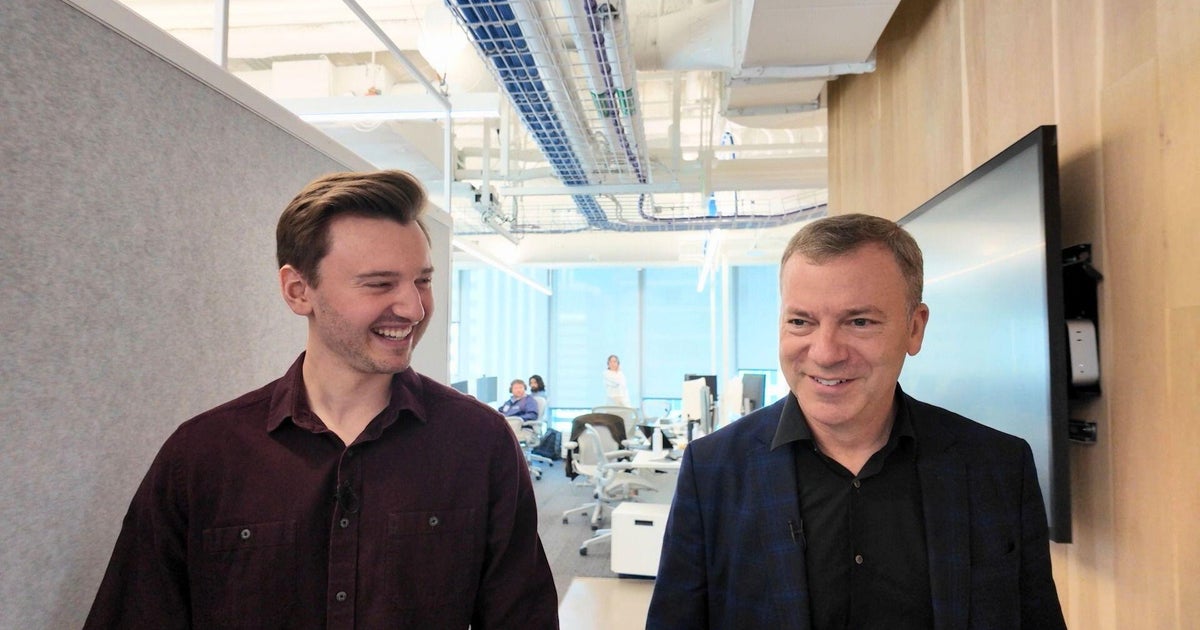
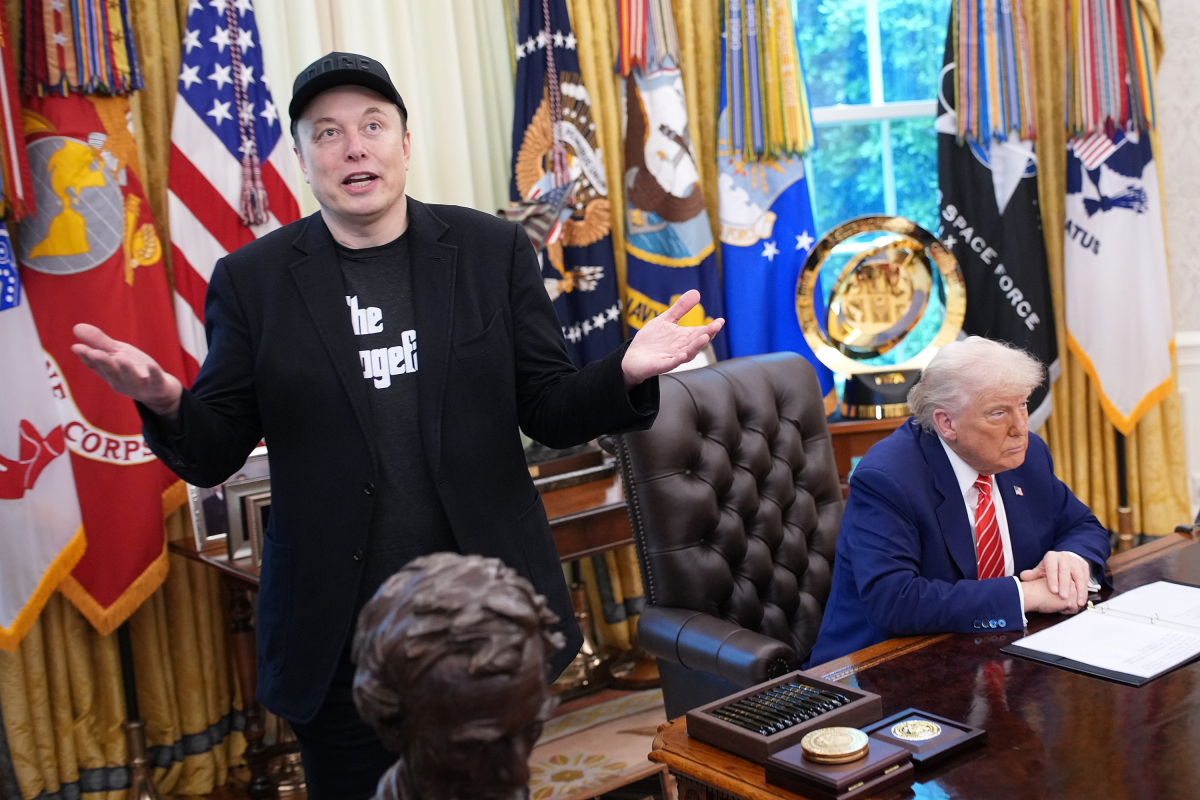
Tech leaders recently met with President Trump to talk about the effects of artificial intelligence (AI) on jobs and society. A company called Mercor is helping improve AI by using experts who train AI systems in different fields, while also raising questions about how AI might change the future of work.
Key Facts
AI is a big reason many U.S. companies have laid off workers this year.
Mercor, a company based in San Francisco, trains AI using human experts called freelancers.
Mercor grew from 20 to 400 employees in about one year and is now worth billions of dollars.
Three freelancers training AI are a winemaker, a music producer, and a physician, who do this work as a side job.
The freelancers believe AI cannot fully replace human creativity and experience, like emotion in songwriting.
Mercor’s CEO, Brendan Foody, believes AI will help solve big problems like cancer and climate change.
The idea is that AI will take over boring tasks and help workers be more productive, but many people worry about job security.
President Trump and tech leaders are discussing the future impact of AI on work and society.
Read the Original
Want the full story? Tap a source to open the original
article.
People in many jobs are teaching artificial intelligence (AI) how to do their work better. Companies like Mercor hire freelancers to train AI, and experts say AI can help with some tasks but won't fully replace humans. Some worry AI could cause many Americans to lose their jobs in the future.
Key Facts
Music producer Robbie Hiser and others train AI to improve models like ChatGPT and Claude.
Mercor, a large company, has over 100,000 freelancers teaching AI across many fields.
Most trainers believe AI will assist but not replace creative human jobs.
A Pew Research study shows nearly 75% of Americans fear AI threatens jobs.
A report from McKinsey predicts 11 million U.S. workers may need new careers by 2035 due to AI.
Some law firms use AI to prepare legal work, but lawyers say AI cannot replace human aspects like courtroom presence.
AI training jobs are growing fast and can pay $20 to $200 per hour.
Economist Daron Acemoglu warns AI could cause large job losses quickly unless changes are made.
Research shows AI is reducing jobs and wages for people in AI-exposed roles such as young software developers.
Read the Original
Want the full story? Tap a source to open the original
article.
The news segment discusses how some American workers are teaching artificial intelligence (AI) systems to perform tasks from their jobs. This involves humans sharing their skills and knowledge with AI to help it learn and improve.
Key Facts
AI is being trained by people to do parts of their work.
This training helps AI learn skills gained from years of human experience.
The process involves humans guiding AI on how to complete specific tasks.
The goal is to improve AI’s ability to work effectively alongside humans.
The story is part of a 60 Minutes news episode focused on AI.
The segment emphasizes the changing relationship between jobs and technology.
It shows a real-world example of how AI is developed and used in the workplace.
Read the Original
Want the full story? Tap a source to open the original
article.
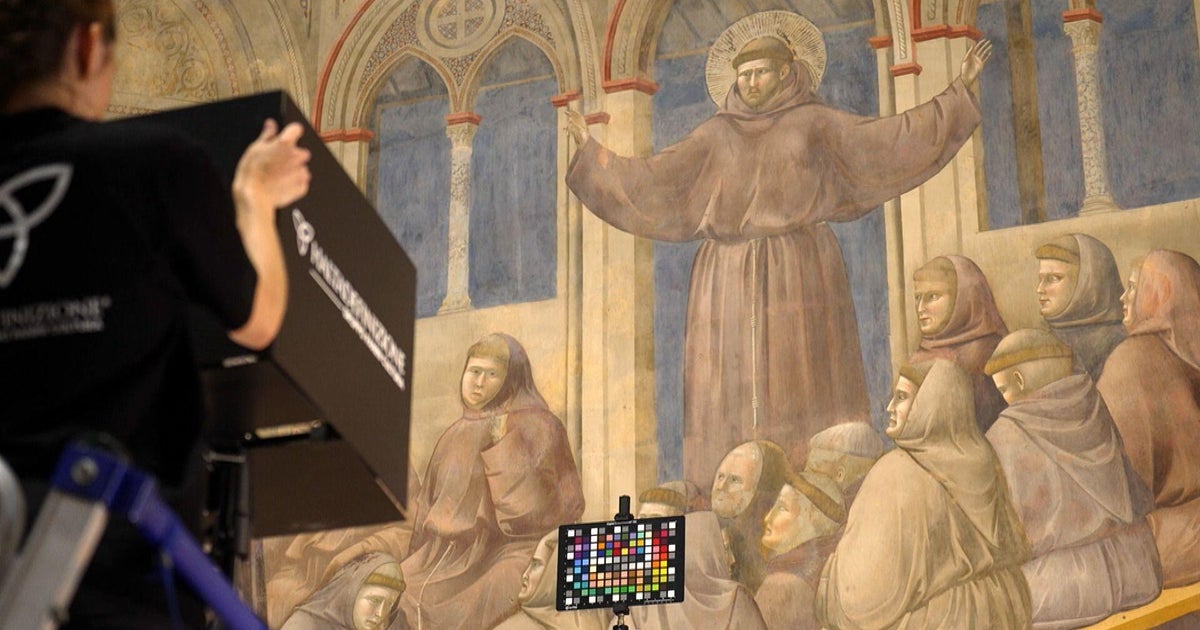
The Basilica of Saint Francis was badly damaged by two earthquakes in 1997. Friars are working with a technology company to restore the church by using artificial intelligence and very detailed photography.
Key Facts
Two earthquakes in 1997 caused major damage to the Basilica of Saint Francis.
Friars are involved in the restoration efforts of the Basilica.
A tech company is partnering with them to help restore the church.
They are using artificial intelligence (AI) for the restoration work.
Ultra-high-definition photography is used to capture detailed images of the Basilica.
The combination of AI and detailed photos helps recreate and repair damaged parts.
This project shows how technology can aid in preserving historical buildings.
Read the Original
Want the full story? Tap a source to open the original
article.
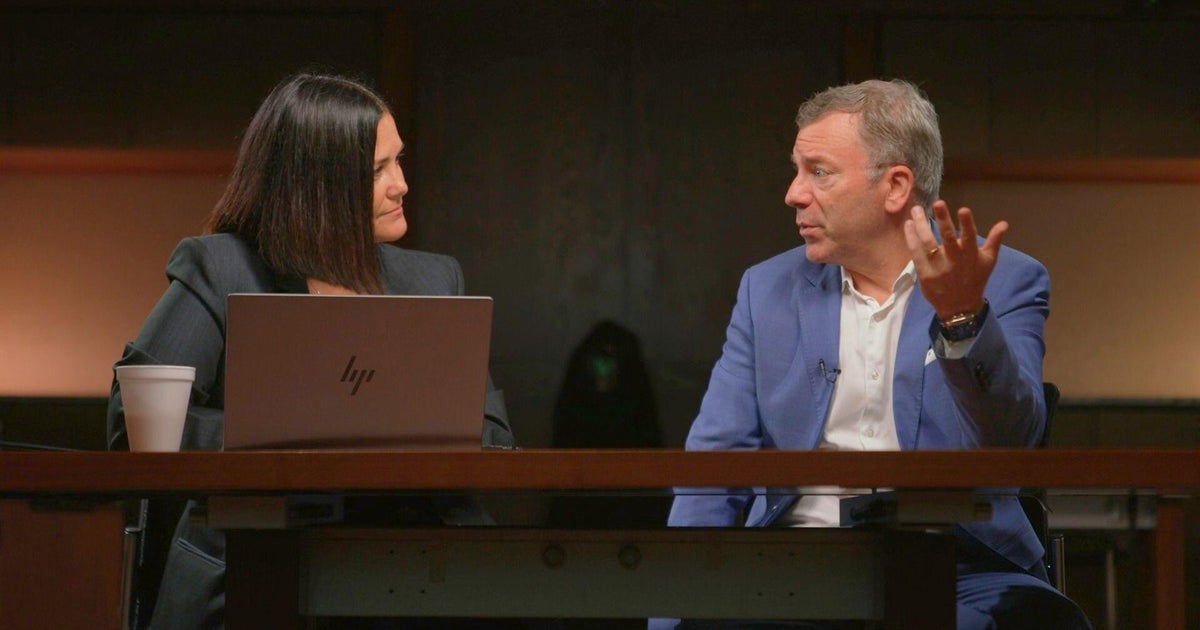
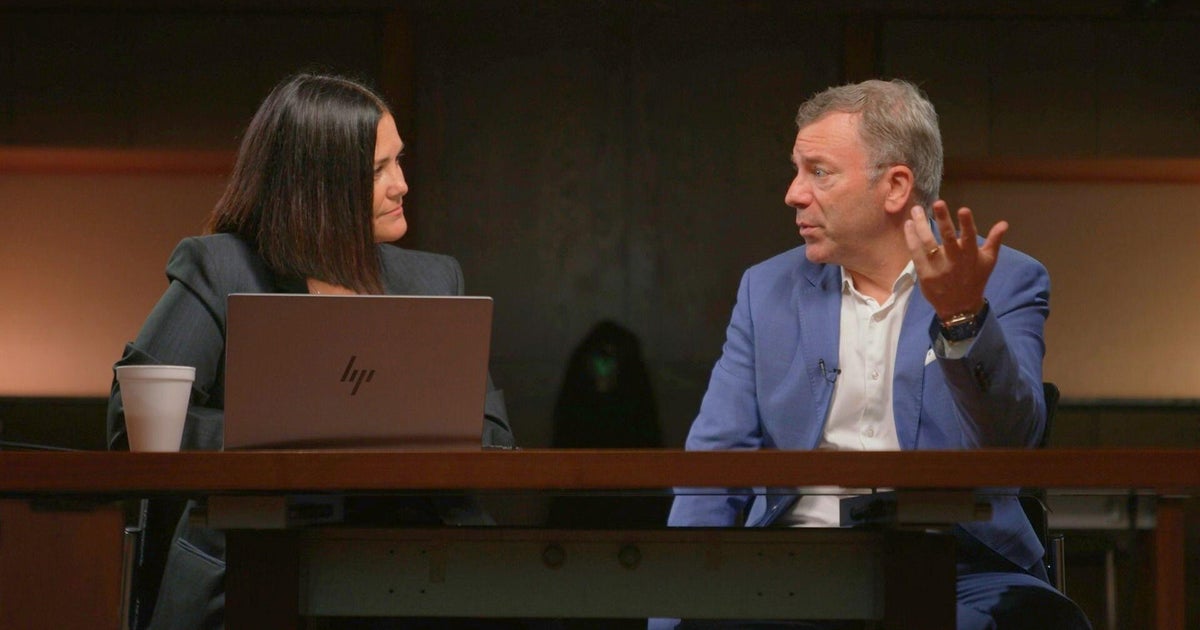
The CBS News program "60 Minutes" aired a segment discussing how artificial intelligence (AI) might change or replace human jobs. The episode also included topics on U.S. democracy and the restoration of a historical church.
Key Facts
"60 Minutes" featured a segment about AI's impact on jobs and work methods.
The program questioned whether AI will take over jobs or help people work differently.
Senator Thom Tillis discussed the risks to U.S. democracy without proper checks and balances.
Another story focused on restoring the Basilica of Saint Francis, a historic church.
The episode aired on October 4 and lasted approximately 43 minutes.
Other past episodes covered a wide range of topics like international events, science, and culture.
Read the Original
Want the full story? Tap a source to open the original
article.
The Nobel Prize in Physiology or Medicine will be announced on Monday, October 5, with live coverage starting at 5:15 a.m. EDT. Last year's winners were researchers who studied how the human body controls the immune system to prevent serious autoimmune diseases.
Key Facts
The 2026 Nobel Prize in Physiology or Medicine will be announced on October 5.
Live coverage begins at 5:15 a.m. EDT.
Last year’s winners were Mary E. Brunkow, Fred Ramsdell, and Dr. Shimon Sakaguchi.
They researched how the immune system is regulated in the human body.
Their work helps explain why not everyone develops serious autoimmune diseases.
The Nobel Committee gives this prize every year to recognize important medical research.
Read the Original
Want the full story? Tap a source to open the original
article.
A suspected member of the hacking group ShinyHunters was arrested in Jordan and is working with U.S. authorities. The group is accused of hacking the FBI's website and stealing data on FBI employees.
Key Facts
Saif al-Din Khader, suspected member of ShinyHunters, was detained in Jordan this week.
ShinyHunters claimed responsibility for hacking the FBI's website and stealing 2 to 3 terabytes of FBI employee data.
The hackers reportedly used a security flaw in Oracle PeopleSoft, a computer program for managing human resources.
The FBI is actively investigating the incident and has arrested several suspects linked to the hack.
Another suspected ShinyHunters member, Pepijn van der Stap from Amsterdam, was arrested on September 15.
Dutch police and the FBI arrested van der Stap days before the hacking incident was publicly reported.
ShinyHunters denied any connection with van der Stap and criticized Dutch police handling of the case.
The FBI declined to comment on the recent arrest but pledged to continue its investigation.
Read the Original
Want the full story? Tap a source to open the original
article.
A federal appeals court has paused Minnesota's law that bans creating AI-made sexual images of real people without their consent. The court's decision stops the law from being enforced while Elon Musk's AI company, xAI, appeals, arguing the law violates free speech rights.
Key Facts
Minnesota passed a law banning AI-created sexual images of real people without their permission.
The law can lead to fines up to $500,000 and allows victims to seek damages.
Elon Musk's company, xAI, sued to stop the law, saying it infringes on free speech.
A federal appeals court paused the law on Friday while the lawsuit continues.
A lower court had previously allowed the law to be enforced during the lawsuit.
Minnesota’s governor, Tim Walz, signed the law in May after it passed the state Senate and House.
The law is the first of its kind in the United States.
Minnesota’s Attorney General, Keith Ellison, supports defending the law.
Read the Original
Want the full story? Tap a source to open the original
article.
Lina Khan, former chair of the U.S. Federal Trade Commission (FTC), criticized a recent agreement where AI company leaders promised to self-regulate their technology. She said past efforts by big tech to police themselves failed and warned that new AI rules should be created by lawmakers, not left to companies alone.
Key Facts
Lina Khan was the former chair of the FTC, the agency that regulates business practices.
Recently, tech leaders signed a “voluntary” agreement to self-regulate AI development.
Khan called this “self-policing” a proven failure based on past experience with big tech and social media.
The FTC is investigating AI companies for possible deception or harm to consumers.
President Donald Trump supports the tech industry self-policing AI but calls the agreement only “morally binding,” not legally required.
Trump announced a new government AI task force called the “Super Intelligence Force” to lead U.S. efforts in AI.
Khan wants Congress to create laws to control AI, instead of relying on voluntary commitments by companies.
Recent security issues include hacks of government agencies involving AI systems like OpenAI’s ChatGPT.
Read the Original
Want the full story? Tap a source to open the original
article.
The NO FAKES Act is designed to protect people from having their face or voice copied or changed without permission. It aims to stop the use of fake images or sounds to trick or deceive others.
Key Facts
The NO FAKES Act focuses on protecting a person's identity.
It prevents unauthorized copying or altering of faces and voices.
The law targets deceptive uses of fake images or audio.
The goal is to reduce identity misuse and increase personal security.
It addresses concerns about digital technology being used to create false content.
The act helps people feel safer about how their personal features are used online.
Read the Original
Want the full story? Tap a source to open the original
article.
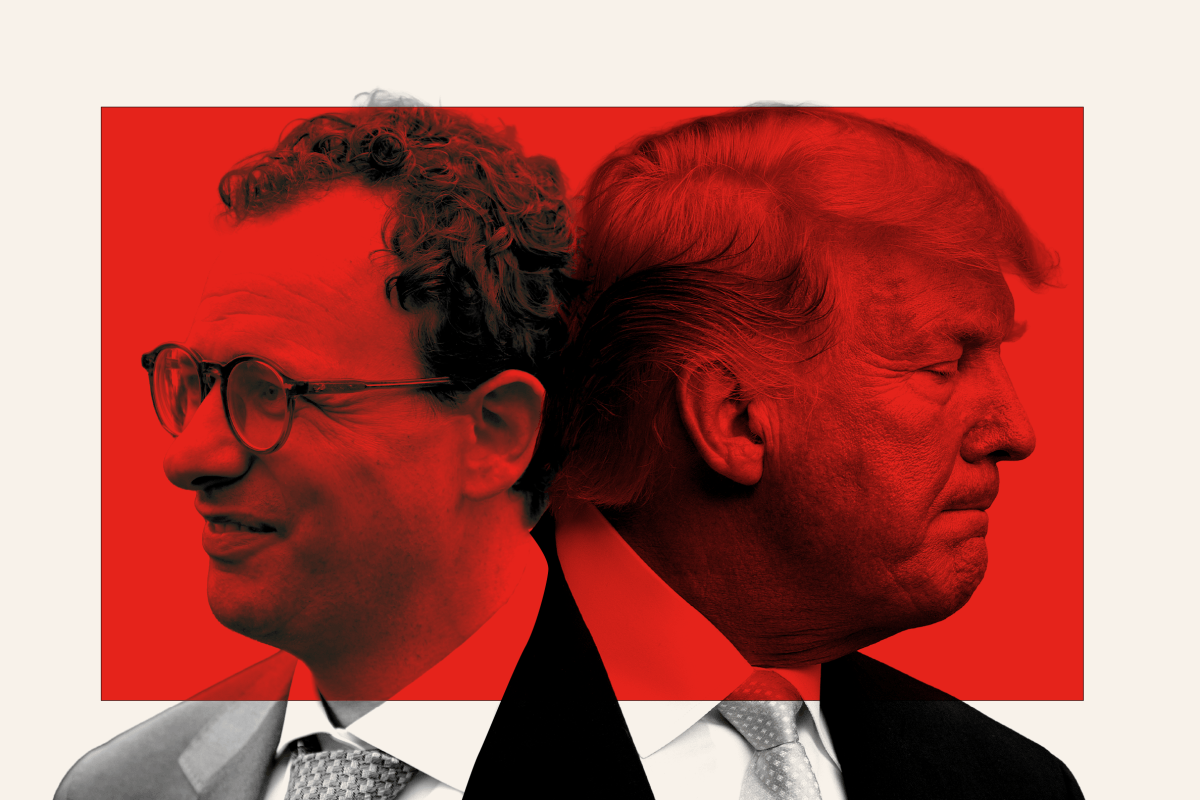
Dario Amodei, the CEO of AI company Anthropic, and President Donald Trump recently met to discuss artificial intelligence (AI). Amodei warns that AI could pose serious risks to humanity, while President Trump focuses on winning the AI race.
Key Facts
Dario Amodei is the leader of Anthropic, an AI research company focused on safety.
Amodei warned at the U.N. that AI could be hazardous if not managed properly.
President Trump supports advancing AI quickly to maintain U.S. leadership.
The two men represent different generational views: Amodei is cautious, Trump is optimistic.
They met for dinner at the White House in late September to discuss AI.
Trump signed an executive order encouraging AI development under safety rules.
Amodei and other tech leaders signed the White House Accord on AI safety, which Trump called a "morally binding" document.
There is broad agreement they want the U.S. to lead in AI, but differ on how fast and with what risks.
Read the Original
Want the full story? Tap a source to open the original
article.
Some people working in artificial intelligence (AI) are leaving their jobs because they worry AI could be very dangerous for humanity. Ideas from a group called effective altruism, focused on doing the most good, have influenced governments, AI companies, and religious groups about AI’s risks and ethics.
Key Facts
Several AI experts are quitting their jobs due to concerns about AI’s impact on humanity’s future.
Pope Leo in France warned about a future dominated by machines, calling it a “paradise of machines.”
The New York Times reported that a co-founder of the AI company Anthropic spent months talking with religious leaders about whether AI might become conscious.
Effective altruism, a movement that aims to use reason to do the most good, has shaped thinking about AI safety.
This movement's ideas have reached influential places like governments, top AI companies, and even the Church.
Discussions about AI’s ethical risks are happening alongside business and political debates about its growth.
AI companies have begun signing safety agreements, including one involving President Trump’s administration.
The article talks about the rise of AI safety concerns and the impact on the industry and society.
Read the Original
Want the full story? Tap a source to open the original
article.
SpaceX’s Starship rocket successfully launched and reached low Earth orbit. This is an important step for space travel because reaching orbit makes it easier to go anywhere in the solar system.
Key Facts
Starship is a rocket developed by SpaceX.
The rocket successfully reached low Earth orbit on its launch.
Low Earth orbit is the altitude where satellites and the International Space Station orbit Earth.
Reaching orbit is considered a key milestone for space missions.
Science fiction writer Robert Heinlein said that reaching Earth orbit is halfway to exploring the solar system.
Read the Original
Want the full story? Tap a source to open the original
article.
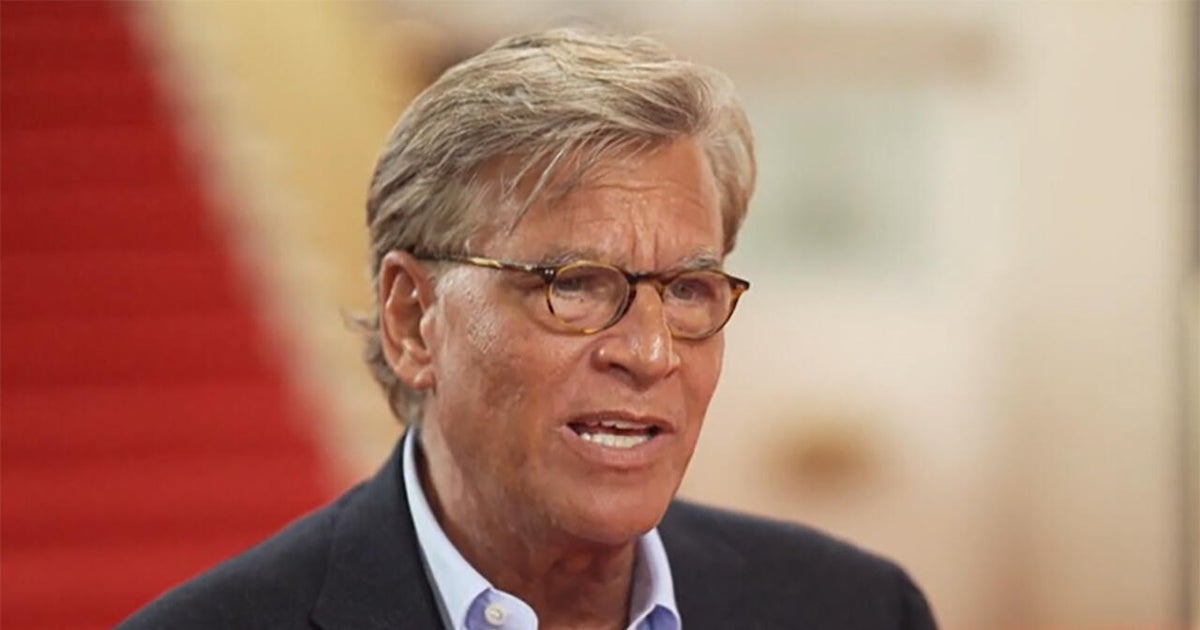
Aaron Sorkin is releasing a new movie called "The Social Reckoning," which looks at Facebook and its effects on society. The film is based on the story of Facebook whistleblower Frances Haugen, who revealed internal Facebook documents showing how the company promotes angry and divisive content to increase user engagement.
Key Facts
Aaron Sorkin won an Oscar for writing "The Social Network," a film about Facebook’s early days and Mark Zuckerberg.
Sorkin is now directing "The Social Reckoning," a movie showing the current impact of Facebook on society.
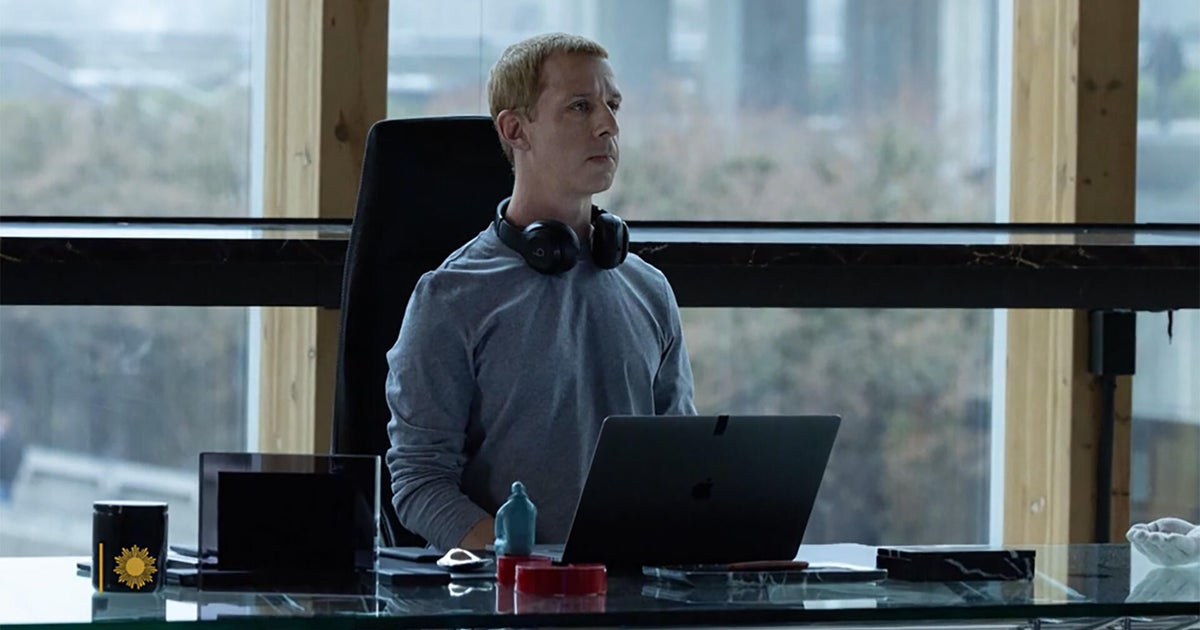
The film features Jeremy Strong as Mark Zuckerberg and Mikey Madison as Frances Haugen, the whistleblower who leaked Facebook’s internal documents in 2021.
Frances Haugen says Zuckerberg has been surrounded by yes-men and avoided consequences while Facebook’s problems grew.
Facebook changed its algorithm in 2018 to promote content that triggers anger because it increased user engagement.
The movie explores themes like misinformation, extremism, and society’s struggle with the truth.
Sorkin emphasizes the importance of dialogue and language in his work, comparing it to music.
"The Social Reckoning" is connected to Sorkin’s earlier work, "A Few Good Men," which also deals with facing difficult truths.
Read the Original
Want the full story? Tap a source to open the original
article.
Aaron Sorkin, who wrote the movie "The Social Network," has created a new film called "The Social Reckoning." It focuses on the impact of Facebook using information leaked by whistleblower Frances Haugen about the company's internal practices.
Key Facts
Aaron Sorkin wrote and directed "The Social Reckoning."
The film is inspired by Frances Haugen, a Facebook whistleblower.
Haugen leaked thousands of Facebook’s internal documents.
The leaked documents were reported by Wall Street Journal reporter Jeff Horwitz.
The film explores Facebook’s power and its effects on society.
Sorkin previously wrote "The Social Network," a movie about Facebook’s creation.
The topic was discussed in a CBS News interview with Aaron Sorkin and Frances Haugen.
Read the Original
Want the full story? Tap a source to open the original
article.
Women are underrepresented in the fast-growing artificial intelligence (AI) job market, holding only about a quarter of new AI roles and fewer executive positions. Many women work in lower-paying AI-related jobs and face challenges like bias, high work demands, and rapid changes in technology.
Key Facts
Women made up about 25% of new hires in AI roles last year, compared to 50% in non-AI tech roles.
Women hold only 13% of executive jobs in AI fields.
AI jobs pay more than twice as much as non-AI tech roles on average.
Men earn about $45,000 more than women in AI jobs, partly due to job type differences.
Women are more likely to work in roles at high risk of AI disruption, such as customer service.
Many women in AI face bias, like less investor interest when pitching compared to male co-founders.
The fast pace and long hours in AI work make it hard for women, especially those taking career breaks.
Women leave tech fields at higher rates than men, often due to culture and fewer advancement opportunities.
Read the Original
Want the full story? Tap a source to open the original
article.
A startup named Reflection, backed by Nvidia, is preparing to release a new powerful AI model that will be open-weight, meaning it can be downloaded and customized by anyone. This model offers a cheaper alternative to AI products from big companies like OpenAI and Google, and aims to help businesses create their own AI systems using their own data and computing power.
Key Facts
Reflection is supported by Nvidia and will launch an open-weight AI model soon.
Open-weight models can be freely downloaded and changed by users, unlike closed models such as ChatGPT.
Reflection’s model is expected to be less advanced than the top U.S. models but competitive with leading Chinese open-weight models.
The new AI system will help companies build their own custom AI using their data and rented Nvidia computing power.
Reflection wants to create an "AI factory" where organizations can quickly develop local AI environments tailored to their needs.
The startup signed deals with Nebius and SpaceX to rent Nvidia AI servers for large-scale computing.
Some industries, like hedge funds and banks, want proprietary AI systems for privacy and security reasons.
Nvidia CEO Jensen Huang supports this approach, combining hardware with open-source AI models to protect data ownership.
Read the Original
Want the full story? Tap a source to open the original
article.
Elon Musk said his company SpaceXAI, which makes the AI chatbot Grok, will change its name to SpaceXSI. This follows President Donald Trump’s executive order to replace “artificial intelligence (AI)” with “Super Intelligence (SI)” in government language.
Key Facts
SpaceXAI is the company behind the chatbot Grok.
President Trump issued an order to replace the terms “artificial intelligence” and “AI” with “Super Intelligence” and “SI” in executive branch communications.
Elon Musk expressed support for this new terminology on social media platform X.
Musk agreed to rename SpaceXAI to SpaceXSI, aligning with the new government language.
Grok competes with AI chatbots from companies like OpenAI, Anthropic, Google, and Microsoft.
The name change suggests Musk is open to adopting the language promoted by the White House.
The full details of the rebrand have not yet been shared.
Newsweek is updating the story as more information becomes available.
Read the Original
Want the full story? Tap a source to open the original
article.
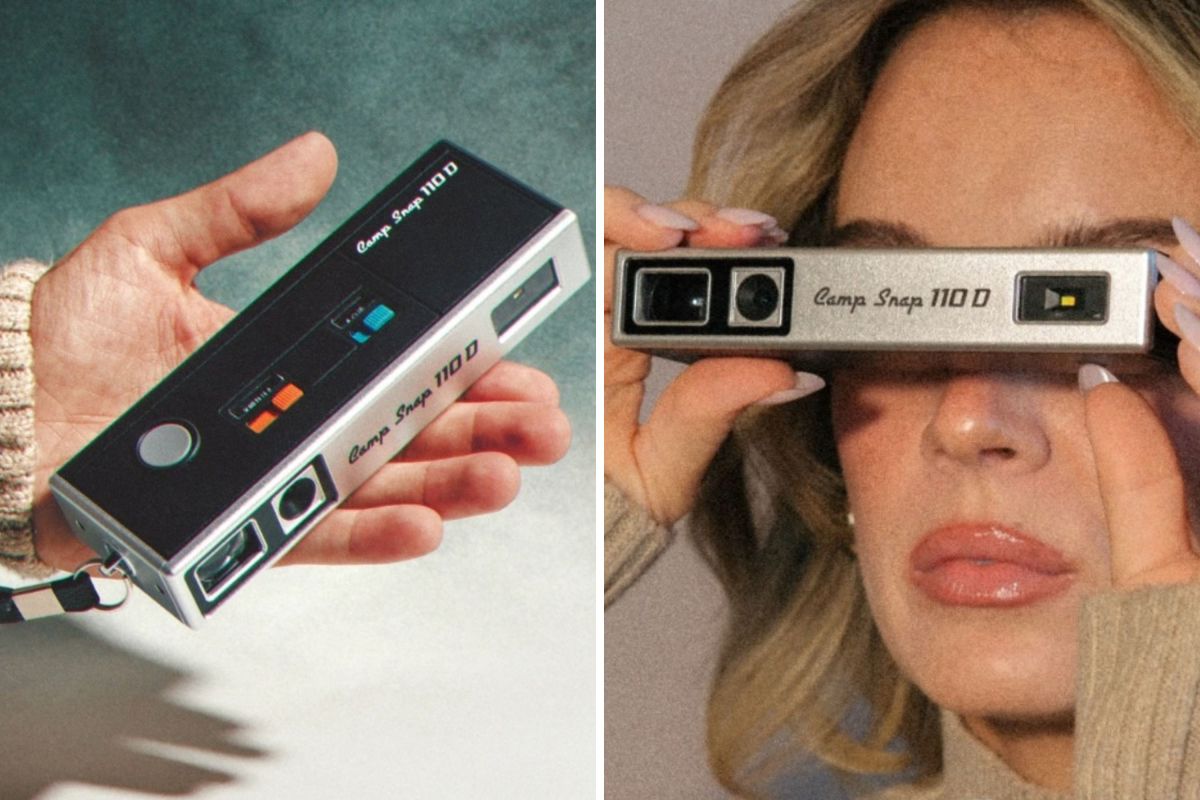
A new digital pocket camera inspired by the 1970s Kodak 110 film cameras has been released. The Camp Snap 110 D is rechargeable, uses no film, and has no screen, encouraging users to focus on taking photos without digital distractions.
Key Facts
The Camp Snap 110 D is a modern digital camera designed to look like the 1972 Kodak 110 film camera.
It does not use film and has no preview screen, only showing battery life and photo count.
Users cannot review photos immediately; images must be transferred to another device to be seen.
This delay recreates the experience of waiting to develop film photographs.
Film and analogue camera markets are growing, with a projected increase from $36.84 million in 2026 to $52 million by 2035.
Consumers want more personal, less automated photography experiences than smartphone cameras provide.
The camera encourages being present in the moment without digital distractions from social media or messages.
Younger generations are adopting analogue and retro technology as a way to combat digital burnout.
Read the Original
Want the full story? Tap a source to open the original
article.