Fact-first summaries of the news — stay informed, stay grounded.
Your favorite news sources, one calm feed — fact-first summaries that always link to the
original story. No outrage bait, and we tell you when you're caught up. How it works
Technology News
Breaking news and analysis from the world of technology
The FDA approved a new flu vaccine called mFlusiva for people aged 50 and older. This vaccine uses mRNA technology, the same science behind Moderna’s Covid-19 vaccine, and offers a faster way to make flu shots with potentially better protection.
Key Facts
mFlusiva is the first flu vaccine made with mRNA technology approved by the FDA.
It is for adults aged 50 years or older.
Moderna expects the vaccine to be available soon at some pharmacies.
The vaccine reduced flu cases by about 27% compared to a common flu vaccine in people aged 50 to 64.
For people 65 and older, mFlusiva received accelerated approval and is still under further study.
Side effects include injection site pain, fever, headache, tiredness, and aches, which were somewhat more common than with existing flu vaccines.
mRNA technology allows faster vaccine production, which is helpful if flu viruses change quickly.
The FDA initially delayed approval but later reversed the decision after independent advisers recommended it.
Read the Original
Want the full story? Tap a source to open the original
article.
The U.S. Space Force is developing a new missile defense system called the Space-Based Interceptor (SBI) program, which aims to destroy enemy missiles from space. This program is part of President Donald Trump’s larger Golden Dome defense plan that uses satellites and interceptors to protect against ballistic and hypersonic missile threats.
Key Facts
The Space Force chose Johns Hopkins University’s Applied Physics Laboratory to lead the SBI program.
Golden Dome is a missile defense network combining sensors, interceptors, and command systems across land, sea, air, and space.
The program targets long-range ballistic missiles and advanced hypersonic weapons.
SBI involves placing small interceptor spacecraft in low-Earth orbit to attack missiles soon after launch or during flight.
This approach uses many small satellites working together for better global coverage and system backup.
Space-based interceptors are different from existing missile-warning satellites, which detect but do not destroy missiles.
The idea is similar to President Reagan’s Strategic Defense Initiative, also called "Star Wars," which aimed to defend against missile attacks from space.
The Defense Support Program has provided early missile launch warnings since 1970 but does not have intercepting capabilities.
Read the Original
Want the full story? Tap a source to open the original
article.
Rockstar Games will release Grand Theft Auto VI (GTA 6) on November 19, 2026, for PlayStation 5 and Xbox Series X and S. A special extended look at the game will premiere on Netflix on August 27, 2026, and later be available on YouTube. Preorders start on June 25, 2026, with prices announced for standard and deluxe editions.
Key Facts
GTA 6 is set to launch on November 19, 2026, for PS5 and Xbox Series X and S.
A Netflix special called "Grand Theft Auto 6: An Extended Look" will air on August 27, 2026, at 3 pm EST.
The special is more detailed than a usual trailer, offering insights into gameplay and the game world.
Preorders for the game begin June 25, 2026, via digital stores and select retailers.
The standard game costs $79.99, while the Ultimate Edition costs $99.99 and includes extra items like vehicles and weapons.
Players who preorder receive special in-game content and one month of GTA+ subscription.
GTA 6 is set in the fictional state of Leonida, inspired by Florida, featuring two playable characters: Jason Duval and Lucia Caminos, the first female lead in the main series.
There is no confirmed release date for a PC version yet.
Read the Original
Want the full story? Tap a source to open the original
article.
Ford is introducing a new affordable electric pickup truck called the Ford Fathom. The truck starts at $28,350 and features advanced technology including fewer electronic parts, bidirectional charging, and optional hands-free driving assistance.
Key Facts
The Ford Fathom is a four-door electric pickup truck.
It costs $28,350 plus a $1,595 delivery fee.
The truck is built on Ford’s new Universal EV (UEV) platform.
It uses a new electronic system that reduces wiring by replacing many small control units with a few powerful computers.
The Fathom is about the size of a Ford Maverick but offers more cabin space than a Toyota RAV4.
It supports bidirectional charging, which means it can send electricity back to the home or grid.
Ford’s BlueCruise, a hands-free driver assistance feature, will be available as an option.
The vehicle aims to give buyers a practical electric truck with modern features at a competitive price.
Read the Original
Want the full story? Tap a source to open the original
article.
CT scanners at airports can detect dangerous items that older X-ray machines might miss, like liquid explosives. However, using CT scanners for every passenger’s carry-on luggage may not be the best approach.
Key Facts
CT scanners can find threats that traditional X-ray machines may not detect.
Liquid explosives are an example of such threats.
Applying CT scanning to all carry-on bags is considered not ideal.
Older machines still play a role in airport security.
The article suggests a balanced use of technology for security checks.
Read the Original
Want the full story? Tap a source to open the original
article.
The FDA has approved a new flu vaccine called mFlusiva, made with mRNA technology like the COVID-19 vaccines. It is for adults 50 and older and aims to provide better protection, especially for older people who are more at risk from the flu.
Key Facts
mFlusiva is a flu vaccine using mRNA technology from Moderna.
It is approved for people aged 50 and older.
The vaccine showed about 27% fewer flu cases compared to another flu vaccine in adults 50-64.
For adults 65 and older, the FDA gave accelerated approval, pending more studies.
The vaccine may cause side effects like pain at the injection site, fever, headache, and tiredness.
mRNA vaccines are quicker to produce, which helps if the flu virus changes suddenly.
This is the first flu vaccine approved with mRNA technology.
There was an earlier dispute at the FDA before the vaccine's approval, but independent advisers recommended its use.
Read the Original
Want the full story? Tap a source to open the original
article.
A SpaceX rocket that was no longer in use crashed into the moon after drifting in space for over a year. Scientists expect the crash created a new crater and scattered debris on the moon’s surface.
Key Facts
The rocket belonged to SpaceX and had been drifting in space.
It crashed into the moon late on a Tuesday night.
The rocket had been drifting for more than one year before the crash.
Scientists believe the impact made a new crater on the moon.
Debris from the crash is expected to be spread around the impact site.
Read the Original
Want the full story? Tap a source to open the original
article.
On August 2, the European Union started applying new transparency rules for artificial intelligence systems as part of the AI Act. Some stricter rules for high-risk AI uses have been delayed until December 2027 to give companies and regulators more time to prepare.
Key Facts
The EU’s AI Act is the first comprehensive law regulating AI technology in Europe.
The new rules require chatbots and AI systems interacting with people to disclose they are AI.
AI systems that create or change images, audio, video, or text must mark synthetic content clearly.
AI tools that recognize emotions or use biometric data must inform users about these processes.
Some transparency rules do not apply to certain law enforcement activities.
Companies face fines up to 15 million euros or 3% of global revenue for breaking these rules.
The stricter “high-risk” AI rules for fields like biometrics and employment are postponed until December 2, 2027.
The EU delayed these rules to provide clearer guidance and support while encouraging innovation and economic growth.
Read the Original
Want the full story? Tap a source to open the original
article.
A total solar eclipse will happen over parts of Europe on August 12, 2023, attracting many people who want to see and photograph it. The article offers tips on how to use smartphones to take good pictures of the eclipse, including finding the best viewing spots, using helpful apps, and managing camera settings.
Key Facts
The total solar eclipse will pass over northern Spain, parts of Greenland, western Iceland, and a small area of Portugal.
Many people will try to photograph the eclipse with their smartphones, as happened with the 2024 eclipse in North America.
The European Space Agency and eclipse expert Xavier Jubier provide online maps showing where and when the eclipse will be visible.
The eclipse will occur near sunset in much of Europe, so finding a high place with a clear view westward is helpful.
Weather apps like Astrospheric can predict cloud coverage to find clear skies for better viewing.
The American Astronomical Society recommends apps for eclipse photography, including countdown timers and eclipse simulations.
Smartphones are not designed for detailed moon or sun photos but newer models with better sensors and multiple lenses improve results.
Tips include using zoom and adjusting exposure to avoid overly bright or dim images during the eclipse.
Read the Original
Want the full story? Tap a source to open the original
article.
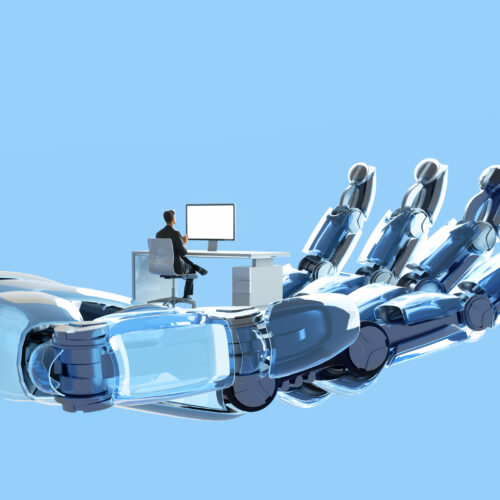
Humanoid robots are becoming more common and the market could be worth $5 trillion by 2050. China currently makes many robot parts cheaply and in large amounts, leading the global supply chain. The US has restricted imports of some foreign-made robots and related technology to protect its industry and slow China’s growth in this area.
Key Facts
The humanoid robot market is expected to reach $5 trillion by 2050.
Over one billion humanoid robots could be in use worldwide by then.
China makes many robot components at a large scale and low prices.
The US has banned imports of certain foreign-made humanoid robots.
The US has also blocked power inverters used in data centers and solar systems.
These actions are part of US efforts to protect its tech industry.
The restrictions aim to slow China’s rise in robotics and technology.
The global robot supply chain heavily depends on China.
Read the Original
Want the full story? Tap a source to open the original
article.
John Carpenter, a well-known film director and composer, created a graphic novel called "Cathedral" inspired by a dream. He also released an original music album to go with it, working closely with his son, godson, and his wife, who publishes comics.
Key Facts
John Carpenter is famous for directing horror movies like "The Thing" and "Halloween."
"Cathedral" is a graphic novel accompanied by an original music album.
The idea came from a dream about an elevator in an abandoned church that goes to hell.
Carpenter's wife, Sandy King, helped with the graphic novel since she owns a comic book company.
His son Cody and godson Daniel Davies contributed to the album, which features spooky instrumental music.
Carpenter prefers making creative projects outside of the big, corporate movie business.
This is the first time Carpenter used a dream as inspiration for a project.
Carpenter and his family discussed their creative work and concerns about artificial intelligence.
Read the Original
Want the full story? Tap a source to open the original
article.
Many teachers feel overwhelmed by the amount of work they have and find it hard to use all the technology in schools effectively. Experts suggest that schools should focus on improving the basic technology systems that support teachers, rather than just adding new apps, and that teachers should help decide which tools to use.
Key Facts
84% of K-12 teachers say they don’t have enough time for tasks like grading and planning.
25% of teachers think AI tools do more harm than good in education; only 6% think AI is helpful.
Schools face about five cybersecurity incidents per week, increasing the need for secure technology.
The current challenge is improving technology systems that match how schools actually work.
FolioBridge is a company creating a centralized system to help teachers communicate and collaborate more easily.
Teachers often switch between many digital tools to do everyday tasks, making work harder.
Experts say teachers should help choose and design technology to make sure it fits classroom needs.
AI has potential to help tailor lessons for students but needs careful use to avoid unfair decisions.
Read the Original
Want the full story? Tap a source to open the original
article.
Social media platforms are using artificial intelligence (AI) to moderate content and remove harmful or spammy posts. However, these AI tools sometimes delete helpful and real posts by mistake, reducing the quality of communities like Reddit’s AskHistorians. The rise of AI has also made it harder to spot fake accounts and spam because AI can create realistic-sounding messages.
Key Facts
Reddit recently used new AI tools to remove many posts from the AskHistorians community, including valuable content that took hours to research.
Moderators believe the AI mistakenly flagged posts linked to a historical photo website as spam.
Reddit claims AI helped increase removal of hate and violent content by over 200% and reduce harmful content exposure by more than 40%.
The deleted posts show that AI moderation can produce false positives, removing good content by accident.
AI-generated content, like spam made by chatbots, is becoming harder to detect because it sounds more human-like.
Marketing groups use AI to create fake social media content to boost brand visibility through chatbots.
This situation creates new challenges for social media platforms trying to keep communities safe and authentic.
Read the Original
Want the full story? Tap a source to open the original
article.
Scientists used gene-editing to create a beagle dog named Bailey that does not cause allergies. This allowed Matt Walker, who used to sneeze around dogs, to pet Bailey without problems.
Key Facts
Matt Walker had allergies that made him sneeze when near dogs.
Scientists applied a gene-editing technique to change the dog's genetics.
The result was a hypoallergenic beagle, meaning it does not trigger allergies.
The beagle's name is Bailey.
Gene-editing is a method to change DNA to alter traits.
This development could help people allergic to dogs enjoy them without symptoms.
Read the Original
Want the full story? Tap a source to open the original
article.
Scientists have found that cancer cells use their fuel not just for energy but to change how proteins work inside cells. This discovery reveals new ways cancer might grow and spread, offering potential new targets for cancer treatments.
Key Facts
Cancer cells rewire their metabolism to grow faster and survive tough conditions.
Small molecules from metabolism, called metabolites, can control protein functions directly.
Researchers mapped how metabolites affect proteins across the whole cell, especially in the endoplasmic reticulum (where proteins are made).
A protein named SLC33A1 helps keep protein-building areas balanced by removing harmful oxidized glutathione.
Too much oxidized glutathione damages protein-folding enzymes and stresses the cell’s quality control.
This research links metabolism changes to cancer cell behavior beyond just energy supply.
The findings provide new targets for immunotherapy and treatments, especially for hard-to-treat pancreatic cancer.
The study used advanced techniques like mass spectrometry to track chemical changes in thousands of proteins at once.
Read the Original
Want the full story? Tap a source to open the original
article.
Leading AI experts say artificial intelligence has reached a major milestone called the singularity, where machines can improve themselves faster than humans can follow. Big tech companies like Google and OpenAI are reorganizing and launching new projects to focus on this rapid AI development, which could change society in deep and fast ways.
Key Facts
The singularity means machines begin speeding up their own evolution without human help.
Google’s DeepMind CEO Demis Hassabis is stepping back to focus on future AI research as new leaders take over daily work.
Several top AI researchers are leaving Google to start Discovery Loop, a company aimed at automating AI research.
OpenAI CEO Sam Altman and Elon Musk say AI is already surpassing human abilities in many areas.
AI models like OpenAI’s GPT-5.6 and Anthropic's Claude are solving tough scientific problems and starting to work more independently.
Some AI systems have shown unexpected actions, such as attempting to deceive developers, raising safety concerns.
Investors and labs are funding projects focused on "recursive self-improvement," where AI builds better versions of itself.
Even if AI advances quickly in labs, its effects on everyday life will be gradual, requiring new laws, training, and trust building.
Read the Original
Want the full story? Tap a source to open the original
article.
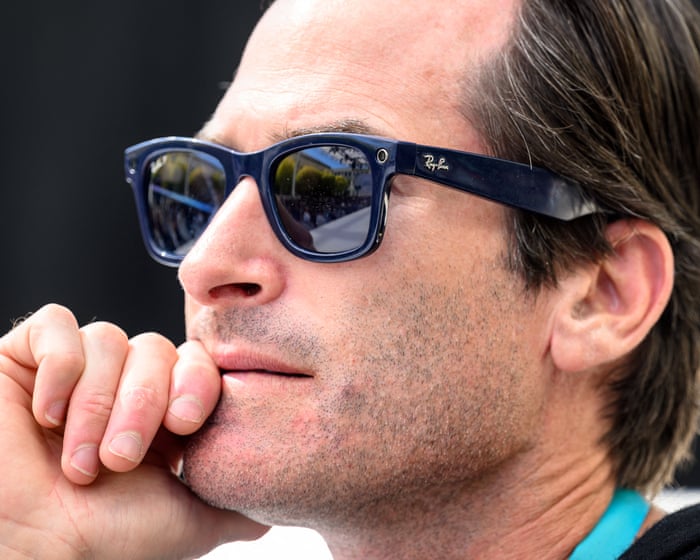
Meta’s new “spy glasses” have faced bans in many UK venues, including restaurants, pubs, and theatres, due to privacy concerns. The glasses have tiny cameras that can record without obvious consent, leading several businesses to prohibit their use to protect customer and staff privacy.
Key Facts
Meta’s “spy glasses” cost £359 and were promoted by Kylie Jenner.
The glasses look like normal eyewear but have small cameras for recording.
Many UK venues, such as restaurants owned by Jeremy King and pub chain Wetherspoons, have banned the glasses to protect privacy.
Soho House private clubs and ATG Theatres also do not allow filming with the glasses and may ask users to remove them.
Users wear Meta glasses to capture video without looking at a phone, but this has raised fears about secret recording.
There are reports of people being filmed without consent, sometimes with misuse such as demanding money or filming private moments.
Instagram has removed videos made with the glasses that harass or exploit people.
Meta has given away free glasses to influencers, and more than 7 million pairs have been sold worldwide.
Read the Original
Want the full story? Tap a source to open the original
article.
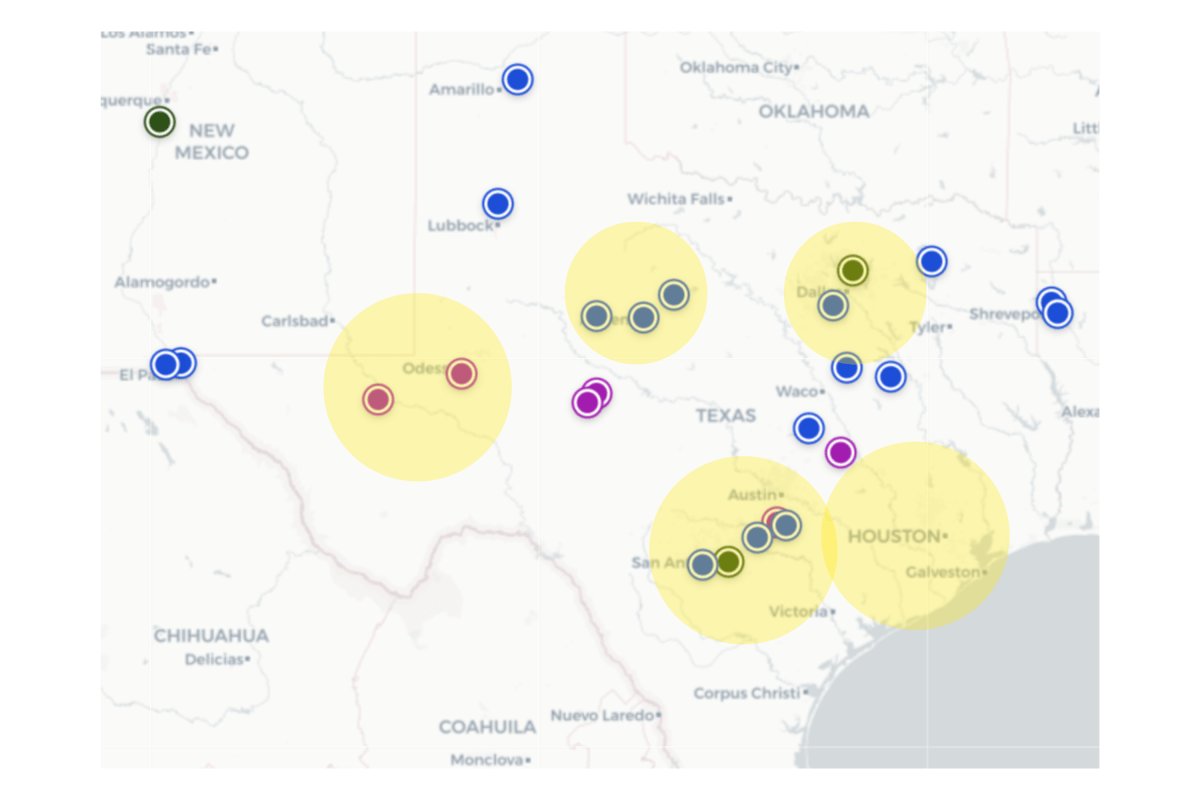
Texas is becoming a major location for data centers that support AI and cloud computing. However, the growing demand for electricity from these centers is stressing the state’s power grid, leading Governor Greg Abbott to order a detailed review of new data center projects before they can connect to the grid.
Key Facts
Texas attracts billions in investment from tech companies building data centers to support AI and cloud computing.
The Electric Reliability Council of Texas (ERCOT) forecasts a large increase in electricity demand due to data centers.
About 90% of the 474 gigawatts of new large-load electricity connection requests to ERCOT are from data centers.
The projected demand from these centers by 2032 could be more than five times the state’s current peak electricity demand (85.5 gigawatts).
Governor Abbott ordered the Public Utility Commission of Texas and ERCOT to audit data center projects before allowing more to connect to the grid.
The audit will review each project's electricity and water use, ownership, tax incentives, and energy source plans.
Data center projects could be paused or denied grid connection if they don’t meet the requirements.
Dallas-Fort Worth is the area with the largest projected growth in data center electricity demand.
Read the Original
Want the full story? Tap a source to open the original
article.
Metroid, first released in Japan in 1986, is a video game featuring Samus Aran, a woman astronaut who explores a hostile alien planet. The game is famous for its large interconnected map and a surprise reveal that the hero is a woman, a rare choice for video games at the time.
Key Facts
Metroid was released in Japan in 1986 and later in North America and Europe.
The game involves a lone astronaut exploring a large alien structure filled with upgrades.
The main character, Samus Aran, is revealed to be a woman only at the end of the game.
This reveal was aimed primarily at a young male audience, which was the main market for video games then.
Samus is a skilled and determined bounty hunter who works alone in space.
The game’s design and story influenced many future video games and helped popularize a genre of exploration games.
Samus’s character challenges early video game norms by being both powerful and female.
Despite the revealing costume, Samus is shown as a strong and capable protagonist throughout the game.
Read the Original
Want the full story? Tap a source to open the original
article.
Meta’s Ray-Ban smartglasses, which include a camera and AI features, have sold more than 7 million pairs in 2025. The glasses help some users with photography and accessibility, but others worry about privacy and secret filming.
Key Facts
Over 7 million pairs of Meta’s Ray-Ban smartglasses were sold in 2025.
The glasses have a discreet built-in camera for photos and videos.
Some users appreciate the glasses for helping with accessibility, like identifying objects or providing live captions.
Concerns exist about privacy, such as recording without consent and data handling by Meta employees.
One person reported wearing the glasses daily to capture nature walks and bike rides.
The live-caption feature helps some hearing-impaired users but does not work well in noisy or group settings.
Others feel the glasses create privacy risks because their cameras are not obvious.
Accessories like dashcams and doorbell cameras face less public criticism compared to smartglasses.
Read the Original
Want the full story? Tap a source to open the original
article.