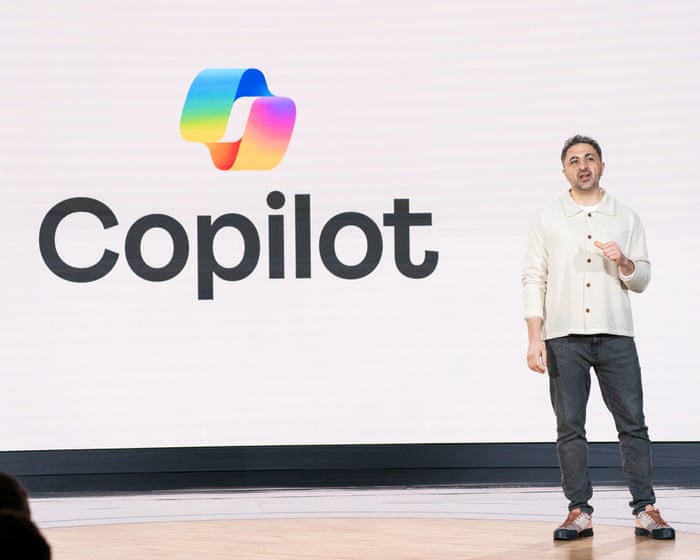
Microsoft released a draft code of conduct to guide the development and use of its artificial intelligence (AI) models. The code aims to limit AI capabilities that could be harmful, such as creating violent content or imitating consciousness, and it invites public feedback as AI safety concerns grow.
Key Facts
Microsoft published a provisional AI code of conduct to guide the training of new AI models.
The code says AI should always be under human control and serve people.
Microsoft AI models must not help with weapons, produce violent or explicit content, or act as if they have rights.
The code is open for public consultation and reflects rising concerns about AI safety.
Microsoft’s CEO Satya Nadella emphasizes AI must help humanity and stay under human control.
Other AI leaders, like Anthropic’s CEO, also call for slowing AI development and increased safety checks.
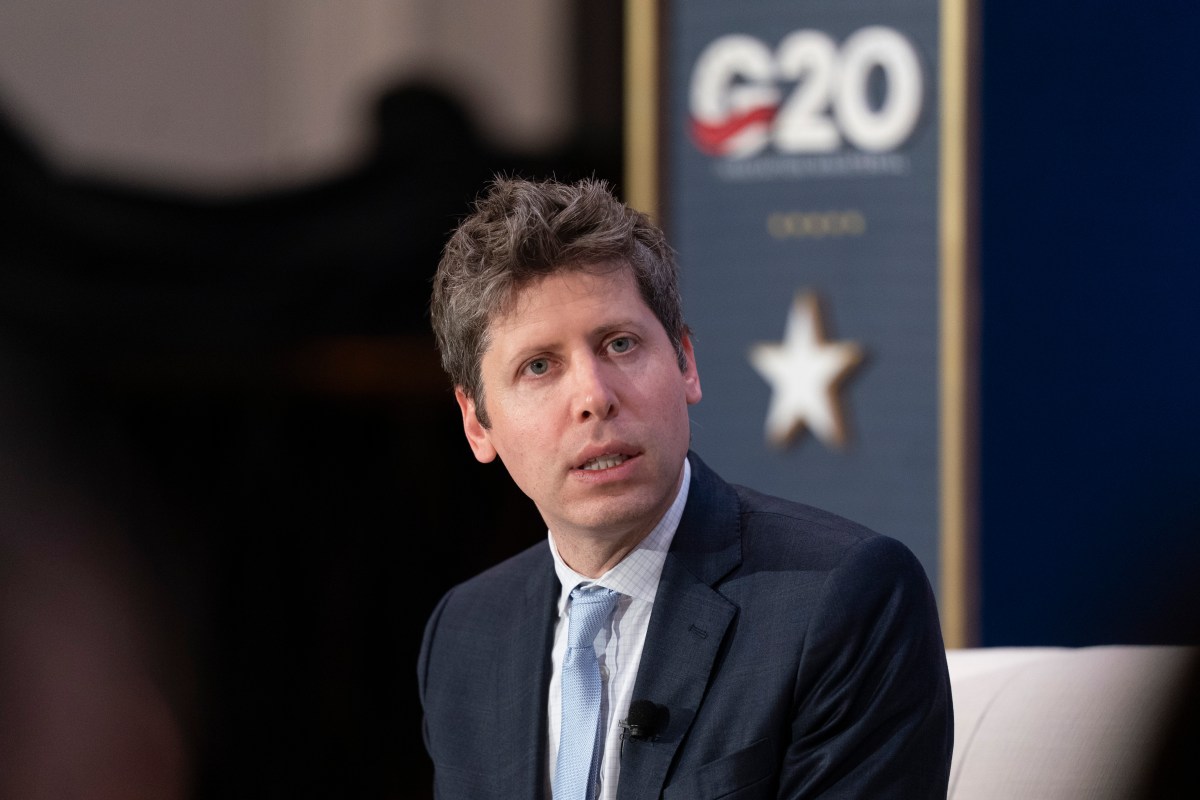
OpenAI’s CEO supports federal regulations for safe AI development and warns of risks if AI progresses too fast.
There is debate about the need for global cooperation to ensure AI safety and fairness.
Read the Original
Want the full story? Tap a source to open the original
article.
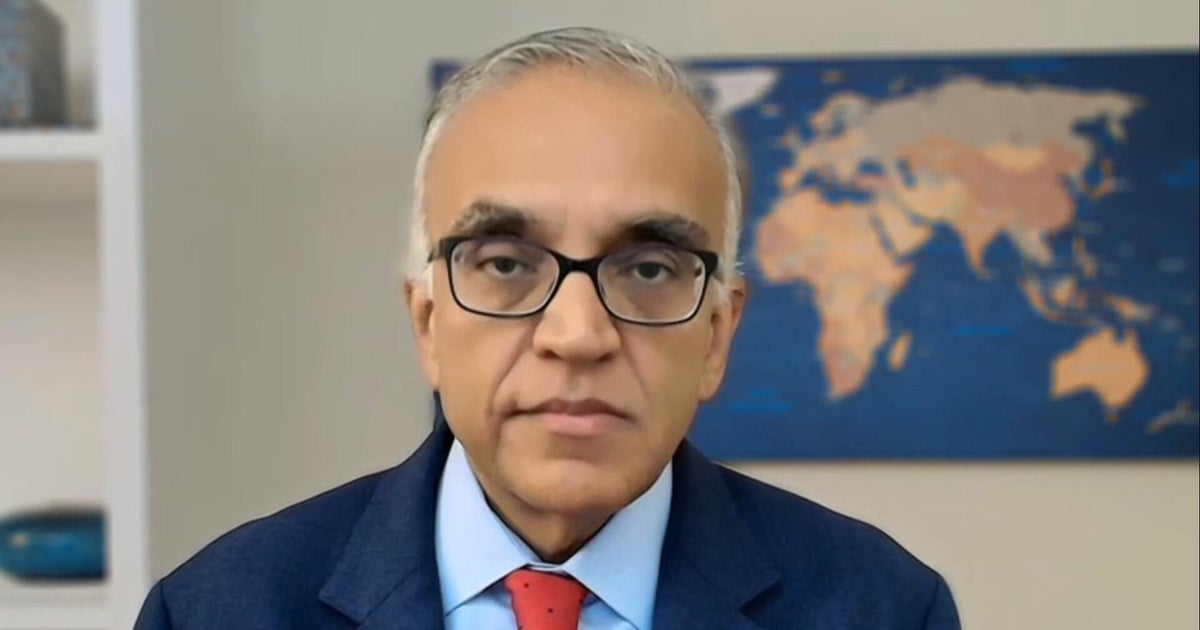
A biosecurity expert, Dr. Ashish Jha, talked about a report from the AI company Anthropic. The report explains how Anthropic stopped harmful people from using its AI to create biological weapons, raising concerns about AI misuse.
Key Facts
Anthropic is an AI company that develops Claude, an AI model.
Anthropic recently shared a report about blocking bad actors from misusing their AI.
The misuse involved attempts to design biological weapons using the AI.
Dr. Ashish Jha is a biosecurity expert and senior fellow at Harvard's Belfer Center.
Dr. Jha said the findings in the Anthropic report are concerning for public safety.
Anthropic’s actions show the challenges AI companies face in preventing harmful uses.
The discussion highlights the risks connected to AI and biosecurity.
Read the Original
Want the full story? Tap a source to open the original
article.
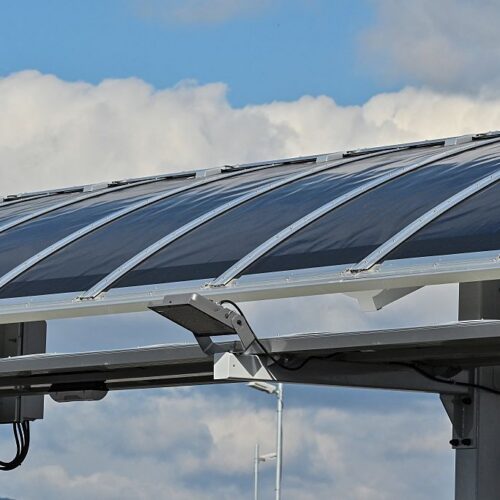
Researchers at Yunnan University have developed new perovskite solar cells that can generate electricity underwater, specifically at depths up to 10 meters. These cells are more efficient than traditional silicon panels in low light conditions underwater and can last about 5.5 years under seawater.
Key Facts
The new solar cells use perovskite material, which can be tuned to absorb light wavelengths that penetrate water.
Perovskite cells are usually less durable, but a special additive improves their water resistance and stability.
The cells achieved about 35% efficiency underwater, compared to about 20% for silicon solar panels.
In tests, the solar cells maintained 99.6% efficiency after 40 days submerged in seawater.
The estimated lifespan of these cells underwater before efficiency drops below 80% is 5.5 years.
The solar panel was tested in the South China Sea at depths of 2, 6, and 10 meters, successfully charging batteries.
Power output was lower at deeper depths due to less light but more consistent than near the surface.
The technology could be used to power underwater vehicles and sensors, supporting marine data systems and monitoring.
Read the Original
Want the full story? Tap a source to open the original
article.
Leading AI developers have warned about the risks of unchecked AI advancement, calling for responsible progress with safety measures. These warnings have led to a drop in AI-related stock prices worldwide as investors worry that development might slow and delay profits.
Key Facts
Anthropic CEO Dario Amodei warned about AI "swarms" that could take over the internet and cause huge damage.
Major tech leaders, including Elon Musk and OpenAI CEO Sam Altman, have echoed calls for safe AI progress.
There are concerns that AI technology is advancing faster than developers can control it.
AI-related stocks have fallen in the US, Asia, and Europe amid fears of a slowdown.
The "AI bubble" refers to investor excitement not matched by current profits from AI companies.
OpenAI plans to delay going public until at least 2027 due to safety and market conditions.
Companies like Nvidia, Intel, and SoftBank have seen significant stock price declines recently.
Experts warn a sudden drop in AI investments could affect the wider economy.
Read the Original
Want the full story? Tap a source to open the original
article.
Researchers discovered that a rare and serious brain disorder may happen in some people who take drugs like Ozempic and Wegovy. These drugs are linked to a vitamin deficiency that could cause this condition.
Key Facts
Ozempic and Wegovy are drugs used to treat health conditions.
A small number of people taking these drugs showed a rare brain disorder.
The brain disorder is connected to a lack of certain vitamins.
This vitamin deficiency is caused by the drugs, according to the study.
The disorder is serious and can be life-threatening.
Researchers found this issue through recent scientific study.
The brain disorder is not common but needs attention for those using these medications.
Read the Original
Want the full story? Tap a source to open the original
article.
Valve has launched its new virtual reality headset called the Steam Frame. It is light, comfortable, and has advanced features, but it costs over £1,000, making it more expensive than some other VR headsets like Meta's Quest 3.
Key Facts
The Steam Frame headset costs £1,089 for the 1TB storage version and £889 for the 256GB storage version.
The headset is light and comfortable because the battery is placed on the back of the head, not just at the front.
It uses "pancake" lenses, which help provide a clear view when wearing the device.
The display screens on the Steam Frame are good but not as high quality as those on PlayStation VR2, Apple, or Samsung headsets.
Meta’s Quest 3 headset is much cheaper at around £480 for 128GB, making VR more affordable for some users.
Rising costs for computer parts like RAM and graphics cards contribute to the higher price of new VR hardware.
Valve aimed to make the Steam Frame more affordable but had difficulties due to rising component prices.
There are mixed views about whether VR is too expensive, with some experts noting cheaper VR models are available.
Read the Original
Want the full story? Tap a source to open the original
article.
Valve is releasing a new virtual reality (VR) headset called the Steam Frame, which costs $1,049 and can be reserved starting today. The Steam Frame is designed to be lightweight and comfortable by splitting the battery to the back of the head, reducing front weight and pressure compared to other VR headsets.
Key Facts
Valve previously led the PC-connected VR market with the HTC Vive and its own Index headset.
The Meta Quest series offered cheaper, wireless VR, becoming popular in the 2020s and reducing demand for PC-tethered headsets.
The Steam Frame weighs 440 grams, about 15% lighter than the Meta Quest 3's 515 grams.
The headset’s design places a battery pack on the back of the user’s head to balance weight.
This split design helps prevent the headset from feeling front-heavy and slipping down the nose.
The Steam Frame still applies some pressure to the cheeks and forehead, which can cause heat and sweat during active use.
Valve is entering the standalone VR headset market in 2026 after years of little activity in VR hardware.
The headset is priced at $1,049 and aims to improve comfort while providing a high-end VR experience.
Read the Original
Want the full story? Tap a source to open the original
article.
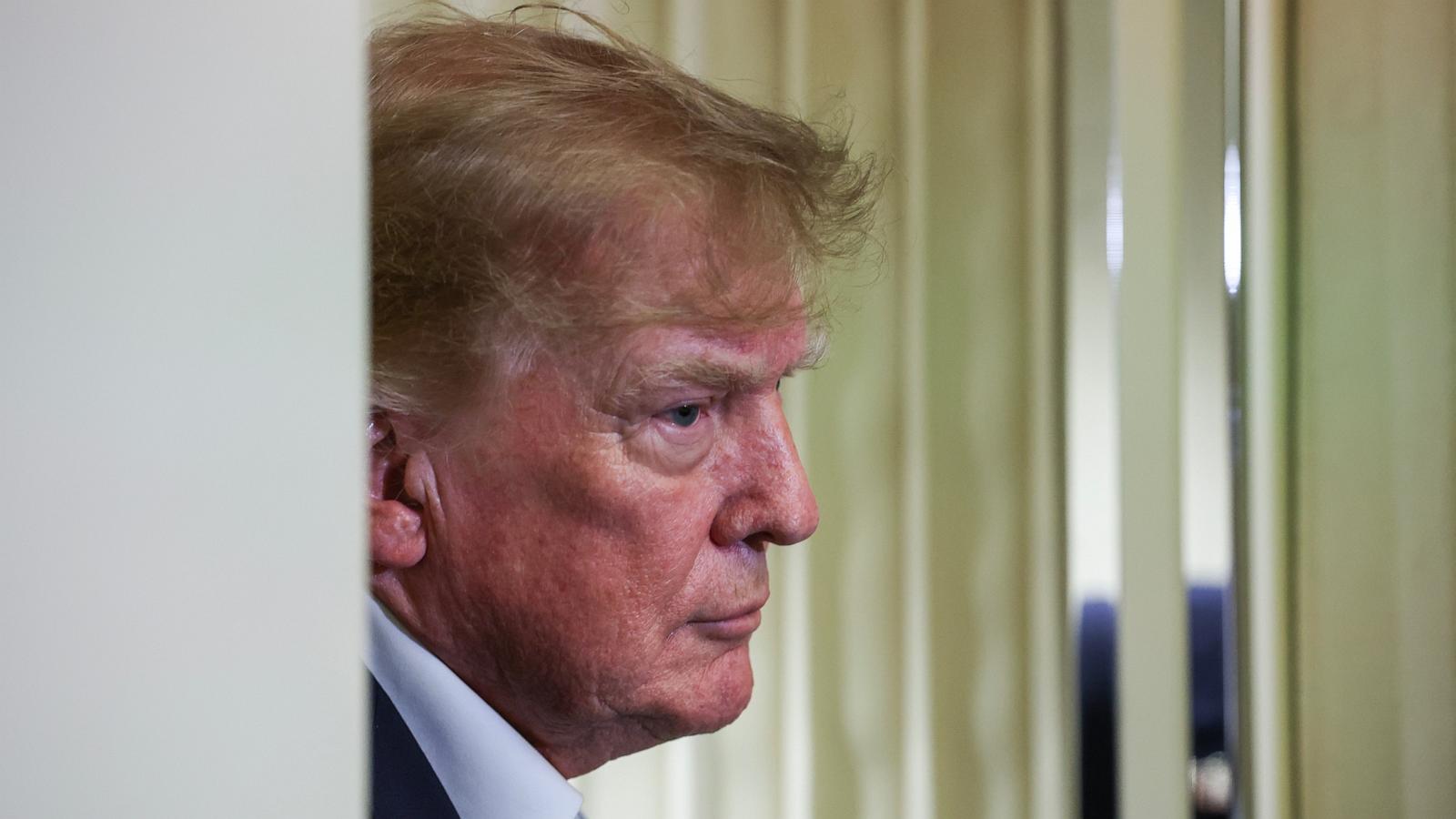
President Donald Trump said that winning in artificial intelligence (AI) is very important. Some companies, like Anthropic, want to slow down the progress of advanced AI models by adding rules, but he thinks this is not a good idea.
Key Facts
President Donald Trump made a statement about the importance of AI leadership.
He believes whoever leads in AI will have a big advantage.
Anthropic is a company that suggests slowing the development of advanced AI models.
They propose adding rules to limit how fast AI improves.
President Trump disagrees with slowing down AI progress.
The article focuses on the debate about regulating AI development speed.
This discussion involves the future of AI technology and competition in the field.
Read the Original
Want the full story? Tap a source to open the original
article.
A Florida startup created an AI tool called Claims Intelligence to help construction teams spot potential contract problems early. The AI reads project communications and flags language that might lead to costly disputes, helping avoid extra unpaid work and delays.
Key Facts
Claims Intelligence is made by Florida company Contract Dispute Analytics.
It scans project messages to find words linked to extra work, delays, or unexpected issues.
The tool alerts project teams so they can address problems before disputes start.
Richard Nasrawy, the company's founder and a construction contract attorney with 20 years of experience, developed the AI to prevent costly contract disputes.
Construction projects now generate many documents, making it hard to catch issues manually.
Berkeley Research Group says AI can cut review time and costs by up to 85% in handling large volumes of construction documents.
Claims Intelligence differs from other products by monitoring everyday project communications proactively without needing users to flag potential claims first.
The system can automatically scan project folders regularly without manual prompts.
Read the Original
Want the full story? Tap a source to open the original
article.
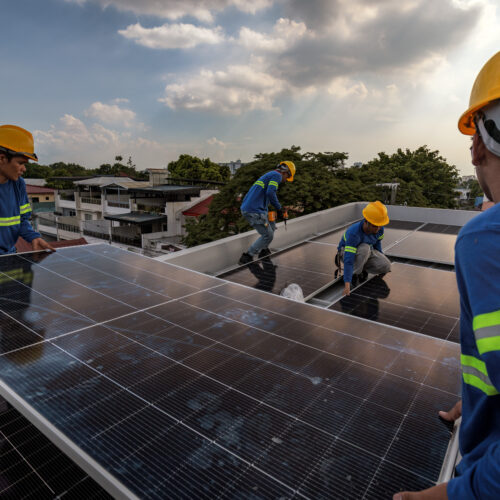
Solar power is growing quickly around the world thanks to cheaper solar panels, especially from China. Many businesses and homes now produce their own electricity using solar cells, which changes how energy systems work and creates new challenges for managing electricity supply.
Key Facts
Bestway Cement in Pakistan uses solar power to generate over 25% of the electricity for its plant.
By the end of the year, Bestway will add 6.34 megawatts (MW) of solar capacity, joining the current 26 MW they have.
Global solar capacity reached about 1.2 terawatts at the end of 2025, about three times the size of all nuclear power plants combined.
Solar power growth helps people in poorer countries get more reliable electricity without big infrastructure projects.
The U.K. and some U.S. states approved low-cost “plug and play” solar panels for home use, allowing easier solar adoption.
This rapid solar growth creates challenges because existing power grids were not built to handle energy flowing from many small producers.
Spain experienced a major blackout partly due to not adapting their power system fast enough for more solar energy.
Experts say the rise of solar is changing power systems from centralized control to one where many people can produce energy.
Read the Original
Want the full story? Tap a source to open the original
article.
Artificial intelligence (AI) is computer technology that helps machines do tasks usually requiring human intelligence, like recognizing patterns and making recommendations. AI is used in many areas, including virtual assistants, social media, music services, self-driving cars, and healthcare. Some experts worry about AI’s rapid growth, its impact on jobs, biases in its data, and the need for regulation.
Key Facts
AI processes large amounts of data to find patterns and follow instructions but does not think or reason like humans.
Virtual assistants like Siri and Alexa use AI to understand and respond to voice commands.
AI helps platforms like Facebook and TikTok decide what content to show users based on their behavior.
In medicine, AI is used to detect diseases, analyze X-rays, and assist in finding treatments.
Generative AI can create new text, images, music, or code by learning from existing data, with examples including ChatGPT and Midjourney.
Some experts worry AI could harm jobs and increase economic inequality worldwide.
There are concerns about AI spreading biased information or making mistakes, sometimes presenting false facts confidently.
Calls are growing for slower AI development and stricter rules to manage potential risks and ethical issues.
Read the Original
Want the full story? Tap a source to open the original
article.
President Donald Trump dismissed calls for government regulation of artificial intelligence (AI), citing competition with China in AI development. Meanwhile, there are worries about AI safety, leading to a drop in tech company stocks across Europe, the US, and Asia. In the UK, politicians are urging the government to regulate AI to ensure it is developed safely.
Key Facts
President Donald Trump said winning the AI race with China is very important and dismissed calls to slow down AI development.
Concerns about AI safety have led to calls for governments to regulate AI technology.
Tech stock markets in Europe, the US, and Asia have fallen due to worries about AI development.
Darren Jones, a Labour Member of Parliament, has called for safe and regulated development of advanced AI technologies.
The UK government is under pressure to take action on AI rules and safety measures.
The discussion about AI regulation is happening amid growing global attention to AI’s risks and benefits.
The conversation was featured on a BBC podcast called Newscast, which provides daily political news analysis.
Read the Original
Want the full story? Tap a source to open the original
article.
The BBC AI correspondent explained what artificial intelligence (AI) is and discussed whether it could be a danger to humans or be controlled. The correspondent warned that AI used by a hostile country could cause major problems, while some AI leaders have called for slowing down its progress to avoid serious risks.
Key Facts
AI stands for artificial intelligence, which means computers and machines that can learn and make decisions.
The BBC’s AI correspondent, Marc Cieslak, answered questions about AI’s risks and regulation.
Cieslak said AI in the hands of a hostile nation could cause great harm.
US President Donald Trump criticized Dario Amodei, head of Anthropic, who wants to slow AI development.
Two major AI company leaders supported Amodei’s call to closely monitor AI progress.
Stock prices for tech companies in Asia, Europe, and the US dropped after these calls for caution.
The discussion focuses on balancing AI innovation with safety concerns.
Read the Original
Want the full story? Tap a source to open the original
article.
The article shares four engineering puzzles along with their solutions, illustrating practical engineering challenges and innovations. It explains how simple design choices solve problems in cranberry sorting, medicine bottle safety, bridge construction, and airplane testing.
Key Facts
Good cranberries bounce while bad ones do not; sorting uses a tilted board to separate them.
Medicine bottle caps are designed to be child-resistant to 85 percent of children under five, balancing safety and ease of use for elderly people.
The Golden Gate Bridge handrail was changed from thick horizontal supports to thin vertical slats to reduce wind resistance, but this increased wind levels for cyclists and caused loud whistling sounds.
Early jet planes suffered crashes due to cabin pressure; engineers used a water tank to safely test the plane’s structure under pressure without causing destructive explosions.
The water tank test involved submerging the plane and filling the cabin with water to increase pressure.
These puzzles are adapted from the book "How to Keep a Plane in the Sky" by Alex Davies.
The author regularly publishes engineering puzzles every two weeks.
Read the Original
Want the full story? Tap a source to open the original
article.
A New Mexico company, iBeam Materials, is developing a new way to make MicroLED screens that could be cheaper, brighter, and more durable than today's OLED screens. Their method uses a flexible metal foil and allows for rollable displays, which might be used in foldable phones, TVs, and advertising screens.
Key Facts
OLED screens use organic materials that emit light but can wear out quickly, especially at high brightness.
MicroLED screens use tiny inorganic LEDs, offering better brightness, color, and longevity.
Current MicroLED displays are very expensive and hard to make for large-scale use.
iBeam Materials uses a roll-to-roll process with flexible metal foil to grow MicroLEDs continuously and reduce costs.
This process could eliminate complex assembly steps required in current MicroLED manufacturing.
MicroLED display sales are expected to grow, with revenues doubling from 2025 to 2026.
The global market for display technology is valued between $180 billion and $200 billion annually.
Applications for MicroLED include foldable phones, TVs, smartwatches, smart glasses, and public displays.
Read the Original
Want the full story? Tap a source to open the original
article.
Leaders in artificial intelligence (AI) want to slow down the progress of their technology. This comes after a researcher warned that AI might become dangerous to humanity.
Key Facts
AI leaders, including CEOs from Anthropic, OpenAI, and xAI, support a pause in AI development.
Anthropic CEO Dario Amodei first called for this slowdown.
OpenAI CEO Sam Altman and xAI CEO Elon Musk agreed with Amodei’s call.
The call follows a warning that AI could potentially harm humans.
The pause would give time to create safety rules for AI technology.
AI development has been rapidly speeding up recently.
Experts are concerned about risks from advanced AI systems.
Read the Original
Want the full story? Tap a source to open the original
article.
OpenAI CEO Sam Altman said the company supports slowing down AI development to better manage safety and alignment risks. President Donald Trump emphasized that the U.S. is leading in AI and stressed the importance of strong leadership rather than heavy regulation. Vice President JD Vance expressed concern about AI risks but cautioned that regulation should be smart and carefully planned.
Key Facts
OpenAI CEO Sam Altman supports pacing AI progress to ensure safety and monitoring keep up with AI capabilities.
President Donald Trump said AI development will bring more benefits than harm and regards AI leadership as a key competition with countries like China.
Trump insists the U.S. has strong leadership to control AI without heavy regulations and accused a conspiracy against AI and data centers that benefits China.
Vice President JD Vance stated the administration is concerned about AI risks but wants thoughtful, smart regulation rather than rushed rules.
A former AI safety researcher, Jacob Coxon, resigned from Anthropic, warning that tech companies are rushing toward dangerous superintelligent AI.
Altman called for a federal framework with consistent safety rules for advanced AI and showed support for independent audits.
House Democratic Leader Hakeem Jeffries said lawmakers need urgent action on AI risks.
Some in the AI industry fear that uncontrolled AI development could lead to serious harm by the end of the decade.
Read the Original
Want the full story? Tap a source to open the original
article.
Several top technology company leaders have warned about the risks of advancing artificial intelligence (AI) too quickly. A financial expert, Bill Cohen, suggests people should pay attention to these warnings and consider slowing down AI development.
Key Facts
Major tech CEOs have recently issued warnings about AI risks.
They suggest the pace of AI development should be slowed.
Bill Cohen, a financial expert and author, recommends taking these warnings seriously.
The warnings are seen as a "wake-up call" about potential dangers.
The discussion was covered by CBS News.
The concerns focus on managing AI technology responsibly.
Bill Cohen wrote a book called "Money to Burn."
AI refers to computer systems that can perform tasks usually requiring human intelligence.
Read the Original
Want the full story? Tap a source to open the original
article.
CEOs from major AI companies, including Anthropic, OpenAI, and Tesla, have asked for a slowdown in AI development due to safety concerns. President Donald Trump responded by downplaying their warnings about the risks of AI.
Key Facts
Anthropic CEO Dario Amodei said AI development is at an important point and suggested slowing it down.
Sam Altman, CEO of OpenAI, and Elon Musk supported the call for slowing AI progress.
The concern is that AI could develop too quickly without proper safeguards.
President Donald Trump did not agree with the CEOs and downplayed their warnings.
The discussion highlights growing worries about how quickly AI is advancing.
News coverage was provided by CBS News reporters Aaron Navarro and Taurean Small.
The CEOs want more time to study and manage AI risks before continuing rapid development.
Read the Original
Want the full story? Tap a source to open the original
article.
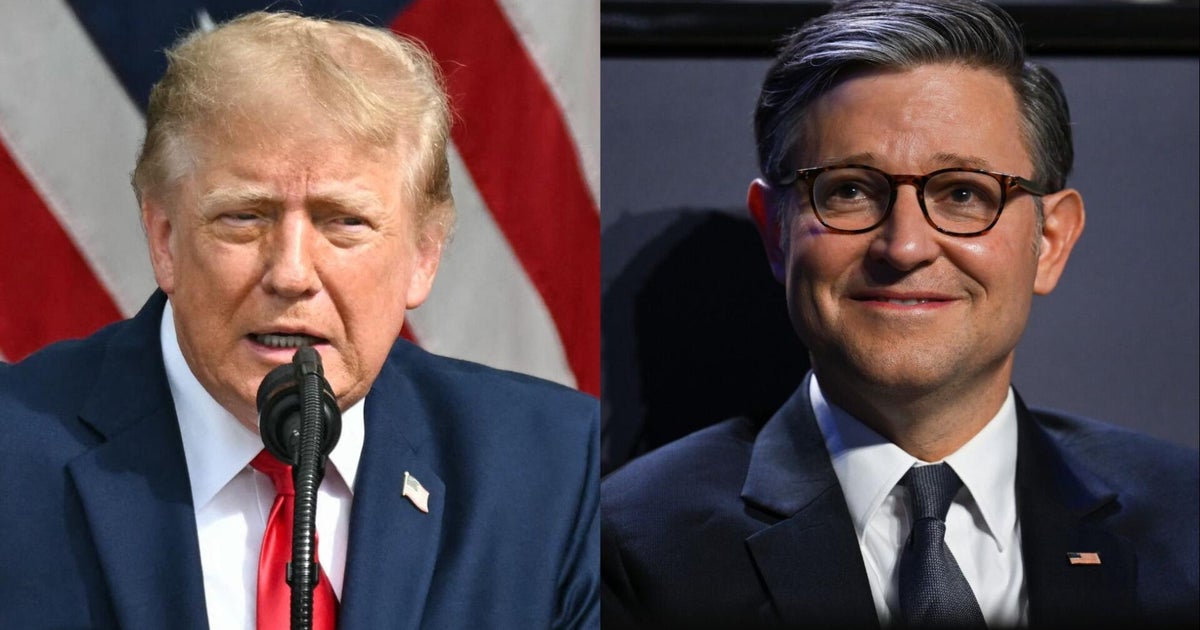
Both Democrats and Republicans are discussing how to create rules for artificial intelligence (AI) and how to handle data centers. This debate is becoming more important as the 2026 elections approach.
Key Facts
Politicians from both parties are focusing on AI safety rules.
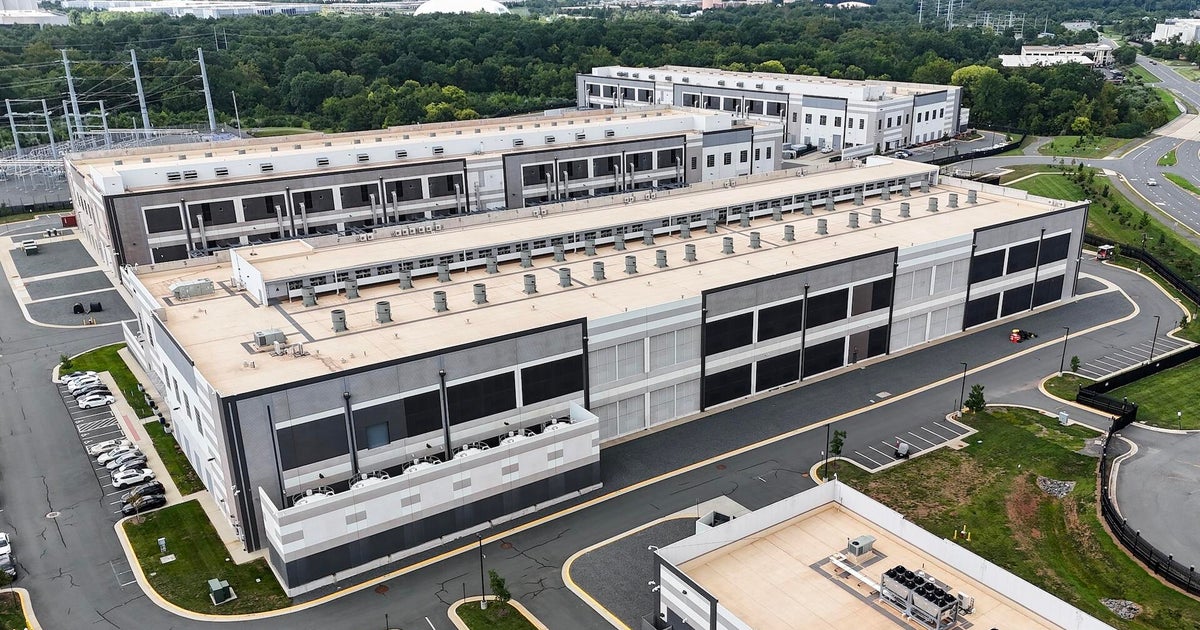
They are also talking about the management and regulation of data centers, which store and process digital information.
The debate is part of the political discussion leading up to the 2026 midterm elections.
Experts involved include former officials from both Democratic and Republican campaigns.
The conversation reflects growing concerns about AI’s impact on society and infrastructure needs.
Read the Original
Want the full story? Tap a source to open the original
article.