President Donald Trump gave a primetime speech focused on election integrity, claiming the U.S. voting system is unfair and lacks trust. Critics warn this is part of a plan to interfere with upcoming elections by undermining trust, removing independent election officials, and pushing voter ID laws.
Key Facts
President Trump’s approval ratings are low, around 30%.
Trump criticized the media, election results, and made claims about Chinese interference.
Major TV networks NBC and ABC declined to air his speech live; CBS aired it but warned viewers about false claims.
Trump fired all members of the bipartisan US Election Assistance Commission, which oversees election rules.
The Save America Act requires proof of citizenship to register to vote and could make voting harder for some groups.
Trump and supporters want to remove the filibuster to pass this voting law more easily.
Critics say these actions aim to weaken the election system before upcoming midterm elections.
Senate minority leader Chuck Schumer called firing election officials an attempt to control elections.
Read the Original
Want the full story? Tap a source to open the original
article.
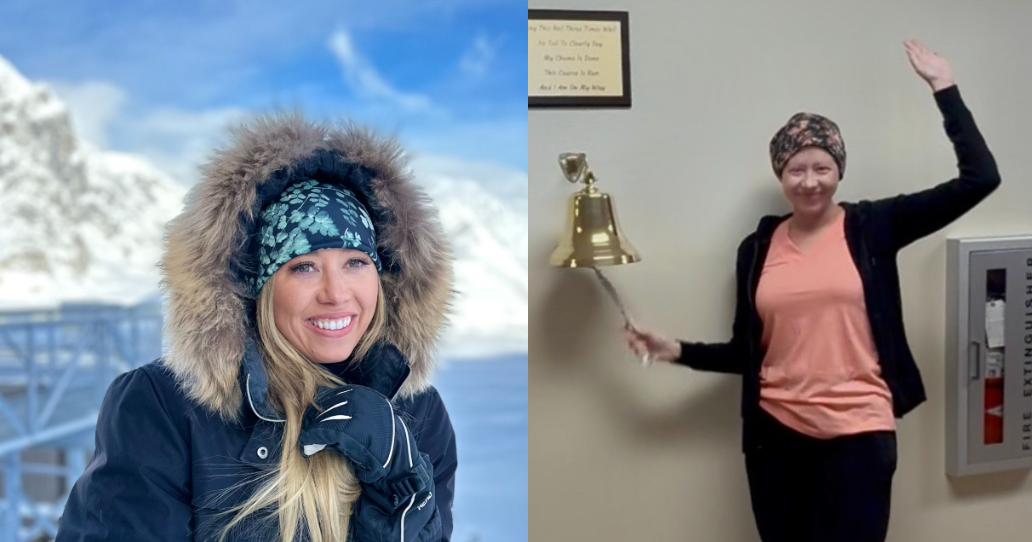
Alison McCullough, a 39-year-old model, found a lump under her arm and was later diagnosed with an aggressive form of triple-negative breast cancer. She faced delays in getting care in Alaska but found quicker treatment options at City of Hope in Arizona.
Key Facts
Alison McCullough found a lump under her arm while shaving before New York Fashion Week 2025.
She was initially turned away from a mobile mammogram service because she was under 40.
The American Cancer Society recommends starting regular mammograms at age 40.
McCullough was diagnosed with triple-negative breast cancer, a type harder to treat because it lacks three common cancer receptors.
Treatment options for triple-negative cancer include chemotherapy, radiation, surgery, immunotherapy, and newer drugs called antibody drug conjugates.
There was a delay of over a month before she could start chemotherapy in Alaska.
McCullough and her husband found faster help at City of Hope, a cancer research and treatment center in Arizona.
City of Hope staff quickly arranged for her to meet their oncology team and begin treatment.
Read the Original
Want the full story? Tap a source to open the original
article.
A report from the Work and Pensions Committee urges urgent help for low-income people in their sixties who face delays in claiming the State Pension as the pension age rises from 66 to 67. The government plans to introduce legal rules to stop a housing practice called gazundering, where buyers force sellers to lower prices at the last minute. Also, a promised grant for installing dual heating and air conditioning systems has not yet started.
Key Facts
The State Pension age will increase from 66 to 67 over the next two years.
People affected by this delay could face financial hardship unless benefit rules change.
In February, only 0.02% of Universal Credit claimants were aged 65 or 66.
Gazundering is when buyers ask sellers to lower home prices just before finalizing a sale.
The Conveyancing Association wants the government to stop gazundering quickly.
The government plans legally binding agreements and fines to prevent last-minute buyer withdrawals without good reason.
A government grant to install heating systems that also provide air conditioning was announced in November but is not yet available.
The information comes from a Radio 4 Money Box episode broadcast on July 18, 2026.
Read the Original
Want the full story? Tap a source to open the original
article.
Fighter jets intercepted a small civilian plane that entered a no-fly zone over New York City ahead of the World Cup final. The jets used flares to get the pilot’s attention and then escorted the plane out safely without any injuries or damage.
Key Facts
Fighter jets from NORAD intercepted the plane at about 4:18 p.m. ET on Friday.
The jets released flares that burn out quickly and are safe for the public.
The World Cup final no-fly zone covers a 3-nautical-mile radius around MetLife Stadium and up to 3,000 feet above ground.
Unauthorized drones are banned within 1 nautical mile of World Cup fan events and up to 1,000 feet high.
Violating flight restrictions can lead to fines, pilot license loss, or criminal charges.
The World Cup final is scheduled for Sunday at MetLife Stadium in East Rutherford, New Jersey.
Argentina will play Spain in the final match of the expanded 48-team tournament.
NORAD and the FAA are enforcing stricter flight rules during the World Cup weekend in the New York-New Jersey area.
Read the Original
Want the full story? Tap a source to open the original
article.
Prior authorization is a process where health insurers approve medical care before patients receive it. Artificial intelligence (AI) might help speed up approvals but also raises concerns about wrong denials. The government and insurers are trying new rules and programs to reduce delays and improve the process.
Key Facts
Prior authorization is needed to get insurance approval for certain medical treatments and medications.
Many doctors worry that AI use could increase wrongful denials of necessary care.
A 2025 survey found 61% of physicians are concerned AI will worsen denial rates.
President Donald Trump’s administration is testing AI programs in six states to cut unnecessary medical costs.
Medicare Advantage plans deny millions of claims yearly based on prior authorization rules.
About 20% of working-age adults with private insurance experienced denied care in 2025.
Delays in care from denials sometimes cause patients’ health to get worse.
New government rules since 2024 require faster decisions on prior authorizations, especially for urgent care.
Read the Original
Want the full story? Tap a source to open the original
article.
If you have problems with a product or company in the US, you can file complaints with many government offices. These complaints help officials decide on investigations and laws, even though some agencies have smaller budgets and fewer staff.
Key Facts
Federal agencies like the FTC and CFPB handle complaints about fraud, financial services, and unsafe products.
You can report issues related to airlines, moving companies, and online crimes through specific federal offices.
Documentation like order numbers, dates, and screenshots is important when filing complaints.
State attorneys general and consumer-protection offices also take complaints and can investigate companies that harm residents.
Many large US cities have consumer-protection offices to help residents with complaints.
Complaints from consumers influence government actions and can lead to better laws or lawsuits.
Even with budget cuts, government watchdogs still collect complaints and try to help consumers.
Writing to your local member of Congress can encourage them to support actions against problematic companies.
Read the Original
Want the full story? Tap a source to open the original
article.
An Idaho mother, Andrea Shaw, was charged with first-degree murder after her 18-month-old twins died eight days after receiving vaccines. Doctors who reviewed the case say the vaccines did not cause the deaths, which were ruled to be from suffocation.
Key Facts
Andrea Shaw faces murder charges in the deaths of her twins, Dallas and Tyson.
The children died on May 1, 2025, eight days after receiving three vaccines.
The vaccines given were DTaP (diphtheria, tetanus, pertussis), hepatitis A, and influenza.
Doctors confirmed that vaccines do not cause death eight days after administration.
The cause of death was determined to be suffocation, not a vaccine reaction.
Early hospital records showed only mild symptoms that are common after vaccination.
The anti-vaccine group Children’s Health Defense has supported Shaw and used the case to argue vaccines are dangerous.
Medical experts said a severe vaccine reaction would happen within minutes or hours, not days later.
Read the Original
Want the full story? Tap a source to open the original
article.
A mother shares her experience when her 9-year-old child came out as nonbinary, meaning the child does not identify strictly as male or female. This news prompted her to think about her own feelings about gender and how she supports her child exploring their identity.
Key Facts
The child, called W, came out as nonbinary at age 9.
W prefers the pronouns “they/them” instead of “he/him.”
The mother initially reacted with surprise but responded supportively.
W had been energetic and focused on making soccer cards before sharing their news.
The mother reflected on her own childhood feelings about gender and challenges she faced as a girl.
Together, they explored different gender expressions like nail polish, clothing, and activities.
W tried cheerleading but later dropped it, while enjoying other interests with their mother.
The story highlights a parent-child journey of understanding and supporting gender identity.
Read the Original
Want the full story? Tap a source to open the original
article.
Federal health officials have linked an outbreak of the parasite cyclosporiasis to shredded iceberg lettuce from Taylor Farms de Mexico served at Taco Bell locations in five U.S. states. Taylor Farms is voluntarily removing all iceberg lettuce sourced from central Mexico, and Taco Bell has removed the affected lettuce from its restaurants.
Key Facts
The parasite cyclospora causes cyclosporiasis, a gastrointestinal illness leading to diarrhea.
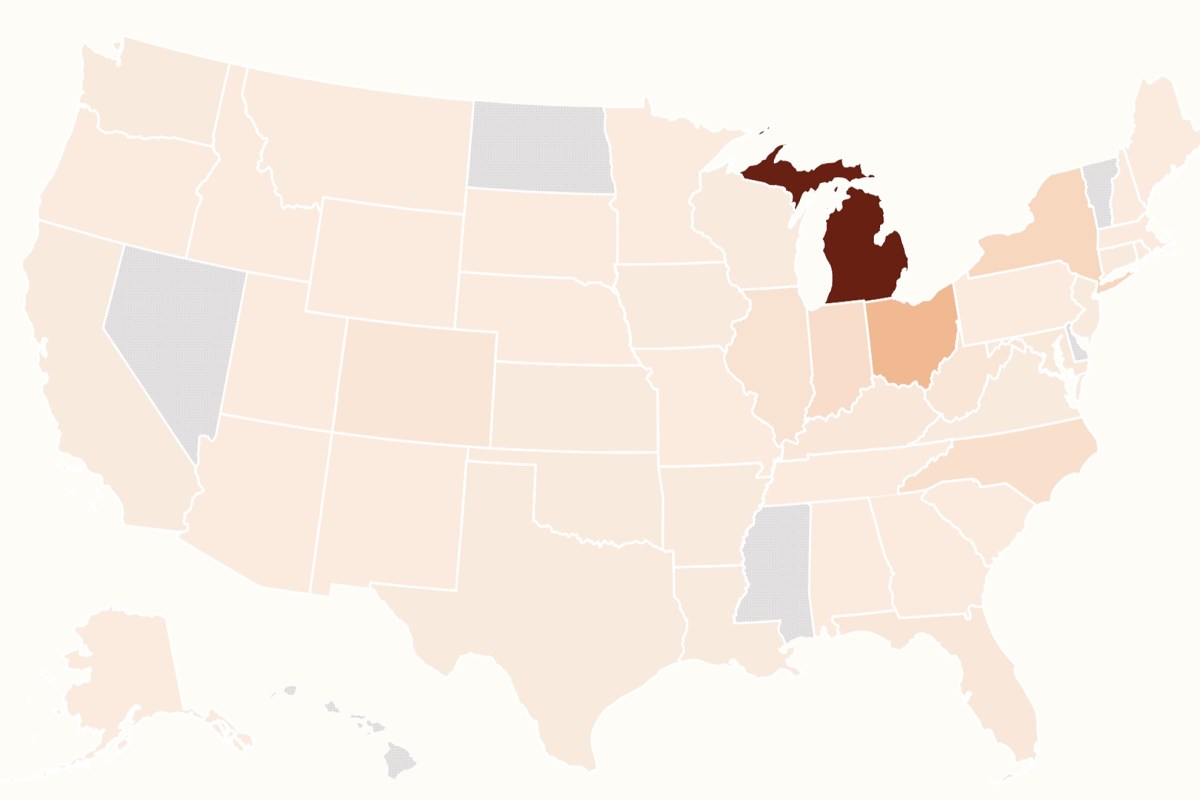
The outbreak is connected to shredded iceberg lettuce served at Taco Bell restaurants in Indiana, Kentucky, Michigan, Ohio, and West Virginia.
Michigan has the highest number of reported cases with 5,002 illnesses and at least 102 hospitalizations.
Ohio reported 1,192 cases and 86 hospitalizations; New York reported 517 cases.
The CDC has confirmed 1,645 laboratory-confirmed cases across 34 states with 141 hospitalizations and no deaths as of July 13.
Taylor Farms de Mexico is voluntarily removing all iceberg lettuce from central Mexico from the U.S. market indefinitely.
The U.S. Food and Drug Administration traced the lettuce linked to the outbreak to a specific independent farm in Mexico.
Taco Bell has completed the removal of the affected lettuce from all its restaurants nationwide.
Read the Original
Want the full story? Tap a source to open the original
article.
Vanessa Schreckengast gave birth to her son Merritt, who was later diagnosed with microcephaly, a condition where the brain does not grow properly, causing a smaller-than-normal head. Merritt also experiences frequent seizures and other health challenges, requiring ongoing care and therapy.
Key Facts
Vanessa had extra monitoring during pregnancy due to potential health concerns with Merritt.
Doctors initially said Merritt’s head size was normal and did not diagnose microcephaly at birth.
Thirteen days after birth, Vanessa’s instincts led to further testing and Merritt was diagnosed with microcephaly and a brain abnormality.
Merritt has infantile spasms causing 10 to 15 seizures daily, each up to 15 minutes long.
Seizures affect Merritt’s brain function and learning abilities.
Merritt has additional conditions including Cerebral Visual Impairment (a brain-related vision problem) and hearing loss.
Vanessa now works part-time and focuses on caring for Merritt’s special needs, including medical appointments and special diets.
The diagnosis has changed Vanessa’s life and future plans as she adapts to managing Merritt’s condition.
Read the Original
Want the full story? Tap a source to open the original
article.
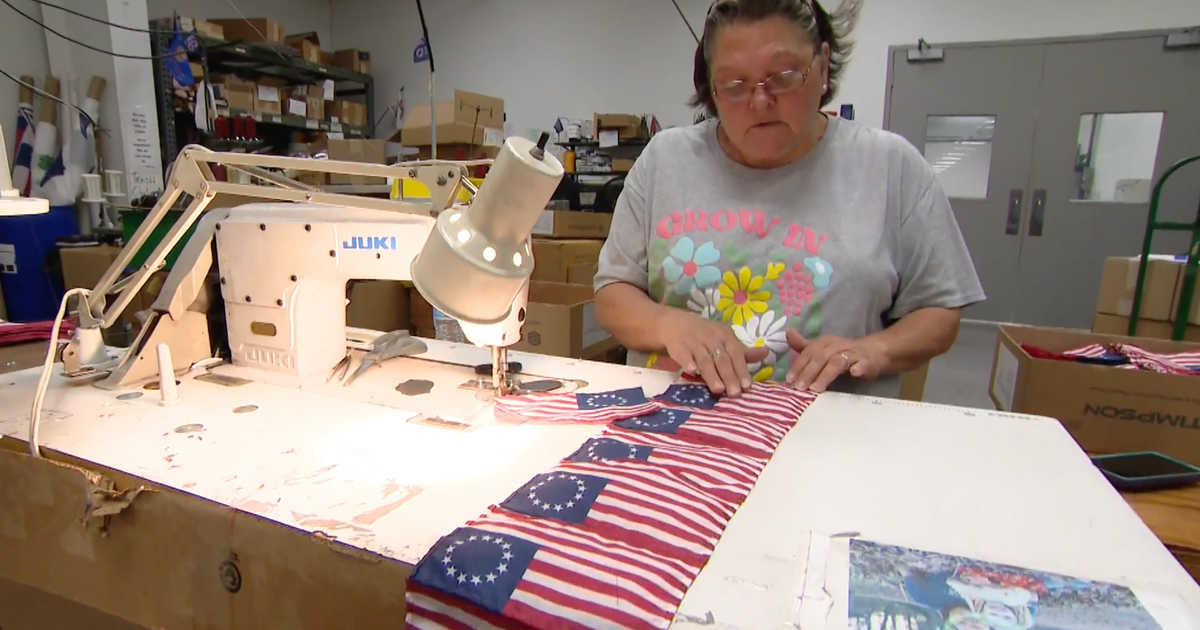
The news segment features a flag factory in South Boston, Virginia, where workers create American flags that symbolize U.S. history. It also includes three touching stories shared by viewers, presented by David Begnaud.
Key Facts
The segment highlights a patriotic flag factory in South Boston, Virginia.
The factory weaves American flags that represent U.S. history.
David Begnaud shares three heartfelt stories sent by CBS viewers.
The stories aim to uplift and inspire the audience.
The content was shown on CBS News.
Read the Original
Want the full story? Tap a source to open the original
article.
A federal appeals court gave President Donald Trump a temporary legal win by allowing the U.S. Postal Service to move forward with a new mail-in voting rule while court cases continue. This rule would add new federal requirements for tracking and verifying mail ballots, affecting how states handle mail voting ahead of the 2026 midterm elections.
Key Facts
On July 17, a federal appeals court paused a lower court’s decision that blocked the USPS mail voting rule.
The rule comes from an executive order issued by President Trump aimed at changing mail-in voting procedures.
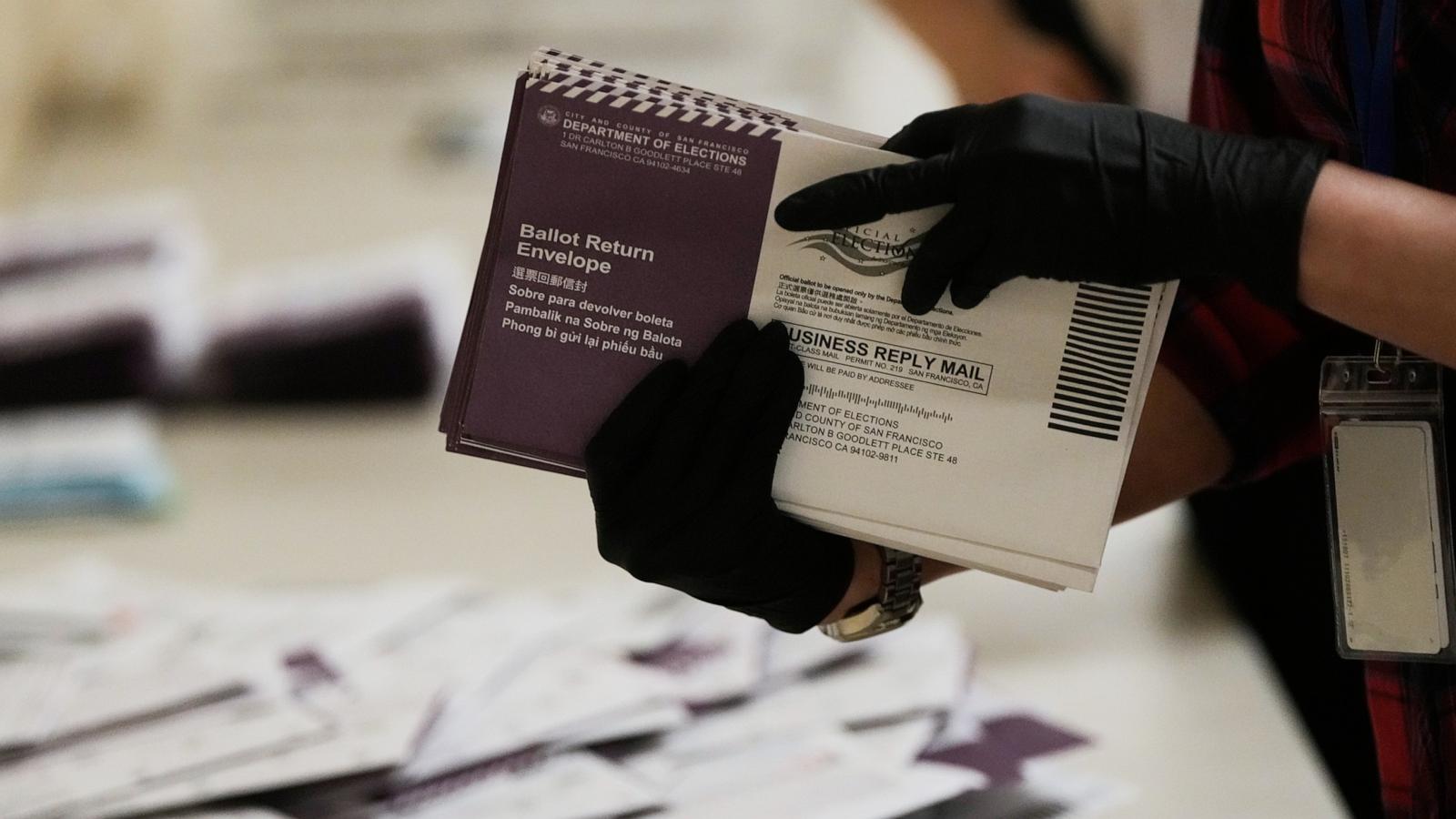
States must send detailed voter information to the USPS before ballots are mailed, including voter names and addresses.
Ballots would have unique barcodes to track them through the mail system.
The USPS could refuse to deliver ballots that do not meet these new federal requirements.
The proposal adds a federal layer to a process usually managed by states.
Courts have issued conflicting decisions, creating legal uncertainty about the rule’s future.
Election officials may face challenges updating systems and ballot designs with limited time before the midterms.
Read the Original
Want the full story? Tap a source to open the original
article.
Judges are working to set rules and guidelines for using artificial intelligence (AI) in court cases. While many judges use AI tools themselves, they worry about mistakes, privacy, and losing public trust. To handle these challenges, some judges have formed groups to teach each other how to use AI safely and wisely.
Key Facts
About 60% of 112 judges surveyed use at least one AI tool, with 22% using them weekly or daily.
Judges have punished lawyers for citing fake AI-generated cases, including canceling a civil trial in Mississippi.
Judges worry AI can create false information ("hallucinations") and may affect privacy and fairness.
The Judicial AI Consortium (JAIC) was created by judges to educate and help each other understand AI.
Some judges are cautious or skeptical about AI’s reliability, seeing it as a new and challenging technology.
A federal judge in Michigan warned the government not to use fake AI-generated cases in filings.
Judges differentiate between how lawyers and themselves should use AI, emphasizing careful use in official decisions.
Concerns include not only errors but also ethical issues like fairness, bias, and access to justice.
Read the Original
Want the full story? Tap a source to open the original
article.
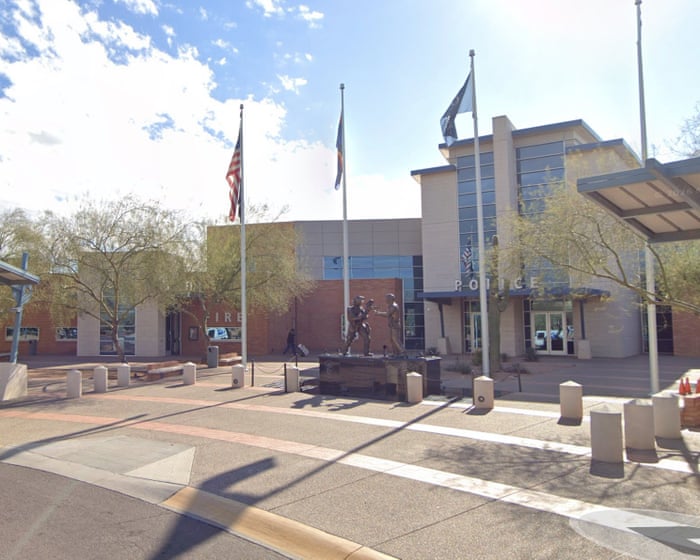
A 14-year-old boy in Arizona helped save a 76-year-old woman with dementia who got lost in very hot weather. He stayed with her, called her son, and waited until emergency responders arrived to take her to safety.
Key Facts
The boy’s name is Royal Cothrun, and he found the woman struggling to walk in 103°F (39.4°C) heat.
The woman, Theresa Morgan, had dementia and became disoriented after leaving a grocery store.
Royal used his phone and smart glasses to help her remember her son’s phone number.
He called her son, Jeff Morgan, and stayed with Theresa until help arrived.
The Gilbert fire and rescue department praised Royal for his quick thinking and compassion.
They will honor Royal at a town council meeting on August 11.
Heat over 100°F can cause heatstroke, a serious and life-threatening condition.
The extreme heatwave in the US during June and July contributed to many heat-related emergencies.
Read the Original
Want the full story? Tap a source to open the original
article.
Nearly a year after President Donald Trump deployed thousands of National Guard troops to Washington DC under a crime emergency order, many residents say they feel the city is under siege rather than safer. The troop presence, extended until January 2029, includes patrolling public places, but local officials have limited control over the deployment and remain critical of its impact.
Key Facts
President Trump ordered thousands of National Guard troops to Washington DC starting in August 2024 to address crime.
The initial troop numbers of 2,000-2,500 doubled to over 5,000 during the city’s 250th birthday events in summer 2025.
The deployment is authorized by a presidential executive order extended through January 2029.
DC officials, including Mayor Muriel Bowser and DC Council Chair Phil Mendelson, have little control over the troops because DC is not a state.
Many local residents protest nightly using a cacerolazo (banging pots and pans) to show resistance against the military presence.
Some residents and officials say the armed troops make the city feel unsafe and hurt its reputation as a welcoming place.
The federal Department of Justice reports that the related DC Safe and Beautiful Task Force, involving over 30 agencies, has made nearly 14,000 arrests and removed over 1,500 illegal guns since August 2024.
The task force includes agencies like Immigration and Customs Enforcement and will continue operations for three more years.
Read the Original
Want the full story? Tap a source to open the original
article.
Thousands of Americans plan to protest this weekend on several important issues before the midterm elections. The protests will focus on violence by ICE agents, efforts to limit voting rights, and concerns about datacenter construction connected to AI technology.
Key Facts
More than 70 protests called "ICE Out" will demand justice for two men recently shot by ICE agents.
These protests call for the removal of ICE from communities and the arrest of officers involved in shootings.
Nearly 700 voting rights events will take place over three days to honor congressman John Lewis and encourage voter registration and education.
Recent court rulings and proposed laws threaten to reduce voting access, especially for Black and brown voters.
Some protests against datacenters are organized by conservatives who want to limit the growth of artificial intelligence.
Protests will occur in cities, rural areas, and politically conservative regions across the United States.
The voting rights campaign aims to reach 250,000 people through education and registration efforts.
President Donald Trump is pushing a bill that would ban mail-in ballots and require new voter ID rules.
Read the Original
Want the full story? Tap a source to open the original
article.
A baby named Teddy was hospitalized with a lung infection called bronchiolitis when he was about four weeks old. During his hospital stay, a nurse noticed a special gap between his toes, which led to tests that confirmed Teddy has Down syndrome. His parents experienced mixed information from doctors and found the diagnosis challenging but also recognize the importance of focusing on their child's joy and individuality.
Key Facts
Teddy was born four weeks early and initially appeared healthy.
At around 4 weeks old, he had bronchiolitis, a lung infection that required hospital care.
A nurse noticed a "sandal gap" between Teddy’s big toe and second toe, which can be a sign of Down syndrome.
Doctors gave conflicting opinions about Teddy’s condition before a blood test was done.
The blood test confirmed Teddy has an extra copy of chromosome 21, which causes Down syndrome.
The diagnosis discussion focused heavily on medical risks and challenges.
Teddy’s mother wishes doctors had shared more balanced information about living with Down syndrome.
The family is learning to see Teddy as their unique child with a full life ahead.
Read the Original
Want the full story? Tap a source to open the original
article.
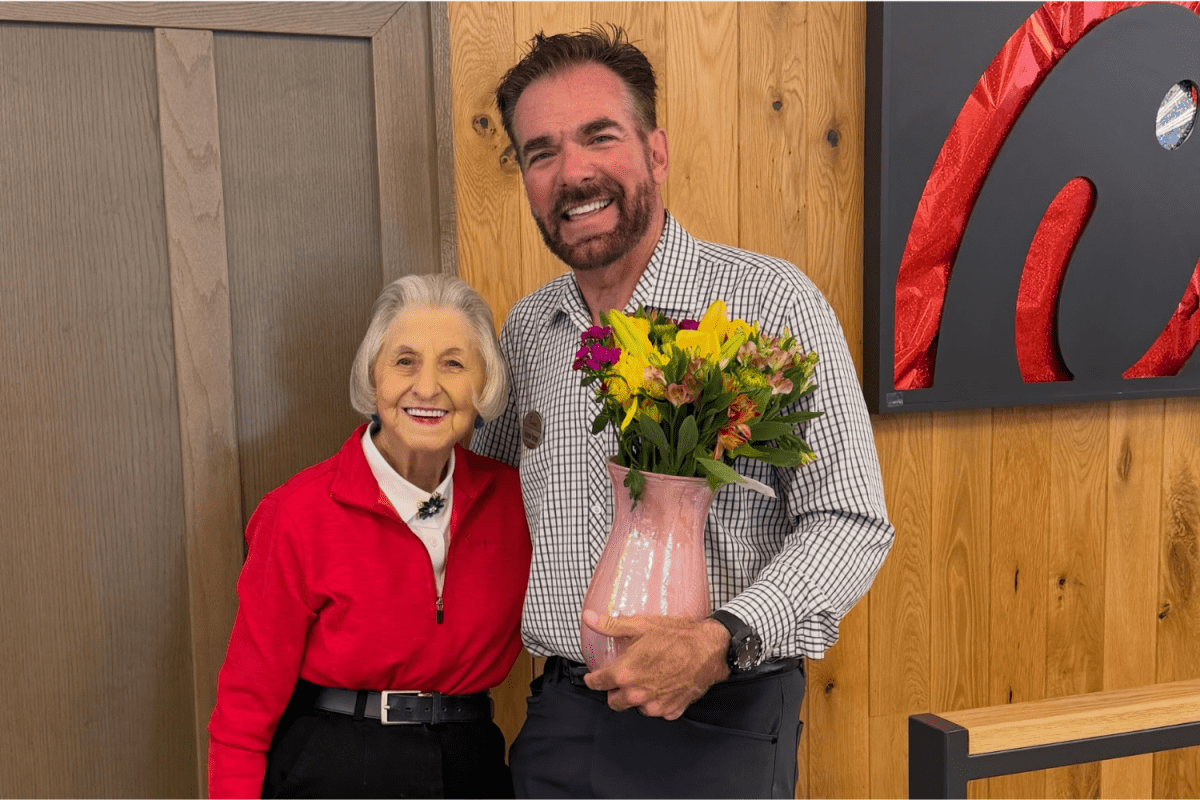
A 94-year-old woman named Erline Brown has worked at a Chick-fil-A restaurant in Alabama for 20 years and does not plan to retire soon. She started working there after her husband passed away and enjoys meeting customers and serving people.
Key Facts
Erline Brown is 94 years old and works as a hostess at Chick-fil-A in Opelika, Alabama.
She began working at Chick-fil-A in 2006, one year after the TigerTown location opened.
Before Chick-fil-A, Brown worked for 40 years at another company in Opelika.
Brown started at Chick-fil-A at age 74 and has worked there for almost 20 years.
It is uncommon for people over 90 to still be working in the U.S.; only a small percentage of Americans over 75 work.
Brown is very popular with customers and coworkers, some even visiting the restaurant specifically to see her.
She recently stopped driving and is now picked up by another employee.
Brown said she will keep working as long as she can and will retire only when she feels it is the right time.
Read the Original
Want the full story? Tap a source to open the original
article.
A federal appeals court temporarily allowed the Trump administration to continue working on a new rule related to mail-in voting and election oversight. The policy, which would require states to provide voter lists to the U.S. Postal Service and restrict delivery of mail-in ballots if states refuse, is still blocked by a separate court order.
Key Facts
A three-judge panel of the D.C. Circuit Court of Appeals paused a lower court ruling that blocked a new USPS rule on mail-in voting.
The rule would require states to give the Postal Service lists of approved voters.
If states refuse, the Postal Service could stop delivering mail-in ballots under this proposal.
A judge in Massachusetts blocked this rule last month, and that block remains in place.
The appeals court said the Trump administration might succeed because the rule is not finalized yet and is not covered by a 2021 agreement about election mail delivery.
The court noted that failing to implement the rule before the midterm elections could cause harm that cannot be fixed afterward.
The Trump administration has not yet been allowed to enforce the rule but may get permission from other courts in the future.
The NAACP brought the lawsuit against this rule, citing concerns about mail-in ballot delivery and voter access.
Read the Original
Want the full story? Tap a source to open the original
article.
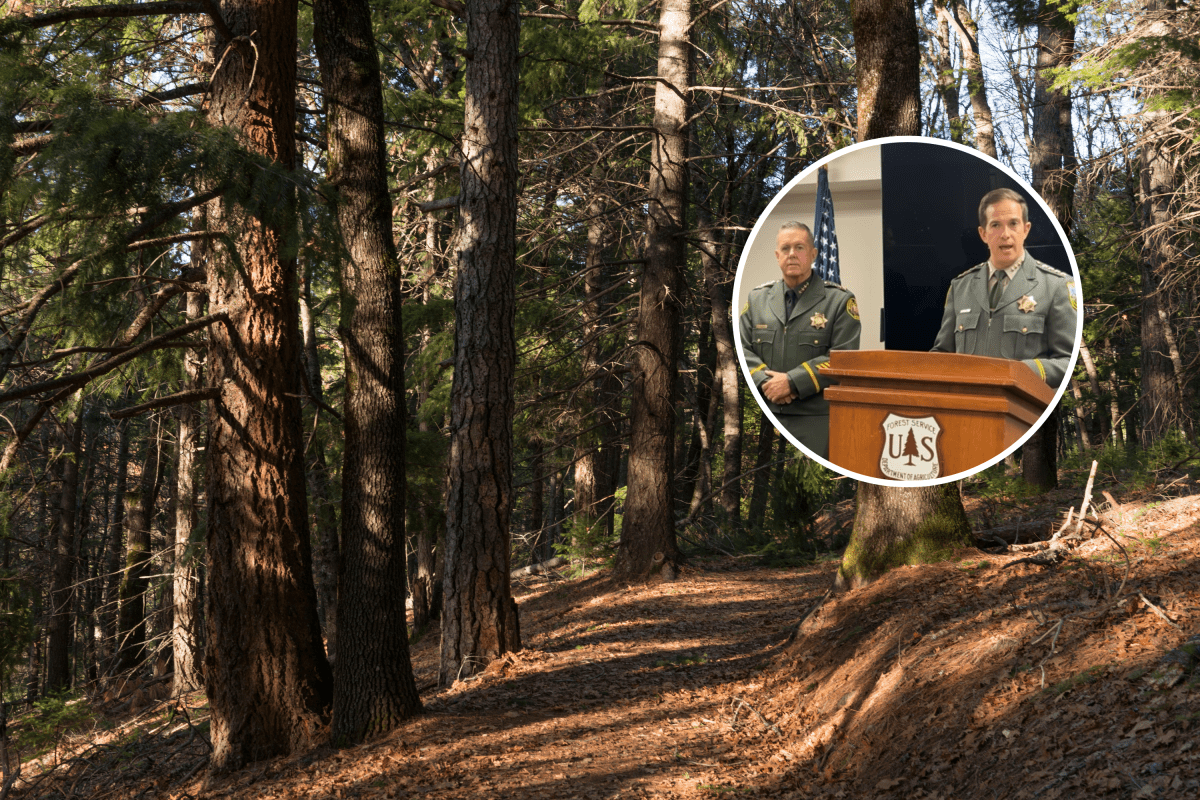
Two U.S. Forest Service workers were taken hostage at gunpoint in a remote part of Northern California’s Shasta-Trinity National Forest on July 16, 2026. After an overnight standoff involving the FBI and other law enforcement teams, the workers were freed and the two suspects were arrested.
Key Facts
The hostage event happened near Gumboot Lake in the Shasta-Trinity National Forest.
The two workers were zip-tied and held inside a trailer while doing routine fieldwork.
The situation started just before 11 a.m. on July 16, 2026, when a report was made to authorities.
Negotiations began around 4:20 p.m. and lasted several hours.
The hostages were released around 1:50 a.m. on July 17, and the suspects surrendered about 40 minutes later.
Two suspects, Joseph Charles Henrichsen and his son Phoenix, were arrested and charged with federal kidnapping.
The isolated location made the rescue more difficult and required a large response from multiple law enforcement agencies.
Drones helped find the trailer, and teams including FBI negotiators and SWAT were involved in resolving the case.
Read the Original
Want the full story? Tap a source to open the original
article.