Representative Alexandria Ocasio-Cortez said that a big change in voter ages is behind recent wins by progressive Democrats. She believes younger voters are becoming more powerful and are reshaping the Democratic Party.
Key Facts
Ocasio-Cortez spoke about a "generational tidal wave" changing voting patterns and helping progressive Democrats win primaries.
Michigan Senate candidate Abdul El-Sayed won a primary against an established Democrat, showing progressives can win beyond urban areas.
Younger voters, especially millennials, are becoming a key voting group with more influence in elections.
Some Democrats worry that democratic socialism might hurt the party, but Ocasio-Cortez says focusing on voters’ needs is more important than labels.
A recent poll showed Ocasio-Cortez leading among likely Democratic primary voters for 2028.
President Donald Trump has criticized progressive Democrats for their spending and policy ideas.
Ocasio-Cortez said the Democratic Party is going through a time of renewal with new, younger voters playing a big role.
Read the Original
Want the full story? Tap a source to open the original
article.
The Republican National Committee Chair Joe Gruters said he expects the Republican Party to keep control of both the House of Representatives and the Senate after the upcoming midterm elections. He referred to a political analysis that shows they currently have 212 likely seats, with 18 seats uncertain, and believes they will win more than needed to keep control.
Key Facts
Joe Gruters is the Chair of the Republican National Committee.
He made his prediction on a Sunday before the midterm elections this fall.
The current political analysis (from Cook Political Report) shows Republicans have 212 likely seats.
There are 18 seats considered toss-ups, meaning they could go to either party.
Republicans need to win 6 of the toss-up seats to maintain control of Congress.
Gruters believes the GOP will win 10 of these toss-up seats.
Winning these seats would allow Republicans to keep control of both the House and Senate.
Read the Original
Want the full story? Tap a source to open the original
article.
Michigan Democratic Senate candidate Abdul El-Sayed criticized President Donald Trump for a social media post comparing the two couples, suggesting it showed a division in America. President Trump shared pictures of himself with First Lady Melania Trump and El-Sayed with his wife on the platform Truth Social.
Key Facts
Abdul El-Sayed is running for the U.S. Senate as a Democrat from Michigan.
President Trump posted on Truth Social, a social media platform.
The post showed photos of President Trump and First Lady Melania Trump, alongside photos of El-Sayed and his wife.
El-Sayed criticized the post, saying it highlighted two very different Americas.
The incident took place on a Saturday.
The post targeted El-Sayed and his wife.
This exchange happened during the 2024 election campaign season.
Read the Original
Want the full story? Tap a source to open the original
article.
Lake Mead, the largest reservoir in the United States, has dropped to its lowest water level since it was filled about 90 years ago. The Colorado River, which Lake Mead feeds, is facing severe water shortages caused by overuse, drought, and less snowmelt, affecting millions of people across several states.
Key Facts
Lake Mead's water level dropped to 1,040.4 feet above sea level, its lowest since the reservoir was created.
The Colorado River provides water to around 40 million people in seven US states, tribal nations, and Mexico.
The river basin is under stress due to overuse, drought, extreme heat, and reduced snowmelt from the Rocky Mountains.
Lake Powell, the second large reservoir on the Colorado River, is also at historic low levels.
Federal officials decided not to release water from Lake Powell to protect the habitat of the threatened humpback chub fish.
A federal proposal suggests that Arizona, California, and Nevada reduce their water use to manage shortages.
The drought has caused visible impacts like exposed shorelines, shifted boat ramps, and water officials pumping from deeper areas.
More detailed plans for managing the water crisis will be released soon, but experts worry current efforts may not fully solve the problem.
Read the Original
Want the full story? Tap a source to open the original
article.
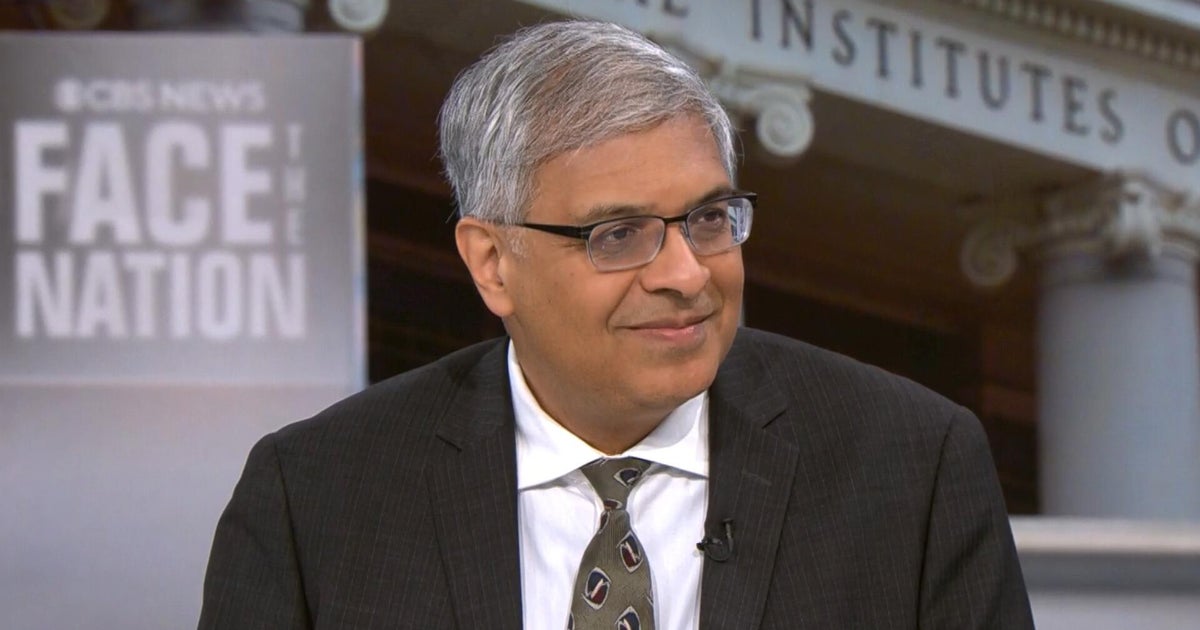
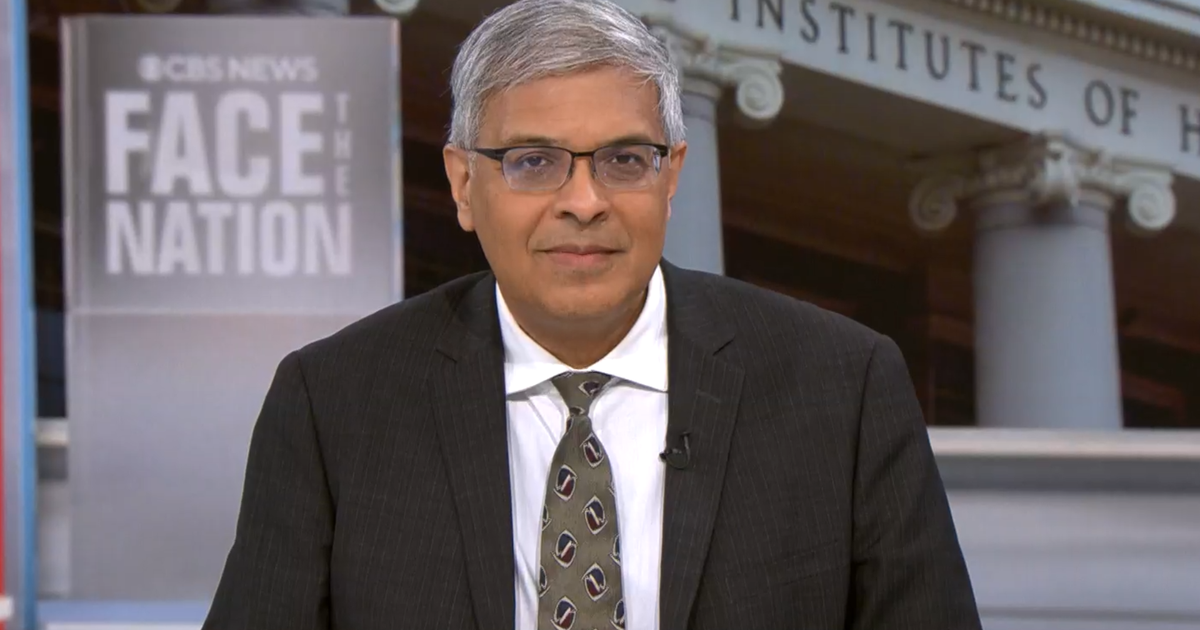
NIH Director Dr. Jay Bhattacharya said he trusts the science behind childhood vaccines during an interview on "Face the Nation." This statement came after Health and Human Services Director Robert F. Kennedy Jr. changed his position, now advising parents to vaccinate their children against measles amid a growing outbreak.
Key Facts
Dr. Jay Bhattacharya is the director of the National Institutes of Health (NIH).
He expressed trust in the science supporting childhood vaccines.
Robert F. Kennedy Jr. is the current Health and Human Services Director.
Kennedy previously had comments questioning childhood vaccines.
Kennedy recently stated that parents should vaccinate their children against measles.
There is a growing outbreak of measles in the U.S.
The interview took place on the TV program "Face the Nation."
The conversation highlights a shift in vaccine-related messages from government health officials.
Read the Original
Want the full story? Tap a source to open the original
article.
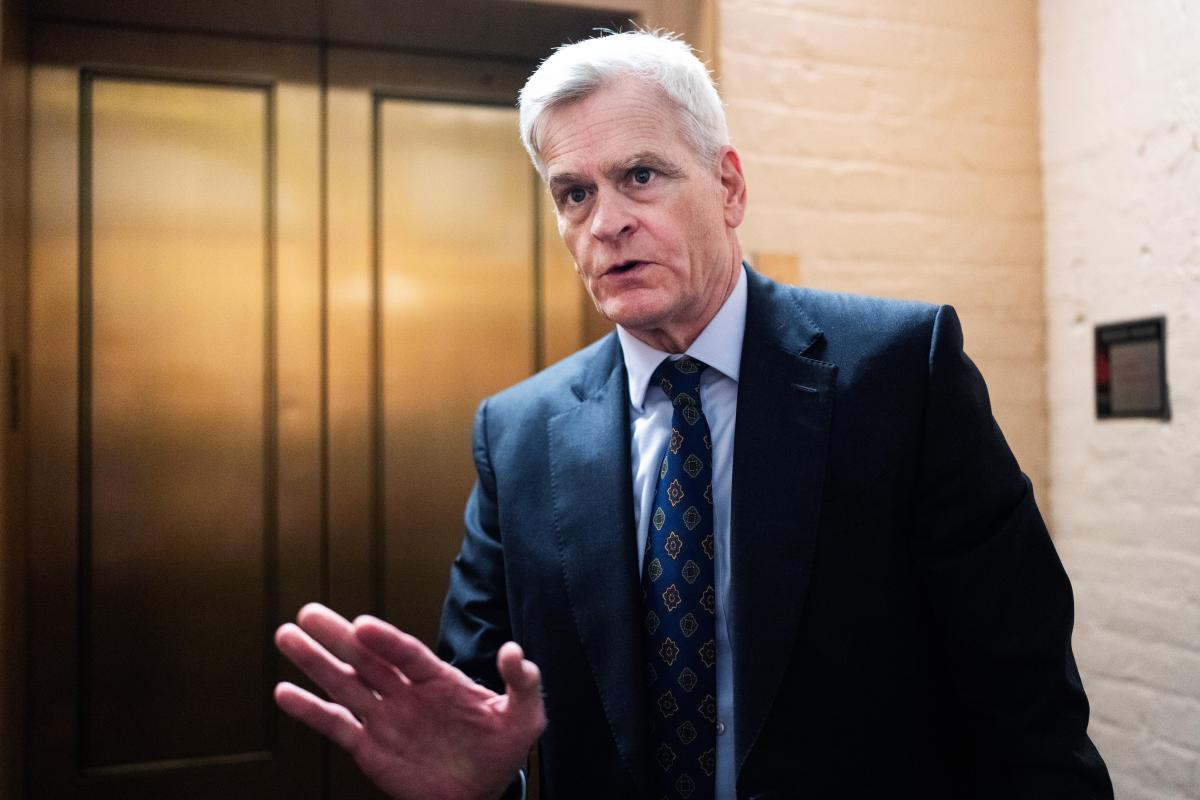
Senator Bill Cassidy nearly voted against Todd Blanche’s confirmation as attorney general because of special IRS protections for President Trump and his family. Despite his concerns, Cassidy voted yes after reviewing Blanche’s qualifications and receiving support from other officials.
Key Facts
Senator Bill Cassidy opposed special IRS protections for President Trump and his family, calling them wrong.
Cassidy’s vote was crucial to confirm Todd Blanche as attorney general with a 50-49 Senate vote.
Blanche is President Trump’s former defense attorney and had been acting attorney general since April.
Cassidy was concerned about the IRS protections that would limit scrutiny of Trump, Donald Trump Jr., Eric Trump, and the Trump Organization.
Blanche reversed an order related to an anti-weaponization fund and limited the IRS protection scope before the vote.
Federal prosecutors from Louisiana praised Blanche’s focus on violent crime, human trafficking, drug trafficking, healthcare fraud, and major investigations.
Only two Republican senators, Lisa Murkowski and Susan Collins, voted against Blanche’s confirmation.
Cassidy described his decision as difficult, saying it was a “gradation of gray,” but expressed confidence Blanche would lead well.
Read the Original
Want the full story? Tap a source to open the original
article.
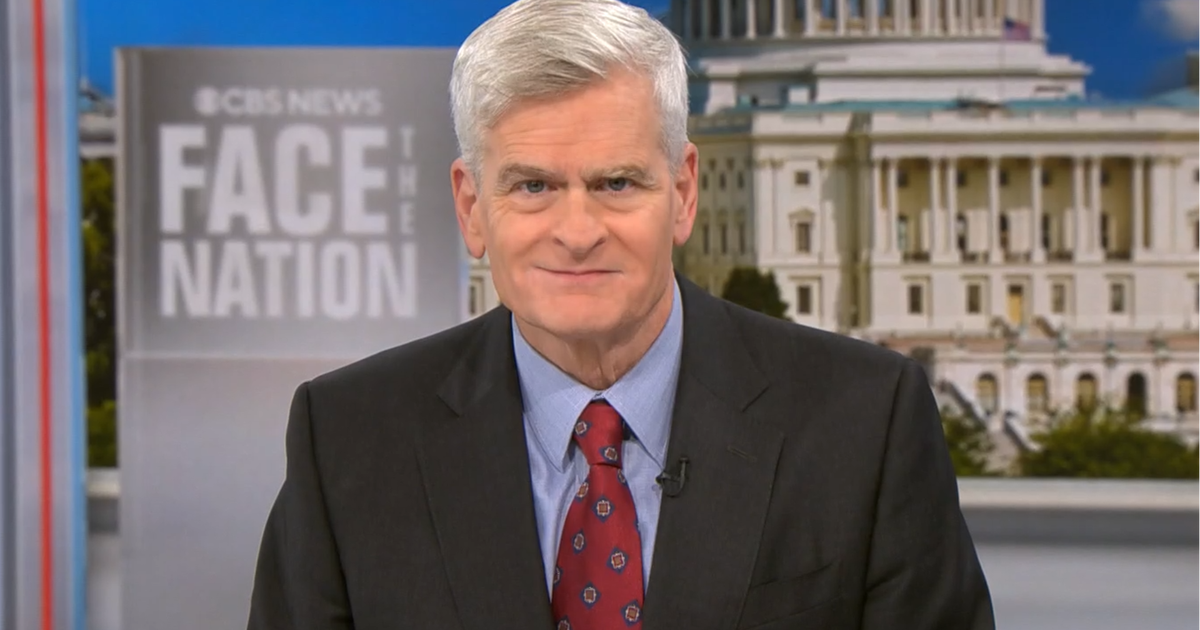
Senator Bill Cassidy confirmed President Donald Trump’s nominee for attorney general, Todd Blanche, by a narrow vote despite some concerns. The show also discussed the divided Democratic Party, upcoming elections, and rising public health issues with experts and politicians.
Key Facts
Senator Bill Cassidy, a Republican from Louisiana, voted to confirm Todd Blanche as attorney general.
Todd Blanche’s confirmation passed by just one vote in the Senate.
Cassidy expressed mixed feelings about his vote but felt honored to participate in the decision.
The Democratic Party is facing internal struggles after progressive candidates won primaries.
Senator Bernie Sanders spoke about uniting the Democrats against Republican criticism.
President Donald Trump described left-wing opponents as radicals trying to destroy the country.
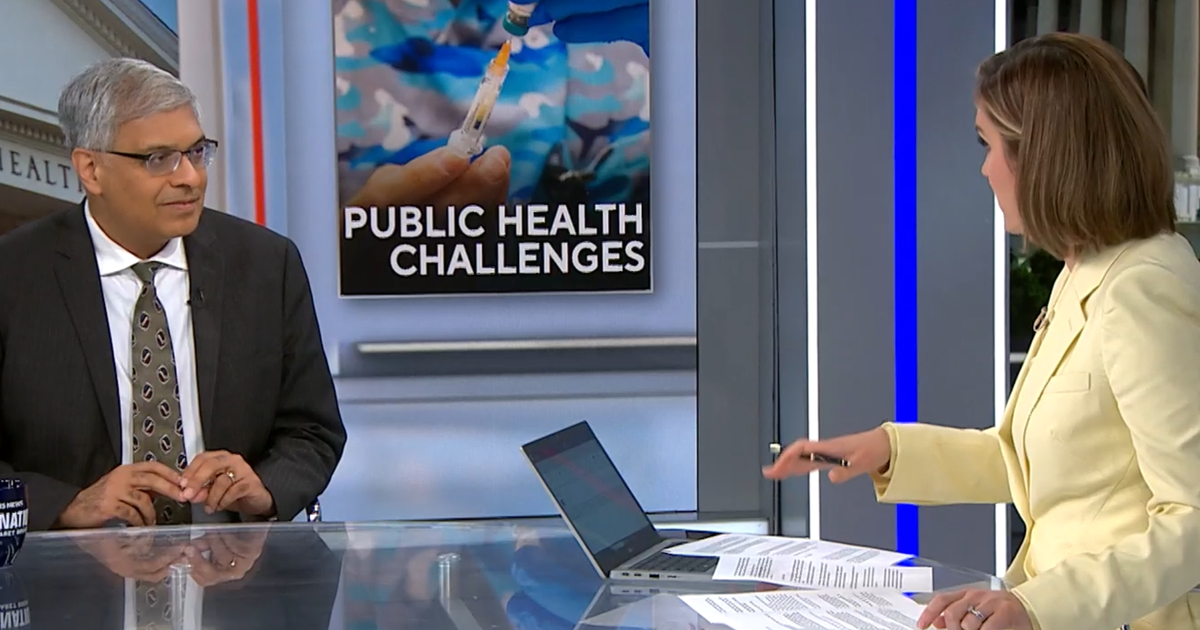
The National Institutes of Health director, Dr. Jay Bhattacharya, discussed public health challenges like cyclospora, salmonella, measles, and COVID-19.
The Senate and House are on summer recess while these political and health issues continue.
Read the Original
Want the full story? Tap a source to open the original
article.
Senator Bill Cassidy of Louisiana explained that his decision to support Todd Blanche’s nomination as attorney general was complex and not simply right or wrong. His vote helped confirm Blanche despite some Republican opposition related to a DOJ fund and a settlement protecting President Trump’s family from certain legal actions.
Key Facts
Senator Bill Cassidy voted to confirm Todd Blanche as attorney general.
Cassidy described the decision as a “gradation of gray,” not a simple yes or no.
Some Republican senators opposed Blanche because of concerns over a $1.8 billion DOJ fund to pay people claiming government wrongdoing.
Senators John Cornyn and Thom Tillis dropped their opposition after Blanche rescinded the fund directive.
Cassidy criticized the settlement that gave President Trump’s family immunity from tax audits and investigations, calling it “totally wrong.”
Cassidy spoke with U.S. attorneys in Louisiana and said they supported Blanche’s leadership.
Cassidy emphasized the need for stable and effective leadership at the Department of Justice.
This confirmation vote followed Cassidy’s similar careful decision to support Health and Human Services Secretary Robert F. Kennedy Jr. despite concerns.
Read the Original
Want the full story? Tap a source to open the original
article.
Abdul El-Sayed, the Democratic nominee for U.S. Senate in Michigan, agreed with President Trump’s statement that they represent very different versions of America. El-Sayed said his goal is to fight inequality and improve life for ordinary people, while criticizing Trump for profiting during his time in office.
Key Facts
Abdul El-Sayed won the Democratic primary for U.S. Senate in Michigan.
El-Sayed and President Trump have very different views on America and its future.
Trump posted a picture comparing himself and Melania Trump to El-Sayed and his wife, highlighting their differences.
El-Sayed supports policies to make life more affordable, including access to healthcare, clean air, and water.
Republicans have called El-Sayed the “most radical Senate candidate in America.”
El-Sayed could become the first Muslim U.S. senator if he wins in November.
Former President Barack Obama spoke with El-Sayed and offered support after his primary win.
Michigan is a key swing state important for both Democrats and Republicans in the 2024 elections.
Read the Original
Want the full story? Tap a source to open the original
article.
Protests took place in Minneapolis around a federal building where immigration agents were preparing to carry out deportations as part of President Donald Trump’s campaign. These events, including two people being shot and killed, continue to influence the Democratic primary race for U.S. Senate in Minnesota between Angie Craig and Peggy Flanagan.
Key Facts
Immigration agents were based at the Bishop Henry Whipple Federal Building near Minneapolis airport for a long deportation effort.
Protesters used whistles and phones to oppose the immigration actions.
Two people were shot and killed during protests before President Trump reduced the operation.
The immigration issue is a major point of conflict in Minnesota’s Democratic Senate primary race.
The primary race features U.S. Rep. Angie Craig, supported by party leaders, and Lt. Gov. Peggy Flanagan, who is more progressive.
The contest reflects broader political divides between moderate and progressive Democrats in the U.S.
The protests and immigration debate remain important topics as the primary election approaches.
Read the Original
Want the full story? Tap a source to open the original
article.
Senator Jim Banks, a Republican from Indiana, said that the accusations against Congressman Max Miller from Ohio are very serious. He added that if the claims about abuse are proven true, Miller should step down from his position.
Key Facts
Senator Jim Banks represents Indiana and is a member of the Republican Party.
Congressman Max Miller represents Ohio and is part of the GOP (Republican Party).
Miller faces allegations of abuse.
Banks called these allegations “deeply troubling.”
Banks said Miller should resign if the accusations are confirmed.
The issues involve political figures from Indiana and Ohio.
The statements were made publicly on a Sunday.
Read the Original
Want the full story? Tap a source to open the original
article.
Dr. Jay Bhattacharya, the Director of the National Institutes of Health and interim head of the CDC, spoke about several ongoing public health concerns on the show "Face the Nation." He discussed outbreaks of foodborne illnesses like cyclospora and salmonella, efforts to trace and control these outbreaks, and the rising cases of measles due to low vaccination rates in many states.
Key Facts
Cyclospora outbreak linked to iceberg lettuce from Mexico has spread to 15 states and caused two deaths in early summer.
There is a salmonella alert covering 27 states involving products like jalapeños, cilantro, red onion, avocado, eggs, meat, and poultry.
Albertsons grocery stores recalled some products due to possible salmonella contamination.
The CDC and FDA are working together to find and stop contaminated food sources from reaching consumers.
The cyclospora parasite is harder to trace than bacteria, making investigations more complicated.
Measles cases are at their highest in 35 years, with only 10 states having vaccination coverage above the recommended 95%.
High measles vaccine coverage is important to achieve herd immunity, which helps prevent disease spread.
Dr. Bhattacharya supports encouraging parents to vaccinate their children with the MMR (measles, mumps, rubella) vaccine.
Read the Original
Want the full story? Tap a source to open the original
article.
London Mayor Sadiq Khan has told Westminster council to cancel a plan that would stop new pubs and bars from opening in Soho and the West End. He wants to remove strict rules like banning standing drinks and curfews, arguing the plan could harm London’s nightlife and economy.
Key Facts
Westminster council proposed banning new pubs and bars in Soho and the West End, calling the area a "cumulative impact zone."
The draft policy would have required pubs to serve customers only at tables and stop standing drinking.
The policy also suggested early closing times: last orders at 10 pm and nightclubs closing by 11:30 pm on weekdays.
Mayor Khan has new government-granted powers to intervene in licensing decisions and is using them to ask for the policy to be dropped.
Data shows few new licenses have been applied for or approved recently in these areas.
Khan wants to scrap all these restrictions and allow venues to stay open late, supporting nightlife and economic growth.
Khan cited Manchester as a positive example that supports bars and pubs with fewer restrictions.
Westminster council had not yet responded to requests for comment on the matter.
Read the Original
Want the full story? Tap a source to open the original
article.
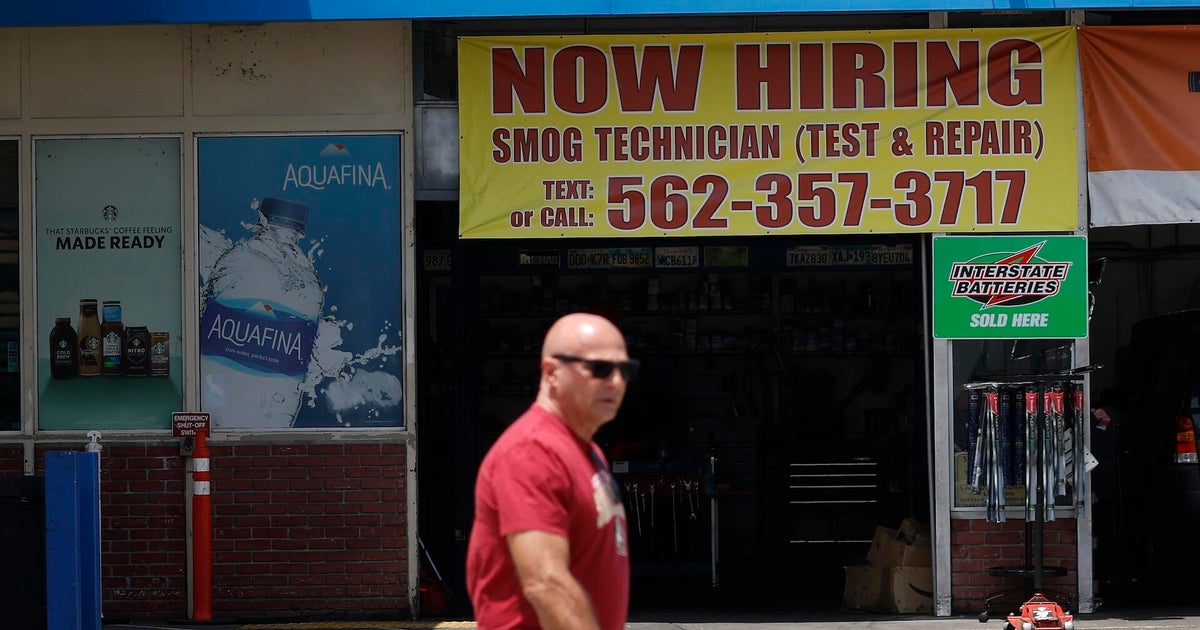
The U.S. job market lost 23,000 jobs in July, reversing several months of job growth. This decline was much larger than experts expected, who had predicted an increase of 83,000 jobs.
Key Facts
In July, employers reduced the number of jobs by 23,000.
Experts had predicted a gain of 83,000 jobs for the month.
This showed a sharp change from previous months where the job market was growing.
The data came from a jobs report released last week.
The report reflects employment trends in the United States for July.
Read the Original
Want the full story? Tap a source to open the original
article.
Protests against President Donald Trump’s immigration enforcement took place in Minneapolis, Minnesota, during a months-long campaign by immigration agents. This issue has become a major topic in Minnesota’s heated Democratic U.S. Senate primary between Rep. Angie Craig and Lt. Gov. Peggy Flanagan.
Key Facts
Immigration agents were stationed at a federal building near Minneapolis airport as part of a deportation campaign.
Protests with whistles and cameras formed to oppose the immigration actions.
Two people were shot and killed in Minneapolis during these confrontations.
Angie Craig supported stronger immigration enforcement early on but later expressed regret after the surge of agents.
Craig voted to condemn antisemitism and thanked law enforcement, including immigration officers.
Flanagan is using Craig’s votes to portray her as too supportive of the Trump administration.
The issue has split Democratic voters in this Senate primary, which reflects broader left-versus-center party divisions.
Volunteers continue to help immigrants affected by these policies near the federal building.
Read the Original
Want the full story? Tap a source to open the original
article.
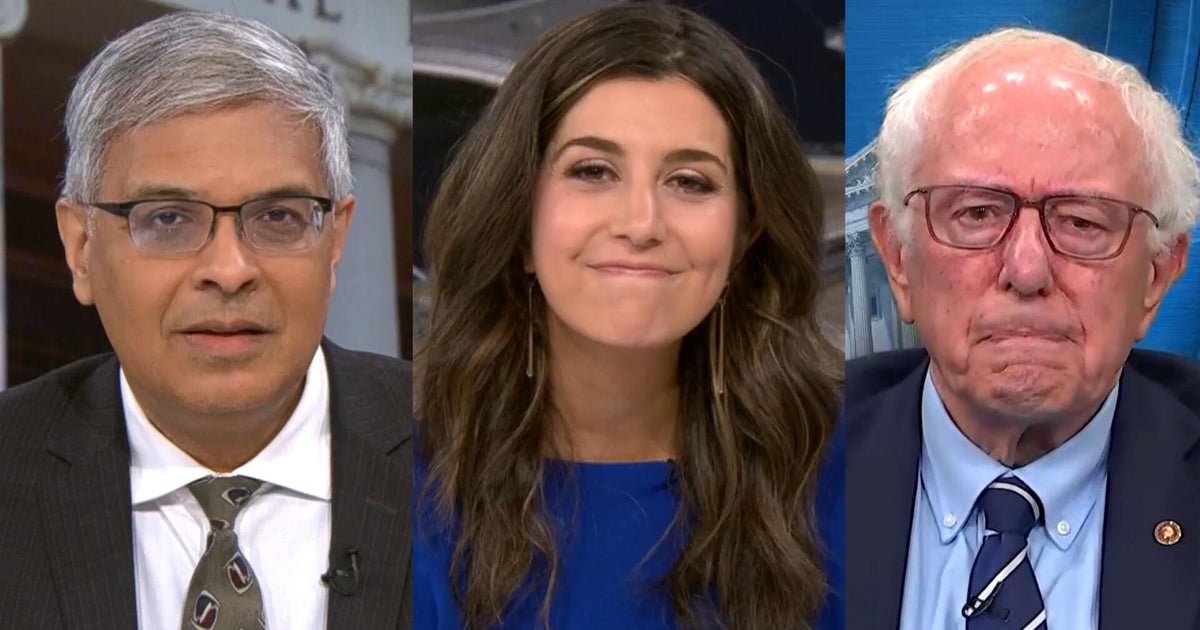
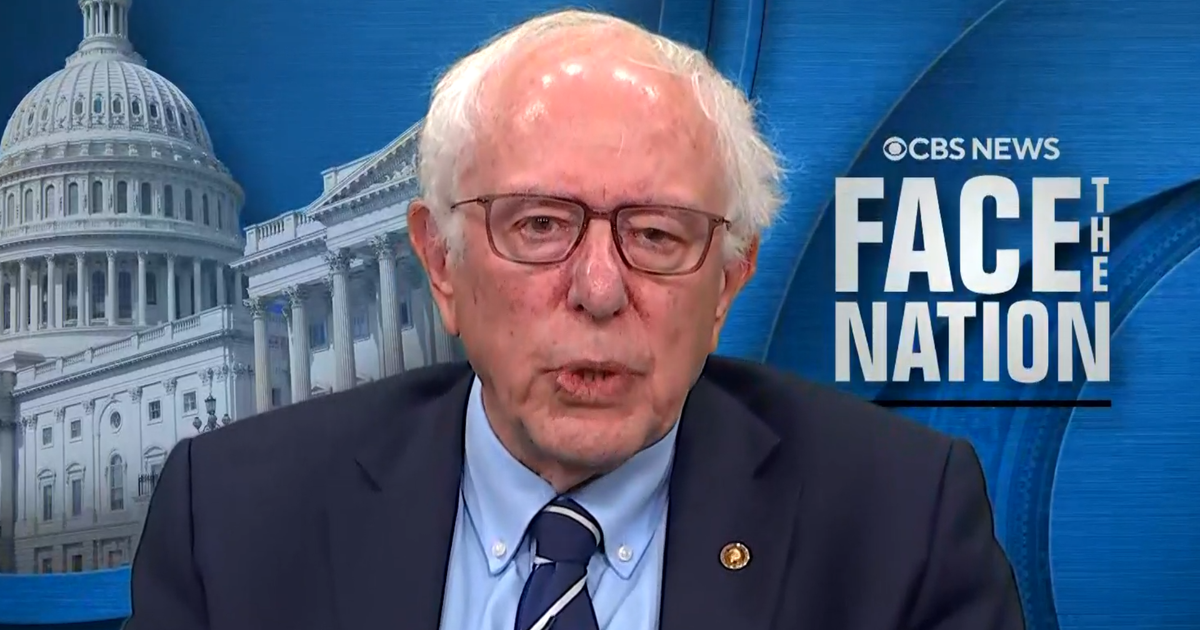
Senator Bernie Sanders, Dr. Jay Bhattacharya from the National Institutes of Health, and CBS News correspondent Nicole Sganga appeared on CBS News’ Face the Nation program. They discussed current topics related to homeland security, health, and politics.
Key Facts
Senator Bernie Sanders was a guest on Face the Nation.
Dr. Jay Bhattacharya, who leads a major U.S. health agency, also appeared.
Nicole Sganga, a CBS News correspondent focused on homeland security and justice, took part in the show.
The discussion occurred on CBS News’ Face the Nation program.
The show covered issues related to health, security, and political matters.
Read the Original
Want the full story? Tap a source to open the original
article.
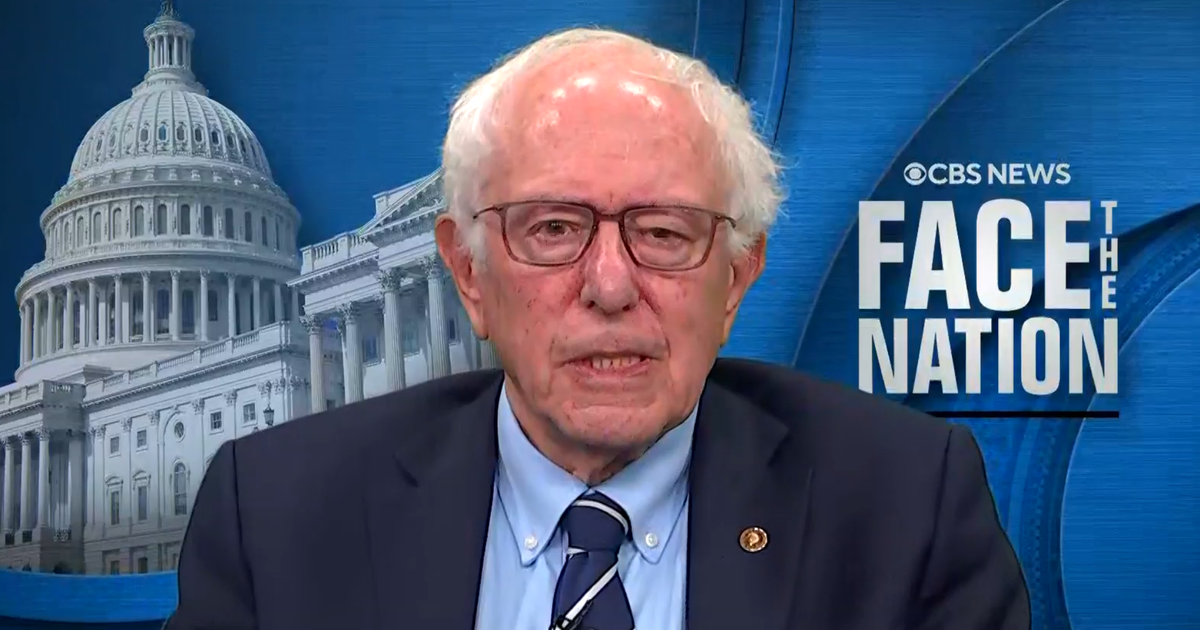
Senator Bernie Sanders discussed upcoming midterm elections, focusing on close races in Minnesota and Michigan. He expressed concern about economic inequality and emphasized supporting candidates who stand up for working-class people.
Key Facts
Peggy Flanagan, a progressive candidate and current lieutenant governor of Minnesota, is in a close race against a moderate opponent.
Sanders has endorsed Peggy Flanagan and is helping her campaign despite her being outspent seven to one.
Sanders said many Americans struggle to afford basics like groceries, housing, and healthcare, while the rich get richer.
He believes voters want real change and are tired of establishment politics.
Sanders supports raising taxes on millionaires and universal healthcare.
He mentioned Francesca Hong in Wisconsin, who supports similar progressive policies, but he has limited involvement in governor races.
Sanders is focused mainly on helping candidates win seats in the U.S. Senate and House of Representatives.
He referenced a recent close win by Abdul El-Sayed in Michigan and addressed polling projections about the Senate control in the upcoming elections.
Read the Original
Want the full story? Tap a source to open the original
article.
Senator Bernie Sanders said the Minnesota Senate race will be very close. He supports Lieutenant Governor Peggy Flanagan, who is being outspent seven to one by her opponent, Representative Angie Craig.
Key Facts
Senator Bernie Sanders endorsed Abdul El-Sayed in the Democratic primary.
Sanders also supports Lieutenant Governor Peggy Flanagan in the Minnesota Senate race.
Sanders described the Senate race as a "tight race."
Flanagan is being outspent by her opponent Angie Craig by a ratio of 7 to 1.
Angie Craig is the current Representative competing for the Senate seat.
Sanders shared these comments on the TV program "Face the Nation with Margaret Brennan."
Read the Original
Want the full story? Tap a source to open the original
article.
Health officials in Louisiana warn beach visitors about a rise in infections caused by Vibrio vulnificus, a dangerous bacteria found in coastal waters. This year, Louisiana has seen nine cases causing hospitalizations and five deaths, higher than usual. The bacteria infect through cuts or wounds exposed to seawater, and officials urge immediate medical care if symptoms appear.
Key Facts
Louisiana confirmed nine Vibrio vulnificus infection cases so far this year, with five deaths.
The average over the last decade was seven cases and one death per year in Louisiana.
Vibrio vulnificus lives in salty and brackish water, especially in Gulf Coast states like Louisiana and Florida.
Florida reported 14 cases and two deaths this year, with more infections during tropical storms and hurricanes.
The bacteria enter the body through breaks in the skin, such as cuts, scrapes, or recent piercings.
People with weakened immune systems, liver disease, diabetes, or chronic illnesses are at higher risk.
Climate change is increasing the bacteria’s spread and the number of cases, moving north by about 30 miles every year.
Experts advise washing any wounds exposed to coastal water quickly with soap and clean water and seeking medical care if infection signs develop.
Read the Original
Want the full story? Tap a source to open the original
article.
The U.S. Senate voted strongly to impose new sanctions on Russia because of its war with Ukraine. These sanctions were supported and pushed for by late Senator Lindsey Graham before he passed away in July.
Key Facts
The Senate voted on Friday to approve new sanctions against Russia.
The sanctions are a response to Russia's ongoing war with Ukraine.
Senator Lindsey Graham advocated for these sanctions before his death in July 2023.
The vote was overwhelmingly in favor of the sanctions.
This action reflects continued U.S. efforts to respond to the conflict.
The sanctions target Russia to pressure it over the war in Ukraine.
Read the Original
Want the full story? Tap a source to open the original
article.