Neutral summaries of your favorite news sources — just the facts.
Your favorite news sources, one neutral feed — we distill their reporting into fact-first
summaries and always link to the original story. How it works
US News
Latest developments and key stories from across the United States
In California, two Democrats are competing in a primary to challenge a Republican in a key congressional district with many Hispanic voters. The Democratic Congressional Campaign Committee (DCCC) supports the moderate candidate Jasmeet Bains, while progressives back Randy Villegas, leading to a public disagreement within the party about which type of candidate will win.
Key Facts
The primary is in a heavily Hispanic district in California’s Central Valley, important for control of the U.S. House.
The DCCC added moderate Jasmeet Bains to its "Red to Blue" program, providing campaign funding and support.
Randy Villegas, a progressive, is challenging Bains and has support from notable progressive figures like Rep. Alexandria Ocasio-Cortez.
The DCCC believes Bains is more electable based on her past election performance and background as a physician.
Villegas and his supporters argue he has stronger fundraising, endorsements, and grassroots support.
This race is part of a larger debate in the Democratic Party about backing moderates versus progressives.
The district is seen as a tough seat for Democrats to win against the Republican incumbent, David Valadao.
The conflict reflects broader questions about how Democrats can regain Latino voters after Republican gains in 2024.
Read the Original
Want the full story? Tap a source to open the original
article.
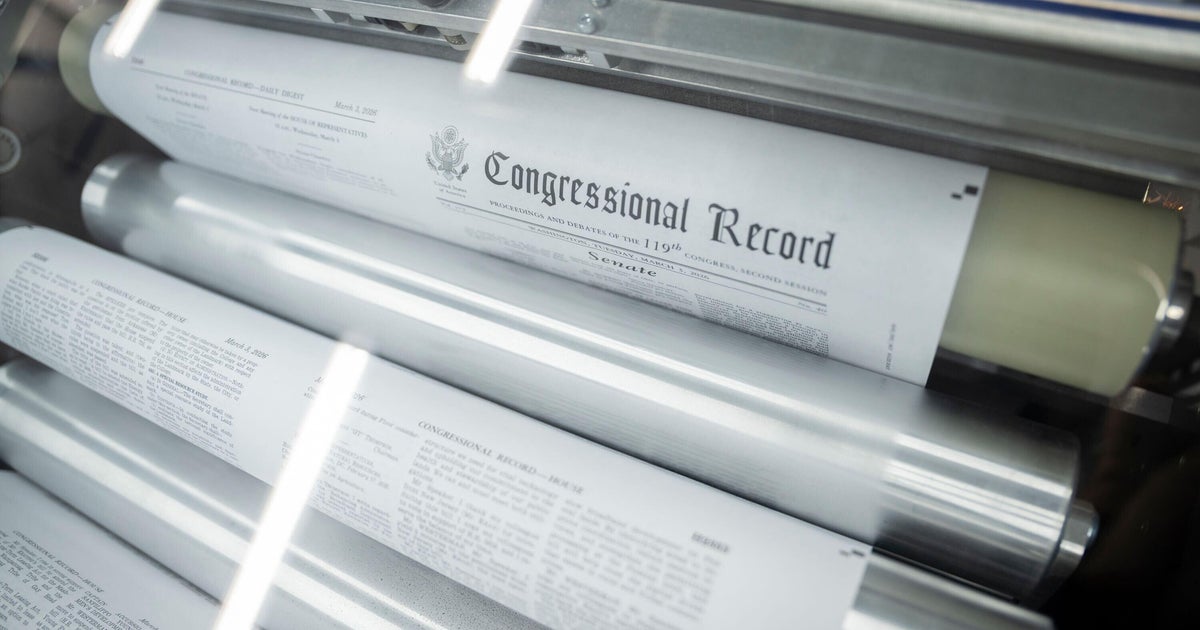
Every night Congress meets, workers at the Government Publishing Office create the Congressional Record, a detailed written account of what happens in the House and Senate. This record has been produced since 1873 and provides a mostly word-for-word report of congressional proceedings and other official activities.
Key Facts
The Government Publishing Office is located near the U.S. Capitol and prints the Congressional Record overnight when Congress is in session.
The Congressional Record started in 1873 to give a clear, official version of congressional actions because earlier reports were incomplete or biased.
The record shows what lawmakers say and do on the floor of both the House and Senate in very precise detail.
On busy days, the record can be over 200 pages long; on quieter days, it can be about 20 pages.
It has four main parts including transcripts of debates, a summary of daily actions, committee meeting reports, and a section called "extensions of remarks" where members add comments not spoken aloud.
This document is seen as very important because it influences laws, court decisions, and historical records of Congress.
Some parts of the record include speeches or comments members submit but do not actually say on the floor, which has been controversial.
Read the Original
Want the full story? Tap a source to open the original
article.
President Donald Trump continues to strongly influence the Republican Party, winning many primary races with his endorsed candidates. However, polls show a split between younger and older Republican voters, especially on foreign policy, with younger members wanting a new direction after 2028.
Key Facts
Trump-backed candidates won every primary race this cycle, with 37 wins and zero losses.
Trump’s approval rating among Republicans is about 81%, higher than comparable points for Presidents Obama and Bush in their second terms.
Younger Republicans (ages 18-44) prefer a new party direction after 2028, with 60% wanting change and only 33% supporting Trump’s continued course.
On U.S.-Israel relations, 70% of young Republicans want a change, while just 20% want to keep Trump’s approach.
Regarding Iran, 56% of young Republicans favor a new stance, compared to 35% supporting Trump’s tougher position.
Older Republicans tend to support Trump’s views more strongly and are more reliable voters.
The generational divide is partly due to older voters witnessing past American military successes, while younger voters see more foreign policy failures.
The article suggests Trump’s challenge is to keep both young and older voters united by leading with clear success and vision.
Read the Original
Want the full story? Tap a source to open the original
article.
President Donald Trump will visit a key swing district in New York ahead of the general election. His visit follows recent major wins by Republican candidates in primary elections. He plans to share his campaign message as voters express concern about the economy and polls show his support dropping.
Key Facts
President Trump is visiting a competitive swing district in New York this Friday.
This visit comes after several important Republican primary victories.
Trump will appear with current Representative Mike [last name not provided].
The district is seen as crucial for the upcoming general election.
Voters in the area are worried about the state of the economy.
Polls show President Trump’s support is weakening.
The visit is part of Trump's effort to shape his message for the general election campaign.
Read the Original
Want the full story? Tap a source to open the original
article.
A court will decide on Friday whether Alabama’s Republicans can bring back an old congressional map. This map would remove one of the state’s majority-Black districts, which could help Republicans win more seats. The decision follows a recent Supreme Court ruling that changed rules about voting district maps.
Key Facts
The court hearing is scheduled for Friday.
Alabama Republicans want to restore an earlier congressional map.
The old map eliminates the state’s second majority-Black district.
Removing that district could give Republicans a chance to gain more seats.
This legal action comes after a Supreme Court decision changed voting map rules.
The case is about how voting districts are drawn for upcoming elections.
The outcome will affect political power in Alabama for the midterm elections.
The issue involves the balance between fair representation and political advantage.
Read the Original
Want the full story? Tap a source to open the original
article.
President Donald Trump continues to have strong influence in Republican primary elections, with many candidates he opposed losing recently in Indiana, Kentucky, and Louisiana. However, the Republican Party faces concerns about its overall position and challenges as it prepares for the general elections in the fall.
Key Facts
President Trump has a strong hold on Republican primary races.
Several Republican politicians criticized by Trump lost their primary contests.
These election losses occurred in Indiana, Kentucky, and Louisiana.
Despite Trump's influence, the Republican Party is worried about its future strength.
The party is preparing for important fall elections that could impact its power.
Some members of the GOP are signaling concerns about how the party is doing overall.
The situation shows a difference between Trump's strong primary control and potential challenges in the general election.
Read the Original
Want the full story? Tap a source to open the original
article.
Senate Republicans strongly opposed a $1.8 billion fund proposed by the Trump administration to pay supporters who were prosecuted by the Justice Department. This disagreement has stalled a budget bill meant to support immigration enforcement until the issue is settled.
Key Facts
The Trump administration proposed a $1.8 billion fund to compensate some prosecuted supporters.
Acting Attorney General Todd Blanche was questioned by Senate Republicans about this fund.
Republicans criticized the fund, calling it an "anti-weaponization" measure.
The budget reconciliation bill related to immigration enforcement is delayed.
Senate GOP members demand their concerns about the fund be addressed before moving forward.
The Justice Department is involved in prosecuting some MAGA supporters.
The budget reconciliation bill is important for funding immigration enforcement efforts.
The disagreement highlights ongoing tensions within the Senate over justice and budget issues.
Read the Original
Want the full story? Tap a source to open the original
article.
Stephen Colbert ended his late-night show, "The Late Show with Stephen Colbert," after 11 seasons. The final episode featured musician Paul McCartney and included Colbert thanking his audience and mentioning his difficult exit from CBS.
Key Facts
Stephen Colbert hosted "The Late Show" for 11 seasons.
The last episode aired on May 21, 2026.
Paul McCartney appeared as a guest on the final show.
Colbert thanked both the live and TV audience for watching.
He often criticized Republican President Donald Trump during the show.
Colbert made jokes about being forced to leave CBS.
The show focused on current events in a comedic style.
Read the Original
Want the full story? Tap a source to open the original
article.
Stephen Colbert ended his role as host of "The Late Show" after CBS canceled the program. The cancellation came after Colbert criticized CBS for settling a legal dispute with President Donald Trump about an interview editing issue.
Key Facts
Stephen Colbert hosted "The Late Show" since 2015.
CBS canceled "The Late Show" amid growing tension involving President Donald Trump.
The controversy involved a $16 million settlement between CBS and President Trump.
Trump accused CBS of "maliciously" editing an interview with his Democratic rival Kamala Harris.
Colbert mocked CBS for the settlement, which added to the friction leading to the show's end.
The final episode featured a performance by Paul McCartney and other stars.
The cancellation reflects CBS's efforts to maintain good relations with President Trump.
Read the Original
Want the full story? Tap a source to open the original
article.
President Donald Trump gained more Latino voters in the 2024 election, contributing to his re-election. However, many Latino voters who supported him have since expressed concerns about his administration's strict immigration policies and worsening economic conditions, leading to a decline in his approval among this group.
Key Facts
Trump increased his share of Latino voters from 35% in 2020 to 43% in 2024.
Latino voters have traditionally supported Democrats but shifted toward Trump mainly due to economic concerns.
Trump promised and carried out stricter immigration enforcement, which affected many Latino communities.
Over half of Latino adults know someone impacted by Trump's immigration policies.
Latino approval of Trump's job performance dropped from 93% at the start of his term to 66% by April 2026.
Maricopa County, a key battleground with a large Latino population, saw increased Latino support for Trump in 2024.
Some Latinos who voted for Trump in 2024 now regret that choice due to immigration crackdowns.
Arizona remains a central state in the national debate on immigration enforcement.
Read the Original
Want the full story? Tap a source to open the original
article.
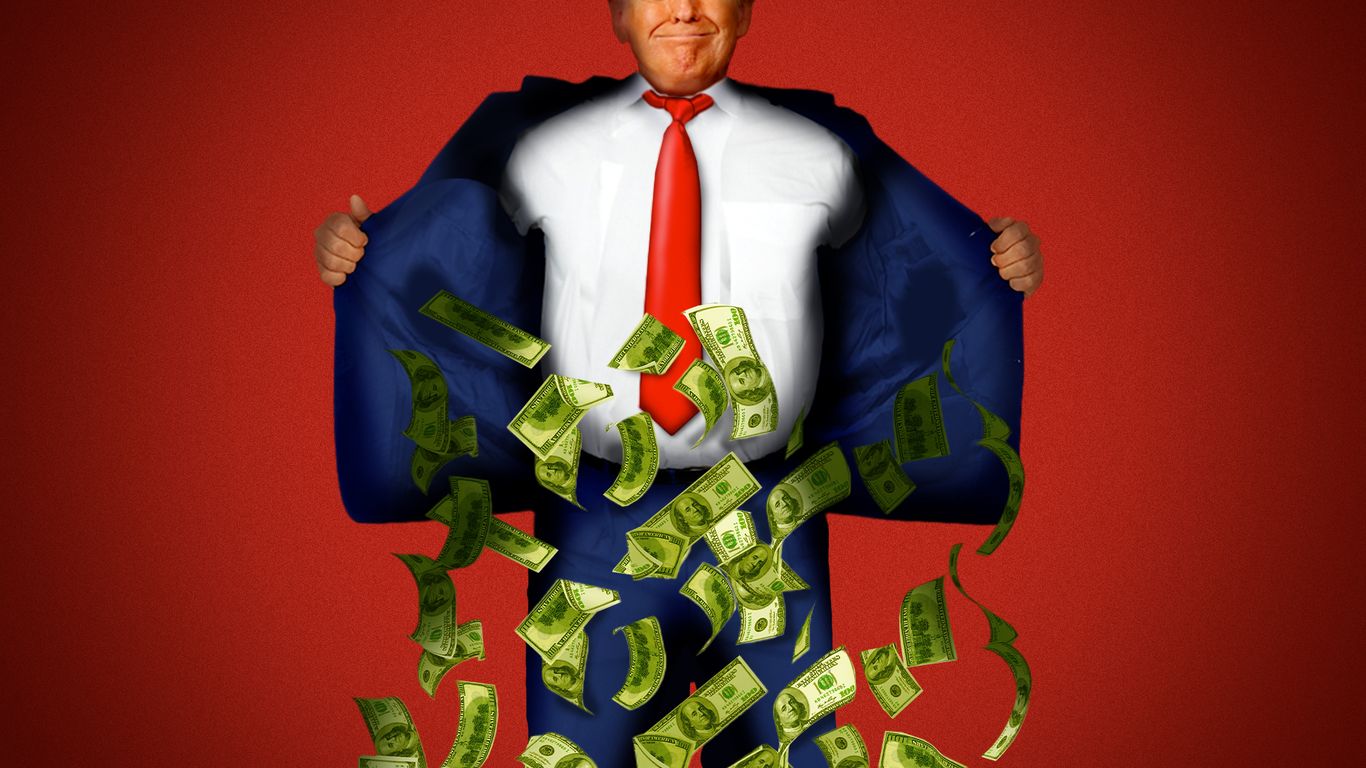
President Donald Trump has taken actions that allow him and his family to avoid tax audits, profit from government decisions, and manage large personal crypto and stock portfolios while in office. These steps are unprecedented and break traditional norms followed by past presidents to avoid conflicts between their businesses and public duties.
Key Facts
President Trump and his family are protected from federal audits and criminal investigations of their past tax returns until May 2026.
Trump’s crypto business earned more money in 16 months than his entire real estate business did from 2010 to 2017.
Past presidents, including Carter, Reagan, Bush, Clinton, and Obama, avoided direct business conflicts by using blind trusts or holding only diversified assets.
Trump allowed his family to do business while he is president, a change from his first term when they did not.
The Justice Department added language barring future tax investigations of Trump’s past returns as part of a lawsuit settlement.
Trump’s businesses have continued domestic and international operations that may benefit from government policies under his administration.
Many lawmakers also trade stocks while in office, raising ethical concerns about conflicts of interest.
This situation sets a new precedent for how presidents and their families can handle personal wealth during their time in office.
Read the Original
Want the full story? Tap a source to open the original
article.
The Trump administration is moving immigration lawyers to the Justice Department to speed up efforts to take away citizenship from naturalized Americans suspected of fraud. This is part of a broader plan to increase the number of cases where citizenship is removed due to false information on immigration applications.
Key Facts
Immigration lawyers from the U.S. Citizenship and Immigration Services (USCIS) are being temporarily transferred to work on denaturalization cases at the Justice Department.
Denaturalization means stripping someone of their citizenship, usually because they lied on their application or were not eligible.
The legal standard for denaturalization is very high and requires strong evidence.
The Trump administration had a team of 10-15 lawyers focused on these cases in the first term but is now expanding the effort.
Since the beginning of President Trump's second term, there have been 35 denaturalization cases filed, including 12 recently.
A Justice Department memo listed denaturalization as a top priority for the administration.
The Justice Department says this campaign supports public safety and prevents fraud in legal immigration.
USCIS chief Joe Edlow supports having denaturalization handled by multiple offices, not just a single team.
Read the Original
Want the full story? Tap a source to open the original
article.
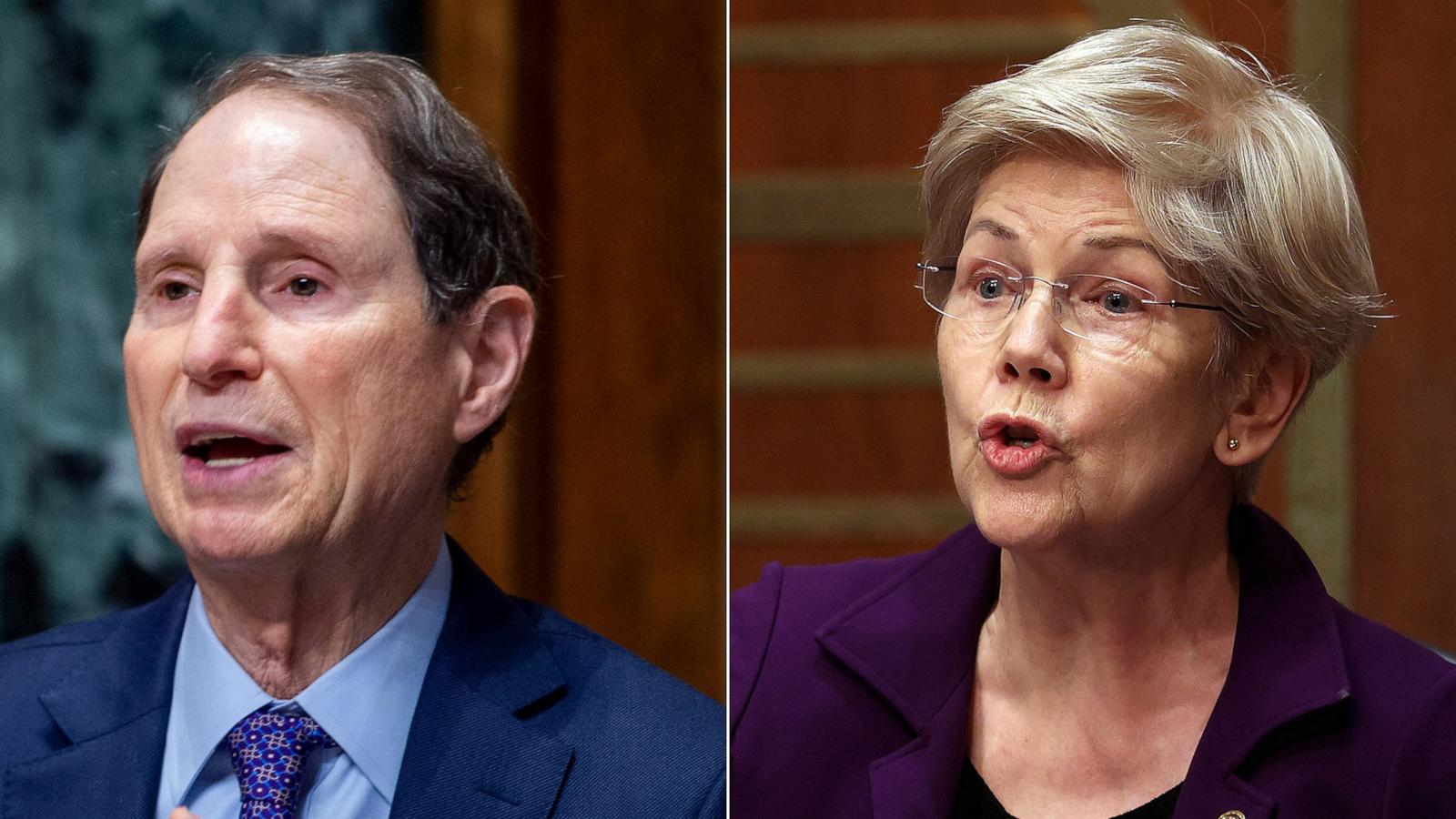
Top Democratic senators have asked Treasury Secretary Scott Bessent and IRS CEO Frank Bisignano to explain a $1.8 billion "Anti-Weaponization Fund" created as part of a settlement between President Donald Trump and the IRS. The fund aims to compensate people who claim they were wrongly targeted under the Biden administration, but some lawmakers worry it could be misused and lack transparency.
Key Facts
The $1.8 billion fund is part of a settlement resolving a $10 billion lawsuit President Trump brought against the IRS.
The settlement ends all IRS audits of Trump, his family, and their businesses.
Democrats Elizabeth Warren and Ron Wyden criticized the fund for possible secret payments to Trump’s allies and people involved in the January 6 Capitol events.
President Trump cannot receive money from the fund, but associates might be eligible to file claims.
The fund is managed by a five-person commission chosen by the Attorney General; Trump can remove any member.
The money will come from the federal compensation fund, which usually pays court judgments and settlements.
Some Senate Republicans also raised concerns about the fund, impacting the progress of a $70 billion immigration enforcement bill.
The lawsuit was filed after a government contractor confessed to stealing Trump's and other rich Americans’ tax data and leaking it to the media.
Read the Original
Want the full story? Tap a source to open the original
article.
Workers at Los Angeles's SoFi Stadium said they will strike if federal immigration agents called ICE are brought to the stadium during the upcoming World Cup matches. The workers want ICE to stay away while the tournament takes place next month.
Key Facts
The event is the 2026 World Cup, with matches held at SoFi Stadium in Los Angeles.
Workers at the stadium oppose the presence of ICE, the U.S. agency that enforces immigration laws.
They have threatened to go on strike if ICE agents are deployed at the venue during the tournament.
The World Cup matches are scheduled for next month.
The issue centers around immigration enforcement at a major sports event.
The workers’ demand is for ICE to be kept out of the stadium during the event.
This situation involves federal immigration enforcement policies and local labor actions.
President Donald Trump is referenced in relation to immigration policies affecting the matter.
Read the Original
Want the full story? Tap a source to open the original
article.
The United States has paused arms sales to Taiwan to preserve enough weapons for its ongoing operations related to the war with Iran, according to the acting navy secretary. The decision delays approval of a $14 billion weapons package for Taiwan, with the final call resting with U.S. government leaders.
Key Facts
The U.S. is pausing arms sales to Taiwan to ensure it has enough munitions for its military actions in the Iran conflict.
A $14 billion weapons package for Taiwan has been awaiting approval for several months.
Acting Navy Secretary Hung Cao said foreign military sales will continue when the administration decides it is necessary.
Taiwan's government said it has not been informed of any changes to the arms sale plans.
President Donald Trump met Chinese President Xi Jinping, where Taiwan's weapons sales were a key topic.
China opposes U.S. arms sales to Taiwan and views the island as part of its territory.
Under the Taiwan Relations Act, the U.S. is required to provide Taiwan with military equipment for self-defense.
President Trump has suggested he may reconsider traditional policies by discussing arms sales with China and speaking directly with Taiwan’s president, a move that could upset Beijing.
Read the Original
Want the full story? Tap a source to open the original
article.
A Tennessee school board member, Keith Ervin, was charged with assault for touching a teenage girl and making inappropriate comments during a public meeting. The incident was recorded on video, leading to public criticism and legal action against Ervin.
Key Facts
Keith Ervin, 59, is a member of the Washington County school board in Tennessee.
At a meeting on April 2, Ervin touched a female high school senior on the shoulder and called her "hot" on video.
Tennessee law defines Ervin’s actions as a class B misdemeanor, punishable by up to six months in jail and a $500 fine.
The girl was a student representative on the school board.
The girl’s father called Ervin's behavior "disturbing and inappropriate" and said Ervin should not be near students.
Other board members censured Ervin, but the female student publicly criticized the board for their handling of the incident.
Ervin is a self-employed dairy farmer and has two daughters who attended the same school as the girl.
Ervin is scheduled to appear in court on August 7 to respond to the assault charge.
Read the Original
Want the full story? Tap a source to open the original
article.
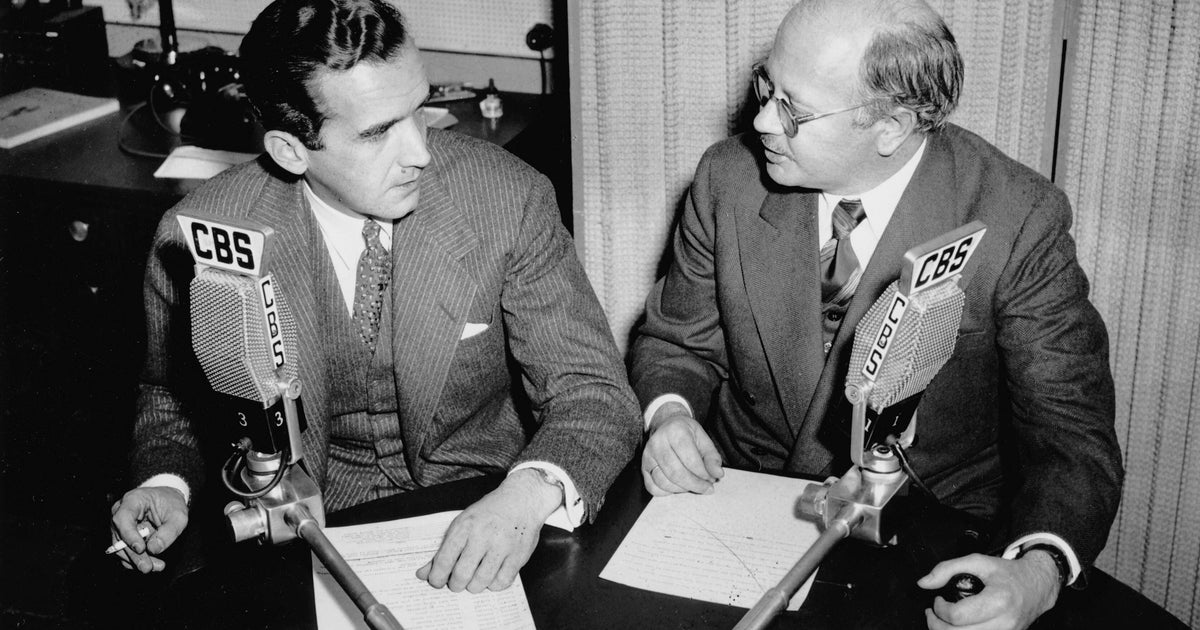
CBS News Radio, a major news broadcaster in the United States for nearly 100 years, will end its radio service on Friday night. The company said economic challenges led to this decision after decades of delivering important news to millions of Americans.
Key Facts
CBS News Radio started broadcasting in September 1927.
It provided news to about 700 radio stations across the U.S.
The service featured famous broadcasters like Edward R. Murrow and Dan Rather.
CBS News Radio covered many historic events, including World War II, the 9/11 attacks, and the Gulf War.
The "World News Roundup" was the longest-running news broadcast in the country.
The decision to close the service was announced in March, citing financial difficulties.
CBS News Radio helped shape how news was reported beyond newspapers.
Journalists at CBS News Radio expressed pride and sadness about the service ending.
Read the Original
Want the full story? Tap a source to open the original
article.
President Trump recently won Republican primary battles by supporting challengers to incumbent GOP senators but now faces growing opposition within his own party in the Senate. Republican leaders delayed a vote on Trump’s proposed $1.8 billion fund aimed at compensating people allegedly targeted by the Biden Justice Department due to criticism from both parties.
Key Facts
President Trump helped defeat some Republican incumbents by endorsing challengers in recent primaries.
Senate Majority Leader John Thune postponed a vote on a reconciliation bill that included Trump’s $1.8 billion “anti-weaponization fund.”
The fund was meant to compensate people who, according to Trump’s administration, were unfairly targeted by the Biden Justice Department.
Senate Republicans and Democrats criticized the fund, calling it a political mistake.
Other GOP senators, including John Cornyn, Bill Cassidy, and Thom Tillis, are increasingly resisting Trump’s influence.
Republicans also opposed Trump’s request for $1 billion to fund the Secret Service and security for his planned White House ballroom.
Democrats are moving forward with a war powers resolution to limit Trump’s authority over military actions with Iran.
House GOP leadership canceled a vote on the war resolution due to insufficient support against it.
Read the Original
Want the full story? Tap a source to open the original
article.
The Democratic National Committee (DNC) chair Ken Martin is under pressure from many congressional Democrats to resign after the delayed and criticized release of the DNC’s 2024 election autopsy report. The report has mistakes, lacks a clear conclusion, and some Democrats say Martin’s leadership and the party’s fundraising are weak.
Key Facts
The DNC released the full 2024 election autopsy report after months of pressure.
Ken Martin admitted the report does not meet his or others’ standards and apologized for delays.
Several Democrats, including Reps. Seth Moulton and Mark Pocan, called for Martin’s resignation.
The report has errors and does not clearly explain what went wrong in the 2024 election.
Some Democrats defended Martin, including Rep. Nancy Pelosi and Rep. Jonathan Jackson.
The DNC’s fundraising is much lower compared to the Republican Party.
Internal Democratic discussions suggest more calls for Martin to step down may follow.
Top Democratic leaders like Hakeem Jeffries and Chuck Schumer have not yet fully commented on the report.
Read the Original
Want the full story? Tap a source to open the original
article.
President Donald Trump’s approval ratings have dropped to new lows in several national polls conducted in May 2026. These surveys show record-high disapproval ratings, weakening support among Republicans, and poor ratings on economic issues like inflation.
Key Facts
Multiple national polls from Fox News, New York Times/Siena, YouGov/The Economist, and AP/NORC show President Trump’s approval at historic lows.
Disapproval ratings reached 59% in the New York Times/Siena poll and 61% in the Fox News poll, both record highs.
Trump’s approval among Republicans fell to its lowest point in his second term, indicating weakening support within his own party.
Disapproval of Trump’s handling of the economy rose to 71%, the highest level recorded in the Fox News polling series.
Only 24% approved of Trump’s handling of inflation, down from 35% in January 2026.
These trends reflect broader declines in support among key voter groups and on specific issues like the economy and job performance.
Polls were conducted between May 11 and May 18, 2026, with samples of around 1,000 to 1,500 registered voters each.
The results come as the Republican Party prepares for the 2026 midterm elections, where economic issues and party unity are important.
Read the Original
Want the full story? Tap a source to open the original
article.