Neutral summaries of your favorite news sources — just the facts.
Your favorite news sources, one neutral feed — we distill their reporting into fact-first
summaries and always link to the original story. How it works
US News
Latest developments and key stories from across the United States
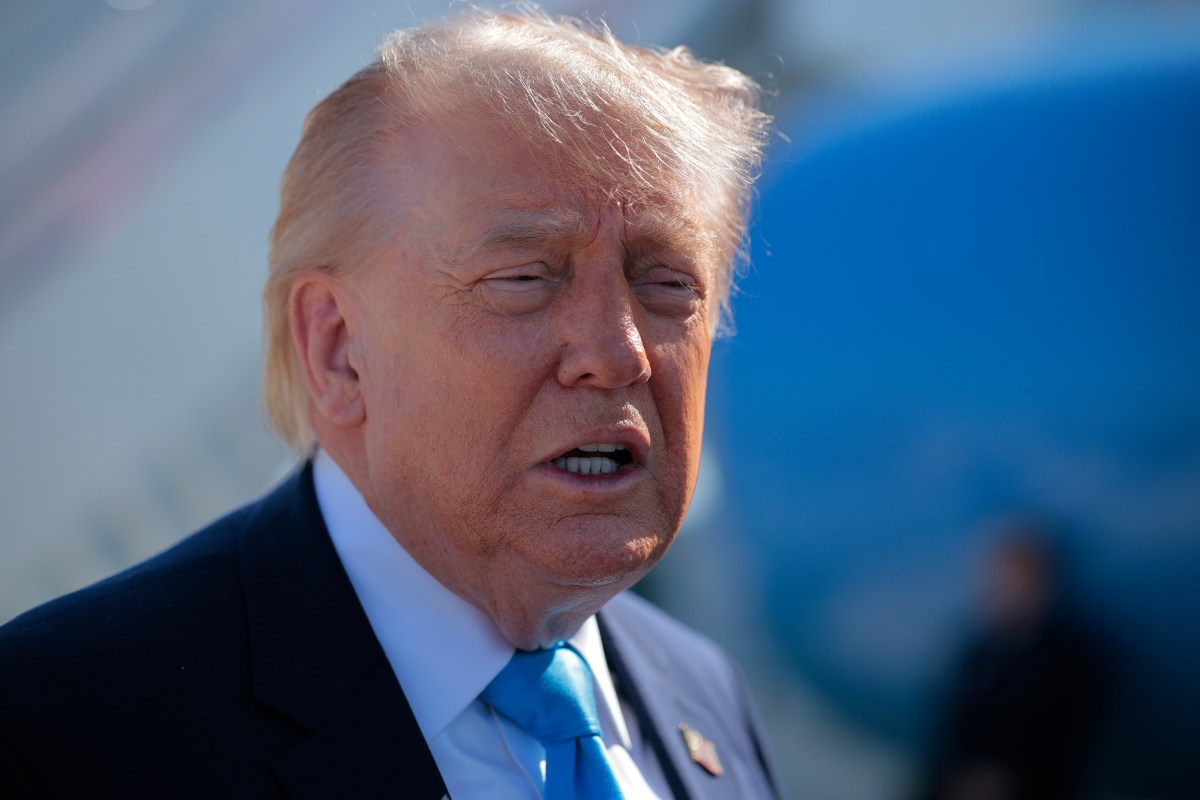
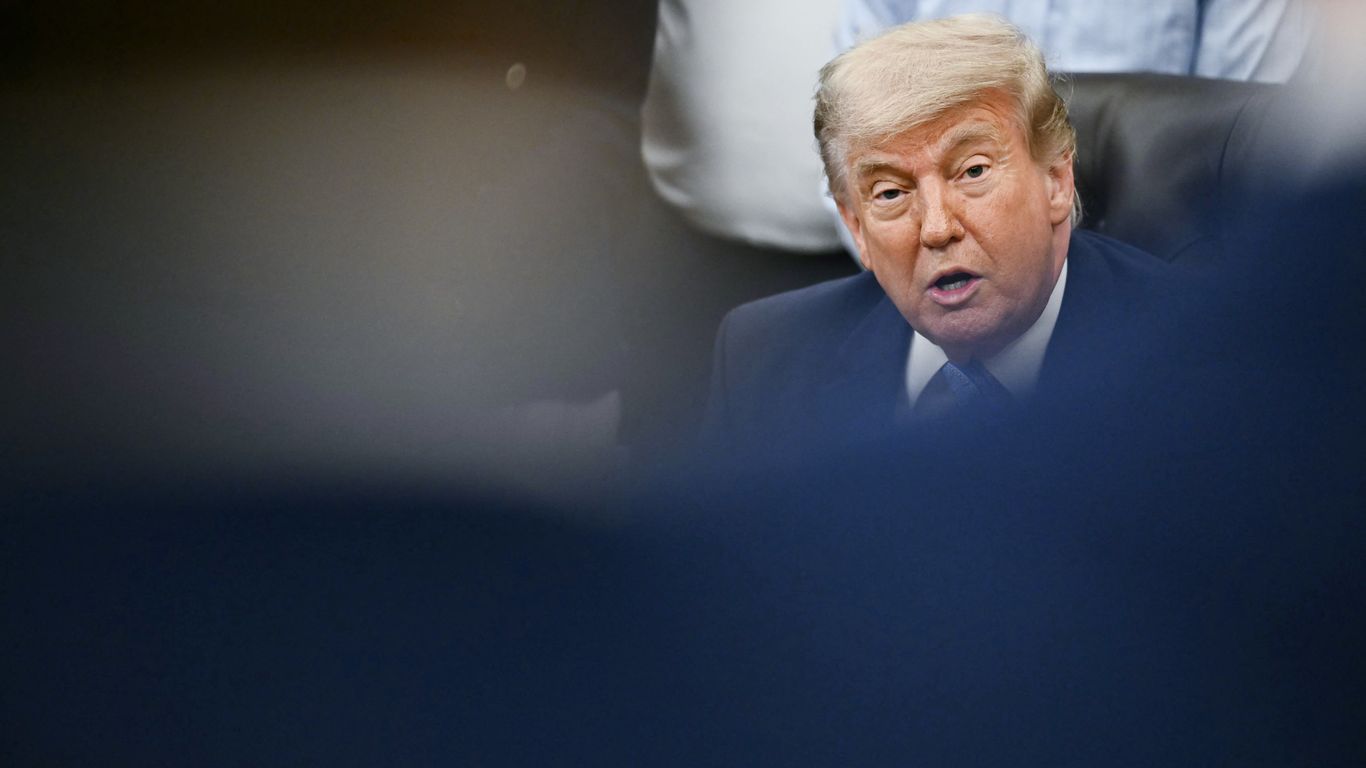
President Donald Trump said he is not sure if he will attend his son Donald Trump Jr.'s wedding because he is focused on the situation involving Iran and other matters. He mentioned that the wedding will be a small, private event and that he will try to attend.
Key Facts
President Trump expressed uncertainty about attending Donald Trump Jr.'s wedding.
He said the wedding will be a small and private gathering.
President Trump mentioned he has important issues to deal with, including the Iran situation.
He indicated that he is trying to find time to attend the wedding despite these concerns.
The statement was made publicly on a Thursday.
Read the Original
Want the full story? Tap a source to open the original
article.
A recent federal report provides advice about how much screen time children should have. It emphasizes that parents should pay attention to what their kids do when they use screens, like watching videos or playing games.
Key Facts
The report was released by a U.S. government agency.
It suggests limits on daily screen time for children.
The report stresses understanding the type of screen activities kids engage in.
It encourages parents to choose quality content.
Screen time rules may vary by the child’s age.
Parents are advised to balance screen use with other activities like playing outside or reading.
The report aims to help families make healthy screen time choices.
It does not ban screen use but recommends mindful and moderate use.
Read the Original
Want the full story? Tap a source to open the original
article.
The Democratic National Committee (DNC) shared a report analyzing why the party lost in the 2024 elections, focusing on the defeat of Vice President Harris by President Trump. The DNC Chair, Ken Martin, had originally planned to keep the report private but faced criticism and then decided to release it.
Key Facts
The DNC wrote a detailed report to explain why they lost in the 2024 elections.
The report reviewed the defeat of Vice President Harris by President Trump.
Initially, the DNC planned to keep the report secret to avoid problems during the midterms.
Ken Martin, the DNC Chair, had promised not to release the report but changed his mind.
After backlash from party members and critics, the report was made public on a Thursday.
The report is called an "autopsy" because it examines what went wrong in the election.
Read the Original
Want the full story? Tap a source to open the original
article.
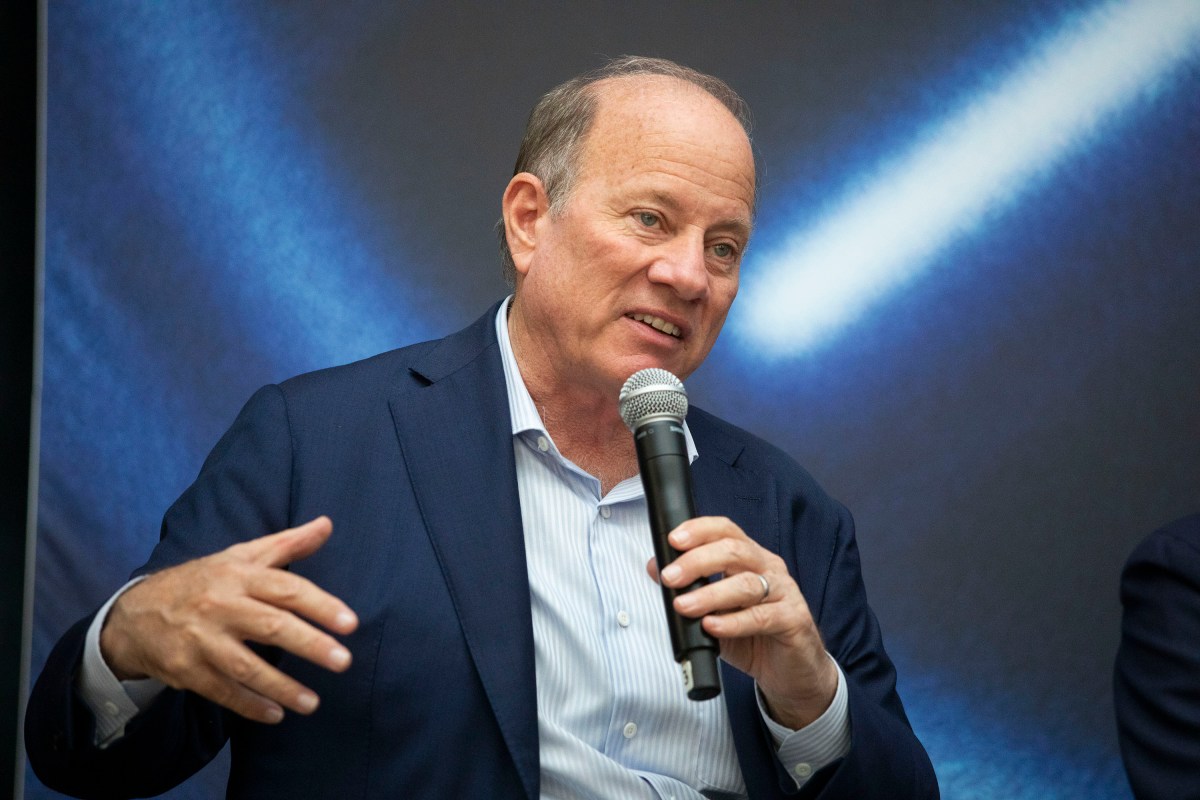
Democrat Jocelyn Benson is now seen as more likely to win the Michigan governor’s race after independent candidate Mike Duggan dropped out. Duggan’s exit reduces the chance of splitting the left-leaning vote, making the election more favorable for Democrats in this closely contested state.
Key Facts
Mike Duggan, an independent candidate and former Detroit mayor, left the Michigan governor race.
His withdrawal is expected to help Democrat Jocelyn Benson by uniting left-leaning voters.
The Michigan governor race is considered competitive for the 2026 midterm elections.
Michigan narrowly supported President Donald Trump in the 2024 election, making it a battleground state.
Duggan cited national political anger and poor polling as reasons for quitting.
After Duggan’s exit, prediction markets showed Democrats’ chances of winning rising significantly.
Experts said it was unpredictable which party Duggan would have hurt more by staying in the race.
Benson welcomed Duggan’s supporters and said they share a goal of strengthening Michigan.
Read the Original
Want the full story? Tap a source to open the original
article.
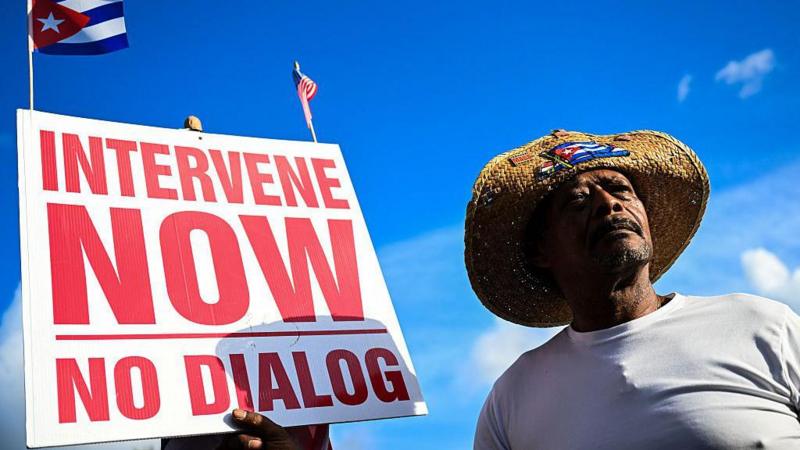
President Donald Trump and Secretary of State Marco Rubio have raised the possibility of U.S. military action against Cuba following new criminal charges against Cuba’s former leader, Raúl Castro. Both emphasized a preference for peaceful negotiations but expressed doubt that diplomatic solutions with the current Cuban government are likely.
Key Facts
President Trump said previous U.S. presidents considered military action in Cuba, and he might be the one to do it.
Secretary of State Rubio called Cuba a national security threat because of its connections to U.S. enemies.
Rubio stated that the U.S. prefers peaceful talks with Cuba but doubts success under the current Cuban leadership.
The U.S. recently charged Raúl Castro with murder and destruction of aircraft for a 1996 incident involving civilian planes flown by Miami exiles.
Cuban President Miguel Díaz-Canel condemned the charges, calling them a political move to justify military aggression.
Trump’s administration has met with Cuban officials multiple times but remains unimpressed, leading to increased sanctions.
Rubio emphasized that while the preference is negotiation, the president has the option to take whatever actions are needed to protect U.S. interests.
Some compare this approach to a recent U.S. military operation that captured Venezuelan President Nicolás Maduro in early 2026.
Read the Original
Want the full story? Tap a source to open the original
article.
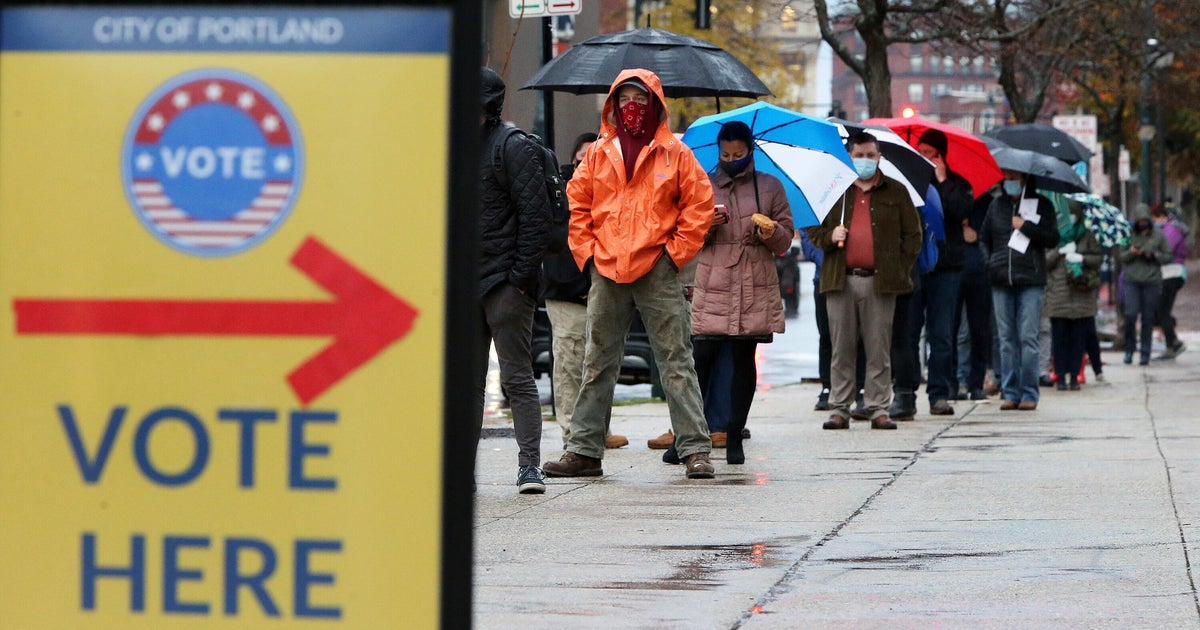
Federal judges dismissed two more lawsuits from the Justice Department seeking full voter registration lists from Maine and Wisconsin. These decisions mark the seventh and eighth times courts have rejected the Trump administration’s attempts to access sensitive voter information from states.
Key Facts
The Justice Department sued Maine and Wisconsin to get full voter lists, including personal details like birth dates and partial Social Security numbers.
Chief U.S. District Judge Lance Walker and Judge James Peterson dismissed the lawsuits, citing legal limits on states’ obligations to share voter data.
The judges ruled that federal laws like the Help America Vote Act and the National Voter Registration Act do not require states to hand over complete voter rolls to the Justice Department.
The suits were part of the Justice Department’s effort to check if states were following voting laws.
So far, the Justice Department has filed lawsuits against 30 states and Washington, D.C., all seeking access to voter registration data.
The judges expressed concern about federal overreach and the balance of power between states and the federal government in overseeing elections.
President Trump has pushed for more federal control of elections and has claimed there was widespread voter fraud, though no evidence has been presented.
Previous attempts to get voter data from states including Arizona, California, Michigan, and others have also failed in court.
Read the Original
Want the full story? Tap a source to open the original
article.
The Democratic National Committee (DNC) released a report analyzing why Vice President Kamala Harris lost to President Donald Trump in the 2024 election. The report has many mistakes, missing sections, and does not mention the important issue of the Gaza war, which some say affected voter support for Harris.
Key Facts
The DNC report on Harris’s loss was incomplete, with missing sections like the executive summary and conclusion.
The report contained factual errors and several claims were marked as unverified or false.
DNC Chair Ken Martin said he did not endorse the report but released it for transparency.
The hot topic of Israel’s war on Gaza, which some voters saw as a moral issue, was not mentioned at all in the 192-page report.
Vice President Harris supported providing military aid to Israel despite criticism from some Democrats.
Some polls and campaign insiders suggest that the Gaza conflict impacted Harris’s support among voters.
Democrats actually won three gubernatorial races in 2024, not two as the report claimed.
The DNC had delayed releasing the report amid pressure from activists wanting answers.
Read the Original
Want the full story? Tap a source to open the original
article.
President Donald Trump expressed support for Spencer Pratt, a reality TV star running for mayor of Los Angeles. Pratt is polling second in the race but faces challenges because Trump is unpopular in the city and Pratt’s political past is complicated.
Key Facts
President Trump said he hopes Spencer Pratt does well and called him a "big MAGA person."
Spencer Pratt is a former Republican and reality TV figure known for his role on The Hills.
Pratt is currently second in polls behind Mayor Karen Bass in the LA mayoral race.
Pratt lost his home in last year’s wildfires and has criticized the city’s response to the disaster.
Los Angeles is a largely liberal city where Trump is very unpopular.
Pratt says his campaign focuses on local issues like water, power, and public safety, not national politics.
Opponents link Pratt to Trump and oppose his ideas, including support for immigration enforcement actions.
Political experts say Pratt must balance appealing to Republicans and a diverse electorate to win.
Read the Original
Want the full story? Tap a source to open the original
article.
The Democratic National Committee released a draft report analyzing Vice President Kamala Harris’s loss in the 2024 election. The report says the Biden administration did not adequately support or prepare Vice President Harris during the campaign.
Key Facts
The Democratic National Committee (DNC) created a draft report after the 2024 election loss of Vice President Kamala Harris.
The report criticizes the Biden administration for not properly positioning or preparing Harris.
It suggests that decisions made by the White House affected Harris’s campaign negatively.
The report was released publicly on a Thursday.
It reflects the party’s efforts to understand what went wrong in the 2024 election.
The focus is on internal party strategy and leadership during the campaign.
Read the Original
Want the full story? Tap a source to open the original
article.
The U.S. Commission of Fine Arts approved President Donald Trump's plan to build a 250-foot triumphal arch in Washington, D.C., despite public opposition. The arch design was changed by removing lions from its base and an underground pedestrian tunnel, and it will include a statue of Lady Liberty holding a torch at the top.
Key Facts
The triumphal arch will be 250 feet tall, taller than the Lincoln Memorial but shorter than the Washington Monument.
The statue on top resembles Lady Liberty holding a torch, flanked by two golden eagles.
Lions originally planned to guard the arch's base have been removed.
The arch will be located near the Lincoln Memorial and Arlington National Cemetery.
Commissioners appointed by President Trump approved the design despite nearly all public comments opposing it.
Some veterans and a historian have sued the Trump administration to stop the construction, concerned about sightlines and other issues.
The arch will feature gold-lettered phrases: "One Nation Under God" and "Liberty and Justice for All."
The project is part of wider efforts by President Trump to add new features to Washington, including updates to the Lincoln Memorial Reflecting Pool, which is also facing legal challenges.
Read the Original
Want the full story? Tap a source to open the original
article.
The Department of Justice created a nearly $2 billion fund called the "anti-weaponization fund" after a $10 billion lawsuit settlement involving President Trump and the IRS. The fund will give money and formal apologies to people who claim the government treated them unfairly.
Key Facts
The Department of Justice made a new fund worth about $1.776 billion.
The fund is called the "anti-weaponization fund."
It was created because of a $10 billion lawsuit settlement involving President Trump and the IRS.
The fund will provide money to people who say the government harmed them.
People who receive money may also get formal apologies from the government.
The fund aims to address claims of unfair government actions.
Read the Original
Want the full story? Tap a source to open the original
article.
President Donald Trump has nominated Jules “Jay” Hurst III to be the official Pentagon comptroller. Hurst has been serving as the acting comptroller since August and manages the Pentagon’s large $1.5 trillion defense budget.
Key Facts
President Trump officially nominated Jay Hurst to be the Pentagon comptroller.
Hurst has served as the acting comptroller since August last year.
The Pentagon’s defense budget request is about $1.5 trillion.
This budget includes $350 billion linked to a reconciliation package, which is a legislative budget plan.
Jay Hurst is a former Army officer.
The comptroller oversees financial management and budget planning for the Department of Defense.
The nomination was sent to Congress for approval.
This role is key in managing and supervising military spending under the current administration.
Read the Original
Want the full story? Tap a source to open the original
article.
A US panel made up of members appointed by President Donald Trump approved designs for a 250-foot arch to be built in Washington, DC. The project will next be reviewed by another federal planning commission and faces legal challenges from veterans and preservationists.
Key Facts
The US Commission of Fine Arts approved designs for a 250-foot triumphal arch proposed by President Trump.
The arch is called the “Arc de Trump” and will include a public viewing deck.
The arch is planned to be near Arlington National Cemetery as a tribute to American heroes.
The project is next under review by the National Capital Planning Commission.
Veterans and historic preservation groups have sued to stop the arch, citing lack of congressional approval and concerns about views at Arlington Cemetery.
The estimated cost of the arch has not yet been released and will be funded by a mix of public and private money.
The Trump administration says it has legal authority to build the arch.
This arch is one of several projects President Trump is pursuing in Washington during his second term, including a White House ballroom and Capitol reflecting pool renovations.
Read the Original
Want the full story? Tap a source to open the original
article.
The United States has charged Cuba's former president Raúl Castro with murder related to a 1996 incident. This move has increased discussions about possible U.S. actions in Cuba, including capturing Castro, encouraging leadership change, or other interventions amid ongoing tensions and economic difficulties on the island.
Key Facts
Raúl Castro, 94 years old, is charged in the U.S. for murder linked to the 1996 shootdown of two civilian planes by Cuban jets.
Some U.S. lawmakers have suggested a military operation to capture Castro, similar to operations in Venezuela and Panama.
President Donald Trump has not confirmed plans for military action but says no escalation may be needed while warning against a "rogue state" near the U.S.
Experts say capturing Castro is possible but risky, and it might not change Cuba’s government much since he stepped down in 2018.
The U.S. could support leadership changes inside Cuba similar to actions seen in Venezuela, where the opposition took power but the government stayed mostly intact.
President Trump claims he is already engaging with Cuban figures who want U.S. help amid Cuba's economic struggles.
CIA Director John Ratcliffe recently met with Cuban officials, including Castro’s grandson, signaling ongoing U.S. talks.
Cuba faces major fuel and energy shortages, contributing to economic hardship and internal conflict.
Read the Original
Want the full story? Tap a source to open the original
article.
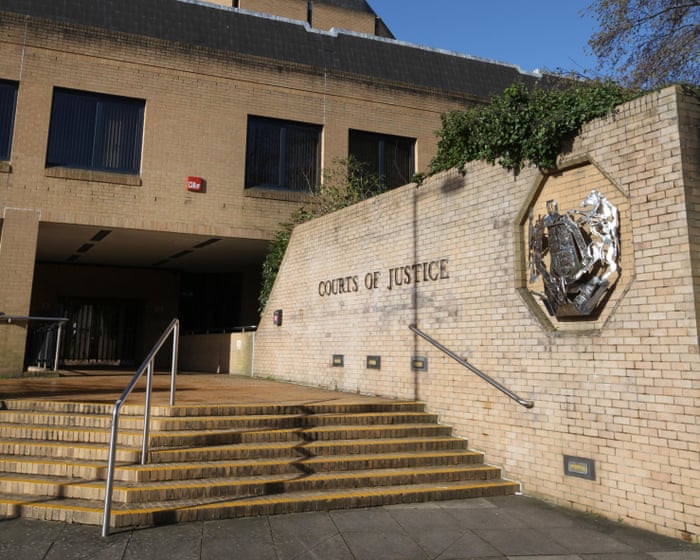
Three teenage boys in Hampshire were convicted of rape and serious sexual offences against two teenage girls but were not sent to prison. The judge gave them youth rehabilitation orders instead, citing their young age, low intelligence, and the goal of helping them reintegrate into society.
Key Facts
The boys were aged 13 to 14 at the time of the crimes.
They sexually assaulted two girls aged 14 and 15, in separate incidents two months apart.
The assaults were recorded on mobile phones by the boys.
The boys received youth rehabilitation orders lasting 18 months to three years, not prison sentences.
One boy has very low IQ and ADHD; another has ADHD and anxiety; the third has mild cognitive impairment.
The judge emphasized their youth, limited understanding of consent, and peer pressure as factors in the crimes.
The victims experienced severe emotional and mental health effects, including nightmares and feelings of shame.
The Crown Prosecution Service highlighted the need for early education about consent to prevent youth-on-youth sexual offences.
Read the Original
Want the full story? Tap a source to open the original
article.
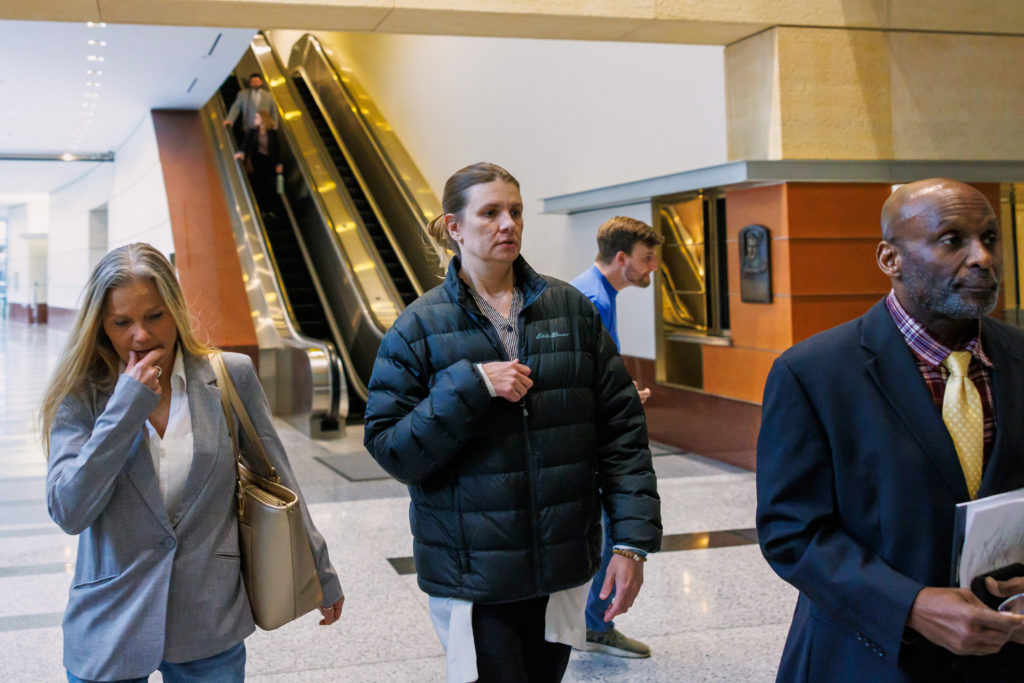
Aimee Bock, who led a Minnesota nonprofit called Feeding Our Future, was sentenced to nearly 42 years in prison for a $250 million fraud linked to COVID-19 relief funds. The case is considered the largest COVID-19 fraud in the U.S. and contributed to stricter immigration enforcement under President Trump’s administration.
Key Facts
Aimee Bock led a nonprofit that claimed to provide millions of meals to children during the pandemic.
Federal authorities say the nonprofit was involved in a $250 million fraud scheme.
This fraud case is described as the largest COVID-19 fraud in the U.S.
Bock was sentenced to nearly 42 years in federal prison.
The case helped trigger immigration crackdowns by the Trump administration.
Bock admitted in court that she failed the public and her family.
Federal agents conducted search warrants in Minnesota as part of the investigation.
Read the Original
Want the full story? Tap a source to open the original
article.
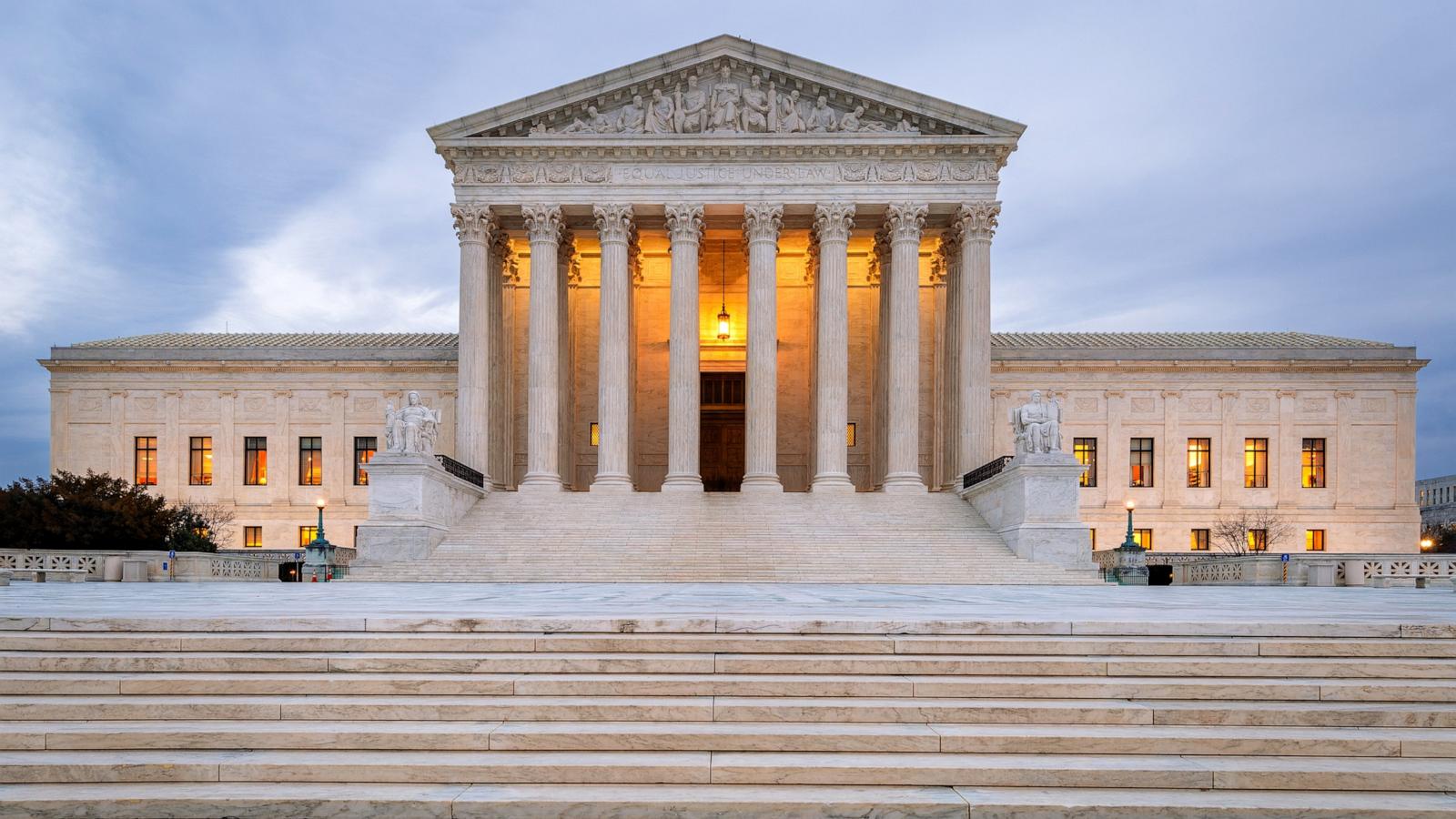
The U.S. Supreme Court ruled 5-4 to stop Alabama from executing Joseph Clifton Smith, a man with intellectual disabilities convicted of murder. The Court allowed a lower court's decision to stand, which said executing him would be cruel and unusual punishment under the Constitution.
Key Facts
Joseph Clifton Smith was convicted of first-degree murder and sentenced to death.
Smith has taken five IQ tests over nearly 40 years, with scores ranging from 72 to 78.
IQ scores below 70 generally indicate intellectual disability, but medical experts recommend considering other factors like social and practical skills.
Lower courts ruled that Smith is intellectually disabled after looking at his IQ, school records, and behavior.
The Supreme Court did not clearly explain how courts should decide on intellectual disability with conflicting IQ scores.
The justices voted 5-4, with four justices disagreeing and one calling to restore the death penalty for intellectually disabled people.
The ruling means Smith will spend life in prison instead of being executed.
The Court recognized the difficulty in setting clear rules for such cases and suggested handling them individually with expert input.
Read the Original
Want the full story? Tap a source to open the original
article.
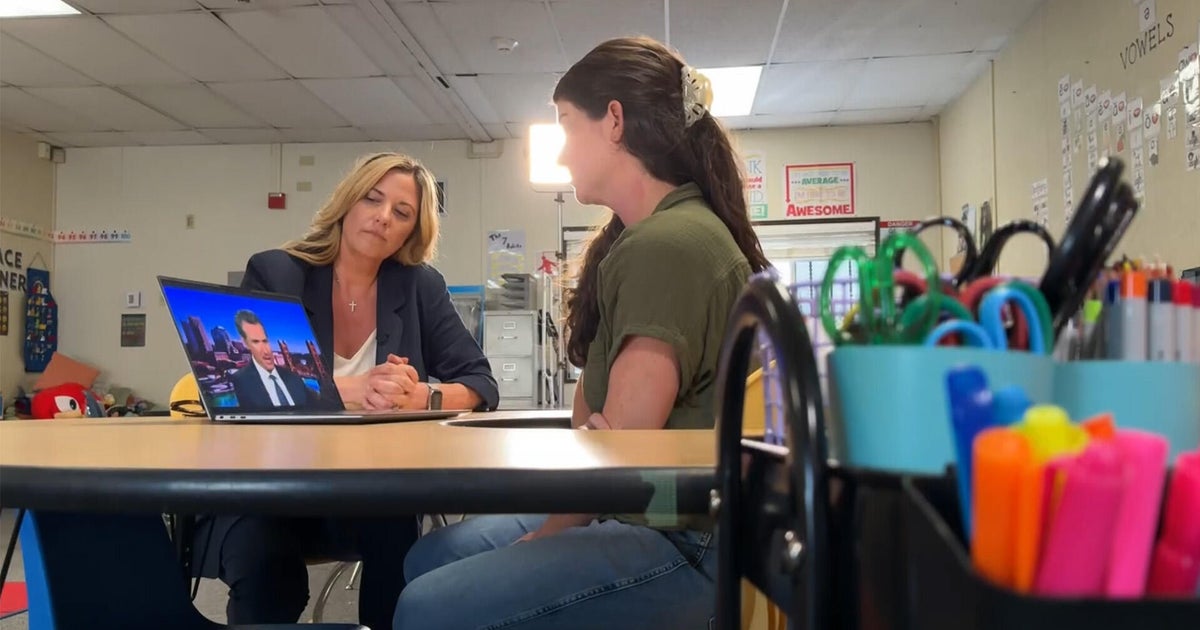
Governor Gavin Newsom of California has changed his position and now supports taxpayer-funded paid pregnancy leave for public school and community college teachers. This new plan would offer up to 14 weeks of paid leave starting in the 2026-27 fiscal year, after many years of vetoing similar measures.
Key Facts
The proposal is included in Newsom's May budget revision.
It would provide up to 14 weeks of paid pregnancy disability leave for TK-12 and community college employees.
Newsom opposed or vetoed similar paid leave bills during most of his time as governor.
Previous efforts to expand paid leave for teachers failed partly due to concerns over costs and budget priorities.
The new plan is estimated to cost around $220 million annually.
The state now has enough discretionary education funding to support the paid leave.
The bill includes leave for pregnancy, miscarriage, and termination of pregnancy (which covers elective abortions).
The proposal still needs approval from the state legislature as part of budget negotiations.
Women now make up nearly 50% of the California Legislature, which influenced the shift in support.
Read the Original
Want the full story? Tap a source to open the original
article.
President Donald Trump's Department of Justice announced a $1.776 billion Anti-Weaponization Fund aimed at providing compensation for people who claim they were unfairly targeted by previous government actions. Some lawmakers and two police officers from the January 6 Capitol riot have challenged the fund, arguing it is illegal and could support violent groups.
Key Facts
The DOJ announced a $1.776 billion fund called the Anti-Weaponization Fund to address claims of "lawfare" or unfair legal attacks.
The fund will be managed by a five-member commission, four appointed by the attorney general, with power to issue apologies and money payments.
The fund is part of a settlement where President Trump dropped a lawsuit against the IRS related to leaked tax returns.
Republican Brian Fitzpatrick and Democrat Jamie Raskin are among lawmakers challenging the fund.
Two police officers who were at the January 6 Capitol riot filed a lawsuit to block the fund, citing risks that it could help groups like the Proud Boys.
The officers argue the fund rewards violence and stops prosecution of past attacks.
The DOJ says previous administrations used law enforcement unfairly against conservatives, and this fund aims to correct those wrongs.
The legal and political debate raises questions about executive power and use of taxpayer money.
Read the Original
Want the full story? Tap a source to open the original
article.
A $72 billion funding deal for ICE and Border Patrol is delayed after Republican senators opposed President Donald Trump's $1.776 billion "anti-weaponization fund." The disagreement caused Senate and House votes to be postponed, putting the funding package in uncertainty.
Key Facts
The funding deal includes $72 billion for ICE and Border Patrol agencies.
President Trump proposed a $1.776 billion fund to prevent weapons misuse, called the "anti-weaponization fund."
Several Republican senators opposed this fund, disrupting the budget agreement.
Senators met with acting Attorney General Todd Blanche for two hours but left without voting.
The House canceled its planned votes due to the Senate delay.
Senator Lisa Murkowski described the fund proposal as unexpected and disruptive.
Senator Ron Johnson called the situation a "galactic blunder."
Senator Bill Cassidy expressed doubts about the fund and recently lost his GOP primary amid President Trump's political actions.
Read the Original
Want the full story? Tap a source to open the original
article.