Neutral summaries of your favorite news sources — just the facts.
Your favorite news sources, one neutral feed — we distill their reporting into fact-first
summaries and always link to the original story. How it works
US News
Latest developments and key stories from across the United States
Fourteen members of a criminal group called "The Family Never Dies" have been charged with crimes like racketeering and murder, and they might face the death penalty if found guilty. The case comes from a federal investigation involving multiple law enforcement agencies working together to stop organized crime.
Key Facts
The group is known as La Familia Nunca Muere, meaning "The Family Never Dies."
23 people in total were indicted on charges including racketeering, murder, drug trafficking, and gun crimes.
Fourteen of the members could face the death penalty if convicted.
The charges were brought by a federal grand jury in Puerto Rico on May 12.
The investigation was part of the Homeland Security Task Force, which combines efforts of federal, state, and local law enforcement.
Agencies involved include Immigration and Customs Enforcement’s Homeland Security Investigations, FBI, and the DEA.
Prosecutors have not yet officially sought the death penalty; any decision depends on the court process and evidence.
The U.S. Attorney described the group as using violence and murder to control their operations and spread fear.
Read the Original
Want the full story? Tap a source to open the original
article.
President Donald Trump plans to change rules to allow businesses, like grocery stores, to use certain strong greenhouse gases for refrigeration for a longer time. This move aims to reduce costs for companies by delaying tighter restrictions on these gases.
Key Facts
President Trump will announce a change in rules about super-polluting greenhouse gases.
The Environmental Protection Agency (EPA) will issue a final rule on this matter.
The new rule will give more time for companies to reduce their use of these gases.
Grocery stores and other businesses that use commercial refrigeration are affected.
The purpose is to help lower costs for these businesses by extending the phase-down period.
These greenhouse gases are known for having a strong impact on global warming.
The change reverses plans for stricter limits on these gases.
Read the Original
Want the full story? Tap a source to open the original
article.
The U.S. Supreme Court decided not to review a case involving how IQ scores are used in death penalty cases in Alabama. The court said it was a mistake to agree to hear the appeal from Joseph Clifton Smith, who is on death row.
Key Facts
The Supreme Court dismissed the appeal from Joseph Clifton Smith, an Alabama death row inmate.
The case involved how to evaluate multiple IQ scores in death penalty cases.
The court issued an unsigned opinion stating the appeal was "improvidently granted," meaning they should not have agreed to review it.
The decision means the Supreme Court will not set a rule on IQ score evaluation in this type of case at this time.
The appeal related to capital punishment procedures in Alabama.
Read the Original
Want the full story? Tap a source to open the original
article.
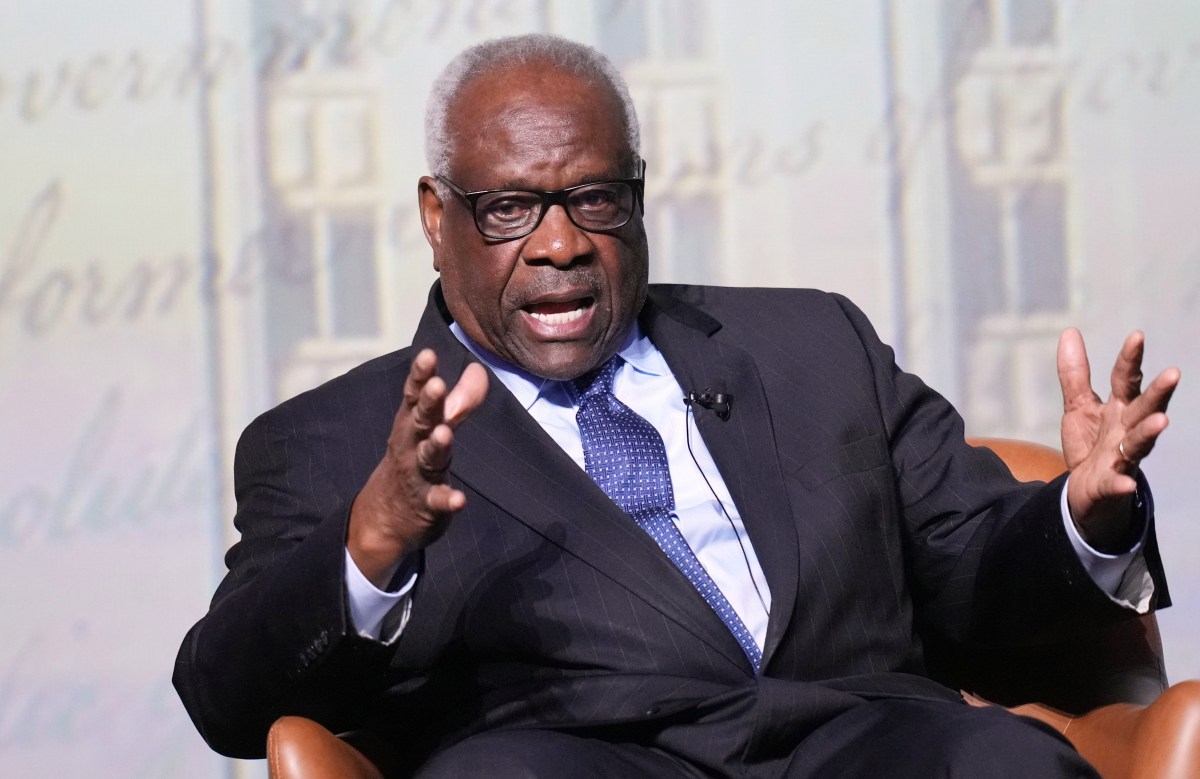
The U.S. Supreme Court made an 8-1 decision about when companies can be held responsible for using property taken by Cuba after the 1959 revolution. Justice Clarence Thomas wrote the majority opinion, while Justice Elena Kagan disagreed. This ruling affects lawsuits based on the Helms-Burton Act, which involves property claims linked to Cuba.
Key Facts
The Supreme Court ruled 8-1 on a case about property confiscated by Cuba after 1959.
Justice Clarence Thomas wrote the main opinion for the majority.
Justice Elena Kagan was the only justice to dissent.
The case involved Havana Docks Corp. suing cruise lines for using a seized port facility without paying.
The ruling clarifies how far lawsuits under the Helms-Burton Act can go.
The decision comes amid ongoing tensions between the U.S. and Cuba.
The Helms-Burton Act allows lawsuits related to property taken during the Cuban revolution.
This ruling could impact more legal cases about old property seizures in Cuba.
Read the Original
Want the full story? Tap a source to open the original
article.
President Donald Trump is revisiting plans to build a large arch in Washington, D.C., to mark the United States’ 250th anniversary. A federal agency is reviewing updated designs, including a tall statue and decorative elements, amid public concerns and legal challenges about the arch’s size and impact on historic views.
Key Facts
The proposed arch would be 250 feet tall, much taller than the Lincoln Memorial but shorter than the Washington Monument.
It would include a statue resembling Lady Liberty holding a torch, two eagles, and four gold lions at the base.
The arch is planned for Memorial Circle, near the Lincoln Memorial and Arlington National Cemetery.
The U.S. Commission of Fine Arts, with members appointed by President Trump, initially approved the concept but is now reviewing new plans.
Critics say the arch would dominate the city skyline and disrupt historic sightlines.
An underground tunnel for pedestrians was proposed but has faced criticism.
Veterans and a historian filed a lawsuit to stop construction, citing concerns about historic views and preservation.
The same administration’s other project, repainting the Lincoln Memorial Reflecting Pool, is also facing legal challenges for not following preservation rules.
Read the Original
Want the full story? Tap a source to open the original
article.
President Donald Trump’s administration plans to relax a rule that requires grocery stores and air-conditioning companies to limit the use of certain refrigerants that harm the climate. Officials say this change will help lower grocery prices and give businesses more flexibility in choosing cooling systems.
Key Facts
The Environmental Protection Agency (EPA) will ease rules on refrigerants used in cooling systems.
The current rule, created during the Biden administration, aimed to reduce greenhouse gases linked to climate change.
EPA head Lee Zeldin says the rule’s restrictions are costly and limit refrigerant choices for businesses and families.
The new rule is expected to save businesses billions of dollars and could lower grocery prices for consumers.
Grocery store executives from chains like Kroger and Piggly Wiggly are expected to support the announcement.
This policy reversal follows a 2020 bipartisan law signed by President Trump aimed at phasing out harmful refrigerants called hydrofluorocarbons (HFCs).
Environmental groups criticize the change, warning it may increase climate pollution and disrupt the shift to safer cooling technologies.
The Trump administration is pursuing several environmental rollbacks as part of its broader policy approach on climate issues.
Read the Original
Want the full story? Tap a source to open the original
article.
Senator John Cornyn and Texas Attorney General Ken Paxton, both Republicans, will compete in the Texas Senate primary next week. The article also discusses whether Democrats have a chance to win elections in heavily Republican Florida.
Key Facts
John Cornyn is a Republican Senator from Texas.
Ken Paxton is the Republican Texas Attorney General.
They will face each other in the Texas Senate primary election.
The primary determines who will run in the general election in November.
The article questions which candidate might have a better chance in the general election.
It also explores the possibility of Democrats winning seats in Florida, a state usually dominated by Republicans.
The content is part of a live discussion hosted by Bill Sammon from The Hill.
Read the Original
Want the full story? Tap a source to open the original
article.
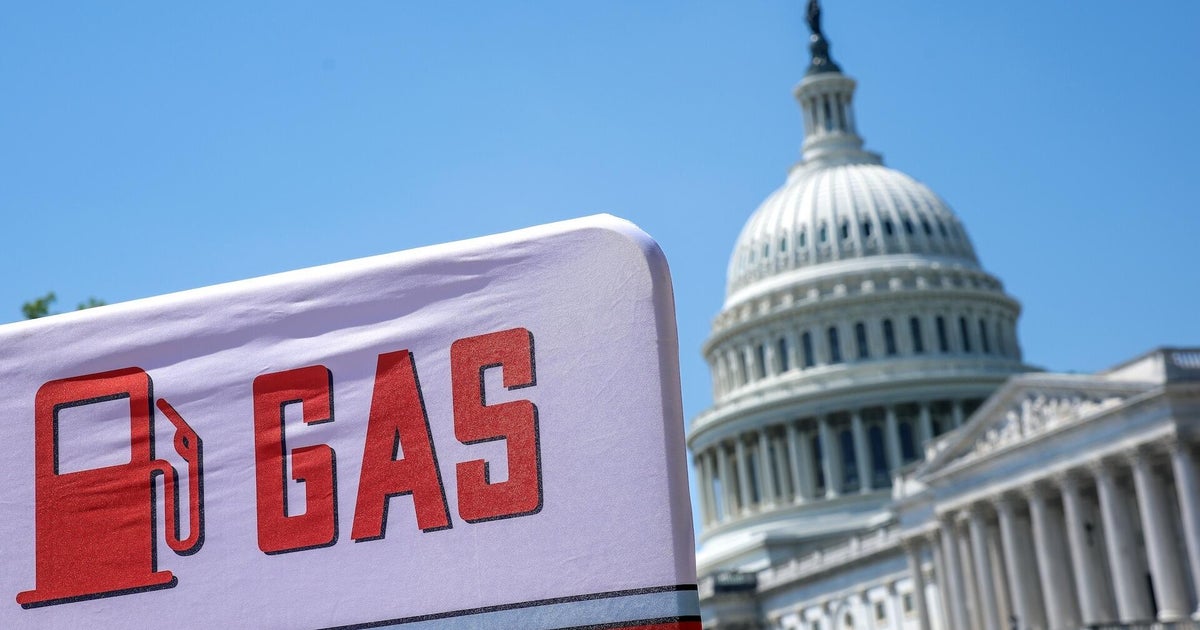
Many Americans plan to travel during the Memorial Day weekend despite high gas prices and expensive flights. Travel experts expect a large number of people to be on the move over the holiday.
Key Facts
Memorial Day weekend is a popular time for travel in the United States.
Gas prices are currently high, making driving more expensive.
Flight prices are also higher than usual.
Despite these costs, travel demand is expected to be strong.
Millions of Americans plan to travel this Memorial Day weekend.
Julian Kheel, CEO of Points Path, provided insights on this travel trend during a CBS News segment.
Read the Original
Want the full story? Tap a source to open the original
article.
Representative Lauren Boebert said Republican lawmakers can support President Donald Trump even if they do not agree with him on every issue. She made this comment after some Republicans lost primary elections to candidates backed by President Trump.
Key Facts
Lauren Boebert is a Republican representative from Colorado.
She said lawmakers don’t need to agree with President Trump on all issues to support him.
Some Republicans lost primary elections recently.
President Trump supported the candidates who defeated those Republicans.
Boebert’s comments came after Rep. Thomas Massie of Kentucky lost his primary.
Ed Gallrein, backed by President Trump, won against Massie.
The situation shows differing views within the Republican Party about loyalty to President Trump.
Read the Original
Want the full story? Tap a source to open the original
article.
A TikTok star and her father were charged with planning to kill Jack Avery, a boy band singer who is the father of the TikTok star’s daughter. They allegedly planned to pay a killer using bitcoin and communicated through secret codes on the dark web.
Key Facts
The TikTok star and her father face criminal charges for a murder plot.
The target of the plot was Jack Avery, a member of a boy band.
Jack Avery is the father of the TikTok star’s child.
They planned to pay the killer using bitcoin, a type of digital money.
The plot involved using the dark web, a hidden part of the internet.
They used coded messages to communicate about their plan.
Law enforcement discovered and stopped the plot.
The story was reported by CBS News.
Read the Original
Want the full story? Tap a source to open the original
article.
Gregory Morgan Jr., an ICE agent, has been charged with two counts of assault with a dangerous weapon in Minnesota. He is expected to surrender to authorities after being accused of pointing a firearm at motorists during a traffic incident in February.
Key Facts
Gregory Morgan Jr. works for Immigration and Customs Enforcement (ICE).
Minnesota prosecutors charged him with assault with a dangerous weapon.
The incident happened on February 5 while Morgan was ending his work shift.
Morgan allegedly pointed a gun at other drivers after a traffic dispute.
Charges were announced by the Hennepin County Attorney’s Office in April.
Morgan’s lawyer claims the complaint has incorrect and incomplete information.
Morgan plans to turn himself in to Minnesota authorities on Thursday.
The case is still developing and updates may follow.
Read the Original
Want the full story? Tap a source to open the original
article.
New York faces a serious problem with unpaid winter energy bills, causing more utility shutoffs. The state plans to give most residents direct payments between $100 and $200 to help with rising energy costs, following examples of similar programs in states like California and Maryland.
Key Facts
About 1.3 million New York households owe nearly $1.9 billion in overdue energy bills.
Utility shutoffs increase in spring when winter protections end.
National Grid raised electricity delivery fees by 7.3% and gas delivery fees by 11.7%, adding about $15 to monthly bills.
New York lawmakers plan to send rebates of $100 to $200 starting in September, based on income.
The rebate plan would cost $1 billion and help 8.2 million taxpayers.
California gives automatic energy bill credits totaling about $1.4 billion through a state program.
Maryland proposes a new bill rebate plan as part of a $200 million energy relief package.
Older adults and people on fixed incomes are especially affected by high energy costs.
Read the Original
Want the full story? Tap a source to open the original
article.
President Donald Trump has made several public remarks joking or hinting that he might stay in office beyond the traditional two-term limit set by the U.S. Constitution. These comments have appeared in speeches and meetings since before his second term began in 2025.
Key Facts
President Trump suggested he could still be in office in 2028 and possibly 2032 during a speech at the U.S. Coast Guard Academy graduation.
In May 2024, Trump compared himself to Franklin D. Roosevelt, who served four terms, and hinted at the idea of a third term during the NRA convention.
After winning a second, non-consecutive term in November 2024, Trump joked about possibly running again at a meeting with House Republicans.
In January 2025, at a rally in Las Vegas, Trump joked about serving three or four terms but said two terms were the goal.
At a GOP retreat shortly after, he mentioned raising money for a future race despite questions about term limits.
In February 2025, at the National Prayer Breakfast, Trump again talked about staying in office beyond the normal legal limits.
These comments have often been framed as jokes but raise the idea of challenging or reinterpreting the constitutional two-term limit.
The U.S. Constitution currently limits presidents to two terms in office.
Read the Original
Want the full story? Tap a source to open the original
article.
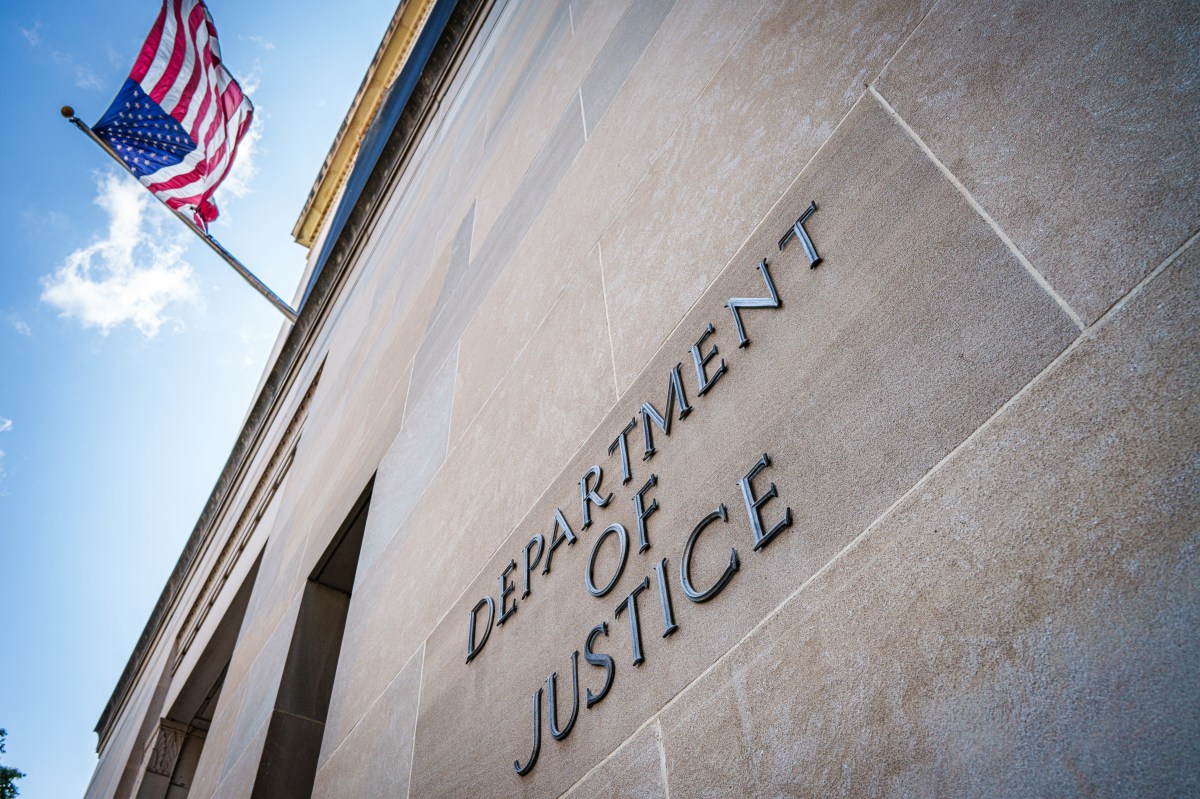
The U.S. Justice Department created a new fund to pay people who claim the legal system was unfairly used against them. Some violent rioters from the January 6, 2021, U.S. Capitol attack might be able to get money from this fund. CBS News reported on this possibility.
Key Facts
The fund is set up by the Department of Justice (DOJ).
It aims to provide payouts to people who say the legal system was "weaponized" or misused against them.
The fund could include violent rioters from the January 6 Capitol attack.
The January 6 event involved a breach of the U.S. Capitol building in 2021.
CBS News correspondent Ed O'Keefe reported on this topic.
The fund’s goal is to address claims of unfair treatment by the legal system.
Read the Original
Want the full story? Tap a source to open the original
article.
Two shooters killed three men at a San Diego mosque and then took their own lives. The attackers, aged 17 and 18, were influenced by online extremist groups and expressed hate toward multiple communities in a lengthy document they created before the attack.
Key Facts
The shooting happened at the Islamic Center of San Diego, killing Amin Abdullah, Mansour Kaziha, and Nadir Awad.
The shooters wrote a 75-page manifesto showing hatred for Muslims, Jews, Black people, LGBTQ+ people, women, and US political parties.
They livestreamed the attack and wrote messages on their guns, tactics common in online radicalization.
The attackers were connected to online extremist networks that encourage violence and chaos.
Officials including JD Vance condemned the attack, calling religious violence unacceptable.
The White House released a counter-terrorism plan that highlights threats from various groups but does not mention white supremacist violence or online radicalization of youth.
The FBI is investigating hundreds of people linked to nihilistic violent extremism, which aims to cause social collapse through random violence.
Authorities warn that extremist groups use digital platforms to recruit and manipulate young people into violence.
Read the Original
Want the full story? Tap a source to open the original
article.
The House of Representatives plans to vote on a bill to force President Donald Trump to end the war with Iran. This bill uses a 1973 law that limits the president’s power to engage in military actions without Congress’s approval.
Key Facts
The House vote is expected to happen on Thursday.
The bill aims to require President Trump to withdraw U.S. forces from the conflict with Iran.
The war began over two months ago without approval from Congress.
The legislation relies on the War Powers Resolution of 1973, which restricts presidents from starting long military actions without Congress’s consent.
Democrats are leading the effort to limit the president’s war powers.
Some Republicans have joined Democrats to support these war-limiting measures.
The Senate recently advanced a similar resolution with bipartisan support.
Previous attempts to pass such resolutions have not succeeded.
Read the Original
Want the full story? Tap a source to open the original
article.
The CDC announced new rules requiring all U.S. citizens and permanent residents arriving from the Democratic Republic of the Congo, Uganda, or South Sudan to enter only through Washington Dulles International Airport for health checks. These measures aim to detect potential Ebola cases early to prevent spread within the United States.
Key Facts
The CDC issued a new Ebola alert starting May 21.
Travelers from Congo, Uganda, or South Sudan must enter the U.S. only at Washington Dulles Airport.
Enhanced health screenings will be mandatory at this airport.
The goal is to identify Ebola cases before travelers go to other parts of the U.S.
Travelers should expect flight changes, cancellations, and longer processing times.
The CDC is cooperating with Customs and Border Protection for this process.
The U.S. State Department also issued a global warning for Americans abroad about security risks.
The Ebola outbreak is currently active in eastern Congo, prompting these precautions.
Read the Original
Want the full story? Tap a source to open the original
article.
Last week, fewer Americans applied for unemployment benefits, with filings dropping to 209,000. Despite ongoing uncertainties such as the Iran war and rising inflation, layoffs remain low, but job growth has slowed compared to previous years.
Key Facts
Jobless aid applications fell by 3,000 to 209,000 for the week ending May 16.
The unemployment rate stayed low at 4.3%, with layoffs at historically low levels.
The U.S. economy faces uncertainty from the Iran war, which has raised oil prices and gas costs.
Inflation rose 3.8% from April 2025, the largest increase in three years, and wholesale prices increased 6% over the past year.
The Federal Reserve kept interest rates steady due to inflation and Middle East instability but may consider rate hikes later.
Hiring has slowed over the past two years, with fewer new jobs added in 2025 compared to 2024.
Several major companies like Verizon, Amazon, and Walmart have recently cut jobs.
Jobless claims have mostly stayed between 200,000 and 250,000 weekly since the pandemic recession ended.
Read the Original
Want the full story? Tap a source to open the original
article.
A group of young Republicans in Kentucky gathered to discuss their mixed feelings about President Donald Trump’s administration. While they voted for him in 2024 with hope, many now feel disappointed, especially over the war with Iran and concerns about the Republican Party ignoring younger members’ voices.
Key Facts
The group met at a bar in Covington, Kentucky, to talk about politics and their views on President Trump.
Most are in their 20s and 30s and feel frustrated with how Trump’s second term is going.
They disagree with the decision to start a war with Iran, seeing it as a broken promise.
Some feel the Republican Party’s leadership favors older members and ignores younger conservatives.
They mourn the assassination of Charlie Kirk, a young conservative activist they admired.
A state representative, TJ Roberts, leads the group and wants young Republicans to have more influence in Washington, D.C.
They believe the party needs new leadership to better represent their views.
The group also expressed concerns that the economy is unstable under the current administration.
Read the Original
Want the full story? Tap a source to open the original
article.
Health officials in the Trump administration warned that too much screen time for children and teenagers can harm sleep, school performance, physical activity, and real-life relationships. The Department of Health and Human Services (HHS) gave advice on setting limits for screen use and highlighted the risks linked to spending many hours daily on devices.
Key Facts
Children often spend four or more hours a day on screens by their teenage years.
Excessive screen time can disrupt healthy sleep, which is important for learning, mood, and development.
HHS recommends no screen time for children under 18 months, less than one hour for kids under six, and no more than two hours for ages six to 18.
Screen exposure usually starts before a child’s first birthday and grows with age.
Other countries like Australia, India, and China have laws or rules limiting children’s access to social media and screen use.
The Los Angeles school district recently limited screen time in classrooms, reducing technology use for younger children.
Courts in New Mexico and Los Angeles have held Meta and Google responsible in lawsuits related to social media’s effects on children.
The advisory encourages tracking screen time, taking breaks, setting screen rules, school restrictions, and more research on long-term effects.
Read the Original
Want the full story? Tap a source to open the original
article.