Neutral summaries of your favorite news sources — just the facts.
Your favorite news sources, one neutral feed — we distill their reporting into fact-first
summaries and always link to the original story. How it works
US News
Latest developments and key stories from across the United States
A new AP-NORC poll shows that fewer Republicans approve of how President Donald Trump is handling the economy compared to a few months ago, mainly due to rising gasoline prices linked to the war with Iran. However, Trump still has strong support within the Republican Party, especially on foreign policy and immigration issues.
Key Facts
About 60% of Republicans approve of Trump’s handling of the economy, down from 80% before the war with Iran started.
The war with Iran has led to higher gasoline prices, affecting many Americans’ daily expenses.
President Trump’s chosen candidate defeated a Trump critic in a recent Republican primary.
Trump’s overall approval rating is 37%, slightly higher than 33% in April.
Most Democrats and about 70% of independents disapprove of Trump’s performance and policies.
Only about one-third of all U.S. adults approve of Trump’s economic handling, a drop from 40% at the start of his second term.
Some Republicans, like Richard Baumgartner, see price increases as a temporary issue caused by the war and support Trump’s approach.
Immigration enforcement is becoming a stronger issue for Trump within the Republican base again.
Read the Original
Want the full story? Tap a source to open the original
article.
Two teenagers attacked a mosque in San Diego, killing three people before taking their own lives. The FBI says the attackers met online and shared white supremacist beliefs that influenced their actions.
Key Facts
The shooters were 17 and 18 years old.
The attack took place at a mosque in San Diego.
Three people were killed in the shooting.
The assailants committed suicide shortly after the attack.
The FBI found the teenagers were radicalized through online interactions.
They shared white supremacist views and wrote about them.
The attackers first met each other on the internet.
Authorities are investigating the motivations behind the attack.
Read the Original
Want the full story? Tap a source to open the original
article.
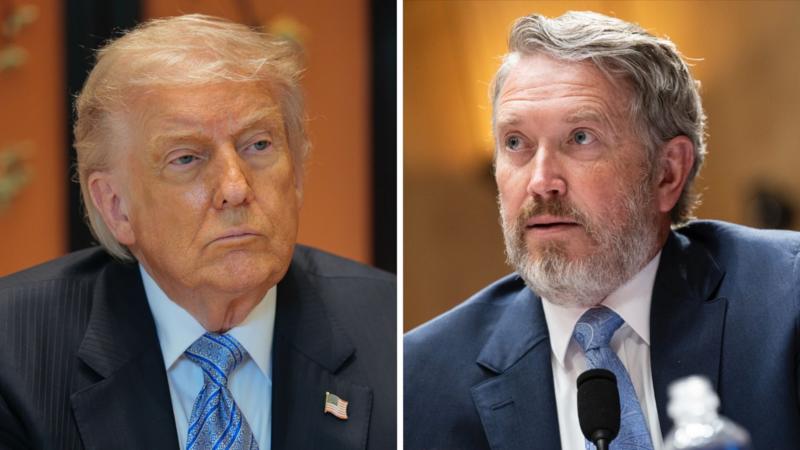
President Donald Trump won a Republican primary in Kentucky by defeating Rep. Thomas Massie, a critic of Trump. Massie lost to Trump-backed candidate Ed Gallrein after a costly primary campaign.
Key Facts
President Trump supported Ed Gallrein in the Kentucky Republican primary.
Rep. Thomas Massie, a vocal critic of Trump, lost the primary.
Massie had opposed some of Trump’s key policies, including tax legislation and supported releasing Jeffrey Epstein files.
Massie also opposed the war with Iran.
This primary was the most expensive U.S. House primary in history.
Massie’s loss shows Trump’s strong influence over the Republican Party.
Massie had represented his Kentucky district since 2012.
Trump has won multiple primaries during this election season.
Read the Original
Want the full story? Tap a source to open the original
article.
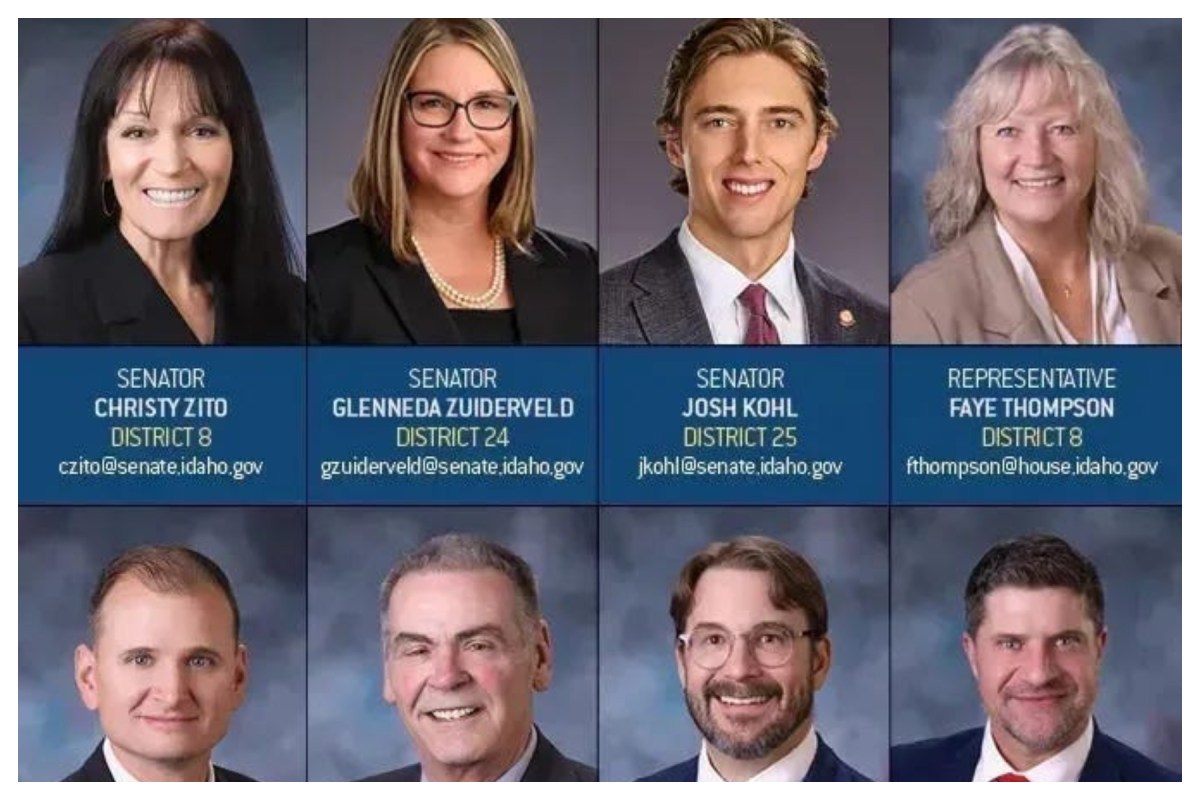
Five members of a very conservative group of Idaho Republican lawmakers lost their primary elections. Three other members of the same group won and will move on to the general election in November.
Key Facts
The five lawmakers belong to a group called the Gang of Eight in Idaho's legislature.
The Gang of Eight supports spending cuts and less government control.
These five members lost to other Republican challengers in primary elections.
Three other members of the Gang of Eight won their primaries.
All 105 seats in the Idaho Legislature are up for election this year.
In Idaho, winning the Republican primary usually means winning the general election.
The results show a struggle for control within the Republican Party in Idaho.
This story is still developing with more updates expected.
Read the Original
Want the full story? Tap a source to open the original
article.
President Trump has strengthened his influence over the Republican Party by supporting candidates who oppose his critics within the party. Thomas Massie, a Kentucky congressman who often disagreed with Trump, lost his primary race to a Trump-backed opponent, Ed Gallrein. Similar defeats for other Republicans opposing Trump suggest his strong control over the party.
Key Facts
Thomas Massie, a Kentucky congressman, lost his Republican primary to Ed Gallrein, a Trump-backed candidate.
Massie opposed some of President Trump's policies, including military actions and budget plans.
Massie pushed to release Justice Department files related to Jeffrey Epstein.
Ed Gallrein did little campaigning but won largely due to Trump's endorsement and financial support.
Multiple Republican politicians opposing Trump have lost recent primary elections.
Senator Bill Cassidy and several Indiana state legislators also lost to Trump-backed rivals.
President Trump recently endorsed Ken Paxton over Senator John Cornyn, signaling preference for stronger loyalty.
Trump's endorsements have surprised some Republican senators and shown his strong influence in party politics.
Read the Original
Want the full story? Tap a source to open the original
article.
President Donald Trump celebrated a series of wins for his endorsed Republican candidates in the May 19, 2026 primary elections across four states. These results show Trump's strong influence in shaping the Republican Party’s candidate choices ahead of the 2026 midterms, although some races remain unsettled or uncontested.
Key Facts
Trump posted updates on his platform, Truth Social, showing his candidates’ victories in Kentucky, Georgia, Pennsylvania, and Alabama primaries.
Most of Trump-backed candidates won in safe Republican districts by receiving a majority of votes.
Some important races, including Kentucky’s 4th Congressional District Republican primary, are still unresolved or heading to runoffs.
Trump’s endorsements provide a big boost in low-turnout or crowded primary races.
The results do not yet show how these candidates will perform in the general elections in November.
Trump uses endorsements to gain influence within the Republican Party and promote preferred candidates.
Some candidates advanced without strong challenges, rather than winning outright.
The highlighted winners include candidates for House seats and statewide offices like Kentucky’s Senate race and Georgia’s governor race.
Read the Original
Want the full story? Tap a source to open the original
article.
The mayor of Cohutta, Georgia, Ron Shinnick, resigned shortly after he fired the entire town police department. The town council later reversed the firing and reinstated the police, while Shinnick cited family health concerns as the reason for his resignation.
Key Facts
Ron Shinnick was mayor of Cohutta, a small town of about 930 people in Georgia, since 2014.
On May 6, Shinnick fired the police chief and all 10 officers in the town.
The police department closure was announced on a town sign, directing people to call the county for help.
Shinnick said he fired the police because of social media comments and issues involving his wife, Pam Shinnick, who was previously the town clerk.
Pam Shinnick had been accused of creating a hostile work environment and improperly keeping access to sensitive data after being fired.
The town council met on May 8 and voted to bring back the police department.
The town attorney said Shinnick did not follow proper procedures in firing the police.
Ron Shinnick resigned on May 15, citing family health concerns and said he wanted to support a smooth leadership transition.
Read the Original
Want the full story? Tap a source to open the original
article.
Secretary of State Marco Rubio addressed the Cuban people directly, blaming Cuba’s communist leadership for their hardships and promising a new relationship under President Trump focused on helping ordinary Cubans. The U.S. Justice Department will indict Raúl Castro for ordering attacks on U.S.-based planes, and the Trump administration is continuing sanctions targeting Cuba’s military-run economy.
Key Facts
Marco Rubio spoke directly to Cubans in Spanish on Cuban Independence Day.
Rubio blamed Cuba’s problems on the communist leaders controlling the economy through GAESA, a military conglomerate.
GAESA controls about 70% of Cuba’s economy, including hotels, banks, and stores.
The U.S. Justice Department will indict Raúl Castro for ordering attacks on Miami-based rescue planes in 1996.
Rubio said President Trump offers $100 million in food and medicine to Cubans, to be given through trusted charities, not the government.
Cuba’s government blames U.S. sanctions and the loss of aid from Venezuela for the island’s economic troubles.
Cuba’s economy is struggling with food and fuel shortages and limited electricity.
The U.S. accuses Cuba of hosting foreign military and intelligence officials and buying drones from Russia and China.
Read the Original
Want the full story? Tap a source to open the original
article.
Some people are choosing cheaper health plans that do not meet the Affordable Care Act (ACA) standards because ACA plan costs have risen a lot. These alternative plans often have lower monthly payments but come with limits like less coverage and fewer consumer protections.
Key Facts
Melanie Miller stopped buying ACA plans after her monthly premium jumped to $914, choosing cheaper alternatives that cost $341 a month.
Alternative plans may not cover essential health benefits and can set caps on how much they pay annually or over a lifetime.
Unlike ACA marketplace plans, these alternatives can deny claims with little legal rights for customers to appeal.
Some states encourage the use of alternative plans, while others try to discourage them.
These plans include short-term policies, fixed-indemnity plans, and faith-based healthcare sharing ministries.
Marketplace enrollment dropped about 20% from 2025, with some people moving to non-ACA compliant plans.
Marketing for alternative plans has increased since subsidies expired, with some sharing plans seeing rapid membership growth.
Experts warn that people using these plans as their main insurance might face big medical bills because coverage is limited.
Read the Original
Want the full story? Tap a source to open the original
article.
A university professor shared her experience of having multiple miscarriages while continuing her academic work. She included her miscarriages on her résumé to explain gaps in her productivity caused by emotional and physical challenges that workplaces often do not acknowledge.
Key Facts
The author is a professor at University College London.
She experienced recurrent pregnancy loss while maintaining her teaching and research duties.
Miscarriages caused physical and emotional difficulties, affecting her ability to work at her usual level.
She noticed a gap in her publication record during this time.
Workplaces often lack support systems for people who experience pregnancy loss.
Including miscarriages on her résumé helps others understand the drop in her productivity.
The author believes workplace policies should better support employees who cannot perform their duties due to health issues.
Sharing her story has opened conversations about caregiving and support in the workplace, including with male colleagues.
Read the Original
Want the full story? Tap a source to open the original
article.
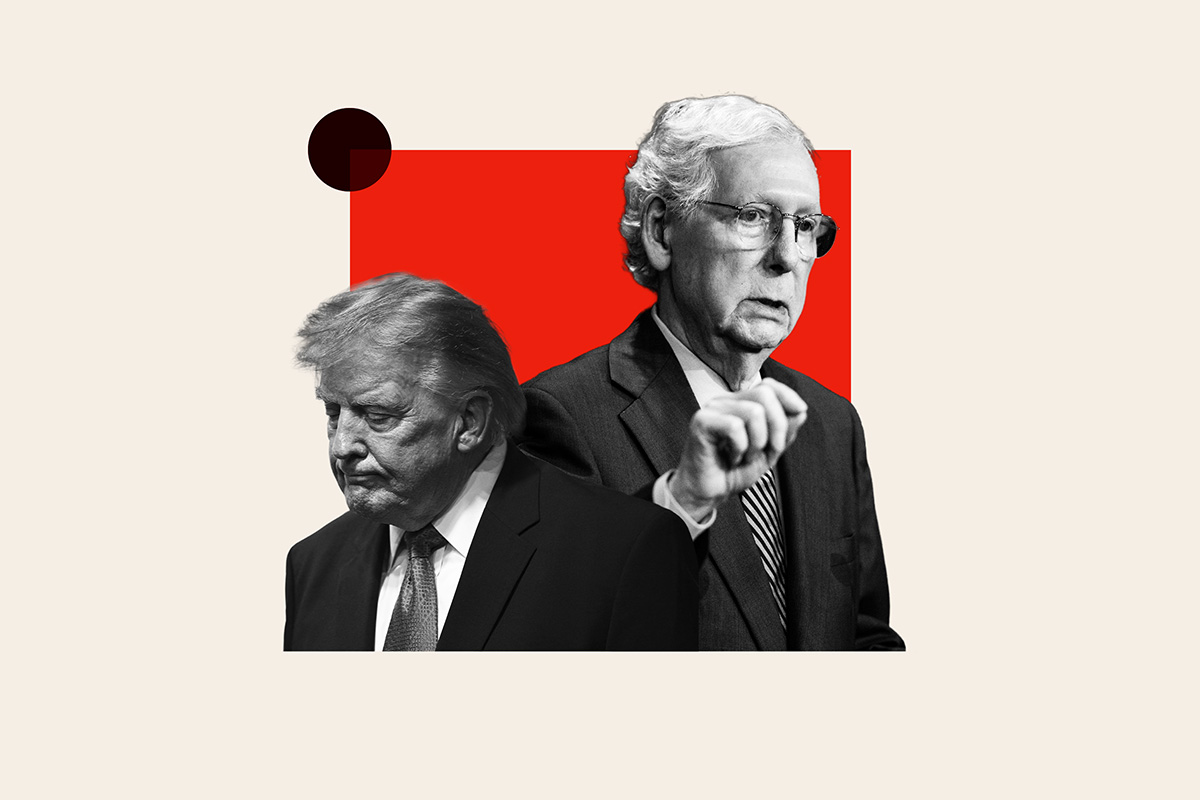
President Donald Trump endorsed Andy Barr in Kentucky’s Republican Senate primary, and Barr won the race. Both top candidates had close ties to Senator Mitch McConnell, showing McConnell’s continuing influence in Kentucky politics despite his retirement.
Key Facts
President Trump backed Andy Barr for the Republican Senate nomination in Kentucky.
Andy Barr won the primary election.
Both Barr and his main opponent, Daniel Cameron, worked closely with Senator Mitch McConnell in the past.
The only candidate openly opposing McConnell dropped out before the primary after Trump offered him a government job.
Mitch McConnell is retiring after more than 40 years in the Senate.
McConnell has helped bring over $65 billion in federal funds to Kentucky.
Neither Barr nor Cameron criticized McConnell during the campaign; both praised his legacy.
McConnell remains a powerful figure in Kentucky and national Republican politics despite some disagreements with President Trump.
Read the Original
Want the full story? Tap a source to open the original
article.
Two men were killed during a shooting at the Islamic Center of San Diego, where two teenage attackers opened fire before dying by apparent self-inflicted wounds. The victims, including a security guard who tried to stop the attack, are being honored by the mosque community as heroes, and police are investigating the incident as a hate crime.
Key Facts
Two teenage attackers opened fire at the San Diego mosque and then died from self-inflicted gunshot wounds.
The mosque's security guard, Amin Abdullah, was killed while trying to stop the attackers and is credited with saving lives.
Mansour Kaziha, 78, a longtime mosque employee originally from Syria, died after calling the police during the attack.
Nader Awad, 57, was a daily mosque attendee who ran into the mosque to help and also died.
The attackers were being sought by police after one attacker’s mother reported her son missing and concerned about his mental state.
The mosque imam and community members described the victims as pillars of the community and called them heroes.
Police are treating the attack as a hate crime.
Amin Abdullah was a father of eight and described by family as loving and dedicated to protecting the mosque.
Read the Original
Want the full story? Tap a source to open the original
article.
Maureen Galindo, a Texas Democratic candidate, said she would turn an ICE detention center into a prison for American Zionists if elected to Congress. Her statements have been widely criticized as antisemitic, including by fellow Democrat Alexandria Ocasio-Cortez, and Galindo has received death threats following her comments.
Key Facts
Maureen Galindo leads the Democratic primary for Texas' 35th Congressional District and is facing a runoff election against Johnny Garcia.
She wrote on Instagram that she would make Zionism illegal and turn the Karnes ICE detention center into a prison for American Zionists and former ICE officers.
Galindo also said the center would be used to punish pedophiles, whom she linked to Zionists.
New York Democratic Congresswoman Alexandria Ocasio-Cortez condemned Galindo’s remarks as antisemitic and told people to vote for her opponent.
Galindo insisted she does not want to imprison Jews but targets Zionists who support certain land claims and actions she views as harmful.
After the Instagram post and media coverage, Galindo received death threats and blamed inflammatory reporting for some of the backlash.
Some Democrats claim that Republican-linked super PACs fund extreme candidates like Galindo to weaken Democrats in general elections.
This situation is ongoing, and more updates are expected.
Read the Original
Want the full story? Tap a source to open the original
article.
A government audit found that nearly 80% of freedom of information (FoI) requests to Prime Minister Anthony Albanese’s department and other key departments in Australia were denied or delayed. The report said these departments lacked proper procedures and records, leading to poor transparency and slow replies to public requests for information.
Key Facts
Almost 80% of FoI requests to Albanese’s department, Treasury, and the infrastructure department were rejected fully or partly.
Over 43,000 FoI requests were made to the Albanese government in 2024-25.
57% of FoI requests led to no documents being given out.
Many departments had incomplete disclosure logs and failed to meet the legal 30-day response deadline, with 63% of requests delayed.
62% of decisions reviewed by the Australian Information Commissioner were changed or overturned, showing officials often withheld information improperly.
There was a 25% rise in FoI applications across the government last financial year.
The FoI system suffers from poor record-keeping, resistance to disclosure, and slow responses, as stated by the auditor and transparency experts.
Labor dropped plans to change FoI laws, which would have added fees and reduced transparency after facing criticism.
Read the Original
Want the full story? Tap a source to open the original
article.
A New South Wales (NSW) government inquiry found that weak rules and the growth of for-profit childcare centers have allowed people who harm children to work in the childcare sector. The report said private equity-backed childcare providers are not suitable for the industry, and the state regulator failed to handle repeated problems effectively.
Key Facts
The inquiry focused on early childhood education and care services in NSW.
It found that many for-profit childcare providers failed safety and quality standards but kept operating.
Private equity groups own some childcare services, which the report says should not be part of this sector.
The regulator did not act properly against centers with poor safety records and bad reviews.
Childcare workers accused of abuse often continue working if there is no criminal conviction.
The inquiry recommended fewer for-profit providers and more government, community, or not-for-profit services.
There are plans for a national register for childcare workers and trials for CCTV and staff rules.
Developers and lease arrangements are influencing childcare service locations, sometimes limiting options for families.
Read the Original
Want the full story? Tap a source to open the original
article.
Kentucky Representative Thomas Massie lost his Republican primary election after President Donald Trump strongly opposed him. Massie was known for voting independently and often disagreeing with Trump and his party, but Trump's support helped Ed Gallrein, a former Navy SEAL, win the nomination.
Key Facts
Thomas Massie was a Republican congressman from Kentucky who often voted against his party and President Trump’s views.
Massie lost his primary election to Ed Gallrein on May 19, 2026.
President Trump actively campaigned against Massie and endorsed Gallrein.
Massie opposed Trump’s tax cuts due to concerns over increasing the national deficit.
He also opposed military actions in Iran and Venezuela and voted against U.S. foreign aid, including aid to Israel.
Massie worked with a Democrat to try to make the Justice Department release files related to Jeffrey Epstein.
Massie’s loss follows other recent defeats of Republicans who opposed or crossed President Trump.
Massie hinted he might run for office again in the future during his concession speech.
Read the Original
Want the full story? Tap a source to open the original
article.
The South Carolina House approved a new map for U.S. congressional districts that favors Republicans, aiming to help them win more seats in the November elections. The plan, supported by President Donald Trump, now moves to the state Senate, where some Republicans are more cautious about its impact.
Key Facts
The South Carolina House passed a redistricting plan that benefits Republican candidates.
The map targets the state’s only Democratic-held U.S. House district to give Republicans an advantage.
President Donald Trump encouraged South Carolina to redraw districts before the November midterms.
Four Republicans voted against the bill after a long 14-hour session.
The bill must still pass the South Carolina Senate, which has some doubts about the plan.
The new plan would delay South Carolina’s U.S. House primaries from June to August and add at least $3 million in election costs.
Democratic Rep. Jim Clyburn, whose district is being changed, plans to run for re-election despite the new map.
Democrats opposed the changes, citing concerns about their impact, but Republicans rejected their amendments.
Read the Original
Want the full story? Tap a source to open the original
article.
Children and young people in England facing mental health crises are often waiting up to three days in hospital emergency rooms before getting a bed in a specialist unit. NHS data shows these delays have increased, with many children experiencing distress and some needing sedation while waiting for care.
Key Facts
Children under 18 in mental health crisis sometimes wait up to three days in A&E (accident & emergency) departments before transfer to specialist units.
The number of children waiting more than 12 hours for mental health admission has more than tripled from 237 in 2019 to 802 in 2025.
Some NHS trusts in London and Cumbria reported waiting times of three days or more for mental health beds.
Staff sometimes have to use medication to sedate children who become very distressed while waiting.
The Royal College of Nursing called these delays a "catastrophic system-wide failure" of NHS mental health services for children.
Nearly 500,000 children in England have sought emergency mental health help since 2019.
Experts warn that mental health problems in young people are becoming more severe, with increased rates of self-harm and eating disorders.
NHS England says it is expanding mental health services and providing 24/7 support through phone and school teams to reduce A&E visits.
Read the Original
Want the full story? Tap a source to open the original
article.
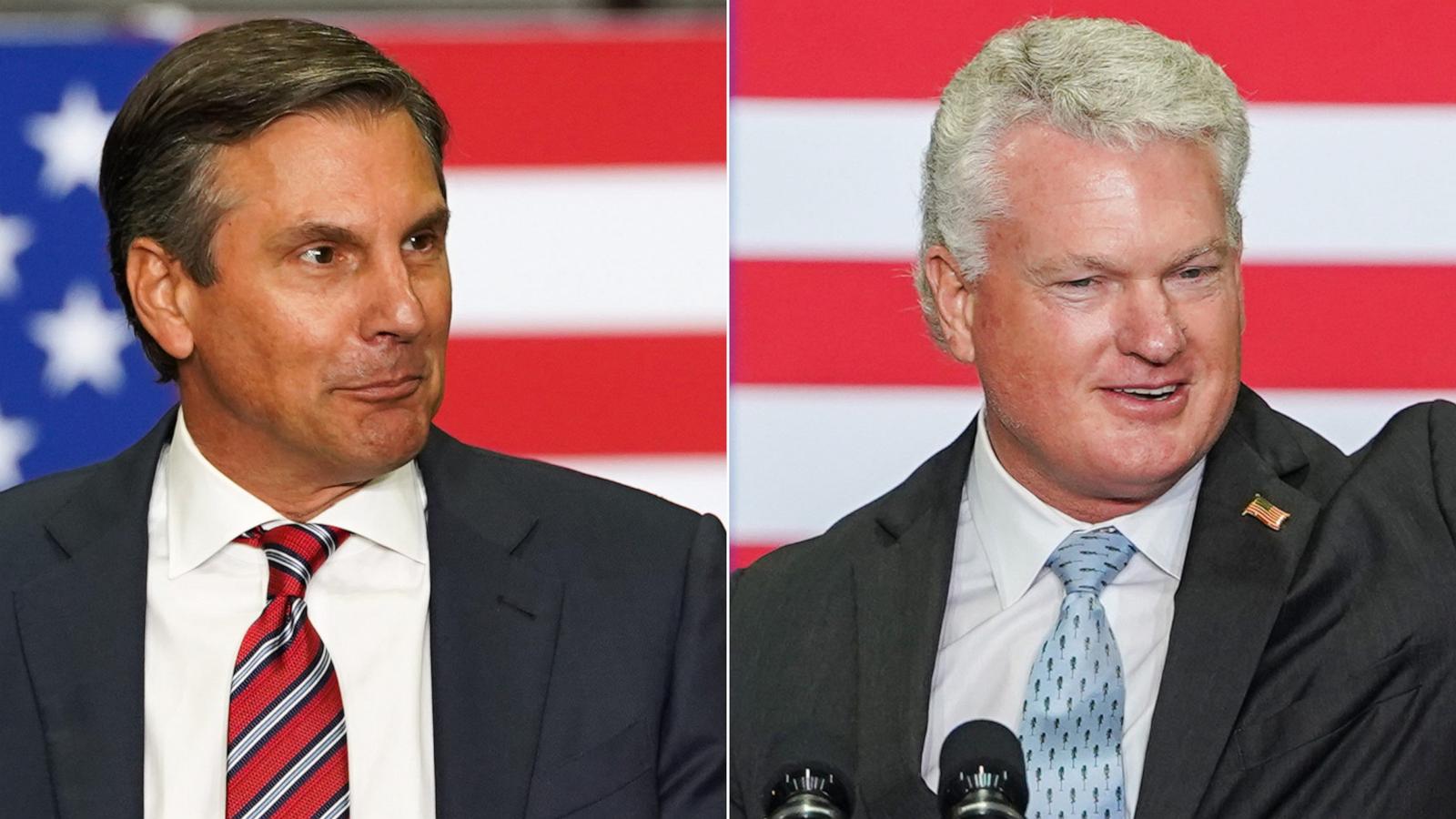
Burt Jones and Rick Jackson will compete in a June 16 run-off in Georgia’s Republican primary for governor after neither won outright. The winner will try to replace Governor Brian Kemp, who cannot run again due to term limits.
Key Facts
Burt Jones is Georgia’s current lieutenant governor.
Rick Jackson is a healthcare billionaire running for governor.
Neither candidate received enough votes to win the Republican nomination on Tuesday.
President Donald Trump endorsed Burt Jones last year.
The winner of the run-off will face a Democratic nominee in November’s gubernatorial election.
Democrats are selecting candidates to try to win the governor’s office for the first time since 1998.
More than $125 million has been spent on advertising in the Republican primary, with most spent by Jackson’s campaign.
Democratic candidate Jasmine Clark won her party’s nomination for Georgia’s 13th Congressional District and plans to focus on science policy in Congress.
Read the Original
Want the full story? Tap a source to open the original
article.
In Georgia's 2026 primary elections, Mike Collins and Derek Dooley will compete in a runoff to become the Republican candidate for U.S. Senate. The winner will face Democratic Senator Jon Ossoff. In the governor’s race, Republican Lt. Gov. Burt Jones, supported by President Donald Trump, and businessman Rick Jackson will go to a runoff, while former Atlanta Mayor Keisha Lance Bottoms is projected to be the Democratic nominee.
Key Facts
Mike Collins and Derek Dooley advanced to a runoff for the Republican U.S. Senate nomination in Georgia.
The winner will run against incumbent Democratic Senator Jon Ossoff.
President Donald Trump did not endorse any candidate in the Senate primary.
In the Republican governor’s primary, Burt Jones (Trump-backed) and Rick Jackson are heading to a runoff on June 16, 2026.
The Georgia governor’s primary had over $100 million spent on campaign ads, making it one of the most expensive in history.
Jones is the current lieutenant governor and a known Trump supporter.
Rick Jackson spent more than $80 million of his own money on the campaign.
Former Atlanta Mayor Keisha Lance Bottoms is expected to win the Democratic nomination for governor without a runoff.
Read the Original
Want the full story? Tap a source to open the original
article.