Neutral summaries of your favorite news sources — just the facts.
Your favorite news sources, one neutral feed — we distill their reporting into fact-first
summaries and always link to the original story. How it works
US News
Latest developments and key stories from across the United States
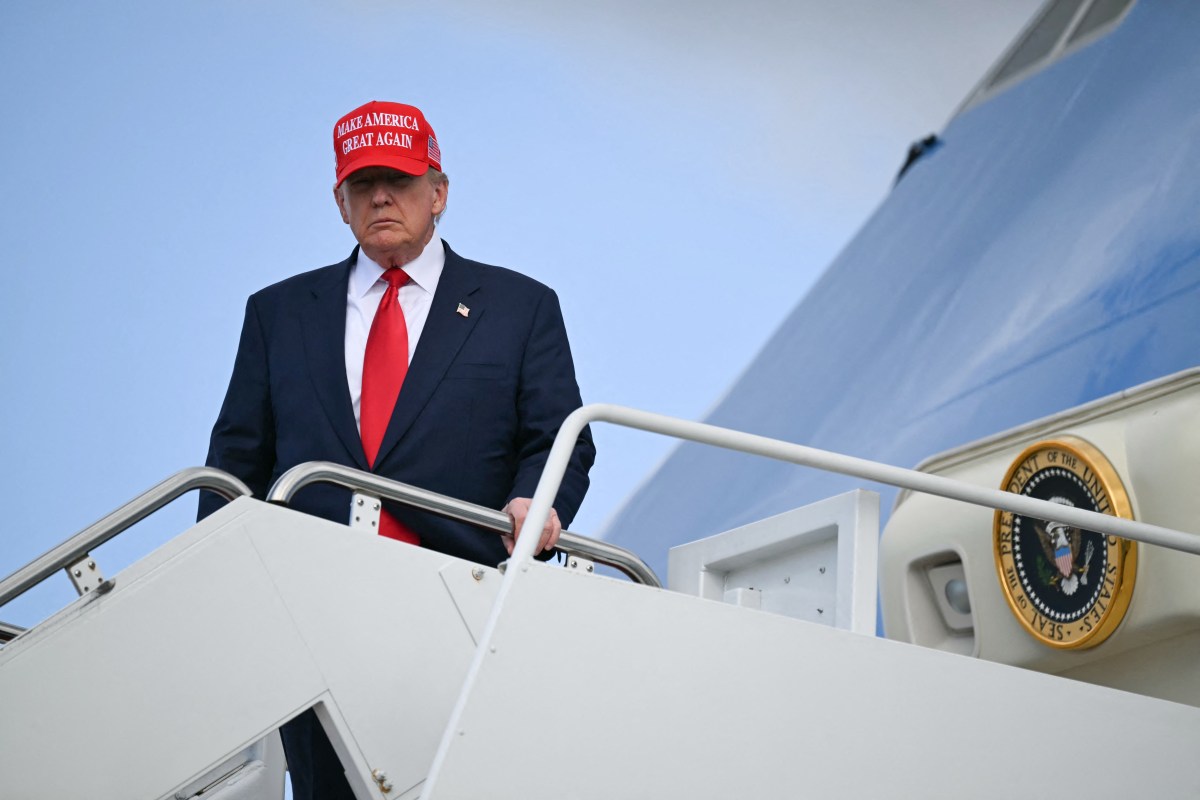
President Donald Trump called the rising gas prices "peanuts" and said the bigger concern is preventing Iran from getting a nuclear weapon. New polls show his approval rating on the economy is falling as many voters blame the White House for higher fuel costs.
Key Facts
Gas prices in the U.S. average $4.53 per gallon.
President Trump dismissed these gas prices as unimportant compared to other issues.
Trump focused on the threat of Iran obtaining nuclear weapons.
Polls show a drop to 37% in Trump's economic approval rating.
Many voters disapprove of how Trump is handling the economy and cost of living.
Rising gas prices and inflation are creating political pressure ahead of the 2026 midterm elections.
Voters increasingly blame the White House for higher fuel costs, especially related to tensions with Iran.
This news is based on a recent New York Times/Siena poll and Trump’s comments at the White House.
Read the Original
Want the full story? Tap a source to open the original
article.
Students at Texas Tech and the University of Texas at Austin held mock funerals to protest new limits on academic freedom. They honored Homer Rainey, a former UT president who was fired for supporting free academic expression.
Key Facts
Students organized mock funerals as a form of protest.
The protests took place at Texas Tech and UT Austin.
The protests focus on restrictions placed by boards of regents.
The restrictions affect academic freedom, which means the ability to teach and research without outside control.
Homer Rainey was a former UT president who defended academic freedom.
Rainey was fired because of his defense of academic freedom.
The protests aim to raise awareness about the importance of academic freedom in universities.
Read the Original
Want the full story? Tap a source to open the original
article.
Social Security survivor benefits usually cannot be taken by private debt collectors for things like credit cards or medical bills. However, some government agencies can collect money from these benefits for things like unpaid taxes, federal student loans, or child support.
Key Facts
Social Security survivor benefits help spouses and dependents after someone dies.
These benefits average about $1,574 per month.
Federal law protects these benefits from most private creditors trying to take money for common debts.
The IRS can take up to 15% of survivor benefits for unpaid federal taxes.
Federal student loans and unpaid child support can also lead to garnishment of these benefits.
Money already paid into a bank account may be vulnerable to garnishment beyond two months’ worth of Social Security deposits.
If a bank freezes funds, the beneficiary may need to prove in court that the money came from Social Security.
Knowing your rights can help protect your survivor benefits from improper collection efforts.
Read the Original
Want the full story? Tap a source to open the original
article.
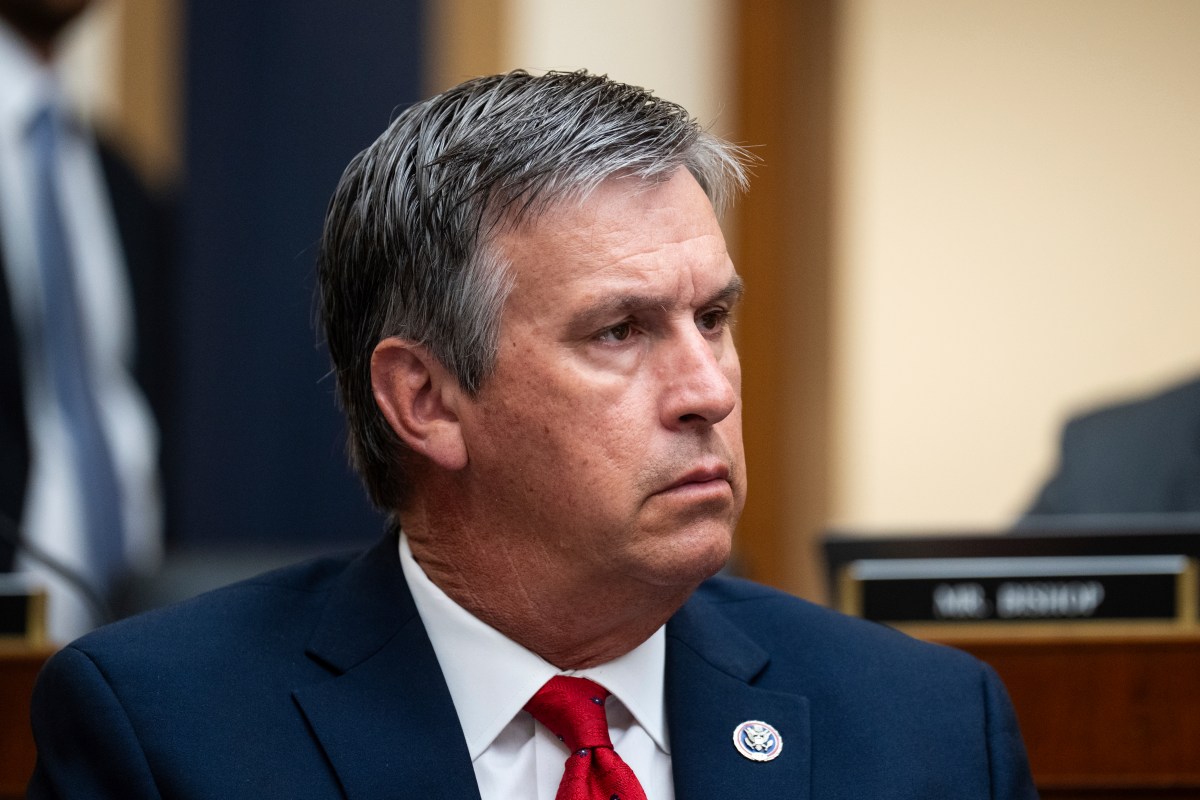
Rep. Thomas Massie said that Defense Secretary Pete Hegseth’s visit to Kentucky to support Ed Gallrein signals that Gallrein’s campaign is struggling. Hegseth and President Donald Trump have both been involved in military actions related to Iran. Hegseth appeared at a rally with Gallrein in Hebron, Kentucky.
Key Facts
Rep. Thomas Massie represents Kentucky as a Republican.
Pete Hegseth is the U.S. Defense Secretary.
Ed Gallrein is a retired Navy SEAL running for office in Kentucky.
President Donald Trump and Pete Hegseth have both been part of U.S. military actions in Iran.
Hegseth’s public support for Gallrein took place during a campaign rally in Hebron, Kentucky.
Massie described this event as evidence that Gallrein’s campaign is having problems.
The article focuses on a political campaign within the United States.
Read the Original
Want the full story? Tap a source to open the original
article.
The Pentagon’s watchdog has started an investigation to see if US military leaders followed proper steps before attacking boats in the Caribbean and eastern Pacific. These boat strikes, part of a campaign against drug trafficking, have killed many people and raised concerns about their legality.
Key Facts
The Department of Defense inspector general is reviewing if the six-step process for approving lethal strikes was followed.
The investigation covers operations by US Southern Command in the Caribbean and eastern Pacific.
At least 58 US military attacks in the region have killed 193 people, including 13 who remain missing.
Human rights groups and a UN panel say the strikes may violate US and international law.
A report found many killed were poor laborers, not major drug traffickers.
Families of those killed have filed lawsuits against the US government.
Congress has tried but failed to limit the strikes, with close votes in the Senate.
The Pentagon and Southern Command have not commented on the investigation.
Read the Original
Want the full story? Tap a source to open the original
article.
The FBI plans to spend up to $36 million to access a nationwide database of license plate reader (ALPR) data, which would let them track vehicle movements without needing a warrant. ALPR systems capture and store information about vehicles, like license plate numbers, locations, times, and photos, creating detailed records of where cars travel.
Key Facts
The FBI wants to buy access to a service that collects automated license plate reader (ALPR) data across the U.S.
ALPR systems use cameras and software to automatically record license plates, locations, dates, and times.
This data can include photos of vehicles and sometimes drivers or passengers.
The technology has been used by law enforcement and others for over 20 years.
Combining data from many ALPR scans can track a vehicle’s routes, stops, and movement patterns over time.
This tracking could reveal sensitive personal details like where someone lives, works, or goes for medical care.
Normally, the FBI needs a warrant to access someone’s location data, but ALPR data may not require one.
Civil rights groups warn that collecting and storing this data risks Americans’ privacy with few restrictions.
Read the Original
Want the full story? Tap a source to open the original
article.
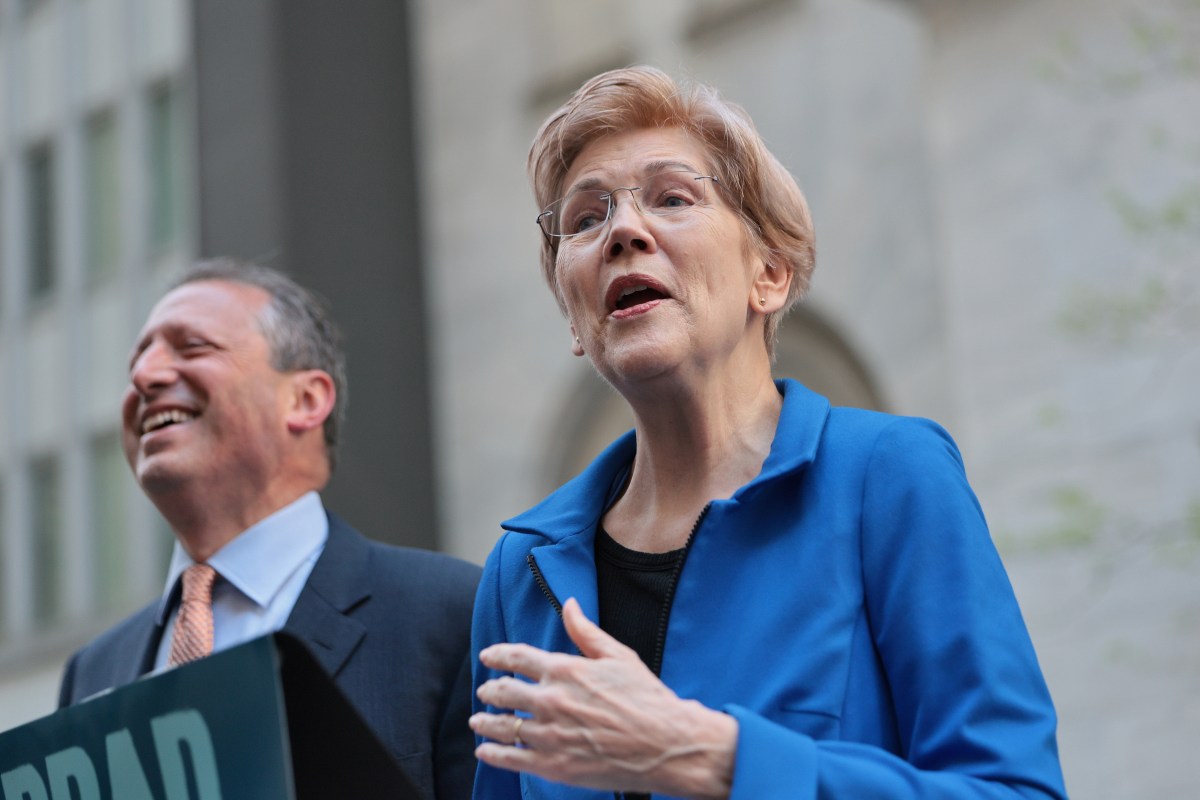
Senator Elizabeth Warren is promoting a plan for universal affordable child care to help American families save over $1,300 a month by 2028. She wants Democrats to make this a main promise in future elections to reduce financial stress and support working parents.
Key Facts
Child care costs in the U.S. average between $1,230 and $1,372 per month per child.
Annual child care expenses can be $14,000 to $17,000 or more.
In some cities like New York, child care costs can reach $2,000 to $3,000 a month.
Many U.S. families spend more on child care than on rent.
The U.S. spends less than 0.5% of its GDP on early childhood care, while other countries spend 1-3%.
Warren wants universal child care legislation ready to pass if Democrats win control in 2028.
Universal child care could increase workforce participation and reduce family financial struggles.
The CAP IDEAS Conference is where Warren made her speech promoting this plan.
Read the Original
Want the full story? Tap a source to open the original
article.
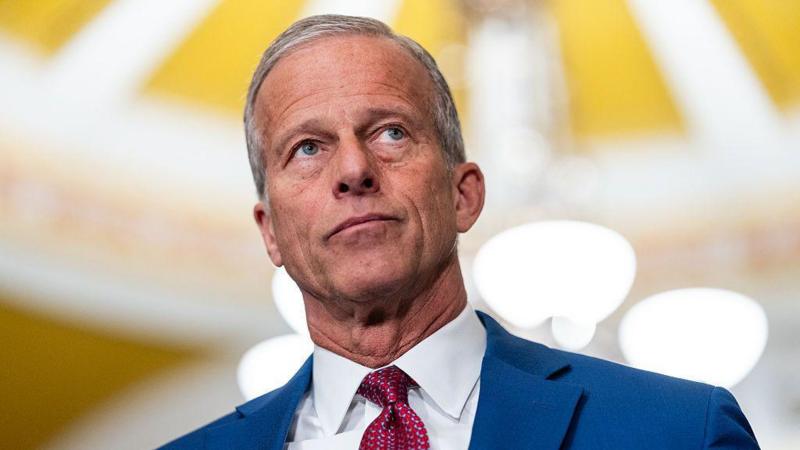
Senate Majority Leader John Thune, a leading Republican, criticized a new $1.8 billion fund created by the Trump administration to compensate people who say they were unfairly investigated by past government actions. The fund is tied to President Donald Trump dropping a $10 billion lawsuit against the IRS over leaked tax returns. Democrats say the fund mainly helps Trump’s allies, while the Acting Attorney General says anyone can apply.
Key Facts
Senate Majority Leader John Thune said he is "not a big fan" of the $1.8 billion fund and doubts its purpose.
The fund is called the "Anti-Weaponization Fund" and aims to compensate individuals unfairly investigated by previous administrations.
It was created as part of a deal after President Trump dropped a $10 billion lawsuit against the IRS over leaked tax documents.
The fund is managed by a five-member commission, with four members appointed by the Attorney General.
Democrats criticize the fund as a "slush fund" favoring Trump’s political allies, including some linked to the 2021 Capitol riot.
Acting Attorney General Todd Blanche says the fund is open to anyone and not limited to Republicans.
Treasury’s general counsel Brian Morrissey resigned shortly after the fund was announced.
The total available for the fund is $1.776 billion, referencing the year 1776, when the US declared independence.
Read the Original
Want the full story? Tap a source to open the original
article.
Roger Stone, a political operative allied with President Donald Trump, is accused by a former employee of threatening political revenge and possible violence against the Cuomo brothers and others. Stone had been convicted in the past but was pardoned and has returned to public attention during President Trump's second term.
Key Facts
Roger Stone is a political operative connected to President Donald Trump.
Stone was previously convicted but received a presidential pardon.
He has recently become active again during President Trump's second term.
A former employee claims Stone threatened political retribution.
The alleged threats targeted the Cuomo brothers and other individuals.
The accusations include possible threats of violence.
This information came out through statements by the former employee.
Read the Original
Want the full story? Tap a source to open the original
article.
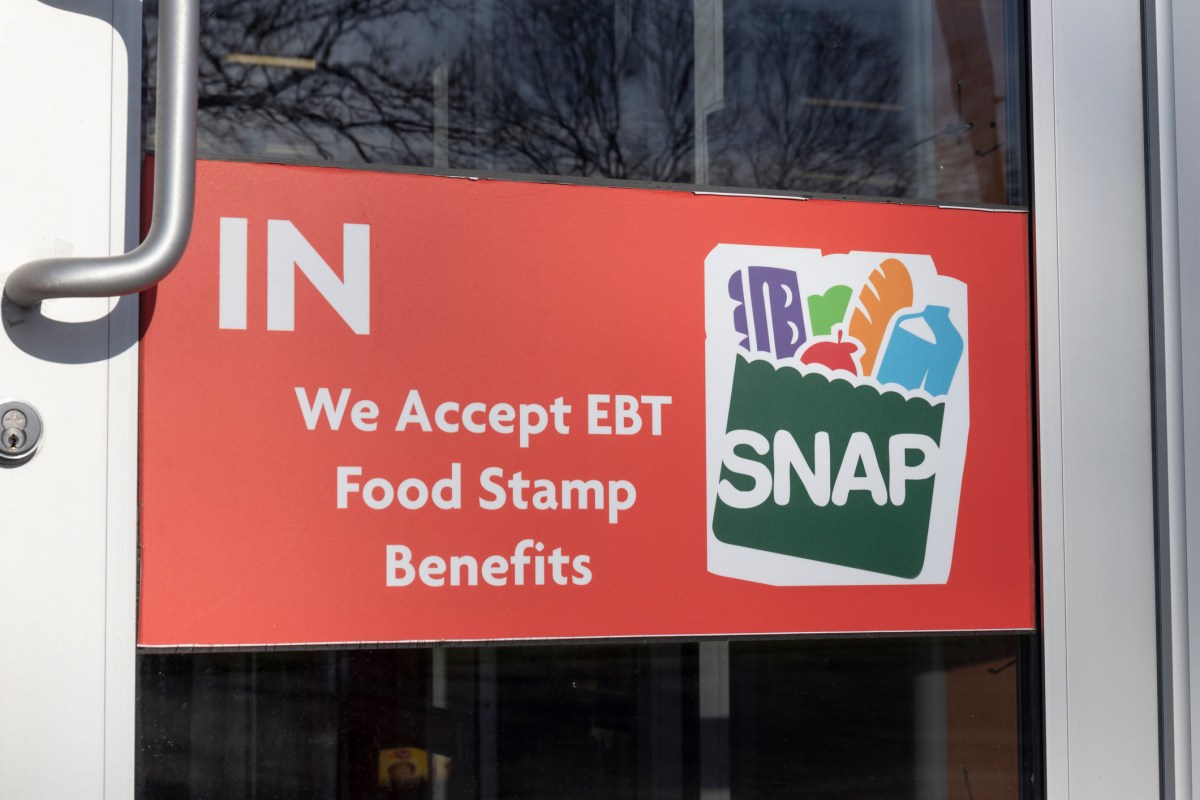
Millions of Americans who rely on SNAP benefits will receive their June 2026 payments soon, with dates depending on each state’s schedule. SNAP helps low-income families buy food by loading money onto electronic cards each month, but overall enrollment has dropped in recent months.
Key Facts
SNAP (Supplemental Nutrition Assistance Program) provides financial help for food to low-income households.
Benefits are given monthly on electronic cards that work like debit cards at approved stores.
Average SNAP benefit is about $354.32 per month per household.
Each state sets its own schedule for loading SNAP payments onto cards, with dates ranging from early to late June.
Some states distribute payments all on one day, while others spread them out over weeks.
SNAP enrollment has decreased from 42.8 million in January 2025 to 37.8 million in February 2026, an 11% drop.
The decline is linked to policy changes expanding work rules and tightening eligibility, including for Able-Bodied Adults Without Dependents (ABAWDs).
Exemptions for veterans, homeless individuals, and other groups were also reduced under new rules.
Read the Original
Want the full story? Tap a source to open the original
article.
President Donald Trump announced plans for a new ballroom at the White House that will cost about $400 million and be protected against drone attacks. The project is funded by private donors and moving faster than expected, but recently faced challenges after a Senate official blocked $1 billion in funding meant to help pay for it.
Key Facts
President Trump revealed a new White House ballroom project estimated to cost $400 million.
The ballroom is designed to be "drone-proof," meaning it will have protection against drone threats.
A military-style complex will be built underneath the ballroom.
Private donors are funding the ballroom, not government money.
The construction is ahead of schedule.
The Senate parliamentarian ruled against a $1 billion funding provision linked to the project.
The ruling creates obstacles for additional funding for the ballroom.
The project is taking place at the White House in Washington, D.C.
Read the Original
Want the full story? Tap a source to open the original
article.
President Donald Trump’s administration plans to increase the number of white South African refugees, specifically Afrikaners, allowed into the United States from 7,500 to as many as 17,500 for fiscal year 2026. This move aims to help Afrikaners who are said to be escaping government-sponsored racial discrimination in South Africa. The plan must be approved by Congress and comes with debates about its fairness and overall cost.
Key Facts
The refugee admission limit for Afrikaners from South Africa could rise to 17,500 in 2026, up from the earlier cap of 7,500.
The increase includes up to 10,000 additional Afrikaner refugees allowed into the U.S.
Officials claim Afrikaners face worsening conditions and race-based discrimination in South Africa.
The plan is based on Executive Order 14204, which prioritizes Afrikaner refugees due to alleged government policies against them.
President Trump has highlighted concerns about violence against white farmers in South Africa during a meeting with South African President Cyril Ramaphosa.
South African experts and President Ramaphosa reject claims of targeted racial violence against white farmers.
The policy change is subject to legal challenges and partial court rulings.
The State Department estimates the resettlement cost for the added refugees at around $100 million.
Read the Original
Want the full story? Tap a source to open the original
article.
The United States announced new sanctions against top Cuban government and military officials on Monday. These measures come amid increasing tensions between the two countries.
Key Facts
The U.S. imposed fresh sanctions targeting Cuban government leaders and military officers.
The sanctions aim to respond to current issues causing regional tensions.
This is part of a broader U.S. policy to pressure the Cuban government.
The announcement was made publicly on a Monday.
CBS News correspondent Cristian Benavides reported on the sanctions.
The measures restrict certain activities and may limit travel or financial operations of the targeted individuals.
The sanctions represent a continuation of U.S. actions against Cuba in recent years.
Read the Original
Want the full story? Tap a source to open the original
article.
Senate Majority Leader John Thune expressed doubt about a $1.8 billion legal compensation fund created by President Donald Trump's administration for MAGA supporters who faced investigations during President Biden's time. Thune questioned why the fund was needed and showed he did not fully support it.
Key Facts
The Trump administration set up a $1.8 billion fund to help MAGA allies with legal costs.
The people helped were targeted by the Department of Justice during President Biden’s term.
Senate Majority Leader John Thune said he is “not a big fan” of this fund.
Thune questioned the purpose of creating the fund.
The fund aims to compensate those involved in legal investigations linked to the previous administration.
This issue involves political and legal matters related to recent U.S. administrations.
Read the Original
Want the full story? Tap a source to open the original
article.
The Trump administration is defending its decision to label the AI company Anthropic as a national security risk in a federal court. The Pentagon says Anthropic’s AI models are unpredictable and could be stopped anytime, while Anthropic argues it cannot control its AI once deployed and opposes certain military uses.
Key Facts
The Pentagon claims Anthropic poses a supply chain risk and cannot be trusted for military use due to its AI safety rules.
Anthropic refuses to agree to the Pentagon’s “all lawful use” standard for AI, limiting some applications like mass surveillance and autonomous weapons.
Federal judges expressed skepticism about the Pentagon’s claims, calling the blacklisting an overreach.
Judges also noted the challenge that AI technology changes rapidly, making future risks hard to predict.
The government chose blacklisting to act quickly but could have used less severe measures like refusing to do business.
Anthropic can keep contracts with non-Pentagon agencies but cannot make new defense deals while the case proceeds.
The federal court in DC is speeding up the case, which could be decided in a few weeks.
President Trump has given the Pentagon six months to remove Anthropic from defense contracts.
Read the Original
Want the full story? Tap a source to open the original
article.
The U.S. State Department warned Americans not to travel to the Democratic Republic of the Congo, South Sudan, and Uganda because of a spreading Ebola outbreak. It also suggested reconsidering travel to Rwanda due to health risks.
Key Facts
The State Department gave a strong warning against travel to countries affected by Ebola.
Americans are advised not to visit the DRC, South Sudan, and Uganda for any reason.
Travelers should reconsider trips to Rwanda because of the outbreak.
Ebola is a serious and contagious disease that can cause severe illness.
The warnings aim to protect U.S. citizens from health dangers abroad.
The Centers for Disease Control and Prevention (CDC) supports these travel recommendations.
The outbreak is growing in the regions mentioned.
Health officials monitor the situation to prevent further spread.
Read the Original
Want the full story? Tap a source to open the original
article.
A new poll shows Jared Hudson leading Barry Moore, who is endorsed by President Donald Trump, in Alabama’s Republican Senate primary. The race may go to a runoff since no candidate is currently expected to get more than 50% of the vote.
Key Facts
Barry Moore is endorsed by President Donald Trump in the Alabama Senate race.
A new poll by Quantus Insights finds Jared Hudson ahead of Moore, 36% to 27%.
Attorney General Steve Marshall has 13.5% support, and 18% of voters are undecided.
In a potential runoff between Moore and Hudson, Hudson leads 48% to 32.5%.
Alabama’s current Senate seat is open because Senator Tommy Tuberville is running for governor.
Moore has served in the U.S. House since 2021.
Jared Hudson is a former Navy SEAL with deployments in Iraq and Afghanistan.
Alabama requires a candidate to win over 50% in the primary to avoid a runoff election.
Read the Original
Want the full story? Tap a source to open the original
article.
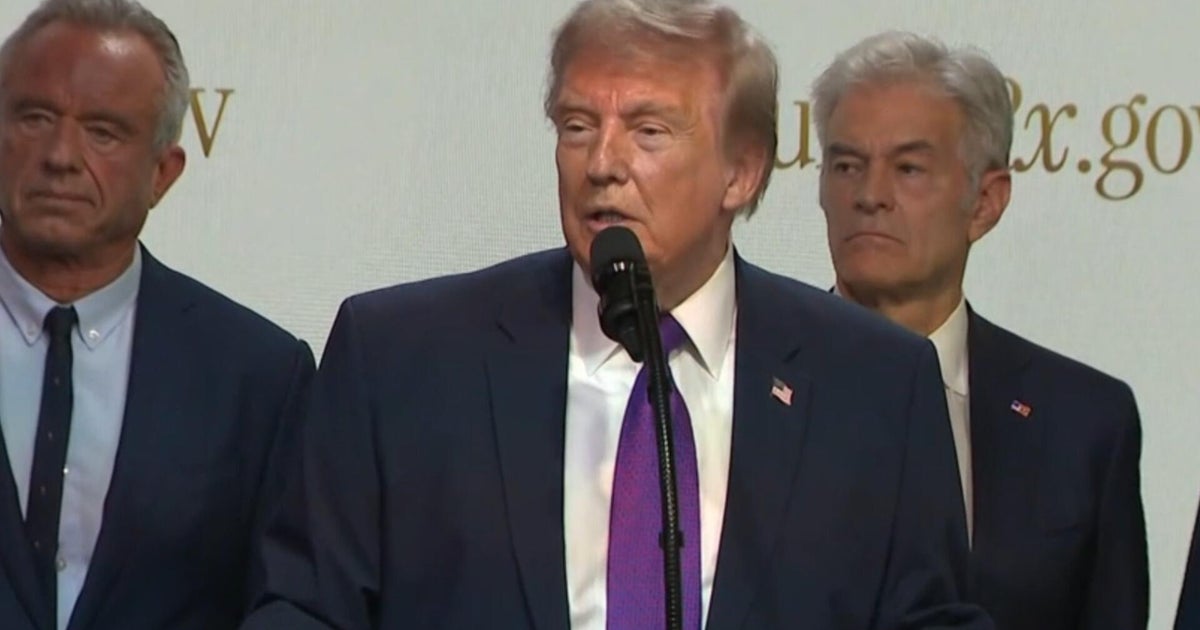
President Donald Trump said he stopped a planned U.S. military attack on Iran. He said some American allies in the Middle East contacted the U.S. during the preparations and this influenced the decision.
Key Facts
President Trump was preparing a military attack on Iran.
Some U.S. allies in the Middle East reached out during this time.
These contacts led President Trump to cancel the planned attack.
The report came from CBS News and was covered by reporter Olivia Rinaldi.
The article does not provide more details about the planned attack or the allies involved.
Read the Original
Want the full story? Tap a source to open the original
article.
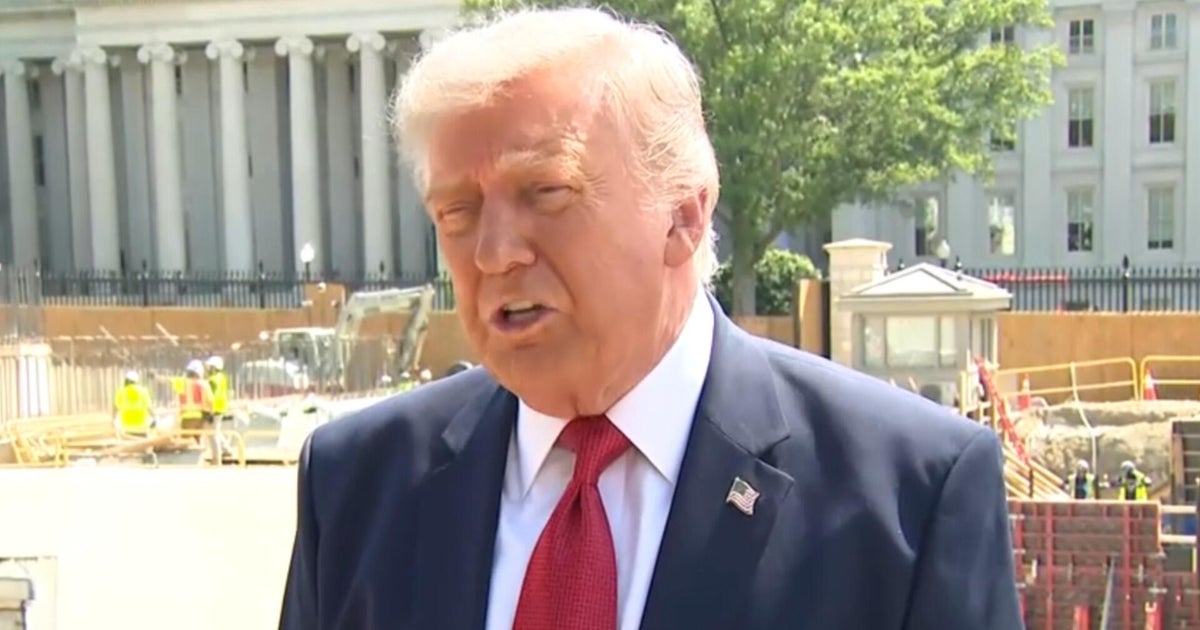
President Trump gave reporters a tour of the construction site for the new White House ballroom. During the visit, he said he was close to restarting military strikes against Iran but also mentioned progress in talks with that country.
Key Facts
President Trump toured the White House ballroom construction on Tuesday.
He spoke to reporters during the tour.
Trump said he was close to resuming military attacks against Iran.
He also noted that there have been positive developments in talks with Iran.
The tour and comments were reported by CBS News.
The White House ballroom is currently under construction.
No specific details about the timing of any Iran strikes were given.
Read the Original
Want the full story? Tap a source to open the original
article.