Neutral summaries of your favorite news sources — just the facts.
Your favorite news sources, one neutral feed — we distill their reporting into fact-first
summaries and always link to the original story. How it works
US News
Latest developments and key stories from across the United States
Democratic leaders in some conservative states are supporting independent candidates instead of their own party nominees. They believe these independents have a better chance to win against Republican opponents in places where the Democratic Party is unpopular.
Key Facts
In states like Nebraska, Idaho, and Alaska, Democrats are encouraging or backing independent candidates instead of official Democratic nominees.
Nebraska Democrats chose a Senate nominee who plans to drop out to avoid splitting the vote with an independent candidate, Dan Osborn.
Osborn almost won a Senate seat in 2024 and is seen as having the best chance to beat Republican Senator Pete Ricketts.
The Democratic National Committee and allied groups quietly support this strategy by providing fundraising and logistical help to independents.
This approach is partly because the Democratic Party has low support in some red states (conservative-leaning areas).
Some Democratic officials see this strategy as a long-term plan to build coalitions and improve election chances.
Other Democrats have concerns about not supporting their own nominees and worry about short-term political risks.
Independent Senate candidates are also running in states like South Dakota and Montana, with mixed support from Democratic leaders.
Read the Original
Want the full story? Tap a source to open the original
article.
After the 2024 election, Latino voters showed more support for Republicans, especially in Texas. However, new data suggests Latino voters may be shifting back toward Democrats in some key districts, which could change election outcomes in 2026.
Key Facts
Republicans won Texas and Florida in 2024 with strong support from Latino voters.
New data from the Democratic group Oath shows some districts Republicans thought were safe might become competitive.
Districts in Texas, California, New York, Colorado, and Nevada with large Latino populations could see more support for Democrats.
Texas' 15th, 23rd, and 34th districts, all heavily Latino, may flip to Democrats if trends continue.
Rising prices, fears about immigration raids, and a slowing economy may be pushing Latino voters away from Republicans.
The National Republican Congressional Committee is optimistic and is recruiting Hispanic candidates for key districts.
Democrats may not be investing enough resources in these districts despite their potential to become competitive.
In some states, Latino voters shifted noticeably toward Democrats in 2025, reversing the 2024 trend.
Read the Original
Want the full story? Tap a source to open the original
article.
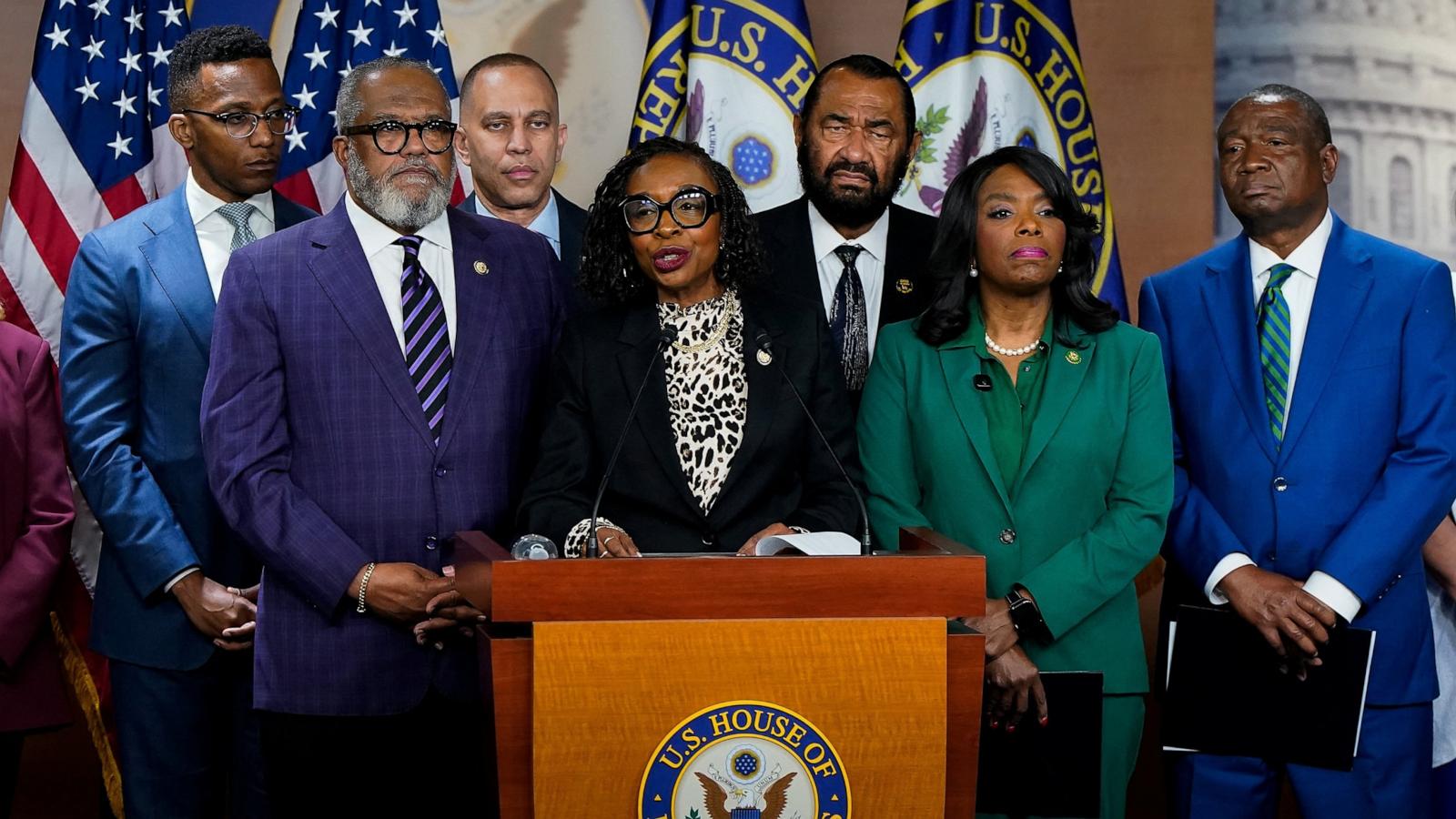
Nearly one-third of the Congressional Black Caucus members could lose their seats by the 2028 elections due to new congressional maps drawn by Republican-controlled states in the South. These redistricting efforts follow a recent Supreme Court ruling affecting the Voting Rights Act and are part of a broader Republican strategy to keep control of the House of Representatives.
Key Facts
19 out of 62 members of the Congressional Black Caucus may lose their seats because of redistricting before the 2028 election.
Republican-led southern states are quickly redrawing congressional district boundaries after the Supreme Court's decision weakened Section 2 of the Voting Rights Act.
President Donald Trump supports these redistricting moves to help the GOP maintain its majority in the House.
Republicans say the new maps comply with the law and could still allow Black representatives to be elected.
The Congressional Black Caucus is working with legal groups to challenge these redistricting plans.
House Minority Leader Hakeem Jeffries promised a strong Democratic response in several states to counter the Republican efforts.
Some impacted members, like Rep. Shomari Figures and Rep. Emmanuel Cleaver, express concern that these changes could roll back Black political power decades.
Democratic leaders consider redrawing maps in other states to protect minority representation ahead of the 2028 election.
Read the Original
Want the full story? Tap a source to open the original
article.
Xavier Becerra is currently the leading candidate to become California’s next governor, with prediction markets giving him about a 49-51% chance to win the June 2 primary. Billionaire Tom Steyer is in second place with around 32-35%, showing recent gains, while Republican Steve Hilton trails with less than 10% support.
Key Facts
Xavier Becerra, former Democratic Health Secretary, leads the California governor race.
The top two primary candidates will advance to the November general election regardless of party.
Prediction markets show Becerra’s chances at about 49-51% and Steyer’s at about 32-35%.
Tom Steyer has increased his chances significantly in the last few days before the primary.
Republican Steve Hilton, supported by President Donald Trump, has under 10% chance currently.
A recent Emerson College poll showed Becerra at 19%, Steyer and Hilton tied at 17%, indicating a close race.
Seven main candidates participated in the final primary debate held in San Francisco on May 14.
The race remains competitive and could change as voting day approaches.
Read the Original
Want the full story? Tap a source to open the original
article.
President Donald Trump defended Chinese people buying farmland in the United States, saying removing them from the market would hurt farm prices and farmers' income. He also supported allowing Chinese students to study in U.S. universities, saying it helps with cultural learning.
Key Facts
President Trump said he does not "love" Chinese nationals buying U.S. farmland but warned that stopping it would lower farm prices.
He mentioned that much of the land was bought during the Obama administration, which he said did nothing to stop it.
Trump defended allowing thousands of Chinese students to study at American universities, saying removing them would harm lower-ranked schools.
He said it is beneficial for people from other countries to come and learn U.S. culture.
Trump made these comments during a Fox News interview during his three-day visit to China.
This visit is the first by a U.S. president to China in nearly ten years.
The article notes the situation is ongoing and more updates are expected.
Read the Original
Want the full story? Tap a source to open the original
article.
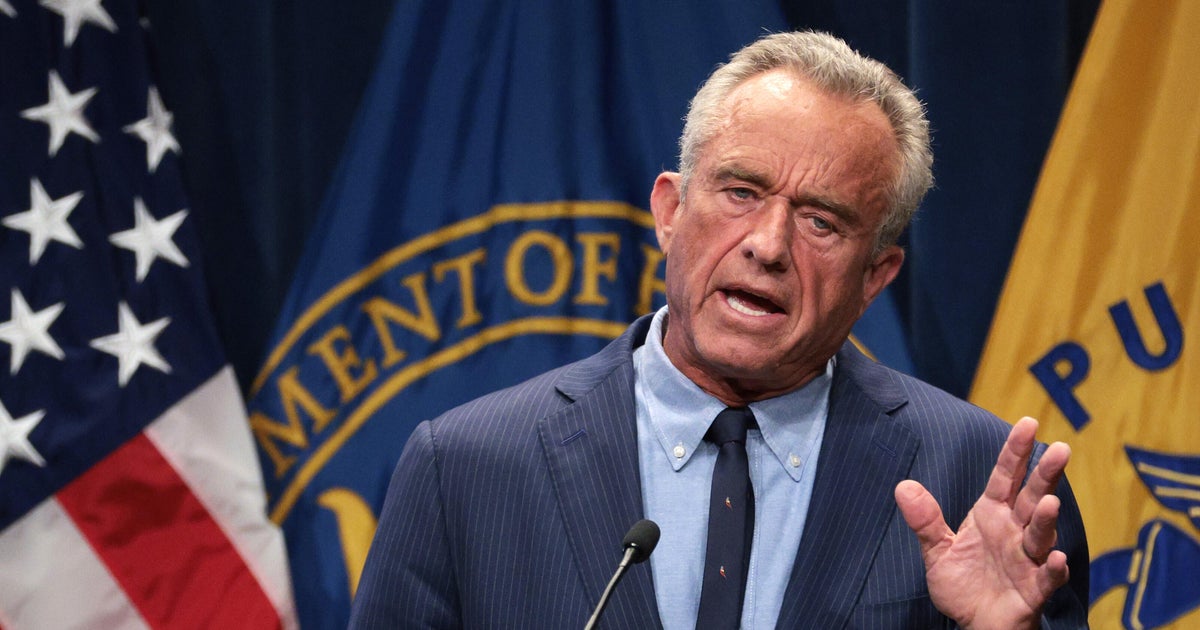
Health and Human Services Secretary Robert F. Kennedy Jr. says he will not run for president in 2028. He is helping Republican candidates in upcoming elections but faces tension between his anti-vaccine supporters and the White House.
Key Facts
Robert F. Kennedy Jr. is the current Secretary of Health and Human Services.
He refuses to run for president in 2028, despite some supporters wanting him to.
Kennedy is campaigning to support Republican candidates in midterm elections.
His anti-vaccine stance clashes with parts of the Trump administration’s agenda.
Some supporters feel betrayed because the administration has nominated a vaccine supporter to lead the CDC.
Kennedy says President Trump has given him more freedom than any previous HHS secretary.
Trump is considering other candidates for 2028, including Marco Rubio and JD Vance.
Kennedy’s potential candidacy would conflict with President Trump’s plans and might weaken the Make America Healthy Again movement if he left his current role.
Read the Original
Want the full story? Tap a source to open the original
article.
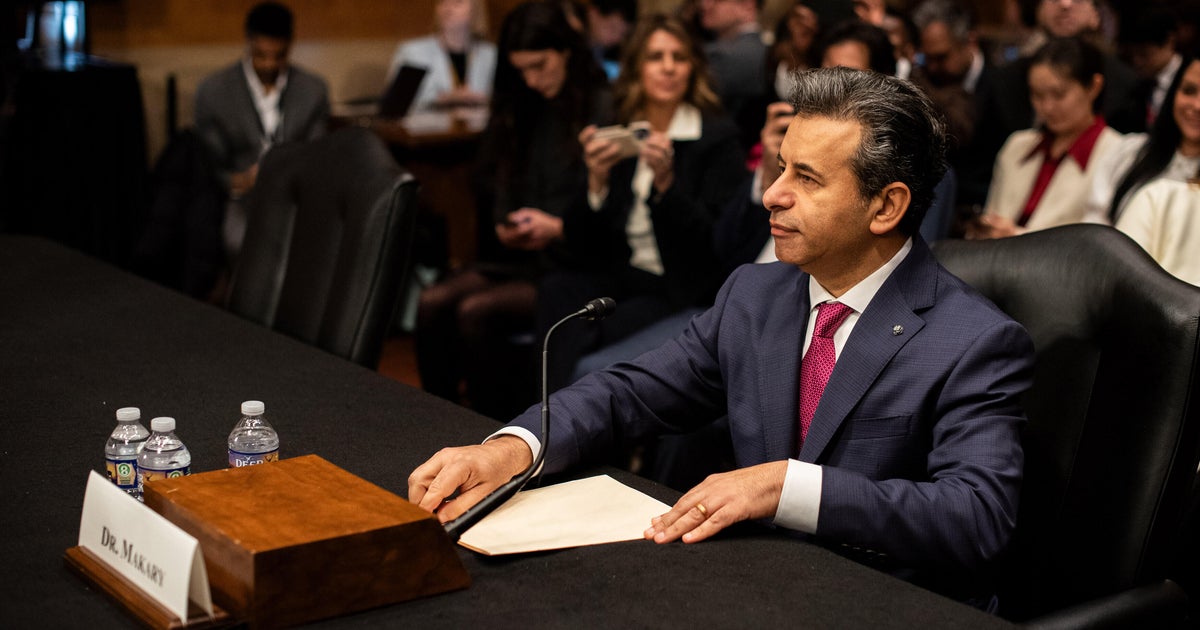
The U.S. Food and Drug Administration (FDA) decided not to approve a new melanoma drug called RP1, which showed promise in clinical trials by helping some patients live longer. This decision happened under FDA Commissioner Marty Makary, who has changed how the agency operates and has faced criticism for mixing politics with science.
Key Facts
RP1 is a new treatment for melanoma, a serious type of skin cancer.
In a clinical trial, about one-third of 140 patients saw their tumors shrink or disappear.
The FDA rejected the drug’s accelerated approval because the company did not follow the agency's suggested changes to the trial plan.
Melanoma causes about 8,500 deaths yearly in the U.S., with 112,000 new cases expected.
RP1 is a genetically engineered virus that kills cancer cells and helps the immune system fight tumors.
FDA Commissioner Marty Makary has changed the agency’s culture, leading to uncertainty about how decisions are made.
Makary accused the drug maker, Replimune, of "corruption" and said he works for the public, not the company.
Makary resigned recently, and his leadership raised concerns about mixing politics and science in drug approvals.
Read the Original
Want the full story? Tap a source to open the original
article.
Foreclosure filings in the U.S. rose by 18% in April compared to last year, showing that many homeowners are struggling to pay their mortgages amid high costs and inflation. Delaware had the highest foreclosure rate among states, while Florida led in the number of foreclosure starts, which means lenders were actively trying to seize homes.
Key Facts
In April, 42,430 U.S. properties had foreclosure filings, up 18% from a year ago.
Foreclosure starts, when lenders begin repossession, increased by 12% year-over-year, totaling 28,414.
High mortgage rates and expensive housing are key reasons many Americans face foreclosure.
Delaware had the worst foreclosure rate: one in every 1,739 homes faced foreclosure filings.
Florida had the highest number of foreclosure starts in April, with 3,505 properties.
Other states with high foreclosure starts include Texas (3,154) and California (2,786).
Foreclosure filings are legal notices and do not always mean a home is lost; owners can sometimes catch up on payments.
President Donald Trump’s approval rating on the economy is currently low at 30%, as many Americans worry about the cost of living.
Read the Original
Want the full story? Tap a source to open the original
article.
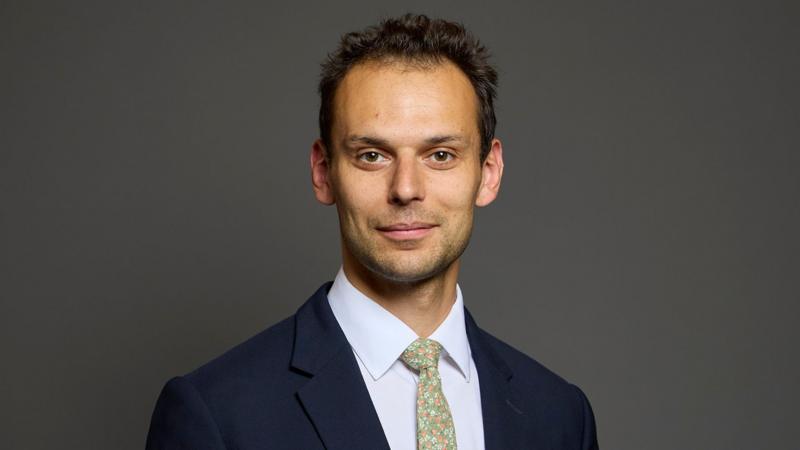
Josh Simons, a Labour MP for Makerfield, announced he will step down to let Andy Burnham run for his seat in Parliament. Simons made this choice because he believes Labour is divided and Burnham has a better chance to challenge the current government.
Key Facts
Josh Simons is the Labour MP for Makerfield and has served for two years.
He is stepping down to allow Andy Burnham, the Greater Manchester mayor, to run for the seat.
Simons describes Labour as "imploding" and lacking energy for change.
Andy Burnham needs to be a Member of Parliament to lead the Labour Party.
Labour recently had poor results in local elections, causing leadership challenges.
Health Secretary Wes Streeting resigned, signaling possible leadership bids.
Simons has no guarantee of another job and plans to spend time with his family.
The upcoming by-election will be difficult, with strong competition from Reform UK.
Read the Original
Want the full story? Tap a source to open the original
article.
A close ally of Prime Minister Keir Starmer said Starmer is unpopular but warned Labour against frequently changing leaders like the Conservatives. The ally said the party should unite behind Starmer and focus on delivering results for the country.
Key Facts
Steve Reed, Labour’s housing secretary, described Prime Minister Keir Starmer as “unpopular.”
Reed warned that constantly changing leaders hurt the Conservatives, who had five prime ministers in eight years.
No Labour MP has gained enough support to officially challenge Starmer’s leadership.
Labour recently faced poor local election results, increasing pressure on Starmer to resign.
89 Labour MPs have publicly asked for Starmer to step down but lack agreement on a replacement.
Reed urged the party to put the country's interests first instead of party infighting.
Reed pointed out that UK GDP growth was the fastest in the G7 and NHS waiting lists are falling as signs of progress.
Labour mayor Andy Burnham may try to re-enter parliament and challenge Starmer’s leadership.
Read the Original
Want the full story? Tap a source to open the original
article.
The U.S. Centers for Disease Control and Prevention (CDC) is watching 41 people in the United States for a rare type of hantavirus called the Andes strain, following an outbreak on a cruise ship. No cases have been reported in the U.S., and the CDC says the risk to the public is low.
Key Facts
The outbreak happened on the cruise ship MV Hondius, which traveled from Argentina to the Antarctic and nearby islands.
Eleven hantavirus cases linked to the cruise have been reported worldwide, including three deaths.
Eight cases have been confirmed by lab tests.
Eighteen people are quarantined in Nebraska and Atlanta after being evacuated from the ship.
Others under monitoring include passengers who returned to the U.S. before the outbreak was noticed and those exposed during travel.
The CDC recommends people under monitoring stay home and avoid others for 42 days.
The CDC says there are currently no hantavirus cases in the U.S. and the overall risk to the public is low.
Health officials focus on close monitoring and quick care if symptoms appear.
Read the Original
Want the full story? Tap a source to open the original
article.
A Florida court will review whether new U.S. House voting districts break the state’s ban on drawing districts to favor one political party, known as partisan gerrymandering. The new districts, created by Republican lawmakers, could help the GOP win more U.S. House seats in the November elections, but lawsuits argue they violate Florida’s constitution.
Key Facts
Florida passed new U.S. House district maps that may help Republicans gain up to four additional seats.
These new maps were signed into law by Republican Governor Ron DeSantis after a quick legislative session.
Lawsuits have been filed seeking to block the use of these maps, claiming they violate Florida’s ban on partisan gerrymandering.
Florida’s constitution, amended in 2010, prohibits drawing districts to favor or hurt a political party or incumbent.
The law also protects minority voters from having their influence reduced and requires districts to be geographically compact.
The U.S. Supreme Court in 2019 said federal courts cannot rule on partisan gerrymandering but allowed state courts to decide based on state laws.
Similar redistricting fights are happening in other states, as Republicans and Democrats both try to redraw maps to their advantage.
This case could impact the balance of power in the U.S. House of Representatives, where Republicans currently hold 20 of Florida’s 28 seats.
Read the Original
Want the full story? Tap a source to open the original
article.
A Texas town called Port Isabel saw many families leave their public housing after a letter wrongly said residents had to prove their immigration status or face eviction. This happened because of a proposed rule under President Donald Trump's administration aiming to remove households with any undocumented members from public housing. The rule could affect tens of thousands of people, including U.S. citizens living with undocumented family members.
Key Facts
Port Isabel is a small town in South Texas with about 5,000 people, many working in hotels and restaurants.
The local housing authority sent a letter on February 3 telling residents to prove legal status in 30 days or risk eviction.
Three weeks later, the authority clarified no proof was required, but by then, many families had already left.
Public housing occupancy dropped from 91% in January to 43% in May.
President Trump’s proposed rule would end housing help for families with at least one undocumented member.
The proposal could displace up to 80,000 people nationwide, including U.S. citizen children.
Previously, families with undocumented members could still live in public housing if those members paid full rent without subsidies.
The change is part of the Trump administration’s stricter immigration policies.
Read the Original
Want the full story? Tap a source to open the original
article.
A group of civil rights leaders and activists is organizing rallies and events in Alabama to honor the Civil Rights Movement and push back against recent Supreme Court decisions that weaken the Voting Rights Act. They want to protect the political power of Black and nonwhite voters by fighting changes to voting rules and district boundaries that reduce their ability to elect representatives.
Key Facts
The NAACP and other civil rights groups plan events in Selma and Montgomery, Alabama, to commemorate the Civil Rights Movement.
The Supreme Court recently limited the use of race in drawing congressional and other political districts.
The 2013 Shelby v. Holder decision removed federal oversight of voting laws in some states with histories of racial discrimination.
These rulings reduce protections that helped Black voters elect candidates of their choice.
Senate and House Democrats want to pass the John R. Lewis Voting Rights Act to restore and expand voting rights protections.
The bill aims to end partisan gerrymandering and bring back federal approval for state voting law changes.
Organizers describe their efforts as a “second Reconstruction” to regain political power and protect fair representation.
Most Black Americans live in states of the Old Confederacy, where efforts to restrict voting rights have increased.
Read the Original
Want the full story? Tap a source to open the original
article.
Oklahoma has filed a lawsuit against the gaming platform Roblox, accusing it of failing to protect children from online predators and harmful content. The lawsuit claims Roblox put growth ahead of child safety and wants the company to pay penalties and improve its safety measures.
Key Facts
Oklahoma sued Roblox over child safety concerns, saying the platform allowed predators to exploit minors.
The lawsuit says Roblox’s design stops parents from knowing what their kids do on the platform.
An Oklahoma mother said her 12-year-old daughter was pressured to send explicit photos to an older man posing as a teen on Roblox.
Previous investigations found hate speech and harmful symbols like swastikas on Roblox games.
Oklahoma claims Roblox broke the state’s Consumer Protection Act by hiding risks from users.
Roblox has over 150 million daily users and many U.S. children aged 9 to 12 use the platform.
Roblox says it uses AI, human moderation, and filters to keep users safe and will add more parental controls soon.
Roblox’s safety officer said the company wants to work with Oklahoma to improve child online safety despite disagreeing with the lawsuit.
Read the Original
Want the full story? Tap a source to open the original
article.
During the recent local elections in England, many councillors faced high levels of abuse, both online and in person. Politicians from different parties and backgrounds reported threats, insults, and harmful behavior, which some say has made politics more hostile and difficult.
Key Facts
Councillor Shazad Fazal received over 200 abusive messages after his re-election, including hateful and racist comments.
Abuse included being called a paedophile, terrorist, and being told to "get out of the UK."
Other councillors also reported attacks, such as AI-generated fake images, threats, and verbal abuse.
Councillor Yvonne Gagen said politics has become "toxic" and stepped down from her leadership role due to abuse.
Councillor Nosheen Khalid faced online bullying focused on her faith and gender during her campaign.
Charlotte Gerada experienced verbal abuse in public and police are investigating.
Reform UK party members also reported significant abuse and threats.
Former council leader Mike Bird described the election as the worst he’s fought and reported online threats to the police.
Read the Original
Want the full story? Tap a source to open the original
article.
Pauline Hanson traveled to flood-hit areas in Queensland using private flights that cost taxpayers nearly $16,000, despite her earlier claim the trip didn’t cost taxpayers anything. The initial leg of the trip was paid by billionaire Gina Rinehart, but Hanson billed the government for additional charter flights around the affected communities.
Key Facts
Pauline Hanson and Barnaby Joyce flew from the Sunshine Coast to Mount Isa on Gina Rinehart’s private jet at her expense.
After that, Hanson claimed nearly $16,000 for private charter flights within flood-affected areas in Queensland.
Hanson had previously said the trip was “no cost to the taxpayer.”
Parliamentary rules require travel expenses to be used for official business and represent good value for money.
Hancock Prospecting, Rinehart’s company, provided some flights on the same day.
Hanson has received several free flights from Rinehart and her company, which have raised concerns about disclosure and spending.
Hanson defended Rinehart’s support, saying it helped the community and denied any personal gain for Rinehart.
Hanson also received a new plane and $2 million in donations linked to Rinehart’s associates.
Read the Original
Want the full story? Tap a source to open the original
article.
Seven candidates competing to become California’s governor took part in their final debate on Thursday evening. They focused mainly on how to handle rising costs for things like gas, groceries, and housing that affect many people in the state.
Key Facts
The debate was the fifth and last one before the election.
All seven candidates running for California governor took part.
The main topic was affordability and how to lower costs for everyday items.
Rising gas, grocery, and housing prices were the key concerns discussed.
Each candidate gave a final message to voters about their plans to improve living costs.
The debate aimed to help voters decide who can best address economic challenges in California.
Read the Original
Want the full story? Tap a source to open the original
article.
The wife of an active-duty U.S. Army soldier was released by Immigration and Customs Enforcement (ICE) after being detained for a month during an immigration appointment. She was applying for a special program to protect military family members from deportation but was arrested because of a prior deportation order and a conviction related to entering the U.S. illegally.
Key Facts
Deisy Rivera Ortega, wife of Sgt. 1st Class Jose Serrano, was detained by ICE on April 14 in El Paso, Texas.
Rivera Ortega has lived in the U.S. for about ten years and is the spouse of an active-duty Army soldier and Afghanistan war veteran.
She was applying for Parole in Place, a program that protects military spouses and parents from deportation.
ICE arrested her due to a deportation order from 2019 and a federal misdemeanor conviction for illegal entry.
Rivera Ortega had legal protection under the U.N. Convention Against Torture, preventing deportation to El Salvador but not to a third country.
She was told she might be deported to a country like Mexico instead of El Salvador.
Her detention affected her husband’s mental health, who has PTSD and a traumatic brain injury.
ICE has increasingly detained relatives of service members under President Donald Trump’s administration, aiming for a large deportation campaign.
Read the Original
Want the full story? Tap a source to open the original
article.