Neutral summaries of your favorite news sources — just the facts.
Your favorite news sources, one neutral feed — we distill their reporting into fact-first
summaries and always link to the original story. How it works
US News
Latest developments and key stories from across the United States
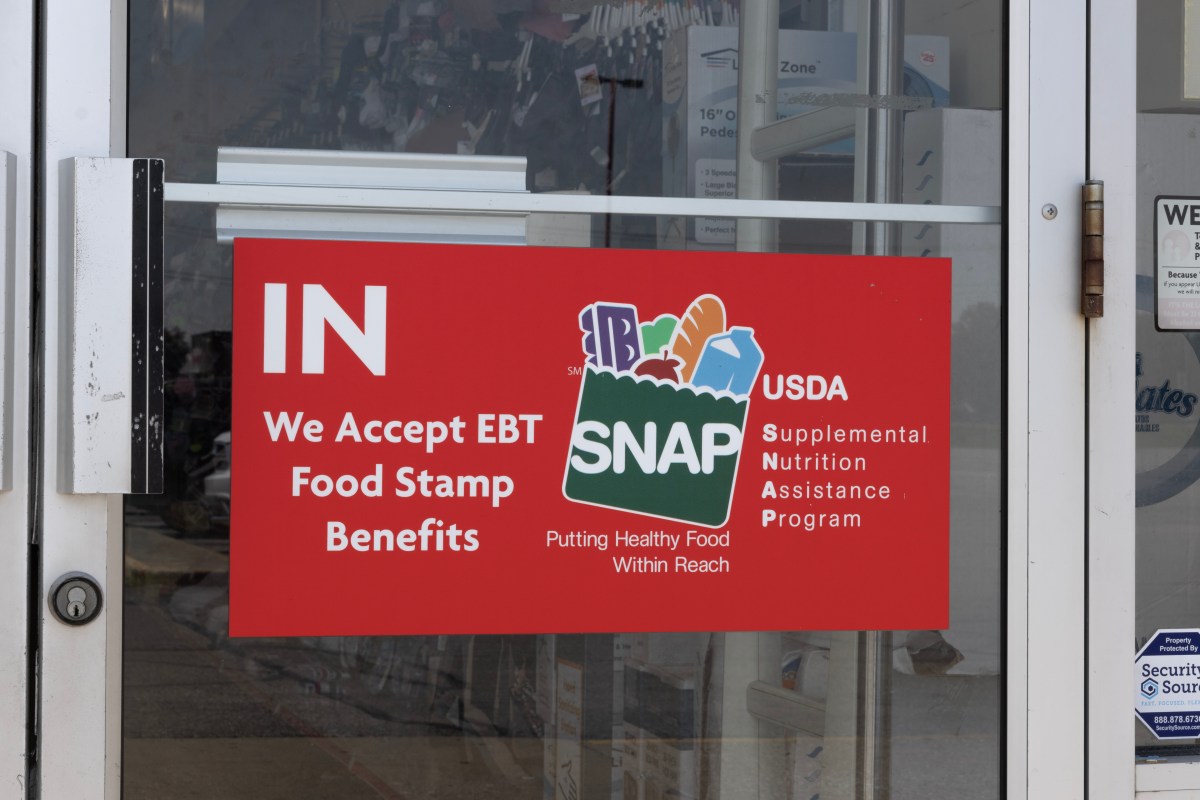
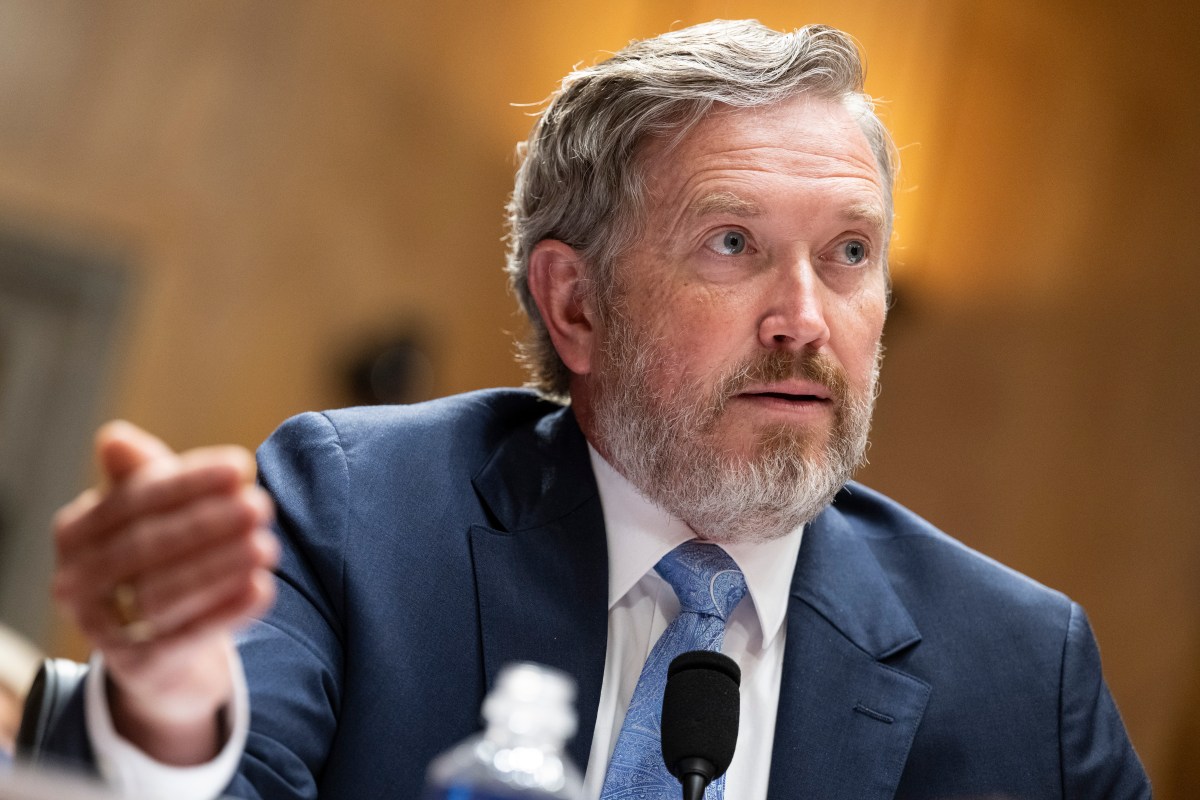
South Dakota Governor Larry Rhoden urges all states to share data on the Supplemental Nutrition Assistance Program (SNAP) to prevent fraud and ensure proper use of taxpayer money. He highlights South Dakota’s low error rate in SNAP payments compared to the national average, calling for transparency and stronger oversight.
Key Facts
SNAP helps families buy food and costs taxpayers about $100 billion a year.
SNAP is funded by the federal government but run by each state, leading to different results and fraud levels.
South Dakota has the lowest SNAP payment error rate, around 3 percent.
Nationally, the average error rate is about 11 percent, which has increased since 2014.
Higher error rates partly result from more people joining SNAP during the COVID-19 pandemic and some states having looser eligibility rules.
The USDA can audit state SNAP data to find fraud but needs states to cooperate.
Many states refused to share SNAP data with the USDA when requested.
Transparency and data sharing are important to protect public funds and maintain trust.
Read the Original
Want the full story? Tap a source to open the original
article.
Republican senators are hesitant to approve $1 billion in federal funds for security upgrades related to a new White House ballroom. The funding was suggested by the Secret Service but may be removed from a larger budget package due to Republican concerns and lack of details.
Key Facts
The proposal requests $1 billion to improve security for a new ballroom at the White House.
The funds would come from the federal government as part of a budget reconciliation package.
Senate Republicans have expressed skepticism and want more details before supporting the funding.
The new ballroom construction was initially funded by private donations.
The Secret Service recommended the security funding to protect the new space.
The proposal faces the possibility of being removed from the budget plan because of Republican pushback.
The budget reconciliation process allows certain bills to pass with a simple majority in the Senate.
Read the Original
Want the full story? Tap a source to open the original
article.
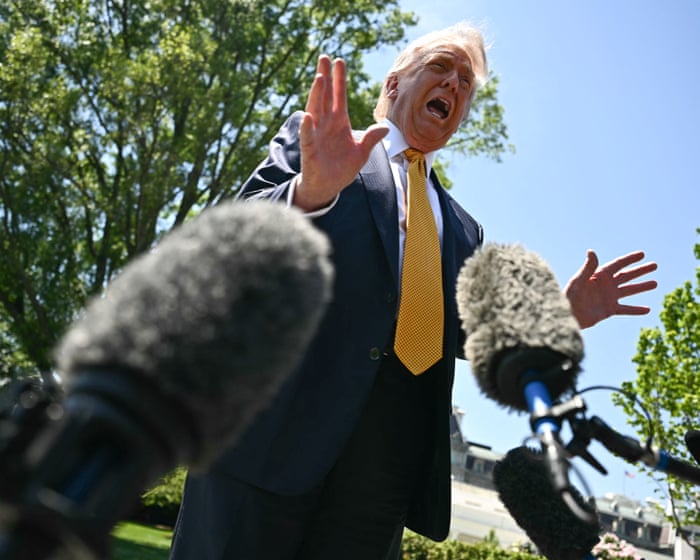
President Donald Trump has proposed a temporary pause on the federal gas tax to help lower fuel prices caused by the war in Iran. This idea faces challenges in Congress, where some Republican lawmakers support it, but top party leaders are cautious about backing the plan.
Key Facts
President Trump suggests stopping the federal gas tax temporarily to reduce fuel costs.
The proposal is a response to rising gas prices linked to the conflict involving Iran.
Many Republican lawmakers want Trump’s support for plans that address high living costs during the election year.
Senior Republican leaders are reluctant to fully support the gas tax holiday idea.
The proposal may be difficult to pass in Congress due to mixed opinions within the party.
The gas tax is a federal charge added to fuel prices to fund transportation projects.
The pause would only be temporary, meant to ease prices for consumers.
This plan is part of broader political efforts related to the midterm elections.
Read the Original
Want the full story? Tap a source to open the original
article.
Top House Democrats urged President Trump to approve a $14 billion arms sale to Taiwan before his upcoming meeting with China's President Xi Jinping. They said delays could weaken Taiwan's defense and affect U.S. efforts to keep peace between Taiwan and China.
Key Facts
The proposed arms sale to Taiwan is worth $14 billion.
The sale has been delayed despite congressional approval.
House Democrats on national security committees want the sale approved quickly.
The timing is before President Trump's planned visit and meeting with President Xi Jinping of China.
Democrats believe the sale helps maintain a strong defense against potential threats from China.
They argue delays could reduce deterrence, which helps prevent conflicts between Taiwan and China.
The sale is part of U.S. support for Taiwan amid tensions with China.
Read the Original
Want the full story? Tap a source to open the original
article.
President Trump is being urged by lawmakers from both political parties to ask Chinese President Xi Jinping to free Jimmy Lai, a media owner, and other political prisoners during their upcoming meeting in Beijing. These calls come as part of efforts to address human rights concerns between the U.S. and China.
Key Facts
President Trump will meet Chinese President Xi Jinping in Beijing this week.
Lawmakers from both the Republican and Democratic parties want Trump to raise the issue of political prisoners.
Jimmy Lai, a well-known media figure, is among those being detained in China.
The lawmakers have sent letters to President Trump asking him to take action.
The request focuses on securing the release of political prisoners in China.
This issue is part of broader U.S.-China relations and human rights discussions.
The summit is considered high-stakes, indicating important topics will be discussed.
Read the Original
Want the full story? Tap a source to open the original
article.
President Donald Trump and Senate Republicans are increasing efforts to get the House of Representatives to approve a housing bill that has been delayed for months. The bill, called the “21st Century ROAD to Housing Act,” aims to address housing affordability and is an important part of the Republican agenda.
Key Facts
President Trump and Senate Republicans want the House to pass a housing bill.
The bill is named the “21st Century ROAD to Housing Act.”
The housing bill has been stalled for several months.
Hard-line conservative members of the House have opposed the bill.
The bill focuses on improving housing affordability.
Passing this bill is part of Republicans’ plan to show voters they are working on housing issues.
The House of Representatives has not yet approved the legislation.
Senate Republicans are actively encouraging the House to act on this bill.
Read the Original
Want the full story? Tap a source to open the original
article.
Senator Bill Cassidy from Louisiana faces a difficult primary election challenge from Rep. Julia Letlow and state Treasurer John Fleming. Both challengers have the support of President Donald Trump, who has criticized Cassidy for voting to convict him during the second impeachment.
Key Facts
Senator Bill Cassidy is running for re-election in Louisiana.
Cassidy voted to convict President Trump during the president’s second impeachment trial.
President Trump has criticized Cassidy and endorsed challengers Julia Letlow and John Fleming.
Julia Letlow is a U.S. Representative from Louisiana.
John Fleming is the state Treasurer of Louisiana.
The primary election will decide who advances to the general election.
Cassidy has had conflicts with Trump’s Health and Human Services secretary.
This race is seen as a test of Trump’s influence within the Republican Party.
Read the Original
Want the full story? Tap a source to open the original
article.
Cynthia West, a former aide and ex-girlfriend of Congressman Thomas Massie, has accused him of offering hush money after she planned to file a complaint about wrongful termination. West says Massie secured her a job in another congresswoman’s office during their relationship but ended it after she was uncomfortable with his behavior.
Key Facts
Cynthia West alleges she had a romantic relationship with Congressman Thomas Massie starting in August 2024.
Massie helped West get a temporary job in Indiana Representative Victoria Spartz’s office.
West claims she ended the relationship due to Massie asking her to do things she found uncomfortable.
After she was fired, West says Massie offered her $5,000 to not file a complaint.
West declined a $60,000 settlement from the Office of Congressional Workplace Rights that required her to sign a nondisclosure agreement.
Massie has not commented but his attorney called West’s claims unverified and accused her of making false allegations.
West is now running for a school board position in Florida.
Spartz’s office said West’s job ended after a 90-day probation due to unsatisfactory performance.
Read the Original
Want the full story? Tap a source to open the original
article.
President Donald Trump traveled to China for talks with President Xi Jinping, accompanied by top American tech and business leaders. He said stopping Iran from getting nuclear weapons is his main concern, rather than the current financial struggles Americans face due to rising inflation and energy costs.
Key Facts
President Trump is visiting China for discussions with President Xi Jinping.
Leading U.S. tech and business executives, including Elon Musk and Tim Cook, joined Trump on the trip.
Trump plans to ask China to "open up" its economy to help improve both countries.
Trump said the key issue for him is preventing Iran from obtaining nuclear weapons.
When asked if Americans’ financial troubles impact his decisions, Trump said no.
Inflation in the U.S. rose 3.8% in April, the highest since 2023, partly due to higher energy prices.
Gas prices in the U.S. increased past $4.50 a gallon following the war in the Middle East.
Trump predicted that after the war ends, oil prices will drop and the stock market will rise significantly.
Read the Original
Want the full story? Tap a source to open the original
article.
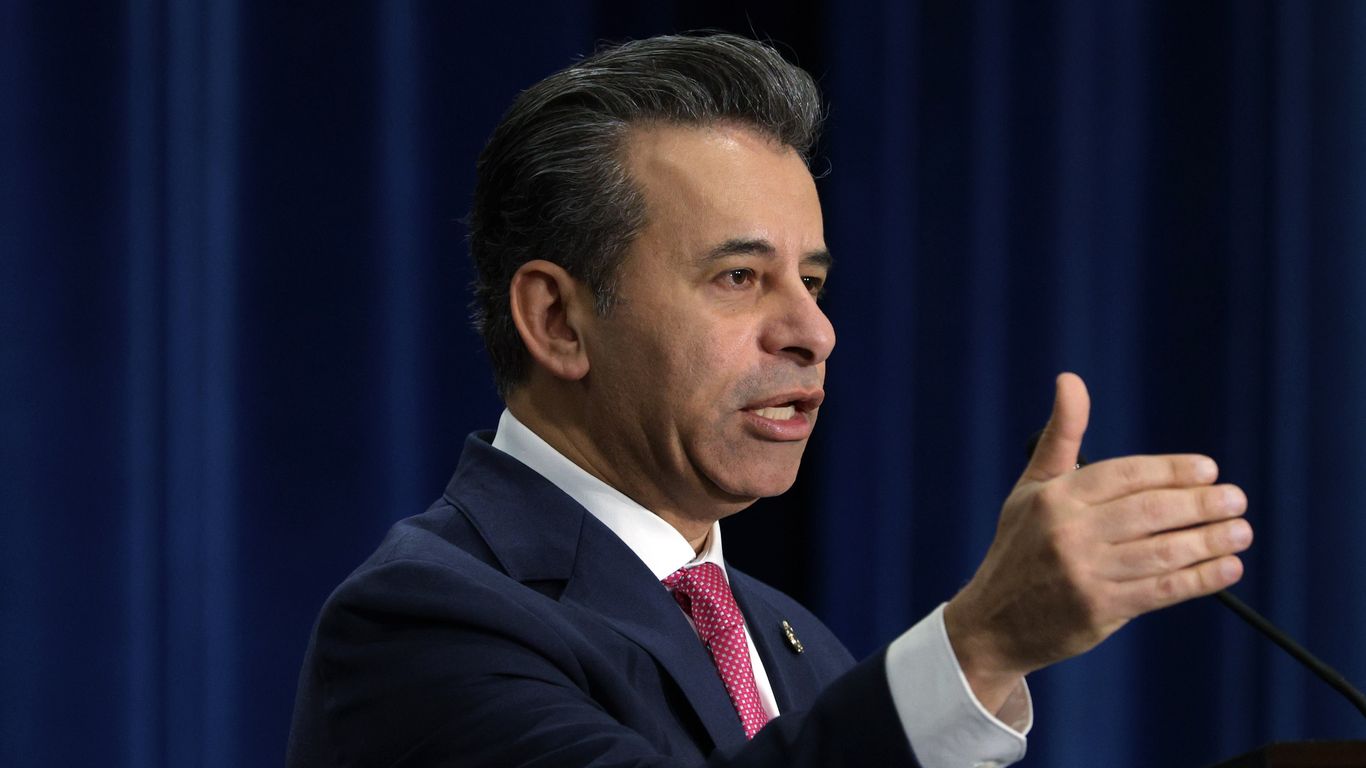
Marty Makary has left the Food and Drug Administration (FDA) after 13 months. His departure adds to uncertainty at the agency, which faces leadership gaps and political challenges as it awaits new appointments from President Trump.
Key Facts
Marty Makary resigned or was removed from his position at the FDA after internal criticism and disagreements over policies.
President Trump confirmed Makary’s exit and praised him as a hard worker with a promising medical career ahead.
Kyle Diamantas, a lawyer leading the FDA’s food center, will temporarily lead the agency.
The FDA has important leadership vacancies, including directors for drug and biologics centers.
The Senate will need to confirm new FDA nominees amid other key health appointments from President Trump.
Makary faced criticism for unpredictable regulatory decisions and clashing with the White House on vaping policies.
Some Democrats and industry leaders praised Makary for his independence despite the agency’s ongoing challenges.
Political factors, including a key Senate health committee race, may delay the nomination of a permanent FDA commissioner.
Read the Original
Want the full story? Tap a source to open the original
article.
A 26-year-old man named Tyler Fairman died after a car hit a group of pedestrians in Arnold, Nottinghamshire. The driver, Duane Anthony, was arrested and charged with multiple crimes including attempted murder.
Key Facts
Five pedestrians were hit by a Vauxhall Astra car shortly after 1:10 a.m. on Saturday.
Tyler Fairman, 26, was seriously hurt and later died in the hospital on Tuesday.
Duane Anthony, 40, was arrested and charged with five counts of attempted murder.
Anthony also faces charges for aggravated vehicle taking, driving while disqualified, and driving without insurance.
He will next appear in court on June 8 at Nottingham Crown Court.
Police are supporting the victims and those affected by the accident.
The investigation is ongoing.
Read the Original
Want the full story? Tap a source to open the original
article.
The U.S. Army is cutting training programs to address a budget shortfall of $4 billion to $6 billion. The shortfall is due to increased costs from ongoing operations like the Iran war, border security missions, and higher personnel expenses.
Key Facts
The Army faces a budget gap between $4 billion and $6 billion.
Increased costs come from missions related to the Iran war and securing the southern U.S. border.
National Guard deployments, including one in Washington, D.C., are costing about $1.1 billion this year.
The Army is covering expenses caused by Department of Homeland Security funding gaps, expecting some reimbursement.
The III Armored Corps, with about 70,000 soldiers, will experience deep cuts affecting training and readiness, including lowered pilot flight hours.
Training programs like the Army Sapper Course and an artillery course at Fort Campbell, Kentucky, have been canceled.
These cuts aim to prioritize urgent operational needs while lowering overall training across the force.
Read the Original
Want the full story? Tap a source to open the original
article.
President Trump is visiting Beijing amid rising inflation and economic challenges in the U.S. Many Americans disapprove of his handling of the economy, as prices for gas and other basics are increasing faster than wages. The White House acknowledges these problems and points to tax cuts and energy policies as solutions.
Key Facts
Inflation rose to 3.8% in April, driven partly by higher gas prices linked to the Iran war.
Gas prices nationally are over $4.50 per gallon.
Prices for groceries, airfare, and electricity are increasing, causing strain on everyday life.
For the first time in three years, prices are rising faster than wages, reducing what people can buy with their paychecks.
Americans are borrowing more on credit cards and loans to cover expenses; savings rates are at their lowest since 2022.
Consumer confidence has fallen sharply, with many saying the economy is getting worse and feels "out of control."
Small business optimism is at its lowest since before President Trump's reelection, indicating business concerns.
President Trump supports suspending the federal gas tax and promotes bipartisan housing legislation to address affordability.
Read the Original
Want the full story? Tap a source to open the original
article.
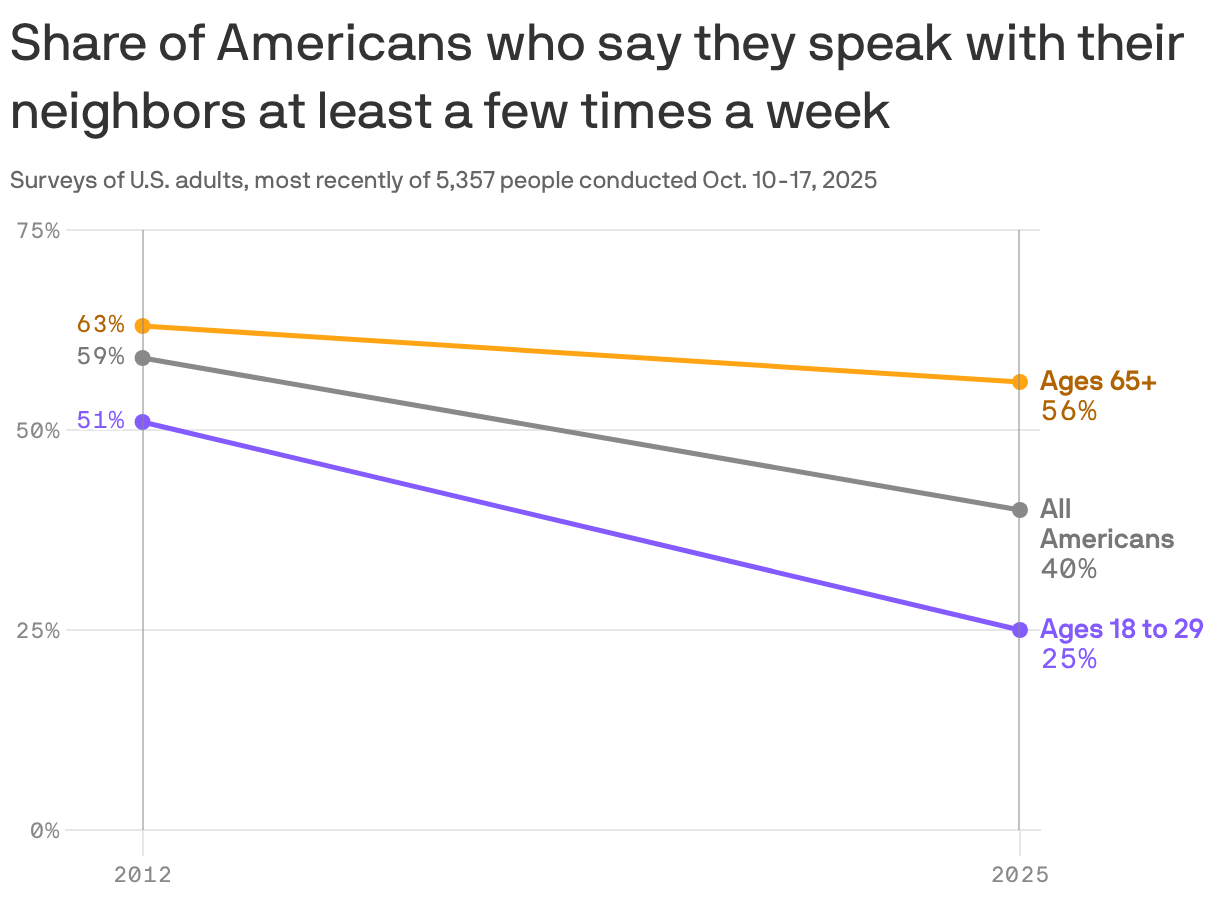
Americans, especially young people, are spending less time talking and socializing with their neighbors than they did in the past. This decline in face-to-face neighborhood interaction may lead to more isolation and reduce community support.
Key Facts
In 2012, 51% of young Americans regularly interacted with their neighbors; today, only 25% do.
Overall, 59% of Americans spoke with neighbors a few times a week in 2012, dropping to 41% in 2025.
Older adults socialize more with neighbors; 56% of seniors engage with neighbors regularly, a slight drop since 2012.
Technology has changed how people spend time at home, reducing the need to go outside and meet neighbors.
Young people often move frequently, live in new cities, and grew up with fewer in-person social opportunities due to the pandemic and remote work.
Regular religious attendance helps build community, but Gen Z participates less in religion compared to older generations.
Gen Z relies more on digital communities, which provide some connection but lack the support physical neighborhoods offer.
Reduced neighbor interaction may worsen political polarization by limiting exposure to diverse views and experiences.
Read the Original
Want the full story? Tap a source to open the original
article.
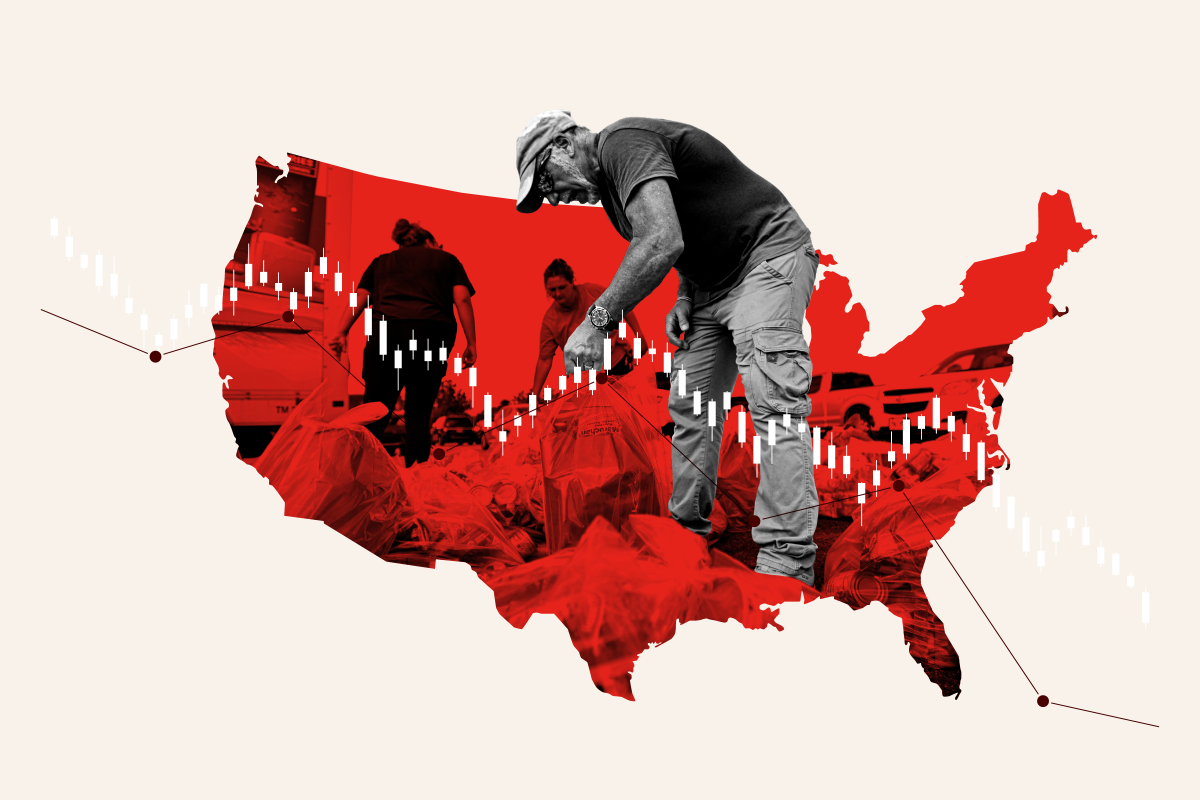
The number of people receiving SNAP food assistance in the U.S. dropped by about 4.3 million from January 2025 to January 2026 after new federal rules made it harder to qualify. Food banks report more people are seeking their help as fewer Americans get SNAP benefits.
Key Facts
SNAP enrollment fell from 42.8 million in January 2025 to 38.5 million in January 2026.
The drop followed policy changes from the One Big Beautiful Bill Act in mid-2025 that tightened work and eligibility rules.
Groups like veterans, homeless people, and former foster youth lost certain exemptions and faced stricter requirements.
Maryland saw SNAP participation decline from about 680,000 to 644,000 in one year.
Food banks notice more people turning to them for food assistance due to reduced SNAP access.
Some people losing SNAP benefits were financially stable before but now struggle with paperwork, transportation, or work rules.
SNAP provides an average household benefit of $354.32 per month through a prepaid card for groceries.
Experts say the need for food assistance does not disappear when SNAP access shrinks; it shifts to charities and food banks.
Read the Original
Want the full story? Tap a source to open the original
article.
In 2024, nearly 5,000 Americans living abroad have given up their U.S. citizenship, up from about 2,400 in 2021. Many renounce citizenship because the U.S. tax system requires them to pay taxes on income earned anywhere in the world, which can be costly and complicated.
Key Facts
About 5,000 people renounced U.S. citizenship in 2024, a significant increase from previous years.
The U.S. and Eritrea are the only countries that tax their citizens on worldwide income regardless of where they live.
Renouncing citizenship involves filing forms, interviews at U.S. embassies, and taking an oath.
The fee to renounce citizenship was lowered in 2024 from $2,350 to $450.
Long waiting times exist at many embassies worldwide for those renouncing citizenship, including in Canada, the UK, Australia, and Singapore.
The U.S. government warns that renouncing citizenship can make a person stateless and may block re-entry if done to avoid taxes.
Some Americans face tax filing costs that can reach $3,000 to $5,000 annually due to citizenship-based taxation.
The State Department does not release exact annual numbers but the Treasury Department publishes quarterly reports listing expatriates.
Read the Original
Want the full story? Tap a source to open the original
article.
Texas officials have issued air quality alerts for several major cities due to high levels of ground-level ozone pollution, also called smog. They are asking people to avoid driving, especially sitting in drive-thru lines, and to limit outdoor activities to reduce exposure and help lower pollution.
Key Facts
The Texas Commission on Environmental Quality declared “Ozone Action Days” on May 13, 2026.
Affected areas include Dallas-Fort Worth, Houston-Galveston, Brazoria County, San Antonio, Austin, and El Paso.
Ground-level ozone forms when pollutants from cars and industry mix in sunlight on hot, still days.
Cars idling in drive-thrus release gases that increase smog formation.
High ozone levels can cause breathing problems, eye and throat irritation, and worsen asthma.
Vulnerable groups include children, older adults, and people with heart or lung conditions.
Residents are advised to avoid heavy outdoor activity in the afternoon and keep windows closed indoors.
Using air conditioning or air purifiers is recommended to improve indoor air quality during these alerts.
Read the Original
Want the full story? Tap a source to open the original
article.
Keir Starmer met with Wes Streeting in Downing Street during a Labour Party leadership crisis. Some members of the party, including health minister allies, have called for Starmer to resign following poor local election results.
Key Facts
Wes Streeting and Keir Starmer met for about 16 minutes in Downing Street.
The meeting happened amid speculation about Streeting’s possible challenge to Starmer’s leadership.
Dr. Zubir Ahmed, a junior health minister who resigned, blamed Starmer for Labour's poor election results.
Ahmed said Labour failed to effectively challenge the Scottish National Party, helping them win a fifth term.
Some Labour MPs expressed frustration and called for a leadership change.
Streeting has not publicly declared a leadership challenge and remains publicly loyal.
Four junior ministers allied with Streeting have resigned, calling for Starmer to step down.
Labour unions, including Unite, Unison, and GMB, believe Starmer may not lead Labour into the next general election.
Read the Original
Want the full story? Tap a source to open the original
article.
An analysis of recent local elections in England shows that candidates with surnames near the start of the alphabet tend to get more votes than those listed later. This "alphabet effect" means candidates listed first on their party's ballot often outperform their colleagues with surnames later in the alphabet.
Key Facts
In wards with three candidates from one party, 65% of those listed first by surname got the most votes within their party.
Only 11% of candidates listed third (with surnames later in the alphabet) topped their party's votes.
The Reform party showed the strongest link between surname order and election success, with 74% of early-alphabet candidates winning most votes.
The Green party and Labour also displayed this alphabet voting effect but to a lesser degree.
Candidates and election experts suggest ballots should list names grouped by party to avoid confusing voters.
Some successful candidates say they did not believe the order of names affected their votes, while others think it might influence close races.
Randomizing the order of candidates on ballots is one proposed way to make voting fairer.
Read the Original
Want the full story? Tap a source to open the original
article.
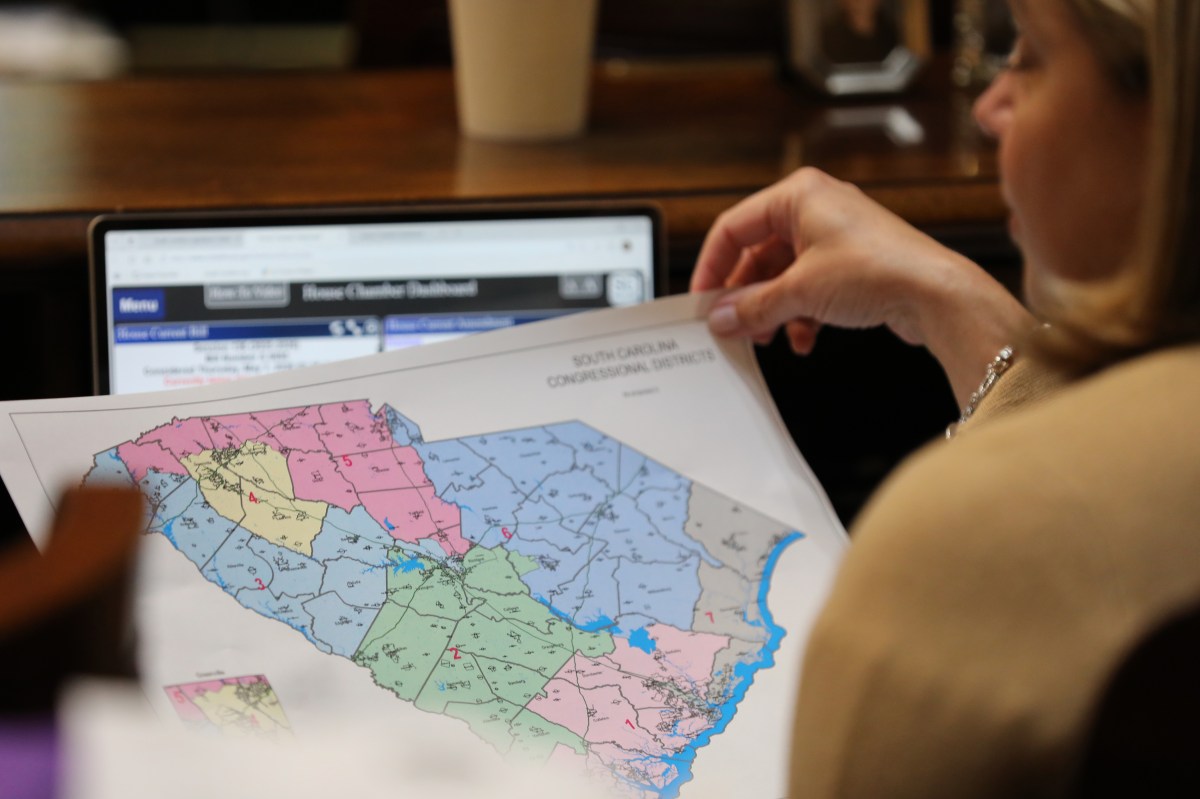
South Carolina's Republican state senators voted against a plan to redraw the state's congressional districts, despite pressure from President Donald Trump to approve it. The vote failed by two votes and caused frustration among some Republican leaders who believe redrawing the districts could help the party in future elections.
Key Facts
South Carolina state senators voted 29-17 against extending the legislative session to pursue redistricting.
President Trump urged Republicans to take bold action to stop Democrats and support redistricting.
The proposal needed a two-thirds majority but fell short by two votes.
Five Republicans joined all Democrats in opposing the redistricting plan.
Some Republican politicians, including candidates for governor, criticized the Senate's decision publicly.
South Carolina currently has six Republican and one Democratic congressional district.
The Democratic district is majority-Black and held by James Clyburn.
The state House committee approved a map that might eliminate the Democratic district, but the state Senate blocked further progress.
Read the Original
Want the full story? Tap a source to open the original
article.