Neutral summaries of your favorite news sources — just the facts.
Your favorite news sources, one neutral feed — we distill their reporting into fact-first
summaries and always link to the original story. How it works
US News
Latest developments and key stories from across the United States
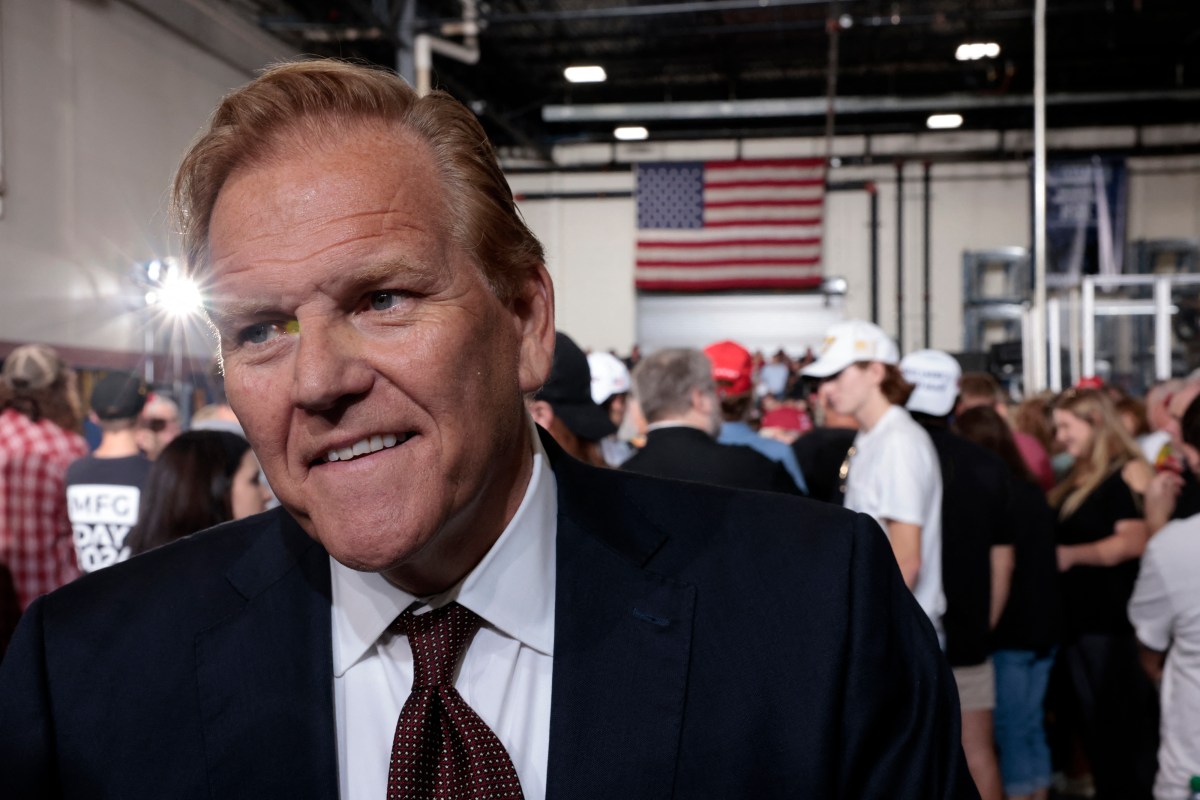
Republican Mike Rogers is leading in recent polls against three Democratic candidates for Michigan’s U.S. Senate seat. The seat, held by Democrats for nearly 50 years, is seen as a key target for Republicans in the 2024 midterm elections.
Key Facts
Mike Rogers is the Republican candidate for Michigan’s Senate seat.
Michigan’s Senate seat has been held by Democrats since 1979.
Current Democratic Senator Gary Peters has served since 2015.
Michigan’s other Senator, Elissa Slotkin, is also a Democrat.
President Donald Trump won Michigan in the 2024 presidential election.
Recent polls show Rogers leading Democratic candidates Abdul El-Sayed, Haley Stevens, and Mallory McMorrow.
Poll numbers: Rogers leads El-Sayed 44.7% to 39.8%; Stevens 43.8% to 41.5%; McMorrow 42.8% to 40.7%.
The poll surveyed 600 likely voters from April 28 to May 5, with a margin of error of +/- 4 percentage points.
Read the Original
Want the full story? Tap a source to open the original
article.
Rep. Anna Paulina Luna, a Republican from Florida, said she would vote against moving forward with a housing bill that the Senate passed. This is despite President Donald Trump encouraging the House to approve the bill. Luna expressed frustration with Senate Majority Leader John Thune for his role in the bill's delay.
Key Facts
Rep. Anna Paulina Luna would oppose advancing a Senate-passed housing bill in the House.
The bill has been stalled for some time before reaching the House.
President Donald Trump supports passing the housing bill.
Luna criticized Senate Majority Leader John Thune for not doing enough to move the bill forward.
Luna spoke about this in an interview with The Hill on Tuesday.
The housing bill relates to federal efforts to address housing issues.
Luna is a Republican representative from Florida.
Read the Original
Want the full story? Tap a source to open the original
article.
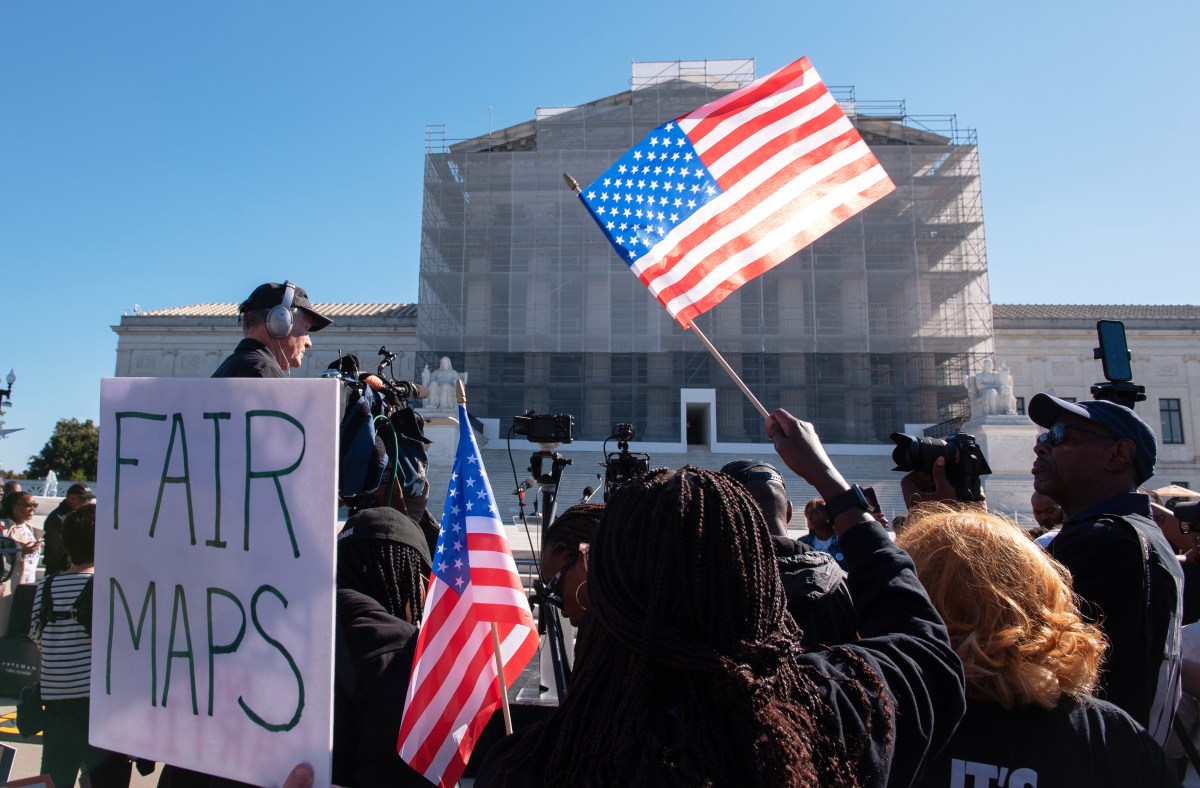
The article discusses the recent decisions by the U.S. Supreme Court that weaken the Voting Rights Act of 1965. It reflects on the long history of racial discrimination in America, especially how Black Americans and other minority groups have fought for voting rights and equality.
Key Facts
The Supreme Court's conservative majority has made rulings that reduce protections under the Voting Rights Act of 1965.
The Voting Rights Act was created to protect the voting rights of Black Americans and other minorities after the era of racial segregation known as Jim Crow laws.
Jim Crow laws lasted over a century after the Civil War and denied voting rights to many Black Americans.
Enslaved African Americans contributed significantly to building many parts of American society, including culture, sports, and technology.
The article stresses that attacking voting rights harms not only Black Americans but also other minority groups and society as a whole.
The author connects the right to vote with the broader idea of democracy and freedom in America.
The article references historical figures and events, including Martin Luther King Jr. and the Civil Rights Movement, to highlight the importance of equal voting rights.
Read the Original
Want the full story? Tap a source to open the original
article.
Current federal marijuana rules do not rely on scientific proof and may skip important health protections. This has led to more illegal marijuana stores and unclear advice for families and young people.
Key Facts
Federal marijuana policy is not grounded in scientific evidence.
Skipping scientific and regulatory steps can risk public health.
Illegal marijuana shops have increased under current rules.
Families and young people lack clear guidance about marijuana.
The article suggests policy changes should follow proper scientific review.
Read the Original
Want the full story? Tap a source to open the original
article.
Harvey Weinstein’s defense team asked jurors to acquit him in a New York retrial for an alleged 2013 rape of Jessica Mann, arguing the encounter was consensual. The jury is considering a complex relationship between Weinstein and Mann, who has publicly identified herself as the accuser.
Key Facts
The retrial concerns an allegation that Harvey Weinstein raped Jessica Mann in a New York hotel in 2013.
Jessica Mann testified that Weinstein trapped her, forced her to undress, and raped her.
Weinstein’s defense says the relationship was consensual and emotionally close.
Weinstein was convicted of the same charges in 2020, but that conviction was overturned.
A prior retrial ended in a deadlock, meaning the jury could not reach a unanimous decision.
Weinstein has other sex crime convictions in New York and California, which he is currently appealing.
Weinstein did not testify in this retrial.
The case is part of the #MeToo movement, which highlights sexual assault and harassment.
Read the Original
Want the full story? Tap a source to open the original
article.
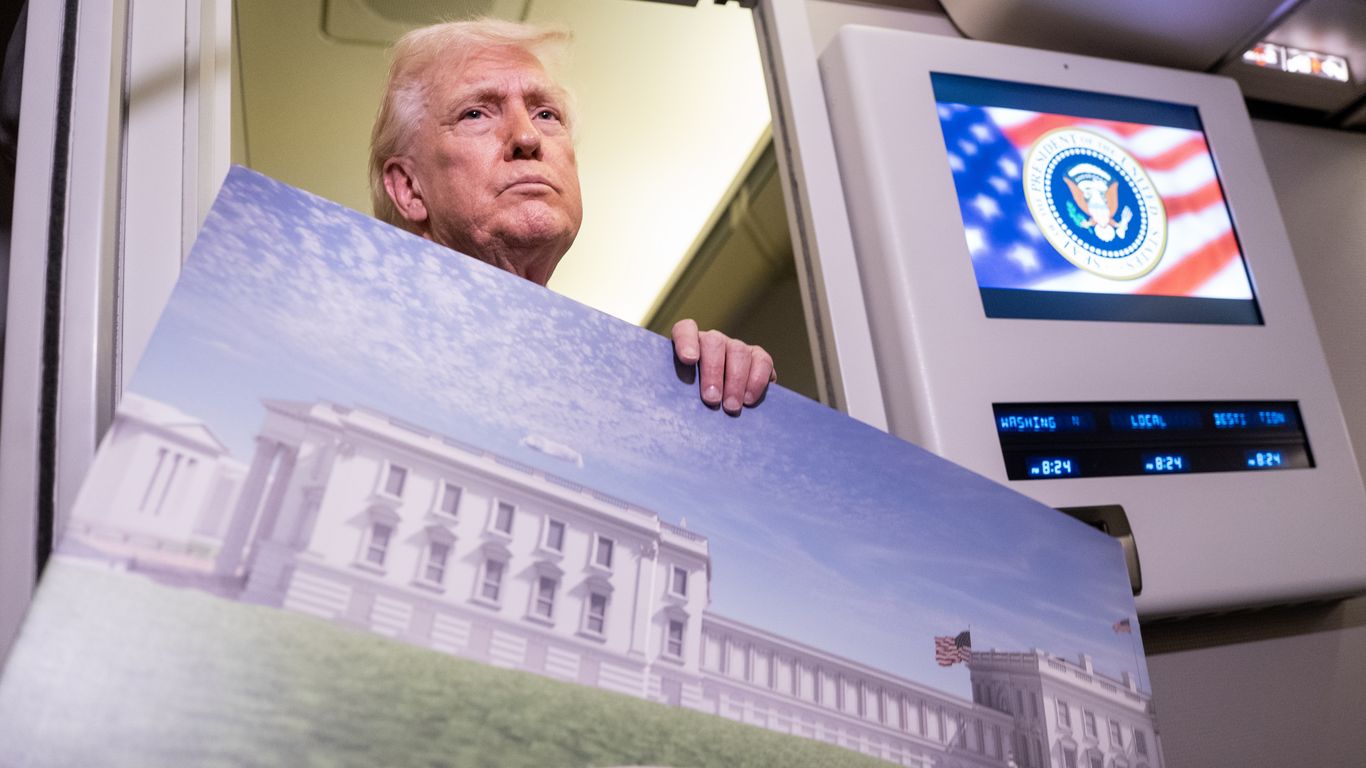
Senator John Fetterman defended the reported cost of repainting the Lincoln Memorial Reflecting Pool in blue as requested by President Donald Trump. Fetterman asked critics to stop complaining about the expense of the project.
Key Facts
Senator John Fetterman spoke out in defense of the cost of repainting the Reflecting Pool.
The pool was painted "American flag blue," according to federal records.
The project was part of President Donald Trump’s changes to the Lincoln Memorial Reflecting Pool.
Some people criticized the reported amount spent on the renovation.
Fetterman told those critics to "stop the henpecking," meaning to stop arguing or complaining.
The New York Times obtained and reported the federal records on the project cost.
Read the Original
Want the full story? Tap a source to open the original
article.
Federal prosecutors have charged the operator of a container ship that crashed into the Francis Scott Key Bridge in Baltimore more than two years ago. The accident caused the bridge to collapse, killed six people, and resulted in about $5 billion in damages.
Key Facts
The container ship hit the Francis Scott Key Bridge in Baltimore.
The collision caused the bridge to collapse.
Six people died because of the accident.
The damages from the crash totaled approximately $5 billion.
Federal prosecutors filed the first criminal charges against the ship operator.
The details are included in a 47-page indictment that was made public.
Read the Original
Want the full story? Tap a source to open the original
article.
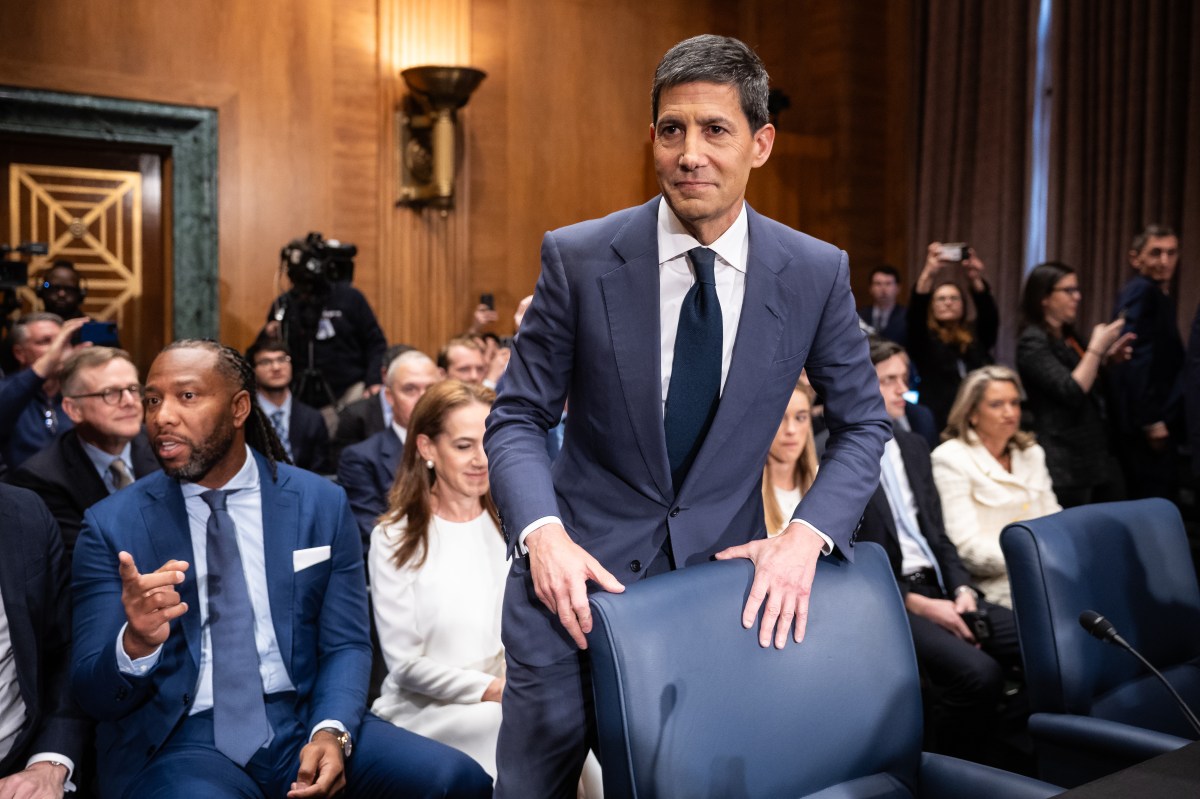
The U.S. Senate advanced President Donald Trump’s nominee Kevin Warsh for the Federal Reserve in a 49-44 vote. Two Democratic senators joined Republicans to support the nomination, moving Warsh closer to replacing Fed Chair Jerome Powell.
Key Facts
The Senate voted 49-44 to advance Kevin Warsh’s nomination to the Federal Reserve.
Two Democrats, John Fetterman and Chris Coons, joined Republicans in support.
This vote was a procedural step before the final confirmation.
Kevin Warsh previously served as a Federal Reserve governor from 2006 to 2011.
Warsh is expected to replace current Fed Chair Jerome Powell when his term ends.
The nomination raises questions about the Federal Reserve’s independence and future interest rate policies.
The Federal Reserve controls monetary policy that affects borrowing costs, inflation, and the U.S. economy.
Final confirmation votes are expected in the coming days.
Read the Original
Want the full story? Tap a source to open the original
article.
Nebraska Democrats are holding primaries to choose candidates for important House and Senate races. The outcomes are key because winning the second congressional district could affect how Nebraska’s electoral votes are awarded, and the Senate race features an independent candidate as the main challenger to the Republican incumbent.
Key Facts
Nebraska uses a unique system where each congressional district awards one electoral college vote, unlike most states that give all votes to the statewide winner.
The second congressional district, including Omaha, is considered a chance for Democrats to pick up a House seat.
Republican Don Bacon, who held the second district seat, is not running again, opening the race to new candidates.
Six Democrats are running in the second district primary; John Cavanaugh, Denise Powell, and Crystal Rhoades are the leading contenders.
If Cavanaugh wins, the Republican governor could appoint a replacement for him in the state senate, potentially changing the electoral vote outcome.
Republicans have tried but failed to change Nebraska’s electoral vote system to a winner-take-all method.
In the Senate race, Democrats’ main hope is independent Dan Osborn, who previously lost narrowly to the Republican incumbent.
Two Democrats, Cindy Burbank and William Forbes, are running in the Senate primary, but Burbank plans to drop out if she wins to support Osborn against the Republican candidate.
Read the Original
Want the full story? Tap a source to open the original
article.
U.S. consumer prices rose sharply in April 2025, mainly due to higher gasoline costs linked to the ongoing war with Iran. Gasoline prices increased by more than 28% over the past year, causing overall inflation to reach its highest level in three years.
Key Facts
Consumer prices in the U.S. rose 3.8% from April 2024 to April 2025.
This 3.8% increase is the largest yearly jump in inflation in three years.
From March to April 2025, prices rose 0.6%, driven by a 5.4% increase in gasoline prices.
Gasoline prices have risen by more than 28% compared to the same time last year.
The average price for a gallon of regular gasoline is over $4.50, about 44% higher than last year.
The inflation rise follows the start of a 10-week war involving Iran.
The higher gasoline prices are contributing significantly to the rising cost of living for Americans.
Read the Original
Want the full story? Tap a source to open the original
article.
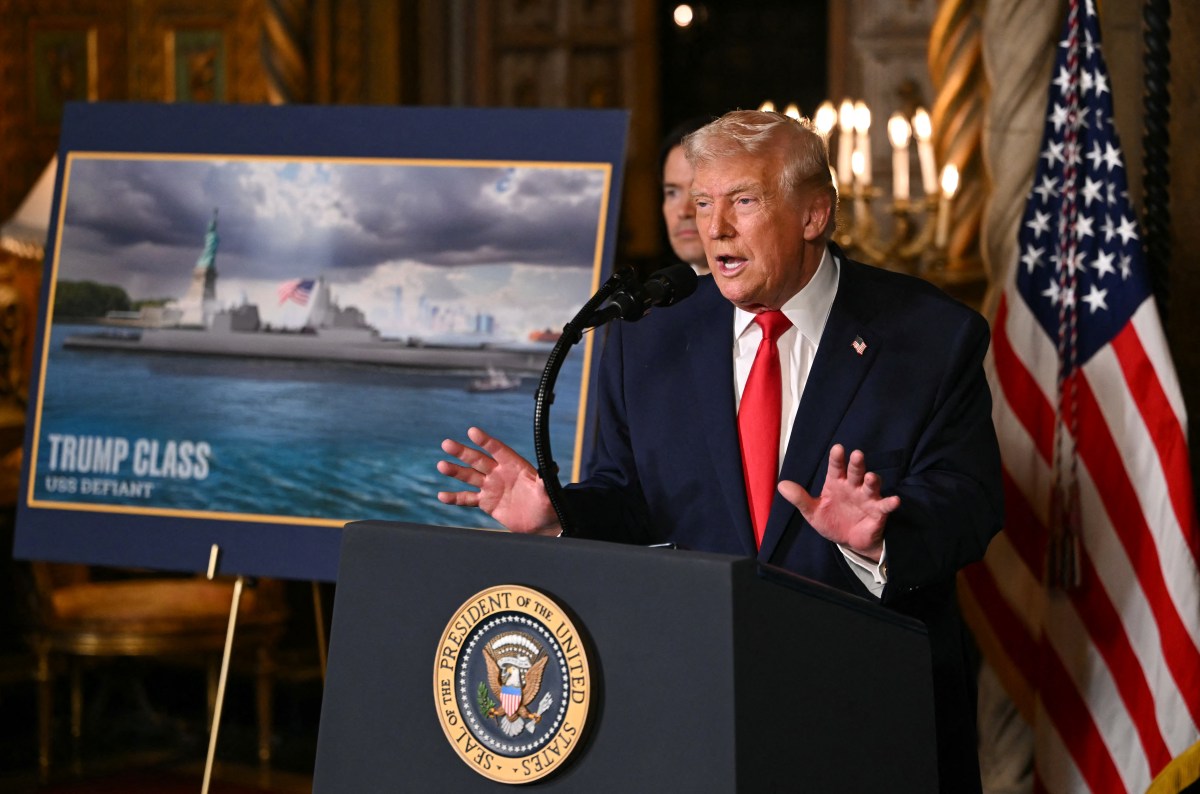
President Donald Trump has proposed a new class of Navy warships called the "Trump-class" Guided Missile Battleships (BBG(X)). These ships could cost around $17.5 billion each, making them the most expensive surface combat ships ever built by the United States. The Navy plans to start building the first ship, named USS Defiant, in fiscal year 2028.
Key Facts
The proposed "Trump-class" battleships are part of President Trump’s "Golden Fleet" naval expansion plan.
Each ship could cost about $17.47 billion, which is more than the $13.3 billion USS Gerald R. Ford aircraft carrier.
The Navy requested $1 billion in funding for early work on the first ship in fiscal year 2027.
An additional $16.47 billion is planned to be spent in fiscal year 2028 to build the first vessel.
These ships will have advanced combat systems, including long-range missile launchers and directed-energy weapons for defense against attacks.
They are designed as next-generation surface combatants using technology based on existing Arleigh Burke-class destroyers.
Traditional battleships were large warships with heavy guns used mainly during World War II; they were retired in the 1990s as new naval technology emerged.
The new ships will be developed in cooperation between the Navy and private companies to speed up design and construction.
Read the Original
Want the full story? Tap a source to open the original
article.
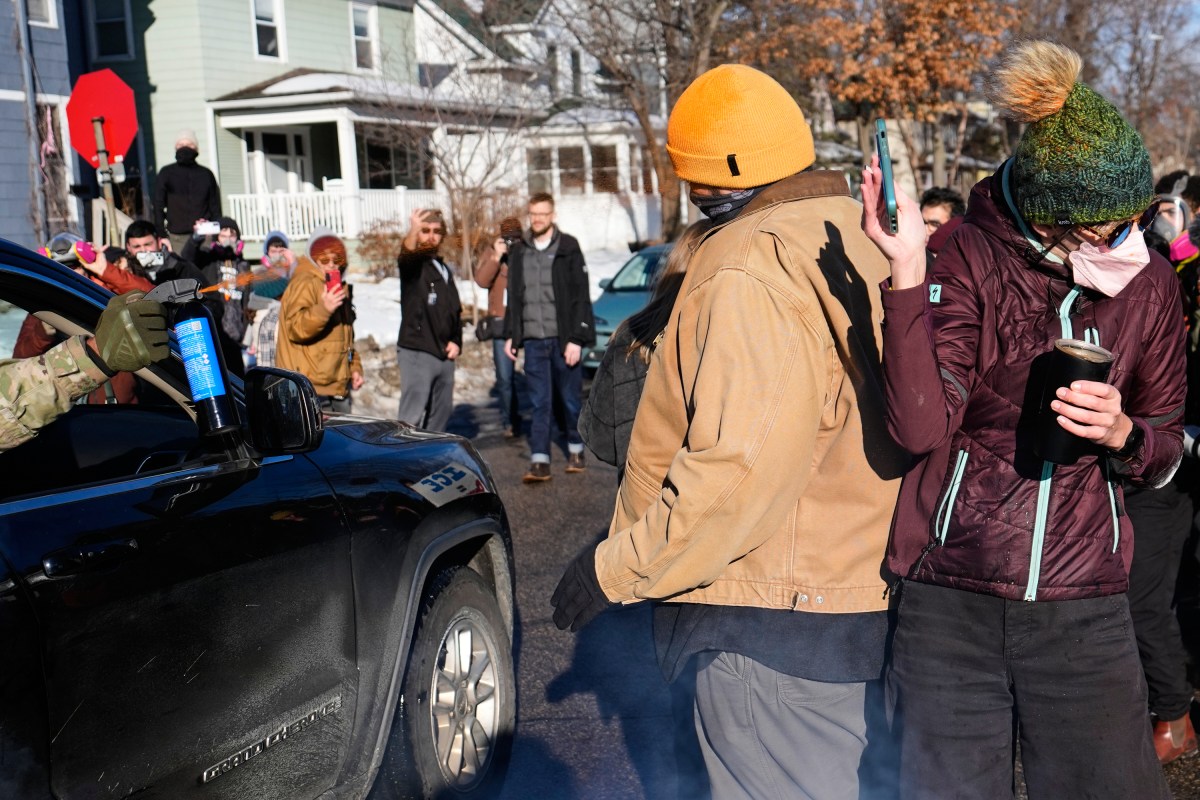
Federal law enforcement agencies used several types of crowd control weapons during protests against immigration enforcement in U.S. cities like Los Angeles and Minneapolis in 2025 and 2026. A report by Physicians for Human Rights detailed the use of impact projectiles, chemical rounds, and dispersal devices, highlighting potential risks to protesters and bystanders.
Key Facts
Law enforcement used kinetic projectiles, chemical rounds, and obscurant devices to manage immigration protests.
These weapons were used in multiple protests after immigration raids and ICE-related shootings.
The Los Angeles Police Department employed scattershot impact projectiles, which fire multiple projectiles at once and are hard to aim precisely.
Powder blast dispersion rounds, firing irritant clouds like tear gas and pepper agents, were used by U.S. Border Patrol and ICE.
These crowd control tools are classified as “less-lethal” but can still cause serious injuries, especially close-up.
The use of these weapons raises concerns about public safety and oversight across different agencies.
The report is based on medical records and open-source investigations from protests in 2025 and 2026.
Deployment of these weapons during immigration enforcement protests has sparked debate about how law enforcement is managed and held accountable.
Read the Original
Want the full story? Tap a source to open the original
article.
The Senate confirmed Kevin Warsh as a Federal Reserve governor with a 51-45 vote, moving him closer to becoming the Fed's chair. President Trump supports Warsh to replace Jerome Powell as the central bank's leader, and a separate vote on Warsh's chairmanship is expected soon.
Key Facts
Kevin Warsh was confirmed by the Senate to a 14-year term as a Fed governor.
A separate Senate vote will decide if Warsh becomes chair of the Federal Reserve.
Warsh would replace Jerome Powell, whose term as Fed chair ends soon.
Warsh previously served as a Fed governor during the global financial crisis.
He has criticized some Fed policies and indicated he may support lowering interest rates.
President Trump has pushed for Fed rate cuts and criticized Powell’s approach.
Senate Republicans delayed Fed confirmations due to a criminal probe of Powell, but the investigation is expected to end.
Warsh promised to keep the Fed’s interest rate decisions independent of political influence.
Read the Original
Want the full story? Tap a source to open the original
article.
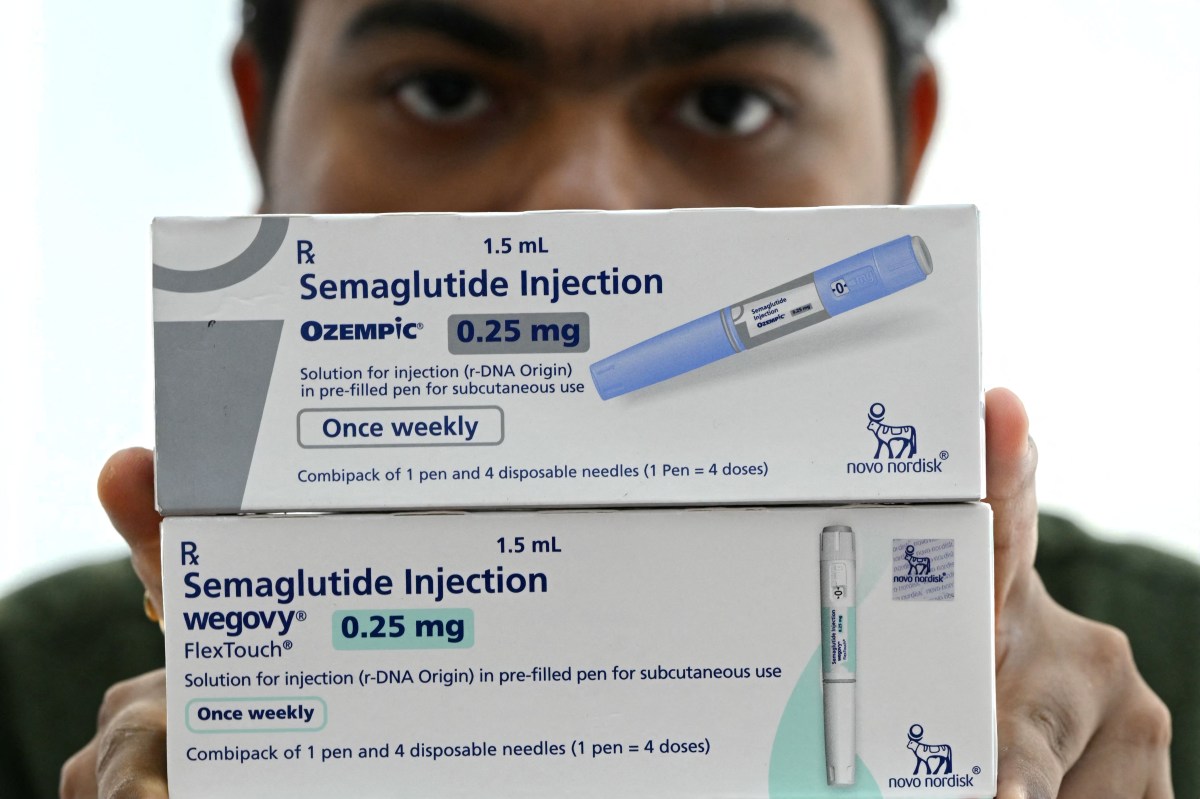
Medicare will start an 18-month pilot program allowing seniors with Medicare Part D to pay $50 a month for certain weight-loss drugs called GLP-1 medications. This program, announced by President Donald Trump and CMS, aims to make these drugs more affordable and gather information on their use and costs to decide on future coverage.
Key Facts
The pilot program begins July 1 and lasts 18 months, ending next year.
It lowers out-of-pocket costs for GLP-1 weight-loss drugs, like Wegovy, from about $1,000 to $50 per month.
Medicare previously did not broadly cover these drugs when prescribed only for obesity.
The program applies to Medicare Part D beneficiaries who get prior approval from their doctor.
Participants usually must have a body mass index (BMI) of 27 or higher, or lower with related health conditions.
GLP-1 drugs have been linked to weight loss and may reduce obesity-related diseases.
The program will help CMS decide if these drugs should be permanently covered by Medicare by 2028.
Experts caution that long-term effects and economic impact of wider drug use are still uncertain.
Read the Original
Want the full story? Tap a source to open the original
article.
A 22-foot golden statue of President Donald Trump was unveiled at Trump National Doral Miami, causing debate among religious scholars and observers. Some see the statue as a symbol of honor and resilience, while others compare it to the biblical "golden calf," an idol forbidden by the Ten Commandments.
Key Facts
The statue is called "Don Colossus" and shows President Trump with a raised fist.
It was unveiled by Pastor Mark Burns, who said it represents honor, gratitude, and remembrance, not worship.
Burns mentioned the statue shows the "hand of God" over Trump's life, referencing three past assassination attempts.
Some religious figures compare the statue to the golden calf idol from the Bible’s Book of Exodus.
Reverend Benjamin Cremer criticized the statue, saying spending on it contrasts with ignoring needs like feeding hungry kids and helping the poor.
Marshall Cunningham, a Bible teacher, said the statue fits the biblical warning against worshipping idols and suggested it reflects Trump’s focus on his legacy.
The golden calf story involves Israelites building a gold idol during Moses' absence, which was against God’s commands.
Read the Original
Want the full story? Tap a source to open the original
article.
Vice President Vance will visit Bangor, Maine, to support the ongoing Senate race between Senator Susan Collins and Democratic candidate Graham Platner. He will speak about the Trump administration’s actions and policies during his visit.
Key Facts
Vice President Vance is visiting Bangor, Maine, on Thursday.
The visit is related to the Senate race in Maine.
Incumbent Senator Susan Collins is the Republican candidate.
Graham Platner is the likely Democratic nominee.
Vance will talk about the Trump administration’s efforts.
Bangor is the third-largest city in Maine.
The visit is part of the political campaign activities ahead of the Senate election.
Read the Original
Want the full story? Tap a source to open the original
article.
Senator Mitch McConnell questioned Defense Secretary Pete Hegseth about the Trump administration’s uncertain plan to fund important parts of the Pentagon’s $1.5 billion budget request. McConnell also raised concerns that these plans could harm relations with U.S. allies during ongoing global conflicts.
Key Facts
Mitch McConnell is the Chair of the Senate Appropriations defense subcommittee.
He questioned Pete Hegseth, the Defense Secretary under President Trump.
The focus was on funding key parts of the Pentagon’s $1.5 billion budget request.
Some Pentagon programs were highlighted as crucial, including one called the Golden Dome.
McConnell criticized the funding plan as uncertain or tenuous.
He expressed worry that the administration’s approach could alienate U.S. allies overseas.
The concerns come amid several major world conflicts involving the United States and its partners.
The discussion reflects tensions on how the Pentagon’s budget is managed under President Trump’s administration.
Read the Original
Want the full story? Tap a source to open the original
article.
The Pentagon reported that the US-Israel war with Iran has cost $29 billion, an increase from an earlier estimate of $25 billion. Pentagon officials said the US has enough weapons supplies and plans to either escalate or reduce fighting if needed, while President Trump rejected a new ceasefire offer from Iran.
Key Facts
The new war cost estimate is $29 billion, up from $25 billion reported in April.
The increase comes from updated equipment repair and operational costs.
Fighting has mostly paused since April 8, with occasional flare-ups.
Pentagon officials say the US has enough munitions to continue the conflict if needed.
President Trump called the current pause in fighting “unbelievably weak” and rejected Iran’s ceasefire proposal.
Plans exist to either escalate or de-escalate the war depending on the situation.
The war and its economic effects are unpopular in the US and may impact the November midterm elections.
The Pentagon is focused on responding to China’s growing influence as a top priority.
Read the Original
Want the full story? Tap a source to open the original
article.
The White House is explaining its $1 billion plan to renovate the East Wing by giving detailed information to Senate Republicans. The funding aims to improve security at the White House and protect people during important events, not just to build a new ballroom.
Key Facts
The White House will present a detailed breakdown of the $1 billion East Wing project to Senate Republicans.
The plan includes many new security upgrades, such as bulletproof glass and drone detection systems.
$220 million is for increasing security at the White House complex.
$180 million will build a new visitor security screening area.
$175 million will go to training Secret Service agents for current threats.
Another $175 million will improve protection for individuals guarded by the Secret Service.
$150 million will target new threats like drones and biological dangers with advanced technology.
$100 million is set aside for security at high-profile national events.
The funding is part of a larger budget plan that also supports ICE and Border Patrol.
Read the Original
Want the full story? Tap a source to open the original
article.
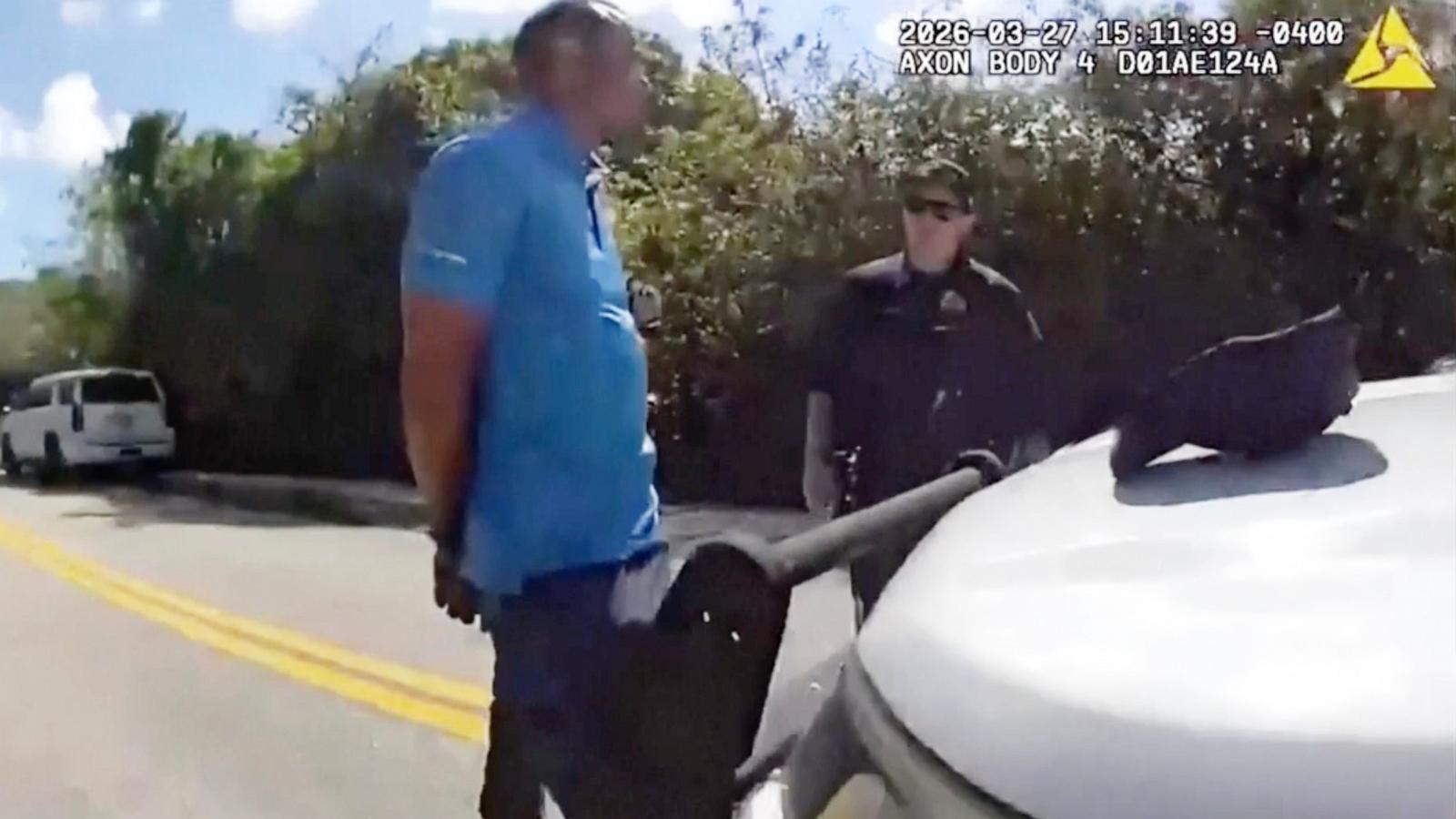
A judge allowed prosecutors to access Tiger Woods' medication records in his DUI case following a March car crash in Florida. Woods pleaded not guilty to driving under the influence with property damage and refusal to take a urine test while no one was hurt in the accident.
Key Facts
Tiger Woods was involved in a rollover crash on March 27, 2026, in Jupiter Island, Florida.
No one was injured in the accident.
Woods pleaded not guilty to driving under the influence with property damage and refusal to submit to a lawful drug test.
Prosecutors were granted access to Woods' medication records by a judge.
A protective order limits access to these records to relevant people in the case, protecting Woods' privacy.
Woods tried to pass a truck, clipped its trailer, causing his SUV to tip over.
Two hydrocodone pills were found in Woods' pants pocket.
Woods' breathalyzer test showed no alcohol, but he refused the urine test that detects drugs or medication.
Read the Original
Want the full story? Tap a source to open the original
article.