Neutral summaries of your favorite news sources — just the facts.
Your favorite news sources, one neutral feed — we distill their reporting into fact-first
summaries and always link to the original story. How it works
US News
Latest developments and key stories from across the United States
The Trump administration has claimed that no one crosses the southern border illegally, but law enforcement data shows many people still cross and avoid arrest. Border officials say smuggling continues and the border is not fully secure despite improvements.
Key Facts
The Southeastern Arizona Border Region Enforcement (SABRE) program tracks 200 to 300 illegal crossers per month with about 33% caught.
About 200 Border Patrol agents were moved to Texas to handle more people crossing without being caught, called "gotaways."
Arrests increased in several border sectors like Laredo, Del Rio, and Tucson compared to last year.
In March, roughly 8,000 people tried to cross illegally, a 15% increase from the previous March.
In fiscal year 2025, about 70,000 gotaways were reported, but detailed data is limited.
Trump administration officials have publicly said illegal crossings are zero or the border is closed, statements challenged by recent data.
The current White House says the border is the most secure it’s been but admits more work is needed.
Some experts warn that calling the border fully secure is misleading and could give a false sense of safety.
Read the Original
Want the full story? Tap a source to open the original
article.
The Department of Justice, under President Donald Trump's administration, is increasing efforts to cancel the citizenship of some naturalized Americans who allegedly obtained it fraudulently. This includes people accused of crimes, using false identities, or having links to terrorist groups.
Key Facts
The DOJ is seeking to revoke citizenship from 12 foreign-born Americans accused of fraud or serious crimes.
This action marks a major increase in denaturalization efforts compared to previous years.
Denaturalization applies only to naturalized citizens, not those born in the U.S.
The individuals targeted include people from 11 countries such as Bolivia, China, Colombia, and Morocco.
Some accused include a priest convicted of sexual assault, a man linked to al Qaeda, and a former police officer linked to war crimes.
Denaturalization can result from lying during the citizenship process or membership in banned groups like terrorists.
The DOJ has removed citizenship from 15 people so far in 2025, with 22 denaturalization cases filed.
Legal denaturalization requires a federal court order, either through civil or criminal cases.
Read the Original
Want the full story? Tap a source to open the original
article.
President Donald Trump’s administration is planning major changes to the Federal Emergency Management Agency (FEMA), aiming to reduce federal disaster spending and move more responsibility to state and local governments. A council appointed by President Trump recommended that FEMA take a smaller, supporting role in disaster response amid growing concerns about the increasing impact of extreme weather caused by climate change.
Key Facts
President Trump criticized FEMA as too expensive and ineffective, making agency changes a priority in his second term.
A FEMA Review Council released a report recommending that disaster response be led locally and at state or tribal levels, with the federal government in a support role.
The council’s report suggests stricter rules for getting federal disaster aid and limits on financial assistance to affected residents.
Experts warn these changes may weaken the nation’s ability to respond to disasters as climate change increases extreme weather events.
Small local governments often lack the resources and expertise to manage disaster responses without federal help.
The report proposes 150 actions to redefine FEMA’s role and reduce federal spending on disaster declarations and aid.
Critics say the reforms overlook the growing challenges faced by emergency management systems.
The committee is led by Homeland Security Secretary Markwayne Mullin and Defense Secretary Pete Hegseth.
Read the Original
Want the full story? Tap a source to open the original
article.
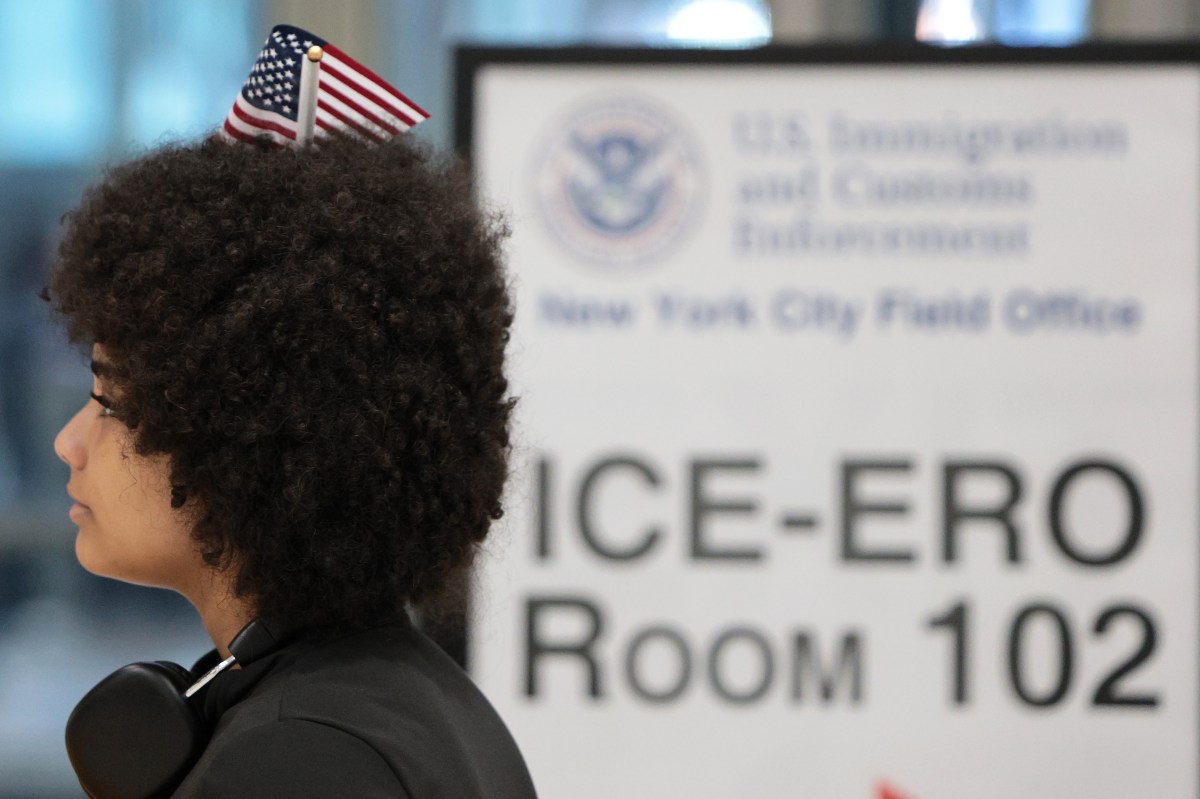
Tucson city council voted to restrict immigration enforcement by ICE agents on city property without a warrant, following incidents of fatal shootings by immigration agents. This move challenges state laws in Arizona, where the Republican-controlled legislature opposes such local restrictions despite the city’s Democratic leadership and progressive policies.
Key Facts
Tucson city council unanimously voted to block ICE agents from using city property for enforcement without a judge-signed warrant.
The vote came soon after a fatal shooting of Renee Good by an immigration agent in Minneapolis.
Other cities in Democratic-majority states have made similar moves, but conservative states like Arizona have laws limiting such actions.
Arizona has a Democratic governor and U.S. senators, but a Republican-controlled state legislature that can challenge Tucson’s policies.
Tucson is a progressive city with about 550,000 residents and often votes more Democratic than other parts of Arizona.
Mayor Regina Romero, elected in 2019, is Tucson’s first woman and first Hispanic mayor.
The city is close to the US-Mexico border and relies economically on trade and visitors from Mexico.
Local opposition to Trump-era immigration policies and tariffs reflects the city’s economic dependence on cross-border relations.
Read the Original
Want the full story? Tap a source to open the original
article.
Maralee Lellio was diagnosed with Stage II breast cancer at 29 and underwent chemotherapy and surgery. After treatment, her cancer returned as terminal Stage IV with a brain tumor, but a new medication helped shrink the tumor, giving her hope to live and pursue having another child.
Key Facts
Maralee Lellio was first diagnosed with Stage II breast cancer at age 29.
She received chemotherapy and had a double mastectomy.
After finishing treatment and becoming cancer-free, her cancer returned as Stage IV and spread to her brain.
Stage IV breast cancer is usually incurable, and survival rates are low.
Lellio had surgery and radiation but suffered severe side effects like seizures and difficulty walking.
Her husband encouraged her to keep fighting, inspiring a more hopeful outlook.
At the Cleveland Clinic, her oncologist prescribed a PARP inhibitor, a new drug that stops certain cancer cells from repairing themselves.
The brain tumor shrank significantly with this treatment, giving Lellio improved chances and hope for the future.
Read the Original
Want the full story? Tap a source to open the original
article.
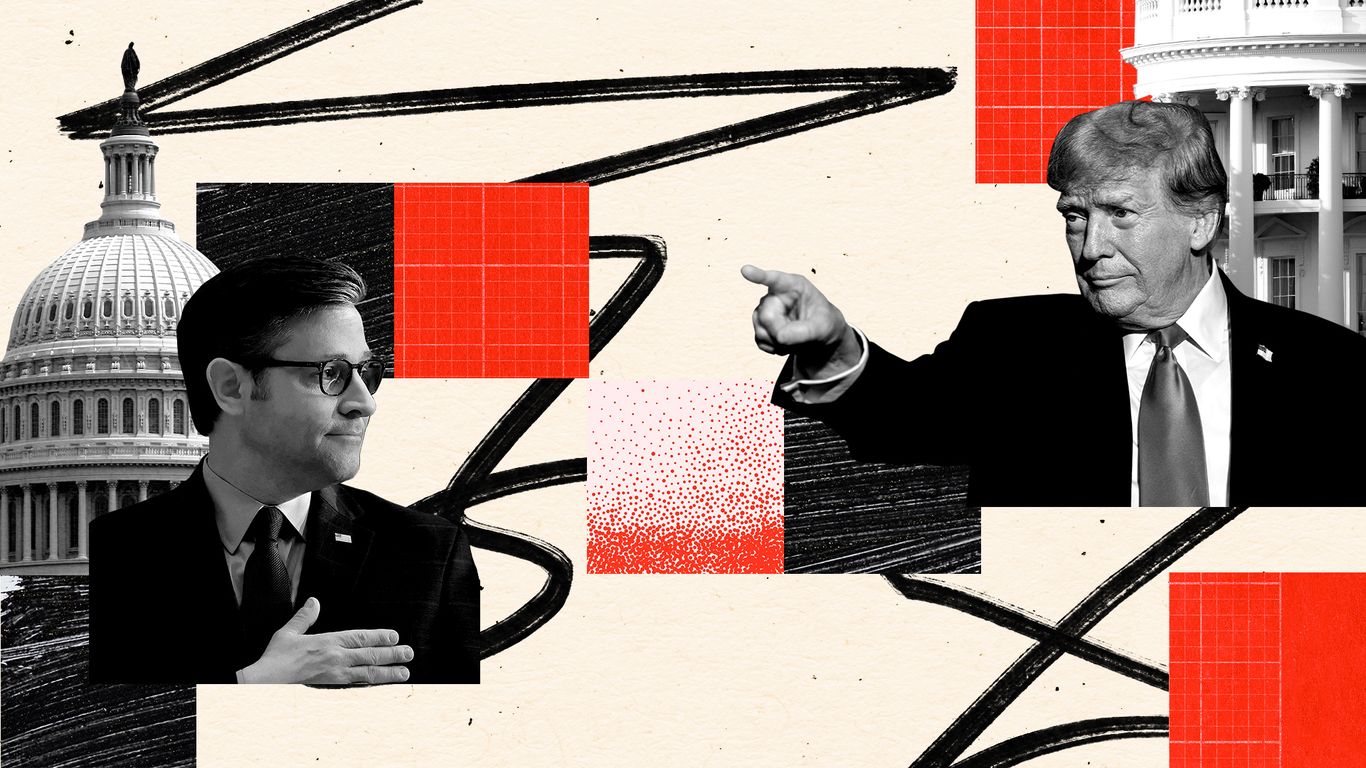
President Trump is actively shaping Republican primary races by endorsing certain candidates and asking others to drop out. His goal is to avoid costly primaries that could weaken the party before the midterm elections and help keep Republican control of Congress.
Key Facts
Trump has endorsed 95% of the 217 Republican House members, including 43 candidates in competitive races.
He endorsed nearly two-thirds of Republican Senate candidates running this year.
Trump asked Kentucky Senate candidate Nate Morris to drop out and later offered him an ambassadorship.
Trump pressured candidates like Hope Scheppelman and Bill Huizenga to step aside for stronger contenders.
Some Trump-backed endorsements have caused disagreements among MAGA supporters.
Trump chose not to intervene in the expensive Texas Senate primary between John Cornyn and Ken Paxton.
Trump began playing an active role in primaries soon after taking office in 2023 to protect vulnerable incumbents.
Republican strategists credit Trump’s early involvement with improving the party’s chances in tough races.
Read the Original
Want the full story? Tap a source to open the original
article.
The Trump administration released a 16-page counterterrorism strategy led by Sebastian Gorka, which targets various groups including cartels, jihadists, and some political extremists. The document has faced criticism for lacking detailed plans, targeting specific groups like transgender people, ignoring far-right violence, and using aggressive language toward political opponents.
Key Facts
The strategy was introduced by Sebastian Gorka, President Trump’s counterterrorism official.
It labels three main terror threats: narcoterrorists and gangs, Islamist terrorists, and violent left-wing extremists.
The memo does not mention far-right or white supremacist violence despite its role in political violence.
It singles out “radically pro-transgender” and “anti-American” ideologies for “neutralization.”
The document claims immigration has made Europe a center for terrorism and urges allies to stop its decline.
Critics say the memo uses strong partisan language and lacks clear plans to counterterrorism threats.
It promises to use all legal tools to monitor and disrupt left-wing groups like Antifa.
Human rights groups warn the strategy promotes state violence and political repression, risking civil rights abuses.
Read the Original
Want the full story? Tap a source to open the original
article.
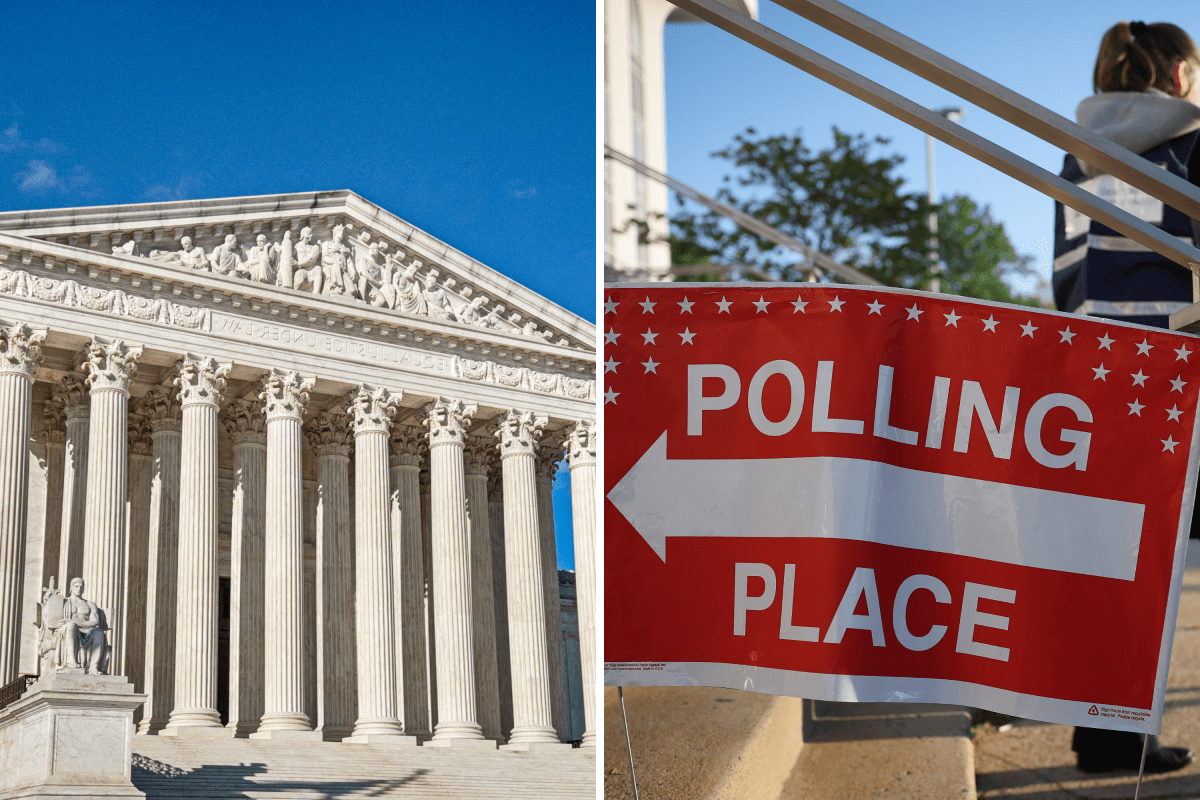
The Supreme Court recently weakened the Voting Rights Act, which was designed to stop racial discrimination in voting. Civil rights activists say this decision harms the efforts made for decades to protect minority voters' rights.
Key Facts
The Supreme Court's ruling in Louisiana v. Callais removed part of the Voting Rights Act that prevented racial discrimination in voting.
This change allowed some states, like Tennessee, to redraw voting districts and reduce Black political representation.
Historically, voting rights in the U.S. were limited to white male landowners until after the Civil War.
The 15th Amendment gave Black men the right to vote, but Southern states used violence and unfair tests to block them.
Major civil rights leaders and activists faced violence and death fighting for voting rights.
The 1965 Bloody Sunday event in Selma helped lead to the Voting Rights Act, which banned practices like literacy tests and poll taxes.
Activists say the recent court decision undermines the progress made in the civil rights movement to secure voting rights for Black Americans.
Read the Original
Want the full story? Tap a source to open the original
article.
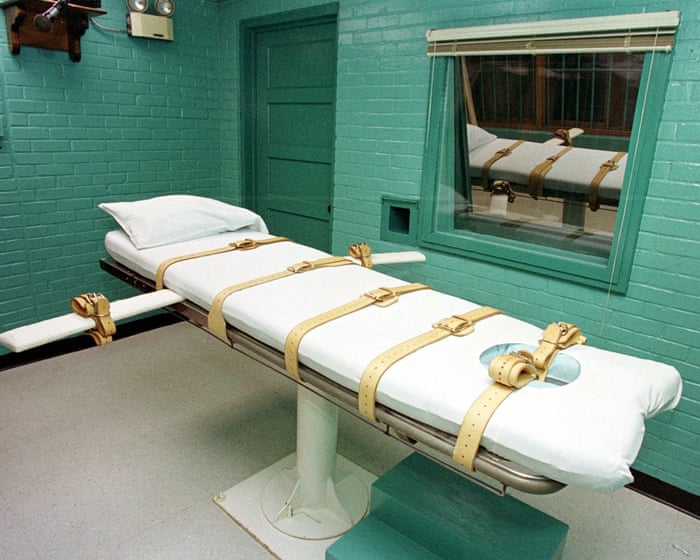
The US Supreme Court will decide the case Hamm v. Smith, which could change how people with intellectual disabilities are treated in death penalty cases. Alabama wants the court to allow executions if any IQ test score is above 70, even if other evidence shows intellectual disability.
Key Facts
Joseph Smith, the defendant in Hamm v. Smith, has IQ scores between 72 and 78, suggesting intellectual disability.
A federal court ruled Smith is intellectually disabled and therefore cannot be executed under the 2002 Atkins Supreme Court decision.
Alabama argues that if any IQ score is above 70, a person should not be considered intellectually disabled for death penalty cases.
The Atkins ruling prohibits executing people with intellectual disabilities.
The Supreme Court previously rejected strict IQ cutoffs or non-clinical methods to determine intellectual disability in death penalty cases.
If the Supreme Court sides with Alabama, more people with intellectual disabilities could face execution.
People with intellectual disabilities are more common on death row and often face challenges like false confessions or poor legal help.
Edward Busby Jr. is scheduled for execution in Texas despite experts agreeing he is intellectually disabled.
Read the Original
Want the full story? Tap a source to open the original
article.
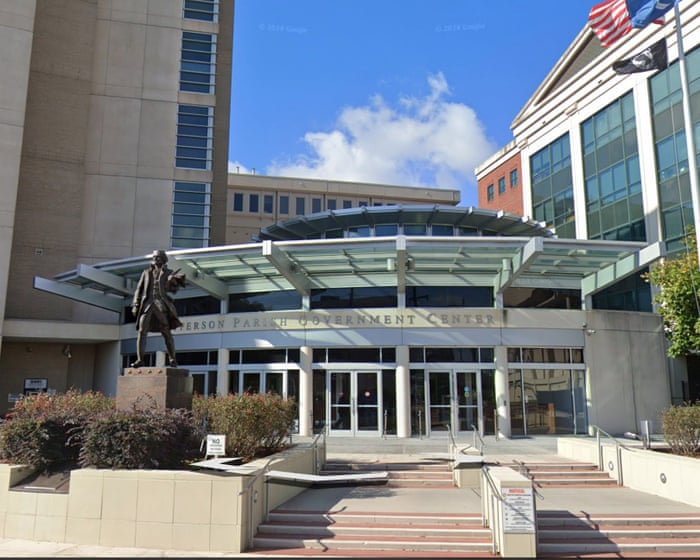
A New Orleans-area pastor, Terry Reed, was found guilty of sexually abusing two teenage boys. Prosecutors said Reed used religious teachings to justify his crimes, and he faces prison time after a quick jury decision.
Key Facts
Terry Reed, 66, was convicted of sexually abusing two boys who lived with him as teens.
One victim moved in with Reed at age 16 in 2021 and reported the abuse, leading to Reed’s 2023 arrest.
The second victim came forward saying he was abused after moving in with Reed in 2011 at age 16.
Reed was charged with third-degree rape and molestation of a juvenile.
He had two prior convictions for similar offenses in 1997 and 2017, for which he received probation.
Reed claimed he was celibate for 10 years and that sex with the victims happened after they were 17, Louisiana’s age of consent.
The jury found Reed guilty in less than an hour on May 6.
Reed faces up to 25 years in prison for rape and 5 to 40 years for molestation.
Reed’s sentencing is scheduled for June 18 before a Jefferson Parish judge.
In 2002, two boys died by electrocution in a hot tub at Reed’s home, but authorities could not determine if it was a crime.
Read the Original
Want the full story? Tap a source to open the original
article.
A new mother shares her experience of feeling rejected by her own mother, who showed little interest in her grandchild. Despite this, the mother learns important lessons about parenting and love from the way her mother cared for her garden.
Key Facts
The author’s mother declined to hold her newborn granddaughter, causing emotional pain for the author.
The mother did not ask about the baby or her childbirth experience and often focused conversations on her own life.
The author attended a support group where she was introduced to the idea that her mother might be narcissistic.
The mother was critical of the author’s appearance and seemed self-centered but was also the author’s historic caregiver and gardener.
The author remembers her mother’s dedication to gardening, including daily care and composting to nourish plants.
Gardening was a metaphor for parenting lessons: enriching, nurturing, and adjusting care to promote growth.
The author sees her mother’s gardening as a form of love teaching her how to care for her daughter despite emotional distance.
Read the Original
Want the full story? Tap a source to open the original
article.
American passengers on a cruise ship with a hantavirus outbreak will be flown to a military base in Nebraska for quarantine and health monitoring. The outbreak has caused five cases and three deaths, but officials, including President Donald Trump, say the risk to the public is very low and the situation is under control.
Key Facts
The outbreak involves the Andes strain of hantavirus, which can spread between people.
The cruise ship MV Hondius had five confirmed hantavirus cases, including three deaths.
About 17 Americans remain on the ship, which will dock in Spain’s Canary Islands on May 10.
US passengers will be transported by government medical flights to Offutt Air Force Base in Nebraska.
Passengers will be quarantined at the National Quarantine Center at the University of Nebraska Medical Center.
CDC teams are on site in the Canary Islands and Nebraska to assess and monitor health risks.
Five US states (Georgia, Texas, Arizona, Virginia, and California) are monitoring people who were on the ship.
The CDC has declared this situation a Level 3 emergency, its lowest level of response.
Read the Original
Want the full story? Tap a source to open the original
article.
Prime Minister Keir Starmer has appointed former Prime Minister Gordon Brown and former Deputy Leader Harriet Harman as unpaid advisers to help address Labour's recent election losses. Brown will focus on international finance partnerships related to defense, while Harman will advise on issues concerning women and girls. Labour faces calls from some MPs for Starmer to resign, but others defend him and want to avoid ongoing leadership disputes.
Key Facts
Keir Starmer appointed Gordon Brown as adviser on global finance to help with defense investments.
Harriet Harman will advise Starmer on women’s issues, including violence and economic opportunities.
Both roles are part-time and unpaid but signal Starmer’s effort to show strong leadership.
Labour lost over 1,400 council seats in England and lost power in Wales for the first time.
The party also lost seats in Scotland and saw voters shift to Reform UK and the Greens.
Some Labour MPs want Starmer to set a timetable for stepping down as leader within months.
Other Labour figures, like Deputy Leader Lucy Powell and Harriet Harman, support Starmer staying on.
Starmer plans to give a speech calling for closer ties with the EU as part of a premiership relaunch.
Read the Original
Want the full story? Tap a source to open the original
article.
President Donald Trump is planning to fire Marty Makary, the head of the US Food and Drug Administration (FDA), after several controversial decisions and political conflicts harmed the agency’s reputation and staff morale. The FDA has faced criticism for pulling back research on vaccine safety, approving flavored vaping products under pressure, and showing instability, which has led to a drop in public trust.
Key Facts
President Trump is considering firing FDA commissioner Marty Makary due to controversial decisions and political clashes.
Makary’s time at the FDA involved disputes over vaccines, drugs, abortion, and vaping policies.
The FDA delayed or blocked research publications supporting the safety of Covid and shingles vaccines.
Trump pressured the FDA to approve fruit-flavored vapes, which were otherwise halted by agency scientists.
The FDA’s reputation for stability and predictability has declined sharply, damaging public trust.
Internal FDA staff morale has fallen due to layoffs and controversial leadership choices.
Experts warn that political interference in FDA decisions risks public health and trust.
The agency’s recent actions reflect a pattern of leadership overriding expert advice.
Read the Original
Want the full story? Tap a source to open the original
article.
Republicans are gaining an advantage in the U.S. House of Representatives after recent court rulings and redistricting efforts favored their party. Democrats have faced several legal setbacks over new voting maps, making it harder for them to regain control of the House.
Key Facts
Democrats lost three key redistricting battles in 12 days, weakening their chances to win the House.
Virginia’s Supreme Court struck down new district maps that favored Democrats, giving Republicans a clearer edge.
Florida’s Governor Ron DeSantis released new maps increasing Republican seats from 12 to 16.
The U.S. Supreme Court’s weakening of parts of the Voting Rights Act may add 4-5 Republican seats in the South.
Democrats have spent $65 million on redistricting efforts that have not succeeded.
Despite setbacks, some Democrats feel confident about winning in certain districts in the November 2024 elections.
Democratic candidates have done well recently in special elections, often outperforming past results.
Republicans express optimism and credit court decisions with their growing momentum ahead of the elections.
Read the Original
Want the full story? Tap a source to open the original
article.
The Virginia Supreme Court canceled a new congressional map that would have helped Democrats gain more seats in the House of Representatives. This decision reduces Democrats’ chances of winning a bigger majority in the upcoming midterm elections.
Key Facts
The Virginia Supreme Court made the decision on a Friday.
The court threw out a redistricting referendum.
The new map was designed to increase Democratic seats from 6-5 to 10-1.
The ruling removes the expected advantage Democrats would have gained.
The ruling does not completely end Democrats’ chances to flip the House.
Redistricting is the process of redrawing voting district boundaries.
The midterm elections will take place later this year.
The decision affects political strategies in Virginia and possibly nationally.
Read the Original
Want the full story? Tap a source to open the original
article.
A federal court struck down a 10 percent tariff that President Donald Trump had placed on many imports entering the United States. This decision affects Trump's efforts to enforce his trade policies. It also raises questions about how he will respond to this setback.
Key Facts
President Donald Trump imposed a 10 percent tariff on many imported goods.
A federal court recently ruled that this tariff is not legal.
This tariff was meant to replace an earlier tariff that was also removed by the courts.
The court decision challenges President Trump's trade agenda.
It is unclear what steps President Trump will take next regarding these tariffs.
Tariffs are taxes added to imported goods, used to protect domestic businesses or respond to trade disputes.
Read the Original
Want the full story? Tap a source to open the original
article.
President Donald Trump is trying to maintain a partial peace with Iran while working toward a permanent agreement to end a war that started 10 weeks ago. He and his top advisers have been cautious and unclear about when or how a ceasefire might happen.
Key Facts
President Trump began the war with Iran 10 weeks ago.
He is currently seeking a lasting peace deal to end the conflict.
Trump and his administration are trying to keep an unstable partial peace with Iran.
There is uncertainty about when a formal ceasefire will be declared.
Senior officials in the Trump administration have been involved in managing the situation.
The approach to peace talks involves careful and complex negotiations.
The situation is described as having “crashing crosscurrents,” meaning conflicting pressures and difficulties.
Read the Original
Want the full story? Tap a source to open the original
article.
The White House is working to update its approach to artificial intelligence (AI) as new, stronger AI models emerge. President Trump’s administration has so far supported innovation with few rules, focusing on keeping the U.S. competitive in AI technology.
Key Facts
The White House is reconsidering its AI policies due to rapid advances in AI technology.
President Trump began his second term with a focus on encouraging AI innovation.
The administration prefers fewer regulations on AI to support U.S. competition worldwide.
New AI models are pushing officials to rethink safety and control measures.
Discussions about AI rules involve both the White House and Congress.
Read the Original
Want the full story? Tap a source to open the original
article.
Virginia’s highest court rejected a voter-approved redistricting plan because the process did not follow state constitutional rules. Democrats plan to appeal the decision to the U.S. Supreme Court as it affects control of Virginia’s congressional map ahead of the 2026 elections.
Key Facts
Virginia’s Supreme Court struck down a redistricting measure approved by voters in April.
The court ruled the legislature violated the state constitution by not following required steps before submitting the amendment to voters.
The legal dispute centers on when an "election" occurs for constitutional sequencing of votes, including early voting.
The current congressional map remains in place, keeping a narrow 6–5 Democratic advantage.
Democrats want the U.S. Supreme Court to review the case, citing a dissenting opinion about how elections are defined.
Republicans, including President Donald Trump, called the ruling a major win for their efforts to maintain control.
The ruling affects the political landscape and could influence control of U.S. House seats in Virginia in 2026.
The path to the Supreme Court is difficult because the issue involves state constitutional interpretation, which courts often avoid.
Read the Original
Want the full story? Tap a source to open the original
article.