Neutral summaries of your favorite news sources — just the facts.
Your favorite news sources, one neutral feed — we distill their reporting into fact-first
summaries and always link to the original story. How it works
US News
Latest developments and key stories from across the United States
The 15th anniversary of the Navy SEAL raid that killed Osama bin Laden received very little attention from American leaders and the media. Unlike in 2011, when bin Laden’s death united much of the country, today’s America is more divided, and few national figures acknowledged the anniversary.
Key Facts
The raid that killed Osama bin Laden happened on May 2, 2011.
Bin Laden was responsible for the September 11 attacks that killed nearly 3,000 people.
In 2011, bin Laden’s death brought together many Americans in a rare moment of national unity.
Flags were flown nationwide, and people celebrated across many cities, even in diverse communities.
Both major political parties recognized the event publicly in 2011.
This year, no president or senior politician made statements about the 15th anniversary.
Media coverage this year was very limited and mostly included interviews with those involved in the raid.
Changing views in America now include more disagreement over what is “good” and “evil” and more distrust between different groups of citizens.
Read the Original
Want the full story? Tap a source to open the original
article.
The United States’ national debt has grown larger than its total economy, reaching over 100% of gross domestic product (GDP). While this level is not automatically dangerous, experts are concerned because government spending is much higher than income, and debt is expected to keep rising in the coming years.
Key Facts
In the first quarter, U.S. GDP was $31.9 trillion, while public debt was $31.4 trillion.
The debt-to-GDP ratio last exceeded 100% during World War II and briefly during the COVID-19 pandemic.
The Congressional Budget Office (CBO) projects the debt ratio will reach 120% by 2036.
Federal revenues are expected to be around 17-18% of GDP, but spending will exceed 23%, creating a large deficit.
Interest payments on the debt could grow to over $1.5 trillion annually, about 4% of GDP, by 2031.
Economic growth is slowing due to an aging population, reduced immigration, and plans for higher military spending.
Some hope exist that artificial intelligence could boost economic productivity and growth.
The concern is not that debt equals GDP but the reasons behind the debt and future trends.
Read the Original
Want the full story? Tap a source to open the original
article.
Democratic leaders added eight candidates to a list of top contenders aiming to win back control of the U.S. House of Representatives in the upcoming midterm elections. These candidates will receive extra fundraising and campaign help from the Democratic Congressional Campaign Committee (DCCC) to improve their chances in competitive districts.
Key Facts
The Democrats want to regain the House majority, which Republicans currently hold by five seats.
The DCCC’s “Red to Blue” program supports candidates in battleground states with money and campaign help.
President Donald Trump’s disapproval rating recently reached a record high.
A recent poll shows Democrats have a five-point lead among voters who plan to vote in the midterms.
The new top candidates include Grammy winner Bobby Pulido and Bexar County deputy sheriff Johnny Garcia, both running in Texas.
Some states like Louisiana, Alabama, and Tennessee are redrawing voting maps after a Supreme Court ruling reduced protections from the Voting Rights Act.
In Arizona, the DCCC supports Marlene Galan-Woods, a former Republican who left the party in 2018.
The DCCC has endorsed 20 candidates from 12 states for House races this year.
Read the Original
Want the full story? Tap a source to open the original
article.
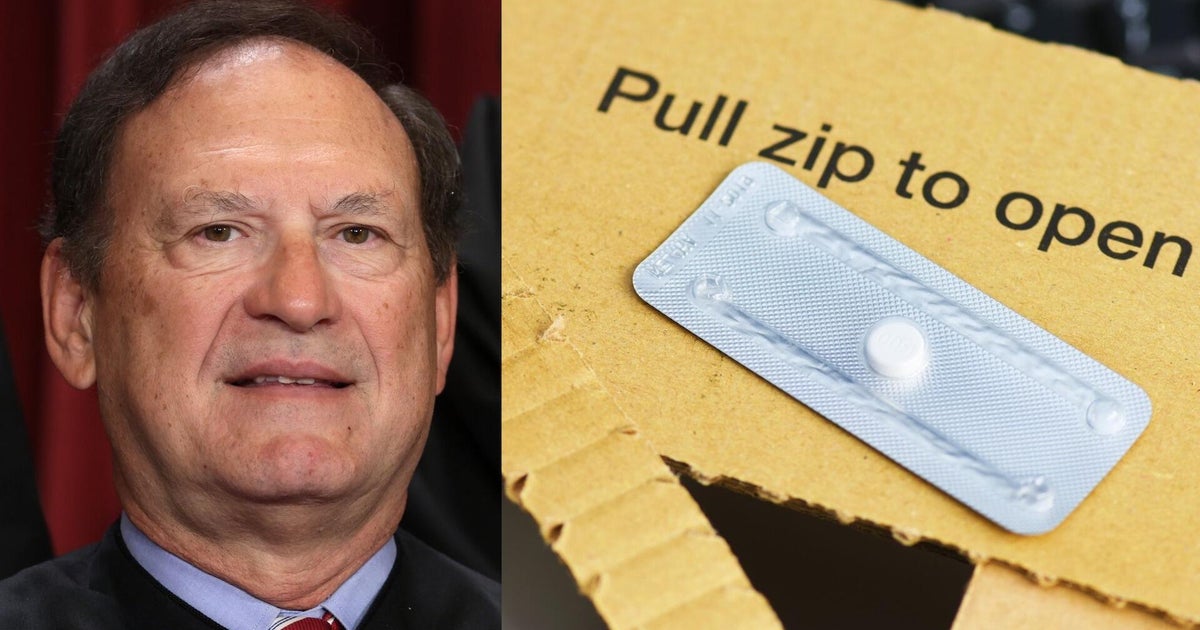
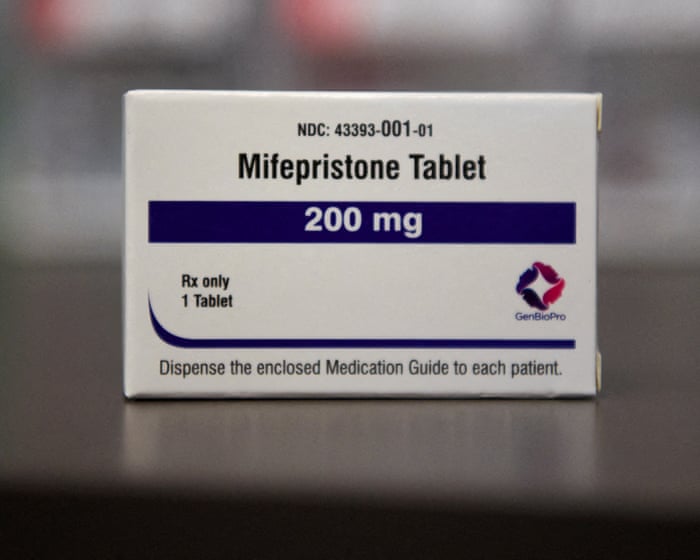
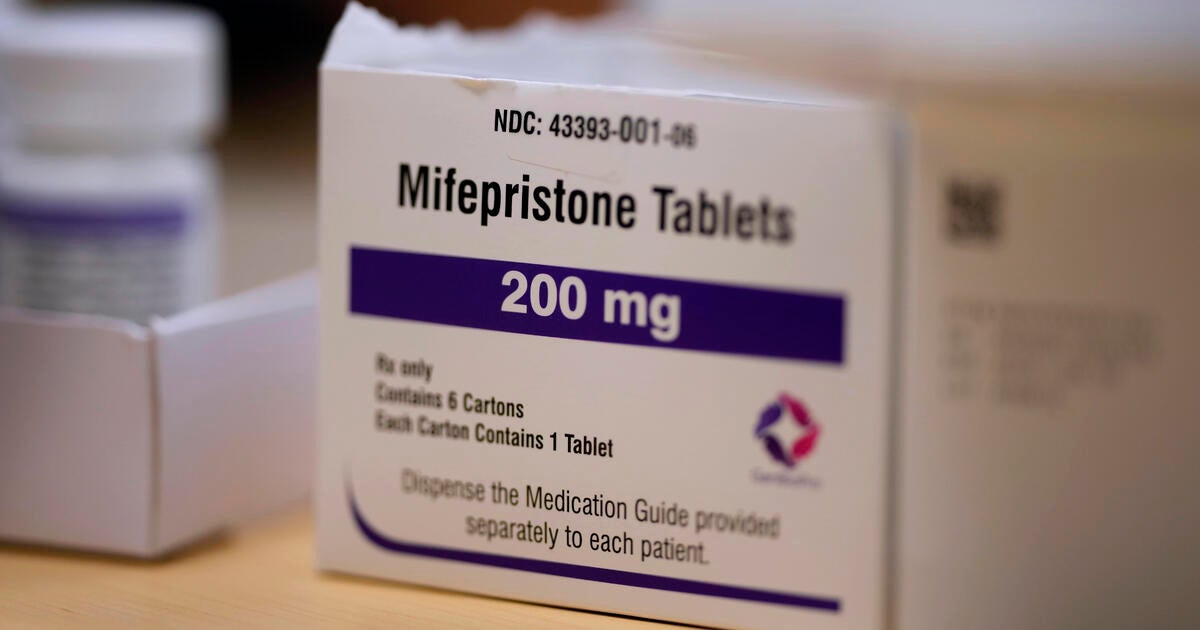
The Supreme Court temporarily blocked a Louisiana court's ban on sending the abortion pill mifepristone by mail. Justice Samuel Alito restored the Food and Drug Administration (FDA) rule that lets doctors prescribe the pill online and mail it to patients.
Key Facts
A Louisiana court had blocked the FDA's 2023 rule allowing the abortion pill mifepristone to be mailed.
Justice Samuel Alito temporarily reversed this ban.
The FDA rule permits doctors to prescribe mifepristone through online visits.
Patients can receive the abortion pill by mail under this rule.
The Supreme Court’s action is temporary, pending further review.
The decision affects access to medication abortion in the United States.
Read the Original
Want the full story? Tap a source to open the original
article.
A recent poll shows that Democrats have a 10-point lead over Republicans in the upcoming elections. This poll reflects voter preferences six months before the midterm elections.
Key Facts
The poll measures voter support for Democrats and Republicans.
Democrats are ahead by 10 percentage points.
The poll was conducted six months before the midterm elections.
Midterm elections decide members of Congress and other offices.
Polls help forecast how political parties may do in elections.
The results show current political trends among voters.
Poll results can change as election day approaches.
Read the Original
Want the full story? Tap a source to open the original
article.
The US Supreme Court temporarily allowed women to get the abortion pill mifepristone at pharmacies or by mail without visiting a doctor. This blocks a lower court's new restrictions and keeps broad access to the pill while the court reviews the case.
Key Facts
The Supreme Court's order was signed by Justice Samuel Alito.
The order restores access to mifepristone without needing an in-person doctor visit.
New restrictions were imposed by a federal appeals court the previous Friday.
Most abortions in the US use medication, mainly mifepristone combined with misoprostol.
These medications help reduce the effect of abortion bans in many Republican-led states.
Louisiana sued to limit mifepristone access, claiming it weakens its abortion ban.
Some Democratic-led states protect doctors who prescribe abortion pills via telehealth to patients in states with bans.
The Supreme Court’s order is temporary and will be reviewed over the next week.
Read the Original
Want the full story? Tap a source to open the original
article.
The U.S. Supreme Court temporarily allowed access to the abortion pill mifepristone to continue through telehealth, mail delivery, and pharmacies. This decision blocked a previous lower court ruling that could have restricted how people get the pill nationwide.
Key Facts
The Supreme Court took action on Monday to protect access to mifepristone, a common abortion pill.
The Court stopped a ruling that would have limited how the pill is provided across the United States.
Mifepristone can be accessed through telehealth, which means patients consult doctors remotely using technology.
The pill can be sent by mail and picked up at pharmacies, making it easier for people to get.
The decision is temporary, meaning it may change later after further review.
The ruling affects abortion access in many parts of the country.
This decision maintains current ways people can obtain abortion medication while legal challenges continue.
Read the Original
Want the full story? Tap a source to open the original
article.
The Supreme Court temporarily allowed the abortion pill mifepristone to be prescribed by mail again, pausing a recent court ruling that restricted access. This pause lasts at least one week while the court reviews the legal challenge.
Key Facts
The Supreme Court issued a temporary order to restore mail-order prescribing of mifepristone.
Justice Samuel Alito granted the stay, delaying enforcement of a 5th Circuit Court decision.
The 5th Circuit had sided with Louisiana, which challenged federal rules expanding pill access.
Louisiana argued that allowing mifepristone by mail harms unborn life and increases Medicaid costs.
Drugmakers Danco Laboratories and GenBioPro asked the Supreme Court to pause the lower court ruling.
The temporary order aims to reduce confusion for pharmacies and providers about legal access.
Parties involved have until Thursday to submit responses to the Supreme Court.
The legal dispute about abortion pill access could influence political issues in upcoming elections.
Read the Original
Want the full story? Tap a source to open the original
article.
Murry Foust, a 22-year-old college student at Northern Kentucky University, has been missing since April 27. Authorities and friends are worried and asking the public for help in finding Foust, who was last seen heading to class and has a history of mental health issues.
Key Facts
Murry Foust is a 22-year-old fine arts major at Northern Kentucky University (NKU).
Foust was last seen on April 27 around 5:30 p.m. in Covington, Kentucky, on the way to class.
Foust’s car and cellphone were found near their apartment, and their bag was found at NKU.
There is no evidence of foul play, according to police.
Foust has documented mental health disorders and takes medication.
Foust was scheduled to graduate on May 9 with a bachelor’s degree in fine arts.
Friends and family are very concerned because this behavior is unusual for Foust.
Foust is described as 5 feet 7 inches tall, with brown eyes, black shoulder-length hair, and several tattoos.
Anyone with information is asked to contact the Covington Police Department.
Read the Original
Want the full story? Tap a source to open the original
article.
The Equal Employment Opportunity Commission (EEOC), led by officials under President Trump's administration, plans to sue the New York Times. The lawsuit is about claims of workplace discrimination made by a white male employee who says he was denied a promotion because of his race.
Key Facts
The EEOC is a government agency that handles workplace discrimination complaints.
The complaint involves a white male employee at the New York Times.
The employee claims he was denied a promotion due to discrimination.
The EEOC under President Trump's leadership is preparing to file a lawsuit.
The New York Times reported on the potential lawsuit and connected it to political issues.
The case centers on allegations of unfair treatment at the workplace.
Details about the exact nature of the discrimination claim were not specified in the article.
Read the Original
Want the full story? Tap a source to open the original
article.
The Equal Employment Opportunity Commission (EEOC), led by President Donald Trump's administration, is planning to sue The New York Times. The lawsuit is about claims that a white male worker was unfairly denied a promotion due to discrimination.
Key Facts
The EEOC is a government agency that enforces laws against workplace discrimination.
The EEOC under President Trump's leadership is preparing legal action against The New York Times.
The lawsuit concerns an allegation of discrimination involving a white male employee.
The employee claims that he did not get a promotion because of his race.
The New York Times reported that this lawsuit seems to be motivated by political reasons.
The case highlights issues of workplace fairness and legal protections against discrimination.
The EEOC's role is to investigate and act on complaints related to equal employment opportunities.
Read the Original
Want the full story? Tap a source to open the original
article.
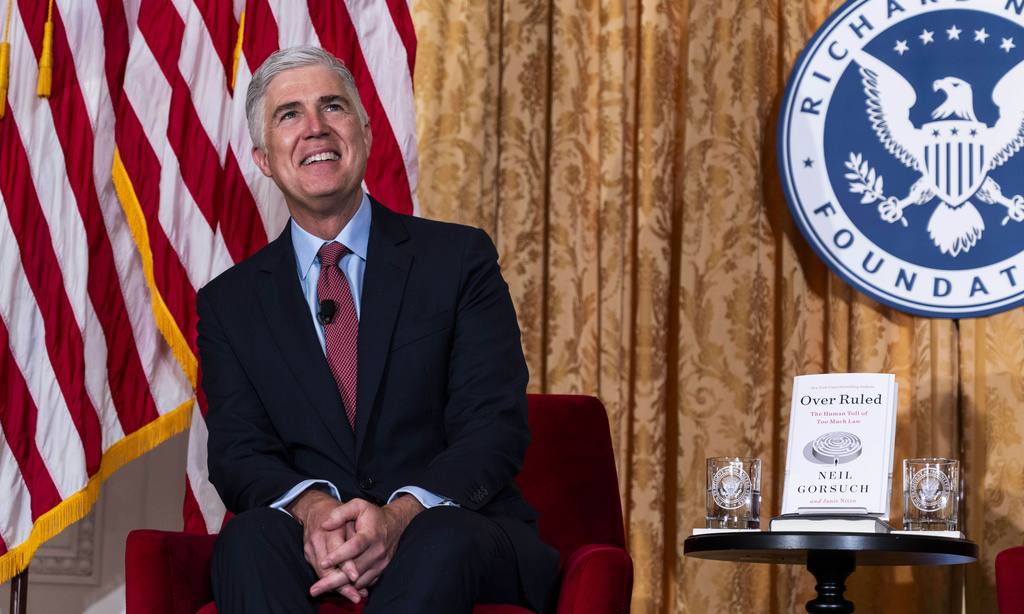
Supreme Court Justice Neil Gorsuch said the justices agree on about 40 percent of the cases they review, a rate that has stayed similar over many years. Despite the court being divided mostly into conservative and liberal justices, nearly half of their decisions are unanimous. Polls show that many Americans have low trust in the Supreme Court.
Key Facts
Justice Neil Gorsuch said the Supreme Court justices unanimously agree on about 40% of cases.
This 40% agreement rate is similar to the period in 1945 under President Franklin Roosevelt’s appointments.
The Supreme Court currently has a 6-3 conservative majority.
In the 2024 term, 42% of cases ended in unanimous decisions, down slightly from 44% and 50% in previous years.
Polls show trust in the Supreme Court is low, with only 22% of registered voters expressing strong confidence as of early 2024.
President Donald Trump appointed Justices Gorsuch, Kavanaugh, and Barrett, contributing to the conservative majority.
Gorsuch said justices listen respectfully to one another during discussions and look for agreement despite different legal views.
Lower courts disagree on federal law in about 60 to 70 cases a year, which the Supreme Court reviews to provide final rulings.
Read the Original
Want the full story? Tap a source to open the original
article.
The Supreme Court temporarily kept in place rules that let people get the abortion pill mifepristone at pharmacies or by mail without seeing a doctor in person. This move blocks lower courts from restricting access while the justices review emergency appeals about the drug.
Key Facts
The Supreme Court’s order was signed by Justice Samuel Alito.
The order allows current federal rules on obtaining mifepristone to continue for now.
These rules let patients get the abortion pill at pharmacies or by mail without in-person visits.
A recent federal appeals court had imposed new limits on the abortion pill, which are now blocked.
Medication abortions, using mifepristone and misoprostol, make up most abortions in the U.S.
Some states like Louisiana want to restrict access to mifepristone due to abortion bans.
Other states, mainly led by Democrats, protect doctors who provide abortion pills through telehealth.
The Supreme Court will review more documents before deciding if further action is needed.
Read the Original
Want the full story? Tap a source to open the original
article.
House Oversight Committee Democrats are concerned about changes in Republican plans for a scheduled deposition with former Attorney General Pam Bondi. They question whether Bondi will testify under oath and whether the session will be recorded on video.
Key Facts
The deposition involves Pam Bondi, former Attorney General.
Republicans on the panel agreed to unusual terms for the deposition.
Democrats are unclear if Bondi will testify under oath.
It is uncertain if the deposition will be video recorded.
Bondi will be represented by Harmeet Dhillon.
Harmeet Dhillon is an assistant attorney general at the Justice Department.
Democrats sent a letter raising these concerns to the panel.
Read the Original
Want the full story? Tap a source to open the original
article.
The U.S. Supreme Court temporarily stopped a lower court order that had limited access to the abortion pill mifepristone. This means people can still get the pill by mail without needing to see a doctor in person for now.
Key Facts
The Supreme Court issued an administrative stay, which is a temporary pause on a lower court ruling.
The lower court had tried to restrict access to mifepristone nationwide.
Mifepristone is an abortion pill used to end early pregnancies.
The stay allows continued access to the pill through mail-order delivery.
No in-person doctor visit is required to obtain the pill during this pause.
Justice Samuel Alito issued the stay on Monday.
This decision is temporary and could change with further court rulings.
The story is ongoing and may be updated as new information becomes available.
Read the Original
Want the full story? Tap a source to open the original
article.
A recent Gallup poll shows that only 25% of Americans who do not own a home believe they will buy one within the next five years. This reflects challenges faced by homebuyers and builders, partly because of rising prices influenced by international events like the war in Iran.
Key Facts
Only one in four Americans without a home expect to buy one in the next five years.
Home prices have been increasing recently.
Builders and homebuyers are struggling with these rising costs.
The war in Iran is a factor contributing to higher prices.
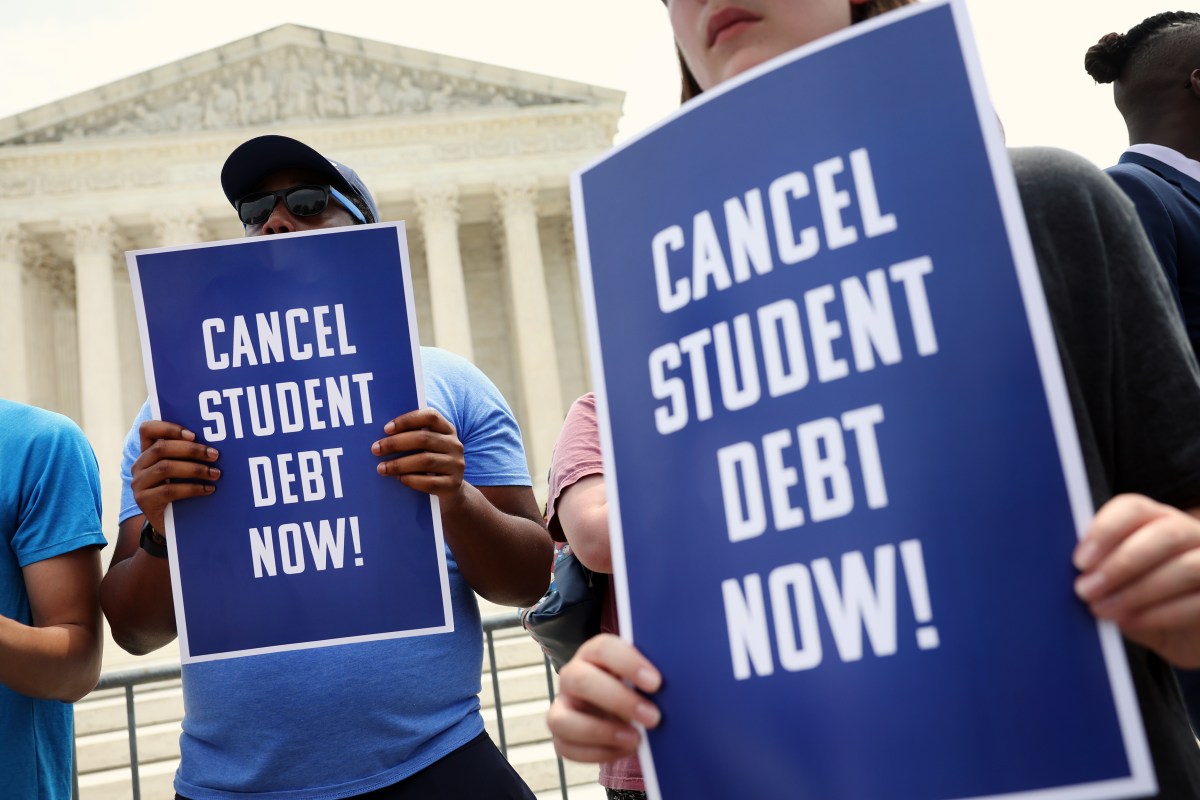
A new bill in the House wants to change how months spent unemployed count toward student loan forgiveness for people on income-driven repayment plans. It would allow those months when no payments were made due to unemployment to still count toward forgiveness, potentially helping people pay off loans faster after layoffs.
Key Facts
About 12 million people use income-driven repayment (IDR) plans for student loans in the U.S.
Currently, unemployment deferment lets borrowers temporarily pay $0 without losing eligibility for forgiveness, but those months don’t count as payments toward forgiveness.
The proposed bill, H.R. 8475, would count unemployment deferment months as qualifying payments for forgiveness.
This change could speed up loan forgiveness for people who are laid off and cannot make payments.
The bill also proposes forgiving any remaining loan balance after 15 years of payments, rather than the current 20 or 25 years.
The bill is sponsored by Representative Rosa DeLauro and co-sponsored by Representative Eugene Vindman, both Democrats.
The U.S. unemployment rate was 4.3% in March 2024, up from 3.4% in April 2023, with layoffs in sectors like technology.
Income-driven repayment plans calculate monthly payments based on income and family size, forgiving the rest after a set time if all requirements are met.
Read the Original
Want the full story? Tap a source to open the original
article.
Justice Samuel Alito temporarily blocked a court order that stopped an FDA rule allowing the abortion pill mifepristone to be prescribed online and sent by mail. This pause gives the Supreme Court time to review requests from drug makers who want to keep the rule while the legal case continues.
Key Facts
Justice Alito’s temporary order lasts until 5 p.m. on May 11.
The drug makers Danco Laboratories and GenBioPro asked the Supreme Court to review the case fully.
The FDA allowed mifepristone to be prescribed through telehealth and sent by mail starting in 2023.
The 5th Circuit Court of Appeals blocked this FDA rule after Louisiana sued, arguing the state has the right to challenge it.
Louisiana claims the rule causes harm and forces the state to pay Medicaid for emergency care related to the pill.
Louisiana banned most abortions after the Supreme Court overturned Roe v. Wade in 2022.
Louisiana also made mifepristone and another abortion drug controlled substances, making possession without a prescription a crime.
The case focuses on whether the FDA properly considered the drug’s safety when it approved easier access to mifepristone.
Read the Original
Want the full story? Tap a source to open the original
article.
Justice Samuel Alito temporarily stopped a ruling that would have stopped doctors from prescribing the abortion pill mifepristone without seeing patients in person. This pause lasts for one week while the Supreme Court reviews the case. The pause does not show how the court might rule in the end.
Key Facts
Justice Samuel Alito is a member of the U.S. Supreme Court.
He paused a ruling about the abortion pill mifepristone on Monday.
The ruling would have required doctors to see patients in person before giving the pill.
The pause will last for one week while the Supreme Court looks at the issue.
Drug makers asked the Supreme Court to review the case quickly with an emergency appeal.
This temporary pause does not indicate the final decision of the Supreme Court.
The case involves access to a commonly used medication for abortion in the U.S.
Read the Original
Want the full story? Tap a source to open the original
article.
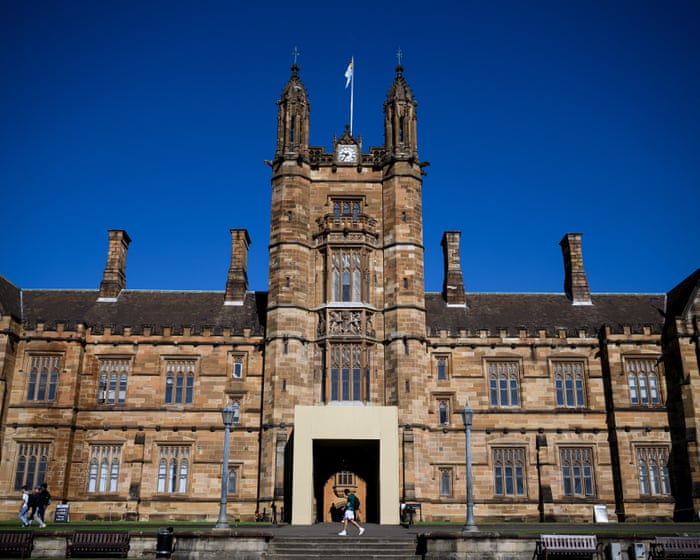
New data from Australia’s Treasury shows that many humanities and creative arts students will take over 25 years to pay off their student loans due to a government fee scheme started in 2021. The scheme raised fees for humanities degrees to encourage students to study areas like science and nursing but has led to higher debts for arts graduates, with many struggling to repay.
Key Facts
One in four humanities students will take more than 25 years to repay their student loans.
Nearly two-thirds of humanities and creative arts students will carry debts over $50,000.
Median repayment time for creative arts graduates increased from 14 to 17 years since the new fee scheme began.
The scheme aims to discourage students from studying humanities and encourage science, nursing, education, and IT degrees.
Since the scheme started, the number of graduates with debts under $20,000 doubled, while those with debts over $50,000 rose by 70%.
Students in lower-earning fields have worse repayment prospects, and the government recovers only about half of the increased debt.
Education Minister Jason Clare called the scheme an “abject failure” and is working on reforms to the university sector.
A new body, the Australian Tertiary Education Commission (Atec), will recommend changes but is not required to focus on student fees or this scheme.
Read the Original
Want the full story? Tap a source to open the original
article.