Neutral summaries of your favorite news sources — just the facts.
Your favorite news sources, one neutral feed — we distill their reporting into fact-first
summaries and always link to the original story. How it works
US News
Latest developments and key stories from across the United States
Former FBI director James Comey is set to turn himself in to authorities on Wednesday after being charged with two federal crimes. The charges relate to a photo Comey posted on Instagram that authorities say contained a threat toward President Donald Trump.
Key Facts
James Comey was the FBI director.
He faces two federal charges from a grand jury in North Carolina.
The charges involve a photo he posted on Instagram.
The photo showed seashells arranged to form the numbers “86-47.”
The number “86” is slang for getting rid of or removing something.
Authorities believe the photo was a threat against President Donald Trump.
Comey is expected to voluntarily surrender to law enforcement on Wednesday.
Read the Original
Want the full story? Tap a source to open the original
article.
The Office of Management and Budget (OMB) told lawmakers that the Department of Homeland Security (DHS) will soon run out of money to pay workers, including those at the Transportation Security Administration (TSA). If the House of Representatives does not approve a funding bill, DHS employees may not get paid.
Key Facts
The OMB sent a warning letter to lawmakers about DHS funds running low.
DHS includes agencies like the TSA that handle airport security.
If funding runs out, TSA and other DHS workers might not receive paychecks.
The warning urges the House of Representatives to pass a DHS funding bill quickly.
The situation creates uncertainty for thousands of DHS employees and their responsibilities.
The funding shortage is described as happening very soon, implying urgent action is needed.
The administration leading the warning is President Donald Trump’s government.
Read the Original
Want the full story? Tap a source to open the original
article.
The Trump administration reversed the deportation of José Contreras Diaz, a Texas immigrant who was removed to Honduras despite having protections under the DACA program. Contreras Diaz arrived in the U.S. as a child, but was deported because DACA does not grant legal status and a previous removal order existed.
Key Facts
José Contreras Diaz was deported to Honduras in January after being detained by ICE.
He is protected under DACA, which delays deportation but does not provide legal status.
Diaz arrived in the U.S. at age 8 and lived in Texas, working in pool maintenance.
There was a removal order from over 20 years ago that was enforced only recently.
The Trump administration described Diaz as an "illegal alien" and emphasized DACA does not guarantee legal residency.
DACA recipients must renew their protections and can be deported if those protections lapse or conditions are met.
Diaz missed the birth of his son while detained and deported.
DHS encourages undocumented immigrants to self-deport using an app, offering money and free flights.
Read the Original
Want the full story? Tap a source to open the original
article.
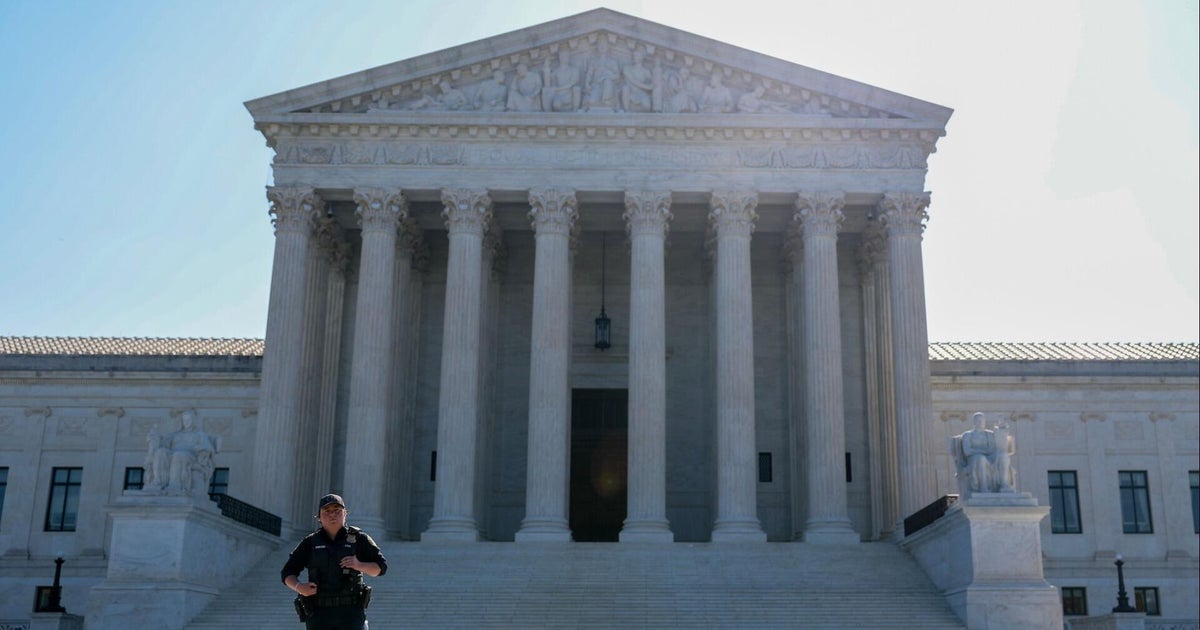
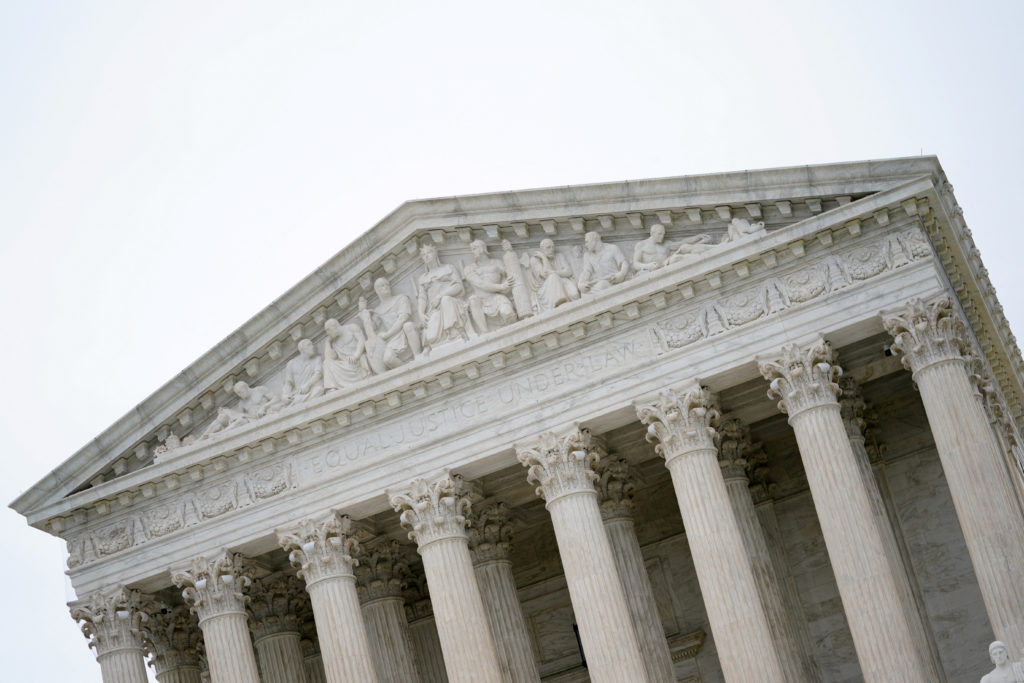
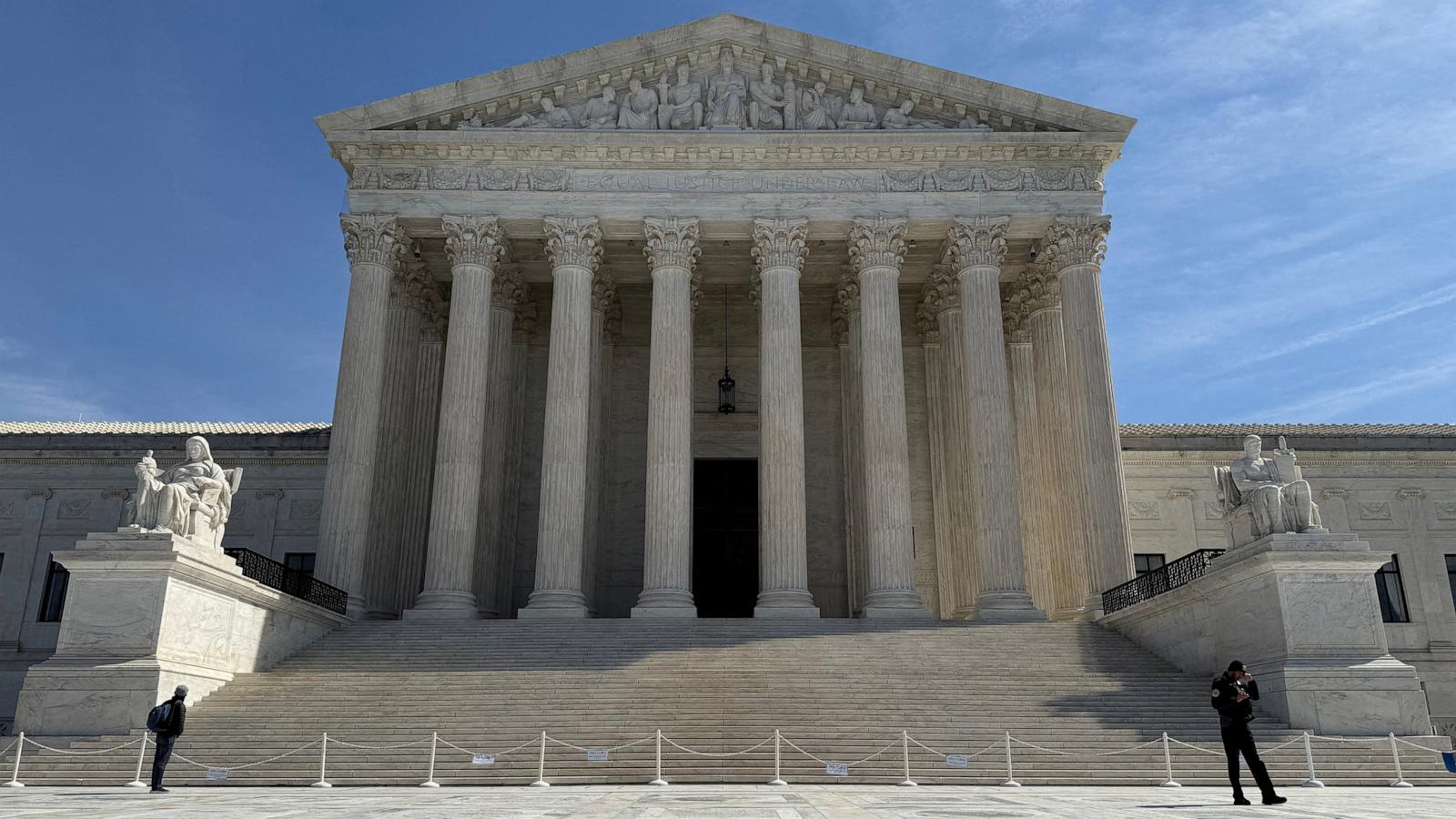
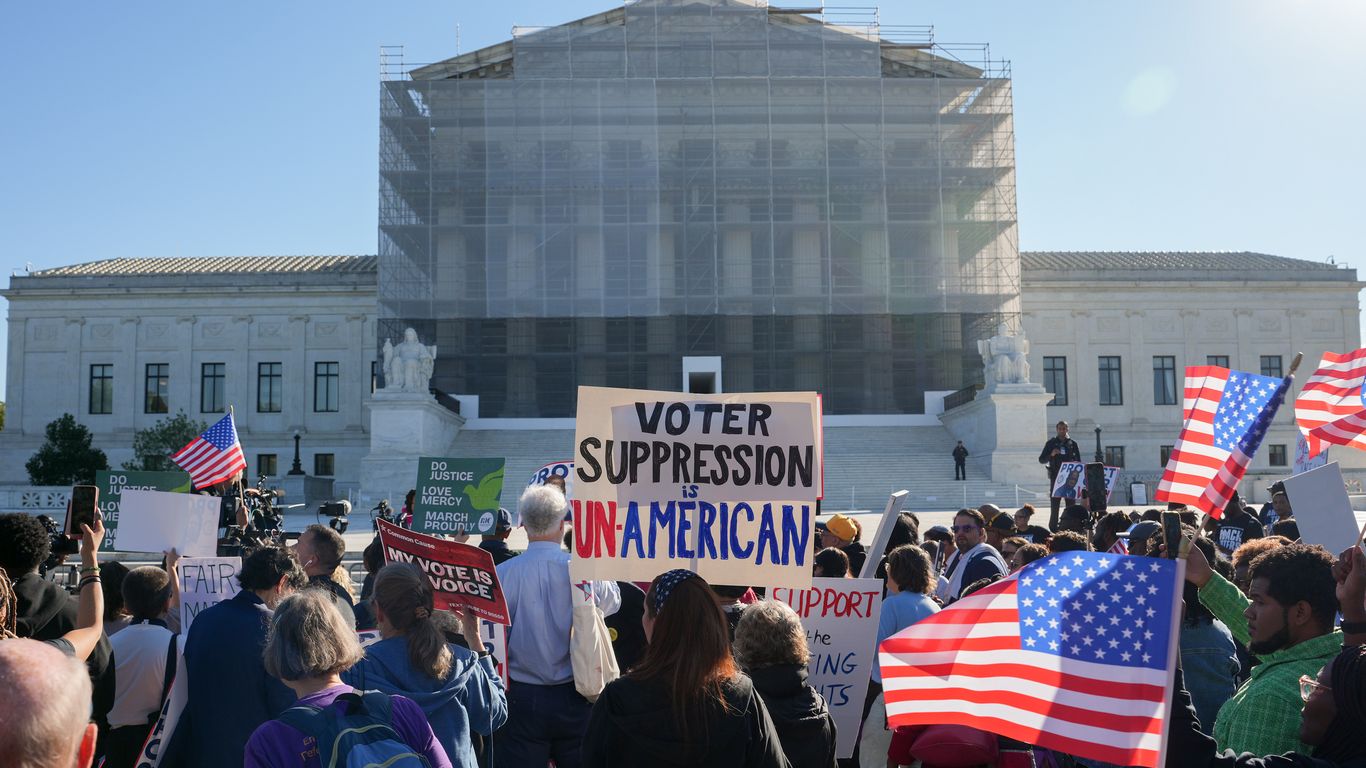
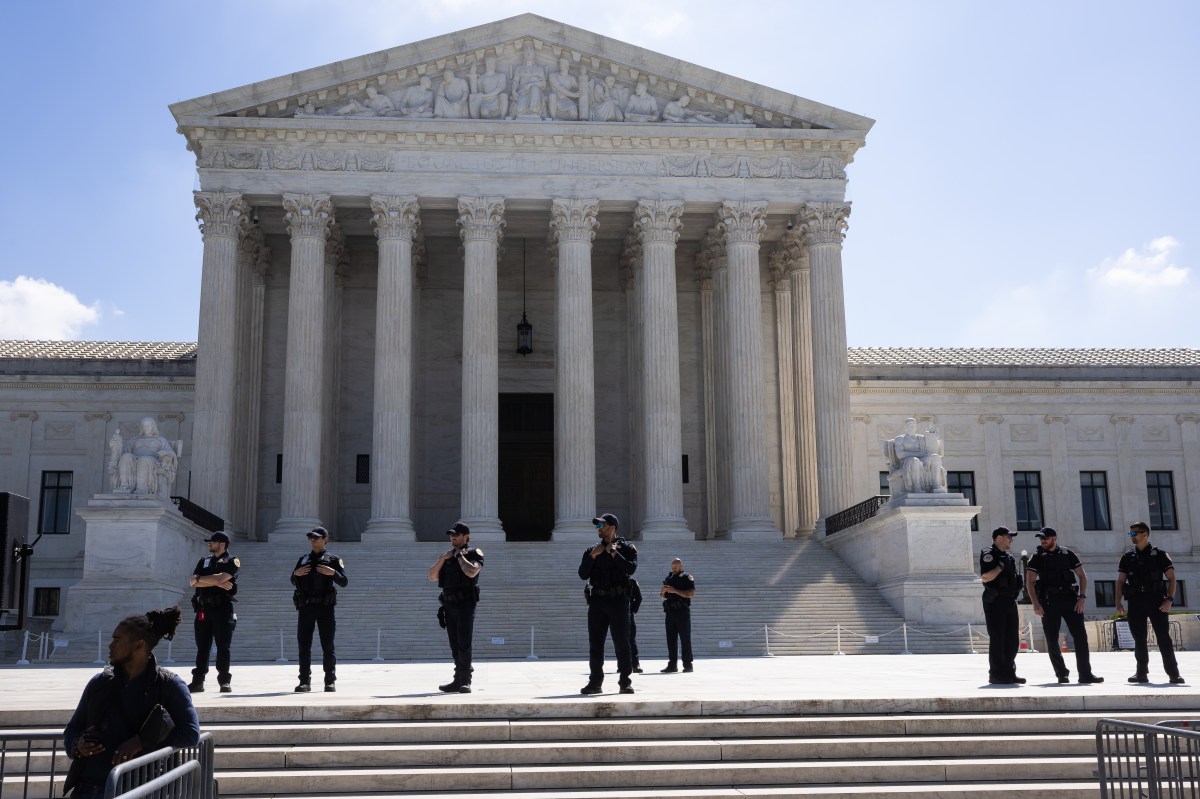
The U.S. Supreme Court invalidated Louisiana’s congressional district map, which included two districts where most voters are Black. The Court decided this in a 6-3 vote, seen as a positive outcome for Republicans.
Key Facts
The Supreme Court ruled against Louisiana’s map for congressional districts.
The map had created two districts with mostly Black voters.
The vote was 6 judges in favor and 3 against.
The decision is considered a victory for the Republican Party.
This ruling affects how voters are grouped for electing members of Congress from Louisiana.
Read the Original
Want the full story? Tap a source to open the original
article.
A court is hearing a trial about arson attacks on property linked to Prime Minister Keir Starmer, which were allegedly organized by a person known as "El Money." Three men from Ukraine and Romania are accused of setting fires to a car and houses connected to Starmer, reportedly for payment from this contact.
Key Facts
Three fires happened within five days in May 2024, involving properties linked to Keir Starmer.
The accused are Roman Lavrynovych (22) and Petro Pochynok (35) from Ukraine, and Stanislav Carpiuc (27) from Romania.
Lavrynovych faces three counts of arson with intent to endanger life or recklessness about life safety.
Pochynok and Carpiuc are charged with conspiracy to commit arson.
The arson attacks targeted a car once owned by Starmer, a house he managed, and a home where his sister-in-law lives.
The men communicated with "El Money," a Russian-speaking contact, through over 320 messages.
CCTV showed Lavrynovych buying a flammable liquid two days before the car fire.
The fires were set at night, risking the safety of the residents inside.
Read the Original
Want the full story? Tap a source to open the original
article.
California’s high-speed rail project now has an estimated cost of $231 billion, much higher than the $33.5 billion voters approved in 2008. Lawmakers and officials are debating whether the project can be finished as planned given the funding problems and changes in the route and ridership estimates.
Key Facts
The original approved budget for the rail project in 2008 was $33.5 billion.
New estimates show the cost rising to about $231 billion, nearly seven times higher.
The project aims to connect San Francisco and Los Angeles but now runs inland through California’s Central Valley.
Early plans promised trips under three hours, but key performance guarantees have weakened over time.
Funding sources included federal money, state bonds, and private investment, but no new federal funds have been secured since initial allocations.
Expected ridership has dropped from 95 million per year to about 36 million by 2060.
State officials warn that the current budget is not enough to finish even the segment between Merced and Bakersfield.
The California High-Speed Rail Authority calls this the largest public infrastructure project in the Western Hemisphere, with many miles under construction and heavy design work ongoing.
Read the Original
Want the full story? Tap a source to open the original
article.
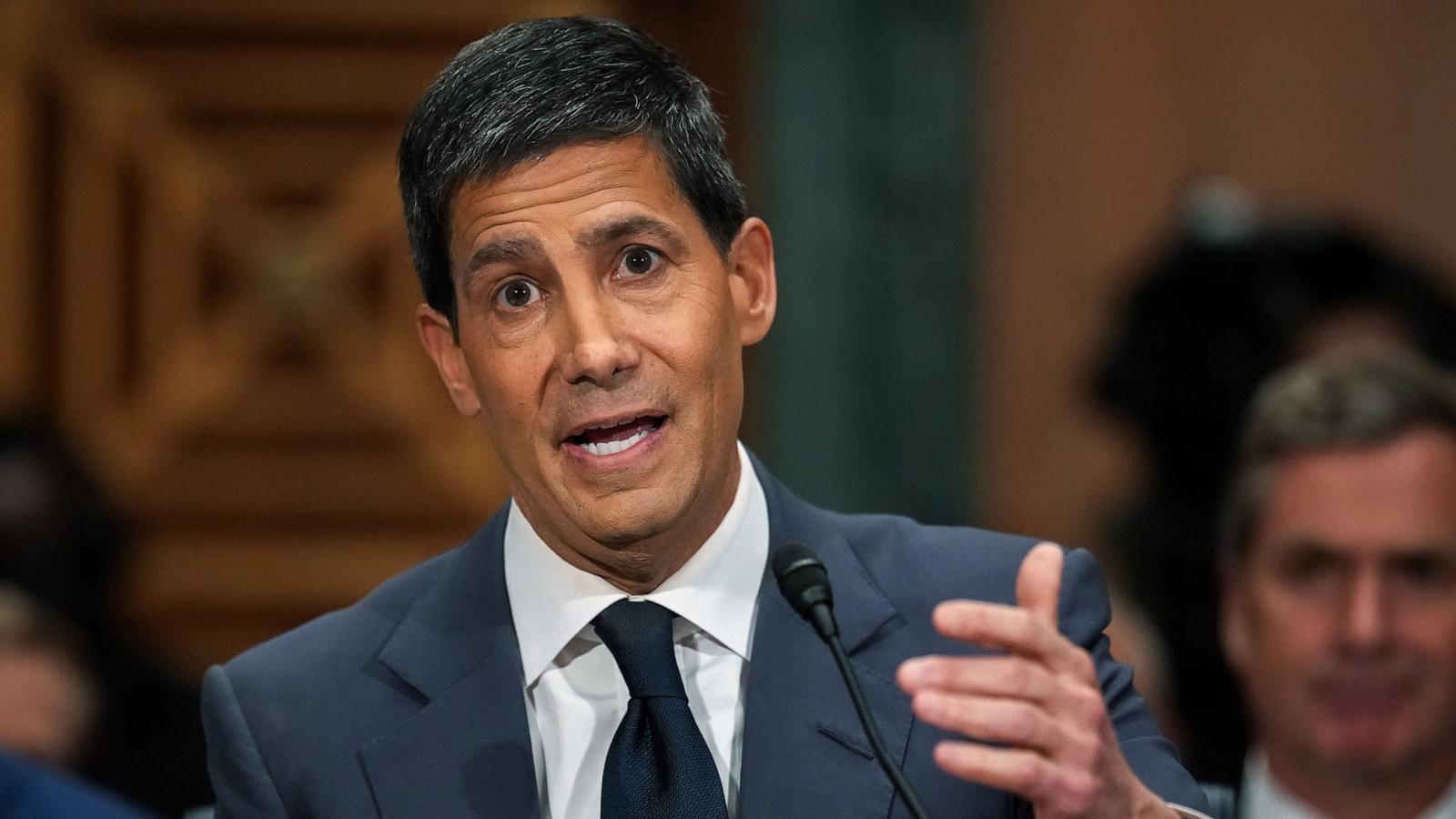
Kevin Warsh, nominated by President Donald Trump to be the next Chair of the Federal Reserve, was approved by a Senate committee and will now face a full Senate confirmation vote. This decision came after the Justice Department dropped a criminal investigation into the current Fed Chair Jerome Powell, whose term ends next month.
Key Facts
The Senate Banking Committee voted 13-11 along party lines to advance Kevin Warsh’s nomination.
President Trump nominated Warsh to replace Jerome Powell as Fed Chair.
Jerome Powell’s term ends on May 15, but he will stay in the role until Warsh is confirmed.
The Department of Justice recently dropped a criminal probe into Powell related to alleged false testimony about an office renovation.
Senator Thom Tillis changed his position to support Warsh after the investigation was dropped.
Democrats expressed concern that Warsh might be influenced by President Trump, potentially risking the Fed’s independence.
Warsh stated he supports the Federal Reserve’s independence in setting interest rates but said elected officials can express their views without threatening that independence.
Warsh is a former Fed official and currently a fellow at the Hoover Institution, a conservative think tank at Stanford University.
Read the Original
Want the full story? Tap a source to open the original
article.
The U.S. Marine Corps has set a new rule requiring all Marines to meet grooming and shaving standards within 12 months, even those with medical conditions. If Marines do not comply after one year, they may face official discharge, following medical evaluation and counseling.
Key Facts
The new policy removes long-term grooming waivers for medical reasons and replaces them with a strict 12-month deadline.
At 6 months, commanders must counsel Marines who still do not meet grooming requirements.
At 12 months, commanders evaluate if the Marine should continue serving or begin separation steps.
Separation can occur only after approval from medical authorities and final counseling.
Discharges related to grooming will be categorized as “Condition Not a Disability” for enlisted Marines or similar for officers.
The policy change follows Defense Secretary Pete Hegseth's push for stricter grooming rules for health and readiness reasons, including protection against chemical and other hazards.
The 12-month timeline allows time for training, counseling, and medical treatments like laser hair removal covered by military healthcare.
Noncompliance may lead to separation if the condition doesn’t improve, isn’t legally a disability, and harms unit discipline.
Read the Original
Want the full story? Tap a source to open the original
article.
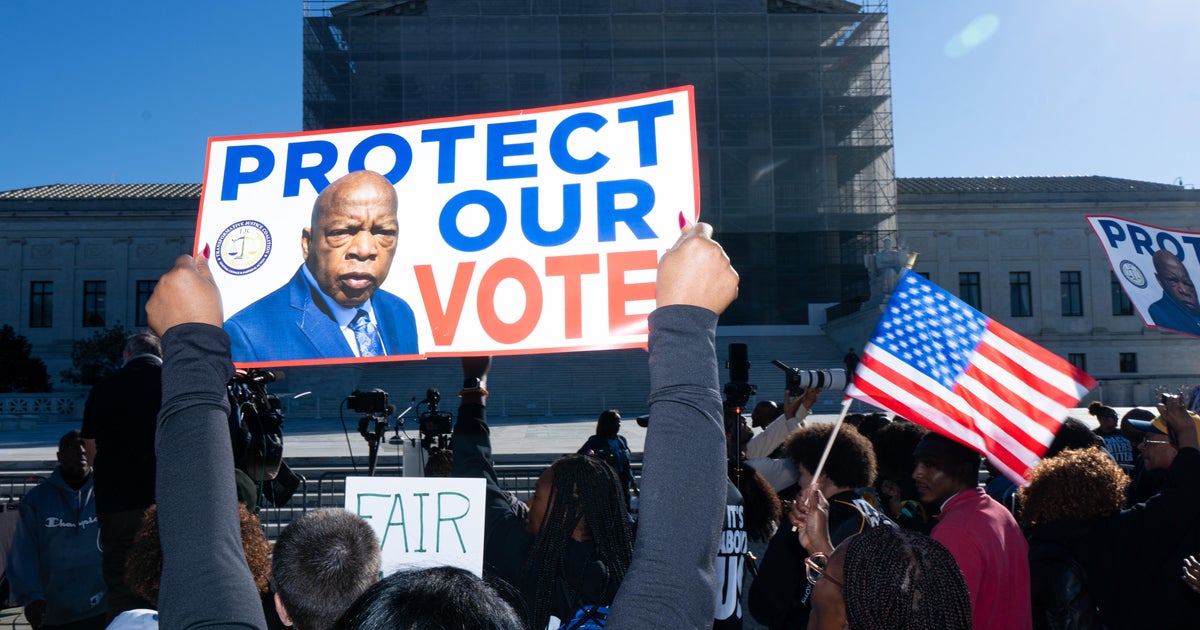
The U.S. Supreme Court ruled 6-3 against Louisiana’s voting map that created a second district with mostly Black voters. This decision affects how the Voting Rights Act, a law meant to protect fair voting practices, will be applied in the future.
Key Facts
The ruling was decided by a 6-3 vote along ideological lines, meaning the justices’ political views influenced the decision.
Louisiana’s map added a second majority-Black congressional district to increase Black representation.
The Supreme Court struck down this map, saying it did not meet legal requirements.
The case is named Louisiana v. Callais.
The decision impacts a key part of the Voting Rights Act, a law that protects voters from unfair practices.
The ruling aligns with conservatives who seek to limit some protections under the Voting Rights Act.
This case places Louisiana at the heart of national debates about voting rights and racial representation.
Read the Original
Want the full story? Tap a source to open the original
article.
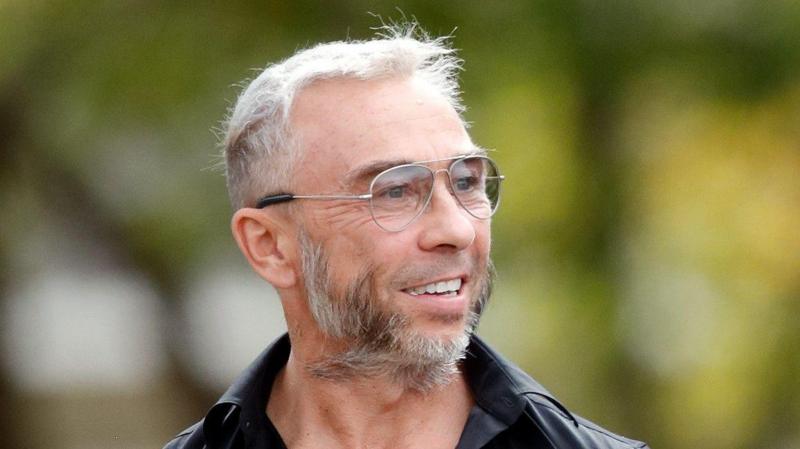
James Holder, co-founder of the fashion brand Superdry, is on trial for rape and assault by penetration. He denies the charges and says the sexual encounter with a woman in May 2022 was consensual.
Key Facts
James Holder is 54 years old and co-founded Superdry.
He faces charges of rape and assault by penetration from an incident in May 2022.
Holder says the sexual encounter happened after a night out in Cheltenham and was consensual.
He admitted getting into the woman’s taxi without asking but said there was no disrespect intended.
Holder remembers being quite drunk that night, rating his drunkenness about 7 to 7.5 out of 10.
After arriving at the woman’s flat, Holder said they talked, he fell asleep briefly, then they kissed and had sex with what he described as "completely full consent."
The woman said she became sore during sex and Holder stopped immediately.
Holder denies causing bruises the woman showed police and says he did not see her cry during the encounter.
The trial is ongoing.
Read the Original
Want the full story? Tap a source to open the original
article.
Former Attorney General Pam Bondi will testify in a closed-door session before the House Oversight Committee next month as part of the investigation into Jeffrey Epstein. Democrats on the committee have filed a resolution to hold her in contempt of Congress for previously not appearing as required.
Key Facts
Pam Bondi, who previously served as Attorney General, will give a deposition to the House Oversight Committee related to the Jeffrey Epstein investigation.
Democrats filed a resolution to hold Bondi in contempt for ignoring a subpoena demanding her appearance earlier.
Bondi was initially scheduled to appear on April 14 but did not, because the Justice Department said the subpoena targeted her official role, which she no longer holds.
The committee subpoena was approved with bipartisan support, including five Republicans.
Committee Democrats accuse Bondi of refusing to cooperate and delaying the inquiry.
The Epstein Files Transparency Act mandates the release of government records on Epstein and Ghislaine Maxwell investigations.
The Justice Department released about 3 million pages but withheld some documents to protect victims and active investigations.
Other notable figures, like former President Bill Clinton and former Secretary of State Hillary Clinton, have also testified before the committee.
Read the Original
Want the full story? Tap a source to open the original
article.
The Dignity Act aims to improve immigration laws by providing important protections. It tries to achieve these changes in a way that can realistically gain political support.
Key Facts
The Dignity Act focuses on immigration reform.
It offers protections for immigrants.
The act seeks to balance meaningful changes with political reality.
Its goal is to make immigration laws fairer.
The approach aims to increase chances of passing in government.
Read the Original
Want the full story? Tap a source to open the original
article.
The U.S. Supreme Court struck down Louisiana’s congressional map that included two majority-Black districts, ruling it relied too much on race in drawing district lines. The court decided the Voting Rights Act does not force the state to create a second majority-minority district, a ruling that could affect similar maps across the country.
Key Facts
The Supreme Court ruled 6-3 that Louisiana’s map was an unconstitutional racial gerrymander.
The map had four majority-White districts and two majority-Black districts.
The Voting Rights Act’s Section 2 does not require Louisiana to have two majority-Black districts.
The case challenged whether race-based redistricting violates the 14th and 15th Amendments.
Louisiana’s legislature redrew the map after a lawsuit argued the original map diluted Black voters’ strength.
Republicans aimed to protect their incumbents while complying with voting laws.
The decision narrows the scope of the Voting Rights Act in redistricting cases nationwide.
The ruling comes ahead of the 2024 midterm elections with potential effects on voter representation.
Read the Original
Want the full story? Tap a source to open the original
article.
The Supreme Court canceled Louisiana’s second congressional district, which was mainly made up of Black voters. The court said the district was drawn too much based on race, a ruling that may affect protections against racial discrimination in voting and could change political power in Congress.
Key Facts
The Supreme Court struck down Louisiana’s second majority Black congressional district.
The district stretched over 200 miles, linking several cities including Shreveport and Baton Rouge.
The court’s conservative majority said the district relied too heavily on race.
This district was represented by Democrat Cleo Fields.
The ruling weakens protections under Section 2 of the 1965 Voting Rights Act.
Section 2 helps stop racial discrimination in how voting districts are made.
The Voting Rights Act was key in reducing barriers for Black Americans to vote.
The decision may encourage Republican-led states to redraw districts that currently favor Democrats.
Read the Original
Want the full story? Tap a source to open the original
article.
Pam Bondi, former Attorney General, will testify before Congress on May 29 about documents related to Jeffrey Epstein. She missed an earlier scheduled deposition but agreed to the new date after talks with her lawyer.
Key Facts
Pam Bondi is a former Attorney General.
She was asked to testify about files connected to Jeffrey Epstein.
Bondi missed a previous deposition date.
The new testimony date is set for May 29.
The House Oversight Committee confirmed this date.
The arrangement was made after conversations with Bondi’s personal lawyer.
Bondi was subpoenaed after a surprise motion in March.
Read the Original
Want the full story? Tap a source to open the original
article.
The Supreme Court limited a key part of the Voting Rights Act, ruling that Louisiana’s use of race to create a voting district was unconstitutional racial gerrymandering. This decision narrows protections against racially discriminatory election maps and could affect voting rights and political balance in the South.
Key Facts
The Supreme Court ruled against Louisiana’s congressional map that created a second majority-Black district.
The court said no strong reason justified using race to draw that district, calling it racial gerrymandering.
This decision narrows Section 2 of the Voting Rights Act, which protected against racial discrimination in voting.
Section 2 helped end racist Jim Crow laws and expanded voting rights for Black Americans, especially in the South.
Black voters in Louisiana, about 30% of the population, had sued for fair representation and won in 2022.
Non-Black voters later sued, claiming race was used too much in redrawing districts, leading to the recent court ruling.
The ruling could increase Republican seats in the House by about 19 compared to current maps.
Some states, like Florida, were awaiting this ruling to support their redistricting plans that limit voting rights protections.
Read the Original
Want the full story? Tap a source to open the original
article.
The U.S. Supreme Court struck down Louisiana’s plan to create a second majority-Black congressional district, ruling that it relied too much on race in a way that violates the Constitution’s Equal Protection Clause. This decision may affect how states can draw political districts, possibly reducing protections for minority voters.
Key Facts
The Supreme Court ruled against Louisiana’s second majority-Black congressional district.
The Court found that race was used too heavily in making the district lines.
The decision is based on the Equal Protection Clause of the U.S. Constitution.
Louisiana created the district to comply with the Voting Rights Act and boost Black voter representation.
Lower courts had previously said Louisiana’s older districts weakened Black voters’ influence.
This ruling may make it easier for states to remove districts designed to help minority voters.
The case could affect how congressional maps are drawn across the country.
The ruling may shift the balance of power in Congress by changing district lines that tend to favor Democrats.
Read the Original
Want the full story? Tap a source to open the original
article.
President Trump met with energy industry leaders at the White House to talk about issues in the U.S. and global energy markets. Treasury Secretary Scott Bessent and Vice President Vance also joined the meeting.
Key Facts
The meeting took place at the White House on Tuesday.
President Trump led the discussion on energy markets.
Treasury Secretary Scott Bessent hosted the event.
Vice President Vance was present at the meeting.
The focus was on the domestic U.S. and international energy situations.
Industry executives attended to share their expertise.
The discussion included topics like trade and energy policies.
The White House official provided these details to The Hill news outlet.
Read the Original
Want the full story? Tap a source to open the original
article.
The U.S. Supreme Court ruled 6-3 against Louisiana’s congressional map, which created a second majority-Black district. This decision affects important parts of the Voting Rights Act, a law designed to protect voting rights for minority groups.
Key Facts
The Supreme Court’s decision was split along ideological lines, with six conservative justices voting against the map.
Louisiana’s congressional map included a second district where most voters are Black.
The ruling strikes down this map, meaning the map cannot be used as drawn.
The case highlights a major effort by conservatives to limit parts of the Voting Rights Act.
The Voting Rights Act is a federal law aimed at preventing discrimination in voting, especially against minority groups.
This decision may influence future cases about how voting districts are drawn nationwide.
The ruling could reduce the number of majority-Black districts in Louisiana and possibly other states.
Read the Original
Want the full story? Tap a source to open the original
article.