Neutral summaries of your favorite news sources — just the facts.
Your favorite news sources, one neutral feed — we distill their reporting into fact-first
summaries and always link to the original story. How it works
US News
Latest developments and key stories from across the United States
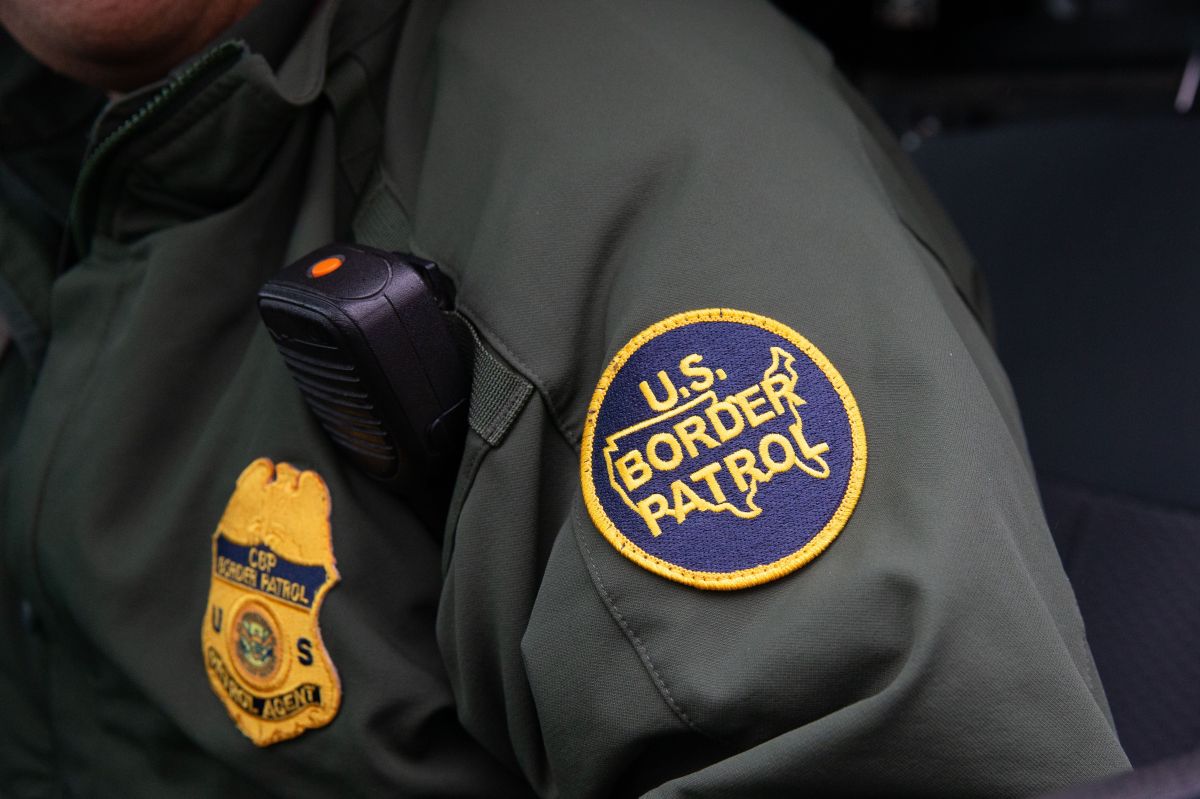
The Department of Homeland Security (DHS) has sent hundreds of federal agents to the Texas border to address a rise in illegal crossings. This effort focuses on the Laredo sector, where natural barriers are lacking, making it a key area for smuggling and crossings.
Key Facts
DHS reassigned at least 200 Border Patrol agents from other border areas to Laredo, Texas, on 30-day volunteer deployments.
The Laredo border sector is bordered entirely by a river, with no natural barriers to slow illegal crossings.
Officials use sensors, cameras, and technology to detect people crossing illegally and track those who avoid apprehension, called "gotaways."
This action responds to an increase in illegal crossings in certain areas despite an overall decline in border apprehensions.
DHS reports that unlawful crossings at the southern border have fallen to their lowest level in over 50 years.
In March 2024, there were 8,268 Border Patrol apprehensions, 90% lower than the 33-year monthly average.
The current administration’s policies have led to 11 months with zero releases of detainees at the border.
The House Homeland Security Committee noted over 10.3 million encounters nationwide during the Biden-Harris administration, with most occurring at the southwest border.
Read the Original
Want the full story? Tap a source to open the original
article.
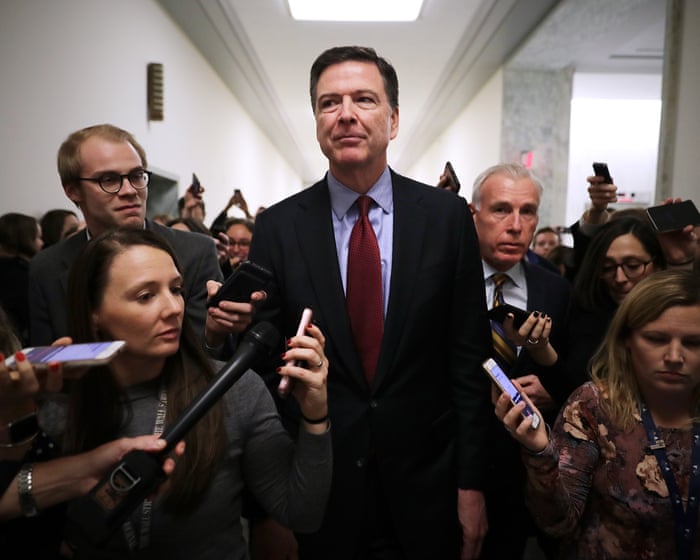
The Justice Department charged former FBI Director James Comey with two felonies related to a social media post he made last year. Comey posted a picture of seashells arranged as "86 47," which prosecutors say was a threat against President Donald Trump, but Comey said he did not realize the numbers were connected to violence.
Key Facts
James Comey was charged with making a threat against President Trump and sending that threat across state lines using social media.
The photo showed seashells arranged to form the numbers "86 47," which can be interpreted as a call to "get rid of" President Trump (86 is slang for removing something).
Comey posted the picture on Instagram from vacation and captioned it simply as a cool seashell formation.
Comey deleted the post and apologized, saying he did not know the numbers were linked to violence.
Prosecutors argue a reasonable person would see the post as a serious threat to the president.
Comey released a video denying guilt and expressing confidence in the federal court system.
The charges represent another legal action involving political figures during President Trump's administration.
Read the Original
Want the full story? Tap a source to open the original
article.
Federal health and science advisory panels and data systems that have long helped U.S. doctors respond to diseases are being changed or weakened under President Trump's administration. These changes include dismissing expert members, stopping important public health data updates, and politically influencing scientific publications and funding boards.
Key Facts
In 1981, the CDC's weekly report first identified early cases of what became AIDS, helping doctors respond quickly.
The National Science Board, which oversees $9 billion in annual basic research grants, recently had many members fired without explanation.
The administration dismissed all members of the advisory committee on immunization practices, which has guided vaccine recommendations for 60 years.
After the committee was dismissed, childhood vaccine recommendations were reduced without expert input.
A federal judge found many replacements for vaccine advisory members lacked proper expertise.
The CDC stopped updating 38 public health databases, most related to vaccines, without explanation.
A CDC journal rejected a scientific paper on COVID-19 vaccine effectiveness after political concerns over the methods used.
These changes reduce the independence of federal health agencies and interfere with science-based medical guidance.
Read the Original
Want the full story? Tap a source to open the original
article.
The U.S. House of Representatives is delaying a vote on renewing Section 702 of the Foreign Intelligence Surveillance Act, a spying program that allows surveillance of foreigners outside the U.S. The program is set to expire soon, and lawmakers are debating how to extend it while adding protections for Americans’ privacy.
Key Facts
Section 702 allows the government to collect communications from non-U.S. citizens outside the country without a warrant.
The program can also collect data of Americans connected to those foreigners, and the FBI can search that data without a warrant.
The law is due to expire on Thursday after a short extension from April 20.
House Republicans proposed a three-year renewal with some privacy safeguards but no warrant requirement for searches of Americans’ data.
Some senators want a warrant requirement, creating disagreement between the House and Senate.
President Trump had pushed for an 18-month renewal without changes, but many lawmakers, including Republicans, opposed this.
The House delayed votes multiple times due to lack of agreement among Republicans.
The bill includes measures for FBI reporting and greater congressional access to surveillance court proceedings.
Read the Original
Want the full story? Tap a source to open the original
article.
Several U.S. states are increasing pressure on social media and AI companies to protect children online because Congress has not passed new laws on this issue. State officials are launching investigations, reaching legal settlements, and passing laws to improve online safety for kids.
Key Facts
State prosecutors are investigating social media and AI companies about child safety measures.
Congress is currently unable to agree on new federal rules to protect children online.
States are using legal settlements and court verdicts to hold companies accountable.
Some states are creating their own laws to improve online safety for children.
The actions by states aim to address risks children face on social media and AI platforms.
This effort shows a gap between federal government actions and state-level initiatives.
Read the Original
Want the full story? Tap a source to open the original
article.
Voters in Virginia approved a new congressional map that favors Democrats and may help them win more seats in the upcoming elections. Meanwhile, Florida is preparing a map that favors Republicans, which could balance the advantage Democrats gain in Virginia.
Key Facts
Virginia voters approved a new congressional map that leans toward the Democratic Party.
This map could help Democrats win more seats in the next House of Representatives election.
Florida is working on a new congressional map that favors the Republican Party (GOP).
The Florida map could reduce the gains Democrats might make in Virginia.
Both states are part of a national struggle over drawing congressional district boundaries.
Texas started the recent wave of redistricting changes earlier this year.
Redistricting is the process of redrawing district lines that decide which voters belong to which congressional area.
Read the Original
Want the full story? Tap a source to open the original
article.
House Republicans are trying to pass important bills on their own without support from other parties. Their approach is causing delays and problems in passing legislation needed to fund government operations and set policies.
Key Facts
House Republicans are pursuing a "go-it-alone" strategy on key bills.
The bills include funding for the Department of Homeland Security.
They also involve extending government surveillance powers.
Another bill sets farm policy for the next five years.
This strategy is causing difficulties in passing these must-pass bills.
The conflicts are mainly occurring in the House of Representatives.
The delays may affect government operations and programs.
GOP leaders are leading this effort without relying on bipartisan support.
Read the Original
Want the full story? Tap a source to open the original
article.
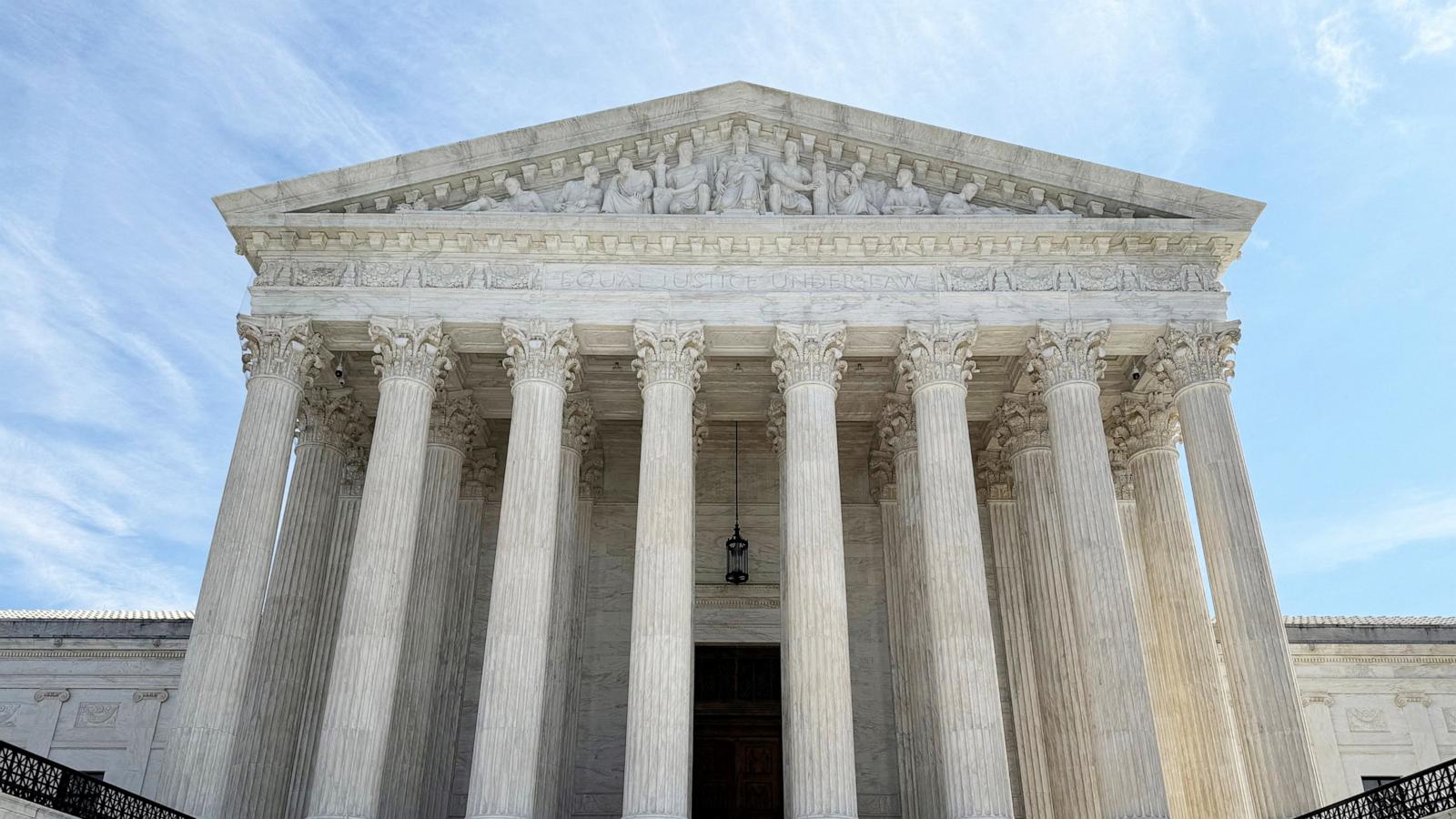
The Supreme Court is hearing a case about President Trump’s attempt to limit a program called Temporary Protected Status (TPS). TPS protects certain noncitizens from being deported when their home countries are unsafe due to war, natural disasters, or other serious problems.
Key Facts
The Supreme Court will decide if the Trump administration can reduce protections under the TPS program.
TPS was created in 1990 to help people who cannot return home safely.
TPS applies to people from countries affected by war, natural disasters, or other dangerous situations.
President Trump’s government wants to end or reduce TPS protections for some groups.
This case is part of President Trump’s broader efforts to tighten immigration rules.
Hundreds of thousands of noncitizens currently have TPS status in the U.S.
The Supreme Court’s decision will affect the legal status of those protected by TPS.
Read the Original
Want the full story? Tap a source to open the original
article.
Senate Republicans are hesitant to support President Trump's plan to build a large ballroom at the White House. Some GOP senators worry it could look bad politically, especially if taxpayer money is used.
Key Facts
President Trump has proposed building a 90,000-square-foot ballroom at the White House.
Senate Republicans are reluctant to vote for legislation that would approve this plan.
Some GOP senators think supporting the project could hurt their political standing.
Concerns exist about using taxpayer funds for the ballroom's construction.
Despite hesitations, many Republicans support the idea in principle but oppose the timing or funding.
The project is described as controversial among lawmakers.
The political climate is a factor in the GOP’s cautious approach.
Read the Original
Want the full story? Tap a source to open the original
article.
A provision in the farm bill aims to limit certain lawsuits against pesticide companies. This has caused disagreement in the House of Representatives, especially among some Republican lawmakers who support the "Make America Healthy Again" movement.
Key Facts
The farm bill includes a rule that would prevent some legal cases against pesticide makers.
This provision is causing debates in the House of Representatives.
The "Make America Healthy Again" (MAHA) group opposes this part of the bill.
Some Republican members are strongly against the provision.
The disagreement could delay the farm bill’s approval.
The bill overall deals with agricultural policies and support for farmers.
The dispute highlights tensions within the Republican Party.
Read the Original
Want the full story? Tap a source to open the original
article.
A recent Emerson College Poll shows that Democrats lead Republicans by 10 points in a general vote for Congress. This poll suggests Democrats are in a strong position before the November midterm elections.
Key Facts
The poll was conducted over three days last weekend.
50% of likely voters support Democrats on a generic congressional ballot.
The poll shows a 10-point lead for Democrats over Republicans.
This is part of a series of polls showing Democratic strength.
The results provide insight into voter preferences ahead of the midterms in November.
Read the Original
Want the full story? Tap a source to open the original
article.
President Donald Trump and First Lady Melania Trump hosted King Charles III and Queen Camilla for a state dinner at the White House. The event celebrated the relationship between the United States and the United Kingdom.
Key Facts
The state dinner took place in the East Room of the White House.
King Charles III and Queen Camilla were the guests of honor.
President Donald Trump and First Lady Melania Trump were the hosts.
The event included light-hearted conversation between King Charles and President Trump.
The dinner aimed to highlight the strong ties between the US and the UK.
This visit follows King Charles’ historic address to the US Congress.
The state dinner is a traditional way to welcome foreign leaders to the US.
Read the Original
Want the full story? Tap a source to open the original
article.
Former FBI Director James Comey has been charged with threatening President Donald Trump’s life because of a post he made on Instagram. The post showed the numbers “86 47” arranged with seashells, which some interpreted as a coded message to harm the president.
Key Facts
James Comey is the former FBI Director.
He was charged with threatening President Donald Trump’s life.
The charge comes from an Instagram post made by Comey in May of the previous year.
The post displayed the numbers “86 47” spelled out using seashells.
“86” is slang for “kill” and “47” refers to Trump as the 47th president.
The case is from a grand jury in North Carolina.
This indictment happened five months after a previous case against Comey related to this issue was dismissed.
Read the Original
Want the full story? Tap a source to open the original
article.
The article explains that the threat to the U.S. presidency is changing from traditional gun attacks to new dangers posed by drones. Unlike guns, drones can be operated from far away without easily being traced, making them harder to stop and potentially more harmful.
Key Facts
Historically, attacks on U.S. presidents have mostly involved guns, which require the attacker to be close.
Security measures like the Secret Service and armored vehicles were created to protect against these gun-based threats.
Drones can be flown from over a mile away, so operators do not need to be near the president or even in the same city.
Consumer drones are widely available and can be modified to carry harmful items.
Drone attacks leave fewer traces, making it easier for attackers to avoid capture.
The possible damage from drone swarms (groups of drones working together) could be far greater than that from lone gunmen.
Countermeasures against drones are costly, imperfect, and not yet fully used to protect civilian leaders.
The recent drone-related attempt on President Trump’s life shows that traditional security may no longer be enough.
Read the Original
Want the full story? Tap a source to open the original
article.
President Donald Trump met with oil and gas company leaders at the White House to talk about how the war in Iran is affecting energy supplies and prices. They discussed topics like U.S. oil production, global markets, and efforts to ease rising gasoline prices in the U.S.
Key Facts
The meeting included President Trump, Chevron CEO Mike Wirth, and several top White House officials.
The war in Iran has disrupted oil supply, causing global prices and U.S. gasoline prices to rise.
Average U.S. gasoline prices reached $4.18 per gallon, the highest since 2022 and the war’s start.
The White House is trying to lower prices by waiving the Jones Act, which normally limits shipping to U.S.-built and owned vessels.
The Strait of Hormuz, a key oil shipping route, is effectively closed, cutting about 25% of the world’s seaborne oil supply.
Higher prices are increasing U.S. exports of oil and liquefied natural gas.
The White House meets often with energy executives to discuss market developments and strategies.
There is concern that continued high prices could reduce oil demand in the U.S. and globally.
Read the Original
Want the full story? Tap a source to open the original
article.
Defense Secretary Pete Hegseth is appearing before Congress for the first time since the war with Iran began in February 2026. The hearings will focus on the Pentagon’s budget request, concerns about military stockpiles, and the war’s progress as the U.S. approaches a 60-day deadline to reduce hostilities.
Key Facts
Pete Hegseth, Defense Secretary, is testifying before the House and Senate Armed Services Committees.
This is Hegseth’s first congressional appearance since the Iran war started in February 2026.
The administration requested $1.5 trillion for defense spending, a 50% increase over current levels.
The request includes $74 billion for drones and $30 billion for munitions but does not cover Iran war costs.
The Pentagon may need more funds soon due to heavy use of weapons in the Iran conflict.
U.S. forces have struck more than 13,000 targets in Iran since the war began.
Experts warn the U.S. military has limited missile stockpiles, which could be a problem in extended conflicts.
Additional Pentagon officials, including Gen. Dan Caine and Jules Hurst III, will also testify at the hearings.
Read the Original
Want the full story? Tap a source to open the original
article.
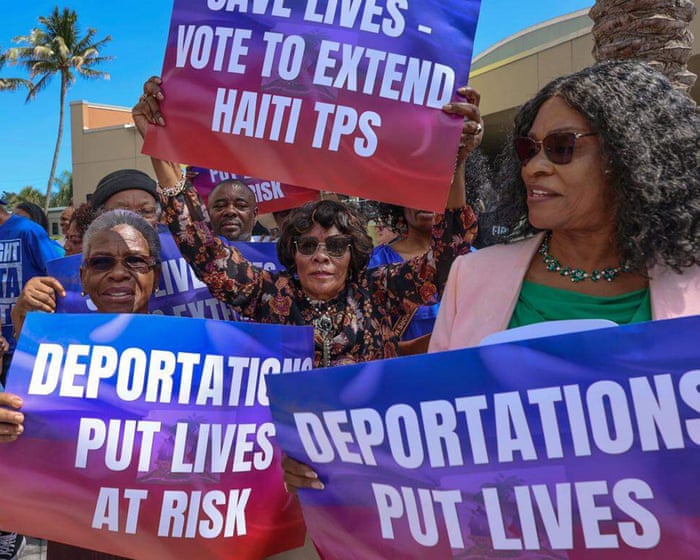
The U.S. Supreme Court is reviewing whether President Trump’s decision to cancel Temporary Protected Status (TPS) for Haitian and Syrian immigrants was lawful. TPS allowed these immigrants to work and live in the U.S. legally because of unsafe conditions in their home countries. The court’s decision will affect hundreds of thousands of people and their futures in the U.S.
Key Facts
Around 350,000 Haitians and 6,000 Syrians have TPS, which protects them from deportation and allows work rights.
TPS is granted when the U.S. government determines a foreign country is unsafe due to conflict, disaster, or other serious problems.
Haiti faced a major earthquake in 2010 and ongoing violence and unrest since then.
Syria has been in civil war since 2011 and suffered a major earthquake in 2023, worsening its humanitarian crisis.
President Trump’s administration ended TPS for these groups, saying they were never meant to be permanent residents and that cancelling TPS was needed for U.S. security.
The Biden administration had previously renewed TPS for Haiti and Syria before the Trump decision.
Lower courts blocked the cancellations, ruling the process was improper and possibly based on racial discrimination.
Business groups and immigrant advocates argue TPS holders are important to the U.S. economy, especially in healthcare and caregiving.
Read the Original
Want the full story? Tap a source to open the original
article.
Support from the pro-Israel group AIPAC is causing debate in Democratic primary races across the United States. Polls show many Americans, especially young Democrats, have a negative view of Israel, which is influencing opinions about candidates who receive support from AIPAC.
Key Facts
A recent Pew Research Center poll found 60% of Americans have an unfavorable view of Israel, up 7% since last year.
Among Democrats, 80% have a negative opinion of Israel.
The pro-Israel group AIPAC supports certain political candidates and is becoming a controversial factor in Democratic races.
The group Citizens Against AIPAC Corruption, also called Track AIPAC, criticizes AIPAC’s influence and shares donation data on social media.
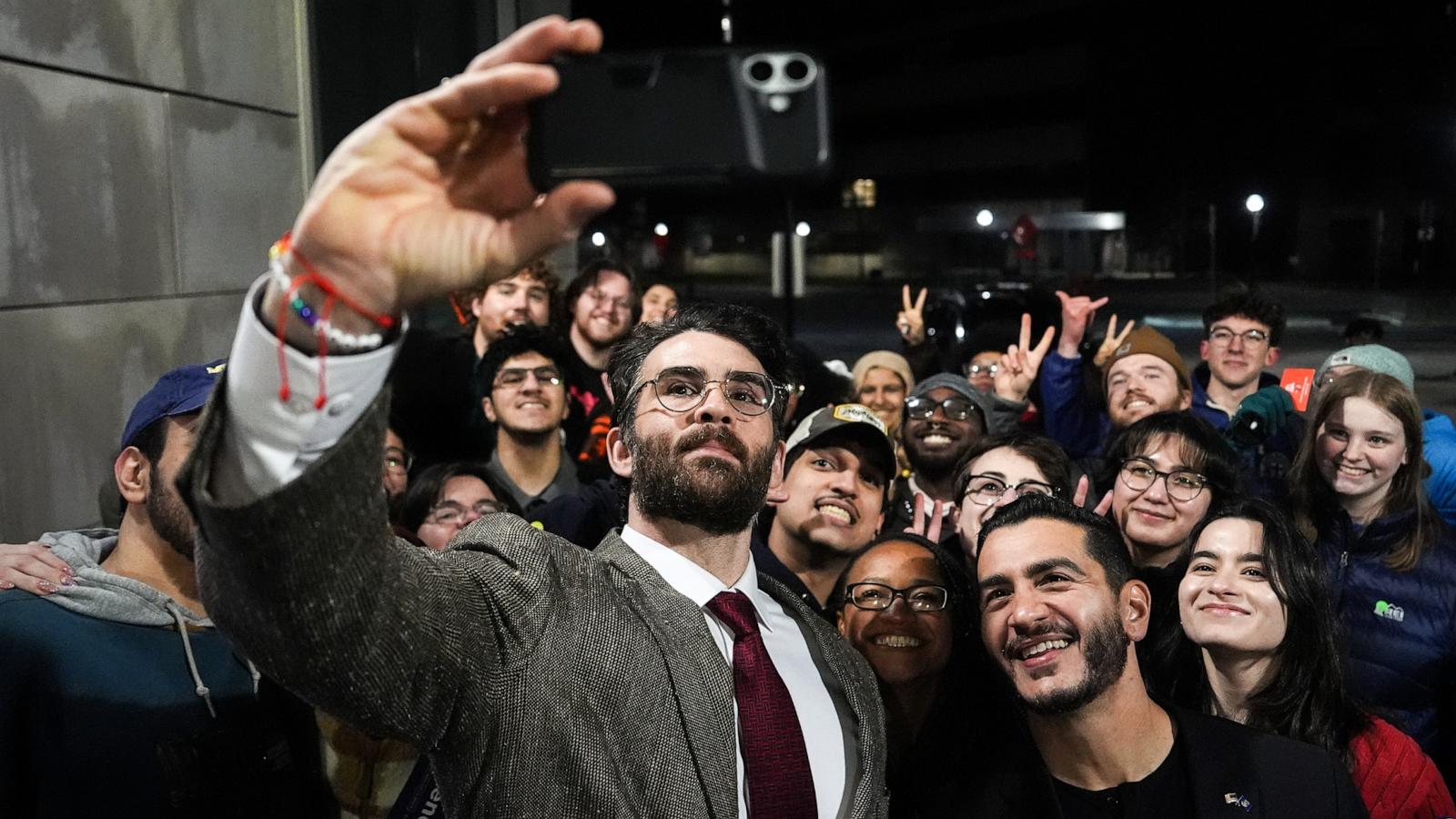
Some Democrats, like Michigan Senate candidate Abdul El-Sayed, openly criticize AIPAC and call the Gaza conflict a genocide.
AIPAC calls Track AIPAC’s campaign unfair and accuses it of trying to silence pro-Israel Democrats.
Michigan’s Democratic Senate primary is highly competitive and reflects ethnic diversity, with both large Arab-American and Jewish populations.
The debate around AIPAC funding ties into broader disagreements over U.S. support for Israel in conflicts like the war between Israel and Hamas.
Read the Original
Want the full story? Tap a source to open the original
article.
A strong winter storm is expected to bring heavy snow to parts of Colorado, New Mexico, and Alaska, with up to 20 inches of snow forecast in some areas. The National Weather Service warns that the snow and strong winds will make travel dangerous and could cause power outages.
Key Facts
Winter storm watches are in effect for southern Colorado from Thursday morning to Friday.
Snowfall in Colorado may reach 6 to 12 inches below 11,000 feet and up to 20 inches at higher elevations.
Northern New Mexico is also under a winter storm watch with expected snow between 3 and 14 inches depending on elevation.
Alaska faces winter weather advisories with lighter snow and strong winds causing blowing snow and low visibility.
Heavy snow can break tree branches and power lines, causing power outages.
Drivers are warned to avoid travel unless necessary and to prepare with emergency supplies.
People should charge devices, have backup heat sources, and monitor weather updates.
Travel through mountain passes is especially hazardous due to snow and slippery roads.
Read the Original
Want the full story? Tap a source to open the original
article.
The US Supreme Court will hear arguments on whether the Trump administration can end temporary protected status (TPS) for hundreds of thousands of Syrians and Haitians. TPS allows people from unsafe countries to live and work in the US without fear of deportation, but the administration wants to remove these protections for several countries.
Key Facts
The Supreme Court will decide if the Trump administration can revoke TPS for Syrians and Haitians.
TPS is a program protecting people from deportation when their home countries are unsafe due to war or disasters.
The Trump administration has tried to end TPS protections for people from 13 countries recently.
Haitians have had TPS since 2010; Syrians since 2012.
The House of Representatives recently passed a bill to extend TPS protections for Haitians for three more years.
The Supreme Court previously allowed the administration to remove TPS for Venezuelans.
TPS does not lead to citizenship but allows work and living rights in the US during unsafe conditions at home.
Legal challenges from Haitian and Syrian TPS holders have been combined for the Supreme Court case.
Read the Original
Want the full story? Tap a source to open the original
article.