Fact-first summaries of the news — stay informed, stay grounded.
Your favorite news sources, one calm feed — fact-first summaries that always link to the
original story. No outrage bait, and we tell you when you're caught up. How it works
US News
Latest developments and key stories from across the United States
The article discusses the idea that the Federal Reserve’s independence is not absolute and was created for specific historical reasons. It explains that Congress set up the Fed’s independence and can change its rules, and questions if the current way the Fed operates fits today’s economic challenges in the U.S.
Key Facts
The Federal Reserve’s independence began after World War II to control inflation and prevent politicians from keeping government borrowing costs low.
This independence was established by the 1951 Treasury-Fed Accord, a legal agreement between the Fed and the government.
The Federal Reserve Act gives Fed governors 14-year terms and protects them from being fired without cause, ensuring operational independence.
Congress created the Fed and can change its rules, goals, and how it is governed.
The Fed’s dual mandate to promote maximum employment and stable prices became law in 1977.
President Donald Trump publicly criticized Fed Chair Jerome Powell and took legal actions against some Fed officials.
Some experts argue that the Fed’s independence should be flexible to better handle modern economic issues like housing shortages and industrial growth.
Coordination between the government and the Fed might be more effective than strict separation of their roles.
Read the Original
Want the full story? Tap a source to open the original
article.
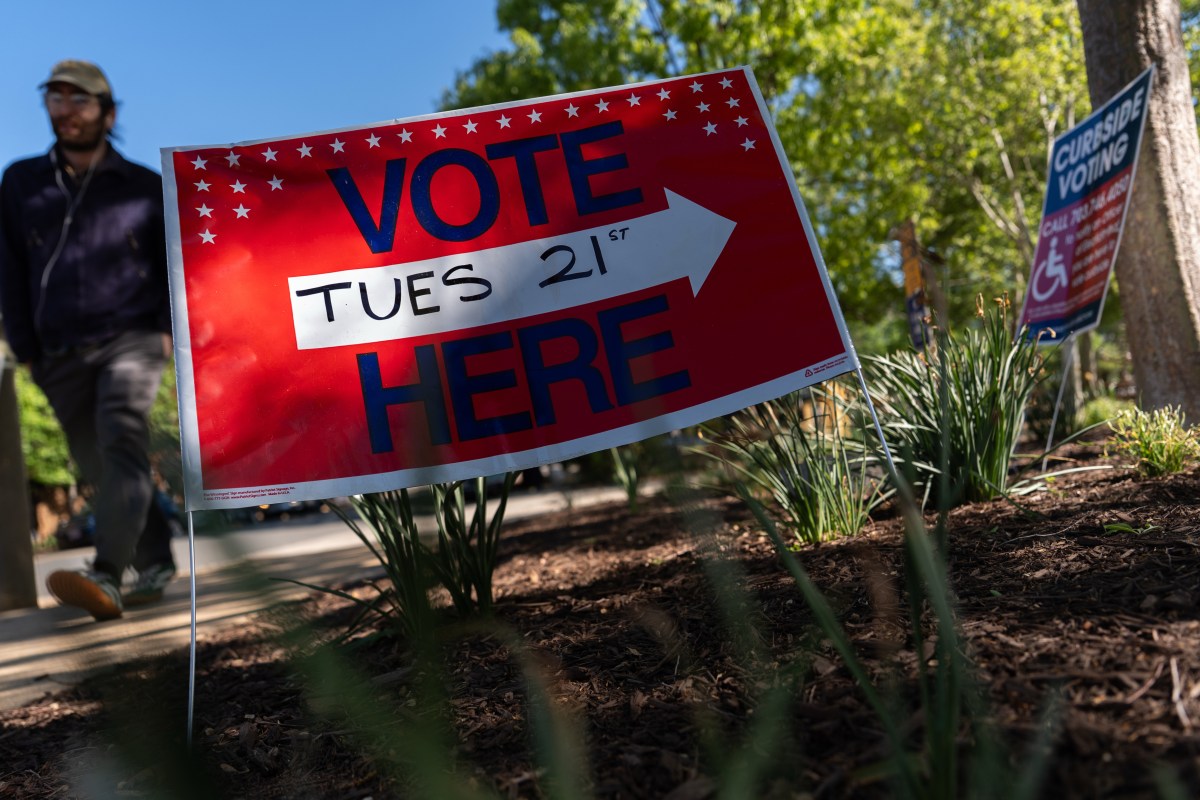
Natural disasters can destroy important records that show who people are. This damage could make it harder for some people to prove their identity when they want to vote.
Key Facts
Natural disasters cause widespread destruction.
Important personal records may be lost or damaged during disasters.
These records are often needed as proof of identity.
Without these records, people might face difficulties voting.
The article links this issue with the SAVE America effort.
The topic focuses on how voting rights could be impacted by record loss.
Read the Original
Want the full story? Tap a source to open the original
article.
Acting Attorney General Todd Blanche signed an order to reclassify state-licensed medical marijuana from Schedule I to Schedule III, which means it is now considered less dangerous under federal rules. This change may help increase research and ease some tax and regulatory limits on medical marijuana, but it does not legalize recreational use or fully remove marijuana from federal drug restrictions.
Key Facts
Medical marijuana licensed by states was moved from Schedule I to Schedule III in the federal drug classification.
Schedule III includes drugs like some pain medications, ketamine, and testosterone.
The reclassification may allow more detailed scientific studies on marijuana’s effects.
This federal change does not legalize recreational marijuana use nationwide.
Marijuana remains illegal under federal law and still on the controlled substances list.
The change could reduce some taxes and regulatory challenges for the cannabis industry.
President Donald Trump announced plans to reclassify marijuana but not legalize it before this order.
Acting Attorney General Todd Blanche said the change will help doctors and patients about medical treatments using marijuana.
Read the Original
Want the full story? Tap a source to open the original
article.
President Donald Trump’s acting attorney general, Todd Blanche, signed an order that changes the federal classification of state-licensed medical marijuana from a high-risk drug to a less dangerous category. This move does not legalize marijuana but reduces restrictions, offers tax breaks, and promotes research on medical cannabis.
Key Facts
Medical marijuana licensed by states has been moved from Schedule I to Schedule III under federal law.
Schedule I drugs are considered to have no medical use and a high risk of abuse; Schedule III drugs are less strictly controlled.
The order provides tax breaks to licensed medical marijuana businesses.
It makes it easier for researchers to study medical marijuana without penalties.
The Department of Justice will start a hearing process in late June to consider broader marijuana reclassification.
President Trump instructed his administration to speed up the marijuana reclassification process.
About 40 states currently have medical marijuana programs that are supported by this change.
The action helps medical marijuana operators register more easily with the Drug Enforcement Administration (DEA).
Read the Original
Want the full story? Tap a source to open the original
article.
The Trump administration has officially changed the federal classification of cannabis from a Schedule I to a Schedule III drug. This change makes cannabis less restricted under federal law, allowing for more research and medical use, but the drug remains illegal federally.
Key Facts
Cannabis was moved from Schedule I, considered highly dangerous with no medical use, to Schedule III, a less strict category.
Schedule III drugs are seen as having accepted medical uses and lower potential for abuse, similar to Tylenol with codeine.
President Donald Trump signed an executive order last year to start this reclassification.
Acting Attorney General Todd Blanche ordered the reclassification for cannabis products regulated by the FDA and those with state medical licenses.
The change will take effect 30 days after it is published in the Federal Register, but it can be legally challenged during this time.
The DEA will hold a hearing on the reclassification in late June.
Most states already allow medical or recreational marijuana use despite the federal ban.
Trump also recently signed another order to improve access to psychedelic drugs for medical treatment.
Read the Original
Want the full story? Tap a source to open the original
article.
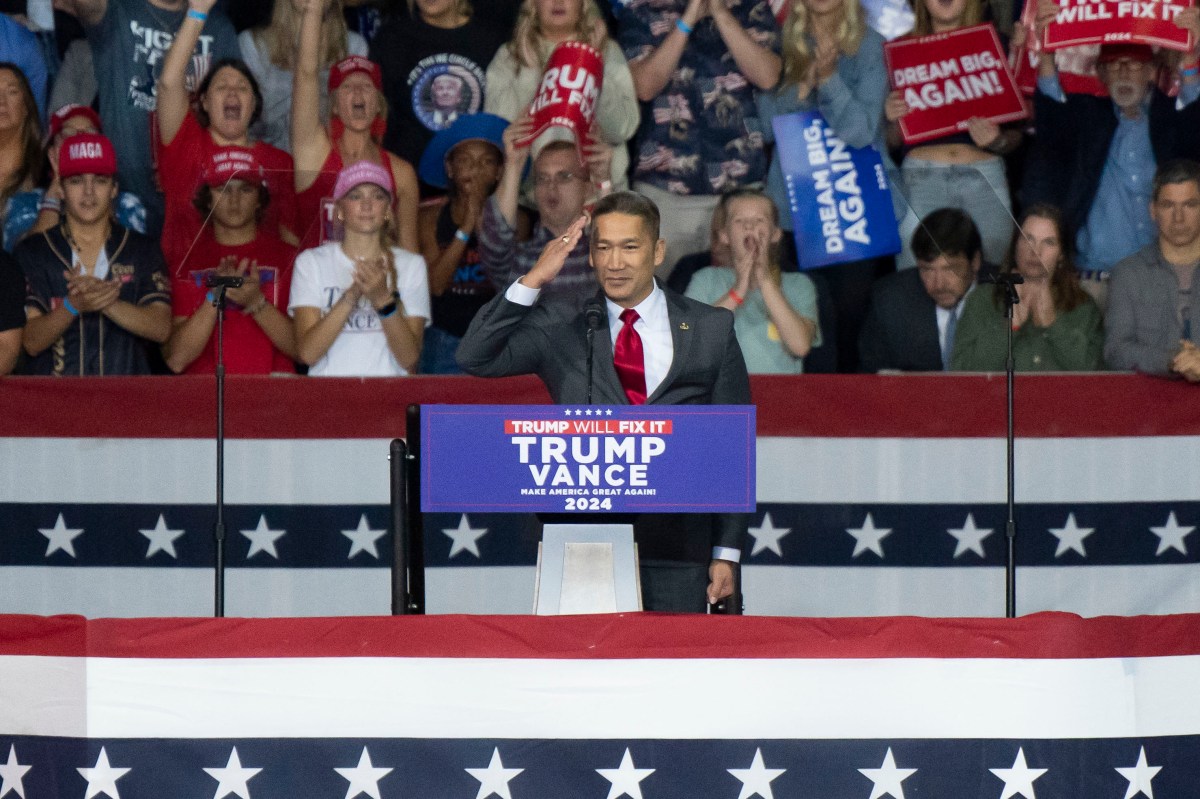
Hung Cao has been named Acting Secretary of the Navy following the sudden departure of John Phelan amid rising tensions with Iran. Cao takes the role during a fragile ceasefire while the U.S. Navy enforces a blockade and prepares for possible combat operations.
Key Facts
John Phelan, the Navy Secretary, left his position unexpectedly.
Hung Cao, a 25-year Navy veteran and the Navy’s second-highest civilian official, is now Acting Secretary.
The Navy is enforcing a U.S. blockade of Iranian ports during a delicate ceasefire.
The Pentagon is experiencing leadership changes during ongoing U.S.-Iran tensions.
Phelan’s departure related to disagreements over Navy shipbuilding priorities with Defense Secretary Pete Hegseth.
The U.S. armed forces are ready to resume fighting with Iran if the ceasefire ends.
The Navy also targets Iranian-linked ships globally and operates in the Caribbean against drug traffickers.
Removing a Navy Secretary during wartime is historically rare in the U.S. government.
Read the Original
Want the full story? Tap a source to open the original
article.
The Trump administration has officially started the process to change marijuana’s legal classification from schedule I to schedule III, which could allow more medical research and easier access for patients. This move follows President Trump’s executive order and aims to adjust how marijuana is regulated without fully legalizing it nationwide.
Key Facts
Marijuana was previously classified as a schedule I drug, alongside heroin and LSD.
The new classification would be schedule III, in the same group as ketamine and anabolic steroids.
Trump’s acting attorney general, Todd Blanche, signed the reclassification order.
The change is intended to improve healthcare by allowing more research on marijuana’s safety and medical use.
Rescheduling marijuana will not legalize it federally or change current criminal penalties immediately.
Marijuana remains illegal federally for transporting across state lines without permission.
This decision comes shortly after Trump ordered a review of psychedelic drugs for medical research.
Public opinion polls show majority support for marijuana legalization, including among some Republicans.
Read the Original
Want the full story? Tap a source to open the original
article.
The race for California governor became more competitive after Representative Eric Swalwell stopped running. Other candidates took part in a debate to discuss their plans for the state.
Key Facts
Eric Swalwell, a U.S. Representative, exited the California governor race.
The departure happened before a debate involving the remaining candidates.
The debate took place on a Wednesday.
Candidates discussed their ideas to lead California.
The event was covered by CBS News and The New York Times.
Read the Original
Want the full story? Tap a source to open the original
article.
Acting Attorney General Todd Blanche signed an order to change the classification of state-licensed medical marijuana, lowering its danger level. This change reduces regulations and offers tax breaks to licensed medical marijuana businesses, but it does not fully legalize marijuana.
Key Facts
The reclassification applies only to state-licensed medical marijuana.
It lowers marijuana from a high-danger category to a less strict category.
The change was made by Acting Attorney General Todd Blanche.
Licensed medical marijuana operators will get tax breaks.
This order does not legalize marijuana nationwide or for non-medical use.
The move aims to ease regulations for medical marijuana within states that allow it.
The decision affects how marijuana is treated under federal rules.
Read the Original
Want the full story? Tap a source to open the original
article.
Illegal border crossings between the U.S. and Mexico have dropped to the lowest level in 55 years. This decrease follows a period of higher crossings and comes during a time when President Donald Trump’s administration is enforcing stricter measures in some large U.S. cities.
Key Facts
Illegal crossings at the U.S.-Mexico border are at their lowest since 55 years ago.
Crossings had increased significantly in recent years before this drop.
President Donald Trump’s administration has increased enforcement actions in major U.S. cities this year.
The article discusses details of the border situation reported by Camilo Montoya-Galvez for CBS News.
The changes reflect shifts in migration patterns and government policy.
Read the Original
Want the full story? Tap a source to open the original
article.
Knife killings in England and Wales dropped by 21% in 2025 compared to 2024, reaching the lowest level since 2010-11. Overall homicide cases also decreased by 6%, and total knife-related crimes fell by 10%. Theft incidents and shoplifting showed small declines, while robbery of businesses involving violence increased.
Key Facts
Knife killings fell from 217 in 2024 to 172 in 2025, a 21% decrease.
Total homicides dropped by 6%, from 534 in 2024 to 503 in 2025.
Knife-related crimes fell by 10%, with 49,151 offences recorded in 2025.
The Crime Survey for England and Wales estimated 2.6 million thefts in 2025, 11% fewer than the previous year.
Recorded shoplifting offences fell by 1% to 509,566 in 2025.
Police were advised to record shoplifting with violence as robbery of business property, which likely caused a small increase in robbery cases.
Robbery of businesses rose sharply by 78%, from 14,691 cases in 2024 to 26,158 in 2025.
Homicide offences include murder, manslaughter, infanticide, and causing death or harm to children or vulnerable adults.
Read the Original
Want the full story? Tap a source to open the original
article.
A family shares the story of their 14-year-old daughter Englyn, who struggled with mental health issues linked to hidden social media use and harmful online content. Despite parental efforts, Englyn was exposed to distressing material promoted by social media algorithms, which contributed to her tragic death by suicide.
Key Facts
Englyn received a cellphone at age 11 to stay in touch with family and friends.
The parents knew her passcodes and checked her phone regularly but didn’t realize she downloaded secret social media apps.
Social media platforms used algorithms that showed Englyn content about self-harm and other harmful behaviors.
Englyn’s mental health declined, showing anxiety, depression, and self-harm before her death at age 14.
The family found Meta (Facebook) targeted Englyn and her friends with dark, disturbing videos, including one simulating a suicide attempt.
Despite multiple reports, the harmful video was not removed from Meta’s platform.
Internal company documents and lawsuits claim social media companies prioritize addicting users and use predatory practices like targeting children under 13.
Existing parental controls and screen time limits are often ineffective against these persistent algorithm-driven recommendations.
Read the Original
Want the full story? Tap a source to open the original
article.
Police are looking for a 17-year-old suspect, Damarian Jones, linked to a shooting near the University of Iowa that wounded five people. Jones faces multiple serious charges, including attempted murder, and remains at large after the incident early Sunday morning.
Key Facts
The shooting happened around 1:45 a.m. Sunday at Iowa City's Pedestrian Mall near the University of Iowa.
Five people were shot and injured; two are still hospitalized with serious injuries.
Jones is charged with five counts of attempted murder and other assault-related charges.
Police say Jones fired six shots after a physical fight involving multiple people.
None of the injured victims were the intended targets.
Authorities recovered three firearms and multiple rounds of ammunition during the investigation.
Police are asking the public to provide any information on Jones’s whereabouts.
Additional charges and arrests are expected as investigations continue.
Read the Original
Want the full story? Tap a source to open the original
article.
Two families hiking along a coastal area were trapped when the tide rose quickly and cut off their path. Rescue teams carried out a daring operation to bring them safely from the rocky cliff edge.
Key Facts
Two families were hiking near the coastline.
The tide came in faster than expected.
Rising water stranded the families on a rocky cliff.
Rescue authorities responded to the situation.
The families were safely rescued from the cliff.
Read the Original
Want the full story? Tap a source to open the original
article.
Police in Tampa are looking for two doctoral students from the University of South Florida who have not been seen for a week. The students, Zamil Limon and Nahida Bristy, both originally from Bangladesh, went missing on April 16.
Key Facts
Two doctoral students from the University of South Florida are missing.
Their names are Zamil Limon and Nahida Bristy.
Both students are from Bangladesh.
They were last seen on April 16.
Their families have expressed concern about their disappearance.
Police in Tampa are actively searching for them.
The situation is described as very unusual by those close to the students.
Read the Original
Want the full story? Tap a source to open the original
article.
A woman married to an Army soldier has been held by ICE (Immigration and Customs Enforcement) for over a week. Although she was told she might be released, ICE is now moving forward with deporting her to Mexico, rather than her home country, El Salvador, which she is legally protected from being sent to.
Key Facts
The woman is the wife of a U.S. Army soldier.
She has been detained by ICE for more than one week.
She was told she might be released from custody.
ICE is instead preparing to deport her to Mexico.
She cannot be deported to El Salvador due to legal protections.
Her family’s lawyer confirmed the deportation process is underway.
The situation has caused confusion and concern for the soldier’s family.
Read the Original
Want the full story? Tap a source to open the original
article.
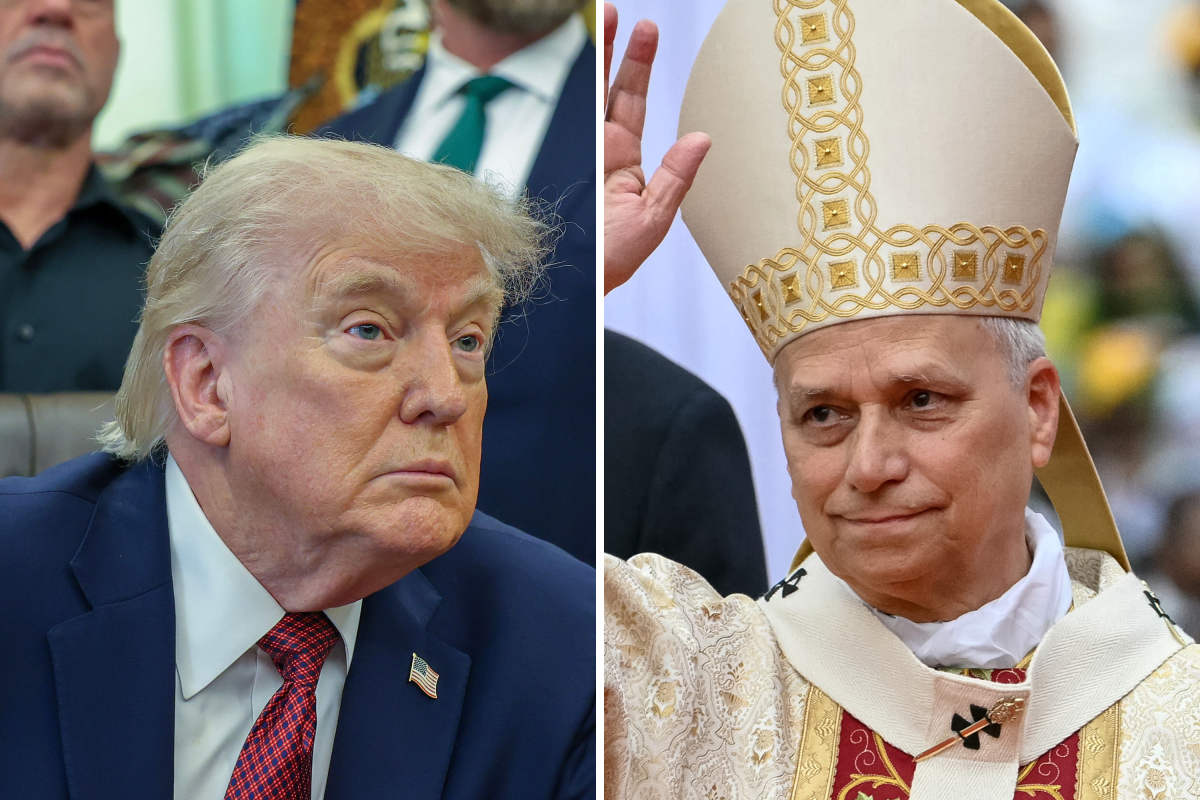
President Donald Trump’s approval rating among Catholic voters increased in April 2026 despite his ongoing public dispute with Pope Leo XIV. Polls show that while his overall approval remained low nationwide, support from Catholics stayed higher and recovered after dipping.
Key Facts
President Trump had a public disagreement with Pope Leo XIV starting in early 2026.
The dispute involved criticism from the Pope about U.S. immigration and foreign policies.
Three Fox News polls from February to April 2026 tracked Trump’s approval ratings.
Nationally, Trump’s approval ranged from 41% to 43%, with a net negative rating of about minus 14 to minus 18.
Among Catholic voters, Trump’s approval was higher, between 48% and 52%, fluctuating but mostly remaining positive.
By April 2026, Trump’s approval among Catholics rose back to 51%, despite the feud.
The polling suggests Catholics are more tolerant of Trump’s criticisms of the Vatican than expected.
The polls surveyed about 1,000 registered voters each, with a margin of error of ±3 percentage points.
Read the Original
Want the full story? Tap a source to open the original
article.
Large wildfires in southeast Georgia have destroyed many homes and continue to spread. Firefighters are working hard to control the fires, which have burned over 29,000 acres and threaten many more homes.
Key Facts
Nearly 100 firefighters are fighting the Pineland Road Fire.
The fire has grown to more than 29,000 acres.
In Brantley County, more than 50 homes have been destroyed.
About 1,000 more homes are at risk from the fires.
The wildfires are affecting neighborhoods and causing significant damage.
Read the Original
Want the full story? Tap a source to open the original
article.
A Virginia judge, Jack S. "Chip" Hurley Jr., has blocked the official approval of a voter-approved redistricting referendum. He ruled the redistricting measure invalid because lawmakers did not follow legal steps and the ballot language was misleading. The decision stops the map changes from taking effect while the dispute continues in court.
Key Facts
Judge Jack S. Hurley Jr. is a circuit court judge in Virginia’s southwest, appointed in 2012 by Republican Governor Bob McDonnell.
The judge ruled the redistricting amendment "void ab initio," meaning it was legally invalid from the start.
His ruling said lawmakers failed to follow constitutional procedures required to pass the amendment.
Hurley also said the ballot language used for the referendum was misleading to voters.
Virginia voters approved the Democratic-backed congressional map that could add up to four seats for that party.
The Virginia Supreme Court allowed the referendum vote to go ahead but has not decided on the legal challenges yet.
State Attorney General Jay Jones said his office will file an appeal against Hurley’s ruling.
The ruling stops state officials from certifying the referendum results but does not cancel the votes already cast.
Read the Original
Want the full story? Tap a source to open the original
article.
The Trump administration is having detailed talks with Spirit Airlines about a possible financial aid package that could be as much as $500 million. The discussions aim to help the budget airline with its financial challenges.
Key Facts
The Trump administration is negotiating with Spirit Airlines.
The talks focus on a potential bailout.
The bailout could be up to $500 million in value.
Spirit Airlines is a low-cost or budget airline.
The goal is to support the airline during financial difficulty.
Sources close to the talks provided this information.
The news was reported by CBS News.
Read the Original
Want the full story? Tap a source to open the original
article.