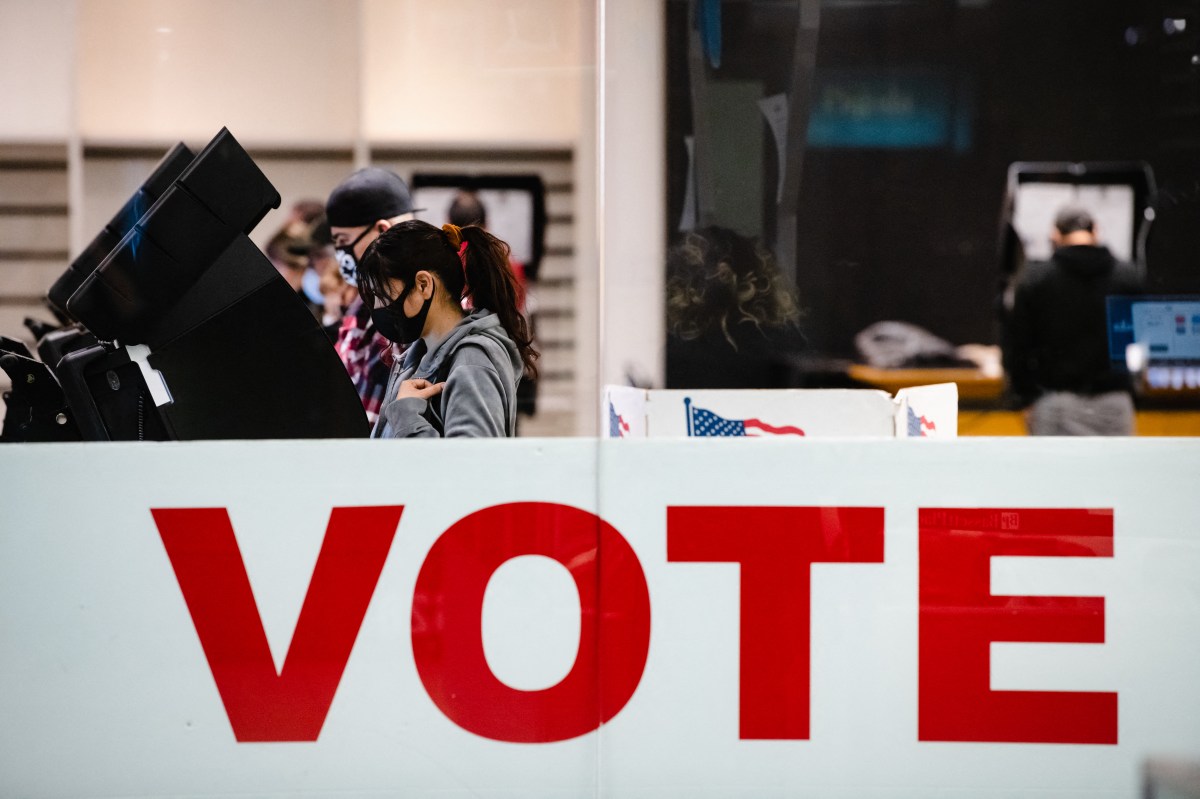
President Donald Trump has previously said mail-in voting is unreliable. However, shortly before the US midterm elections, he started encouraging people to vote by mail while his government continues to try to limit mail-in voting access.
Key Facts
President Trump has long criticized mail-in voting as corrupt.
He changed his tone and urged Americans to vote by mail just weeks before the midterm elections.
The US midterm elections are coming up soon, which may affect voting strategies.
Despite his encouragement, his administration is still working to restrict mail-in voting.
Mail-in voting allows people to send their ballots through the mail instead of voting in person.
The conflicting messages from President Trump have drawn public and media attention.
The article explaining this situation was reported by Al Jazeera journalist Noor Wazwaz.
Read the Original
Want the full story? Tap a source to open the original
article.
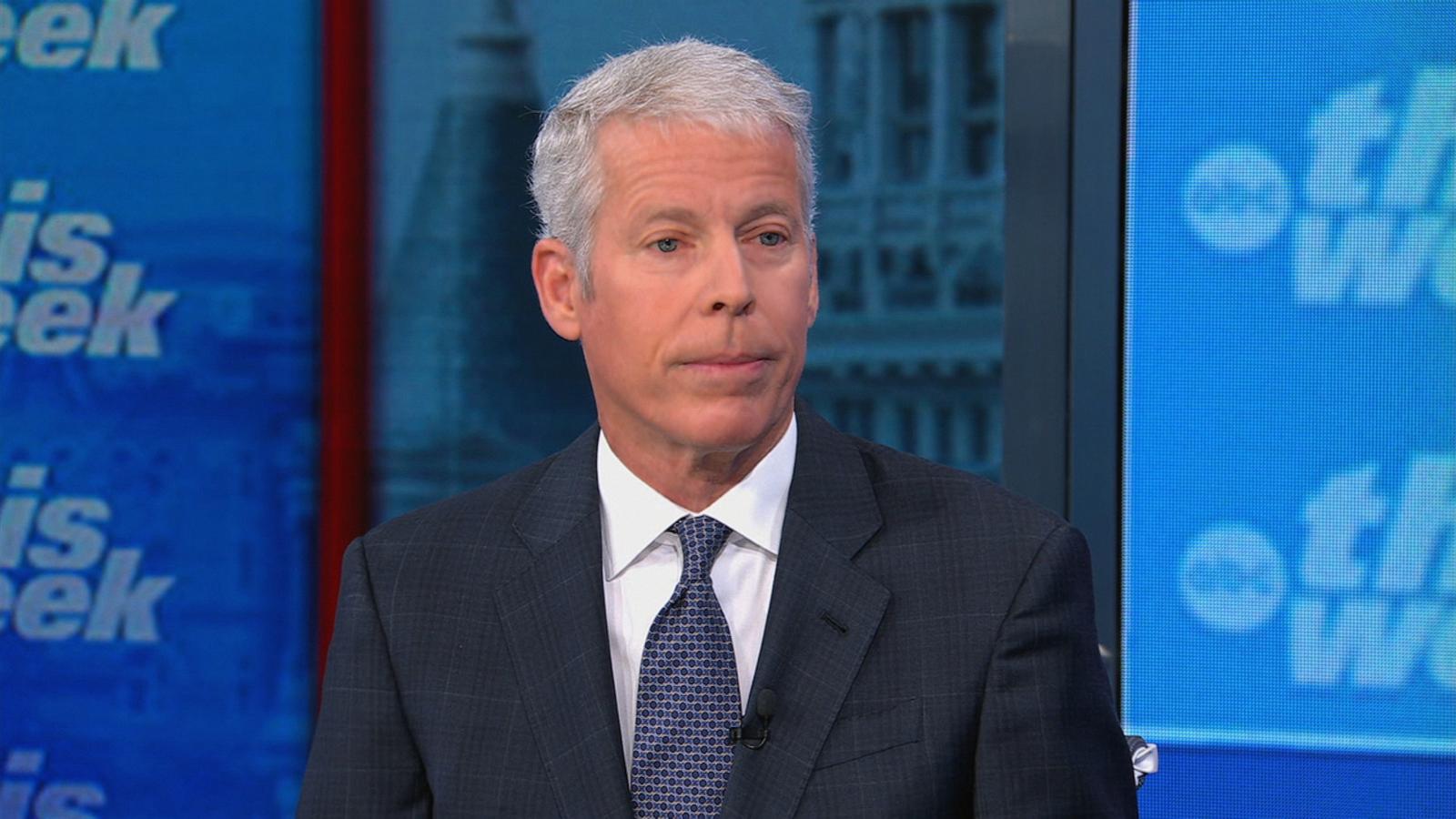
Energy Secretary Chris Wright explained that President Donald Trump’s decision to pause new sanctions on Russia is meant to encourage peace in the conflict with Ukraine. Wright said this move is designed to motivate Russia to reduce fighting, not to give Russia an economic advantage.
Key Facts
President Trump waived new sanctions and tariffs on Russia that were set to start soon.
The sanctions were part of a bill named after the late Republican Senator Lindsey Graham.
The waiver is intended as an incentive for Russia to reduce conflict or reach an energy ceasefire with Ukraine.
Energy Secretary Wright said allowing diesel exports depends on Russia lowering its war effort or repairing refineries through peace negotiations.
Senator Lindsey Graham’s sister disagrees with this decision and prefers keeping pressure on Russia.
Ukrainian President Volodymyr Zelenskyy called the sanction waiver a wrong decision that benefits Russia.
The sanctions were meant to pressure Russia economically to end the war in Ukraine.
The issue is ongoing and could change as new information appears.
Read the Original
Want the full story? Tap a source to open the original
article.
An Air Force officer died after falling from the rafters of the Alamodome before a University of Texas at San Antonio (UTSA) football game against Navy. The officer was participating in a military tribute event and was taken to a hospital but later died from his injuries.
Key Facts
The officer fell while rappelling down from about 170 feet above the field.
He was part of the 6th Combat Training Squadron, which trains military members to rappel from helicopters.
The incident happened during UTSA’s Salute to Armed Forces and Veterans night.
The officer was treated on the field and then taken away by stretcher.
The game start was delayed by about 10 minutes after the fall.
UTSA and the local Air Force base expressed sadness and offered condolences.
The officer’s name was not released to the public.
The crowd at the game reacted noticeably when the fall happened.
Read the Original
Want the full story? Tap a source to open the original
article.
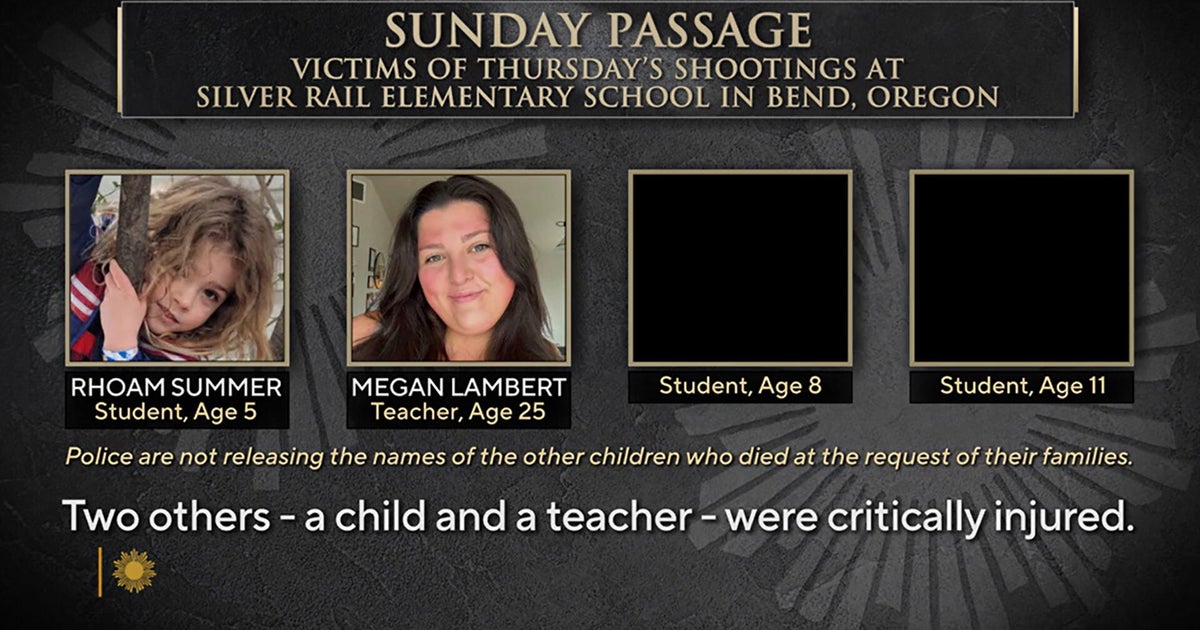
CBS News’ Sunday Morning remembered the victims of last week’s school shooting in Bend, Oregon. The program included a tribute segment called "In memoriam" to honor those affected by the tragedy.
Key Facts
A school shooting happened last week in Bend, Oregon.
CBS News Sunday Morning aired a remembrance segment called "In memoriam."
The segment honored the victims of the Bend school shooting.
The tribute was part of CBS News coverage to acknowledge the tragedy.
The event was recent, and the tribute aired shortly after the incident.
Read the Original
Want the full story? Tap a source to open the original
article.
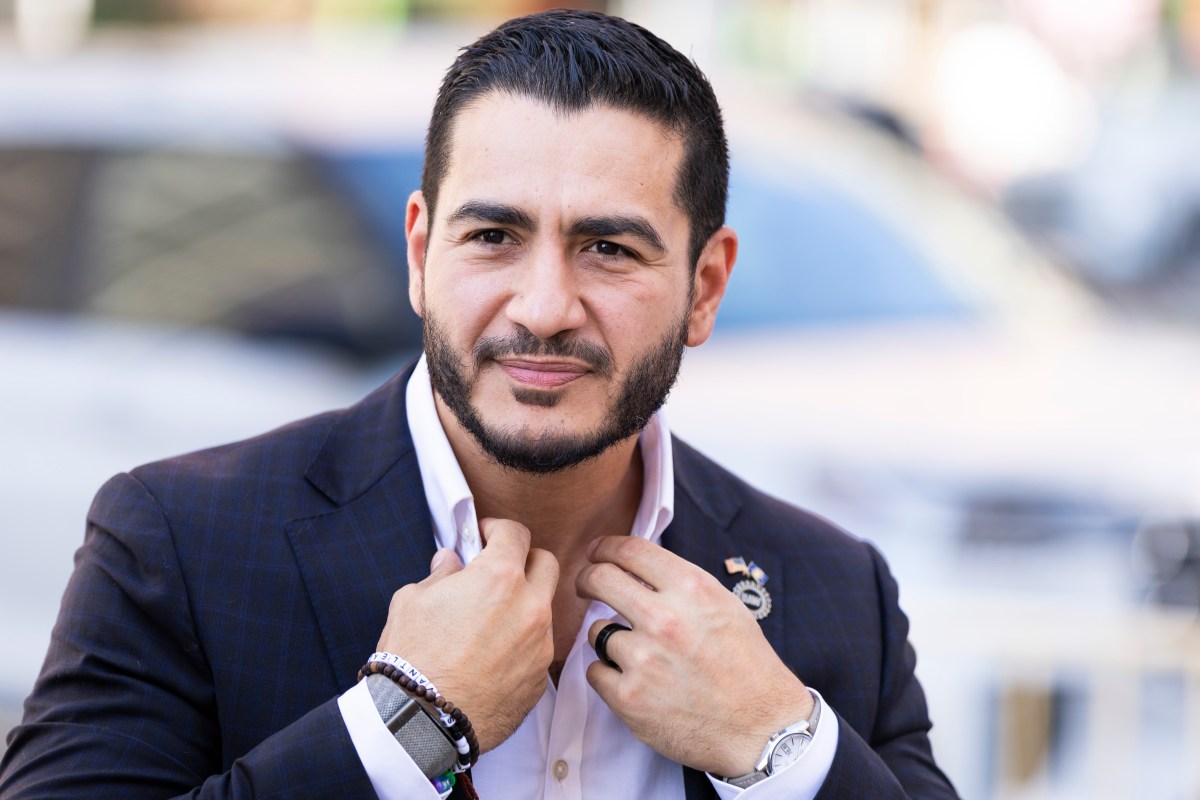
Michigan Democratic Senate candidate Abdul El-Sayed was asked by a voter to disavow the Muslim Brotherhood during a town hall. El-Sayed denied any ties to the group and challenged the voter on assumptions about his loyalty because of his Muslim faith.
Key Facts
Abdul El-Sayed is running for a U.S. Senate seat in Michigan, competing against Republican Mike Rogers.
A voter asked El-Sayed if he would disavow the Muslim Brotherhood, calling it a terrorist group.
El-Sayed said yes but questioned why his Muslim faith made the voter doubt his loyalty to the U.S.
The Muslim Brotherhood is an Islamist movement founded in Egypt in 1928, with some branches labeled terrorist organizations by the U.S. government.
Social media posts from El-Sayed’s half-sister mentioned their mother’s activism in the Muslim Brotherhood decades ago.
El-Sayed stated he had no knowledge of his mother's activities and denied any connections to the group for himself or his family.
President Trump and Mike Rogers have criticized El-Sayed, focusing on his Muslim background.
The voter left the event after their exchange, which received applause from others present.
Read the Original
Want the full story? Tap a source to open the original
article.
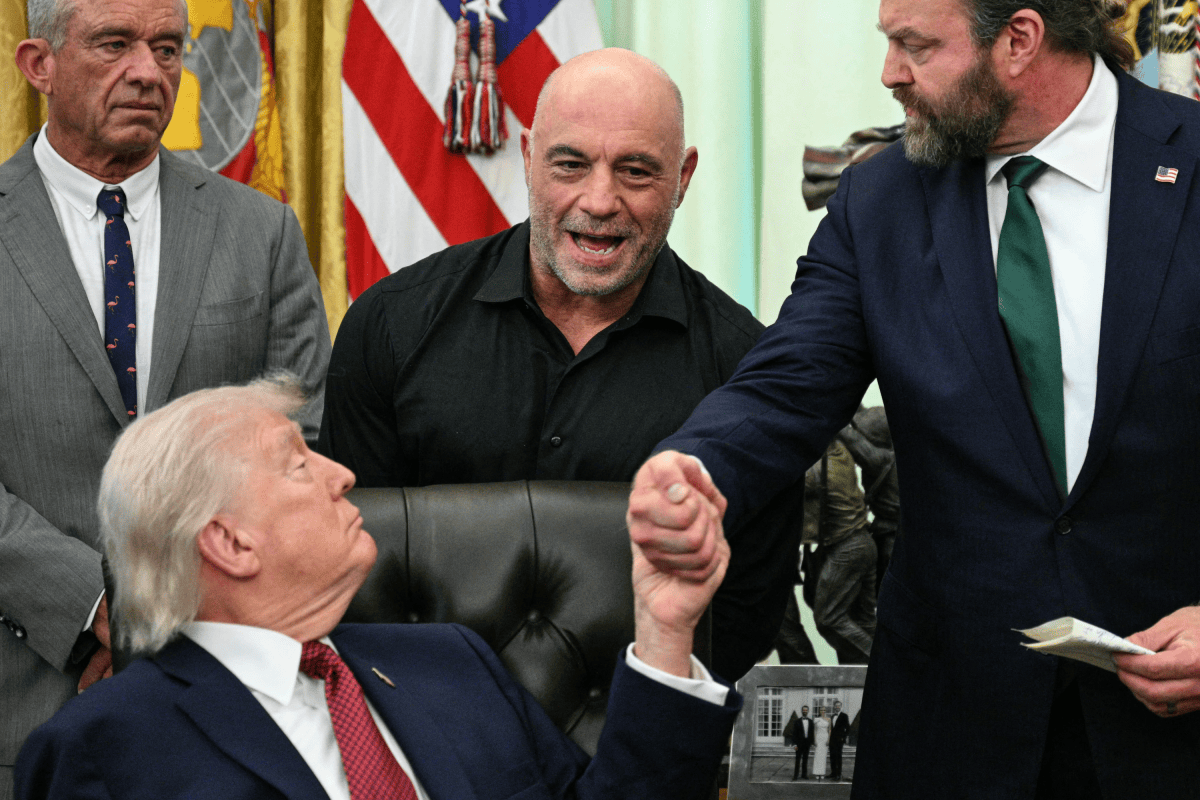
Joe Rogan explained why he changed his political support from Bernie Sanders in 2020 to President Donald Trump in 2024. He cited issues like immigration policies under the Biden administration, COVID-19 vaccine rules, and dissatisfaction with the Democratic candidate selection as reasons for his shift.
Key Facts
Joe Rogan supported Bernie Sanders in 2020 but endorses President Donald Trump in 2024.
Rogan criticized the Biden administration’s handling of immigration, calling the border "open," though government data shows mixed outcomes for border encounters.
He believes the U.S. having only two main political parties limits voter choice and is unhealthy for the country.
Rogan feels Democratic voters were not offered enough real options in recent presidential primaries.
After Biden withdrew from the 2024 race, Kamala Harris became the Democratic nominee through a delegate vote, without a new primary.
Rogan questioned President Biden’s mental sharpness during his presidency and said unclear decision-making affected his trust in the leadership.
He opposed COVID vaccine mandates, viewing them as part of why he grew alienated from the Democrats.
Despite endorsing Trump in 2024, Rogan also criticized Trump’s handling of Iran and certain immigration policies.
Read the Original
Want the full story? Tap a source to open the original
article.
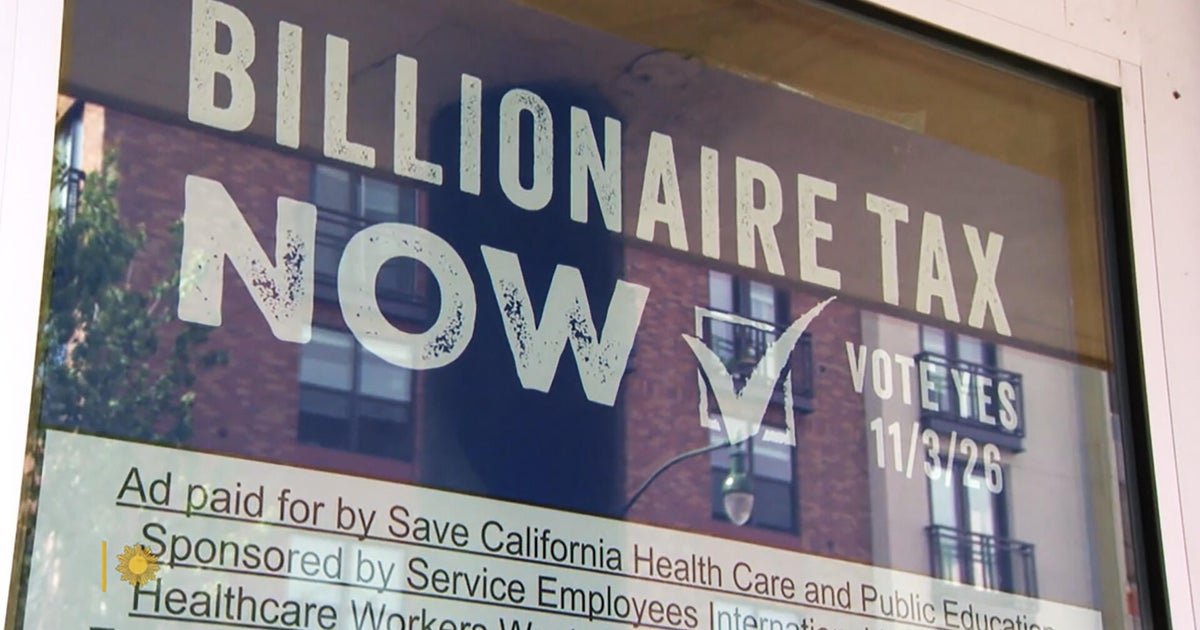
California voters will decide on Proposition 40, a proposed tax on billionaires' wealth. Supporters say the tax could provide benefits, while some progressive groups oppose it.
Key Facts
Proposition 40 would create a new tax targeting billionaires in California.
The tax is based on the wealth of individuals rather than income.
Supporters believe the tax could raise money for public services.
Some progressives oppose the measure, though reasons are not detailed.
The decision will be made by California voters in an upcoming election.
The tax aims to address economic inequality in the state.
The proposal has attracted significant public and media attention.
The article features a CBS reporter examining the potential impacts.
Read the Original
Want the full story? Tap a source to open the original
article.
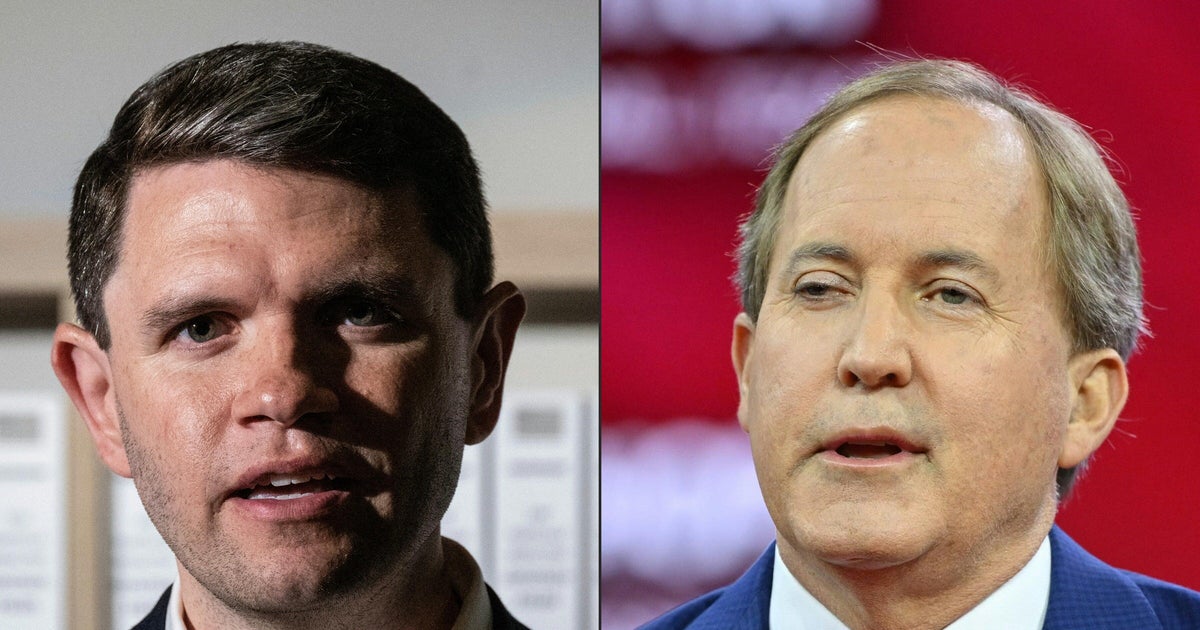
The Texas Senate race between Republican Ken Paxton and Democrat James Talarico is very close and depends on which party’s voters turn out more. Paxton benefits from Texas’s Republican majority and support for President Trump, while Talarico gains support because of concerns about the cost of living and voters’ views of his character.
Key Facts
The Texas Senate race is essentially tied, and voter turnout will decide the winner.
Ken Paxton draws most support from Republicans and voters who back President Trump.
James Talarico leads among voters worried about the cost of living and those who think he has good personal character.
Talarico gets some votes from Republicans and independents who might not usually vote Democrat.
Paxton is favored by voters who support President Trump’s deportation policies and view Talarico as very liberal.
Texas has more Republican voters, so Talarico needs strong turnout from independents, some Republicans, and young voters.
Latino voters in Texas mainly support Talarico and are concerned about rising prices.
For governor, Republican Greg Abbott has an advantage over Democrat Gina Hinojosa.
Read the Original
Want the full story? Tap a source to open the original
article.
Bristol Old Vic is bringing theatre performances into secondary schools in Bristol for free. This project aims to give more young people access to live theatre, especially those from diverse communities and schools with tight budgets.
Key Facts
Bristol Old Vic’s MIB260 company tours plays directly to schools at no cost.
The plays focus on current social topics, like British identity and culture.
The performances take place in school halls to avoid the costs and complications of trips.
The initiative aims to reach up to 4,000 students in 19 secondary schools.
Many students in these schools come from multicultural backgrounds and face financial challenges.
Schools often can’t afford theatre trips due to costs, transport issues, and safety rules.
Drama teachers value the project for making theatre accessible and inspiring for students.
The plays engage students by combining familiar cultural references with thoughtful questions about identity.
Read the Original
Want the full story? Tap a source to open the original
article.
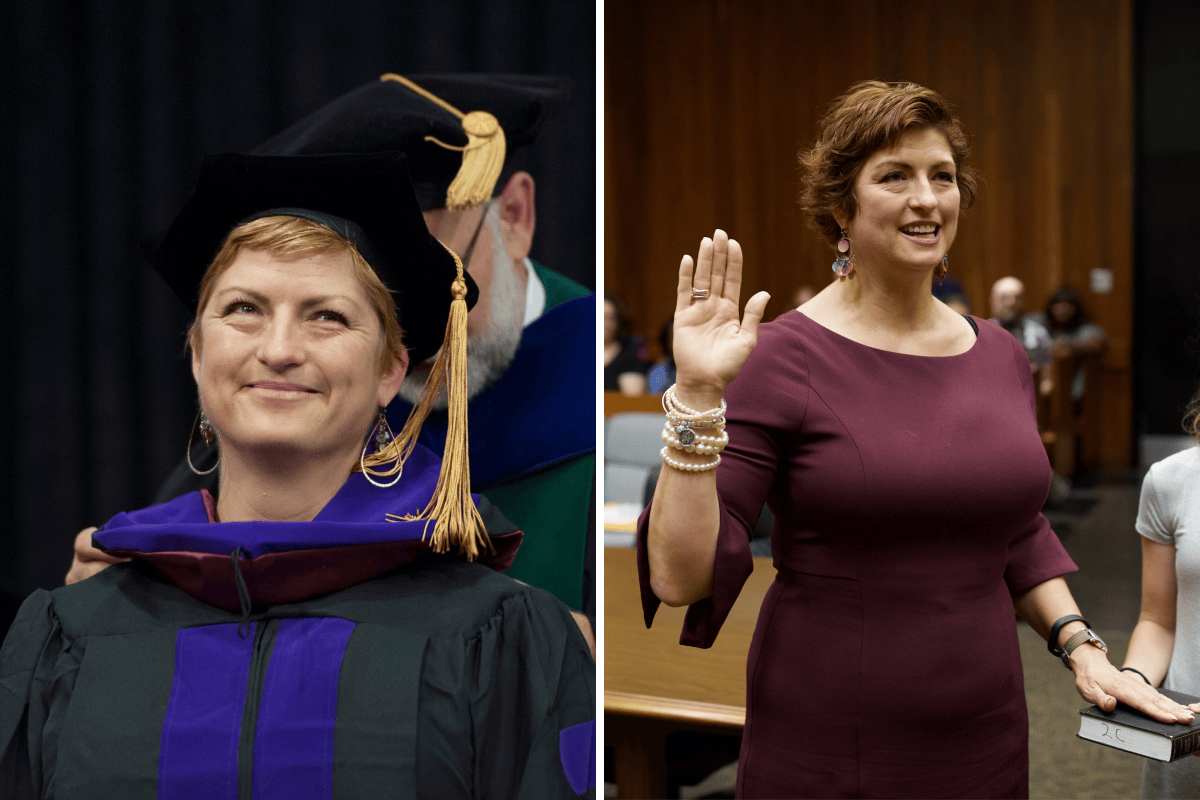
A woman in her late 40s decided to change her career by going to law school after many years working in creative fields like photography. Despite challenges such as failing the bar exam twice and personal hardships, including the loss of her sister, she stayed determined to become a lawyer and help others.
Key Facts
The author moved to Spain in 1994 to find her purpose, which took many years to discover.
She originally studied Fine Art Photography and worked as a wedding photographer for 10 years.
In 2013, she joined AmeriCorps to work with immigrants, which inspired her to pursue law.
She started law school at Elon University at age 47.
She faced difficulties like depression and feeling out of place being older than most classmates.
Her sister died by suicide during her first year of law school, nearly causing her to quit.
Despite failing the bar exam twice, she continued her efforts to become a lawyer.
The author views her law school journey as a way to find purpose and honor her sister’s memory.
Read the Original
Want the full story? Tap a source to open the original
article.
In this midterm election, Democrats are running close races in states that usually vote Republican, such as Kansas, Texas, and South Carolina. These tight races put long-standing Republican winning streaks at risk. Some Republican candidates also face close contests in states that often vote Democratic.
Key Facts
Democrats are competitive in Kansas, Texas, and South Carolina Senate races, where Republicans have held seats for decades.
In Kansas, no Democrat has won a Senate seat since 1932; the race is currently a tossup.
Texas last elected a Democratic senator in 1988, but the race this year is close, rated as a tossup.
South Carolina has voted Republican for Senate since 1998, but the current race is close, with the Republican candidate new to politics.
Democrats may win a Maine Senate seat for the first time since 1988 if Troy Jackson wins.
Democratic candidates are also competing for governor’s races in Texas, Georgia, and Alaska, with some races rated as tossups or leaning Democratic.
In House races, Democrats have chances to win seats in Nevada and Montana, areas they haven’t won for several decades.
Republicans are competitive in some races in states usually voting Democratic, like Michigan and Oregon.
Read the Original
Want the full story? Tap a source to open the original
article.
The Environmental Protection Agency (EPA) changed its website to say that two harmful chemicals, Pfoa and Pfos, are still made and used in the U.S. This update came after reports showed that a company in Houston, Inhance, produces plastic containers that release Pfoa, a chemical linked to cancer and other diseases.
Key Facts
Pfoa and Pfos are types of chemicals called PFAS, which are harmful even in tiny amounts.
The International Agency for Research on Cancer says Pfoa causes cancer in people and Pfos might cause cancer.
The EPA used to say these chemicals were phased out in the U.S., but now admits they are still made and used.
Inhance, a Houston company, produces about 200 million plastic containers yearly that contain Pfoa, which can leak into their contents.
The EPA made this change after a nonprofit called Public Employees for Environmental Responsibility (Peer) complained about misinformation.
Pfoa and Pfos have been linked to health problems like cancer, heart, liver, and kidney diseases.
The EPA never banned these chemicals but only arranged for some producers to stop making them in 2015.
Testing in 2020 found high Pfas levels in plastic containers, leading to EPA investigations and warnings to the plastics industry.
Read the Original
Want the full story? Tap a source to open the original
article.
Small businesses in the United States employ about half the workforce and contribute half of the GDP. While many small business owners remain confident about their current situation, they have concerns about inflation, labor quality, and slowing hiring, with mixed job growth reports for September.
Key Facts
There are 34 million small businesses in the U.S., employing around half the workers.
The National Federation of Independent Businesses reported a slight decrease in small business optimism.
Inflation and labor quality are the top concerns for many small business owners.
Surveys show mixed hiring results: some report job gains, especially in healthcare and social assistance, while others note declines in smaller businesses.
Revenue for small businesses increased in September, according to Intuit and Fiserv data.
Small businesses have stable or slightly improving cash flow but are cautious about the overall U.S. economy.
Employment data from companies like ADP and Paychex indicate that small-business hiring is stable but not growing rapidly.
Consumer behavior remains selective, with fewer shoppers but potentially higher spending per visit.
Read the Original
Want the full story? Tap a source to open the original
article.
New federal rules starting January 1 will require some Medicaid adults to work or participate in activities for 80 hours a month to keep their health coverage. Some conservative states are choosing not to use special hardship exemptions that protect people in places with high unemployment, likely due to political and administrative reasons.
Key Facts
Medicaid work requirements apply to adults who got coverage through the Affordable Care Act expansion.
These adults must work, go to school, volunteer, or do other approved activities for 80 hours a month to keep Medicaid.
The federal government allows states to exempt people in areas with high unemployment or other hardships.
New York City used the exemption for the Bronx, benefiting about 200,000 people.
Missouri and Iowa have counties that qualify for the exemption but are not using it.
Experts say states may refuse exemptions due to political views or fear of extra paperwork.
Conservative states often prefer to tie health insurance to work or community involvement.
Past examples, like Arkansas, show work requirements have caused many people to lose Medicaid without increasing employment.
Read the Original
Want the full story? Tap a source to open the original
article.
Early voting in Texas will start soon with a record 19 million registered voters despite recent problems with voter record technology. Counties had to work quickly to fix delays caused by glitches in the voter registration system just days before the election.
Key Facts
Texas has 19,041,684 registered voters for the November 3 election, a 3% increase from last year.
Technology problems caused delays in processing thousands of voter records in multiple counties.
Harris County had about 2,400 voter records delayed due to a system glitch around October 15-16.
Previous issues included a backlog of over 500,000 voter records linked to the Texas Department of Public Safety system.
Election officials worked quickly to update voter files and verify registrations ahead of the deadline.
Voters affected by processing delays can still cast provisional ballots that will be counted after verification.
Texas is a key battleground state this election with close races for governor and U.S. Senate.
Problems affected people updating their voter information, not new voter registrations.
Read the Original
Want the full story? Tap a source to open the original
article.
The current administration argues that policies designed to help groups who have faced discrimination in the past are now unfair to others. This view is different from earlier approaches when both major political parties supported civil rights efforts.
Key Facts
The administration believes some civil rights policies can be seen as discriminatory.
These policies are meant to help groups that have been treated unfairly for a long time.
This position marks a change from past bipartisan support for civil rights.
Previously, both Democrats and Republicans worked together on civil rights issues.
The administration’s stance challenges the idea that such policies promote equality.
Read the Original
Want the full story? Tap a source to open the original
article.
Many political candidates in the U.S. are running without strong party labels to attract voters who dislike traditional politicians. These outsiders come from diverse backgrounds like religion, sports, and the military, showing voters want change and are willing to choose unusual candidates.
Key Facts
Candidates are avoiding party labels to appeal to voters tired of career politicians.
Examples include a pastor in Kansas, a seminarian in Texas, and a former NFL reporter in Minnesota.
Some independents are competing in Senate races where no Democrat is running.
Republican voters see independent candidates who align with Democrats as misleading.
Even traditional candidates highlight non-political parts of their background, like a Maine candidate emphasizing logging work.
This trend reflects a long history of populist outsiders in U.S. politics, from Andrew Jackson to President Donald Trump.
Trump’s appeal to working-class, non-college voters remains strong and influences current races.
Democratic primaries have seen many incumbents lose to insurgent candidates this year.
Read the Original
Want the full story? Tap a source to open the original
article.
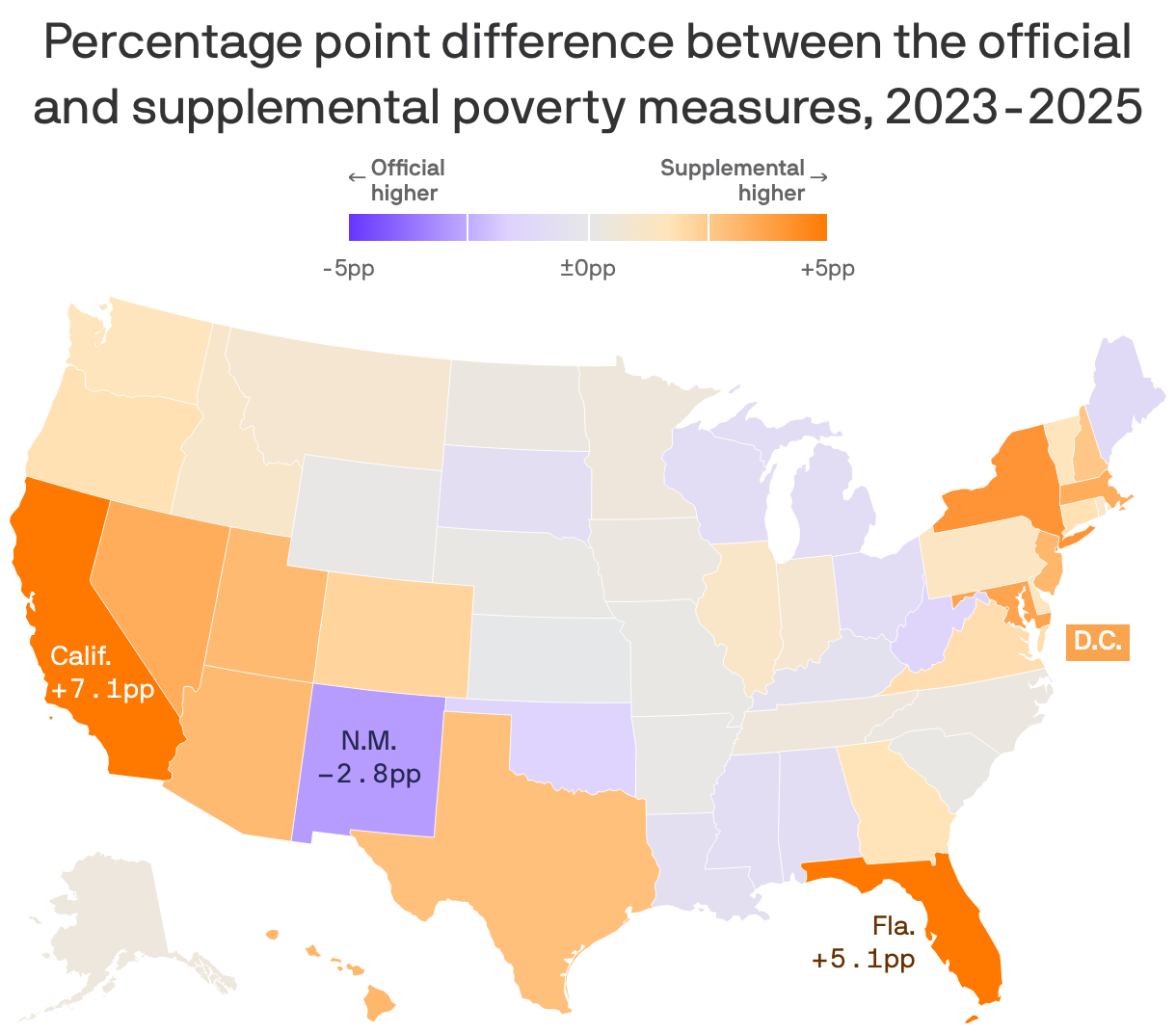
When costs like housing, taxes, medical bills, and government help are included, poverty rates in some U.S. states change a lot. For example, California’s poverty rate is much higher when these factors are counted, showing that income alone doesn't show the full picture of poverty.
Key Facts
Louisiana’s poverty rate was 19.6% using the traditional measure and stayed high at 19% with the broader measure.
California’s poverty rate rose from 10.7% (traditional) to 17.8% (Supplemental Poverty Measure, SPM) when costs and benefits were included.
The South has most states with poverty rates above the national average using the traditional measure.
The SPM includes food aid (SNAP), housing help, taxes, work, and medical costs, and adjusts for how expensive housing is in different places.
The official U.S. poverty rate fell to 10.2% in 2025, while child poverty hit a record low of 13.4%.
The SPM rate stayed steady at 13.1%, higher than the official poverty rate.
Median household income reached a record $87,460 in 2025.
The SPM is a different way to look at poverty and does not replace the official poverty number.
Read the Original
Want the full story? Tap a source to open the original
article.
A new bill introduced in Congress aims to pay U.S. citizens at least $500,000 if they are wrongfully arrested or detained by immigration officers without a proper warrant or reason. The bill also stops immigration agents from using legal protections to avoid paying damages and allows lawsuits to be filed within five years.
Key Facts
The bill is called the Justice for Citizens Wrongfully Detained by ICE Act.
It was introduced by Democratic Rep. Teresa Leger Fernández of New Mexico.
Wrongfully detained U.S. citizens could receive $500,000 plus $100,000 for each extra day held.
Lawsuits can be filed against officers and the federal government in federal court.
The bill removes immunity protections that often protect immigration agents from lawsuits.
Claims could be filed for incidents occurring on or after January 20, 2025.
The bill would also take back unused immigration enforcement funds from a previous Trump administration policy.
Hundreds of U.S. citizens have been wrongfully detained by immigration agents during President Trump’s mass deportation efforts.
Read the Original
Want the full story? Tap a source to open the original
article.
Vice President JD Vance spoke about data centers during a town hall in Florida, saying they must be responsible neighbors while highlighting their role in powering AI technology. He responded to a Michigan woman's complaint about noise from a nearby data center and emphasized efforts to ensure data centers bring benefits to local communities without causing harm.
Key Facts
JD Vance said data centers should be "good citizens" in their communities.
A Michigan woman complained that noise from a data center disrupted her family’s home life, including her young children’s sleep.
Vance acknowledged the noise problem and said the administration cares about affected families.
The administration has a Ratepayer Protection Pledge that requires data centers to protect local communities.
Data centers support AI technology by providing the computing power behind many everyday applications on phones.
Vance shared an example from Louisiana where data centers helped pay bonuses to teachers and contributed electricity back to the local grid.
He warned about the need to balance data center benefits with concerns like higher electricity bills and community impact.
Vance said the U.S. must keep its lead over China in technology by supporting data center development.
Read the Original
Want the full story? Tap a source to open the original
article.