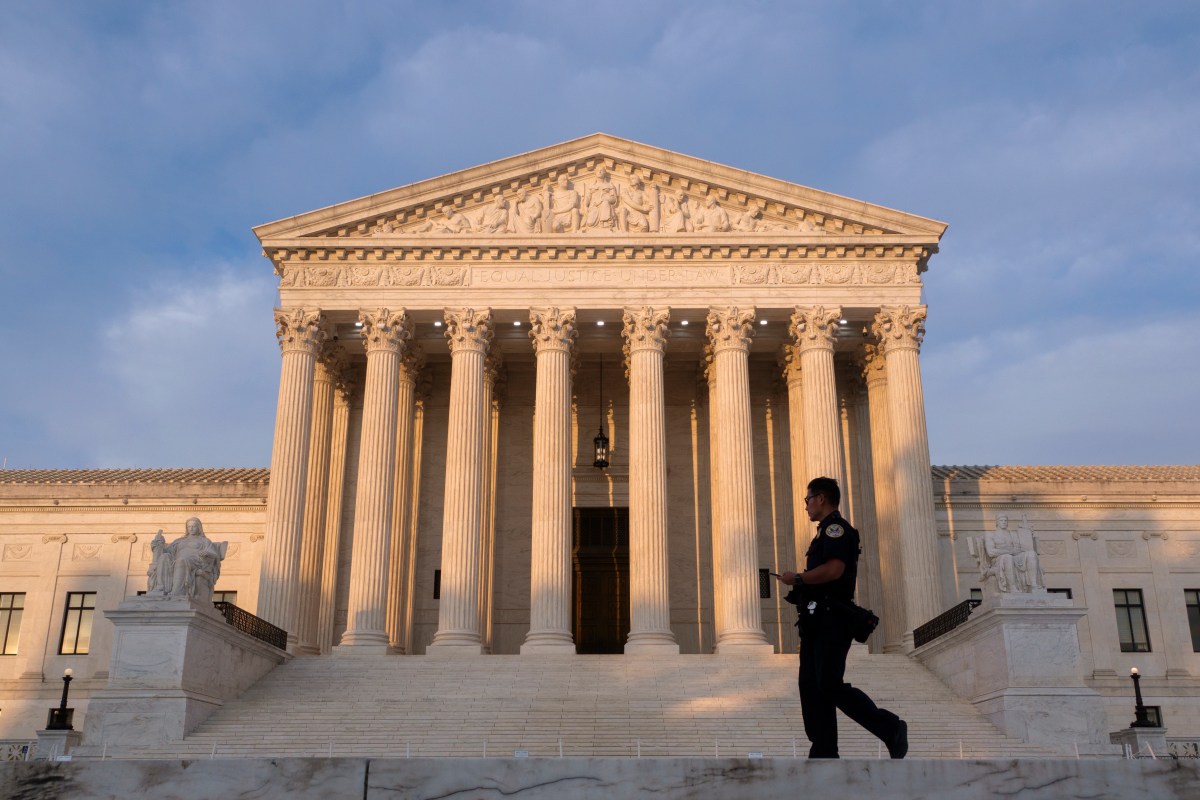
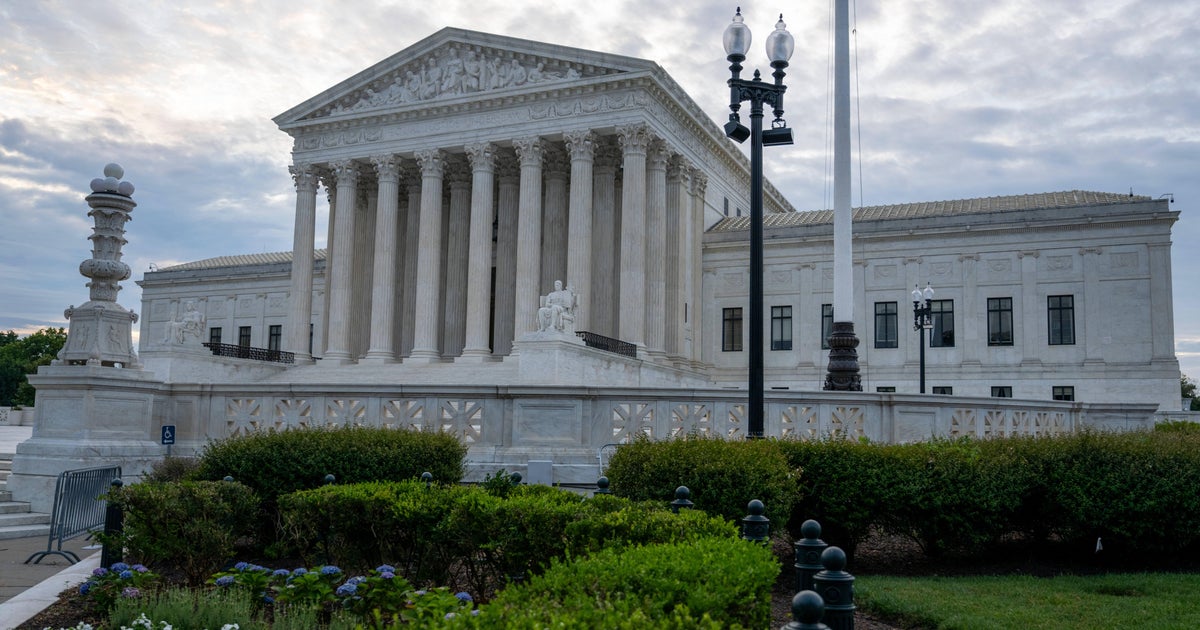
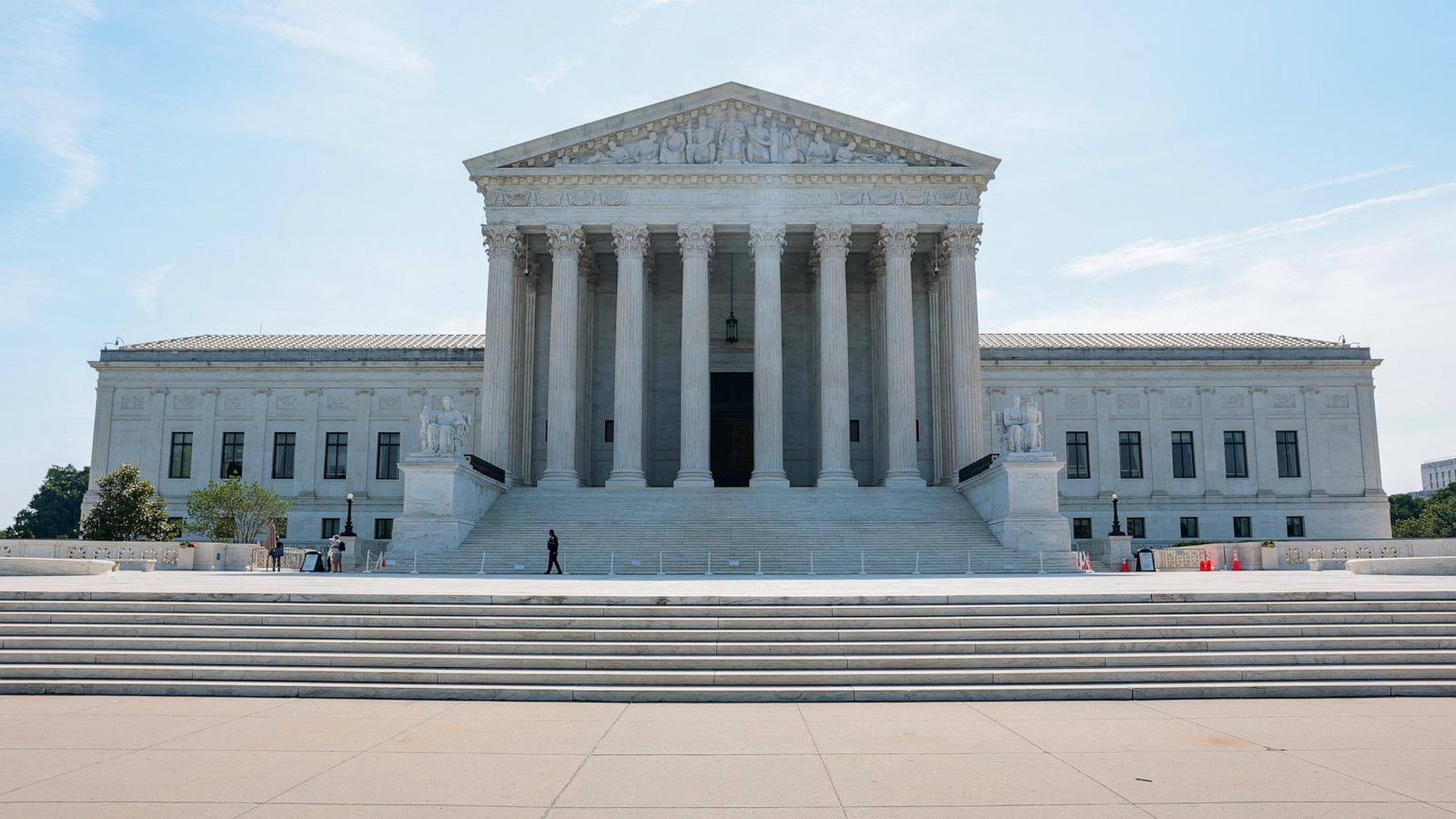
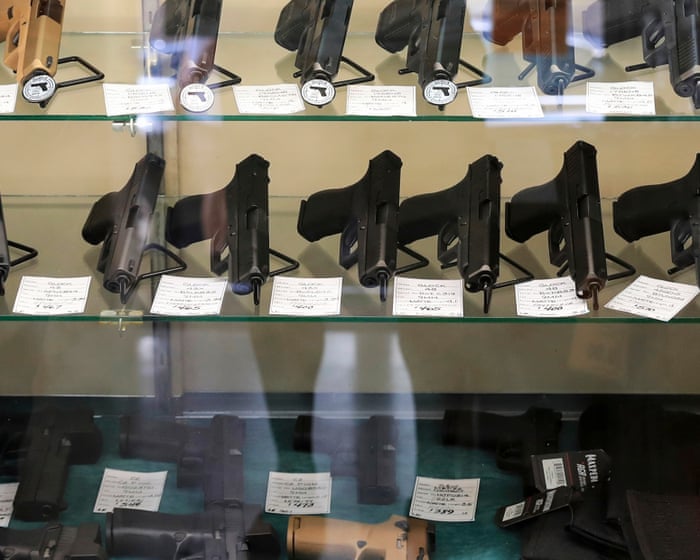
The U.S. Supreme Court ruled 6-3 against a Hawaii law that required gun owners to get permission before carrying concealed firearms on private property open to the public. The Court said this law violated the Second Amendment right to carry guns for self-defense, blocking the law and putting similar restrictions in other states at risk.
Key Facts
The Supreme Court decision was 6-3 along ideological lines.
Hawaii's law required licensed gun owners to get property owners' permission before carrying concealed guns in places like stores and restaurants.
The Court found this law placed an unconstitutional burden on the right to carry firearms for self-defense.
This ruling affects similar laws in states such as New York, California, and New Jersey.
The case, Wolford v. Lopez, tested the limits of state power to regulate carrying guns after the 2022 Bruen decision.
The Trump administration supported the challengers, arguing the law violated the Second Amendment.
Justices debated whether the issue was mainly about gun rights or property rights.
No U.S. state outright bans concealed carry but some restrict it heavily in public.
Read the Original
Want the full story? Tap a source to open the original
article.
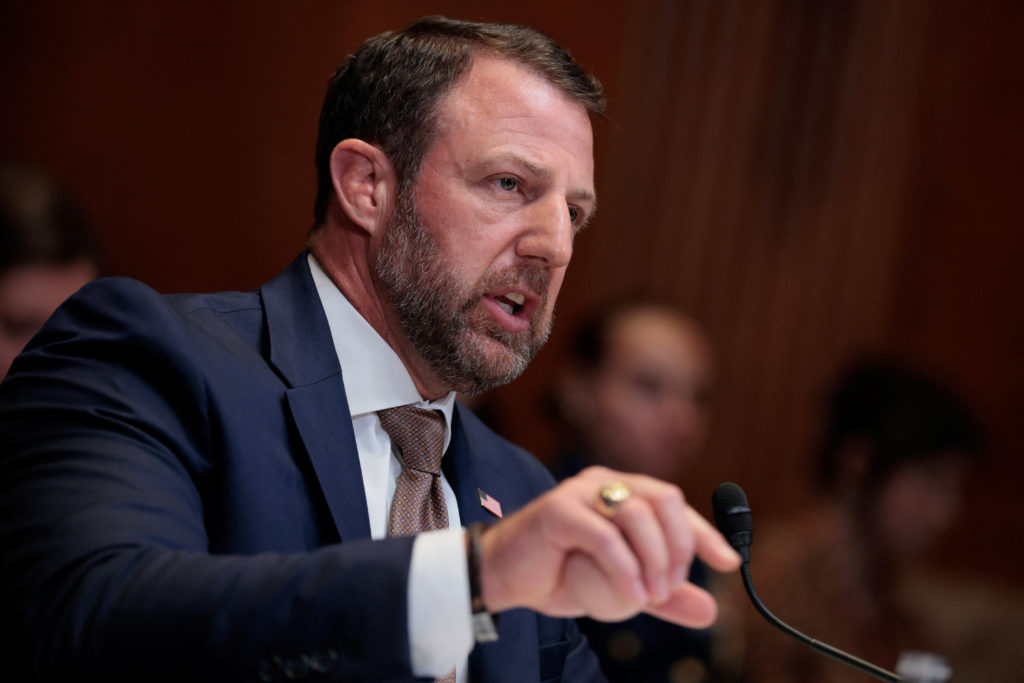
Homeland Security Secretary Markwayne Mullin testified before the House Appropriations Committee about the Department of Homeland Security’s work. He answered questions on how the department is enforcing President Donald Trump’s immigration policies. This hearing happened one day after a judge ruled against arrests at immigration courts.
Key Facts
Markwayne Mullin is the Secretary of Homeland Security.
Mullin testified at a House Appropriations Committee hearing.
The hearing focused on DHS operations and immigration enforcement.
The hearing started at 10:10 a.m. Eastern time.
Mullin was expected to answer questions about President Trump’s immigration policies.
A federal judge recently ruled that DHS cannot make arrests at immigration courts.
This ruling challenges a practice that started after President Trump returned to office.
The testimony was part of congressional oversight of the DHS.
Read the Original
Want the full story? Tap a source to open the original
article.
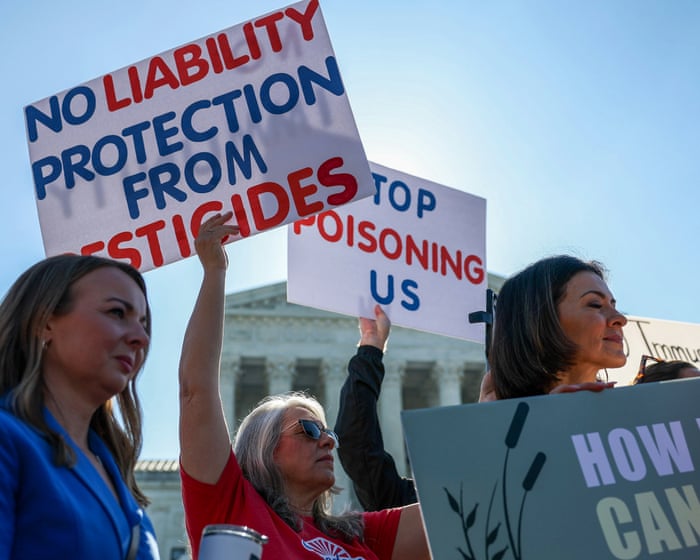
The US Supreme Court ruled 7-2 in favor of the former Monsanto company, blocking many lawsuits that claimed Roundup’s main chemical causes cancer. The court decided that federal law overseeing pesticides prevents state lawsuits about failing to warn users when the EPA has not required such warnings.
Key Facts
The case is Monsanto v Durnell and centers on whether federal pesticide law stops state claims about warning labels.
The court referenced the Federal Insecticide, Fungicide and Rodenticide Act (Fifra) for its decision.
Justice Brett Kavanaugh wrote the majority opinion; Justice Ketanji Brown Jackson dissented.
Glyphosate, the main chemical in Roundup, was labeled a probable cancer risk by the World Health Organization in 2015.
Bayer, which owns Monsanto, faces over 100,000 lawsuits claiming glyphosate caused cancer but argues the EPA’s approval means no warning was needed.
The EPA says glyphosate is unlikely to cause cancer and has not required cancer warnings on labels.
The ruling also affects similar lawsuits against Syngenta, accused of causing Parkinson’s disease with a different pesticide.
Environmental groups disagree with the decision, saying it protects companies instead of people and the environment.
Read the Original
Want the full story? Tap a source to open the original
article.
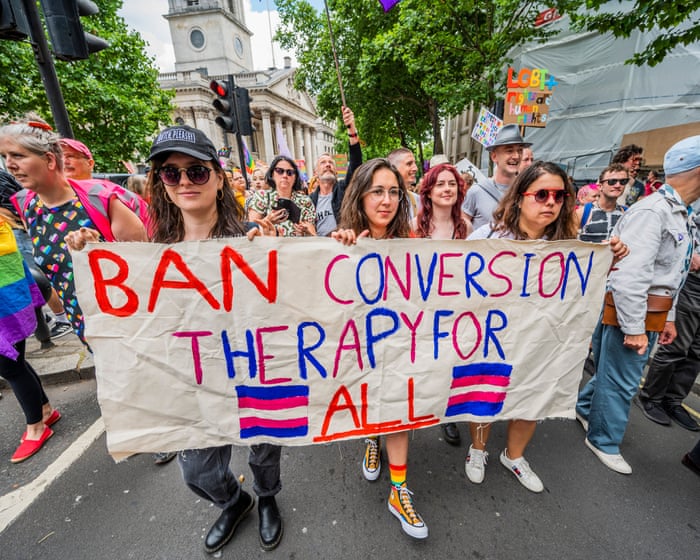
The UK government has introduced a new bill to ban LGBTQ+ conversion practices, which are attempts to change a person’s sexual orientation or gender identity. Those found guilty under the law could face up to five years in prison and unlimited fines. The bill aims to protect LGBTQ+ people from abuse while allowing safe healthcare and free speech.
Key Facts
The draft bill bans conversion practices in England and Wales that try to change sexual orientation or gender identity.
Offenders could face up to five years in prison and unlimited fines.
The bill includes protections for legitimate healthcare and free speech.
A new civil conversion practice protection order will help protect victims before harm occurs.
Conversion therapy has faced delays in legislation due to political disputes and changes in government plans.
Critics say the bill might limit free speech and parental rights to discuss these issues.
The bill was supported by LGBTQ+ groups and campaigners who called it a vital step toward equality.
The charity Galop recorded 371 cases of conversion practices from 2022 to 2025.
Read the Original
Want the full story? Tap a source to open the original
article.
The U.S. Supreme Court ruled 6-3 that Hawaii's law requiring people with concealed-carry permits to get permission before bringing guns onto private property open to the public is unconstitutional. This decision supports gun owners' Second Amendment rights and does not change rules about guns in sensitive places like schools or government buildings.
Key Facts
The Supreme Court struck down Hawaii's "vampire rule," which required gun owners to ask for permission to carry firearms on private property open to the public.
The ruling follows a 2022 Supreme Court decision recognizing the right to carry firearms outside the home.
Hawaii's law made it a crime to carry a gun without permission, punishable by up to one year in prison.
The case was brought by three Maui residents and the Hawaii Firearms Coalition, claiming the law violated the Second Amendment.
A lower court first ruled against Hawaii's law, but the 9th Circuit Court of Appeals upheld it before the Supreme Court took the case.
The Trump administration supported the gun owners, calling the law "blatantly unconstitutional."
The decision does not affect Hawaii's restrictions on guns in bars, beaches, parks, schools, or government buildings.
Four other states have similar laws restricting gun carry on private property, but courts have blocked them in New York, California, and Maryland.
Read the Original
Want the full story? Tap a source to open the original
article.
The U.S. Supreme Court ruled 6-3 against a Hawaii law that stopped people with gun permits from carrying handguns on private property open to the public unless the owner allowed it. Justice Samuel Alito wrote the decision to strike down this restriction.
Key Facts
The Supreme Court decision took place on June 25, 2026.
The ruling was 6 votes in favor and 3 against.
The Hawaii law banned carrying handguns on private properties open to the public without the owner's clear permission.
The case was decided by Justice Samuel Alito, who delivered the majority opinion.
The ruling allows permit holders to carry handguns on private property that is open to the public, even if the owner does not give express permission.
The case is part of ongoing debates and legal battles about gun control in the United States.
The decision affects Hawaii but may influence gun laws in other states.
Read the Original
Want the full story? Tap a source to open the original
article.
The US Supreme Court ruled that Hawaii’s law banning guns in many public places and on private property without owner permission violates the Second Amendment. This decision follows a 2022 ruling that requires gun laws to align with historical firearm regulations.
Key Facts
Hawaii’s 2023 law banned carrying guns on private property without the owner’s consent and in designated “sensitive places” like beaches and bars.
Three Maui residents and the Hawaii Firearms Coalition challenged the law, citing Second Amendment rights.
The Supreme Court used a 2022 decision (Bruen v. New York) that says gun laws must match the nation’s historical rules on firearms.
The plaintiffs said Hawaii’s list of sensitive places was too broad, covering nearly all public gathering spots.
Recent cases show the court sometimes upholds gun restrictions, like a federal law barring gun ownership by people with domestic violence restraining orders.
Another recent ruling removed the ban on bump stocks, gun accessories that enable rapid fire, originally banned after the 2017 Las Vegas shooting.
The bump stock ruling focused on whether a federal agency went beyond its authority, not directly on the Second Amendment issue.
Read the Original
Want the full story? Tap a source to open the original
article.
The Supreme Court decided in a 6-3 vote that the U.S. government can legally stop asylum seekers from entering at border ports before they reach U.S. soil. This ruling supports a previous immigration policy that the Trump administration used and may want to bring back.
Key Facts
The Supreme Court made the decision on Thursday with a 6-3 vote.
The ruling allows the government to turn away asylum seekers before they reach official U.S. border entry points.
The policy in question is called “metering,” which limits how many asylum seekers can enter at once.
"Metering" started during President Obama’s administration.
The policy was later ended but could be reinstated under President Trump’s administration.
The vote followed ideological lines, meaning justices voted largely based on their political or legal views.
The decision affects how the U.S. handles people seeking protection from violence or danger in other countries.
Read the Original
Want the full story? Tap a source to open the original
article.
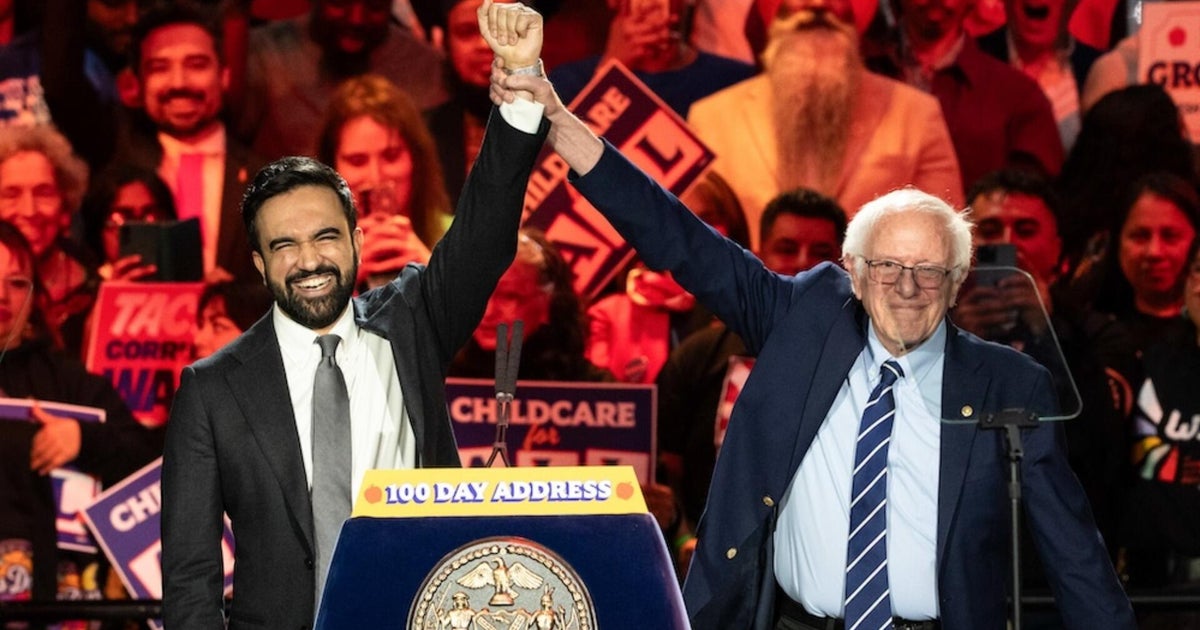
The recent primary elections in New York saw three candidates supported by New York City Mayor Zohran Mamdani win their races. Mamdani, who won the mayor’s office last year running as a democratic socialist, shows growing support for democratic socialism in U.S. politics.
Key Facts
Zohran Mamdani is the current mayor of New York City.
Mamdani won his position last November.
He ran his campaign on a democratic socialist platform.
Three candidates endorsed by Mamdani won their congressional primary elections this week.
Democratic socialism is gaining more visible support in some U.S. political races.
CBS News covered this development in their programming to explore what it means for U.S. politics.
Read the Original
Want the full story? Tap a source to open the original
article.
The U.S. Supreme Court ruled that some lawsuits against pesticide makers about health risks are blocked under federal law. This means people have fewer chances to sue companies like Bayer over warnings about their products’ dangers.
Key Facts
The Supreme Court made the decision on a Thursday.
The vote was 7-2 in favor of limiting lawsuits.
The case involved claims that pesticide companies did not properly warn users about health risks.
The ruling blocks certain state law claims against pesticide makers.
Bayer, a large pesticide company, benefits from this decision.
The decision affects Americans’ ability to sue over health harms from pesticides.
The case concerns the herbicide Roundup, a widely used pesticide product.
Read the Original
Want the full story? Tap a source to open the original
article.
The Supreme Court ruled 6-3 that Hawaii’s law restricting guns on private property is unconstitutional. The Court said people have a right to carry handguns on private property unless the owner specifically says no.
Key Facts
The decision was made by the Supreme Court on a 6-3 vote.
The ruling focused on Hawaii’s law that limited guns on private property.
The Court said this law violates the constitutional right to bear arms.
Justice Samuel Alito supported the majority opinion for gun rights.
The Court said that handgun possession on private property can only be blocked if the property owner gives clear permission.
This ruling changes how Hawaii can regulate guns on private land.
The case reflects ongoing legal debates about gun rights in the U.S.
Read the Original
Want the full story? Tap a source to open the original
article.
Rep. Jamie Raskin plans to push for a vote in the House of Representatives to stop President Donald Trump from creating an "anti-weaponization" fund. The bill would also block an agreement that prevents investigating the tax history of President Trump and his family.
Key Facts
Rep. Jamie Raskin is the top Democrat on the House Judiciary Committee.
He wants to force a vote on a bill against President Trump’s "anti-weaponization" fund.
The fund is related to efforts to counteract political weaponization.
The bill also aims to stop a deal that blocks tax investigations into President Trump and his family.
Raskin needs at least 218 signatures from House members to bring the bill to a vote.
The current effort is part of ongoing conflicts in Congress regarding President Trump’s actions and finances.
The proposed legislation focuses on oversight and accountability for the President.
Read the Original
Want the full story? Tap a source to open the original
article.
Darializa Avila Chevalier, a Democratic candidate for the New York House, said she will not respond to accusations of being a communist. She said her views are linked to the Democratic Party’s main ideas, even though she also supports socialism.
Key Facts
Darializa Avila Chevalier is running for a House seat in New York as a Democrat.
Some people called her a communist during the campaign.
She chose not to respond to those accusations.
Avila Chevalier said her campaign goals are connected to the Democratic Party’s core principles.
She also has ties to socialism, which means support for social ownership and government involvement in the economy.
She feels proud to stand by her beliefs despite criticism.
The article mentions an endorsement by Mamdani, suggesting political support.
Read the Original
Want the full story? Tap a source to open the original
article.
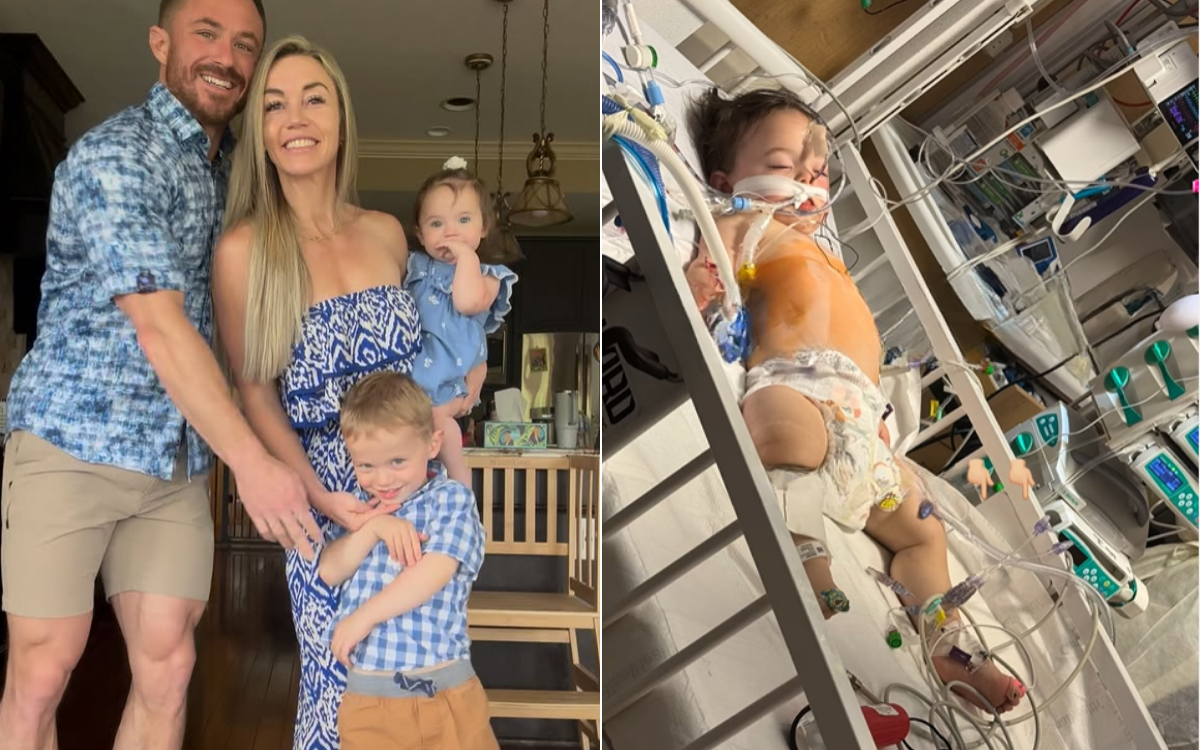
A toddler named Marlee became very sick after first showing mild symptoms like a runny nose and vomiting. After being taken to the hospital, doctors found she had a serious Group A Streptococcus infection and possible Kawasaki disease, leading to a long stay in the ICU and multiple treatments.
Key Facts
Marlee initially had a runny nose and vomiting, which her mother thought was a stomach bug.
She became lethargic and had a red, swollen tongue before being taken to the emergency room.
At the hospital, Marlee had a high fever (104.4°F), very fast heart rate (240 beats per minute), and rapid breathing.
Doctors found fluid in her abdomen caused by a Group A Streptococcus bacterial infection.
She underwent emergency surgery (laparotomy) to address the infection.
Doctors also considered Kawasaki disease, which affects blood vessels and can harm the heart.
Marlee received intravenous immunoglobulin and multiple antibiotics to treat her condition.
Her hospital stay lasted weeks due to persistent fevers and ongoing treatment.
Read the Original
Want the full story? Tap a source to open the original
article.
House Democrats are trying to force a vote to permanently block a $1.8 billion fund tied to President Donald Trump that was meant to fight political weaponization. They are using a special procedure called a discharge petition to bring the issue to the House floor despite Republican leaders opposing it.
Key Facts
Democrats want to stop the Trump administration's $1.8 billion anti-weaponization fund permanently.
A discharge petition needs 218 signatures to force a House vote, and eight such petitions have succeeded this session.
The Justice Department canceled the fund recently after backlash from both parties.
Critics, including a federal judge, doubt the fund’s complete end, prompting the new effort.
House Judiciary Committee member Jamie Raskin (D-Md.) introduced the NO CARTE BLANCHE Act to block taxpayer money from funding settlements related to Trump’s IRS case.
The bill also seeks to stop legal immunity deals arranged for Trump, his family, and businesses by acting Attorney General Todd Blanche.
The petition was announced on Thursday and will be active on Friday for members to sign.
Some Republicans may hesitate to join because Trump punishes those who oppose him, as seen in the ousting of Rep. Thomas Massie (R-Ky.).
Read the Original
Want the full story? Tap a source to open the original
article.
Recent polls show President Trump’s approval rating is about 20 points lower than his disapproval rating and is going down as voters are unhappy with the economy and the Iran war. At the same time, democratic socialists are gaining support and being compared to the Tea Party movement from the past.
Key Facts
President Trump’s approval rating is roughly 20 points below his disapproval rating.
Voter dissatisfaction is linked to concerns about the economy and the war with Iran.
Democratic socialists are increasing their influence in politics.
Some people compare democratic socialists to the Tea Party movement on the left side of politics.
The discussion includes insights from Bill Sammon, senior vice president of editorial content at The Hill.
Scott, director of data science at Decision Desk HQ, is also part of the discussion.
The topic is part of a live conversation hosted by The Hill.
Read the Original
Want the full story? Tap a source to open the original
article.
James Carville, a Democratic strategist, said he would not include Darializa Avila Chevalier, the Democratic candidate for New York’s 13th Congressional District, in the House Democratic caucus if she wins. He said her political views do not align with those of the Democratic Party.
Key Facts
James Carville is a strategist for the Democratic Party.
Darializa Avila Chevalier is the Democratic nominee for New York’s 13th Congressional District.
Carville said he would not seat Avila Chevalier in the House Democratic caucus if she wins.
The House Democratic caucus is a group of elected members who share the party’s goals and policies.
Carville said Avila Chevalier’s views are very different from those of other Democrats.
He emphasized that the Democratic Party supports pluralism, which means accepting different opinions.
Carville’s comments suggest a disagreement within the Democratic Party about Avila Chevalier’s place in the group.
Read the Original
Want the full story? Tap a source to open the original
article.
A 33-year-old woman fell 120 feet while hiking on Mount Larrabee in Washington state. The U.S. Coast Guard rescued her by helicopter and took her to medical help because her injuries stopped her from walking down on her own.
Key Facts
The woman fell down a steep gully on the south side of Mount Larrabee near the Canadian border.
She was seriously injured and could not descend the mountain by herself.
Washington state emergency officials asked the U.S. Coast Guard for help.
The Coast Guard helicopter crew searched for 40 minutes and rescued her using a hoist.
The rescue happened around 8:40 p.m. Pacific Time before nightfall.
She was flown to Bellingham Airport, where emergency medical teams were ready.
Teams from the Coast Guard, local fire departments, and search and rescue worked together on the mission.
The hiking group helped during the rescue because they had survival training and safety gear.
Read the Original
Want the full story? Tap a source to open the original
article.
That's the point of this site, and readers keep it that way. Support for any amount and the daily digest lands in your inbox every morning at 7am Eastern.
The United States will celebrate its 250th Independence Day on July 4. A news organization is asking people born on July 4 to share how having a birthday on this date affects their identity and feelings about being American.
Key Facts
The U.S. will mark 250 years of independence on July 4.
Some Americans were born on July 4, sharing the date with Independence Day.
A news outlet is collecting stories from people born on July 4.
They want to know how sharing a birthday with the U.S. anniversary influences their sense of identity.
People can submit their experiences anonymously if they want.
The form is encrypted to keep responses secure.
Contributors may be contacted for more details but their information is protected.
The goal is to use these stories in a feature about the 250th anniversary.
Read the Original
Want the full story? Tap a source to open the original
article.
The United States is celebrating 250 years since its independence on July 4, with events in Washington DC led by President Donald Trump. The anniversary comes during a time of political tensions, both within the country and in its international relations, and a survey is open for Americans to share their feelings about the nation's future.
Key Facts
The U.S. marks 250 years of independence on July 4, 2026.
Celebrations in Washington DC are overseen by President Donald Trump.
Events are planned across the National Mall to commemorate this milestone.
The country is experiencing political tensions and concerns about political violence.
Internationally, the Trump administration has shifted away from some European allies and is managing tensions in the Middle East.
Civil rights groups have expressed worry about crackdowns on free speech and marginalized communities.
The Guardian has created a secure, encrypted survey to collect Americans’ views on the nation’s future.
Respondents can share their thoughts anonymously and upload photos if they wish.
Read the Original
Want the full story? Tap a source to open the original
article.