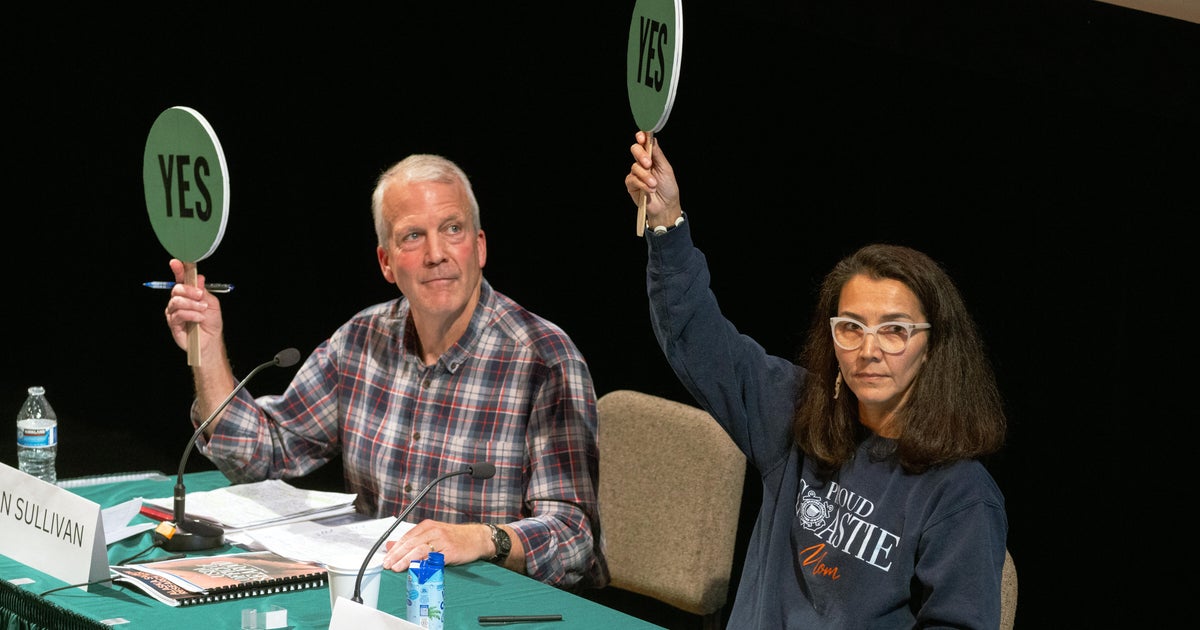
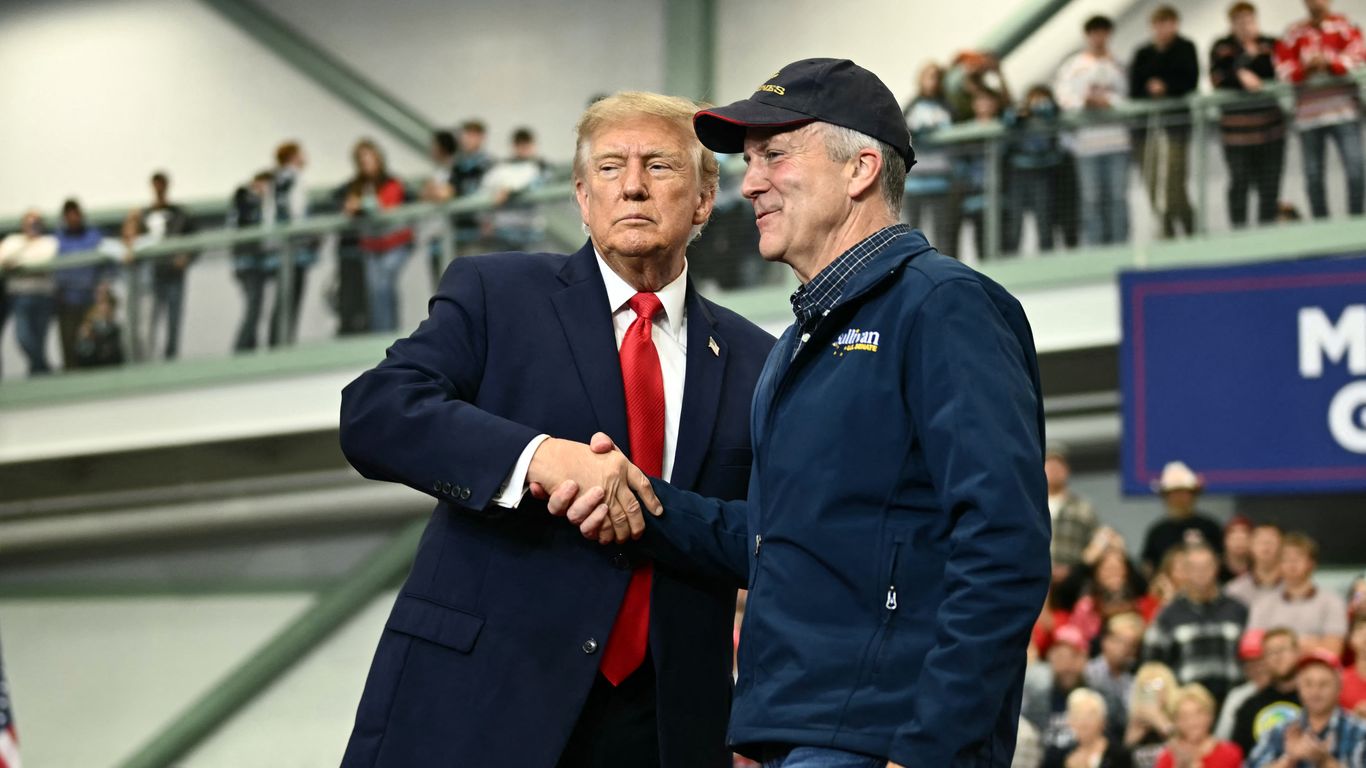
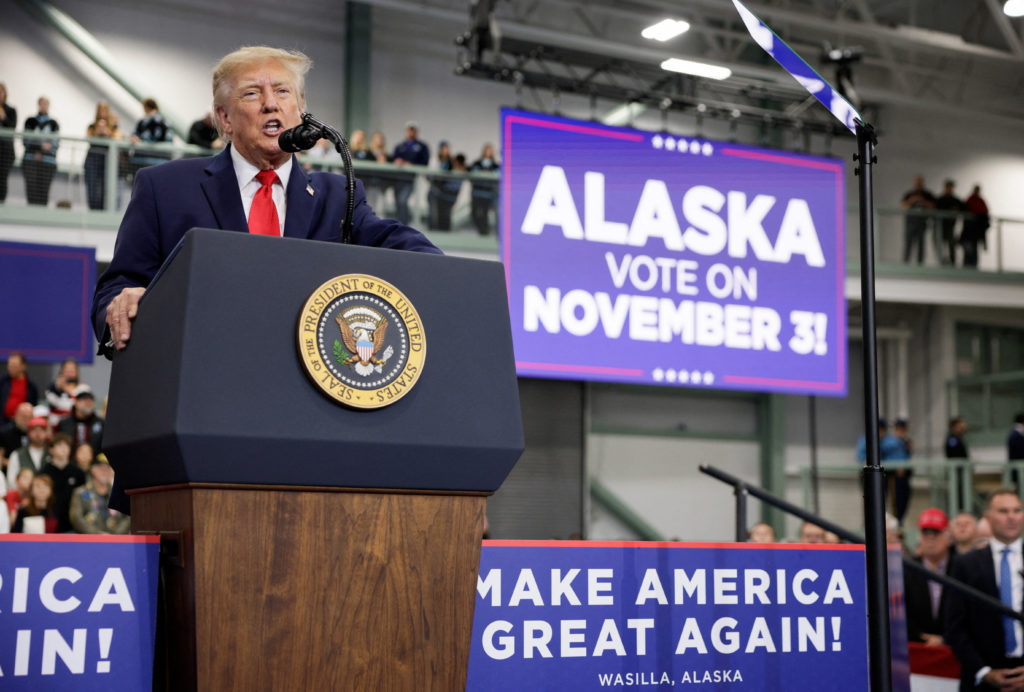
The U.S. Justice Department is suing to block the certification of the Alaska Senate race results if Senator Dan Sullivan loses. They claim another candidate named Daniel J. Sullivan ran to confuse voters and took votes away from the senator, possibly helping the Democratic challenger Mary Peltola.
Key Facts
The Alaska Senate race includes incumbent GOP Senator Dan Sullivan, another GOP candidate Daniel J. Sullivan, Democrat Mary Peltola, and Republican Gerald Heikes.
Both GOP candidates share similar names and party affiliation, which the Justice Department says could mislead voters.
Alaska uses ranked-choice voting, where voters rank candidates by preference instead of choosing just one.
The Justice Department argues some voters might accidentally vote for Daniel J. Sullivan, affecting the election outcome.
Even though Alaska courts allowed Daniel J. Sullivan to stay on the ballot, the DOJ says certifying results with this confusion could break voting laws.
The DOJ wants a court to block the election certification if Sen. Sullivan loses but would have won if Daniel J. Sullivan’s votes were given to him.
Alaska switched to ranked-choice voting in 2022 to reduce political division and has had unusual election results before.
The lawsuit asks for investigation into voter intent before finalizing the election results.
Read the Original
Want the full story? Tap a source to open the original
article.
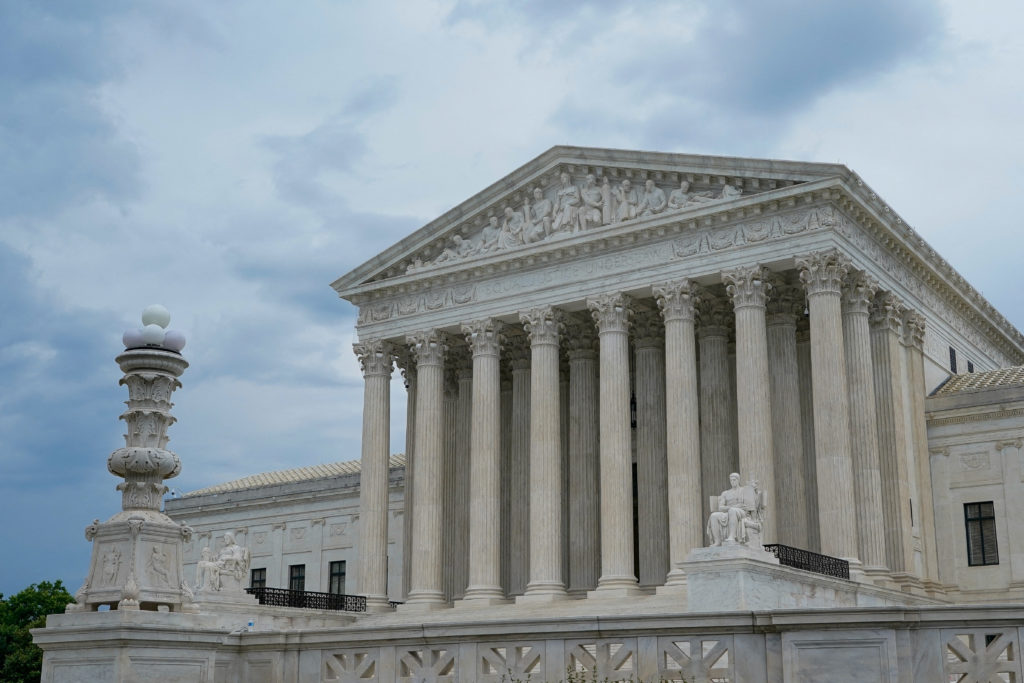
The Supreme Court ruled that New Hampshire cannot allow students to use their student IDs to vote in the upcoming midterm elections. This decision stops the use of student IDs as a backup form of identification for voting.
Key Facts
The Supreme Court made the decision on a Thursday before the midterm elections.
The ruling supports New Hampshire’s plan to ban student IDs for voting.
The case was brought forward by Republicans in an emergency appeal.
The court blocked the use of student IDs as a backup voter ID option.
The court based its decision on a rule that courts should not change voting laws close to an election.
Read the Original
Want the full story? Tap a source to open the original
article.
Vivian Chike Obichere, a Nigerian-born woman, lost her U.S. citizenship because she used another person's identity to get a U.S. passport in 1992. A judge canceled her naturalization, saying she got her citizenship through illegal means.
Key Facts
Obichere became a U.S. citizen in 2013 after being a lawful permanent resident since 2003.
She used the identity of a U.S. citizen named "C.C.O." to get and renew a passport starting in 1992.
In 2015, she was convicted for lying on passport applications.
The Justice Department filed a lawsuit to revoke her citizenship in July 2026.
A judge revoked her citizenship on October 13, 2026, cancelling her naturalization from 2013.
She must give up documents that prove U.S. citizenship, like her passport and naturalization certificate.
The case does not decide if she can stay in the U.S. or seek other immigration options.
This case is part of a larger effort by the Trump administration to revoke citizenship from people who obtained it by fraud.
Read the Original
Want the full story? Tap a source to open the original
article.
The U.S. Secret Service and Washington D.C. police investigated a suspicious package found near the Ukrainian Embassy. To ensure safety, they closed a nearby street and bridge while checking the situation.
Key Facts
The suspicious package was reported near the Ukrainian Embassy in Washington D.C.
The street closed was the 3300 block of M Street in Northwest D.C.
The Francis Scott Key Bridge was also closed during the investigation.
The closures were done as a precaution to keep people safe.
The investigation took place on a Friday morning.
Both the Secret Service and D.C. police were involved in the response.
No further information about the package’s contents or threat level was provided in the report.
Read the Original
Want the full story? Tap a source to open the original
article.
Consumer confidence in the U.S. stayed nearly the same from September to October despite ongoing inflation. The University of Michigan reports that consumer sentiment is lower than it was a year ago.
Key Facts
Consumer confidence was 48 percent in October, almost the same as 48.1 percent in September.
Inflation is continuing to put pressure on Americans’ money.
Compared to October 2025, consumer sentiment dropped by 10.4 percent.
The University of Michigan’s Surveys of Consumers Index measures how people feel about the economy.
The small change shows that people’s outlook about the economy is not improving much at this time.
Persistent inflation means prices are staying high for many goods and services.
Consumer confidence affects how much people spend, which influences the economy overall.
Read the Original
Want the full story? Tap a source to open the original
article.
The Trump administration filed a lawsuit to stop the official approval of Alaska's Senate election results if Senator Dan Sullivan, a Republican, loses his seat. The lawsuit challenges the possible victory of Democrat Mary Peltola by seeking a legal block on certifying the election outcome.
Key Facts
The lawsuit was filed by the Trump administration on a Thursday.
It was submitted to the U.S. District Court for the District of Alaska.
The focus is on the Alaska Senate election results.
Senator Dan Sullivan is the current Republican senator facing reelection.
Mary Peltola is the Democratic candidate challenging Sullivan.
The complaint seeks to block certification if Sullivan loses the election.
Certification means official approval of election results.
The lawsuit could affect how election outcomes are recognized in Alaska.
Read the Original
Want the full story? Tap a source to open the original
article.
The Department of Justice under President Trump sued Alaska to stop certifying election results if Senator Dan Sullivan loses. The lawsuit claims voter confusion due to a candidate with a similar name may have affected the outcome in Alaska’s ranked-choice voting system.
Key Facts
The lawsuit was filed by the Trump administration on a Thursday.
It targets Alaska’s certification of election results if Senator Dan Sullivan loses.
Republican Sen. Dan Sullivan is running against Democrat Mary Peltola and a retired teacher named Daniel J. Sullivan.
Republicans say the presence of Daniel J. Sullivan may confuse voters because of the name similarity.
Alaska uses ranked-choice voting, where voters rank candidates and candidates are eliminated in rounds until someone has over 50% of votes.
The lawsuit argues that if all votes for Daniel J. Sullivan had gone to Senator Sullivan, he might have won.
The case was filed in Alaska District Court.
Read the Original
Want the full story? Tap a source to open the original
article.
Former Transportation Secretary Pete Buttigieg endorsed independent candidate Seth Bodnar in Montana’s Senate race. This endorsement comes even though a Democrat is still running in the race, as some believe Bodnar has a better chance to defeat the Republican candidate.
Key Facts
Pete Buttigieg is a former U.S. Transportation Secretary.
He endorsed Seth Bodnar, an independent candidate in Montana’s Senate race.
A Democrat is also on the ballot for the same Senate seat.
Buttigieg and other Democrats believe Bodnar can more effectively challenge the Republican candidate.
This endorsement is part of a strategy to influence the race outcome in favor of the independent candidate.
The Senate race is in Montana.
The news was first reported by ABC News.
Read the Original
Want the full story? Tap a source to open the original
article.
Journalist Bernard Goldberg says President Donald Trump’s friendly attitude toward Russian President Vladimir Putin and his views on the war in Ukraine weaken American values and hurt the interests of both the US and Russia.
Key Facts
Bernard Goldberg is a journalist commenting on US-Russia relations.
Goldberg criticizes President Trump’s approach to Vladimir Putin.
The criticism focuses on Trump’s perceived friendliness toward Putin.
Goldberg also comments on Trump’s position regarding the war in Ukraine.
Goldberg believes this approach harms American values.
He says the approach also damages the interests of both the US and Russia.
The article discusses the impact of diplomacy on international relations.
Read the Original
Want the full story? Tap a source to open the original
article.
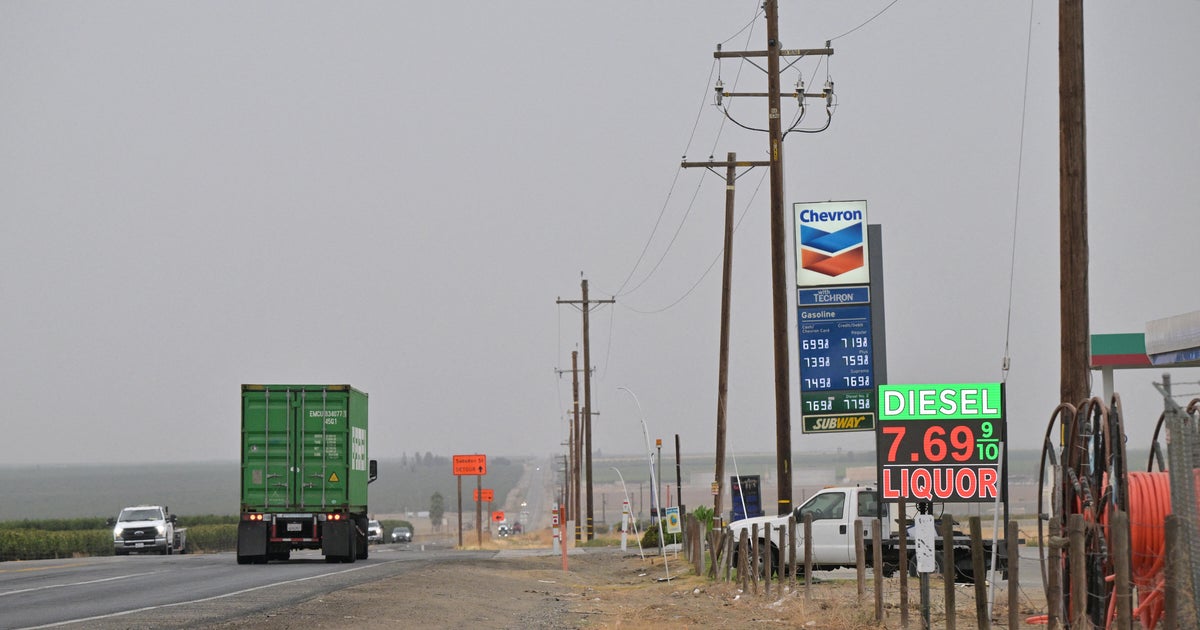
President Donald Trump announced that his administration will spend $150 million using the Defense Production Act to increase gasoline and diesel production in the U.S. The goal is to lower fuel prices, which have been high recently, but experts say this effort may not reduce prices much because oil costs are set globally and U.S. fuel production is already higher than consumption.
Key Facts
The administration will use the Defense Production Act (DPA), a law that allows the government to encourage production of important goods, to boost fuel output.
$150 million will be spent to increase refining of gasoline and diesel in the U.S.
Gasoline has averaged over $4 a gallon and diesel over $6 recently, higher by 40% and 74% than last year.
Crude oil prices are high due to conflicts like the Iran war and the Russia-Ukraine war, affecting global supply.
The U.S. produces more gasoline and diesel than it consumes and even exports some fuel to other countries.
U.S. refineries are already running at full capacity, making it hard to quickly increase fuel production.
It can take months to increase refinery capacity, so short-term effects on prices are unlikely.
Trade groups note that refineries are working hard despite global supply problems and fuel shortages elsewhere.
Read the Original
Want the full story? Tap a source to open the original
article.
The US Supreme Court will soon review a nearly 160-year-old law that makes home distilling of alcohol illegal. Hobbyists who make spirits at home want the law changed to allow home distilling, similar to home brewing of beer and wine, while the government argues the law is needed to prevent tax evasion.
Key Facts
Home distilling of alcohol is currently illegal in the US and can lead to up to five years in prison and a $10,000 fine.
The law dates back to 1868 and was created to ensure taxes were paid on alcohol production.
Some courts have ruled the law unconstitutional, while others have upheld it.
The Supreme Court will hear this case in early 2025 and could rule by summer 2027.
Many home distillers, including those who started during the Prohibition era, have kept their practice secret or limited to close circles.
The US government argues that the law is necessary to stop illegal production and tax avoidance.
The hobby distillers' group and their lawyers argue the law is outdated and infringes on a traditional American pastime.
Famous historical figures like George Washington legally distilled spirits at home.
Read the Original
Want the full story? Tap a source to open the original
article.
Anthony Lee, a former Conservative Party campaign director, and his wife Laura received suspended prison sentences for using secret information to place bets on the date of the 2024 general election. They admitted to cheating by betting before the election date was public, risking winnings of over £23,000.
Key Facts
Anthony Lee was the director of campaigning for the Conservative Party.
Lee and his wife placed bets on the date of the 2024 UK general election using confidential information.
This information came from a private meeting led by then-Prime Minister Rishi Sunak.
They stood to win more than £23,000 if their bets had not been found out.
Lee received a 10 months and two weeks prison sentence, suspended for 12 months.
Laura Lee received a 4 months and two weeks prison sentence, also suspended for a year.
A suspended sentence means they will not go to prison unless they commit another offense during the suspension period.
They pleaded guilty to cheating at gambling.
Read the Original
Want the full story? Tap a source to open the original
article.
Nearly one million Americans enrolled in Medicare Advantage plans with UnitedHealthcare and Humana will be impacted by the companies cutting certain plans for 2027. These changes, which will take effect after December 31, may require affected people to switch plans or return to Original Medicare, possibly changing their costs and coverage.
Key Facts
About 390,000 UnitedHealthcare members and 600,000 Humana members will lose their current Medicare Advantage plans.
Medicare Advantage is a type of Medicare coverage managed by private insurers and is used by roughly 34 million people in 2027.
The affected plans will end on December 31, 2026.
Beneficiaries can switch plans during Medicare’s open enrollment period from October 15 to December 7.
If people do not select another plan, they will return to Original Medicare, which may not include prescription drug coverage automatically.
Changing plans can affect which doctors are covered, what medications are paid for, and could increase out-of-pocket costs.
UnitedHealthcare’s cuts mainly affect PPO plans, which allow more flexibility in choosing healthcare providers.
UnitedHealthcare says the plan changes are to keep their offerings sustainable while maintaining key benefits like no premiums and low copays.
Read the Original
Want the full story? Tap a source to open the original
article.
Two former FBI intelligence officials, Nikki Floris and Bradley Benavides, were charged with making false statements about their investigations into Hunter Biden's laptop before the 2020 presidential election. They appeared in federal court after surrendering, and the case is part of ongoing political and legal actions related to events around that election.
Key Facts
Nikki Floris and Bradley Benavides are former FBI officials specializing in election interference.
They were charged with lying about their roles in investigating Hunter Biden's laptop.
The charges were announced 10 days before the 2024 midterm elections.
The laptop, linked to Hunter Biden, became a controversial issue in the 2020 election.
The laptop reportedly contained emails related to Hunter Biden’s foreign business dealings.
The laptop’s discovery raised concerns about possible Russian interference in the 2020 election.
The FBI’s renewed scrutiny into past cases is led by FBI Director Kash Patel.
The case connects to wider political tensions around President Donald Trump and Joe Biden.
Read the Original
Want the full story? Tap a source to open the original
article.
President Donald Trump supported a campaign ad by Ohio Republican Vivek Ramaswamy that features the estranged mother of Democratic candidate Amy Acton criticizing her. Trump praised the mother’s choice to appear in the ad and said Democrats would use similar family attacks against him. The ad and Trump’s support come as the Ohio governor’s race nears its final weeks and some Republicans question the ad’s harsh tone.
Key Facts
President Trump defended a campaign ad from Vivek Ramaswamy, a Republican running for Ohio governor.
The ad shows Amy Acton’s estranged mother, Donna Arthur, criticizing her daughter.
Amy Acton and her mother have been estranged for many years due to family issues.
Trump praised Donna Arthur for participating in the ad.
Trump said Democrats would use similar family attacks against him.
Some Ohio Republicans have criticized the ad for being too personal.
Vice President JD Vance also supports Ramaswamy’s campaign.
The Ohio governor’s race is approaching the final weeks before voters decide.
Read the Original
Want the full story? Tap a source to open the original
article.
President Donald Trump signed an executive order with several actions aimed at lowering the cost of buying and refinancing homes. The order includes efforts to reduce mortgage insurance fees, support factory-built housing, and make government loan interest rates lower. The Treasury Department also proposed rules to stop big investors from buying many single-family homes.
Key Facts
Home prices have risen over 30% since the COVID-19 pandemic began.
Mortgage rates are over 7%, making it harder for people to afford homes.
The executive order aims to reduce costs of buying, financing, and refinancing homes.
It creates a task force to improve factory-built housing quality and lower costs.
The order plans to cancel mortgage insurance fees for some borrowers who meet equity requirements.
It encourages automated reviews to cut costs on title insurance for refinances.
USDA and Veterans Affairs will be asked to lower interest rates on certain government loans.
New rules from the Treasury aim to stop large investors from buying many single-family homes.
Read the Original
Want the full story? Tap a source to open the original
article.
Kashim Chowdhury, a UK civil servant, faces fraud charges for working five full-time government jobs at the same time and earning over £284,000. Chowdhury denies being dishonest and says he did not tell his employers about the multiple jobs because he was overwhelmed and working remotely.
Key Facts
Chowdhury is accused of holding eight overlapping public sector jobs from 2020 to 2023.
He was supposed to work full time for each job but claimed to work flexibly and on output-based tasks.
In May 2023, he was contracted to work 183 hours a week, more hours than available in a week.
Chowdhury started a Home Office job while on sick leave from three other government jobs.
He told the court he cared for his elderly mother and worked remotely to manage his workload.
A manager noticed Chowdhury wearing white make-up on a video call, which he denied.
Prosecutors say he hid his multiple jobs and used sick leave improperly.
Chowdhury denies acting with dishonest intent and the trial is ongoing.
Read the Original
Want the full story? Tap a source to open the original
article.
The Trump administration filed a lawsuit to stop Alaska from officially confirming the Senate election results if Republican Senator Dan Sullivan loses and another candidate with the same name is on the ballot. The case highlights a possible conflict between the federal government and states over election certification, especially in a close race between Senator Sullivan and Democrat Mary Peltola.
Key Facts
President Donald Trump's administration filed a lawsuit related to the Alaska Senate race.
The lawsuit aims to block certification of the race if Republican Dan Sullivan loses.
Another candidate named Daniel J. Sullivan is also on the Alaska ballot.
The second Daniel J. Sullivan is from Petersburg, a small fishing town in Alaska.
Republicans claim this second Sullivan is a Democratic tactic to draw votes away from the Republican Sullivan.
Democrats and Republicans expect a long legal fight over the Alaska race certification.
The Senate seat is important as the race between Democrat Mary Peltola and Republican Dan Sullivan is very close.
Read the Original
Want the full story? Tap a source to open the original
article.
Warren Norman, son of Republican Rep. Ralph Norman from South Carolina, said he is leaning toward voting for the Democratic candidate Annie Andrews in the state’s Senate race. His father, Ralph Norman, lost the GOP primary to Sen. Darline Graham, who he supports.
Key Facts
Warren Norman is the son of GOP Rep. Ralph Norman from South Carolina.
Warren Norman said he is leaning toward voting for Annie Andrews, a Democrat and pediatrician, in the Senate race.
Ralph Norman lost the Republican primary to Sen. Darline Graham.
Despite losing, Ralph Norman said he will support the Republican nominee, Sen. Darline Graham.
Annie Andrews is running for the South Carolina Senate seat as a Democratic candidate.
This story involves a family division in political support during a South Carolina election.
Read the Original
Want the full story? Tap a source to open the original
article.
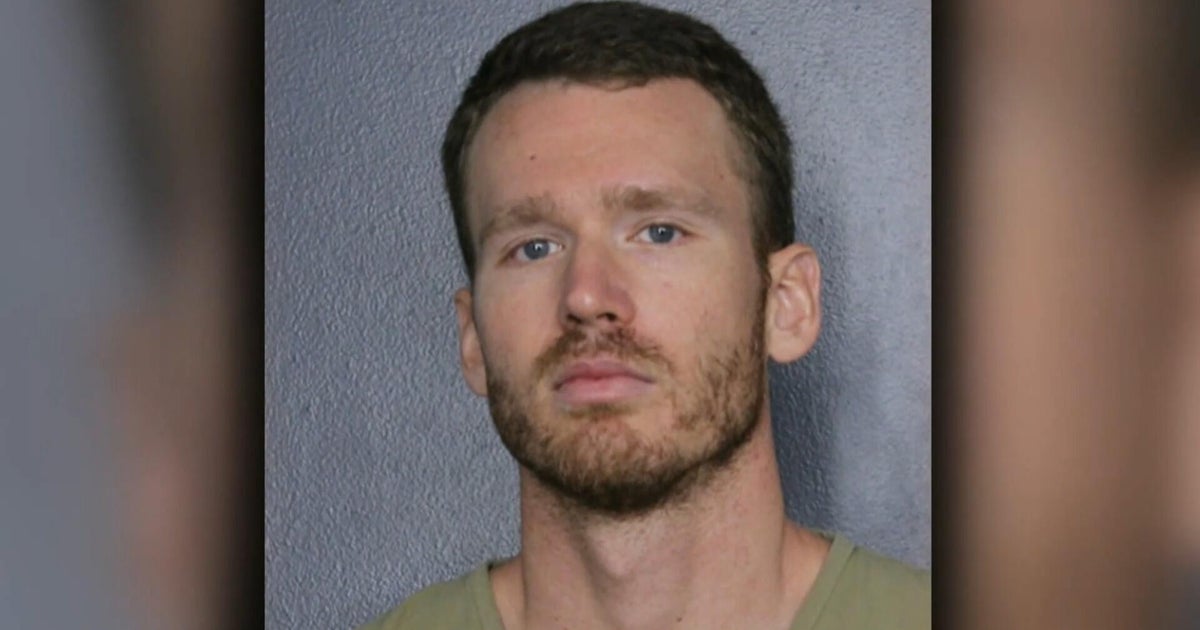
A Florida police officer is accused of stealing the identity of a man who had died and illegally taking over the man's home more than four years ago. The case involves allegations of identity theft and unlawful possession of property.
Key Facts
The accused is a police officer from Florida.
He allegedly took the identity of a dead man.
The officer also reportedly moved into the dead man’s home without legal permission.
These events are said to have happened over four years ago.
The case is under investigation for identity theft and illegal possession.
Read the Original
Want the full story? Tap a source to open the original
article.