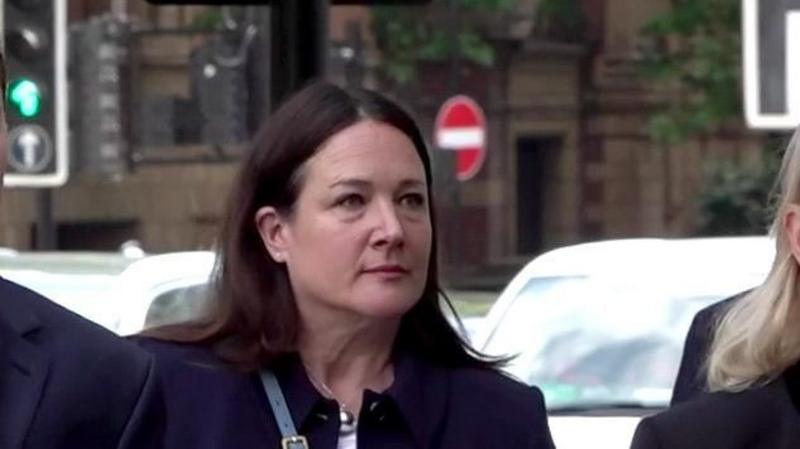
The driver, Claire Freemantle, will face trial in September 2027 for crashing into a school event in Wimbledon that killed two eight-year-old girls. She faces charges of causing death by dangerous driving and causing serious injuries to several others.
Key Facts
The crash happened on July 6, 2023, at The Study Preparatory School in south-west London.
Two girls, Nuria Sajjad and Selena Lau, both eight years old, died in the crash.
Claire Freemantle, 49, is charged with causing death by dangerous driving.
She also faces seven charges of causing serious injury.
Injured include parents and children, such as Nuria's mother and others present at the tea party.
Freemantle confirmed her identity at a court hearing but did not enter a plea.
The trial is scheduled for September 6, 2027.
The incident happened during an end-of-term tea party on the school lawn.
Read the Original
Want the full story? Tap a source to open the original
article.
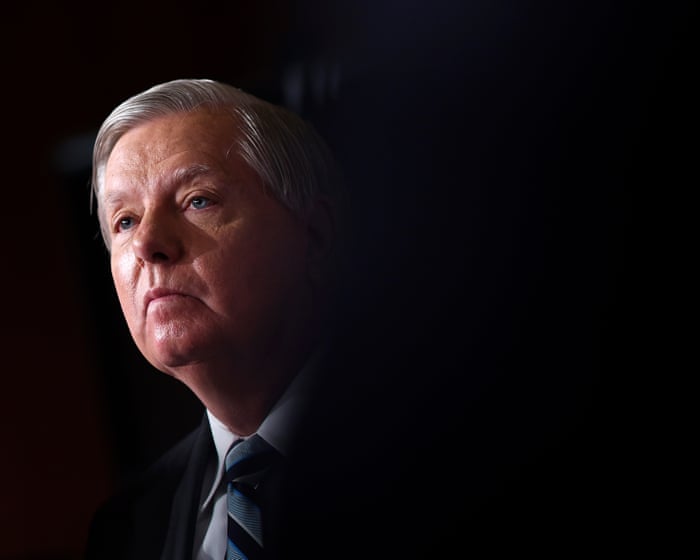
Lindsey Graham’s 2015 autobiography reveals his complex history with race issues in South Carolina. Throughout his political career, Graham has made statements denying systemic racism and faced criticism from Black leaders while also supporting some Black candidates.
Key Facts
Lindsey Graham grew up in a segregated town in South Carolina where racial tensions remained high.
His parents initially did not serve Black customers inside their cafe, only through a take-out window.
Graham took over Strom Thurmond’s Senate seat in 2003; Thurmond was known for his segregationist views.
Graham has denied systemic racism in the U.S., saying minorities just need to be conservative to succeed in South Carolina.
He cited Barack Obama’s election as proof systemic racism does not exist.
Graham supported Black South Carolina judge J Michelle Childs for the Supreme Court, rejecting claims it was affirmative action.
Congressman James Clyburn criticized Graham for calling Covid aid to Black farmers “reparations.”
After Graham’s recent death, Clyburn praised his long service and mutual respect despite political differences.
Read the Original
Want the full story? Tap a source to open the original
article.
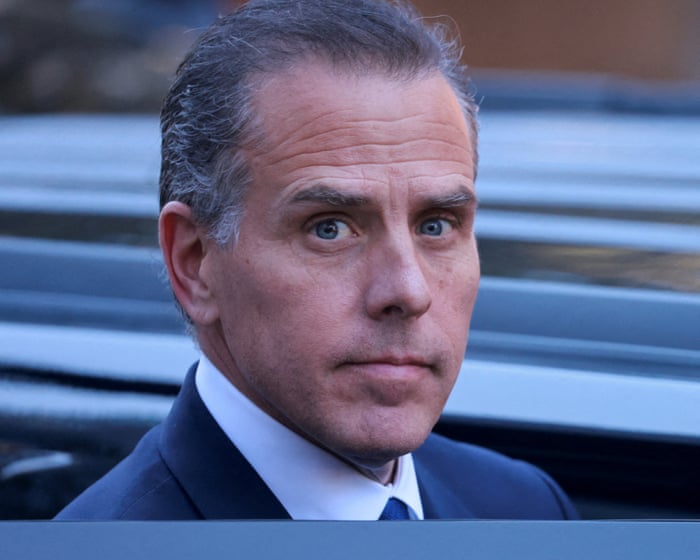
Hunter Biden won a defamation lawsuit against Patrick Byrne, former CEO of Overstock.com, and was awarded $1.7 million in punitive damages. A federal judge ruled that Byrne made false statements about Biden trying to bribe Iran’s government and found Byrne’s claims lacked evidence.
Key Facts
Hunter Biden sued Patrick Byrne in 2023 for defamation related to false bribery claims involving Iran.
Byrne claimed Biden offered Iran $800 million in exchange for favorable U.S. government actions during nuclear talks.
U.S. District Judge Stephen Wilson found Byrne’s statements were false and lacked proof.
Byrne did not attend the scheduled trial and dismissed his lead attorney, leading to a default judgment.
The court awarded Biden $1 in nominal damages and $1.7 million in punitive damages, plus $35,000 in sanctions against Byrne.
Hunter Biden expressed gratitude that “the rule of law prevailed” following the ruling.
Byrne is an ally of President Donald Trump and supported efforts to challenge the 2020 election results.
Biden’s lawsuit and judgment occurred shortly after President Joe Biden pardoned Hunter Biden for previous federal charges.
Read the Original
Want the full story? Tap a source to open the original
article.
The Justice Department under President Donald Trump issued subpoenas to New York Times reporters, seeking testimony related to their reporting on a donated Boeing 747 intended as a new presidential plane. The subpoenas raised concerns about press freedom and source confidentiality, as journalists fear their ability to report freely could be harmed if they are forced to testify.
Key Facts
The Trump-controlled Justice Department delivered subpoenas to several New York Times reporters at their homes.
The subpoenas request testimony about Times reporting on a Boeing 747 jet donated by Qatar for President Trump’s use.
The Times reported security concerns that led the Secret Service to advise against using the new plane.
Sources who provided information to the Times did so anonymously, risking exposure if reporters are forced to testify.
The Times editor called the subpoenas an attempt to intimidate reporters and harm press freedom.
The administration launched a leak investigation after the story was published, despite requests to withhold it.
This legal action follows similar actions in earlier investigations involving reporters from other news outlets.
Press rights are protected under the First Amendment, meant to allow journalists to report on matters of public interest without fear of government retaliation.
Read the Original
Want the full story? Tap a source to open the original
article.
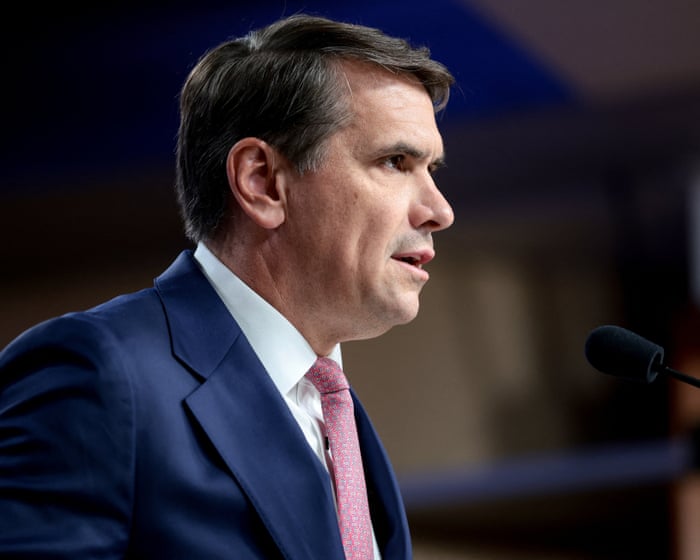
Todd Blanche, who was President Donald Trump’s private lawyer, is now serving as the acting U.S. attorney general. His close ties to President Trump raise questions about fairness and conflicts of interest in his role at the Justice Department.
Key Facts
Todd Blanche worked as President Trump’s private lawyer in several criminal cases, including prosecutions related to hush money, classified documents, and the January 6 Capitol events.
Blanche became the deputy attorney general and then acting attorney general after Pam Bondi was fired by President Trump.
He approved a controversial tax settlement protecting President Trump and his businesses from IRS lawsuits, which was later ruled improper by a federal judge.
The New York Bar Association questioned Blanche’s suitability for office due to his conflicts of interest.
Blanche proposed a fund to compensate people he thought were unfairly prosecuted by the federal government, which could have benefited Trump and January 6 defendants.
He was involved in redacting sensitive documents in the Jeffrey Epstein case, allegedly protecting President Trump and other powerful men.
Blanche shut down a Justice Department unit investigating cryptocurrency fraud, supporting Trump’s business interests.
Senators, including Adam Schiff, challenged Blanche about his conflicts of interest during confirmation hearings, highlighting concerns about his ability to be impartial.
Read the Original
Want the full story? Tap a source to open the original
article.
The article discusses how many people desire power, but few are prepared to do what it takes to gain and maintain it. It suggests that this reluctance may help prevent tyranny, since being a tyrant requires significant effort.
Key Facts
Many people want to have power.
Few people are willing to do the difficult things needed to get power.
Avoiding the work of being a tyrant can protect against tyranny.
The article reflects on the challenges and responsibilities of having power.
It uses the example of power to explain why tyranny might be rare.
Read the Original
Want the full story? Tap a source to open the original
article.
U.S. lawmakers want to quickly pass a new law that would add more sanctions on Russia. The bill was written by Senator Lindsey Graham and is seen as a way to remember him after his recent death. Congress and the White House agreed on the main points of the bill before he passed away.
Key Facts
The bill targets Russia with new sanctions.
Senator Lindsey Graham, a Republican from South Carolina, wrote the bill.
Lawmakers reached an agreement with the White House on the bill's details.
Senator Graham died suddenly late on a Saturday night.
Congress is pushing to pass the bill quickly to honor Senator Graham’s work.
The bill has support from both Republicans and Democrats.
Read the Original
Want the full story? Tap a source to open the original
article.
Senator Lindsey Graham, who led the Senate Budget Committee and served on two other important committees, has died suddenly. His death, along with the absence of Senate Majority Leader John Thune, is causing delays in the Republican Senate's plans.
Key Facts
Lindsey Graham was the chair of the Senate Budget Committee.
He was also a senior member of the Appropriations and Judiciary Committees.
Senator Graham died unexpectedly.
Senate Majority Leader John Thune is currently absent.
The absence of these two key Republican senators is delaying the Senate GOP agenda.
The delays could last for weeks.
Graham was known for being a strong and outspoken supporter of certain policies.
Read the Original
Want the full story? Tap a source to open the original
article.
Congress is considering the Sunshine Protection Act of 2025, which would make daylight saving time permanent across most U.S. states. If passed and signed by President Donald Trump, clocks would stay one hour ahead during winter instead of changing back to standard time.
Key Facts
The bill is sponsored by Republican Rep. Vern Buchanan from Florida.
The House Rules Committee voted 6-4 to consider the bill on July 13.
If the bill passes, the time shift would start on December 1.
States would remain on daylight saving time year-round, skipping the usual "fall back."
This means mornings in winter would be darker, but evenings would have more daylight.
Hawaii and most of Arizona do not follow daylight saving time and would not change.
The U.S. tried permanent daylight saving time in the 1970s but stopped due to dark mornings concerns.
Supporters say permanent daylight saving time could improve health, reduce accidents, and increase outdoor activity.
Read the Original
Want the full story? Tap a source to open the original
article.
A 26-year-old Colombian man was shot and killed by a U.S. Immigration and Customs Enforcement (ICE) agent in Biddeford, Maine, during an operation. The man was authorized to work in the U.S., and investigations into the shooting are underway by multiple agencies.
Key Facts
The shooting happened in Biddeford, Maine, about 15 miles southwest of Portland.
ICE agents were conducting surveillance related to a person with a final removal order, but the man shot was not the original target.
The driver allegedly tried to flee and possibly used the vehicle against ICE agents, which led to the agent firing his weapon.
The involved ICE officer is on administrative leave while the DHS Office of Inspector General and the FBI investigate.
The man killed was a Colombian national authorized to work in the U.S.
This incident occurs amid increased immigration raids and protests against ICE practices.
ICE has faced criticism for aggressive tactics, including raids and arrests that cause fear in communities.
Previous similar incidents have sparked national protests and calls for reform of immigration enforcement.
Read the Original
Want the full story? Tap a source to open the original
article.
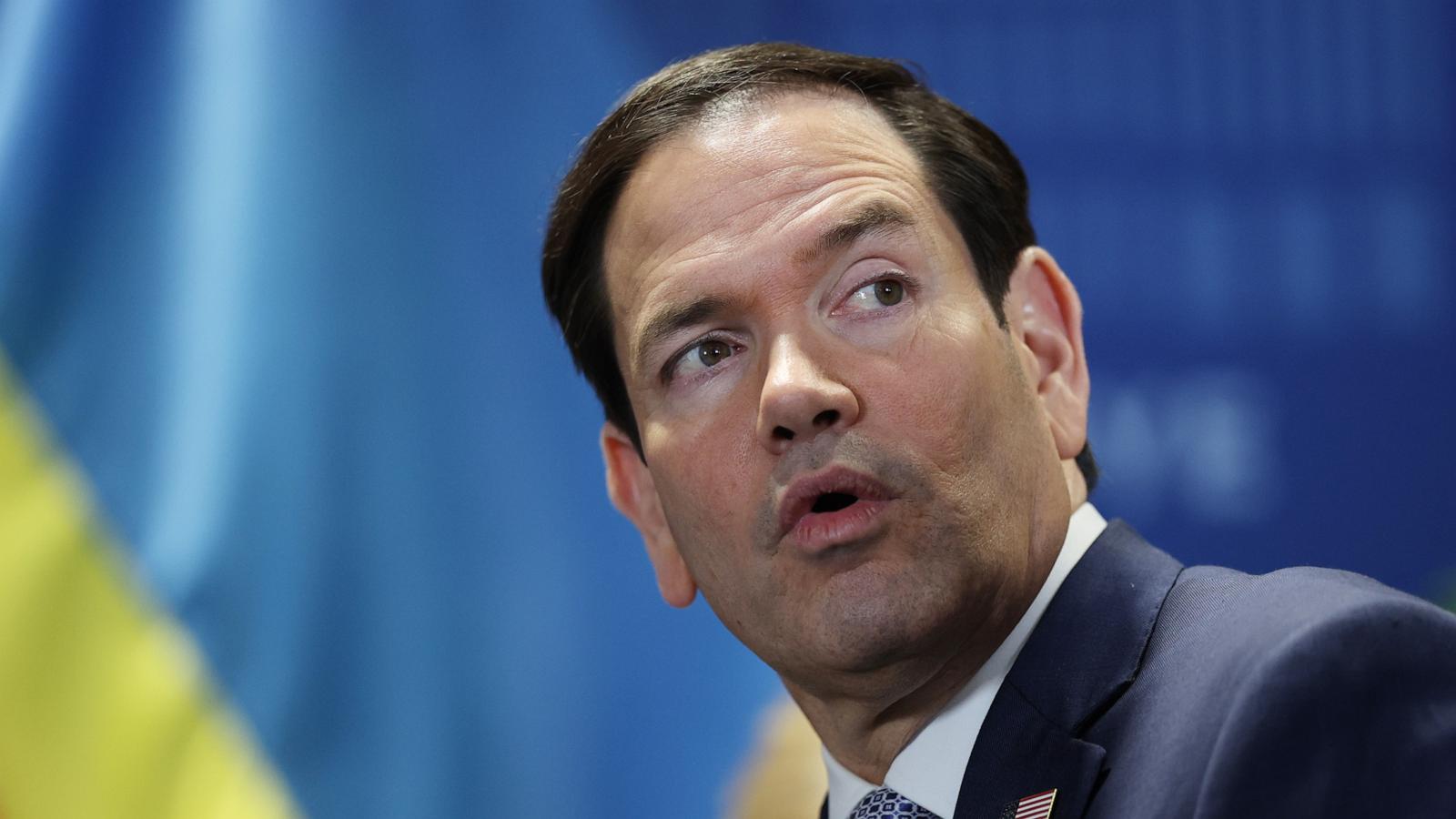
Secretary of State Marco Rubio is organizing a meeting in Washington with over 70 countries to address what the Trump administration describes as a rising global threat of far-left terrorism. The meeting aims to create coordinated efforts to counter political violence linked to far-left extremist groups.
Key Facts
The meeting will happen this Thursday in Washington, D.C.
More than 70 countries have been invited due to strong international interest.
The administration says far-left terrorism is an underestimated global threat.
The meeting seeks to coordinate international action against far-left extremist violence.
Some experts say far-left violence is low compared to right-wing and jihadist terrorism but agree all threats need attention.
The Trump administration prioritizes far-left terrorism but also remains concerned about jihadist and right-wing threats.
Civil rights groups like the ACLU criticize the administration’s approach, saying it may target peaceful political activists.
This initiative follows recent Trump administration efforts to address various forms of political violence and domestic terrorism.
Read the Original
Want the full story? Tap a source to open the original
article.
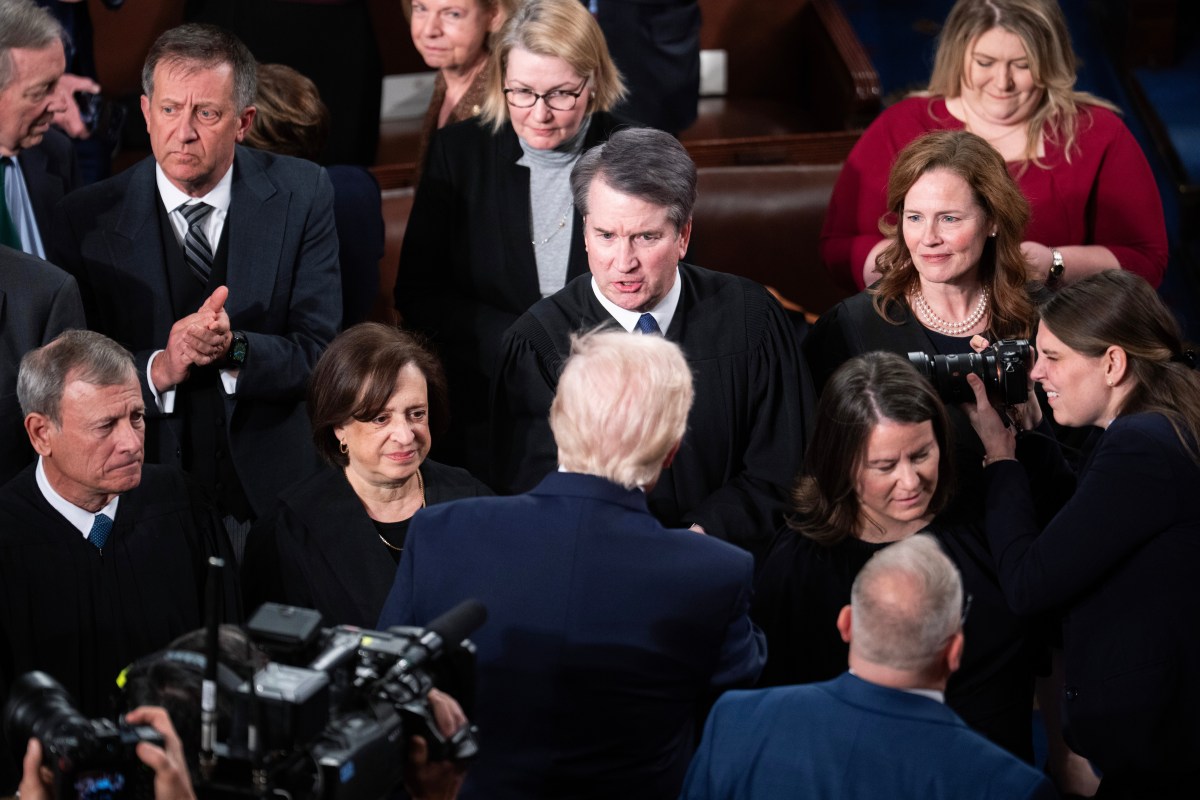
Supreme Court Justices Amy Coney Barrett and Elena Kagan will testify before Congress to request nearly $230 million for the court’s security budget for the next fiscal year, which is about $20 million more than last year. The increased funding aims to protect justices and their families due to rising threats, including enhanced protection at their homes, courthouses, and against cyberattacks.
Key Facts
The Supreme Court’s security budget request is $228 million for fiscal year 2027, about a 10% increase from the previous year.
The judiciary overall is asking for $9.7 billion in funding for fiscal year 2027, a 4.5% increase from 2026.
Funding would support adding six security agents per justice and new administrative and police positions.
$6.5 million is requested to build a new visitor screening facility outside the Supreme Court building.
$2.3 million is requested to hire cybersecurity experts to protect the justices.
$2 million is requested to establish a new command post to improve security coordination and response.
The spending proposal responds to increased threats against Supreme Court justices after incidents like protests and harassment following the overturning of Roe v. Wade.
Justices now receive 24/7 security at their homes due to serious threats, including attempted swatting and bomb threats against family members.
Read the Original
Want the full story? Tap a source to open the original
article.
Several states are pushing laws to identify and sometimes penalize large companies whose workers use Medicaid, the government health program for low-income people. This effort comes as new federal rules require some Medicaid recipients to work or volunteer to keep their health coverage, a policy expected to increase the number of uninsured Americans.
Key Facts
California lawmakers want to require public naming of companies with 100 or more workers on Medi-Cal, the state’s Medicaid program.
Nevada has had a similar law since 2017; Oregon’s similar proposal failed in March.
Large employers like Walmart and Amazon dispute the counts, saying many affected workers are part-time or seasonal.
Walmart says it provides affordable health coverage, including free virtual care for most employees.
New Jersey passed a law fining companies with 50 or more employees on Medicaid, charging $325 to $725 per worker.
Some states want to make big companies pay more for employees’ health benefits through taxes or fees.
The federal government’s Medicaid work requirements will start soon, requiring most Medicaid recipients ages 19-64 to work or volunteer 80 hours a month.
These federal work rules are projected to raise the number of uninsured Americans by over 5 million by 2034.
Read the Original
Want the full story? Tap a source to open the original
article.
The article discusses how everyday annoyances—like long waits on phone calls, spam messages, confusing health insurance paperwork, and surprise fees—take up a lot of Americans’ time and cause frustration. It suggests that politicians, especially Democrats planning for future elections, could gain voter support by focusing on reducing these daily hassles through sensible policies.
Key Facts
Americans spend much more time on hold with customer service than 20 years ago, increasing by 60%.
Workers lose about $22 billion annually dealing with health insurance hassles.
Surprise fees have spread from airlines and banks to many everyday purchases like concert tickets and food delivery.
Phones are overwhelmed with robocalls and spam texts, often from marketers, politicians, and scammers.
Proposed solutions include requiring permission for marketing calls and texts and plugging loopholes that allow spamming.
Health insurance processes could be simplified by requiring online forms and penalizing outdated provider lists.
Making it easier to cancel subscriptions and requiring clear pricing without hidden fees would reduce consumer frustration.
A policy brief suggests that focusing on these "Annoyance Economy" issues is a promising way for politicians to connect with voters.
Read the Original
Want the full story? Tap a source to open the original
article.
Nigel Farage was offered government-funded security including a bodyguard, car, and driver last year but turned it down because he felt it was not enough. Reform UK members claim that the government delayed offering proper protection due to political reasons, while officials say decisions on security are made independently.
Key Facts
Nigel Farage declined an offer for government-paid security last year, which included a bodyguard, car, and driver.
Farage believed the offered security was inadequate compared to other high-profile politicians.
Reform UK accuses the government of delaying proper security for Farage due to political bias.
Security decisions are made by the Royal and VIP Executive Committee (Ravec), an official body responsible for protecting VIPs.
The Home Secretary stated that Ravec is "fiercely independent," but some Reform UK politicians argue the Home Secretary could overrule it if desired.
Reform UK leaders deny claims they are exaggerating security threats to distract from other controversies involving donations.
The discussion about Farage's security follows the murder investigation of Ann Widdecombe, which prompted renewed attention to politician safety.
Reform UK politician Robert Jenrick accused the Labour party of "playing politics" with the safety of Reform UK members.
Read the Original
Want the full story? Tap a source to open the original
article.
Robert Jenrick criticized the government for delaying a security meeting for Nigel Farage until after the death of Ann Widdecombe. The government had only recently offered Farage a meeting with the security committee responsible for protecting high-profile people, despite his previous concerns about reduced protection.
Key Facts
Robert Jenrick said the government did not provide Nigel Farage with needed security earlier.
The security meeting was offered only after Ann Widdecombe was murdered.
Farage had previously rejected a state security package that included a bodyguard and secure transport.
The government downgraded Farage's security shortly after he was elected to parliament.
Home Secretary Shabana Mahmood offered Farage a personal meeting with the Royal and VIP Executive Committee (Ravec).
Ann Widdecombe’s death is under investigation by counter-terrorism police.
A 28-year-old man was arrested in connection to Widdecombe’s murder and later rearrested on terrorism-related charges.
The incident raised questions about the protection of former MPs and politicians from smaller parties.
Read the Original
Want the full story? Tap a source to open the original
article.
Emily Blout from Washington, D.C., has lived with premenstrual dysphoric disorder (PMDD) since age 15, causing severe mood changes for about half of each month. She has tried many treatments and currently uses hormone therapy that stops her symptoms but faces tough choices about surgery or experimental drugs.
Key Facts
PMDD is a severe mood disorder linked to hormone changes before menstruation, affecting about 1 in 20 women.
Emily experiences mood swings like intense anger, sadness, crying, and brain fog for 12 to 14 days each month.
Symptoms disappear shortly after her period starts as hormone levels change again.
She tried antidepressants and antipsychotics after being misdiagnosed with bipolar disorder.
Emily now uses Lupron, a hormone therapy that causes chemical menopause and stops her symptoms.
She is considering surgery to remove her ovaries and fallopian tubes but worries about risks like memory problems later.
Research and funding for PMDD treatments are very limited, leaving women to try different options without clear help.
Emily’s children have noticed her struggles, and her family life has improved since starting hormone therapy.
Read the Original
Want the full story? Tap a source to open the original
article.
A 26-year-old Colombian man, identified as Joan Sebastian Guerrero, was fatally shot by an ICE officer in Biddeford, Maine, during a federal enforcement action. Authorities said the man tried to flee in a vehicle when officers attempted to stop him, and the shooting is under investigation.
Key Facts
The man shot was reportedly 26 years old and from Colombia.
The shooting happened in Biddeford, Maine, during an ICE operation.
ICE officers tried to stop a vehicle linked to a person with a final order of removal.
The man tried to flee, leading an officer to shoot fearing public safety.
The man died from his injuries at the scene.
The officer involved is on administrative leave while the case is reviewed.
Immigrant groups say Guerrero had legal work authorization and a Social Security number.
The Colombian Embassy is helping the victim’s family and seeking more information.
Read the Original
Want the full story? Tap a source to open the original
article.
Senator Lindsey Graham died at age 71 after a sudden illness linked to heart problems. President Donald Trump was asked if Russia might have poisoned Graham but said the senator had serious health issues and his death was related to natural causes.
Key Facts
Lindsey Graham died at 71 following a brief and sudden illness.
He had recently met with Ukrainian President Volodymyr Zelensky in Kyiv.
Preliminary medical findings show Graham died from an aortic dissection caused by heart disease.
Newsmax host Greg Kelly asked President Trump if he suspected Russia poisoned Graham.
President Trump said Graham had deep health problems and family history of similar issues.
Trump referred to reports that a part of Graham’s body “literally blew up.”
There is no confirmed evidence of poisoning in Graham’s death.
The story is still developing with more updates expected.
Read the Original
Want the full story? Tap a source to open the original
article.
Jess Potter from Rochester, New York, who had health anxiety, used to carry a carbon monoxide detector when traveling. In late 2025, after feeling sick for months, she was diagnosed with Hodgkin's lymphoma and started chemotherapy.
Key Facts
Jess Potter often took a carbon monoxide detector with her on trips due to health worries.
She experienced frequent illness over about three months and thought it was bronchitis or flu.
Doctors found an enlarged lymph node, and after tests, she was diagnosed with Hodgkin's lymphoma, a type of cancer.
She started chemotherapy immediately to treat the cancer.
Potter found it ironic that she was cautious about health but unaware of her cancer at first.
She encourages others to pay attention to their bodies and seek medical advice for any concerning symptoms.
Health anxiety is common, and a 2026 poll showed 55% of U.S. adults felt anxious about their health.
Read the Original
Want the full story? Tap a source to open the original
article.