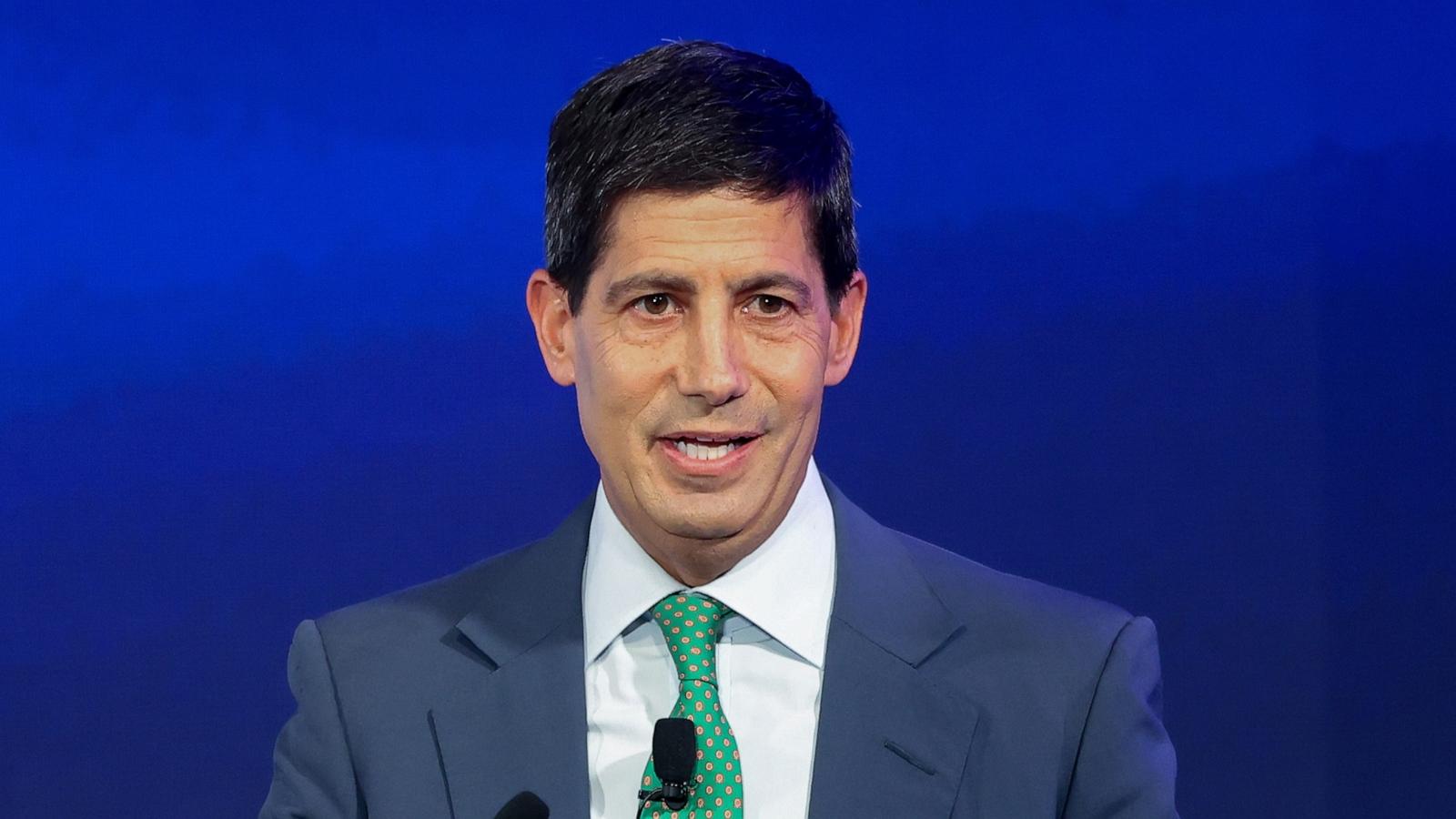
Kevin Warsh is a candidate to lead the Federal Reserve, the United States' central bank that influences the economy by setting interest rates. President Donald Trump supports Warsh because he wants the Fed to lower interest rates, but Warsh's nomination faces questions due to ongoing investigations and political tensions.
Key Facts
Kevin Warsh is 56 years old, an economist with a background in finance and government advisory roles.
President Trump wants Warsh to chair the Federal Reserve to push for lower interest rates.
Warsh served on the Federal Reserve's board of governors from 2006 to 2011.
He is known as an "inflation hawk," favoring higher interest rates to control inflation, even if that risks higher unemployment.
Warsh studied under economist Milton Friedman at Stanford and earned a law degree from Harvard.
His nomination hearing will be held by the Senate banking committee amid a criminal investigation related to the Fed's headquarters renovations.
Some Republican senators may block his nomination until the investigation is resolved.
Warsh previously worked as an adviser to President George W. Bush and taught at Stanford's business school.
Read the Original
Want the full story? Tap a source to open the original
article.
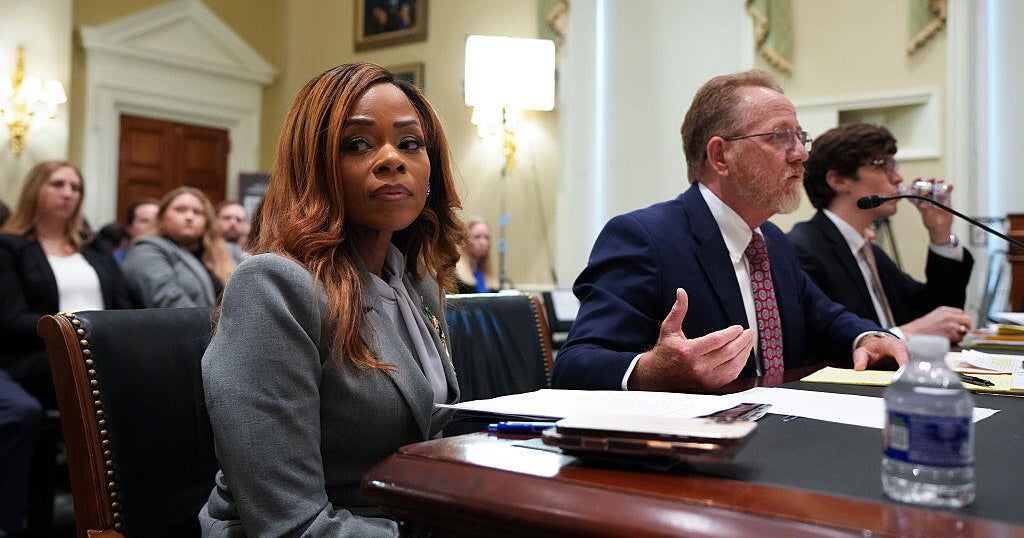
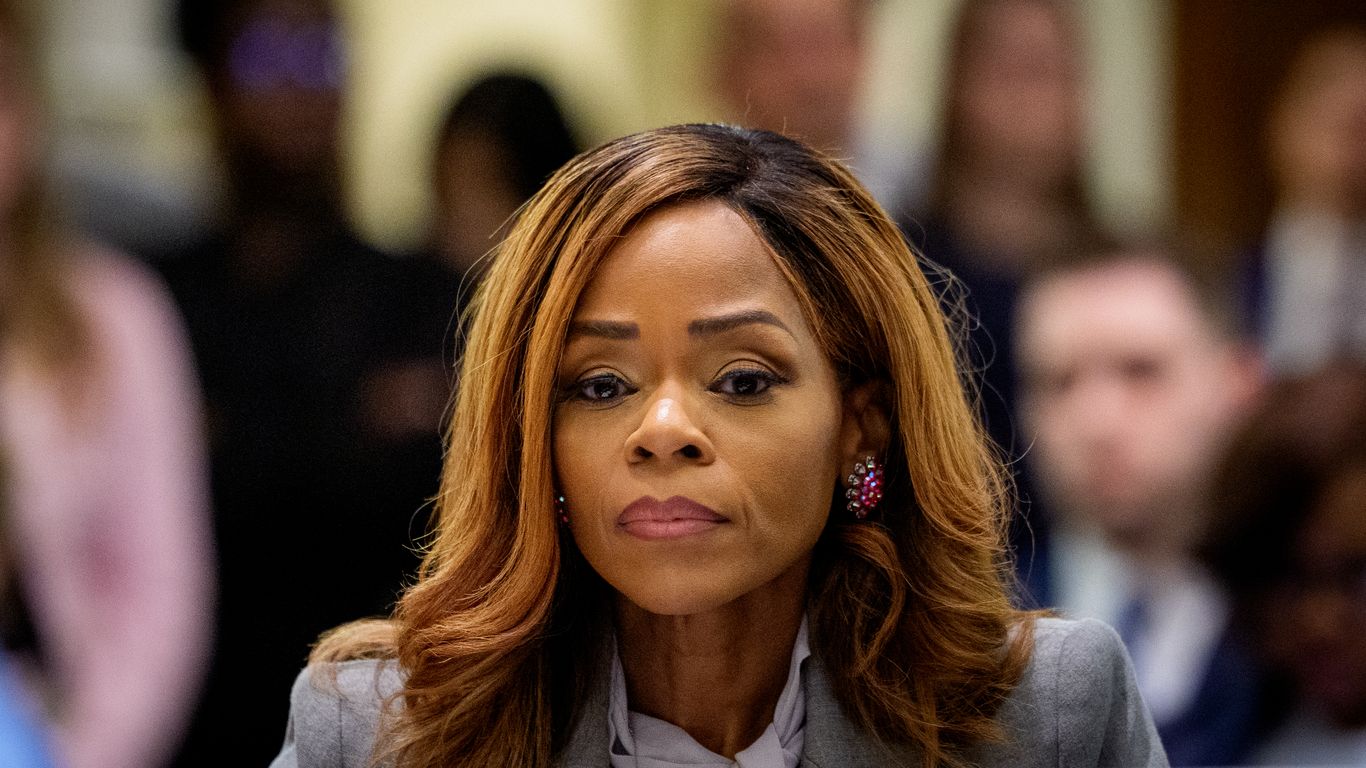
The House Ethics Committee will hold a public hearing to decide if Democratic Rep. Sheila Cherfilus-McCormick should face punishment for allegedly stealing $5 million in federal emergency funds and misusing the money. A report found evidence of serious misconduct, and the committee confirmed most of the charges against her.
Key Facts
The Ethics Committee will have a public hearing to consider penalties for Rep. Cherfilus-McCormick.
She was charged by the Justice Department with stealing $5 million from FEMA funds for her campaign.
Cherfilus-McCormick denies wrongdoing and pleaded not guilty to 15 federal charges.
The committee’s report found “substantial reason” to believe she broke laws and House rules.
Allegations include buying luxury items like jewelry, a Tesla car, designer clothes, and expensive travel with stolen funds.
The panel found 25 of 27 ethics charges against her were proven.
Possible punishments include censure, fines, removal from committee roles, or a reprimand but expulsion requires a two-thirds House vote.
House Republicans want her expelled, while House Democrats wait for the committee’s final recommendation before deciding next steps.
Read the Original
Want the full story? Tap a source to open the original
article.
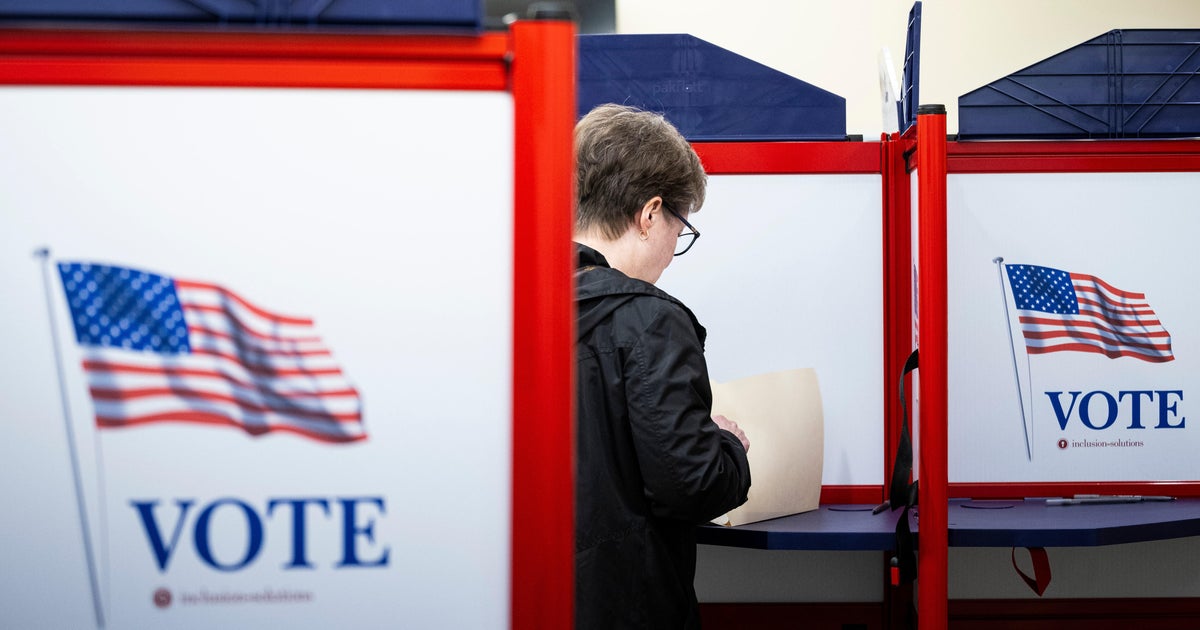
Virginia voters are deciding on a referendum to change the state's congressional districts to favor Democrats by a 10-1 ratio. This change would allow a new redistricting plan aimed at increasing Democratic seats until the 2030 election, after which the usual process resumes.
Key Facts
Virginia voters are deciding on a referendum to redraw congressional districts in a way that favors Democrats 10 to 1.
Early voting started March 6, with high turnout; over 1.35 million voted early by Monday.
The new map would break up northern Virginia districts and combine them with more conservative areas, boosting Democrats.
Normally, redistricting happens once every 10 years after the Census, but this plan allows a mid-decade change.
Democrats currently hold six of Virginia’s 11 House seats; the new plan aims to increase that number.
Republicans have redrawn maps in Texas, Missouri, and North Carolina to favor their party and gain more seats.
Some Democrats, including a longtime party member, oppose the referendum, saying fair maps are possible without this change.
The referendum would overturn a constitutional amendment passed five years ago that created a bipartisan redistricting commission.
Read the Original
Want the full story? Tap a source to open the original
article.
Kevin Warsh is having a confirmation hearing to join the Federal Reserve, the U.S. central bank. Republicans support him as a needed reformer, while Democrats worry about his investments possibly causing conflicts of interest and question his independence from President Trump.
Key Facts
Kevin Warsh is being considered for a top position at the Federal Reserve, known as the Fed.
Republicans say Warsh will bring needed changes to the Fed, criticizing it for relying on outdated methods.
Democrats raise concerns about Warsh’s large investments in private companies that could be influenced by Fed decisions.
There is a Justice Department investigation related to the current Fed Chair Jerome Powell, which some see as a pressure tactic.
Senator Thom Tillis wants to delay Warsh’s confirmation until the investigation is resolved.
Powell’s term ends on May 15, and the Trump administration wants to replace him.
Warsh has not fully disclosed all his financial holdings, raising transparency concerns.
If confirmed, Warsh would be one of the wealthiest Fed Chairs ever due to his investments and family wealth.
Read the Original
Want the full story? Tap a source to open the original
article.
Republican lawmakers are worried that voters may be unhappy with President Trump’s management of the economy because Iran said it would keep the Strait of Hormuz closed. This closure could cause fuel prices to rise before the November election, which has some Republican senators concerned about losing voter support.
Key Facts
Iran announced it would keep the Strait of Hormuz closed.
The Strait of Hormuz is a key waterway for oil shipments.
Closing the strait could lead to higher fuel prices.
Higher fuel prices could affect the economy before Election Day.
Republican lawmakers fear voters may blame President Trump's economic policies.
Some Republican senators are worried about losing support in the November election.
The economic situation is causing concern within the Republican Party.
The issue is linked to international tensions affecting U.S. politics.
Read the Original
Want the full story? Tap a source to open the original
article.
Speaker Mike Johnson is facing a difficult period with several important political battles coming soon. He is dealing with pressure from his own party and urgent issues related to the conflict in Iran.
Key Facts
Mike Johnson is the Speaker of the House and a Republican from Louisiana.
There are several major legislative fights expected by the end of the month.
Some members of the Republican Party want one of their own to resign.
There is growing concern in the GOP about the conflict in Iran as it approaches 60 days.
Johnson and his team are working hard to reach agreements and manage these challenges.
Read the Original
Want the full story? Tap a source to open the original
article.
Virginia will hold a vote on Tuesday about new election district boundaries. The state’s Democrats want to approve a temporary map that favors their party for the U.S. House of Representatives, before the next Census in 2030.
Key Facts
Virginia Democrats proposed a referendum to approve a new 10-1 congressional district map.
The referendum asks voters if lawmakers can pass this temporary map before the 2030 Census.
This new map would benefit Democrats in upcoming elections.
The vote takes place ahead of the 2026 midterm elections.
Redistricting is the process of redrawing voting district lines based on population changes.
The battle over redistricting is ending nationally as most states have finalized new maps.
The referendum is seen as a final chance for Democrats in Virginia to influence district lines.
The current situation involves political parties wanting favorable boundaries for elections.
Read the Original
Want the full story? Tap a source to open the original
article.
The article discusses the role of beef in American culture and politics, especially during midterm election times. It highlights how food, particularly beef, connects to national identity and political messaging.
Key Facts
Aaron Copland’s music “Hoe-down” is linked to American culture.
Robert Mitchum, a famous actor, is mentioned as a recognizable American figure.
Beef is symbolically tied to American tradition and identity.
Midterm elections prompt political messaging that includes cultural symbols like food.
The article connects food imagery with political campaigns and voter appeal.
Read the Original
Want the full story? Tap a source to open the original
article.
A group connected to the Republican Party is asking Congress to simplify and speed up how the Pentagon buys defense equipment. Their goal is to cut delays, increase the number of companies that can supply defense items, and improve the military’s ability to get what it needs faster.
Key Facts
The group behind the request is linked to the GOP (Republican Party).
They want Congress to reduce bureaucratic hurdles in the Pentagon’s buying process.
The focus is on delivering equipment more quickly to the military.
They aim to expand the number of suppliers that can work with the Pentagon.
Improving the military’s capacity to receive equipment is a priority.
The call for changes comes from a report by Polaris National Security.
The report was shared first with The Hill news outlet.
The group believes the acquisition process should be based on shorter timelines.
Read the Original
Want the full story? Tap a source to open the original
article.
President Donald Trump wants to replace Federal Reserve Chair Jerome Powell. He nominated Kevin Warsh to take Powell’s place, and the Senate Banking Committee is set to hold a hearing to consider Warsh’s nomination. However, conflicts involving President Trump may affect this plan.
Key Facts
President Trump aims to remove Jerome Powell from his role as Federal Reserve Chair.
Kevin Warsh, a former Federal Reserve board member, is Trump's nominee to replace Powell.
The Senate Banking Committee has scheduled a confirmation hearing for Kevin Warsh.
President Trump has had conflicts related to the Federal Reserve and its leadership.
The effort to change the Federal Reserve Chair affects U.S. economic policy decisions.
The Federal Reserve Chair leads the central bank, influencing interest rates and financial stability.
The confirmation hearing is a key step in deciding whether Warsh becomes the Federal Reserve Chair.
Read the Original
Want the full story? Tap a source to open the original
article.
Representative Brian Mast discusses issues in the U.S. State Department and Foreign Service, saying they have lost focus on American interests. He supports President Trump’s direction to reform the Foreign Service to improve accountability and ensure diplomats follow presidential foreign policy.
Key Facts
The State Department plays a key role in representing the U.S. overseas.
Mast says parts of the department have focused on agendas unrelated to American strength.
Secretary of State Marco Rubio criticized the department for lacking accountability and sometimes opposing American interests.
President Trump’s foreign policy is "America First," prioritizing U.S. sovereignty and taxpayers.
In February 2025, President Trump directed reforms in the Foreign Service to align it with national interests.
Mast argues diplomats should execute the president’s policies without replacing them with personal views.
He calls for holding diplomats accountable based on their results and commitment to American priorities.
Congress has taken steps since 2023 to update the Foreign Service system to support these reforms.
Read the Original
Want the full story? Tap a source to open the original
article.
During World War II, statisticians discovered that the damage seen on returning bombers was not where extra protection was needed; instead, areas without visible damage were more critical. This idea, called survivorship bias, is used to explain hidden issues in President Donald Trump’s second term, such as reduced international visits, lower foreign student numbers, and diminished government programs.
Key Facts
During WWII, Abraham Wald found that bombers missing damage in certain areas were actually lost, showing the limits of visible data.
President Trump’s second term shows visible conflicts like tariff wars and fights with the Supreme Court.
There are less obvious impacts, such as fewer Canadian visits to the U.S., down 22% in January 2026 compared to the previous year.
Canadian car trips to and from the U.S. have declined significantly, reflecting political tensions.
Trade has been affected: several China-U.S. shipping routes were cut due to Trump’s tariffs reducing demand.
International student enrollment in U.S. universities fell by 17% in Fall 2025, causing over $1.1 billion in lost revenue and nearly 23,000 fewer jobs.
The Trump administration reduced the federal workforce and dismantled some government agencies like USAID.
Critics say these changes weaken American government and reduce the country’s influence globally.
Read the Original
Want the full story? Tap a source to open the original
article.
Many young Americans feel worried and uncertain about finding good jobs, even though the overall U.S. unemployment rate is low. Employers are cautious about hiring due to economic uncertainty and the expected impact of AI on entry-level office jobs.
Key Facts
Only 20% of young workers recently said it’s a good time to find a quality job, down from 62% in 2021.
The unemployment rate for recent college graduates (ages 22-27) is 5.6%, higher than the national rate of 4.2%.
Employers are hesitant to hire new, junior-level staff because they expect AI to replace many entry-level white-collar jobs.
Many CEOs prefer to wait and see how AI and other economic factors play out before expanding their workforce.
Despite some reports of more recent graduates getting jobs quickly, many are taking gig or freelance work, not full-time careers.
Young people need to align their education with changing job market demands, especially learning AI-related skills.
This issue may become a significant political concern as the country moves toward the 2028 elections.
Read the Original
Want the full story? Tap a source to open the original
article.
Downing Street asked the Foreign Office to find a diplomatic job for Matthew Doyle, who was then Keir Starmer’s communications chief. Olly Robbins, a senior civil servant, said he was told not to tell the foreign secretary about this and found it difficult to support because Doyle later faced serious allegations.
Key Facts
Downing Street requested a diplomatic role be found for Matthew Doyle.
Doyle was the communications chief for Keir Starmer at the time.
Olly Robbins, former lead civil servant at the Foreign Office, testified about these requests to Parliament.
Robbins was told not to mention this to then Foreign Secretary David Lammy.
Robbins found it hard to justify giving senior diplomatic jobs to people without a diplomatic background.
These talks took place in March 2025, shortly before Doyle left Downing Street.
Doyle was made a member of the House of Lords but suspended from the Labour party in 2026.
Doyle had campaigned for Sean Morton, who was charged and later convicted for possessing illegal images.
Read the Original
Want the full story? Tap a source to open the original
article.
President Donald Trump’s nominee for Federal Reserve chair, Kevin Warsh, is facing a Senate hearing where he will promise to keep the Fed independent and fight inflation. The hearing may be difficult because some senators want to delay the vote until investigations into current Fed officials finish.
Key Facts
Kevin Warsh is President Trump’s pick to lead the Federal Reserve after Jerome Powell’s term ends on May 15.
Warsh will testify before the Senate Banking Committee and says he will ensure the Fed sets interest rates independently.
Democrats on the committee want to delay Warsh’s confirmation until probes into Powell and Fed governor Lisa Cook are complete.
Republican Senator Thom Tillis plans to block all Fed nominees, including Warsh, until the Justice Department finishes its investigation.
Questions for Warsh will cover his wealth, past links to Jeffrey Epstein, and his economic views.
Lori Chavez-DeRemer resigned as labor secretary amid political and personal controversies.
Senate minority leader Chuck Schumer called for FBI director Kash Patel to resign after a report about his behavior; Patel denies the claims and sued the magazine.
President Trump signed memorandums to boost coal, natural gas, and energy infrastructure using the Defense Production Act, citing national defense needs.
Read the Original
Want the full story? Tap a source to open the original
article.
President Donald Trump’s choice to lead the Federal Reserve, Kevin Warsh, will testify before the Senate as his nomination faces challenges due to an ongoing investigation into current Fed Chair Jerome Powell. The probe, which looks into Powell’s testimony to Congress, could delay Warsh’s confirmation, while some lawmakers question whether Warsh will act independently of President Trump’s preferences on interest rates.
Key Facts
Kevin Warsh is President Trump’s nominee to chair the Federal Reserve.
Warsh will testify in a Senate confirmation hearing amid scrutiny and opposition.
The nomination is complicated by a federal criminal investigation into current Fed Chair Jerome Powell.
The investigation concerns alleged false testimony by Powell about an office renovation.
Powell was appointed Fed Chair by President Trump in 2017 and denies wrongdoing, calling the probe political.
Senator Thom Tillis said he will not support Warsh’s nomination until the investigation is resolved.
Warsh served on the Federal Reserve’s Board of Governors from 2006 to 2011, including during the 2008 financial crisis.
Warsh has a background in finance and policymaking and currently works at a conservative think tank and an investment firm.
Read the Original
Want the full story? Tap a source to open the original
article.
A 5-year-old boy in Minnesota jumped into very cold creek water to save his younger brother who had fallen in. He was rescued and treated in a hospital, where he is now steadily recovering after several surgeries and being taken off life support.
Key Facts
The incident happened on Easter Sunday in Itasca County, Minnesota.
The older brother, Ashkan, leapt into 41°F (5°C) cold water to rescue his sibling Wyatt.
Emergency responders performed CPR on Ashkan for six hours before airlifting him to a hospital in Minneapolis.
Ashkan was placed on life support for severe heart and lung issues but was taken off by the fifth day.
He underwent multiple surgeries to remove damaged internal parts.
By April 11, Ashkan regained some movement and could communicate by nodding his head.
He had a breathing tube removed and began making sounds again.
Local community groups, including a youth hockey team, have raised funds to support Ashkan’s family.
Read the Original
Want the full story? Tap a source to open the original
article.
President Donald Trump recently held a public event to promote his “no tax on tips” policy with a DoorDash delivery driver who supports him. However, his focus on culture-war issues, like transgender athletes, is causing some working-class supporters to feel disconnected from his message, even as economic problems like rising gas prices and housing costs continue.
Key Facts
President Trump promoted his “no tax on tips” policy with a delivery driver who testified before Congress about her struggles.
During the event, Trump shifted the focus to asking about transgender women in sports, which distracted from the policy message.
Trump’s approval ratings are falling, and he is losing some support among working-class voters.
His administration has taken actions on cultural issues, including limiting grants for diversity research and pushing bans on transgender athletes.
Americans notice increased immigration enforcement and high housing costs under his leadership.
After Trump won in 2024, many thought his style showed a permanent cultural shift in U.S. politics.
Now, that belief is weakening as Trump’s focus remains on culture-war conflicts rather than economic issues important to many voters.
Republicans won in 2024 by emphasizing cultural grievances, while Democrats were criticized for focusing on social movements.
Read the Original
Want the full story? Tap a source to open the original
article.
That's the point of this site, and readers keep it that way. Support for any amount and the daily digest lands in your inbox every morning at 7am Eastern.
Many House Democrats are prepared to vote to remove Rep. Sheila Cherfilus-McCormick from Congress after the House Ethics Committee reviews her case. She is accused of illegally using $5 million in COVID relief funds for her campaign, which she denies.
Key Facts
Rep. Sheila Cherfilus-McCormick (D-Fla.) faces possible expulsion over alleged misuse of COVID relief money.
Republicans plan to push for her expulsion but need around 80 Democratic votes to succeed.
House Democrats await the Ethics Committee’s recommendation on Tuesday before deciding how to vote.
Several Democratic members have said they expect to vote for expulsion if recommended.
House Minority Leader Hakeem Jeffries has not stated how he will advise members but said they will follow facts and law.
Expulsion is rare; members often resign before a vote happens.
Some lawmakers expect Jeffries to encourage Cherfilus-McCormick to resign to avoid a tough vote.
Rep. Cherfilus-McCormick denies the charges and has pleaded not guilty in court.
Read the Original
Want the full story? Tap a source to open the original
article.
Gas prices in the U.S. are expected to stay higher than before the Iran conflict for many months, even if tensions ease quickly. Experts say it could take until 2027 for prices to return to pre-war levels nationwide, while some areas might see prices fall below $3 per gallon by the end of the year.
Key Facts
Energy Secretary Chris Wright says gas prices may not drop to pre-war levels (under $3/gallon) until next year.
President Trump expects a faster decline in gas prices.
S&P Global projects it may take until 2027 for U.S. gas prices to fully return to pre-war levels, even in optimistic scenarios.
The Tehran conflict and control over the Strait of Hormuz have tightened global oil supplies and raised prices.
Oil production cuts by Persian Gulf countries due to restricted exports contribute to higher fuel prices.
Gas stations face delays in lowering prices because they sell previously bought expensive fuel and deal with complicated logistics.
Some U.S. regions (like the Southeast and Great Plains) might see prices below $3 per gallon by year-end if conditions improve quickly.
As of now, average U.S. gas prices are about $4.04 per gallon, down slightly from a recent peak of $4.16.
Read the Original
Want the full story? Tap a source to open the original
article.