Republicans are making a stronger-than-expected challenge for a U.S. Senate seat in Minnesota, a state that has not elected a Republican senator in nearly 25 years. Recent polls show Democratic Lieutenant Governor Peggy Flanagan leading Republican Michele Tafoya by a small margin, but the race has become more competitive due to local political issues and changing voter support.
Key Facts
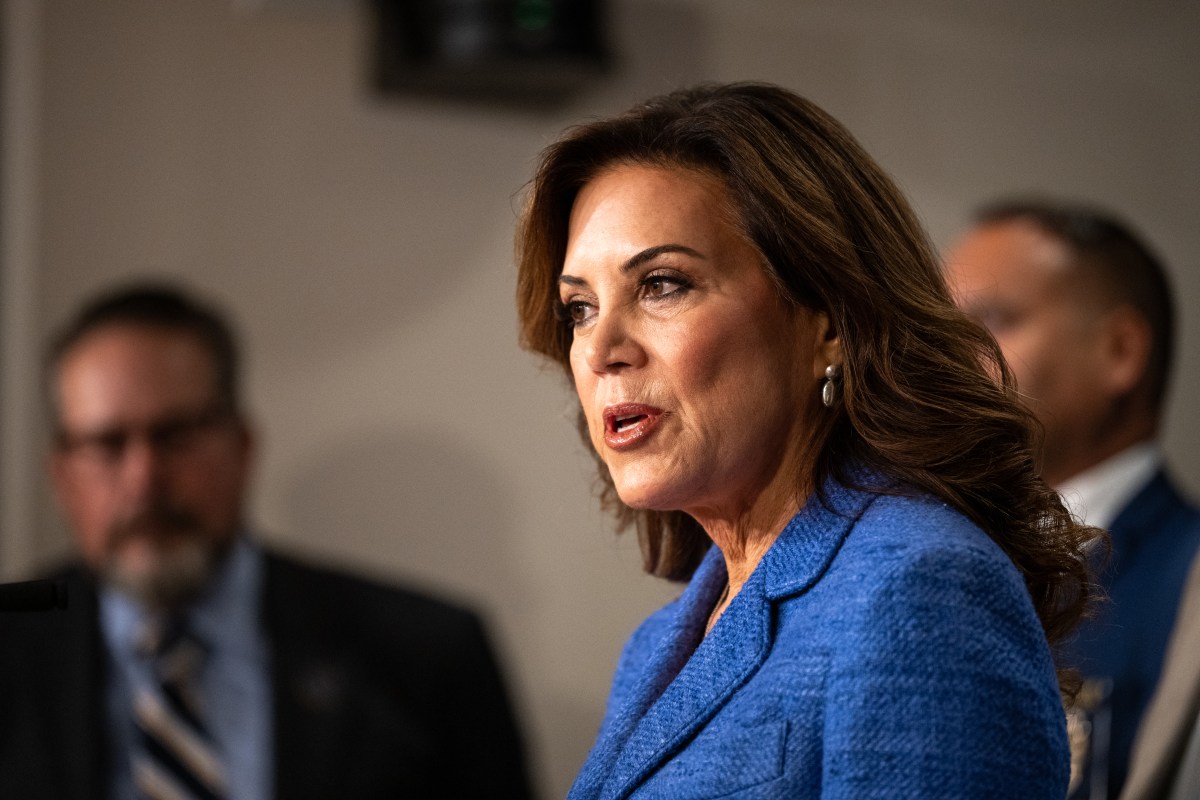
Minnesota’s open Senate seat is contested between Democrat Peggy Flanagan and Republican Michele Tafoya.
A political forecaster moved the race from “Likely Democratic” to “Leans Democratic,” signaling increased competition.
Flanagan still holds a slight lead in recent polls, but the gap has narrowed.
Republicans have not won a Minnesota Senate race in almost 25 years.
Local issues like social services fraud and immigration enforcement have complicated Democrats’ position.
Democrats in Minnesota face additional pressure from conflicts involving Governor Tim Walz and Representative Ilhan Omar.
Tafoya argues Flanagan is tied to the state administration’s controversial policies, while Flanagan warns Tafoya would support President Trump’s agenda.
Flanagan’s campaign is confident but acknowledges the need for strong voter turnout to secure victory.
Read the Original
Want the full story? Tap a source to open the original
article.
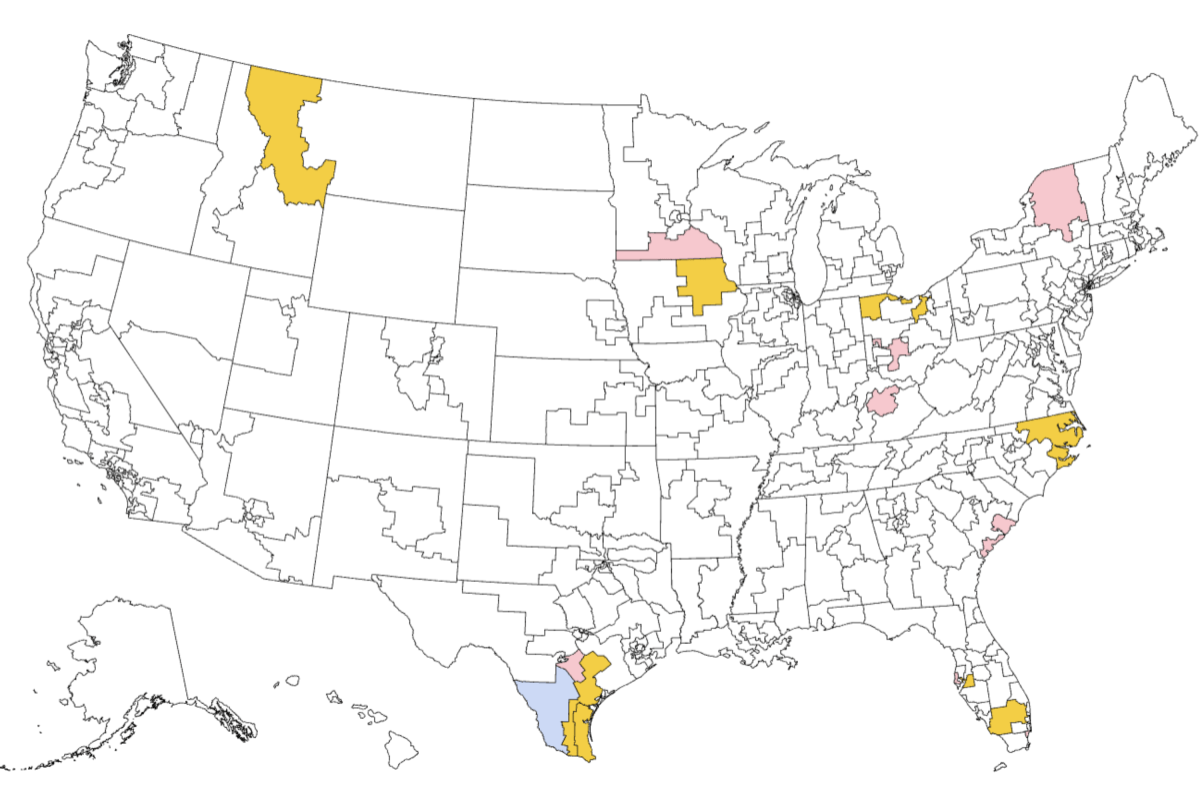
More than a dozen U.S. House districts that voted strongly for President Donald Trump in 2024 are now seen as competitive for Democrats in the 2026 midterm elections. Democrats hope to win enough seats to take control of the House from Republicans, who currently have a small majority.
Key Facts
Republicans hold a slim majority in the House with 218 seats to Democrats’ 214.
Democrats only need to flip a few seats to gain control of the House.
Some districts that Trump won by large margins in 2024 are now considered competitive.
Redistricting in mostly Republican states made some Democratic-held districts more conservative.
Hispanic voters, who shifted toward Republicans recently, may shift back to Democrats in 2026.
Polls show Trump’s approval rating is lower than two years ago, making some districts more competitive.
Four key competitive districts are in Florida, a state with a growing Republican influence but with hopes for a Democratic comeback.
Past “blue wave” elections during Trump’s first term saw Democrats win many Trump-won districts, showing a possibility for 2026.
Read the Original
Want the full story? Tap a source to open the original
article.
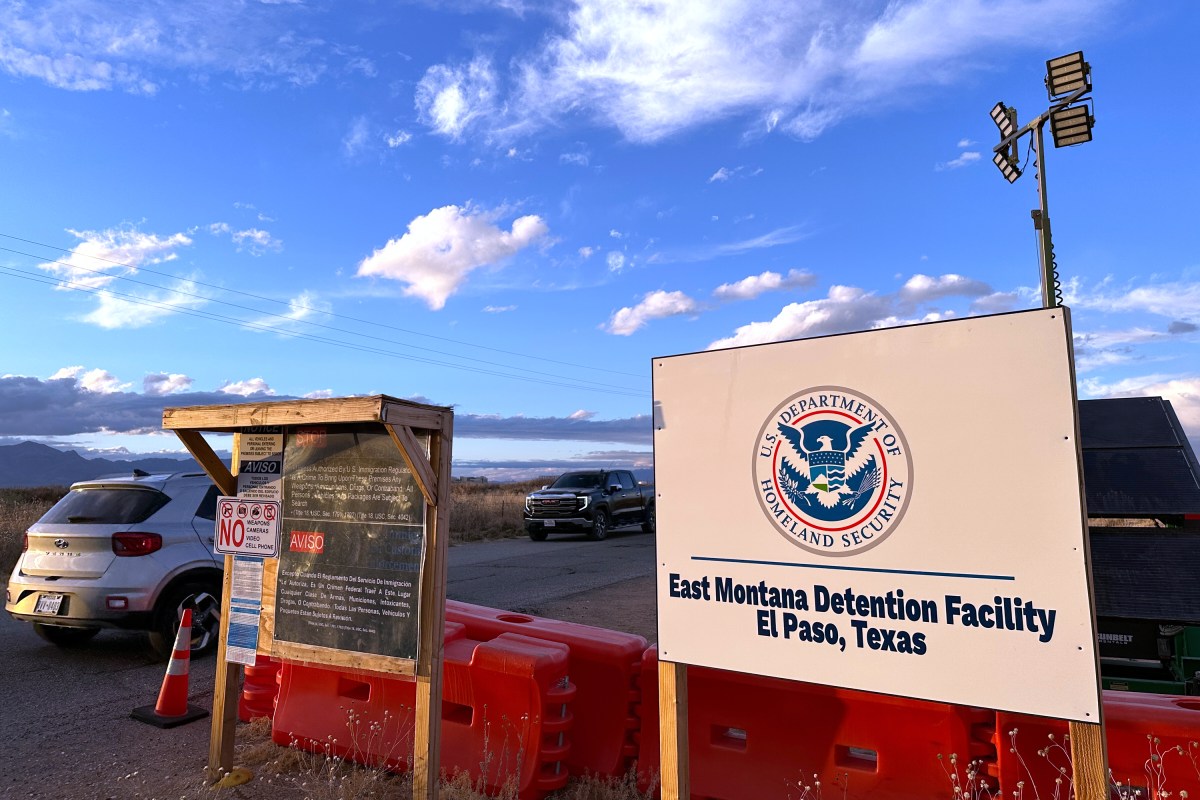
ICE detainees at Camp East Montana in Texas have asked a federal judge to stop what they call harsh and violent treatment by guards. The detainees say guards beat people who refused to be sent back to Mexico and forced some to cross the border. ICE and the Department of Homeland Security (DHS) deny these claims.
Key Facts
The detainees filed a request in federal court in El Paso, Texas, asking for a preliminary injunction against ICE’s treatment at Camp East Montana.
The request includes statements from 43 people, medical records, government reports, and expert opinions.
One detainee said guards hit his head against a wall and crushed his testicles after he refused removal to Mexico.
Another detainee said guards forced him toward the border and told some to jump into Mexico, with masked personnel present.
ICE’s inspection in February found a 37.5% failure rate in areas like use of force, security, and sexual abuse prevention but still rated the facility as “Acceptable/Adequate.”
A later unannounced inspection in May reported increased problems with no corrective actions taken.
DHS called the allegations “false” and part of a “smear campaign.”
The judge has not yet ruled on the truth of the detainees’ claims.
Read the Original
Want the full story? Tap a source to open the original
article.
Experts warn the United States could have up to 6,500 measles cases by the end of 2026 due to lower vaccination rates in some areas. The disease was eliminated in the U.S. in 2000, but outbreaks are growing, especially in places like Pennsylvania, where cases and deaths have risen.
Key Facts
The U.S. had 4,080 confirmed measles cases by October 8, 2025, which is 78% more than the total cases in 2024.
Infectious disease experts predict 6,000 to 6,500 cases in 2026 if current trends continue.
Measles was declared eliminated in the U.S. in the year 2000 thanks to the vaccine.
Pennsylvania has seen 1,222 cases, 225 hospitalizations, and 5 confirmed deaths linked to measles.
Most people infected are unvaccinated; only 4 cases involved vaccinated individuals in Pennsylvania.
The MMR vaccine, given in two doses, is about 97% effective at preventing measles.
National vaccination coverage for the MMR vaccine dropped to around 92.4%, below the 95% needed to prevent outbreaks.
New York declared a State Disaster Emergency due to measles outbreaks in rural areas.
Read the Original
Want the full story? Tap a source to open the original
article.
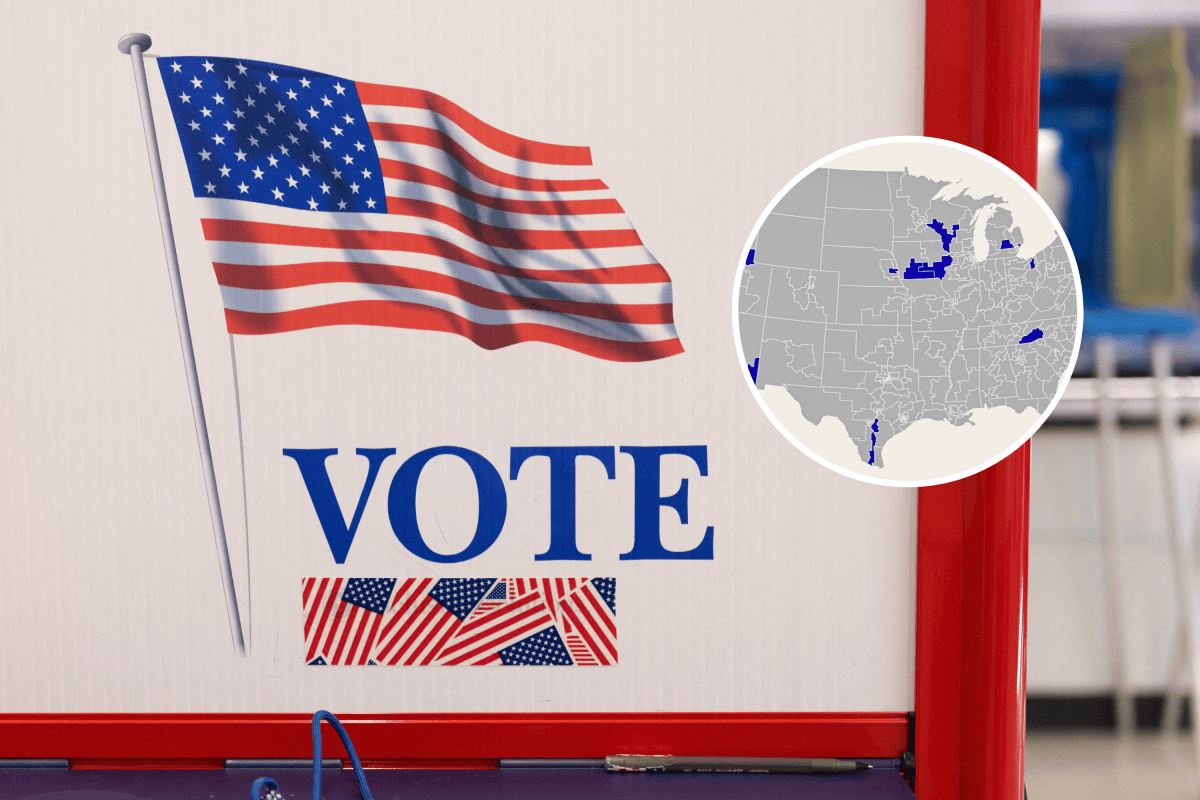
Democrats are predicted to win 15 House seats in states where President Donald Trump won in 2024, which could help them gain control of the House of Representatives in the November midterm elections. This reflects voters’ possible dissatisfaction with President Trump and a general shift favoring Democrats across many states.
Key Facts
The forecast predicts Democratic wins in 15 House races in states that supported President Trump in 2024.
Winning these seats could allow Democrats to take the majority in the House.
Voter dissatisfaction with President Trump is seen as a key factor in these projected gains.
Midterm elections often result in losses for the party of the sitting president; no president’s party has kept House control in a first midterm since 2002.
The shift toward Democrats is expected to happen nationwide but varies by state.
Some states have redrawn election districts to favor one party, which can affect outcomes.
Analysts note that even with some unfair district boundaries, a big enough Democratic vote could still win House control.
VoteHub gives Democrats an 84 percent chance to control the House after the elections.
Read the Original
Want the full story? Tap a source to open the original
article.
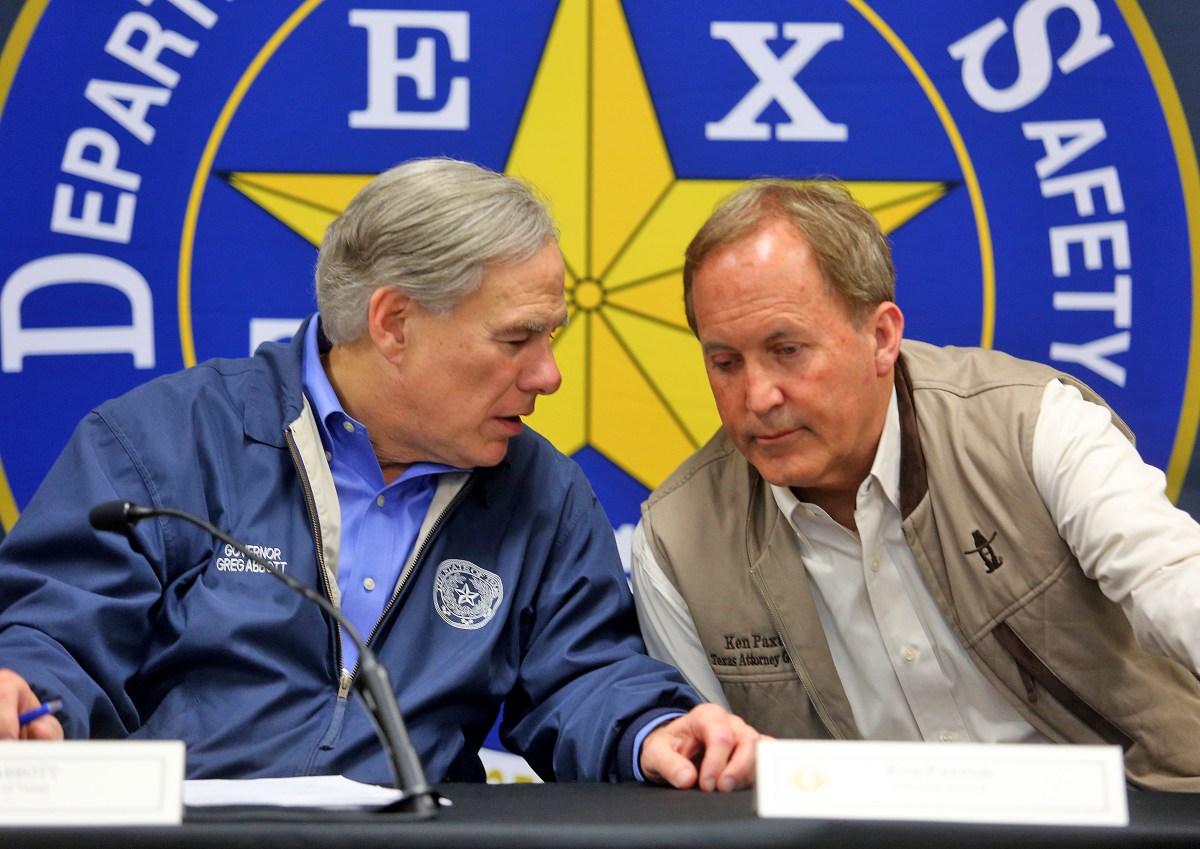
Democrats James Talarico and Gina Hinojosa have attracted more individual donors than Republicans Ken Paxton and Greg Abbott in Texas suburban counties. These suburbs, near big Texas cities, are important battlegrounds that could influence upcoming elections for Texas attorney general and governor.
Key Facts
Talarico raised over twice as much money as Paxton from individual donors in 19 suburban counties around Dallas-Fort Worth, Houston, Austin, and San Antonio.
Hinojosa had more donors than Abbott in all 19 suburban counties and outnumbered him by more than 10 to 1 in seven counties.
Early voting for these races started on Monday, and polls show Talarico narrowly leading Paxton while Abbott and Hinojosa are close.
Republicans have traditionally relied on suburban areas to offset losses in larger urban centers.
Talarico’s campaign raised $11.5 million from about 38,000 donors; Paxton’s raised $4.3 million from about 8,300 donors in the third quarter.
Abbott raised $13.4 million from about 7,700 donors; Hinojosa raised $8.7 million from about 86,000 donors.
In the suburbs, Abbott raised $1.96 million (half of which came from one donor), while Hinojosa raised $1.54 million and had more donors in every suburban county.
Political experts note that Paxton is losing ground in urban areas and is tied with Talarico in suburban areas, making suburban votes critical for his reelection chances.
Read the Original
Want the full story? Tap a source to open the original
article.
A 16-year-old student opened fire at an elementary school in Oregon, killing three children and a teacher. Police and school officials said the shooter was previously classified as a special-needs student at that school.
Key Facts
The shooter was 16 years old.
The shooting took place at an elementary school in Oregon.
Three children and one teacher were killed.
Police confirmed the shooter was a former special-needs student at the school.
School officials also verified the student's special-needs status.
The incident is under investigation by authorities.
The community and law enforcement are responding to the tragedy.
Read the Original
Want the full story? Tap a source to open the original
article.
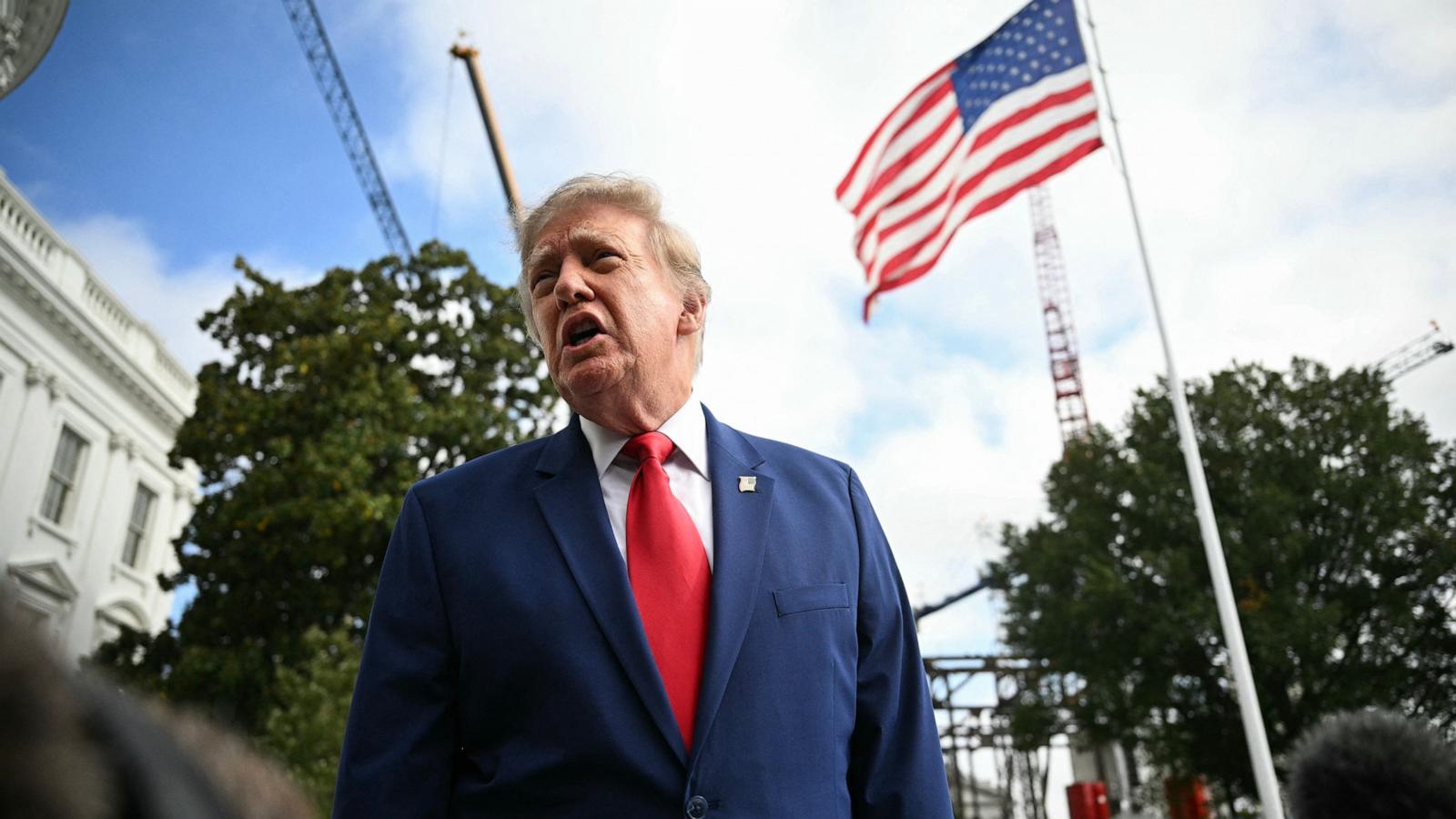
President Donald Trump signed an executive order to stop new sanctions and tariffs on Russia that were set to begin on October 18, 2026. The order removes legal limits on the president’s power to change or lift sanctions on Russia in the future, but does not remove existing sanctions.
Key Facts
The executive order was signed on October 16, 2026.
It cancels new sanctions and tariffs required by a law named after Senator Lindsey Graham.
The law originally stopped the president from removing certain sanctions on Russia.
The order gives the president more freedom to decide which sanctions to keep or remove.
Existing sanctions on Russia remain in place and are not lifted by this order.
The new sanctions and tariffs were scheduled to start in two days, on October 18, 2026.
The law’s enforcement deadline was the reason for the timing of the president’s action.
This change affects U.S. policy regarding economic pressure on Russia.
Read the Original
Want the full story? Tap a source to open the original
article.
The UK Home Office refused a visitor visa for a British baby’s mother living in Thailand, blocking her from traveling to the UK to meet the baby’s great-grandfather, who cannot travel due to health problems. The family planned a Christmas reunion in Lancashire, but the visa denial was based on doubts about her reasons to return to Thailand and lack of proof of income.
Key Facts
William Cross, a British baby, was born in Thailand to a British father and a refugee mother from Myanmar.
The family lives on Koh Tao island, where the father runs a steakhouse restaurant and the mother manages staff and social media.
William’s great-grandfather, George Kerr, 74, has health problems and cannot travel to Thailand.
The family planned a UK Christmas gathering so Kerr could meet his great-grandchild.
The Home Office refused a visitor visa to the baby’s mother, Khin Thant Zin, saying there was no proof she would return to Thailand or evidence of income.
The visa application required expensive and complicated steps, including biometric screening and financial guarantees from the family.
There is no appeal process for this visa refusal; the family plans to apply again at a high cost without a guarantee.
The Home Office said visa decisions are made based on individual cases and provided evidence.
Read the Original
Want the full story? Tap a source to open the original
article.
President Donald Trump has removed some sanctions on Russia to help lower energy prices. This decision has caused criticism from Ukraine and European Union countries, especially as relations between President Trump and Ukraine’s President Zelenskyy become more strained.
Key Facts
President Donald Trump waived additional sanctions on Russia.
The reason given was to reduce energy prices.
Ukraine strongly criticized this move.
European Union allies also condemned the decision.
The action comes amid worsening relations between President Trump and Ukraine’s President Zelenskyy.
Sanctions are penalties set by one country on another, often to influence behavior.
Energy prices are an important factor in many countries’ economies.
The decision may affect international relations involving the U.S., Russia, and Ukraine.
Read the Original
Want the full story? Tap a source to open the original
article.
President Donald Trump has delayed the start of new sanctions on Russia that he recently signed into law, saying the hold is in the country’s best interest. The sanctions, created to punish Russia for its war actions and limit its money from oil and gas, were set to begin soon but are now postponed.
Key Facts
President Trump signed a law last month to impose sanctions on Russia.
The sanctions target Russian officials, banks, and a secret fleet of tankers carrying energy.
The law included tariffs up to 100% on the largest buyers of Russian oil and gas, with some exceptions.
Trump paused the sanctions just two days before they were to start.
The pause came shortly after the US agreed to buy diesel fuel from Russia.
Critics say the diesel deal helps Russia’s war efforts and does not reduce fuel prices.
Lawmakers from both parties passed the sanctions law with wide support.
Trump has criticized Ukrainian President Zelenskyy recently and faces disapproval from the public on various issues ahead of midterm elections.
Read the Original
Want the full story? Tap a source to open the original
article.
The Trump administration is threatening to criminally prosecute California election workers who knowingly count votes cast by noncitizens. The Department of Justice (DOJ) sued California claiming the state did not remove noncitizens from voter rolls, demanding officials review and segregate affected ballots.
Key Facts
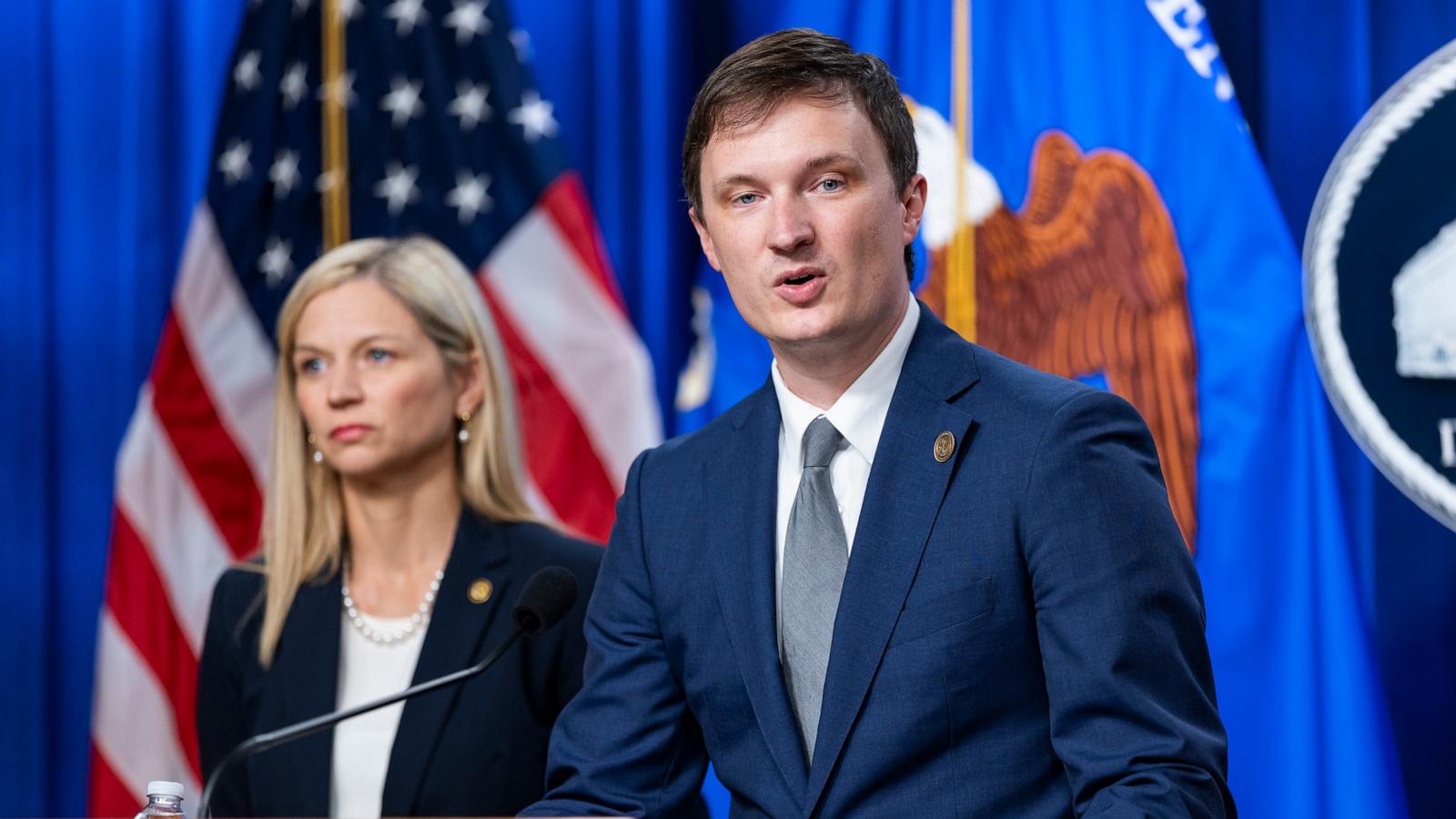
DOJ acting Deputy Attorney General Trent McCotter warned election workers they could face prosecution for counting ballots from noncitizens.
Noncitizen voting in federal elections is a federal crime.
The DOJ sent letters to Los Angeles election officials demanding access to a list of possible noncitizens on voter rolls.
California was given two days to respond and confirm they are reviewing and separating those ballots.
The DOJ sued California for not purging noncitizens from voter registration lists.
President Donald Trump reposted the DOJ letter, saying officials “will all go to jail for a long period of time.”
The Trump administration has made noncitizen voting a key issue despite limited evidence of widespread illegal voting.
Earlier, Homeland Security Secretary Markwayne Mullin warned election officials could face fines or prison for noncitizen voting.
Read the Original
Want the full story? Tap a source to open the original
article.
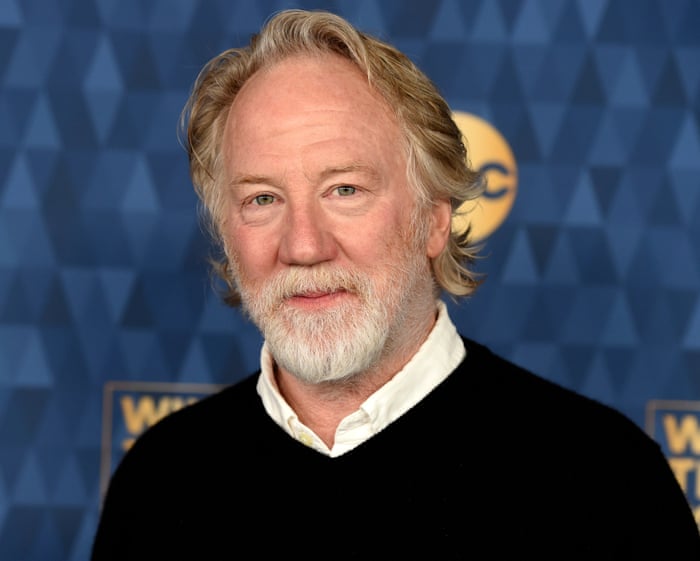
A judge in New Mexico dismissed child sexual abuse charges against actor Timothy Busfield due to improper actions by the prosecutors during the grand jury process. The judge said prosecutors can bring new charges, and the case is still ongoing.
Key Facts
Timothy Busfield, known for roles on The West Wing and Thirtysomething, was charged with groping one of two young twin boys.
The allegations covered a two-year period when the boys were 7 and 8 years old.
The judge ruled the prosecutors did not follow fair procedures during the grand jury, including incorrect instructions about witness testimony.
The judge said the prosecutor blocked witnesses that the grand jurors wanted to hear.
Busfield denies all the allegations and called them lies.
Prosecutors are reviewing their options and may file new charges.
The case concerns alleged incidents on the set of the TV show The Cleaning Lady.
The decision to dismiss was made by Judge Joseph Montano in New Mexico state court.
Read the Original
Want the full story? Tap a source to open the original
article.
President Trump has delayed new sanctions against Russia that Congress passed to target its economy. He issued an order to waive many sanctions, while also announcing a deal to buy diesel fuel from Russia, a move that has drawn criticism from lawmakers and Ukrainian officials.
Key Facts
President Trump paused sanctions approved by Congress against Russia’s economy.
The sanctions were aimed at stopping financial support for Russia’s war against Ukraine.
The sanctions law was passed with rare bipartisan support and signed by Trump last month.
The sanctions include penalties on Russian officials, banks, and energy tanker fleets.
Trump’s executive order allows him to waive sanctions until October 18.
Trump announced a US deal to buy large amounts of Russian diesel fuel to lower energy prices.
Some US senators, including Republicans, have called on Trump to cancel the diesel deal and enforce the sanctions.
Ukrainian President Zelenskyy criticized the diesel deal, saying it would send money to Russia.
Read the Original
Want the full story? Tap a source to open the original
article.
President Donald Trump used his authority to block several new sanctions against Russia that Congress recently passed to punish Russia for its war in Ukraine. Although Trump signed the sanctions bill into law in September, he issued an order to withhold some sanctions, saying it is in the U.S. national interest.
Key Facts
President Trump blocked some sanctions on Russia that Congress approved to respond to the war in Ukraine.
The sanctions law, named after Senator Lindsey Graham, targets Russia’s economy, government officials, banks, and oil shipments.
The law allows tariffs up to 100% on the top buyers of Russian oil and gas, including China and India.
Trump signed the sanctions bill in September, but delayed full implementation by issuing an executive order.
Trump plans to import Russian diesel to lower U.S. energy prices before the November midterm elections.
The move to import diesel from Russia surprised and upset many U.S. lawmakers and allies.
Some U.S. lawmakers urged Trump to fully enforce the sanctions law to pressure Russia to negotiate peace.
Ukrainian President Zelensky criticized the diesel deal, saying it helps Russia continue the war.
Read the Original
Want the full story? Tap a source to open the original
article.
President Donald Trump signed an executive order to delay sanctions against Russia that were scheduled to start soon. These sanctions were part of a new law named after the late Senator Lindsay Graham, designed to pressure Russia.
Key Facts
President Trump signed an executive order on a Friday evening.
The order delays sanctions against Russia.
The sanctions were set to begin shortly under a new law.
The law was passed and signed by President Trump last month.
The legislation was dedicated to Senator Lindsay Graham, who recently passed away.
The sanctions aim to increase pressure on Russia’s government.
This action pauses the sanctions before they officially take effect.
Read the Original
Want the full story? Tap a source to open the original
article.
President Donald Trump signed a new executive order to impose large tariffs and sanctions on Russia but immediately waived them. This decision follows a recent deal with Russia to increase diesel fuel supplies to the U.S. and global markets. The waivers will stay in place until Trump or his administration decide otherwise.
Key Facts
President Trump signed an executive order implementing new sanctions and tariffs on Russia, including up to a 500% tariff on Russian goods.
He immediately waived these sanctions and tariffs, citing national interest and notifying Congress.
The sanctions were part of the Lindsey O. Graham Sanctioning Russia and Iran Act of 2026, which expands U.S. powers to target Russian energy trade.
The order sets potential 100% tariffs on countries buying Russian oil or gas and on countries that help Russia evade these sanctions.
The waiver can be lifted by President Trump or his administration officials, depending on circumstances.
The executive order does not cancel any previous Russian sanctions already in place.
The move comes one week after an agreement between Trump and Russian President Vladimir Putin to increase Russian diesel supplies to the market.
The diesel deal aims to help lower fuel costs in the U.S. and globally.
Read the Original
Want the full story? Tap a source to open the original
article.
President Trump used his power to stop new sanctions and high tariffs on major buyers of Russian oil from starting. He said this will help lower energy prices and kept the waivers in place while his administration watches countries buying Russian energy.
Key Facts
President Trump waived tariffs of 100% on the five largest importers of Russian crude oil and gas, set by the Lindsey O. Graham Sanctioning Russia Act.
The law lets the president pause sanctions if it serves U.S. national interests, which Trump decided to do.
Trump also lifted 500% tariffs on other Russian goods and stopped some other sanctions.
The law targets countries like China, India, and Turkey that buy a lot of Russian energy.
This waiver came a week after Trump eased sanctions on Russian diesel and agreed with Putin to import diesel to the U.S.
The U.S. has pressured countries to avoid Russian energy to block funding Russia's war in Ukraine, but Trump has focused on lowering U.S. energy costs instead.
Ukrainian President Zelenskyy agreed to an "energy ceasefire" but later resumed attacks on Russian energy sites after Russia continued strikes.
Many U.S. senators opposed Trump’s decision, calling it a betrayal of Ukraine and urging stronger sanctions on Russia.
Read the Original
Want the full story? Tap a source to open the original
article.
The United States ended the 2026 fiscal year with a budget deficit of nearly $2 trillion, which is about 12 percent higher than the year before and one of the largest in history. President Donald Trump's plan to raise money through tariffs has not offset the rising government spending and deficits.
Key Facts
The 2026 budget deficit was $1.992 trillion, up 12% from the $1.775 trillion deficit in 2025.
This deficit is the third highest in U.S. history, only behind 2020 and 2021 during the pandemic.
Federal income (taxes and fees) rose 3% to $5.40 trillion, but spending increased 6% to $7.40 trillion.
Tariff revenue dropped 11% to about $173 billion, partly due to a Supreme Court ruling requiring refunds of $145 billion.
The Congressional Budget Office expects deficits to grow by $900 billion over 10 years because of changes to tariff policies.
U.S. debt surpassed $40 trillion, with interest payments reaching $1.36 trillion—12% more than last year.
Spending on Social Security, Medicare, and defense increased, with defense at $917 billion.
Treasury Secretary Scott Bessent believes stronger economic growth can help reduce debt problems.
Read the Original
Want the full story? Tap a source to open the original
article.
Katie Zacharia spoke publicly for the first time after leaving her job as White House press secretary just five days after starting. She said it was an honor to work for President Trump and thanked him for his leadership.
Key Facts
Katie Zacharia was White House press secretary for only five days.
She announced her departure through a White House official.
Zacharia posted on the social media platform X to share her thoughts.
She praised President Donald Trump’s leadership in her statement.
Zacharia said it was an honor to work for President Trump.
The announcement came on a Friday night.
Her short tenure is notable because press secretaries usually serve longer.
No specific reason for her departure was given in the statement.
Read the Original
Want the full story? Tap a source to open the original
article.