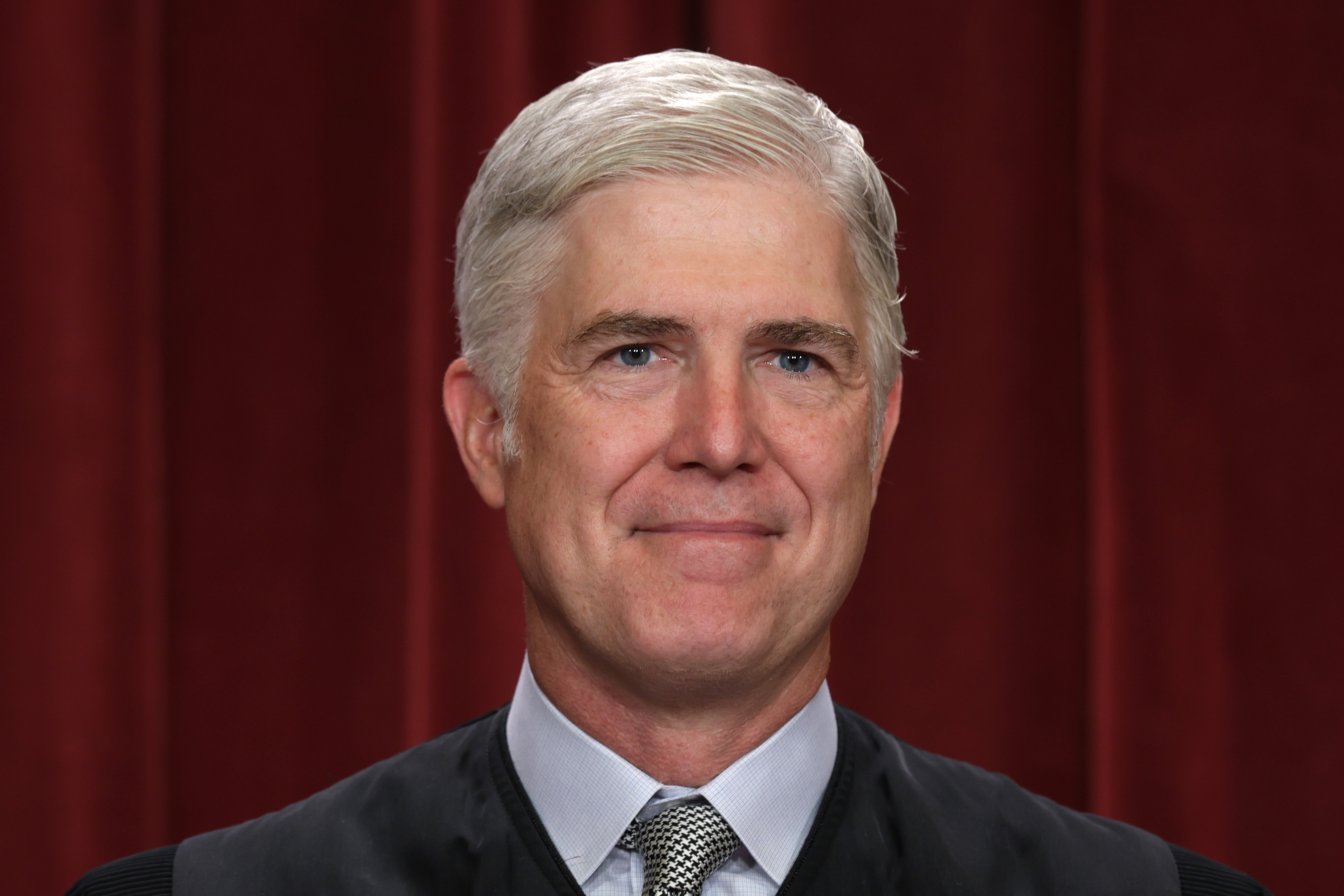
Supreme Court Justice Neil Gorsuch disagreed with a decision by the Supreme Court not to hear the case Jaron Burnett v. United States. The case involves Burnett's request for a jury to decide if he should be given more prison time for violating supervised release, which would exceed his original maximum sentence. Gorsuch argued that the case raises important issues about defendants' rights to a jury trial.
Key Facts
Justice Neil Gorsuch disagreed with the Supreme Court's decision not to hear Burnett's case.
Jaron Burnett was sentenced for violating supervised release terms, which could increase his total prison time beyond his original sentence.
Burnett wanted a jury to decide his case because it involved extra prison time exceeding 120 months.
Lower courts ruled against Burnett, and the Supreme Court declined to review his appeal.
Gorsuch filed a dissent, saying the case impacts defendants' jury trial rights.
Gorsuch believes many defendants end up serving more time than their original sentence allows without a jury trial.
Gorsuch hopes the court will reconsider a similar case to address the issue in the future.
Read the Original
Want the full story? Tap a source to open the original
article.
The article discusses the possibility of a military draft in the U.S. due to tensions with Iran. White House Press Secretary Karoline Leavitt did not rule out the draft but stated it is not currently part of President Donald Trump's plans. The article explains how conscription could work if needed, despite being unlikely in the near term.
Key Facts
There is public concern about a potential U.S. military draft because of tensions with Iran.
White House Press Secretary Karoline Leavitt did not confirm or rule out a draft on Fox News.
President Trump's current plan does not include a draft, but he is keeping options open.
The U.S. has used drafts in past wars but moved to an all-volunteer military since 1973.
Conscription laws still exist for emergencies, covering men aged 17-45 and some women.
All men ages 18-25 must register with the Selective Service System (SSS).
A national service mandate proposal exists to address challenges facing the all-volunteer forces.
Read the Original
Want the full story? Tap a source to open the original
article.
Americans in Generation X, who are now in their 40s and 50s, may face challenges with their retirement savings due to the economic effects of the war in Iran. The conflict has led to a rise in oil prices and market volatility, which could impact savings in retirement accounts like 401(k)s and IRAs.
Key Facts
The ongoing war in Iran has caused oil prices to rise significantly, with Brent crude reaching $119.50 per barrel.
The NASDAQ fell by over 1 percent, while the Dow Jones and S&P 500 also saw declines.
Generation X, born between 1965 and 1980, is particularly vulnerable as many members are nearing retirement age.
Many Gen X individuals rely on market-based savings like 401(k)s and IRAs rather than pension plans.
Market volatility from geopolitical events can significantly impact those close to retirement due to less time for recovery.
Higher oil prices can lead to increased costs in various sectors, contributing to inflation and affecting financial markets.
The war's disruptions to oil supplies have raised concerns about global energy shortages.
Rising costs can erode the real value of retirement income through inflation.
Read the Original
Want the full story? Tap a source to open the original
article.
Several recent security incidents have affected U.S. flights and airports, leading to increased safety measures amid global tensions. While no terror plots were confirmed, these incidents occur as regional conflicts involving the U.S. have raised safety concerns. Authorities have managed these situations, ensuring the continuation of normal airport operations.
Key Facts
Security incidents disrupted U.S. flights and airports recently, raising safety concerns.
A Southwest Airlines flight was diverted due to a passenger-related security issue, but no credible threat was found.
Parts of Kansas City International Airport were evacuated due to a potential threat, affecting about 2,000 travelers.
A flight from Birmingham to Washington D.C. faced a security issue during boarding; the plane was later cleared.
The incidents are linked to heightened global tensions, particularly involving U.S.-Israel strikes on Iran.
Officials are monitoring for potential threats but have found no evidence of terror plots.
Read the Original
Want the full story? Tap a source to open the original
article.
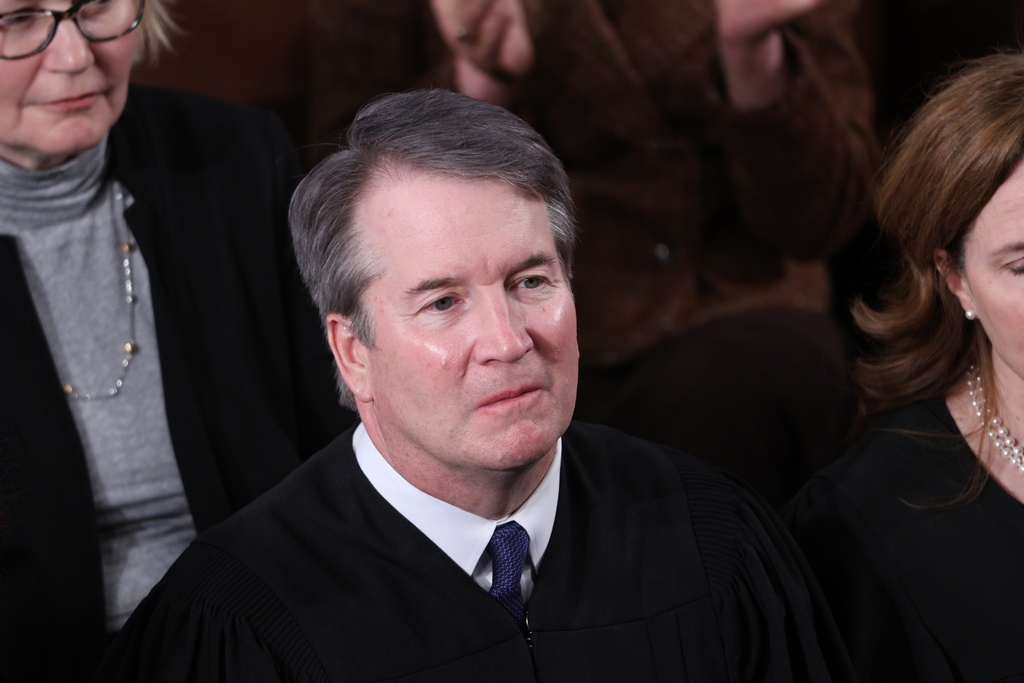
Justice Brett Kavanaugh did not take part in a Supreme Court decision about a federal inmate, Gezo G. Edwards, who tried to challenge the denial of relief after his conviction. The Supreme Court chose not to hear his case, meaning the previous court decisions stand.
Key Facts
Justice Brett Kavanaugh did not participate in the Supreme Court's decision concerning Gezo G. Edwards.
The Supreme Court decided not to hear Edwards' case.
Edwards is serving a life sentence for conspiring to distribute cocaine.
Edwards claimed his legal counsel was ineffective and that his indictment was flawed.
The Appeals Court for the District of Columbia had already rejected Edwards' appeal.
Edwards filed a petition with the Supreme Court, which was denied.
The U.S. government did not respond to Edwards’ Supreme Court petition.
The court’s decision means earlier rulings against Edwards remain unchanged.
Read the Original
Want the full story? Tap a source to open the original
article.
A U.S. citizen named Sundas Naqvi was detained by federal agents at O'Hare Airport in Chicago after returning from a work trip to Turkey. Naqvi and others were transferred to Immigration and Customs Enforcement (ICE) centers before being released. It remains unclear why U.S. citizens were detained.
Key Facts
Sundas Naqvi, a U.S. citizen, was held at O'Hare Airport after a trip to Turkey.
She was among six people sent to ICE processing centers in Illinois and Wisconsin.
Naqvi was detained for about 43 hours before her release.
The group included two other American citizens and three legal green-card holders.
The Department of Homeland Security (DHS) detained them at the airport before transferring them to an ICE center.
Family tracked her location, and there were issues with her phone during detention.
Local officials and politicians have called for investigations into DHS's actions.
There is a current partial government shutdown affecting the Department of Homeland Security's operations.
Read the Original
Want the full story? Tap a source to open the original
article.
An inmate in Arizona filed a $1.35 million lawsuit against Pima County Sheriff Chris Nanos, accusing him of risking his safety while detained. This situation arises as Nanos faces criticism over his handling of the investigation into the disappearance of Nancy Guthrie, who went missing in February.
Key Facts
An Arizona inmate named Christopher Michael Marx sued Sheriff Chris Nanos for $1.35 million.
Marx claims his safety was at risk due to a deputy moving between two units, one of which was quarantined for COVID-19.
Marx alleges that the deputy did not properly disinfect, potentially exposing inmates to COVID-19.
The lawsuit demands better disinfecting practices and includes a request for an apology and monetary damages to aid the homeless.
Nancy Guthrie, whose case Nanos is leading, vanished from her home in Tucson, Arizona, on February 1.
Sheriff Nanos admitted to initial investigation mistakes but is working with the FBI to search for Guthrie, who is presumed alive.
There is a $100,000 reward from the FBI and a $1 million reward from the Guthrie family for information on her case.
Sheriff Nanos and his department have not yet made any public comments on the lawsuit.
Read the Original
Want the full story? Tap a source to open the original
article.
Five teenagers in Georgia are facing charges after a prank resulted in the death of high school teacher Jason Hughes. The incident occurred when Hughes was accidentally run over as the teens fled from a toilet-papering prank at his home. One of the teenagers has been charged with vehicular homicide, while the others face charges of trespassing and littering.
Key Facts
Jason Hughes, a math teacher, was killed when he was accidentally run over by a vehicle driven by one of the teenagers.
The teenagers were involved in a prank using toilet paper on trees outside Hughes' home.
As the teens were leaving in vehicles, Hughes fell and was run over.
The driver, 18-year-old Jayden Ryan Wallace, faces multiple charges, including first-degree vehicular homicide.
Four other teens are charged with criminal trespass and littering.
Hughes' wife, who also teaches at the same school, said the prank was part of a usual school tradition, and she does not wish for severe punishment for the teenagers.
The school had previously warned students against continuing the prank wars.
Authorities are still investigating the incident, and the driver could face up to 15 years in prison if convicted.
Read the Original
Want the full story? Tap a source to open the original
article.
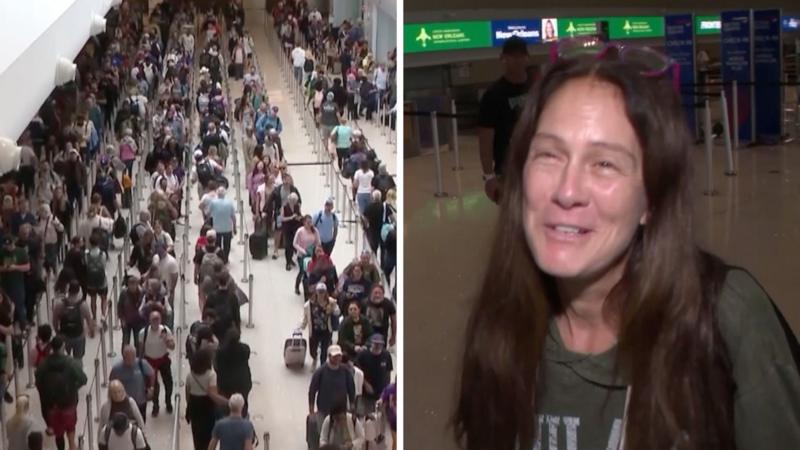
On Sunday, travelers at airports in Houston and New Orleans faced long lines at security checkpoints. This happened because the U.S. Department of Homeland Security was shut down.
Key Facts
Travelers reported long waits at airport security on Sunday.
Airports in Houston and New Orleans were particularly affected.
The delay was due to a shutdown of the U.S. Department of Homeland Security.
A shutdown can disrupt operations like airport security.
The situation caused inconvenience to weekend travelers.
Read the Original
Want the full story? Tap a source to open the original
article.
Travellers at US airports face long waits at security checkpoints because of a partial government shutdown. The shutdown started on 14 February after Congress couldn't agree on a funding plan, affecting the Department of Homeland Security. Despite the lack of funding, TSA officers continue working as they are essential employees.
Key Facts
Airports in Houston and New Orleans have long security lines.
The wait times are because of a partial government shutdown starting 14 February.
Congress did not agree on funding for the Department of Homeland Security.
TSA officers are still working despite the shutdown because they are essential.
The situation is causing frustration among travellers.
Read the Original
Want the full story? Tap a source to open the original
article.
A new bill in Illinois could give $1,500 payments to thousands of new and expecting mothers who qualify for Medicaid. The bill proposes a program called the Illinois Newborn Equity Support Transfer (NEST), offering cash assistance during pregnancy and after childbirth. The aim is to help cover expenses related to pregnancy and newborn care.
Key Facts
The bill is called House Bill 5238.
It proposes cash payments to new and expecting mothers in Illinois on Medicaid.
Participants would get $1,500 during the third trimester and $500 monthly for six months, totaling $4,500.
Payments are meant to cover expenses like transportation and diapers.
The proposed program is named the Illinois Newborn Equity Support Transfer (NEST).
The bill needs to be set up by July 1 if passed.
Democratic state Representative Kelly Cassidy introduced the bill.
The goal is to provide financial support to families during pregnancy and early infancy.
Read the Original
Want the full story? Tap a source to open the original
article.
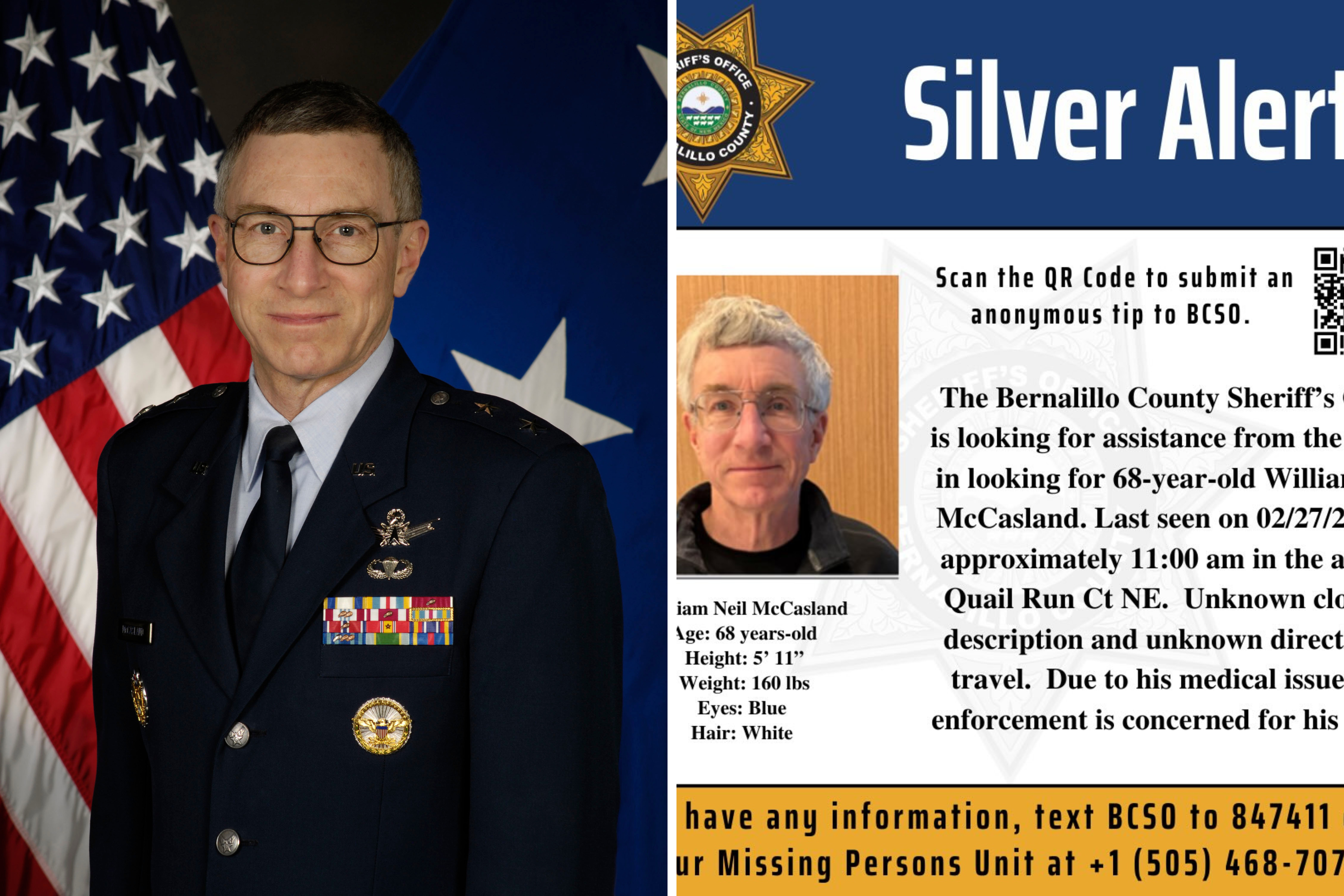
Retired Major General William Neil McCasland, a former high-ranking U.S. Air Force officer, disappeared on February 27, raising national security concerns. Authorities, including the FBI, are conducting a search due to his involvement in classified military programs related to space and UFOs.
Key Facts
William Neil McCasland, a retired major general with the U.S. Air Force, went missing on February 27 in Albuquerque, New Mexico.
McCasland had important roles in military programs, including leading the Air Force Research Laboratory.
His work connected him to highly classified U.S. military projects, leading to security concerns about his disappearance.
The FBI is involved in the search alongside local authorities due to the sensitive nature of his past work.
A Silver Alert was issued because McCasland has unspecified medical issues, making him particularly vulnerable.
Investigations include looking for potential foul play linked to his military secrets.
President Donald Trump recently directed the release of government files about UFOs shortly before McCasland went missing.
McCasland, known for his influence in science and technology, was last seen without his watch or phone.
Read the Original
Want the full story? Tap a source to open the original
article.
Each summary links back to the original reporting, so you can check the work. Support that, and get the daily digest every morning. Most choose $3.99/month.
A group of lawmakers is working on a new law called the Supplemental Security Income Restoration Act to update income limits and rules for the Supplemental Security Income (SSI) program. This program helps over 7.4 million people in the U.S. who are blind, disabled, or older with limited income. The proposed changes aim to adjust the program to better meet current costs and coverage needs.
Key Facts
The Supplemental Security Income Restoration Act aims to update the SSI program, which has not been significantly changed since the 1970s.
SSI helps about 7.4 million people, including both adults and children, who are blind, disabled, or age 65 and older.
The law would increase the amount of money beneficiaries can earn without reducing their SSI benefits.
The general income exclusion would rise from $20 to $158 per month, and the earned income exclusion from $65 to $512 per month.
Resource limits for individuals and couples would increase, allowing for more savings.
Coverage would extend to U.S. territories like Puerto Rico and Guam.
The changes would be adjusted annually for inflation, including raising the benefit rate to 100% of the federal poverty level.
The bill has been referred to the Senate Finance Committee for consideration.
Read the Original
Want the full story? Tap a source to open the original
article.
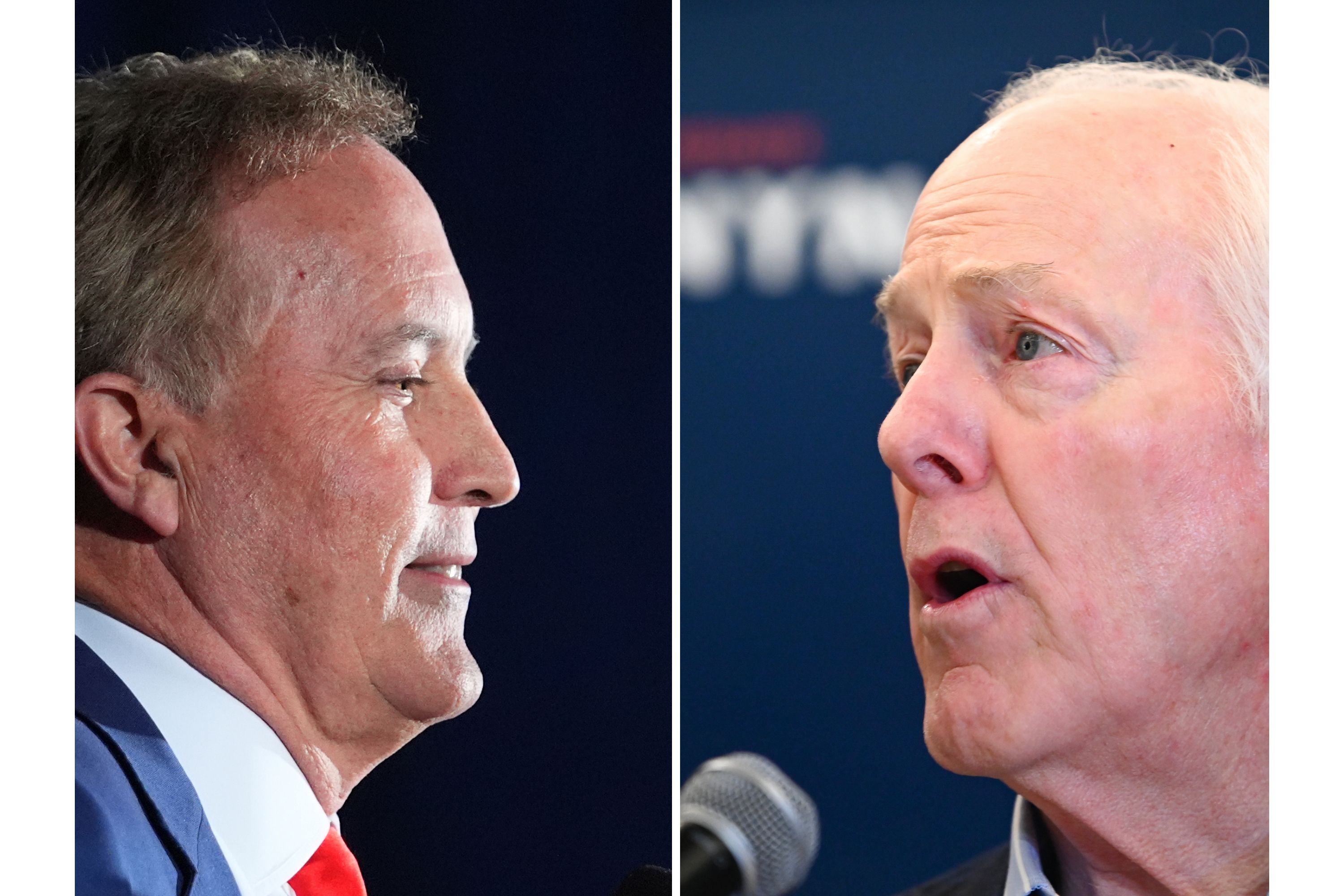
A recent poll suggests that Texas Democrat James Talarico is leading against both potential Republican opponents, Ken Paxton and John Cornyn, in the upcoming U.S. Senate race. Talarico won the Democratic primary and is now set to face either Republican candidate in the November elections. The poll has a margin of error and shows tight races, but Talarico currently has a slight lead.
Key Facts
James Talarico won the Democratic primary for the U.S. Senate in Texas.
Talarico will face either Ken Paxton or John Cornyn, who are competing in a Republican runoff.
A poll shows Talarico leading Cornyn by 1% and Paxton by 2%, but these leads are within the poll's margin of error.
The poll surveyed 576 Texas voters and was sponsored by a Democratic organization.
Talarico has a higher net favorability rating than both Republican candidates.
Democrats have not won a statewide office in Texas since 1994.
The general election is scheduled for November.
President Trump is expected to endorse John Cornyn in the Republican runoff.
Read the Original
Want the full story? Tap a source to open the original
article.
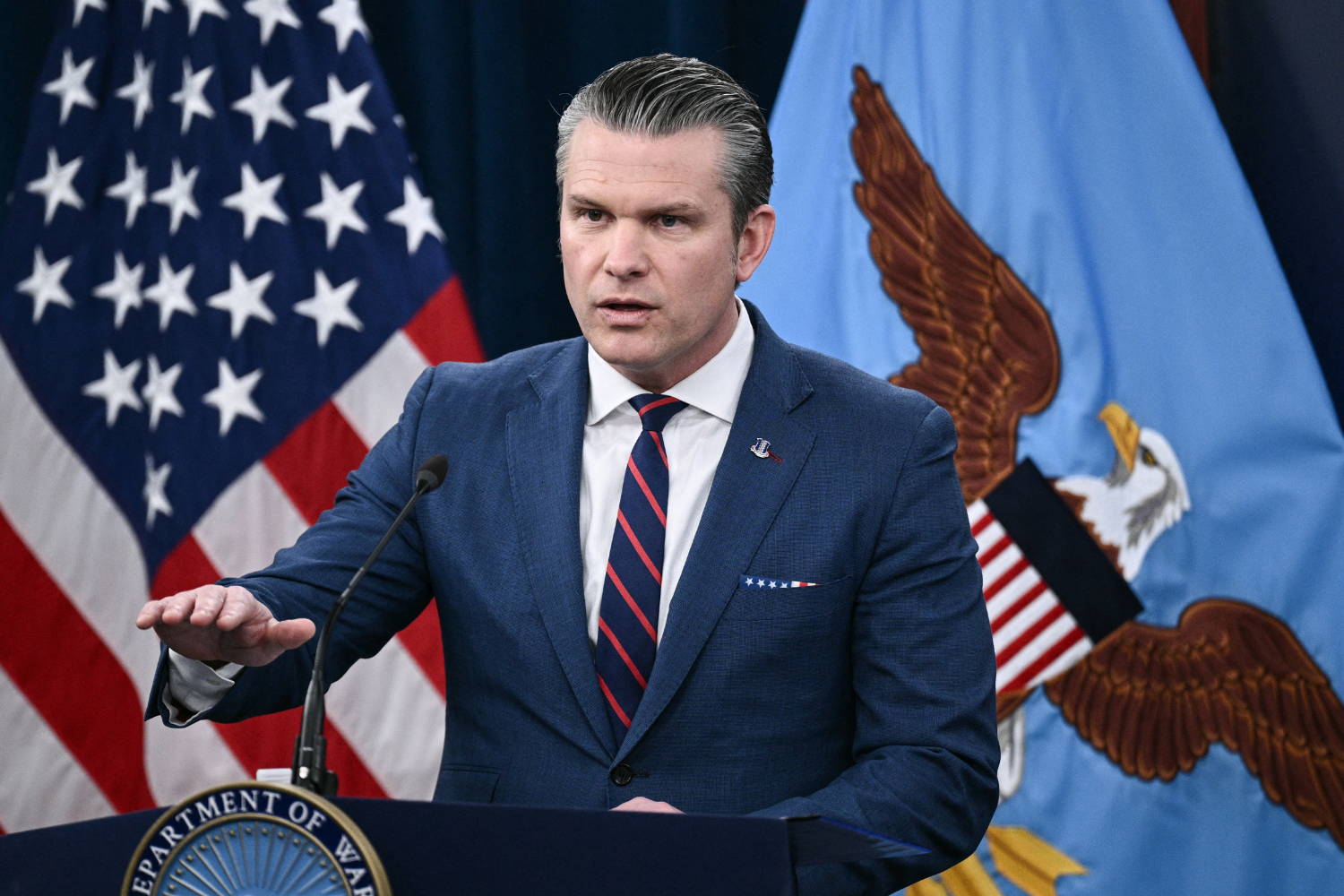
A comment by Defense Secretary Pete Hegseth drew attention after he said, "I only speak American," at a conference where Secretary of State Marco Rubio spoke Spanish. The incident occurred during the Shield of the Americas conference, causing mixed reactions on social media.
Key Facts
Defense Secretary Pete Hegseth made the comment "I only speak American" after Marco Rubio spoke Spanish at the conference.
The event was the Shield of the Americas conference, focused on cooperation in the Western Hemisphere.
The comment led to a variety of online reactions, including criticism and humor.
Critics noted that "American" is not a language; English is the primary language in the U.S.
Some viewed the remark as dismissive, especially given the international audience.
Clips of the comment quickly spread on social media platforms like TikTok.
Neither Hegseth nor the Department of Defense have responded publicly to the reactions.
Read the Original
Want the full story? Tap a source to open the original
article.
Corpus Christi, Texas, may soon face a water emergency due to critically low water levels in its main water sources. Lake Corpus Christi, a key water source for the city, has dropped to less than 10% capacity because of an ongoing drought. Officials predict that the city could be 180 days from having more demand than the current water supply by November.
Key Facts
Corpus Christi, Texas, is experiencing a significant drop in water levels.
Lake Corpus Christi has fallen below 10% capacity amid a lengthy drought.
The city could reach a Level 1 Water Emergency by November.
A Level 1 Water Emergency means being 180 days from not meeting water demand.
Lake Corpus Christi and Choke Canyon, two major water sources, may be empty by 2027.
The city manager confirmed that eastern water sources still supply water.
Texas Governor Greg Abbott's office says the state has invested in water resources for Corpus Christi.
Read the Original
Want the full story? Tap a source to open the original
article.
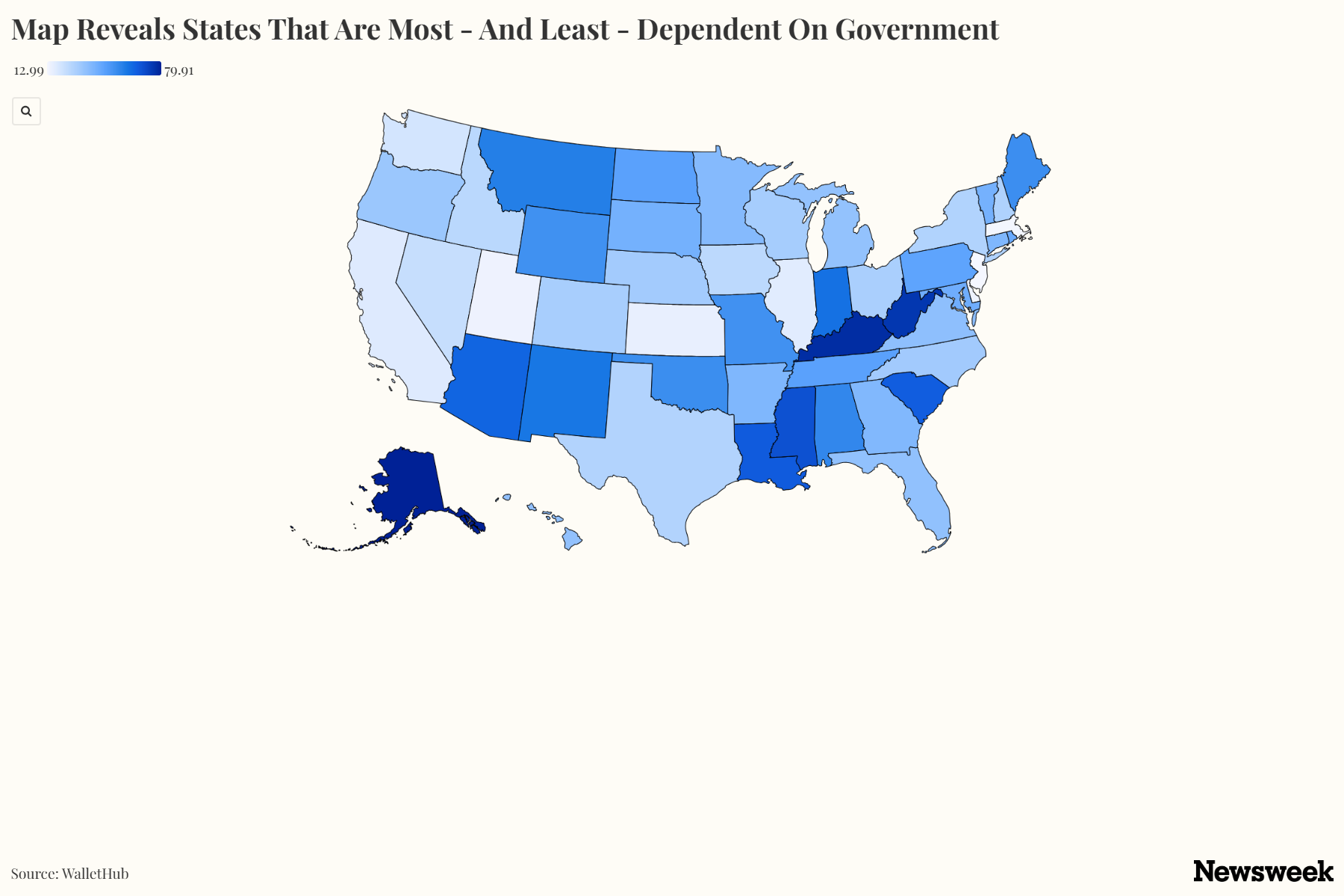
A study by WalletHub ranked U.S. states based on their dependence on federal funding. Alaska, Kentucky, and West Virginia were found to be the most dependent, while New Jersey, Massachusetts, and Delaware were the least. The study looked at how much federal money states receive versus what they pay in taxes.
Key Facts
Alaska is the most federally dependent state with 45% of its revenue from federal funding.
Kentucky is the second most dependent state, with 44% of its revenue from federal funding.
West Virginia ranks third in federal dependence.
New Jersey is the least federally dependent state.
Massachusetts and Delaware also have low federal dependence.
WalletHub's study used a 100-point scale to rank the states.
Republican states are generally more dependent on federal funds than Democratic states.
The Trump administration has advocated for states to take more financial responsibility for programs often funded federally.
Read the Original
Want the full story? Tap a source to open the original
article.
During a flight, the author initially judged a fellow passenger based on appearance and assumptions. As they conversed, the author realized the man did not match his initial negative thoughts. The experience highlighted how quick judgments can often be misleading.
Key Facts
The author was on an American Airlines flight from Hartford to Chicago.
The author initially judged the man sitting next to him without speaking to him.
The man had a book titled "The Thin Blue Lie: An Honest Cop vs the FBI."
They both identified as moderates and registered independents.
The man was a veteran of the Marine Corps Reserve.
The author and the man both had family members in the nursing profession.
The man invited the author to an airport lounge, where they continued their conversation.
The man's actions showed kindness, challenging the author's initial impression.
Read the Original
Want the full story? Tap a source to open the original
article.
There are no ads, so there is no reason to bait you. Readers who chip in keep it that way. Most choose $3.99/month, and get the daily digest every morning.
Several airports across the U.S. are dealing with long security delays due to a partial government shutdown. TSA workers are not getting paid, causing slowdowns at key airports like those in Houston and New Orleans. The shutdown is linked to political disagreements over immigration policies.
Key Facts
Many U.S. airports are seeing long security lines because TSA staff are unpaid.
The shutdown has led to delays as TSA workers are still working but without pay.
William P. Hobby Airport in Houston and Louis Armstrong International Airport in New Orleans are the most affected.
Travelers at these airports are advised to arrive several hours early.
Atlanta and Charlotte airports are also experiencing delays.
The government shutdown is due to disagreements over immigration and DHS funding.
The Department of Homeland Security blames Democrats for not agreeing to fund DHS.
The travel delays coincide with the spring break travel period.
Read the Original
Want the full story? Tap a source to open the original
article.
Three people held by Immigration and Customs Enforcement (ICE) died over four days in late February and early March 2026. These deaths have raised concerns about medical care and conditions in ICE detention facilities. The number of deaths in ICE custody has been increasing, along with a rise in the number of people detained.
Key Facts
Three detainees died in ICE custody in late February and early March 2026.
At least 11 people have died in ICE custody in 2026.
The number of detainees in ICE has reached over 68,000, a significant increase from previous years.
The deaths have sparked worries about healthcare and oversight in ICE facilities.
Alberto Gutiérrez-Reyes, a Mexican national, died in California, reportedly after being denied medical care for existing health conditions.
Pejman Karshenas Najafabadi, an Iranian national, died in Mississippi after suffering a cardiac arrest during ongoing medical treatment.
Emmanuel Damas, a Haitian national, died in Arizona, reportedly due to a severe tooth infection.
ICE is required to report detainee deaths within 48 hours, but there are concerns about delays in reporting.
Read the Original
Want the full story? Tap a source to open the original
article.