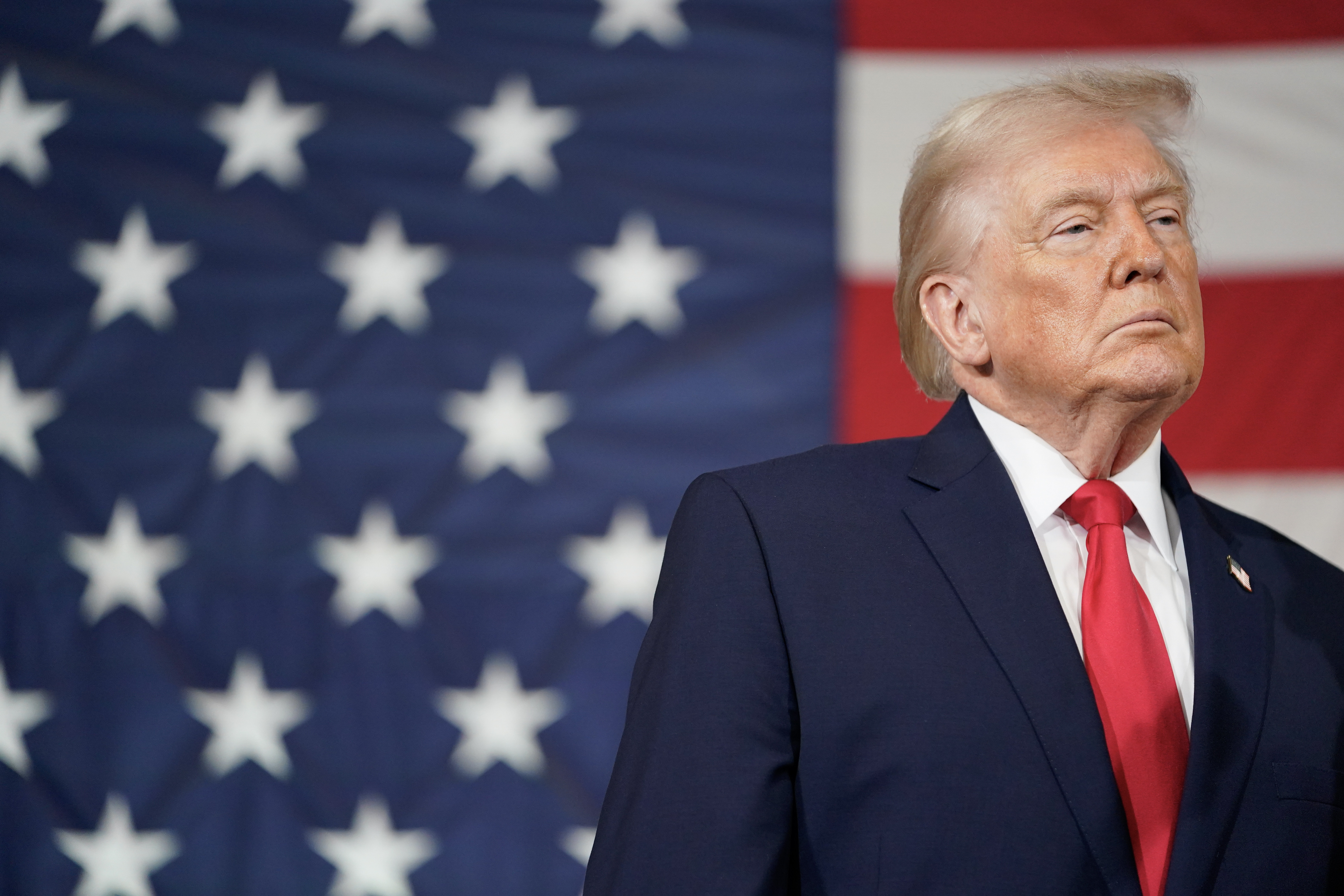
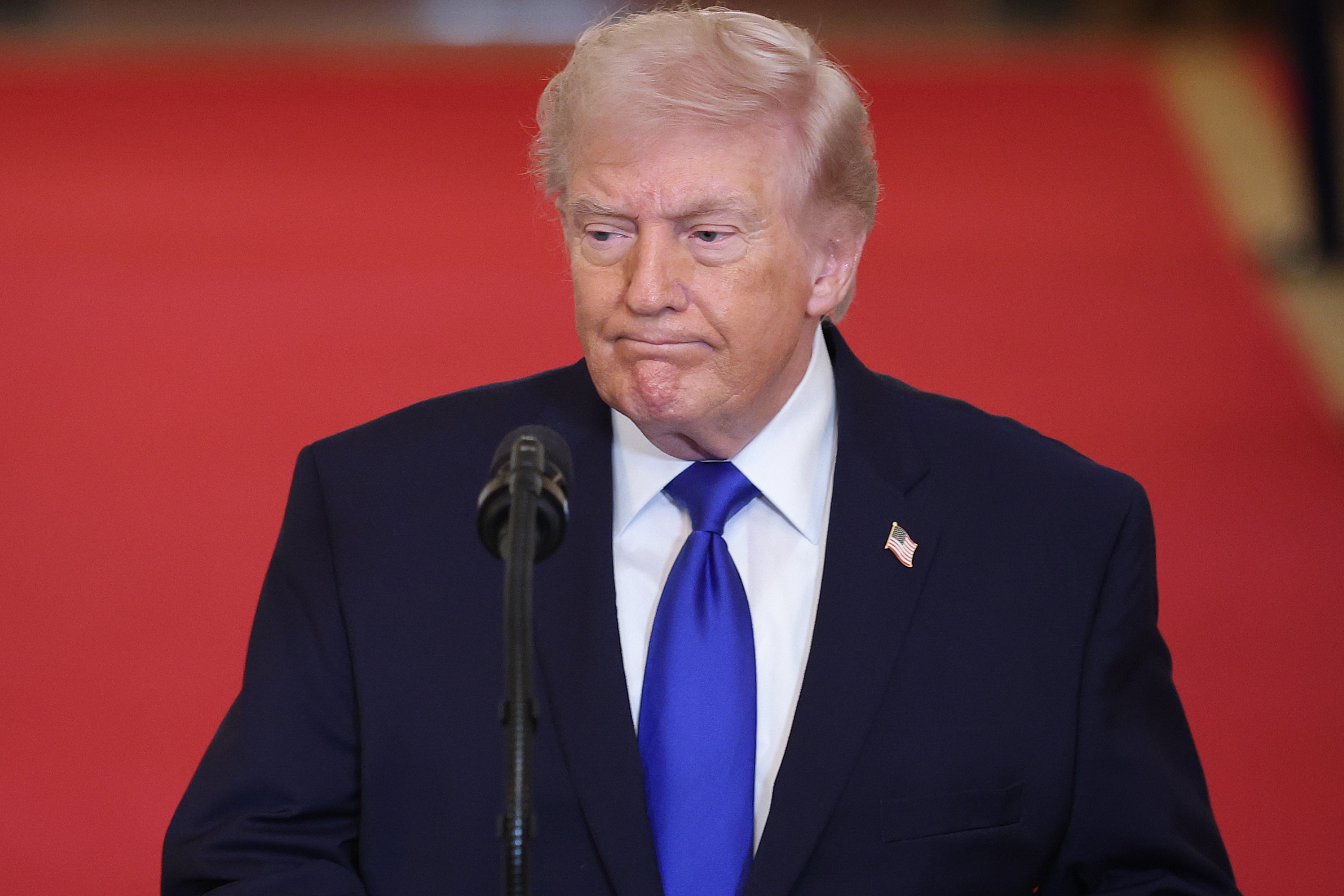
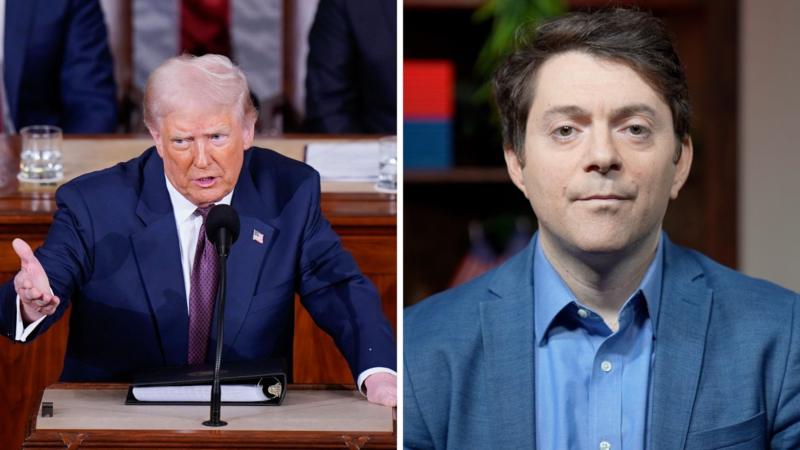
A new report from WalletHub names Cheyenne, Wyoming as the hardest-working city in the U.S. based on factors like average work hours and multiple jobholders. The study evaluated 116 cities, using metrics such as direct work factors and leisure time.
Key Facts
WalletHub ranked Cheyenne, Wyoming as the hardest-working city due to its 40.7-hour average workweek and many residents working multiple jobs.
Anchorage, Alaska, came second, with an average workweek over 40 hours and high employment rates.
Washington, D.C., ranked third, with many workers leaving vacation time unused and lengthy commutes.
The top 10 hardest-working cities included Cheyenne, Anchorage, Washington, D.C., Sioux Falls, Irving, Nashville, Dallas, San Francisco, Denver, and Austin.
The cities ranked lowest were Burlington (Vermont), Detroit, Buffalo, Newark, and Toledo.
WalletHub used 11 metrics to score cities, based on work factors and leisure time availability.
The study focused only on city boundaries, not larger metropolitan areas.
Chip Lupo from WalletHub noted that while Americans often leave vacation days unused, it’s important to manage work without overworking and affecting health.
Read the Original
Want the full story? Tap a source to open the original
article.
The article discusses the high level of division in U.S. politics and how the investigation into Jeffrey Epstein might unite Americans across political lines. The focus is on the gap between the wealthy and average citizens, with polls suggesting widespread concern about wealth inequality and elite power. It also highlights economic concerns like rising costs and compares current conditions to historical periods of reform.
Key Facts
85% of Americans believe political violence is increasing.
Polls show 80% think the gap between rich and poor is a significant issue.
62% believe billionaires pay too little in taxes.
80% of Americans, including 67% of Republicans, feel billionaires have too much influence.
A poll of Ohioans found nearly 90% suspect a cover-up in the Epstein case to protect powerful people.
Current economic concerns include the cost of health care (93%), food and goods (92%), and housing (89%).
87% of voters support term limits for Congress.
72% favor spending limits on elections, and 65% prefer a direct popular vote over the Electoral College.
Read the Original
Want the full story? Tap a source to open the original
article.
The article discusses the words President Donald Trump commonly uses in his State of the Union addresses, particularly his frequent use of the word "great." It contrasts this with words he rarely uses, such as "democracy" and "inflation," and compares his speech patterns to those of President Joe Biden, who frequently mentions "democracy" and "inflation."
Key Facts
President Trump often uses the word "great" to describe various elements in his speeches.
In Trump's State of the Union addresses, the word "democracy" appears infrequently.
The word "inflation" was not present in Trump's speeches from 2017 to 2020, though he did talk about prices and prosperity.
President Joe Biden uses the word "democracy" frequently in his addresses, often emphasizing its importance.
Biden also often talks about "inflation," especially during periods when it was a significant issue.
In Trump's speeches, the most used words include "American," "America," "country," and "people."
Biden's common words overlap with Trump's, but he places more emphasis on "democracy."
The article highlights differences in word choices between Trump's and Biden's speeches.
Read the Original
Want the full story? Tap a source to open the original
article.
The Supreme Court ruled 6-3 against President Trump's tariffs, challenging a key part of his economic plan. This decision, combined with other issues, has created economic uncertainty, affecting jobs and inflation. It also reversed Trump's approach to trade and impacted his immigration policies.
Key Facts
The Supreme Court delivered a 6-3 ruling against President Trump’s tariffs.
The ruling has led to lawsuits aiming to recover costs linked to the tariffs.
Many tariffs increased costs for American companies, contributing to job losses in manufacturing.
The U.S. economy added only 181,000 jobs in 2025, with low GDP growth of 1.4%.
Inflation remains high despite changes in the administration's economic policies.
President Trump's mass deportation strategy has not achieved its promised goals.
Public support for Trump's immigration policies is low, with only 38% approval.
Read the Original
Want the full story? Tap a source to open the original
article.
The Supreme Court recently ruled against President Donald Trump's use of tariffs, stating he overstepped his authority by imposing them without Congress's clear approval. Six out of nine justices found that President Trump misused a trade law by trying to control tax-like tariffs, which is a power usually reserved for Congress. This decision demonstrates the court's willingness to check presidential powers, despite mixed opinions among justices.
Key Facts
The Supreme Court ruled against President Trump's imposition of tariffs, saying he exceeded his authority.
Six out of nine justices agreed that Trump misused a trade law by treating it as a way to impose tariffs, which is usually Congress's power.
The court clarified that "regulate" in the law did not include imposing tariffs.
The ruling reflects the court's role in limiting presidential powers and maintaining the balance of governmental authority.
Chief Justice John Roberts led the decision to reject President Trump's claim that tariffs are not taxes.
Justice Neil Gorsuch highlighted that tax decisions are better made by many legislators rather than one person.
The decision involved the "major questions doctrine," which requires clear Congress approval for significant powers like taxing.
Justice Clarence Thomas, in the minority, believed Congress could give more power to the president with some exceptions.
Read the Original
Want the full story? Tap a source to open the original
article.
President Donald Trump's approval ratings are lower as he approaches his 2026 State of the Union address compared to past speeches. Recent polls show that more Americans disapprove than approve of his performance in areas like the economy and immigration. This address serves as a chance for him to present his plans and achievements before the 2026 midterm elections.
Key Facts
President Trump is preparing for his 2026 State of the Union address.
Recent polls indicate a negative approval rating for Trump, with more people disapproving than approving of his performance.
A YouGov poll showed a net -17 approval rating, with 39% approving and 56% disapproving.
A CNN poll showed a net -27 approval rating, with 36% approving and 63% disapproving.
An ABC News/Washington Post poll showed a net -21 approval rating, with 39% approving and 60% disapproving.
His current ratings are lower compared to his approval before his last State of the Union in 2020.
The 2026 address follows incidents such as the fatal shootings of two citizens by immigration officers, which have concerned Americans.
Trump aims to outline his agenda and highlight achievements to gain support ahead of the midterm elections.
Read the Original
Want the full story? Tap a source to open the original
article.
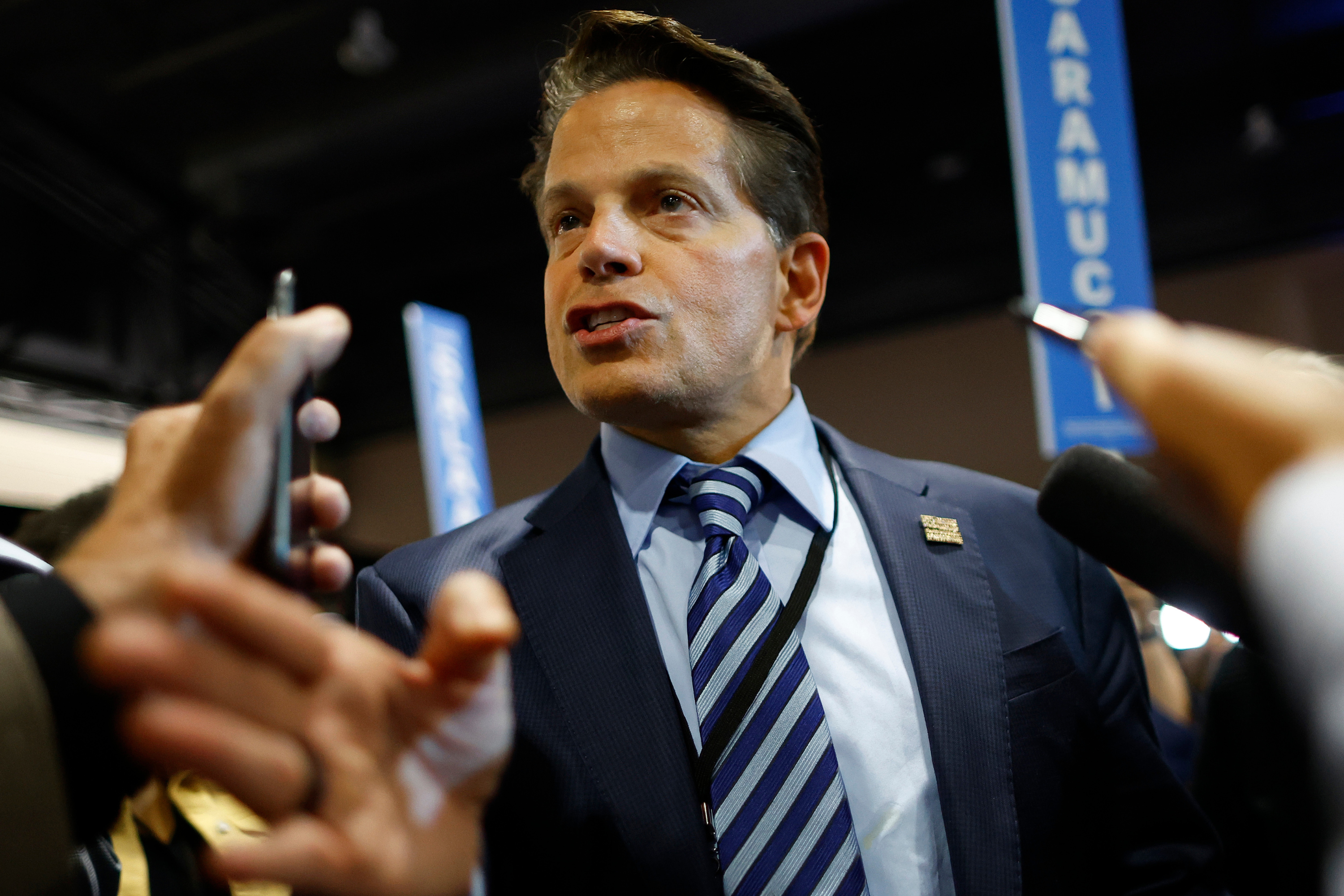
Anthony Scaramucci, who once worked briefly as President Donald Trump's communications director, warns the Republican Party might face significant challenges in the upcoming midterm elections. He points to polling data showing a drop in Trump's approval ratings among crucial voter groups like Latinos, younger voters, and independents. Scaramucci believes this decline could harm Republican candidates connected to Trump's agenda.
Key Facts
Anthony Scaramucci previously worked as the White House communications director under Trump.
Scaramucci cites polling data showing President Trump losing approval among key voter groups.
According to the data, approval ratings dropped among Latinos from 41% to 22%, under-45 voters from 45% to 27%, and independents from 41% to 26% between February 2025 and February 2026.
Midterm elections often evaluate the party in power, influencing control of Congress.
Scaramucci argues this polling data highlights a broader issue with Trump's support.
Polls can change due to events, messaging, or economic conditions, and may affect party strategies and election outcomes.
Trump remains the current U.S. President, having been elected for a second term in 2024.
Scaramucci has become a critic of President Trump, despite having once been a supporter and GOP donor.
Read the Original
Want the full story? Tap a source to open the original
article.
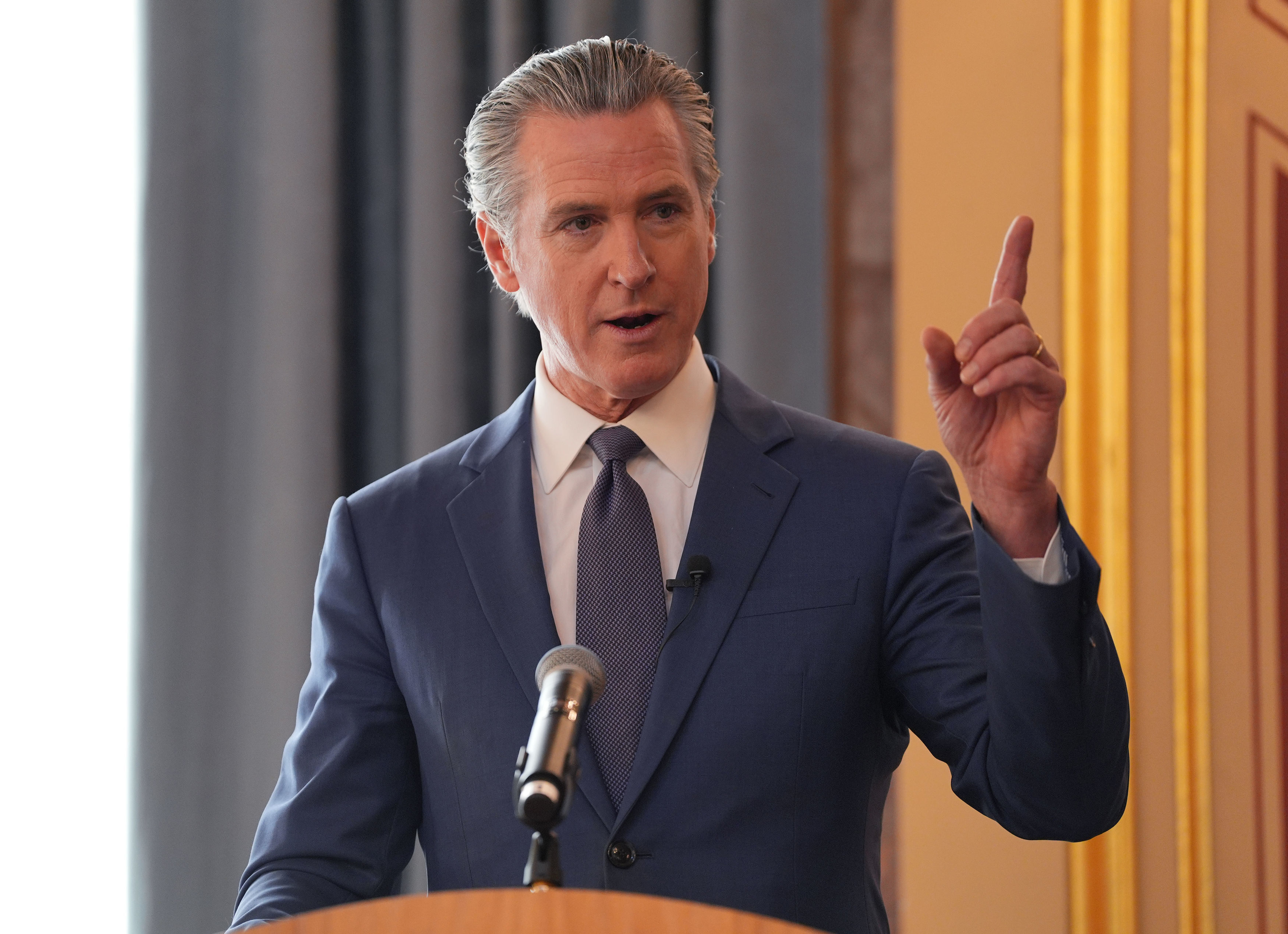
President Donald Trump made a post on Truth Social claiming that California Governor Gavin Newsom dropped out of the 2028 presidential race. Newsom’s team responded by suggesting Trump was experiencing cognitive decline, known as "sundowning." Newsom has not announced a presidential run, though he is considered a potential candidate for 2028.
Key Facts
President Trump claimed that Governor Gavin Newsom exited the 2028 presidential race, but Newsom has not declared any such candidacy.
Newsom’s office responded to Trump’s claim by suggesting Trump was "sundowning," a term used to describe confusion or cognitive issues in the evening.
Sundowning is a term associated with symptoms of dementia, such as confusion or agitation, especially in the late afternoon or evening.
President Trump has faced questions about his health and has stated that he has passed cognitive tests.
Newsom is seen as a potential contender for the Democratic nomination for the 2028 presidential election but has not confirmed his candidacy.
Newsom is currently promoting his book, "Young Man in a Hurry," and building his national reputation.
Newsweek has reached out to the White House and Newsom’s office for comments.
Read the Original
Want the full story? Tap a source to open the original
article.
President Donald Trump's approval rating has dropped significantly over the past year, especially among working-class voters and independents. Recent polls indicate a decrease in approval ratings, which could impact future elections.
Key Facts
President Trump's approval rating has fallen, particularly among working-class voters and independents.
A February 2025 CNN/SSRS poll showed his overall approval at 47%, with a 52% disapproval rate, resulting in -5% net approval.
In the same poll, working-class voters earning less than $50,000 a year showed 45% approval and 53% disapproval (-8% net approval).
By February 2026, a follow-up poll showed overall approval dropped to 36% with 63% disapproving (-27% net approval).
Approval among lower-income voters fell to 35%, with 65% disapproving, a net approval of -30%.
Independents' approval ratings dropped from 43% in 2025 to 26% in 2026, worsening the net approval from -13% to -47%.
Both polls used the same methods and sample, ensuring consistent data for comparison.
Changes in these voter groups could influence upcoming elections, especially midterms.
Read the Original
Want the full story? Tap a source to open the original
article.
Texas Governor Greg Abbott has started a security operation in response to increased violence by Mexican cartels. The plan involves sending more Texas Department of Public Safety officers to the border to prevent criminal activities from spreading into Texas. This follows the death of a major cartel leader in Mexico, which has led to further violence in the region.
Key Facts
Governor Greg Abbott announced a new security operation for Texas.
The Texas Department of Public Safety is sending more personnel to the border area.
Units involved include the Texas Rangers, Criminal Investigations Division, and Special Operations Group.
The operation aims to catch criminals and stop transnational crime from affecting Texas.
Texas will also increase its marine and aircraft operations at the border.
Additional staff will monitor social media for suspicious activities.
The operation was launched after Mexican soldiers killed a cartel leader, El Mencho.
Increased cartel violence in Mexico has affected several Mexican states and travel.
Read the Original
Want the full story? Tap a source to open the original
article.
Robert Carradine, an actor known for his roles in "Revenge of the Nerds" and "Lizzie McGuire," has died at age 71. His family shared that he had been living with bipolar disorder, hoping this information will increase awareness of mental health issues.
Key Facts
Robert Carradine was an actor famous for "Revenge of the Nerds" and "Lizzie McGuire."
He passed away at the age of 71.
Carradine's family mentioned that he lived with bipolar disorder for many years.
The family expressed a desire to raise awareness about mental health struggles.
They released a statement announcing his death on Monday.
This is a developing story, and more information may follow.
Read the Original
Want the full story? Tap a source to open the original
article.
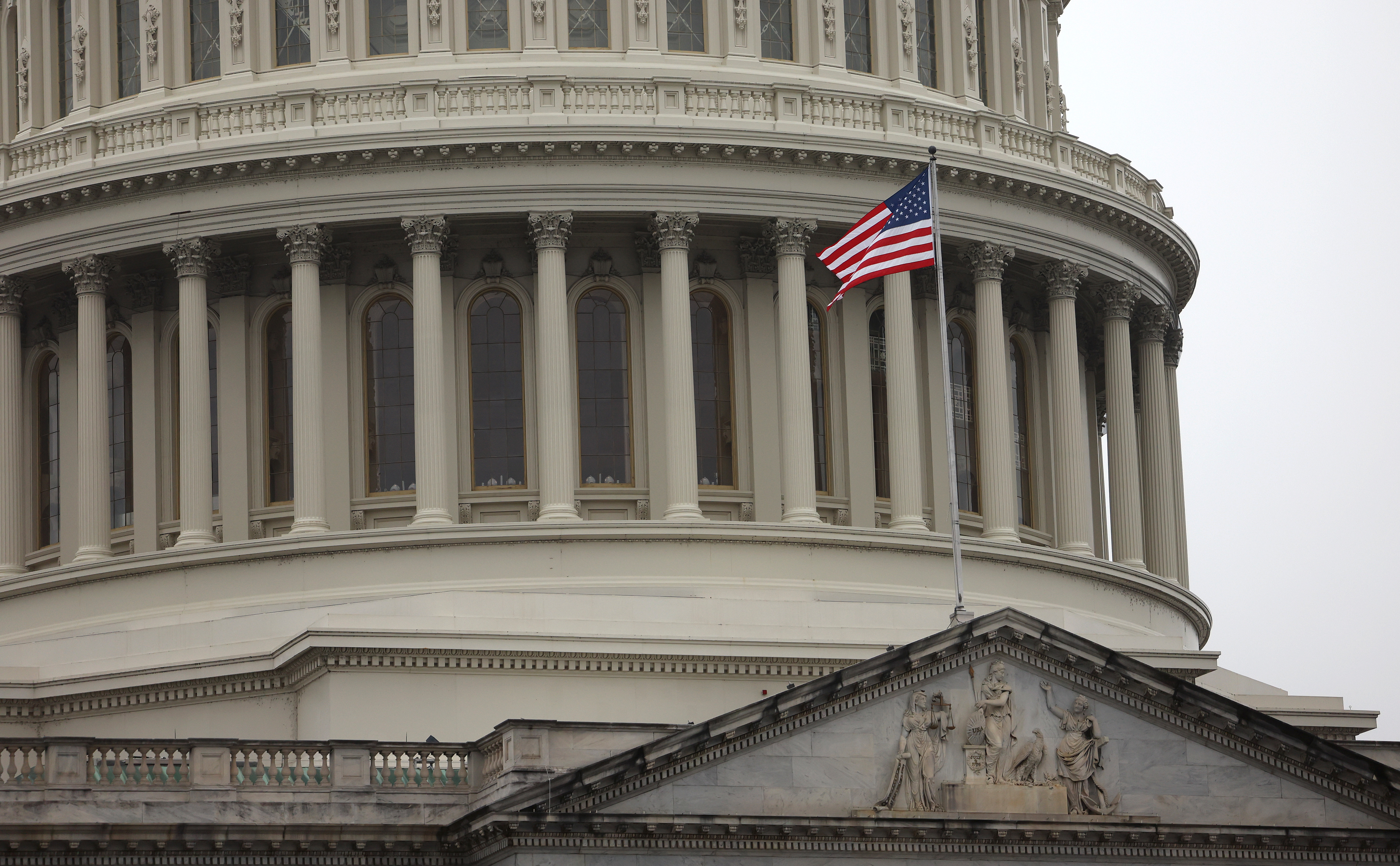
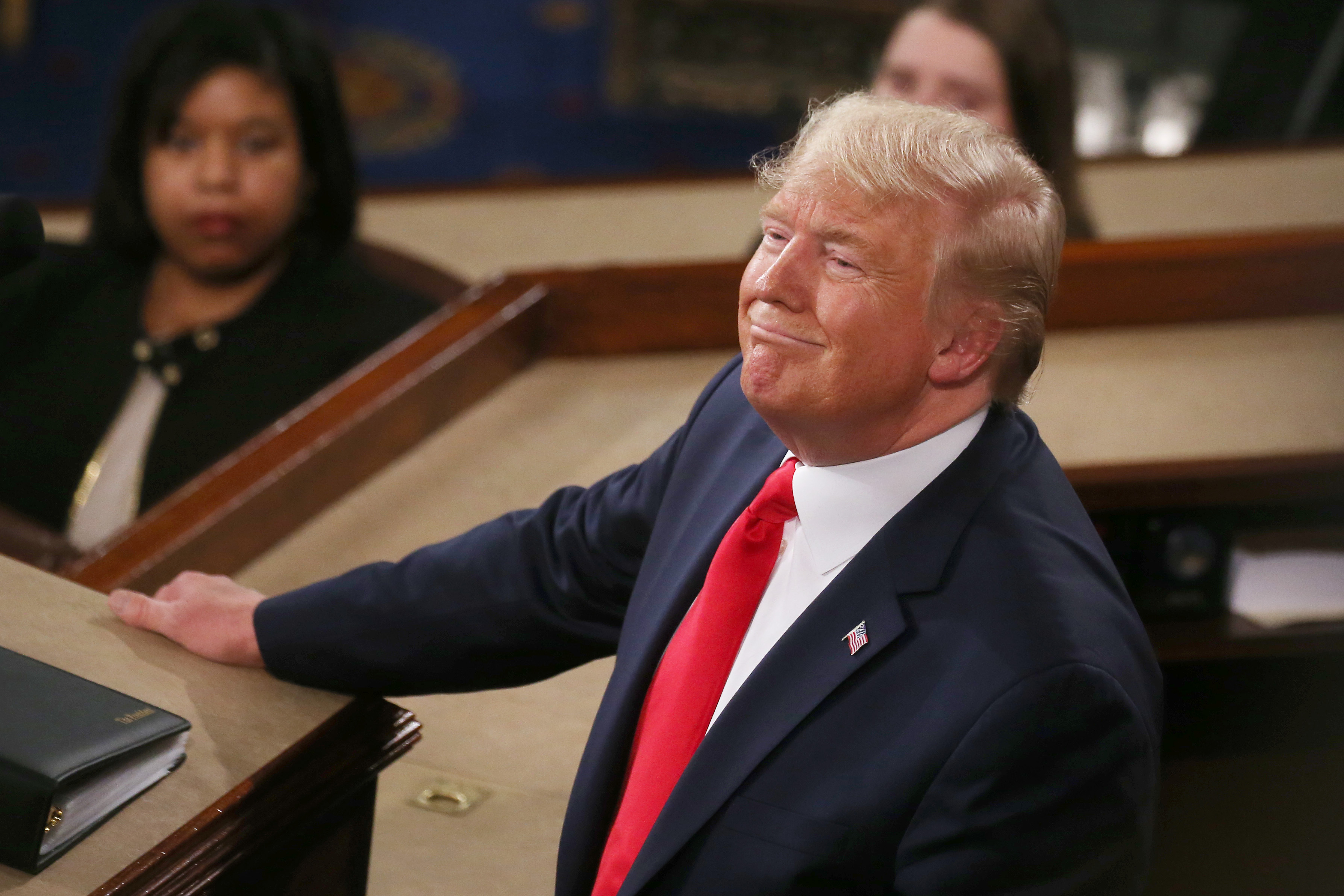
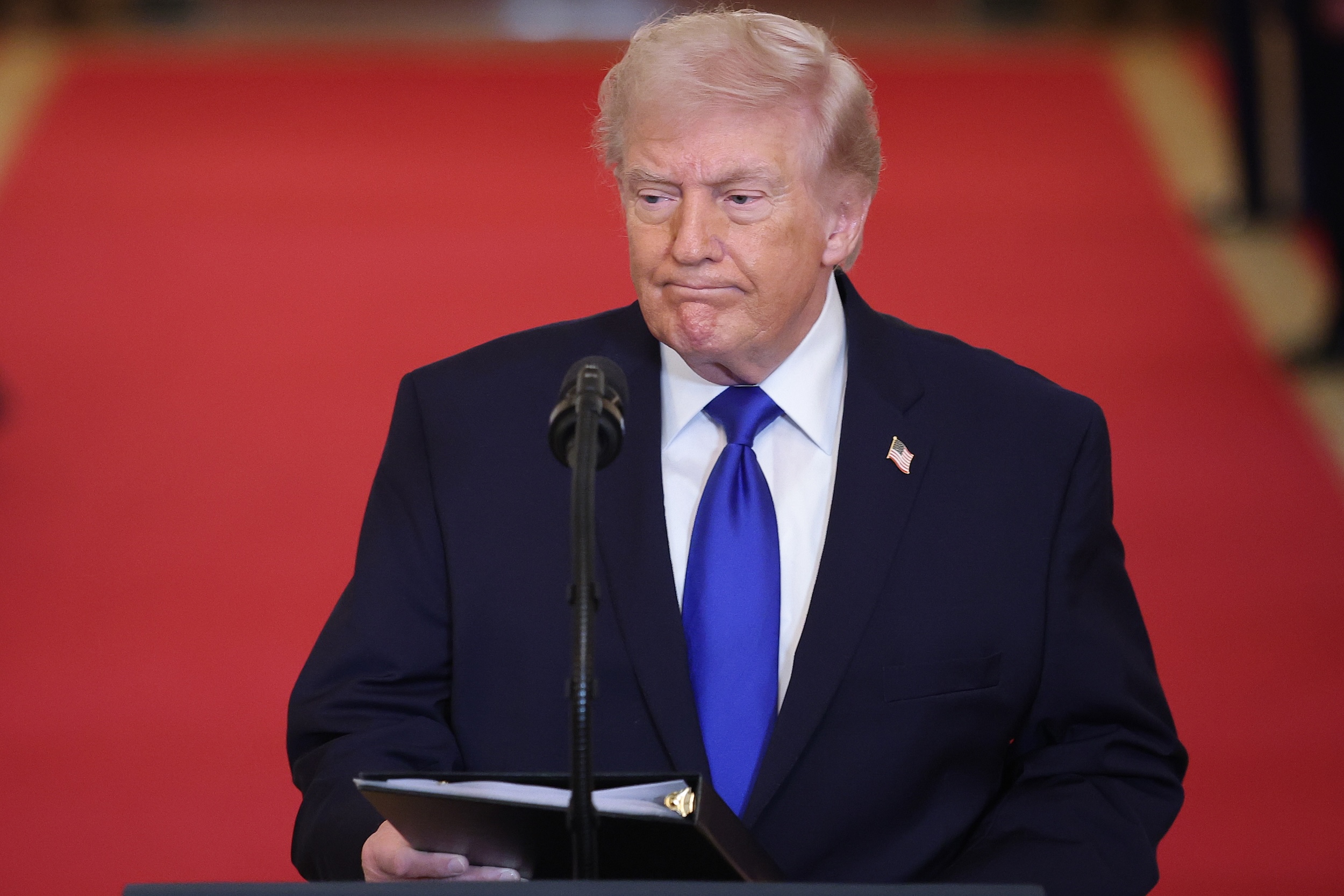
President Donald Trump will deliver his first State of the Union address of his second term. The speech, taking place in front of Congress, will likely focus on the economy, including issues like inflation and cost of living. Trump’s approach and leadership style have impacted the Republican Party's prospects in upcoming elections.
Key Facts
President Trump is delivering the State of the Union address for his second term.
The address will be in front of Congress, including the Senate and House of Representatives.
The State of the Union is an annual speech required by the U.S. Constitution.
Economic issues like high inflation and cost of living are expected to be key topics.
President Trump was reelected in 2024 after losing the 2020 election.
Trump pardoned those involved in the January 6 Capitol events.
The Republican Party faces challenges in maintaining control in the upcoming midterm elections.
Economic indicators show a mixed performance, with high prices and steady jobs but slower GDP growth.
Read the Original
Want the full story? Tap a source to open the original
article.
That's the point of this site, and readers keep it that way. Support for any amount and the daily digest lands in your inbox every morning at 7am Eastern.
President Donald Trump claimed that crime and murder rates in the U.S. are at their lowest in 125 years. While homicide rates may reach historic lows, violent crime is at its lowest only in decades. Experts note this trend began before Trump's current term as President.
Key Facts
President Trump says U.S. crime and murder rates are at their lowest in 125 years.
One study suggests homicides in 2025 could be at a historic low, about 4.0 per 100,000 people.
Violent crime rates have dropped to levels not seen since the late 1960s.
FBI data shows a 10% decrease in violent crimes by October 2025 compared to the previous year.
FBI started consistent crime statistics reporting in 1960, so long-term comparisons are limited.
The White House attributes falling crime rates to President Trump’s policies.
Some experts say crime rates began to drop after a spike around 2020, before Trump's second term.
A survey of large U.S. police departments reported a 19% drop in homicides in early 2025 compared to 2024.
Read the Original
Want the full story? Tap a source to open the original
article.
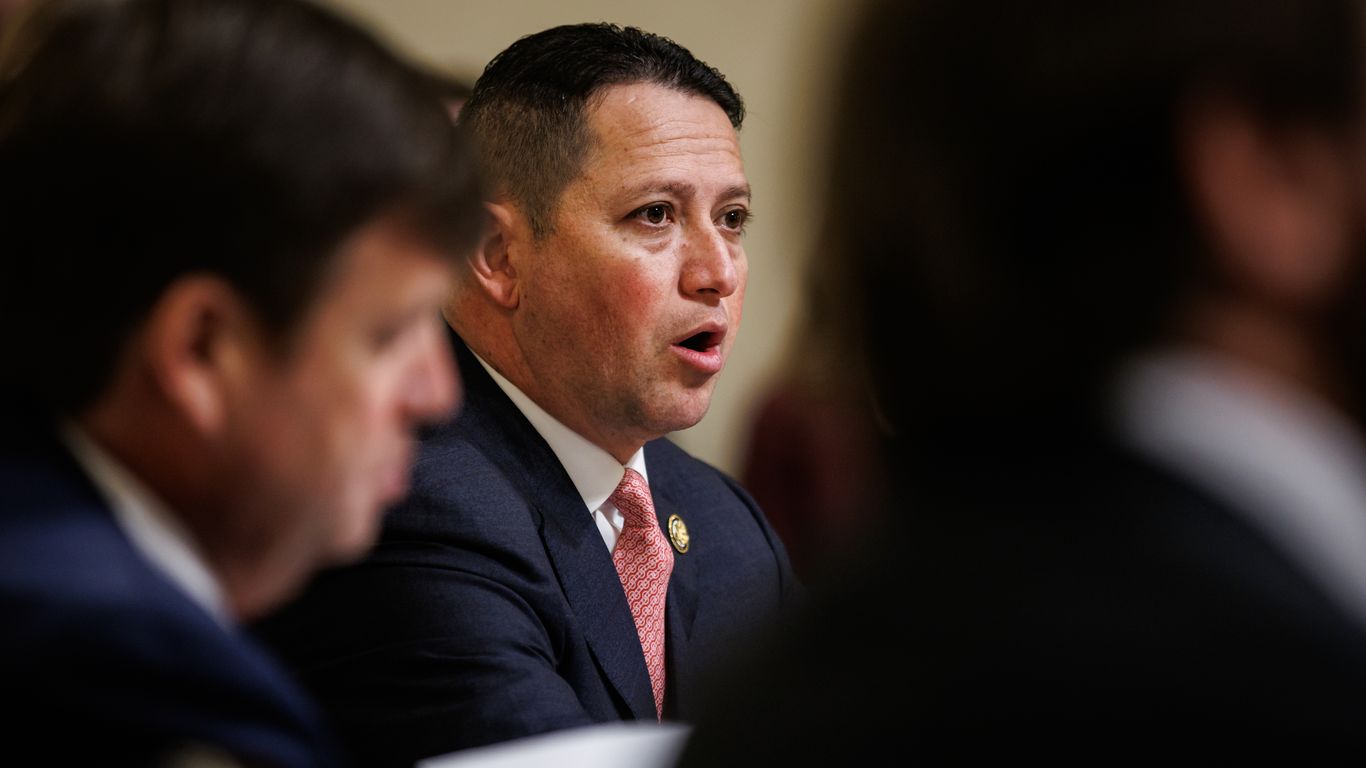
Rep. Tony Gonzales from Texas faces calls to resign after allegations of an affair with a former staffer who died. Several Republican lawmakers have publicly urged him to step down, although Gonzales denies the accusations. The situation could impact his support in an upcoming primary election.
Key Facts
Rep. Tony Gonzales is a member of Congress from Texas.
He is accused of having an affair with a former staffer who passed away.
Gonzales has denied the affair allegations.
Several Republican lawmakers, including Rep. Lauren Boebert, have called for his resignation.
He is facing a primary challenge from Brandon Herrera, who currently leads in some polls.
House Speaker Mike Johnson has acknowledged the seriousness of the allegations but called for a thorough investigation.
Gonzales was recently endorsed by President Donald Trump and House Republicans have yet to withdraw their support.
The House Code of Official Conduct prohibits relationships between Congress members and their staff.
Read the Original
Want the full story? Tap a source to open the original
article.
President Donald Trump claimed on social media that California Governor Gavin Newsom has withdrawn from the 2028 presidential race, though Newsom has not announced a candidacy. Newsom is considered a likely candidate for the 2028 Democratic nomination and is currently on a book tour to raise his national profile.
Key Facts
President Trump posted on Truth Social that Governor Gavin Newsom dropped out of the 2028 presidential race.
Governor Newsom has not declared that he is running for president.
Newsom is widely seen as a front-runner for the 2028 Democratic nomination.
A recent poll shows Newsom leading among potential Democratic candidates for 2028.
Newsom is on a book tour, discussing his life experiences, such as living with dyslexia.
Trump's comments came amidst a conservative backlash over Newsom's remarks during a book tour event.
Newsom has been positioning himself as a prominent Democratic voice against Trump's administration.
Read the Original
Want the full story? Tap a source to open the original
article.
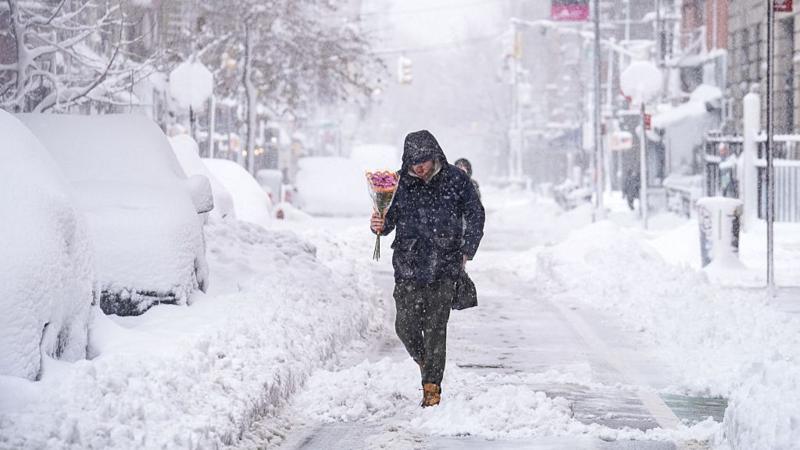
A major snowstorm hit the East Coast of the United States, placing around 40 million people under blizzard warnings in areas like New York City and Boston. This led to power outages for over 600,000 homes and businesses and caused more than 5,600 flight cancellations.
Key Facts
A significant snowstorm affected the East Coast, specifically impacting states such as New York, Massachusetts, and New Jersey.
About 40 million people were under a blizzard warning.
Massachusetts experienced the highest number of power outages, with nearly 300,000 homes and businesses without electricity.
New Jersey also had significant outages, with about 125,000 without power.
New York City was under a blizzard warning for the first time in nine years.
More than 5,600 flights entering and leaving the United States were canceled due to the storm.
Read the Original
Want the full story? Tap a source to open the original
article.
A major snowstorm hit the US east coast, causing over 5,000 flight cancellations and leaving more than 600,000 homes and businesses without power. The storm brought record-breaking snowfall, especially to Rhode Island, and led to travel bans and difficult travel conditions in several states.
Key Facts
Over 5,000 flights were canceled due to the storm.
Rhode Island and Massachusetts experienced record snowfall, with 33 inches falling in some areas.
More than 600,000 homes and businesses lost power, especially in New Jersey and Massachusetts.
Winter storm warnings were issued from North Carolina to northern Maine and parts of eastern Canada.
Travel bans were implemented in Rhode Island and Connecticut, with similar restrictions in Southeastern Massachusetts.
In New York, a travel ban was lifted at noon after causing a near standstill in the city.
Airports in New York, Boston, New Jersey, and Philadelphia had significant flight cancellations.
Rhode Island faced its worst-ever snowstorm, breaking previous snowfall records.
Read the Original
Want the full story? Tap a source to open the original
article.
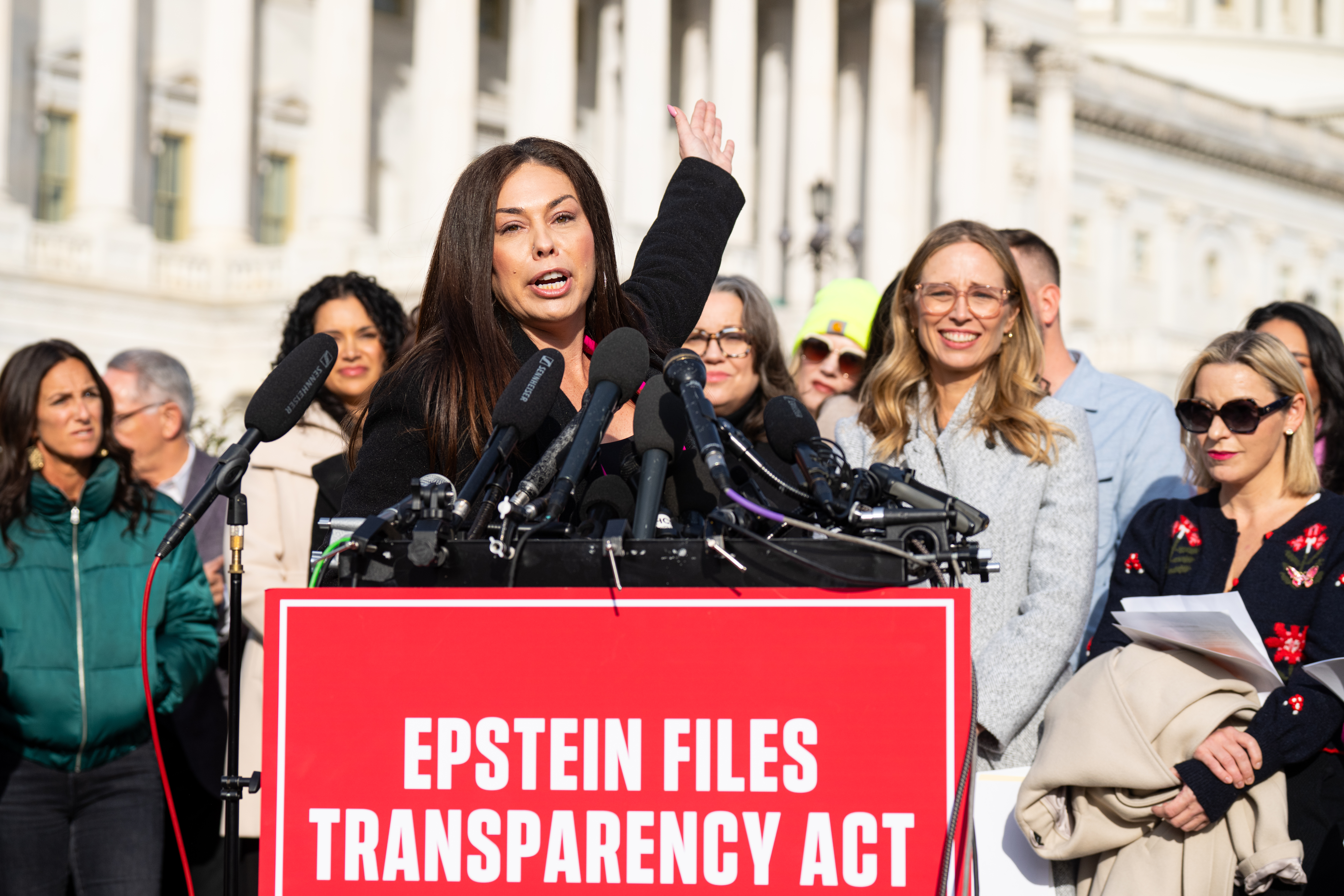
Several Democratic lawmakers invited survivors of Jeffrey Epstein's crimes to President Donald Trump's State of the Union address. This decision aims to draw attention to the handling of Epstein-related documents by the Department of Justice, which has released only part of the total files.
Key Facts
Democrats invited survivors of Jeffrey Epstein to the State of the Union to highlight issues with document handling.
President Trump denies any wrongdoing related to Epstein and has not been charged.
The DOJ released roughly 3 million pages of Epstein-related documents but has withheld another 3 million pages.
Survivors and their allies criticize the DOJ for incomplete document release.
Representative Ro Khanna of California invited Haley Robson, who alleges Epstein trafficked her at age 16.
Senator Chuck Schumer of New York invited Dani Bensky, who demands full release of investigation documents.
Released documents contain unverified claims involving President Trump, but no charges have resulted from them.
Read the Original
Want the full story? Tap a source to open the original
article.
There are no ads, so there is no reason to bait you. Readers who chip in keep it that way. Most choose $3.99/month, and get the daily digest every morning.
President Donald Trump will give his first official State of the Union address of his second term on February 24. During the speech, he will talk about his achievements from the past year and discuss his plans for the future.
Key Facts
President Trump will deliver the State of the Union address to a joint session of Congress.
This is his first State of the Union speech since starting his second term.
He plans to talk about what he sees as his successes over the last year.
The address will also include his goals and plans moving forward.
The speech is a key moment for President Trump to communicate directly with lawmakers and the American public.
Read the Original
Want the full story? Tap a source to open the original
article.
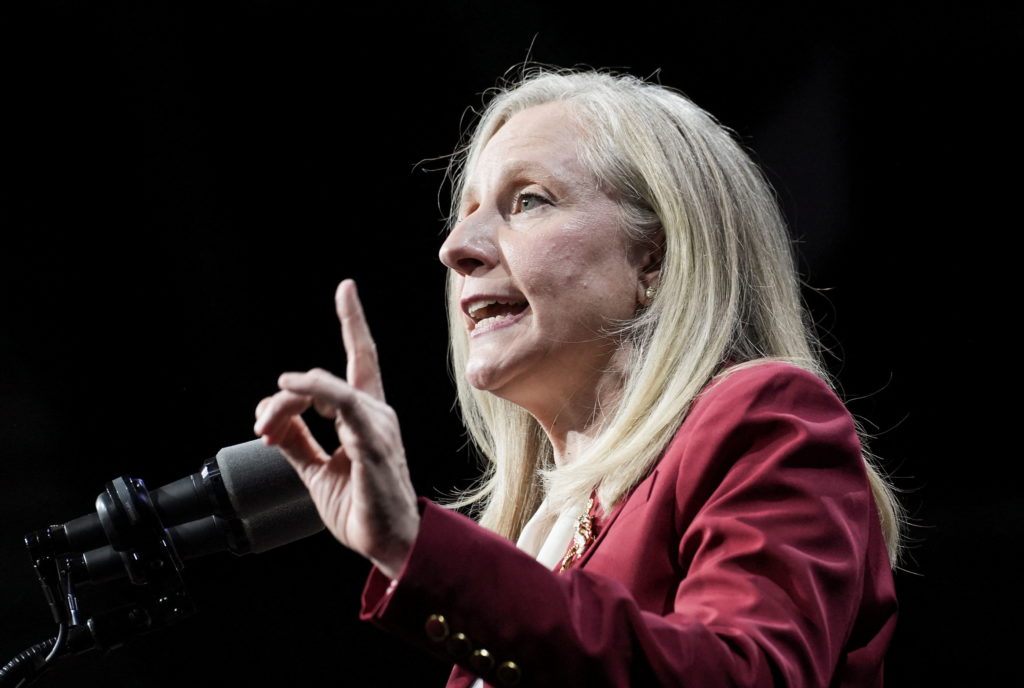
Governor Abigail Spanberger of Virginia will give the Democratic response to President Donald Trump's State of the Union address. She became Virginia's first female governor after winning the election by a large margin.
Key Facts
Governor Abigail Spanberger is delivering the Democratic response to the State of the Union.
President Donald Trump is giving the State of the Union address.
Spanberger became Virginia's first female governor earlier this year.
She won the governor's race by a double-digit margin.
Spanberger previously served three terms in the U.S. House of Representatives.
Her campaign focused on making life more affordable and reducing costs for families.
Democrats are using her message as they aim to win back control of the House and Senate in midterm elections.
Read the Original
Want the full story? Tap a source to open the original
article.