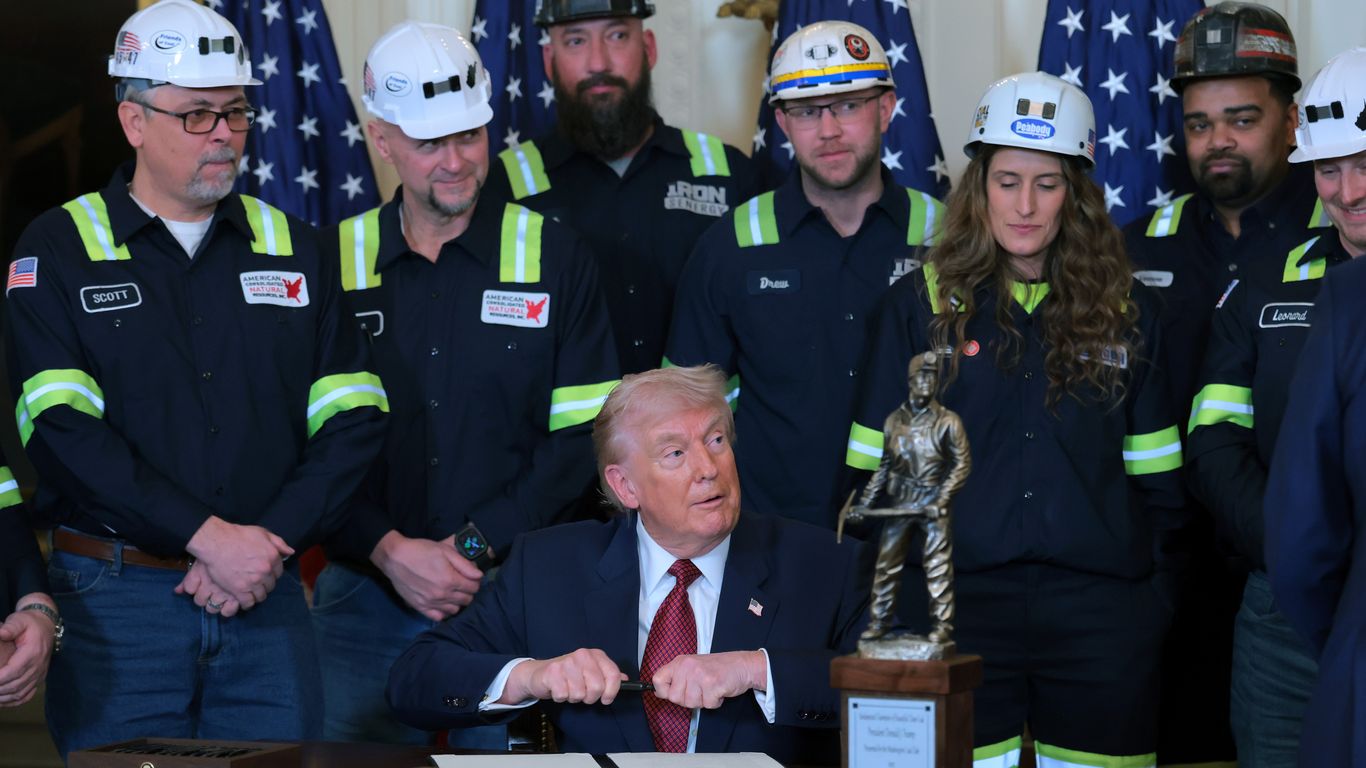
President Donald Trump has instructed the Pentagon to purchase electricity from coal-fired power plants. He also announced investments to upgrade several coal plants in specific states. This move is part of his efforts to support the coal industry despite challenges from cheaper and cleaner energy sources.
Key Facts
President Trump ordered the Pentagon to buy coal-generated electricity.
The directive aims to support coal amid its declining competitiveness.
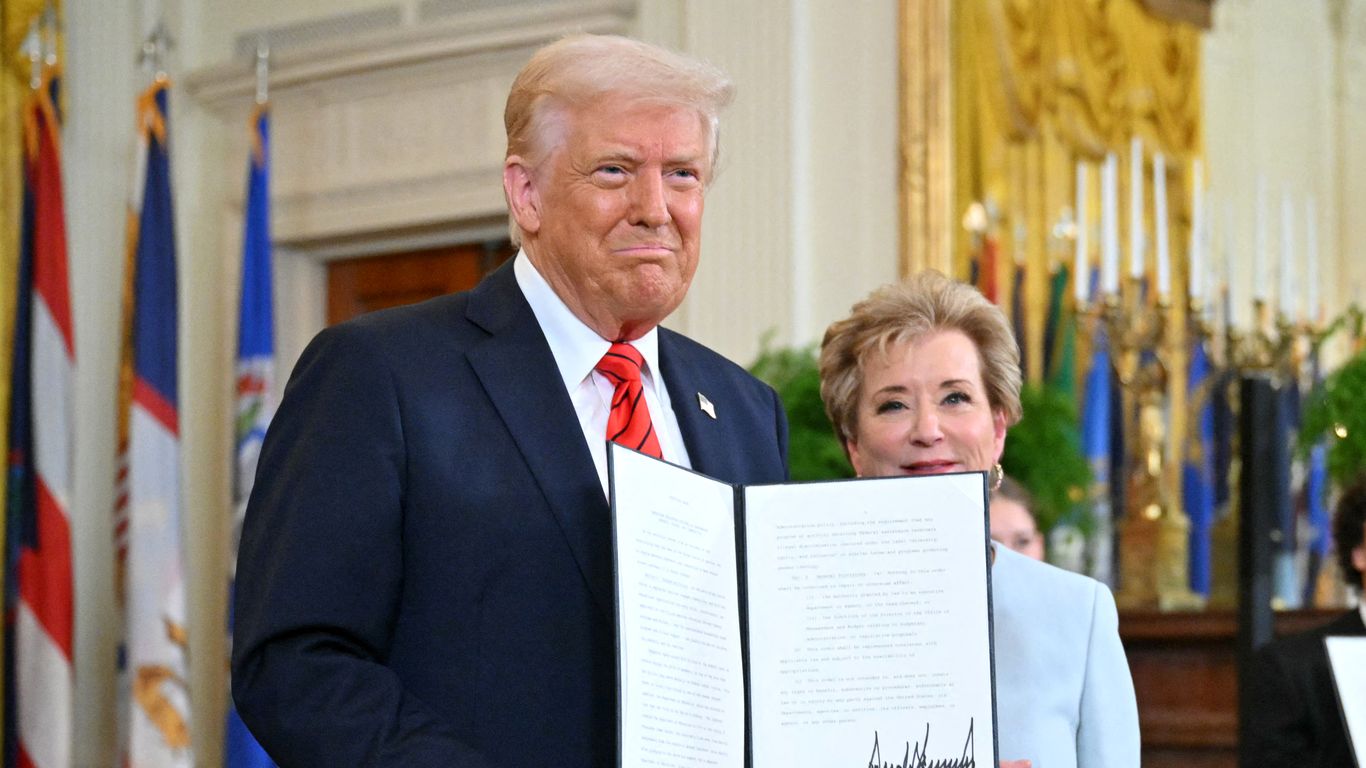
Trump signed an executive order for long-term coal energy purchases.
The US Department of Energy will invest $175 million to upgrade six coal plants.
US coal production has significantly declined, now representing 16% of energy production.
Most coal-powered facilities cost more to run than renewable alternatives.
The Tennessee Valley Authority voted to extend the operation of two coal plants after adding Trump appointees to its board.
Read the Original
Want the full story? Tap a source to open the original
article.
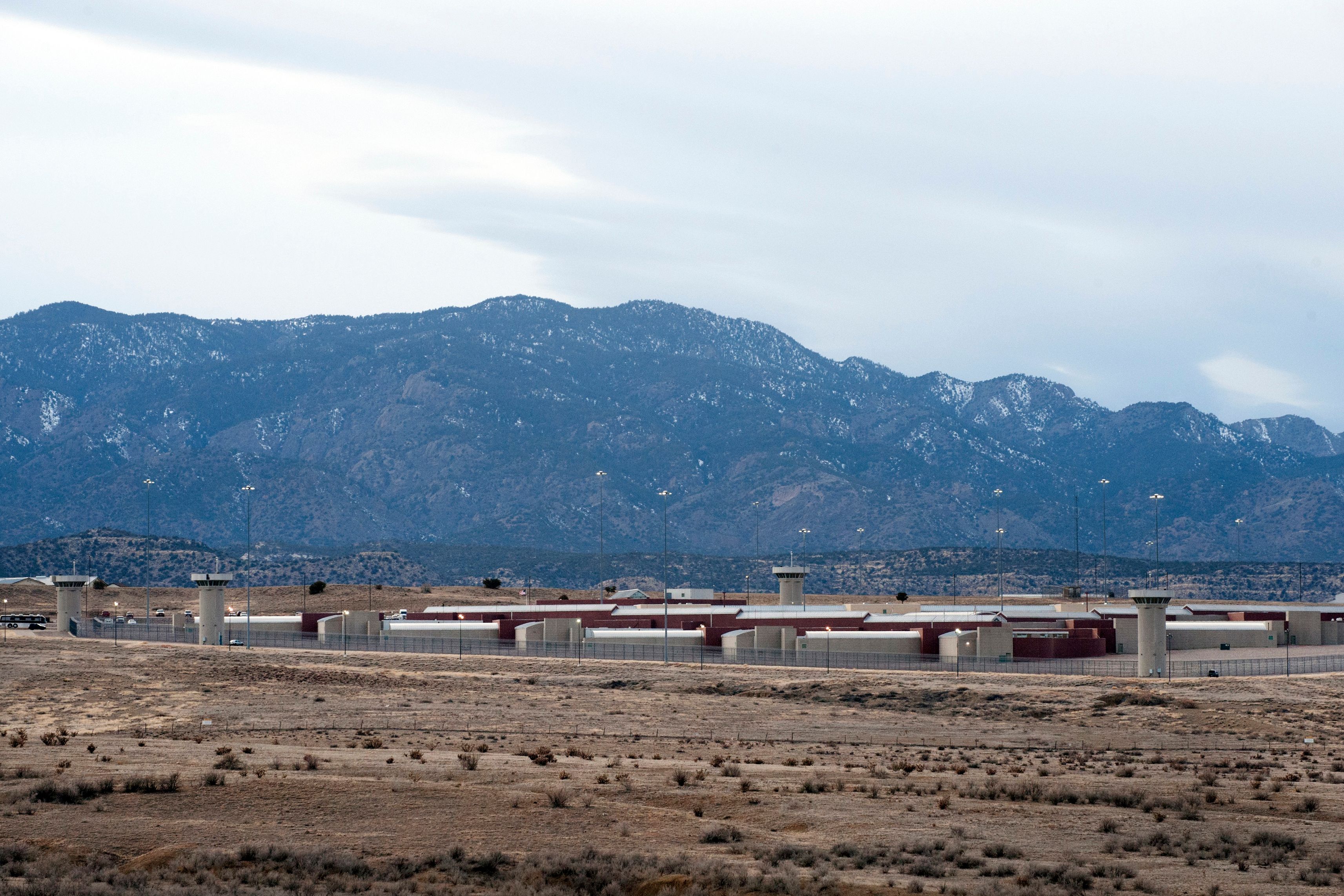
A federal judge stopped President Trump's administration from moving former death row inmates to a high-security prison in Colorado. The judge stated that the decision bypassed the proper legal process that inmates should receive.
Key Facts
A judge blocked President Trump's plan to transfer former death row inmates to a supermax prison in Colorado.
The supermax prison is known for holding some of the most notorious prisoners in the U.S.
The ruling was made by U.S. District Judge Timothy J. Kelly.
The judge emphasized the need for proper legal processes, known as due process, even for prisoners.
The inmates were to be kept at a penitentiary in Terre Haute, Indiana, instead.
The lawsuit was filed on behalf of inmates whose death sentences were reduced by President Joe Biden.
Read the Original
Want the full story? Tap a source to open the original
article.
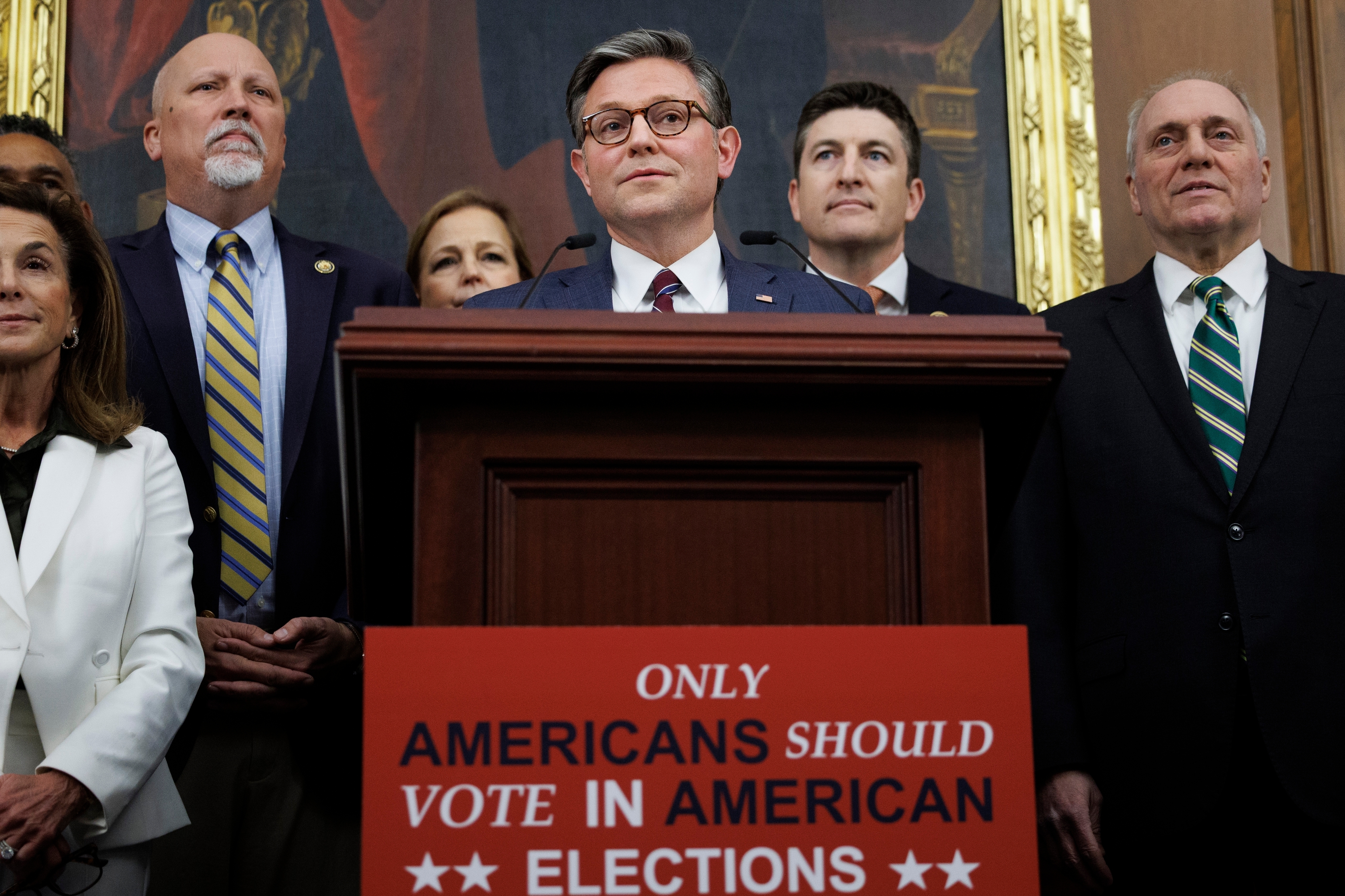
The Republican-led House passed the SAVE America Act, an election bill supported by President Trump, by a narrow vote. The bill requires proof of U.S. citizenship to vote in federal elections and faces strong opposition in the Senate. Only one Democrat, Henry Cuellar, voted with Republicans on this measure.
Key Facts
The SAVE America Act requires U.S. citizenship proof to register to vote in federal elections.
The House passed the bill with a vote of 218-213.
All Republicans supported the bill; only one Democrat, Henry Cuellar, voted for it.
The bill requires voters to show documents like a passport or birth certificate in person.
Photo identification would be mandatory for in-person voting under the new bill.
Mail-in voters must submit a copy of an ID when requesting and returning ballots.
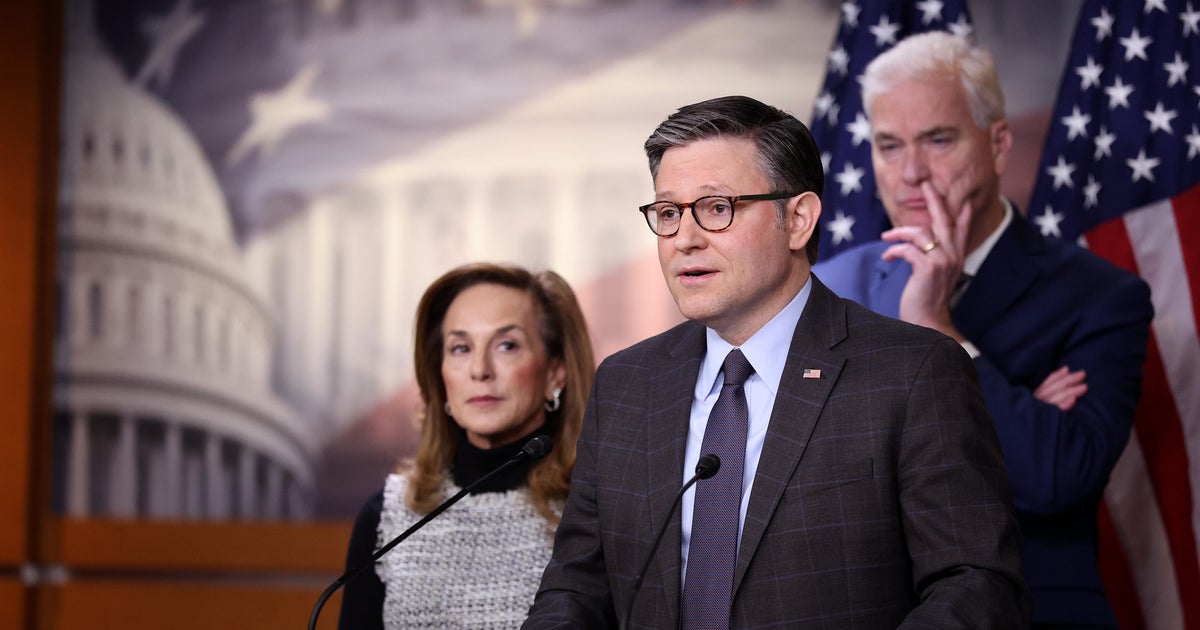
Speaker Mike Johnson argued that voting should require ID like many other activities.
Democrats argue the bill could prevent eligible voters from participating.
Read the Original
Want the full story? Tap a source to open the original
article.
President Trump has directed the Pentagon to buy electricity from coal-fired power plants. This decision aims to support the coal industry but has faced criticism from environmental groups concerned about higher energy costs and environmental impacts.
Key Facts
President Trump signed an executive order for the Pentagon to purchase electricity from coal plants.
The Department of Energy also announced $175 million for projects to extend the life of coal plants.
The Tennessee Valley Authority decided to keep two coal plants operational that were planned for closure.
The goal is to ensure a reliable and resilient power grid for military operations.
Critics argue that this move will raise electricity costs and support a declining energy source.
Environmental groups advocate for a focus on renewable energy sources instead.
Coal currently supplies about 16% of U.S. electricity.
Read the Original
Want the full story? Tap a source to open the original
article.
Newsweek and data research firm Statista have announced their "America’s Best Children’s Hospitals 2026" rankings to help families choose hospitals with high-quality pediatric care. The rankings are based on a survey of medical professionals who work with children in various healthcare roles.
Key Facts
Newsweek collaborates with Statista to rank the best children's hospitals in the U.S. for 2026.
The rankings aim to guide families in selecting hospitals with top pediatric care.
The survey includes feedback from neonatal doctors, pediatricians, and other pediatric healthcare workers.
There is a trend of fewer U.S. hospitals offering comprehensive pediatric services.
The survey for the hospital ranking will stay open until March 12, 2026.
Read the Original
Want the full story? Tap a source to open the original
article.
The U.S. House of Representatives passed a bill to remove President Donald Trump's tariffs on Canada, with some Republicans joining Democrats in the vote. The bill received 219 votes in favor and now goes to the Senate, although it faces a likely veto from President Trump. The tariffs are unpopular with voters, who blame them for higher prices.
Key Facts
The House voted 219-211 to remove tariffs on Canada imposed by President Trump.
Some Republicans joined Democrats, breaking from Trump's administration.
The bill now goes to the Senate, which had previously passed similar measures.
President Trump is expected to veto the bill if it passes the Senate.
Overcoming a presidential veto requires a two-thirds majority in Congress.
Polls show that most Americans disapprove of Trump's tariffs, linking them to higher prices.
The Supreme Court is reviewing the legality of Trump's tariffs.
The U.S. is approaching midterm elections, influencing political decisions in Congress.
Read the Original
Want the full story? Tap a source to open the original
article.
Representative Thomas Massie from Kentucky often acts independently from his Republican colleagues, creating challenges for House Speaker Mike Johnson, who has a slim majority. Massie frequently votes against measures supported by his party, leading to efforts by President Trump and others to unseat him.
Key Facts
Rep. Thomas Massie frequently votes against his party's majority, making it difficult for Speaker Mike Johnson to secure votes.
The Republican majority in the House stands at 218-214, allowing only one defection on party-line issues.
Massie recently voted to end a blockade on challenging tariffs, disagreed with Attorney General Pam Bondi, and voted against the SAVE America Act.
President Trump and his political team are actively working to unseat Massie.
Massie led efforts to release the Epstein files, which was against party leadership.
Trump and others often attack Massie on social media, yet Massie uses these attacks to raise campaign funds.
House Speaker Mike Johnson has not publicly endorsed Massie and finds it difficult to influence his voting.
Despite opposition, Massie maintains that his fiscal conservative stance appeals to a significant portion of Republicans.
Read the Original
Want the full story? Tap a source to open the original
article.
The U.S. House of Representatives voted to overturn President Donald Trump's tariffs on Canadian goods, with six Republicans joining Democrats in this decision. The resolution still needs approval from the U.S. Senate and President Trump, who has strongly opposed removing the tariffs. The decision is unlikely to become law as President Trump has stated his intent to maintain these tariffs for economic and security reasons.
Key Facts
The vote was 219 to 211 in the U.S. House of Representatives.
Six Republican lawmakers voted with Democrats to support rescinding the tariffs.
President Trump imposed these tariffs last year and has threatened further tariffs due to Canada's trade deal with China.
The resolution now moves to the U.S. Senate, where Republicans also have the majority.
President Trump has stated on Truth Social that Republicans who oppose the tariffs may face consequences in elections.
Democrats argue that the tariffs harm U.S. economic relationships and increase domestic prices.
The legal authority of Trump's tariffs is being challenged in the U.S. Supreme Court.
The resolution was introduced by Democrat Gregory Meeks, who plans further measures to address Trump's tariffs on other countries.
Read the Original
Want the full story? Tap a source to open the original
article.
The House of Representatives approved the SAVE America Act, which requires proof of citizenship to register to vote and photo ID to vote in federal elections. Democrats argue the bill would prevent millions of eligible voters from voting, while Republicans say it protects election integrity.
Key Facts
The House voted 218 to 213 to approve the SAVE America Act, with one Democrat joining all Republicans in favor.
The bill requires proof of citizenship, such as a passport or birth certificate, to register to vote.
It also requires voters to show government-issued photo ID when voting.
Republicans say the law prevents noncitizens from voting, though cases of noncitizen voting are very rare.
Democrats worry the bill will stop many eligible voters who lack easy access to these documents from voting.
President Trump supports the bill and wants to end most mail-in voting.
The bill will now go to the Senate, where its future is uncertain due to a high vote threshold.
Senate Democrats, including Chuck Schumer, call the bill extreme and accuse Republicans of trying to suppress voters.
Read the Original
Want the full story? Tap a source to open the original
article.
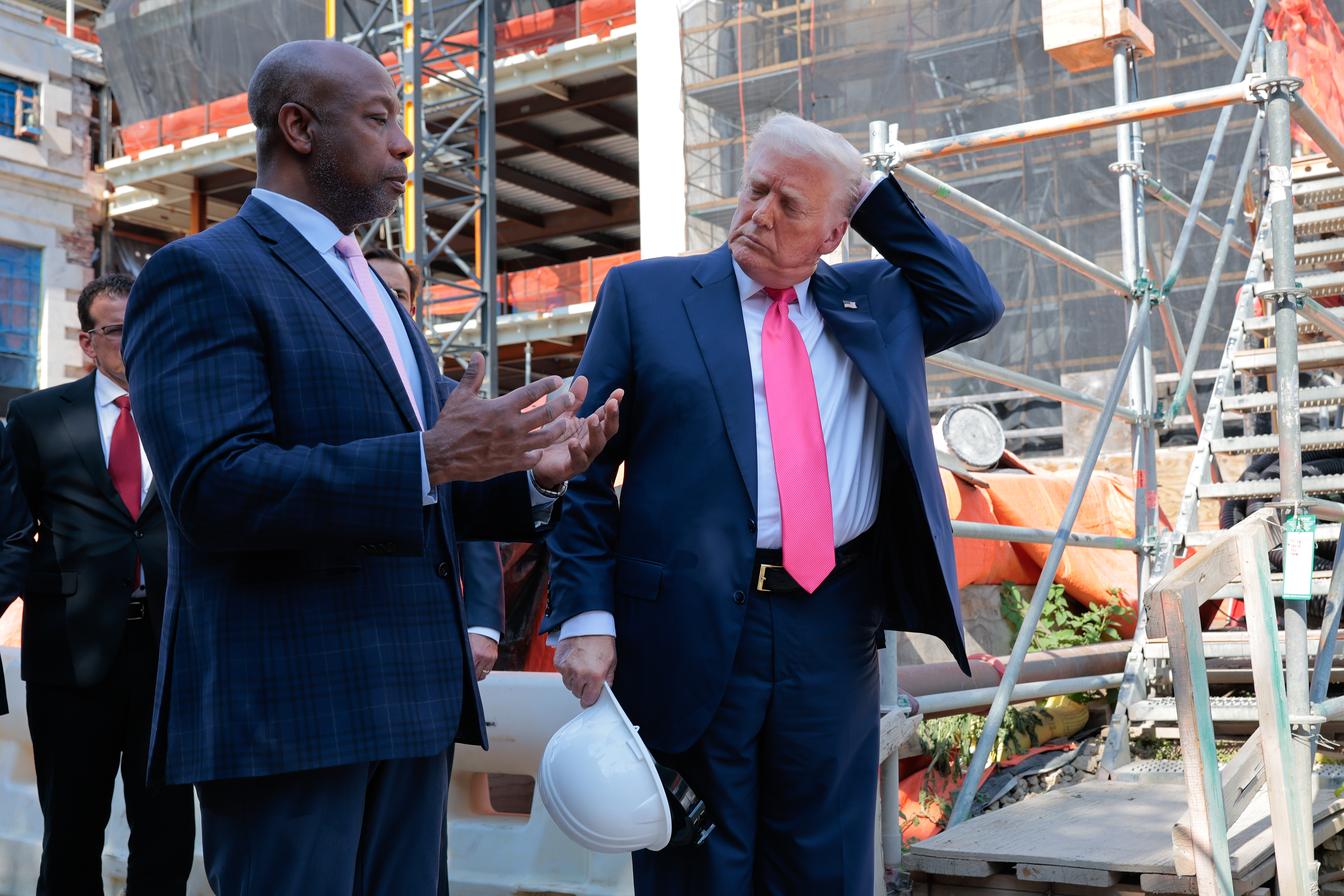
Senator Tim Scott from South Carolina has shown support for Susan Collins, a fellow Republican Senator from Maine, in her campaign to stay in the Senate. This comes after President Trump criticized Collins and following a controversial video posted on Trump's social media account depicting the Obamas negatively. Scott publicly condemned the video and expressed disappointment.
Key Facts
Senator Tim Scott supports Republican Senator Susan Collins in her reelection bid.
President Trump has criticized Collins's previous voting record.
A video posted on Trump's social media depicted Barack and Michelle Obama as apes.
Tim Scott called the video "the most racist thing" he has seen from the White House.
Collins announced her reelection campaign for 2026.
Trump did not apologize for the video when questioned by reporters.
Read the Original
Want the full story? Tap a source to open the original
article.
The Trump administration released data showing foreign funding at U.S. colleges and universities, marking a first-time disclosure. The report highlights over $5.2 billion in foreign gifts and contracts, with significant amounts from countries like Qatar and the UK. This action follows an executive order to increase transparency and national security in higher education.
Key Facts
The Department of Education released foreign funding data for colleges, revealing over $5.2 billion in transactions.
Funding data includes gifts and contracts from countries like Qatar, the UK, Switzerland, and others.
President Trump issued an executive order enforcing colleges to report foreign funding.
Four universities, including Harvard and the University of Pennsylvania, are under investigation for reporting issues.
The data release is part of efforts to protect academic integrity and U.S. national security.
Universities must report foreign gifts and contracts worth $250,000 or more.
There are concerns that the origin of some donations may not be fully clear due to complex reporting.
Read the Original
Want the full story? Tap a source to open the original
article.
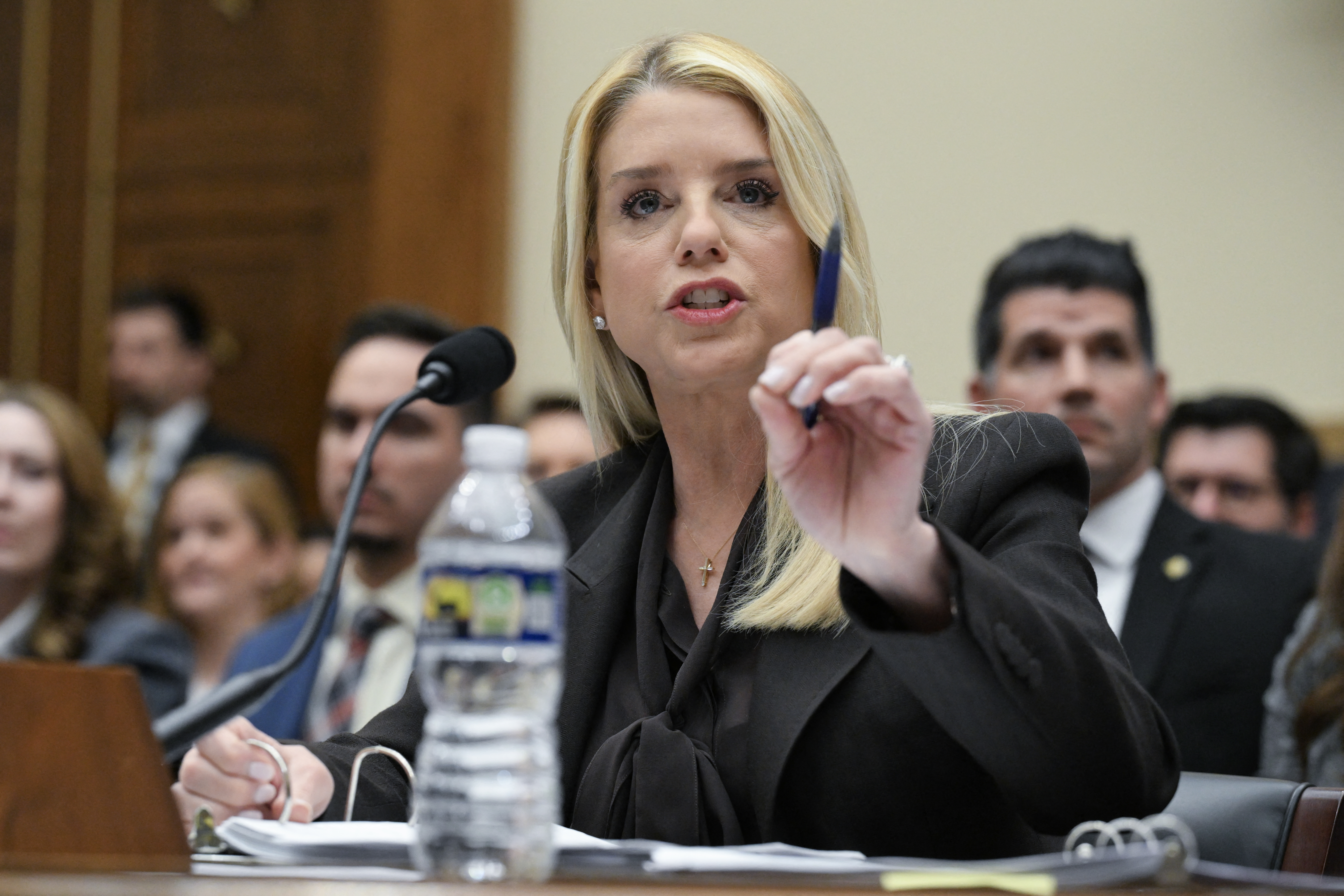
Democratic Representative Jamie Raskin said his party might issue a subpoena to U.S. Attorney General Pam Bondi if they win back control of Congress after the 2026 midterm elections. This comment followed a heated hearing where Bondi did not directly answer questions about the handling of the Jeffrey Epstein files by the Justice Department. The discussion highlighted concerns over possible improper redactions and exposure of victims' identities in the files.
Key Facts
Jamie Raskin, a Democratic U.S. Representative, said his party could subpoena Attorney General Pam Bondi if they regain Congress control in 2026.
The issue arose from a House Judiciary Committee hearing on the handling of Jeffrey Epstein's files.
During the hearing, Bondi avoided answering questions about file redactions and prosecutions.
Raskin emphasized the importance of having subpoena power in Congress to ensure accountability.
The Epstein files reportedly had improper redactions that lawmakers and survivors criticized.
Representative Thomas Massie accused the Justice Department of breaking the law with the redactions.
Bondi and Raskin exchanged heated remarks during the hearing.
Read the Original
Want the full story? Tap a source to open the original
article.
On the biggest stories we show what the outlets agree on and where they differ. Readers keep that going, and get the daily digest by email every morning. Most choose $3.99/month.
A group of House Republicans joined most Democrats in a vote to overturn President Trump's tariffs on Canada. This shows some Republicans disagreeing with President Trump's approach to tariffs.
Key Facts
Six House Republicans voted with Democrats to overturn tariffs on Canada.
The vote count was 219 in favor and 211 against.
President Trump used social media to warn Republicans against opposing tariffs.
House Speaker Mike Johnson had previously blocked votes on tariffs.
The measure will next go to the Senate for voting.
The measure needs a simple majority in the Senate but may be vetoed by President Trump.
House Democrats plan to propose more votes against Trump's tariffs, including on Mexico.
Read the Original
Want the full story? Tap a source to open the original
article.
Nancy Guthrie, the mother of news anchor Savannah Guthrie, was abducted from her home in Tucson, Arizona, over a week ago. The FBI and local police are actively searching for her, using sniffer dogs and sharing video footage of a masked figure at Nancy's door. A man initially detained has been released, while authorities continue the investigation.
Key Facts
Nancy Guthrie was taken from her Tucson, Arizona, home more than a week ago.
She is the mother of U.S. news anchor Savannah Guthrie.
The FBI is conducting a detailed search of related areas.
Officials released a man they had detained in connection to her abduction.
Police are using sniffer dogs to find clues around her neighborhood.
Video footage shows a masked person at her front door on the day she disappeared.
Read the Original
Want the full story? Tap a source to open the original
article.
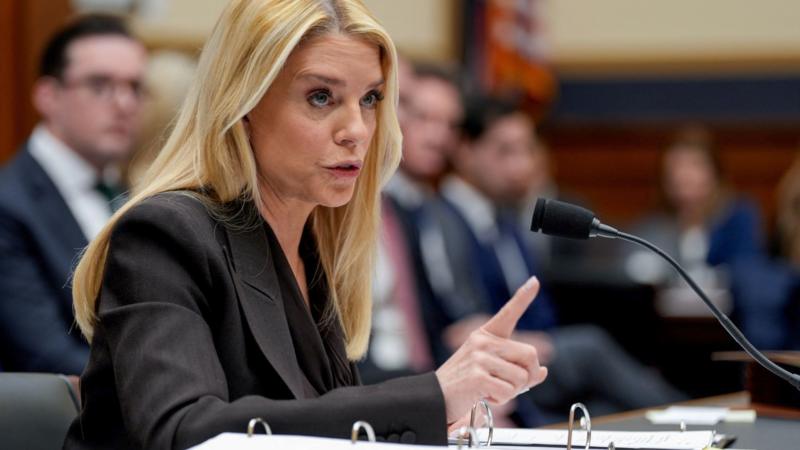
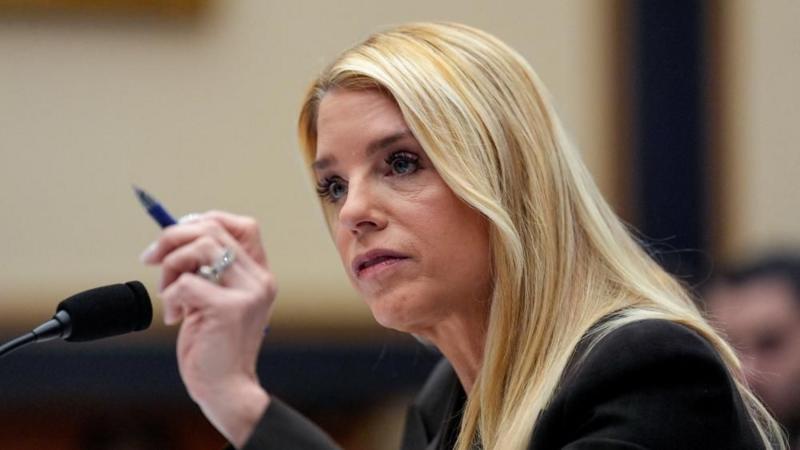
A hearing took place where U.S. Attorney General Pam Bondi defended the Justice Department's handling of Jeffrey Epstein's files. Lawmakers focused on the issue of redacted information and the exposure of victims' identities. The hearing was tense, leading to a walkout by some Democratic lawmakers.
Key Facts
The hearing involved U.S. Attorney General Pam Bondi and Jeffrey Epstein's case files.
Lawmakers were upset about the redactions in the documents related to Epstein.
There was criticism towards Bondi for not apologizing to victims whose personal information was revealed.
Victims of Jeffrey Epstein were present at the hearing.
The atmosphere of the session was tense with arguments among participants.
A Democratic lawmaker walked out of the hearing due to the tensions.
Read the Original
Want the full story? Tap a source to open the original
article.
US Attorney General Pam Bondi defended the Justice Department's handling of files related to Jeffrey Epstein during a heated congressional hearing. Lawmakers questioned Bondi about redacted files and raised concerns about the improper release of some victim identities.
Key Facts
Pam Bondi is the US Attorney General.
Bondi testified before the House of Representatives Judiciary Committee about the Justice Department's handling of Epstein investigation files.
The hearing became tense, with some lawmakers and Bondi engaging in arguments.
During the hearing, victims of Epstein's abuse were present and mentioned frequently.
Lawmakers criticized the Justice Department for not fully redacting victim names, which is required by law.
Both Democrats and Republicans expressed concerns over how some names were redacted from the files.
FBI Director Kash Patel stated there was no evidence linking Les Wexner to Epstein's trafficking activities.
The issue of file redactions was discussed in relation to other individuals, including Prince Andrew.
Read the Original
Want the full story? Tap a source to open the original
article.
The article covers the underemployment issue in the United States, focusing on how many workers can't find full-time jobs that match their skills. One example is a man who lost his job in the nonprofit sector due to funding cuts and is now working part-time, earning less than before.
Key Facts
BC Dodge lost his job in the nonprofit sector in late 2024 after layoffs.
He applied for 350 jobs over three months and only had six interviews.
Funding cuts from the federal government affected job availability in nonprofits.
Dodge had to accept a part-time job with lower pay than his previous job.
Underemployment means working fewer hours than desired or in jobs beneath one's skill level.
8% of the U.S. population was underemployed in the period mentioned, a slight increase from previous years.
Tariffs have increased living costs, impacting low-to-middle-income Americans more significantly.
Read the Original
Want the full story? Tap a source to open the original
article.
The Congressional Budget Office (CBO) released a report projecting that U.S. federal deficits and debt will worsen over the next decade. The increased spending on Social Security, Medicare, and debt service is a key driver of this rise in federal debt. The report notes that the deficit for the fiscal year 2026 will be higher than earlier projections.
Key Facts
The CBO projects U.S. federal deficits and debt will increase over the next ten years.
Key spending areas contributing to this rise include Social Security, Medicare, and debt service payments.
The deficit for fiscal 2026 is expected to be about 5.8% of GDP, similar to 2025.
On average, the deficit-to-GDP ratio over the next decade will be 6.1%.
President Donald Trump endorsed measures like the “One Big Beautiful Bill Act,” affecting fiscal projections.
Tariffs raised federal revenue but also increased inflation concerns between 2026 and 2029.
Total deficits from 2026 to 2035 are projected to be $1.4 trillion higher than earlier predictions.
Debt is expected to rise from 101% of GDP to 120%, exceeding past highs.
Read the Original
Want the full story? Tap a source to open the original
article.
That's the point of this site, and readers keep it that way. Support for any amount and the daily digest lands in your inbox every morning at 7am Eastern.
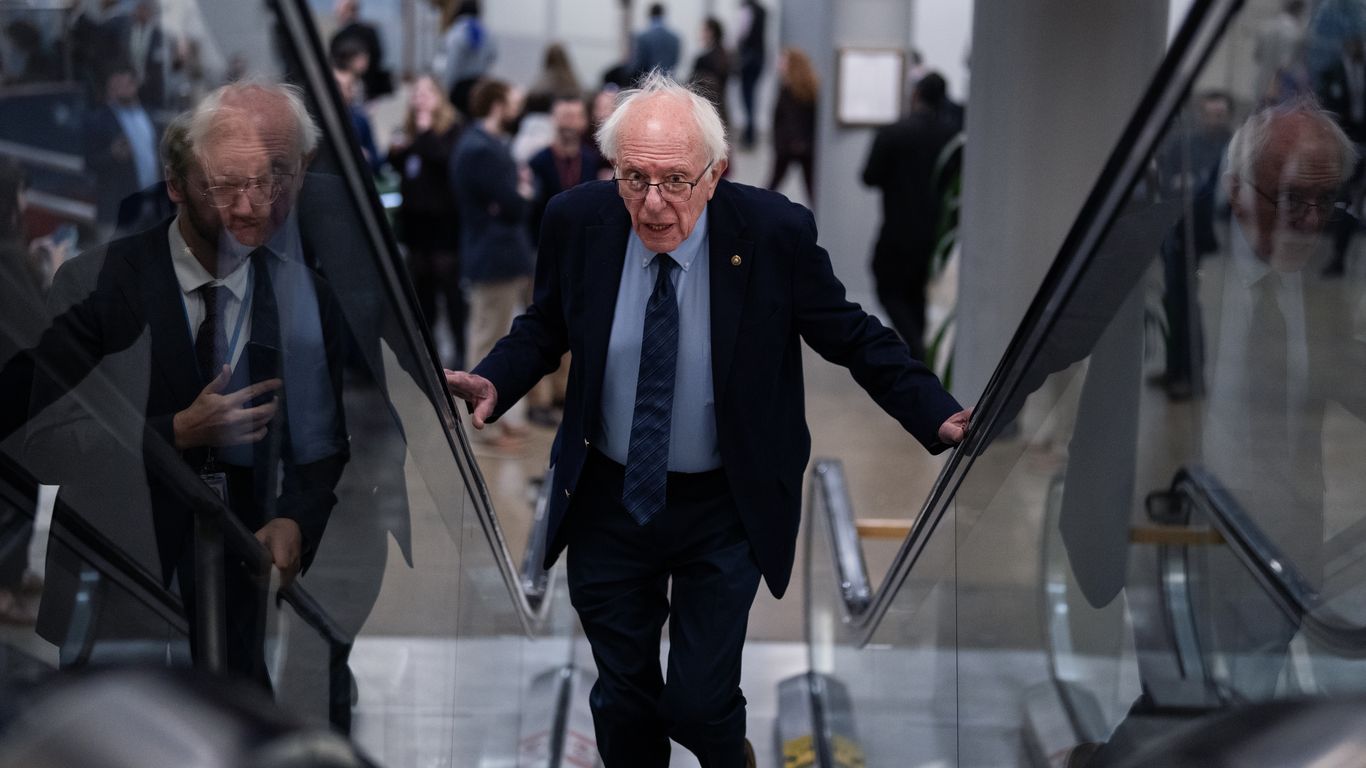
Senator Bernie Sanders is encouraged by a progressive win in a New Jersey primary and is planning to support more progressive candidates in upcoming elections. Sanders has endorsed several candidates for the House and Senate who aim to change the Democratic Party's direction. His goal is to push progressive values and possibly achieve more electoral victories.
Key Facts
Bernie Sanders is supporting progressive candidates in Democratic primaries.
A recent surprise win in New Jersey by Analilia Mejia has energized progressive efforts.
Mejia narrowly defeated Tom Malinowski, despite heavy spending against her.
Sanders endorses several other candidates, including Nida Allam in North Carolina.
Endorsed candidates include those running for House and Senate seats across various states.
The endorsed candidates share goals of challenging large corporations and advocating for working families.
Mejia's campaign faced significant financial opposition but still managed to secure a win.
Read the Original
Want the full story? Tap a source to open the original
article.
A high school student in the U.S. is upset because his Spanish teacher calls him by the Spanish version of his nickname. The student prefers to be called by his usual nickname in class, but the teacher insists on using the Spanish translation as part of the language learning experience.
Key Facts
The student's name is John Paul, and he prefers to be called J.P.
In Spanish class, the teacher calls him "Hota Pay," the Spanish pronunciation of his initials.
The student found the name funny at first but now finds it annoying.
The teacher believes using the Spanish version is part of teaching language.
The student asked the teacher to use the nickname J.P., but the teacher refused.
Discussion on Reddit included opinions about cultural practices in language classes.
The student shared his experience on Reddit to gather others' thoughts.
Newsweek attempted to reach out to the student but could not verify the details of the case.
Read the Original
Want the full story? Tap a source to open the original
article.