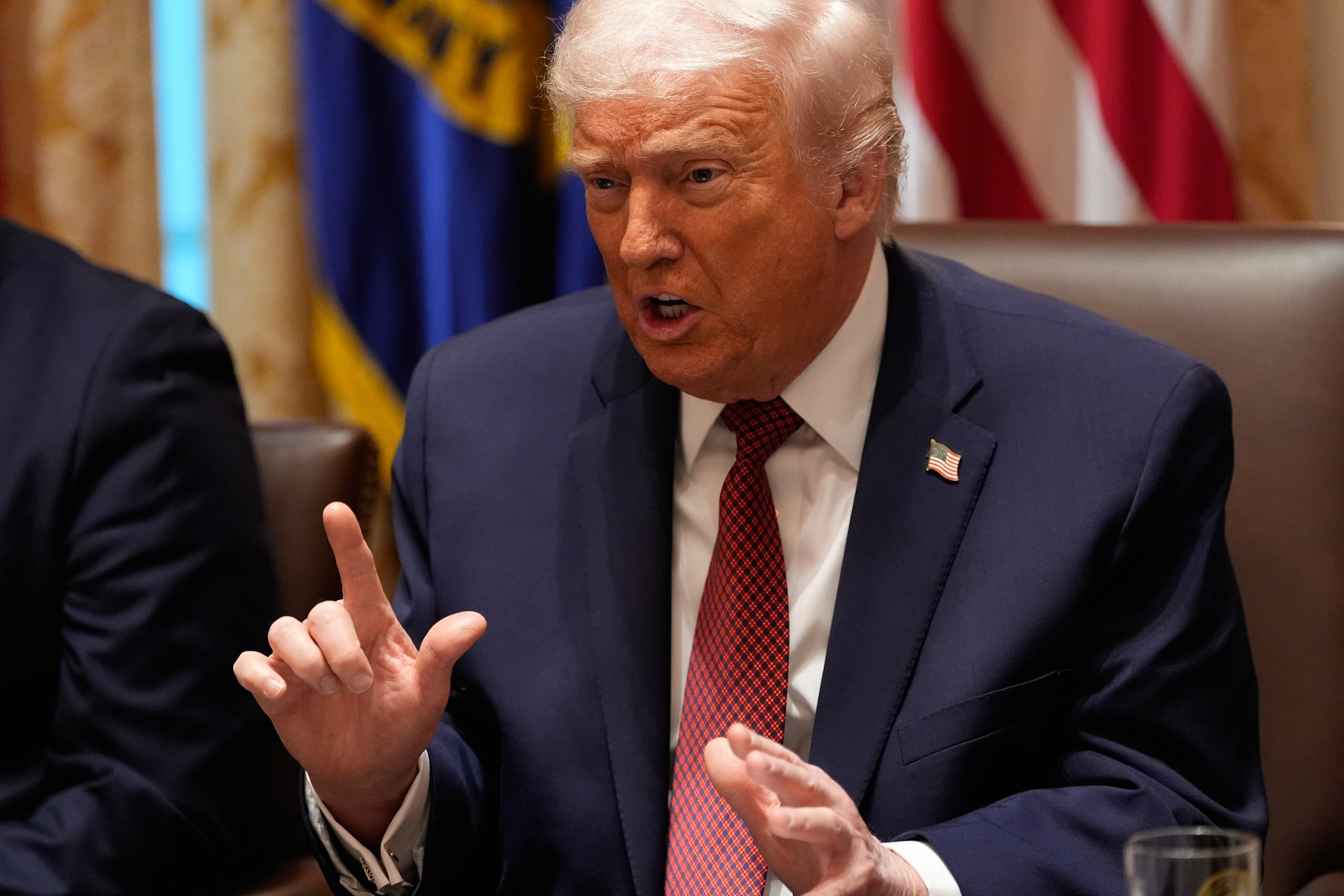
On Thursday, the U.S. House of Representatives voted to repeal an executive order by President Donald Trump that limits union rights for certain federal workers. This decision advanced the Protect America's Workforce Act with a vote of 232-194, including support from 22 Republicans. The measure will now be sent to the Senate for consideration.
Key Facts
The U.S. House of Representatives voted 232-194 on the bill.
22 Republicans voted to repeal President Trump's executive order.
The executive order restricted union rights in specific federal agencies.
The order affected agencies involved in intelligence and national security.
President Trump argued it was necessary for national security.
The repeal effort is part of the Protect America's Workforce Act.
The bill will now go to the Republican-controlled Senate.
Read the Original
Want the full story? Tap a source to open the original
article.
President Donald Trump claimed he pardoned Tina Peters, a former county clerk in Colorado, for her actions related to the 2020 election. However, governors and legal experts say a president cannot pardon someone convicted under state law.
Key Facts
President Trump announced he pardoned Tina Peters for her actions in the 2020 presidential election.
Tina Peters is a former clerk from Mesa County, Colorado, involved in tampering with voting and records equipment.
Peters was sentenced to 8.5 years in prison and six months in jail for her actions.
Trump stated he had intentions to free Peters despite having no power over state-level convictions.
Colorado's Governor and Attorney General clarified that a president cannot pardon state convictions.
Tina Peters was convicted on seven charges, including four felonies.
The Justice Department plans to review Peters' case to boost her federal appeal chances.
Read the Original
Want the full story? Tap a source to open the original
article.
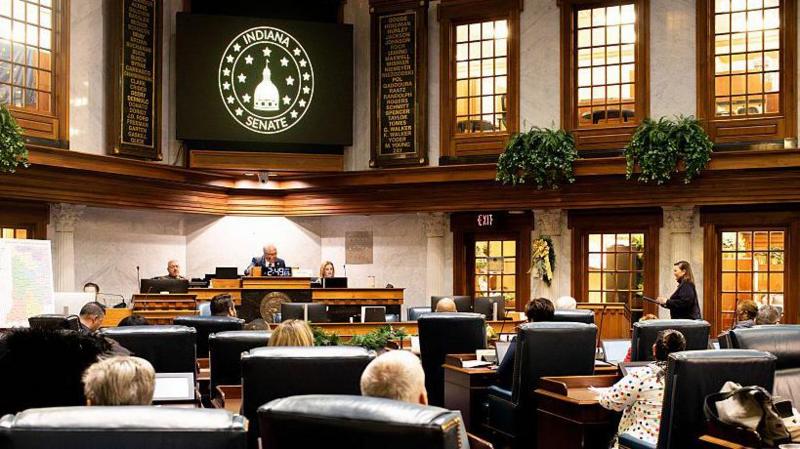
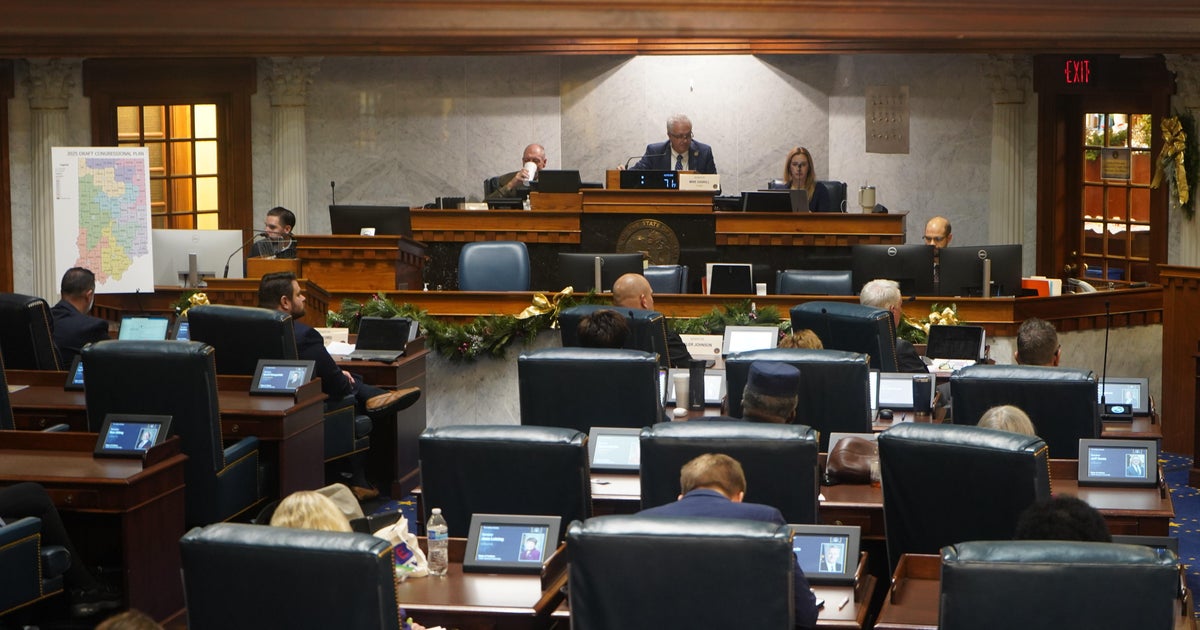
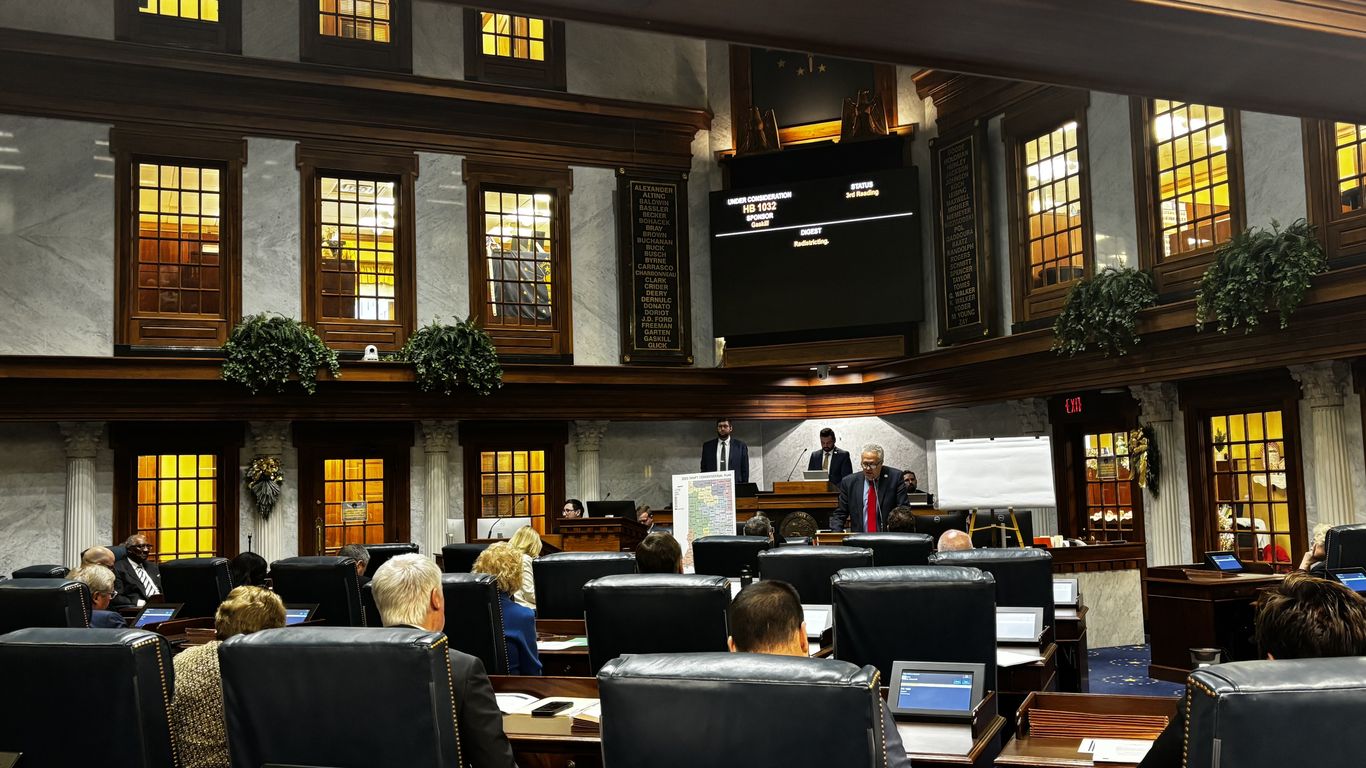
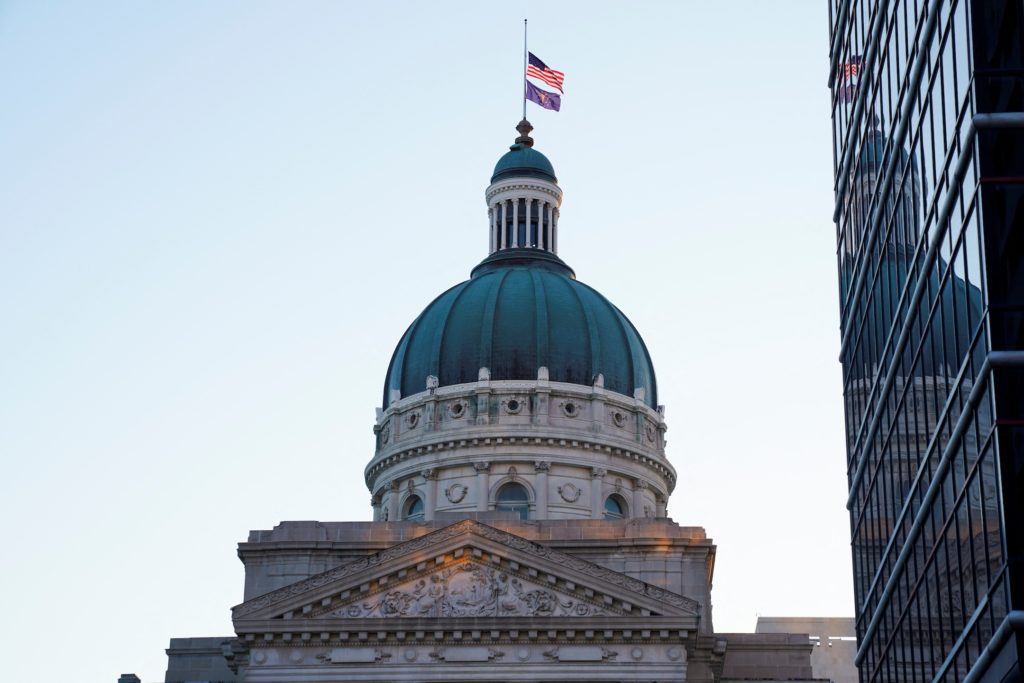
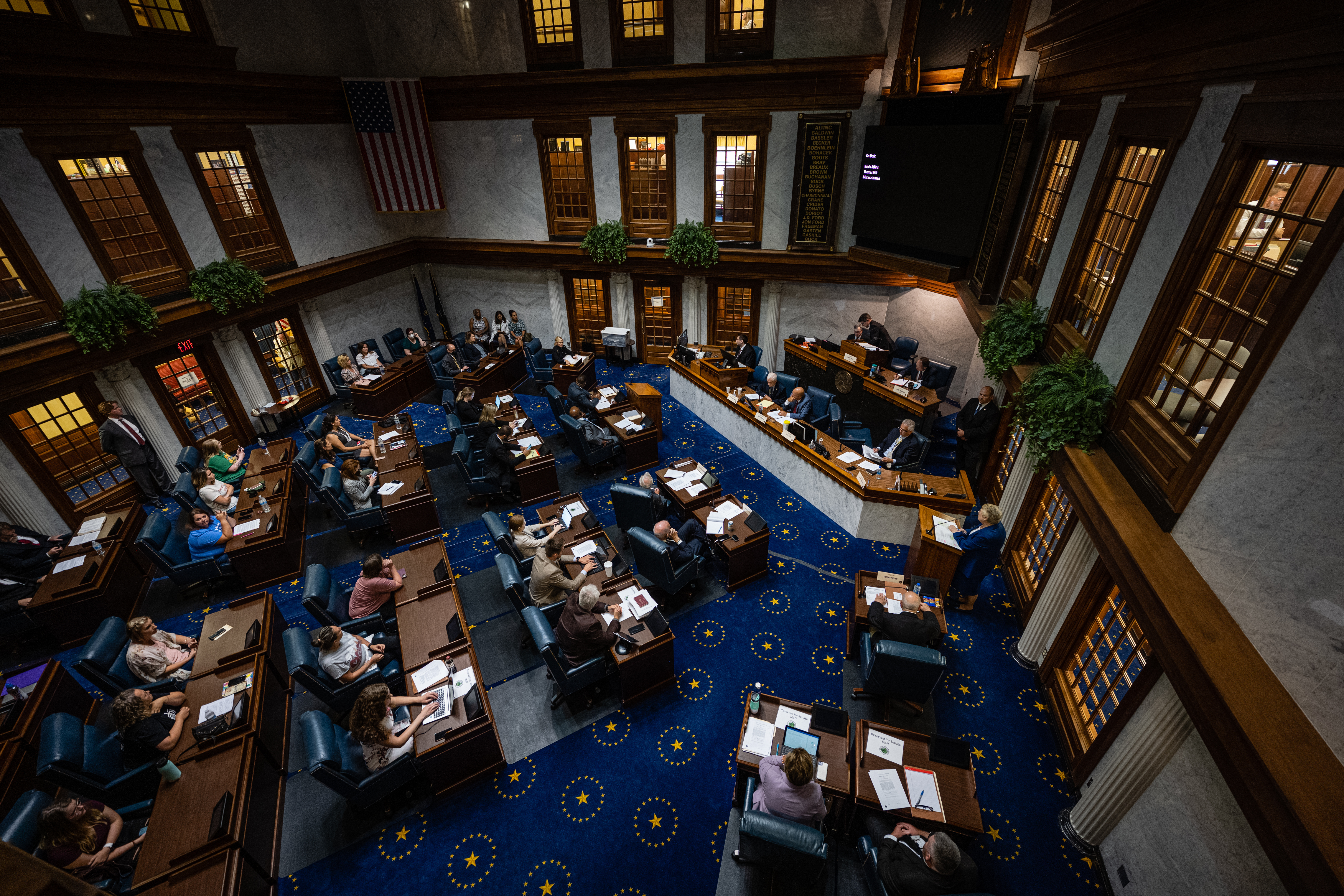
Indiana's state Senate voted against a redistricting bill that aimed to change the state's congressional map. This decision goes against President Donald Trump's efforts to reshape electoral districts ahead of the 2026 midterms. The bill had support from Indiana's Republican Governor and had passed the state's House of Representatives but faced opposition in the Senate, including from some Republicans.
Key Facts
Indiana's state Senate voted 31 to 19 against a redistricting bill to change congressional districts.
President Trump wanted Indiana's map redrawn to favor Republican candidates ahead of the 2026 midterms.
Indiana has consistently voted Republican in presidential elections since 1968, except in 2008 for Barack Obama.
Despite a Republican majority, 21 Republican state Senators did not support the redistricting bill.
The proposed map aimed to help Republicans win all nine of Indiana's congressional seats.
Indiana currently has nine congressional districts, with two represented by Democrats.
The proposed bill had passed Indiana's House of Representatives with a vote of 57 to 41.
Governor Mike Braun supported the bill and encouraged the state Senate to pass it.
Read the Original
Want the full story? Tap a source to open the original
article.
President Trump is considering reducing federal restrictions on marijuana by reclassifying it as a less dangerous drug. This change could make it easier to research marijuana and benefit cannabis companies with tax breaks. Although a final decision hasn't been made, there is increasing support for the reclassification.
Key Facts
President Trump might reclassify marijuana to make it less restricted under federal law.
The current status of marijuana is the same as heroin, but it could be changed to a less dangerous category.
The reclassification would help with medicinal research and provide tax benefits to cannabis companies.
A White House official stated that no final decision is made yet.
Public support for marijuana legalization has grown, with a recent Gallup poll showing 64% in favor.
The pro-cannabis lobby, including some companies, has been financially backing Trump.
Trump's administration is reviewing public support survey figures on marijuana reclassification.
This move would not make marijuana legal for recreational use across the U.S., but individual states have their own laws.
Read the Original
Want the full story? Tap a source to open the original
article.
A federal judge ruled that President Trump's administration acted unlawfully when it ended a program meant to help communities prepare for natural disasters. The Building Resilient Infrastructure and Communities (BRIC) program aims to reduce risks and enhance recovery efforts from disasters. The decision followed a lawsuit from 20 states.
Key Facts
A federal judge found President Trump's administration unlawfully ended the BRIC program.
The BRIC program is designed to help communities prepare for natural disasters.
US District Judge Richard Stearns issued the ruling.
20 states, mostly Democratic-led, filed a lawsuit against ending the program.
Judge Stearns stated the action was an unlawful executive move that should be decided by Congress.
FEMA had approved about $4.5 billion in grants for almost 2,000 projects with BRIC.
The program focuses on preventing disaster impacts, especially important as climate change increases severe weather events.
President Trump initially wanted to end FEMA but instead plans to reform it after receiving pushback from lawmakers.
Read the Original
Want the full story? Tap a source to open the original
article.
Ghanaianway Restaurant and Grocery LLC is recalling almost 6,000 pounds of salted lamb products because they lack federal inspection marks, according to the USDA’s Food Safety and Inspection Service. The products were sold in seven states, and consumers are advised not to eat them and to return or discard them. So far, there have been no reported illnesses linked to the recall.
Key Facts
The recall involves nearly 6,000 pounds of fresh salted lamb.
The problem is due to missing federal inspection marks.
The products were made between March 11, 2025, and December 3, 2025.
They are packed in 15-pound boxes with a label reading “GHANAIANWAY AFRICAN FOODS SALTED LAMB (KOOBI).”
Affected products were sent to stores and restaurants in Massachusetts, Minnesota, Connecticut, Maryland, New Jersey, New York, and Pennsylvania.
No illnesses related to the products have been confirmed.
Consumers are told not to eat the lamb and to return or throw it away.
The issue was found during routine USDA inspection activities.
Read the Original
Want the full story? Tap a source to open the original
article.
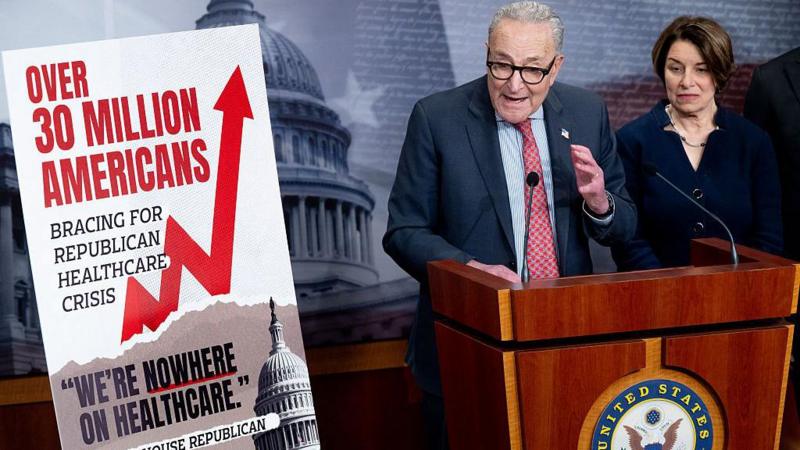
The U.S. Senate failed to pass bills that would continue healthcare subsidies, also known as Obamacare subsidies, meaning costs might go up for millions at the end of the year. Both Democratic and Republican bills did not get enough votes. The issue is significant because a lot of people support keeping these subsidies, and it will likely be a key topic in the upcoming elections.
Key Facts
The Senate didn't pass two different bills to continue healthcare subsidies.
The subsidies are extra tax credits that help people pay for health insurance.
Without these subsidies, insurance costs might more than double.
More than 24 million people have health insurance through Obamacare.
Both the Democratic and Republican bills failed to get 60 votes.
The issue is causing disagreements among Republicans.
A large majority of Americans want the subsidies to continue.
The debate over these subsidies could be important in the next congressional elections.
Read the Original
Want the full story? Tap a source to open the original
article.
Indiana's Senate rejected a proposed voting map after some Republican lawmakers joined Democrats in opposition. President Trump supported the map, which would have given Republicans an advantage in the 2026 elections, but it was voted down in the state's Senate.
Key Facts
Indiana Senate voted against a proposed voting map meant to favor Republicans.
The map aimed to give Republicans an advantage in two extra seats for the 2026 elections.
President Trump supported the map and pressured lawmakers for its approval.
Indiana Republicans resisted, citing a commitment to conservative principles.
The vote was 19 in favor and 31 against the proposed map.
President Trump used social media to warn Republicans who opposed the map.
Trump and Vice-President JD Vance actively lobbied Indiana lawmakers.
Read the Original
Want the full story? Tap a source to open the original
article.
Indiana Senate Republicans failed to pass a bill to redraw election district lines, despite pressure from President Donald Trump and GOP leaders. The bill was meant to reduce Democratic seats but was rejected by a vote of 31 to 19, even though Republicans hold a majority in the Senate.
Key Facts
The bill aimed to redraw Indiana’s congressional districts to reduce the number of Democrats.
The vote was 19 in favor and 31 against the redistricting bill in the Indiana Senate.
Republicans hold 40 seats in the Indiana Senate, while Democrats have 10.
President Trump and Indiana’s Republican Governor Mike Braun supported the bill and put pressure on lawmakers.
Lawmakers who opposed the bill received bomb threats and false emergency calls (swatting).
Senate President Rodric Bray opposed the bill and expressed doubt it could pass.
The bill passed the Indiana House but failed in the Senate.
Public testimony showed majority opposition to the bill, with 127 people testifying and only 18 in favor.
Read the Original
Want the full story? Tap a source to open the original
article.
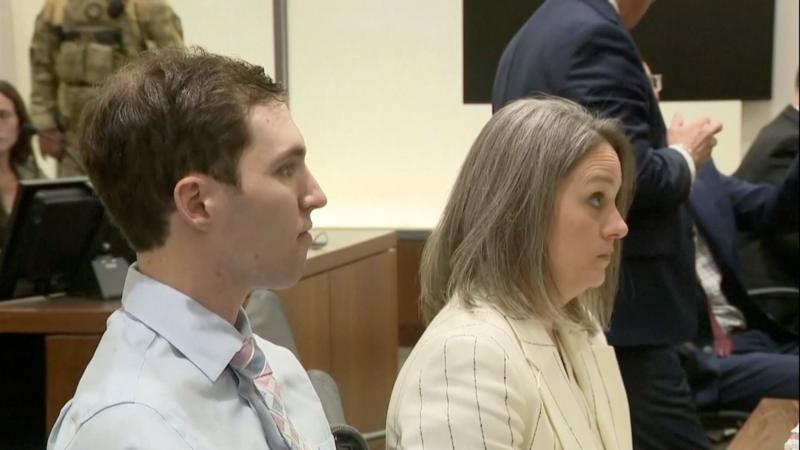
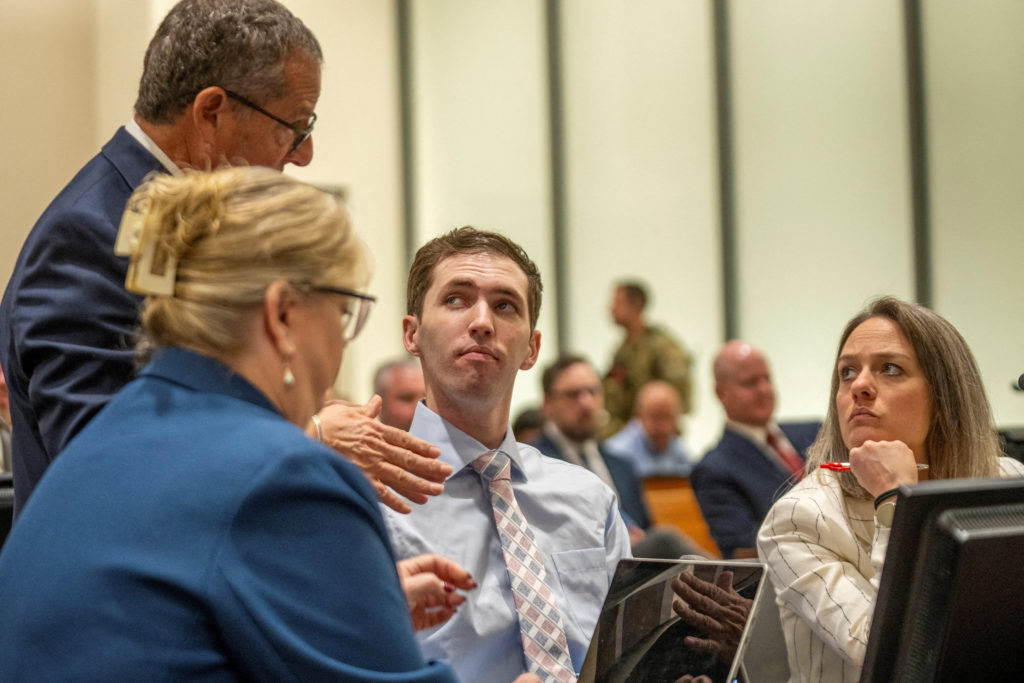
The man accused of killing activist Charlie Kirk appeared in court for the first time. There is debate over whether media should have access to the court proceedings. Tyler Robinson, the suspect, has been charged with aggravated murder and prosecutors are pursuing the death penalty.
Key Facts
Tyler Robinson is accused of killing Charlie Kirk at an event in Utah.
He turned himself in after a manhunt and identified himself to his father.
Robinson has been charged with aggravated murder among other charges.
Prosecutors are aiming to seek the death penalty against Robinson.
A judge is considering whether to allow media access to court proceedings.
Kirk's widow and media organizations are advocating for transparency in the case.
Some court materials from October are currently under review for public release.
The judge has allowed Robinson to wear civilian clothing in hearings to avoid affecting jury perception.
Read the Original
Want the full story? Tap a source to open the original
article.
The Indiana Senate voted against a proposed congressional map that President Trump supported. The map aimed to give Republicans an advantage in all nine of the state's districts. This decision came despite months of pressure from Trump and Republican leadership.
Key Facts
The Indiana Senate voted 31-19 against a new congressional map.
President Trump pushed for the redistricting to favor Republicans.
21 Republicans joined 10 Democrats to reject the proposal.
Senate President Pro Tempore Rodric Bray said there weren't enough votes to pass the map.
Supporters of the redistricting wanted a Republican majority in the U.S. House.
Governor Mike Braun expressed disappointment with the vote against redistricting.
Trump and allies plan to support candidates who back their redistricting efforts.
Several states, including Texas, have undertaken redistricting this year.
Read the Original
Want the full story? Tap a source to open the original
article.
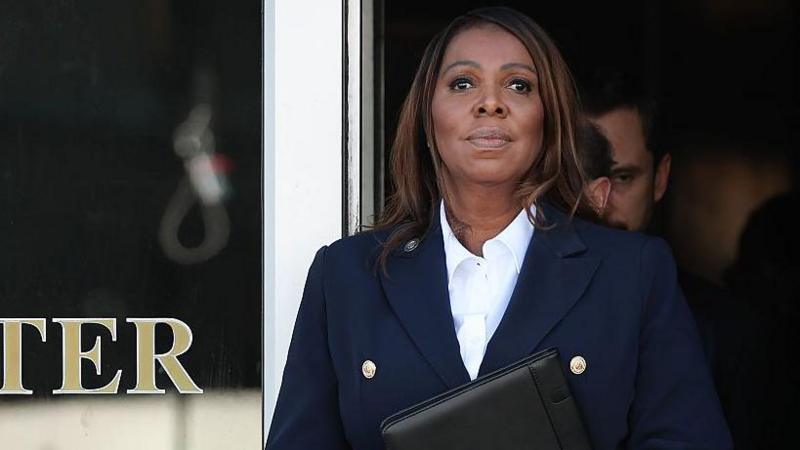
A federal grand jury in Virginia decided not to indict New York Attorney General Letitia James. This is the second time in a week that a grand jury has chosen not to press charges against her, which affects President Donald Trump's efforts to prosecute her.
Key Facts
A federal grand jury in Virginia declined to indict Letitia James.
This is the second grand jury in a week to make this decision.
Letitia James is the New York Attorney General.
The case alleged bank fraud and false statements by James.
A judge dismissed the earlier federal case against her.
The earlier dismissal was due to the prosecutor not being legally appointed by President Trump.
Letitia James had previously brought charges against President Donald Trump.
The federal case against James was described as politically motivated.
Read the Original
Want the full story? Tap a source to open the original
article.
President Donald Trump announced a full pardon for Tina Peters, a former county clerk in Colorado convicted of tampering with voting machines in 2024. Peters was serving a nine-year prison sentence for her involvement in state-level election crimes. The pardon has sparked political debate regarding election integrity and legal accountability.
Key Facts
President Trump granted Tina Peters a full pardon for her actions related to the 2020 presidential election.
Peters was convicted of tampering with voting machines in Colorado and sentenced to nine years in prison.
The case has been a point of contention, with some Republican lawmakers supporting her release.
President Trump criticized Democratic leaders and accused them of ignoring other crimes while focusing on election issues.
Colorado Attorney General Phil Weiser stated that Peters was convicted by a jury and emphasized that no one is above the law in the state.
Peters expressed gratitude for the pardon on social media.
This event is part of ongoing political debates about election security and the rule of law in the U.S.
Read the Original
Want the full story? Tap a source to open the original
article.
President Donald Trump expressed disappointment after Indiana's Senate voted against a plan to change the state’s congressional map. Many Republican senators joined Democrats in opposing the map, which could have increased Republican seats. President Trump suggested he would support challengers against those opposing the plan.
Key Facts
Indiana Senate voted 31-19 against a new congressional map.
President Trump supported the plan to help Republicans keep a majority in the U.S. House after 2026.
Ten Democrats and 21 Republicans opposed the map.
The new map could have added two Republican seats.
President Trump criticized Indiana Senate leader Rodric Bray over the vote.
Trump suggested support for primary challengers against opposing Republicans.
Read the Original
Want the full story? Tap a source to open the original
article.
In a recent vote, nearly two dozen Democrats in the U.S. House joined Republicans to stop a motion to impeach President Trump. The vote was prompted by Representative Al Green, but was ultimately dismissed following a motion led by House Majority Leader Steve Scalise.
Key Facts
A group of 23 Democrats joined 214 Republicans to block an impeachment vote against President Trump.
Representative Al Green pushed for the impeachment motion, citing Trump abusing presidential power.
The House voted 237 to 140 in favor of not going forward with the impeachment motion.
House Majority Leader Steve Scalise proposed the motion to stop the impeachment vote.
In contrast to a previous similar vote, more Democrats supported the motion to stop impeachment this time.
47 Democrats chose to vote "present," showing neither direct support nor opposition.
Discussions about other potential impeachment actions against Trump and certain cabinet officials are ongoing.
Democrat James Walkinshaw suggested investigations and deliberations should precede impeachment attempts.
Read the Original
Want the full story? Tap a source to open the original
article.
U.S. Senators did not pass two health bills aimed at tackling rising health insurance costs. The Democrat-led bill to extend COVID-era health subsidies for three years did not get enough votes, while the Republican bill to offer direct cash to some citizens also failed.
Key Facts
Two health bills aimed at helping with rising insurance costs were rejected by U.S. Senators.
A Democrat-led bill proposed extending COVID-era health subsidies for three more years.
The Democrat bill did not get the needed 60 votes, despite support from all Democrats and four Republicans.
Without the subsidies, health insurance premiums could increase significantly.
A Republican-led bill proposed giving up to $1,500 to certain individuals for their health costs.
The Republican bill included restrictions on how funds could be used, causing opposition.
Rising healthcare costs, combined with increased food and housing expenses, are straining families financially.
Read the Original
Want the full story? Tap a source to open the original
article.
Tyler Robinson has been charged with the murder of conservative activist Charlie Kirk, and he appeared in court for the first time in person. As the case attracts significant media attention, the court is deciding whether to limit media access to ensure a fair trial. Robinson's lawyers have requested to ban cameras in the courtroom, but the judge has not yet made a decision on this request.
Key Facts
Tyler Robinson is charged with aggravated murder for the shooting of Charlie Kirk at Utah Valley University.
Prosecutors are seeking the death penalty against Robinson.
The court is considering whether to limit media coverage due to concerns it could affect Robinson's right to a fair trial.
Judge Tony Graf stopped a court hearing livestream temporarily over concerns about showing Robinson's restraints.
Robinson has been allowed to wear street clothes during hearings but must remain restrained for security reasons.
News organizations argue that open courtrooms are important for public trust and want continued access.
Several students who were near the shooting attended the court hearing for more clarity on the incident.
Read the Original
Want the full story? Tap a source to open the original
article.
The U.S. Senate did not pass two health care bills. As a result, tax credits under the Affordable Care Act (ACA) are likely to end soon, affecting many Americans.
Key Facts
The Senate voted on two different health care bills but did not approve either.
The failure to pass these bills means ACA tax credits may expire by the end of the year.
These tax credits help make health insurance more affordable for many Americans.
Without the credits, millions might face higher health insurance costs.
Lawmakers are going on a recess without reaching an agreement on the issue.
Read the Original
Want the full story? Tap a source to open the original
article.
That's the point of this site, and readers keep it that way. Support for any amount and the daily digest lands in your inbox every morning at 7am Eastern.
Indiana's Senate, controlled by the Republican Party, voted against changing the state's electoral district maps. A grand jury did not charge New York Attorney General Letitia James with mortgage fraud. Additionally, a man named Kilmar Abrego Garcia left a detention center in Pennsylvania by order of a federal judge, and U.S. officials report more cases of measles.
Key Facts
Indiana's GOP-led Senate decided not to change the state's electoral maps.
A grand jury chose not to indict New York Attorney General Letitia James regarding mortgage fraud allegations.
A federal judge ordered Kilmar Abrego Garcia's release from an immigration detention center in Pennsylvania.
U.S. health officials report an increase in measles cases.
The events happened as part of a broader news update on Thursday.
Read the Original
Want the full story? Tap a source to open the original
article.
A group of Republican lawmakers in Indiana voted against a redistricting bill supported by President Donald Trump, which aimed to change how the state's congressional districts are drawn. This bill aimed to increase Republican chances in future elections. The proposal failed due to opposition from both Republicans and Democrats in the state Senate.
Key Facts
Indiana Republican lawmakers voted against a redistricting bill supported by President Trump.
The bill aimed to split Indianapolis into four districts benefiting Republicans.
The Indiana House passed the bill with a 57-41 vote.
The final Senate vote was 19 in favor and 31 against the bill.
A total of 21 Republican senators joined 10 Democrats in opposing the bill.
The bill's failure creates uncertainty in the GOP's future election strategies in Indiana.
President Trump criticized those who voted against the bill, suggesting political consequences.
Indiana Senate Pro Tem Rodric Bray faced criticism from Trump despite his broader Republican support.
Read the Original
Want the full story? Tap a source to open the original
article.