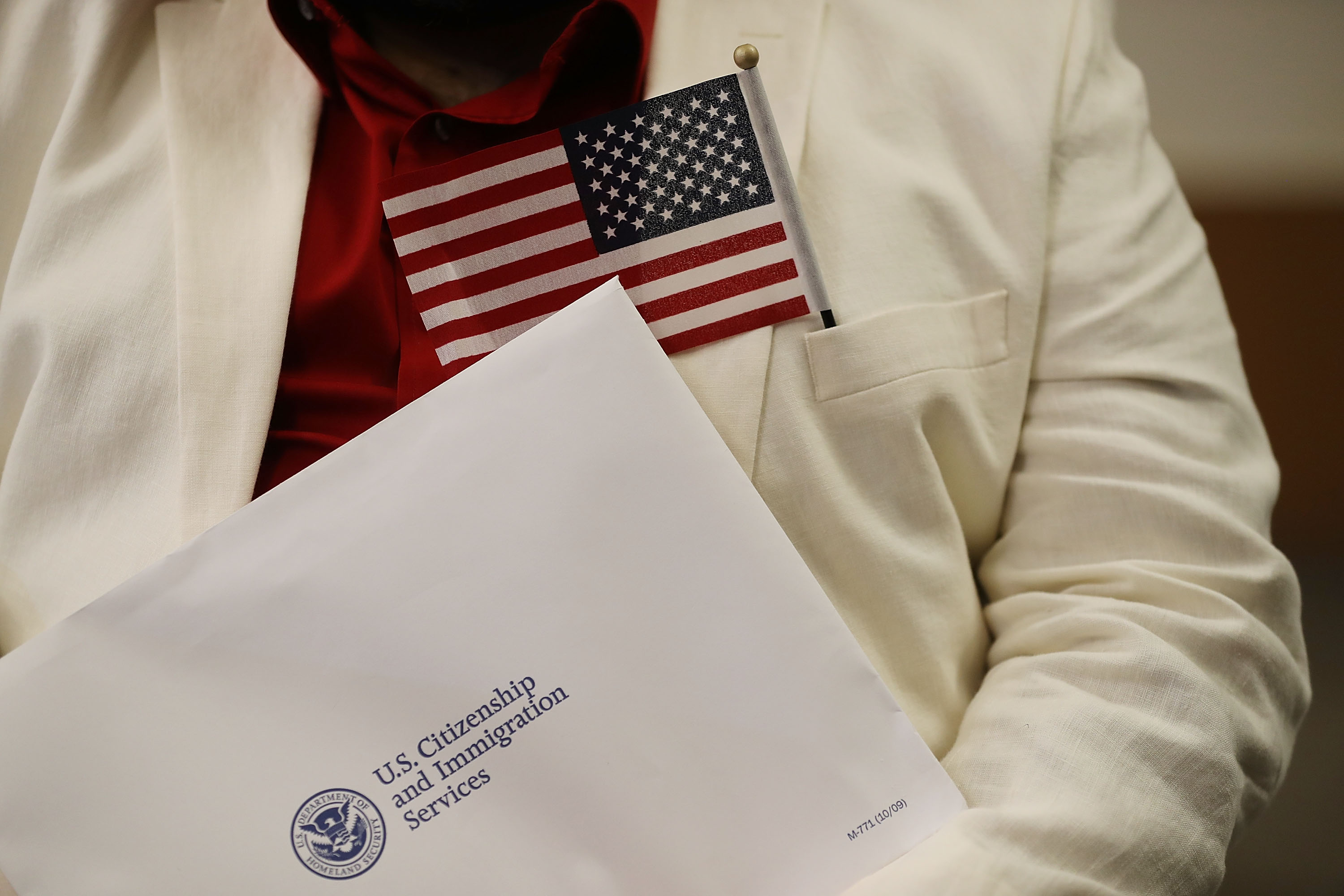
A federal judge issued an order stopping the Trump administration from making mass immigration arrests in Washington, D.C., without a warrant or proof that someone is likely to flee. The judge's decision was in response to a lawsuit arguing that arrests were often happening without legal cause. The court now requires government officers to document their reasons for arrests without a warrant.
Key Facts
A federal judge blocked large-scale immigration arrests in Washington, D.C., without proper legal grounds.
The judge ordered that arrests need a warrant or proof of an immediate flight risk.
The decision responded to a lawsuit by civil liberties and immigrants' rights groups.
These groups claimed that officers were stopping and arresting people without following the law.
The U.S. District Judge Beryl Howell made the ruling and highlighted a lack of adherence to legal standards.
The judge's ruling requires the government to document reasons for any warrantless arrests.
This case is similar to other legal actions in Colorado and California involving immigration arrests.
Administration officials have denied there was a policy of making such arrests without probable cause.
Read the Original
Want the full story? Tap a source to open the original
article.
Missouri Governor Mike Kehoe plans to propose eliminating the state's income tax by 2026. This change might lead to adjustments in other taxes to compensate for lost revenue. The proposal is set to be introduced when lawmakers start filing new bills in December.
Key Facts
Governor Mike Kehoe wants to eliminate Missouri's income tax by 2026.
Missouri's current income tax rate is 4.7%, bringing in about $10 billion or 63% of the state's general revenue.
The proposal may lead to other tax changes, like increasing sales tax, to make up for the loss in income tax revenue.
Only nine U.S. states currently have no income tax.
Missouri House Majority Leader Alex Riley mentioned the plan would be phased over ten years.
Critics argue that removing income tax could favor the wealthy and create budget challenges.
The detailed plan will be presented when lawmakers file new legislation in December.
Governor Kehoe emphasized that the plan aims to let Missourians keep more of their earnings.
Read the Original
Want the full story? Tap a source to open the original
article.
A new survey by the Manhattan Institute found that Millennial Republicans are more likely to identify as racist compared to Baby Boomer Republicans. The survey sampled nearly 3,000 voters, asking about views on racism, antisemitism, and other policy issues. The survey showed that while most Republicans reject openly racist individuals, a significant number of younger Republicans identified with such views.
Key Facts
The survey was conducted by the Manhattan Institute among nearly 3,000 voters.
34% of Republican respondents aged 30 to 49 identified themselves as racist, compared to 3% of those over 65.
Younger Republicans, especially those aged 18 to 29, were more likely to align with racist and antisemitic views.
48% of Republicans said openly antisemitic individuals are not welcome in the party.
The survey included a margin of error of 2% for the general GOP sample.
The Manhattan Institute noted a change in GOP composition with more diverse and left-leaning views among younger members.
Despite these views, the younger group still identifies as Republicans and voted for Donald Trump in 2024.
Read the Original
Want the full story? Tap a source to open the original
article.
The Education Department will soon change how federal student loans are repaid. President Trump signed the One Big, Beautiful Bill Act into law, introducing a significant update to the Income-Based Repayment plan starting in December 2025. Other existing student loan repayment plans will be phased out by 2028.
Key Facts
President Trump signed the One Big, Beautiful Bill Act into law in July 2025.
Starting late December 2025, changes to the Income-Based Repayment (IBR) plan will take effect.
The "partial financial hardship" requirement for IBR will be removed, allowing more people to use it.
Other repayment plans, like PAYE and ICR, will be phased out by July 2028.
A new plan called the Repayment Assistance Plan (RAP) begins on July 1, 2026, with a 30-year loan forgiveness timeline.
From January 2026, forgiven loan amounts under income-driven plans will count as taxable income.
New borrowing limits for federal student loans will start in July 2026.
Parent PLUS loan borrowers must consolidate into the Direct Loan program by July 2026 to keep benefits.
Read the Original
Want the full story? Tap a source to open the original
article.
The U.S. Department of Homeland Security (DHS) has asked citizens to report undocumented immigrants, suggesting this could help with accessing affordable housing. This request happens at a time when the U.S. is facing a significant housing shortage. Experts argue that immigrants are not the main reason for high housing costs.
Key Facts
DHS encouraged citizens to report undocumented immigrants, linking it to getting affordable housing.
The U.S. has a housing shortfall of about two million homes, partly due to under-building.
Almost half of U.S. renters spend more than 30% of their income on housing.
President Trump’s tariffs are mentioned as increasing the cost of living, including housing.
Immigrants make up almost one-third of the U.S. housing workforce.
Studies suggest immigrants contribute to housing demand but have a small impact on overall price growth.
During the pandemic, housing prices increased due to native-born household formation, not immigration.
Immigrants contribute significantly to U.S. housing wealth and the construction workforce.
Read the Original
Want the full story? Tap a source to open the original
article.
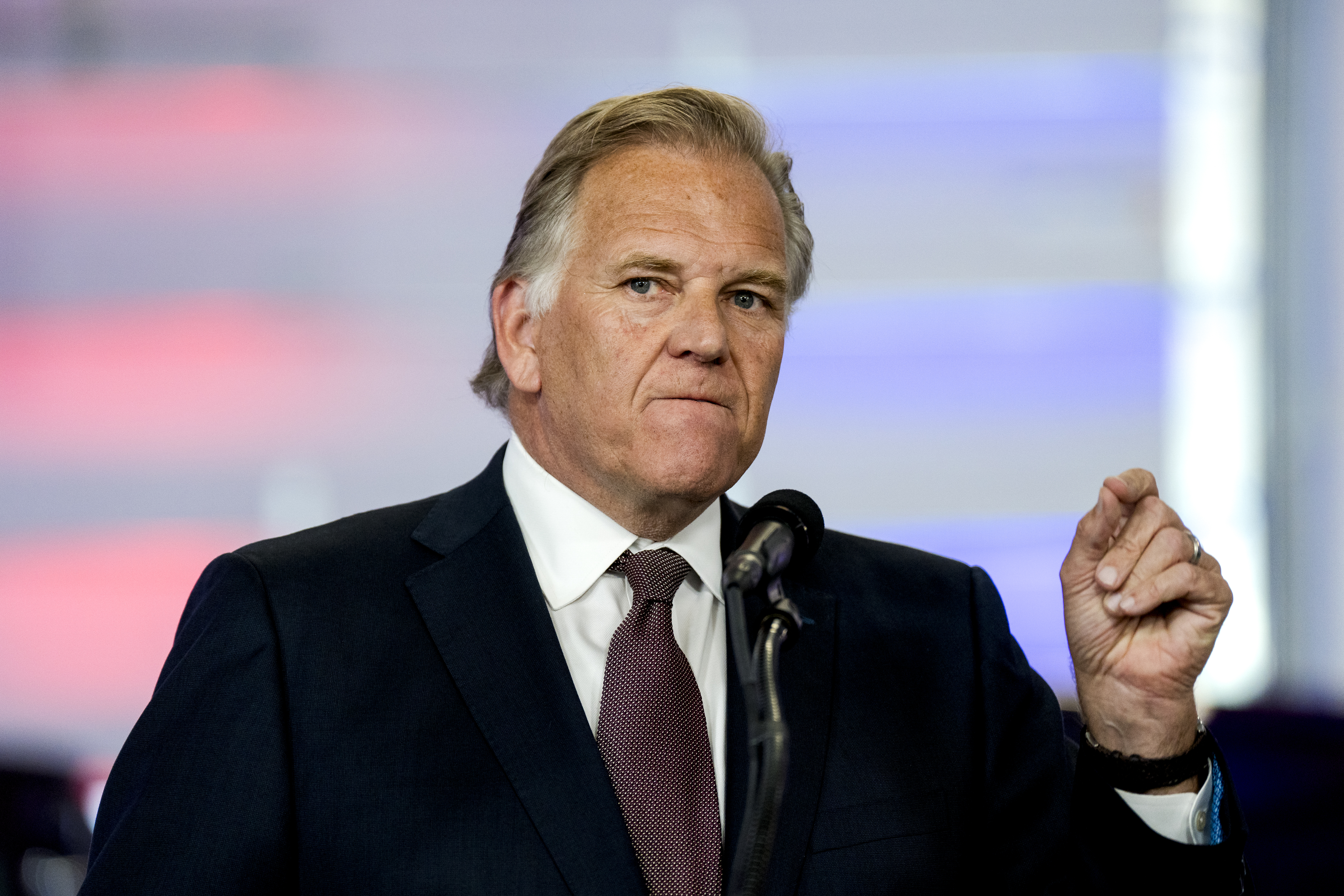
A new poll shows Republican Mike Rogers leading in the race for Michigan's U.S. Senate seat set for the 2026 midterms. The seat became open after Democratic Senator Gary Peters chose not to run again. The poll also indicates Rogers leading over three possible Democratic candidates.
Key Facts
Mike Rogers is running as the Republican candidate for Michigan's U.S. Senate seat.
The seat opened when Democratic Senator Gary Peters decided not to seek reelection.
A poll from Mitchell Research & Communications shows Rogers ahead of three Democratic contenders: Abdul El-Sayed, Mallory McMorrow, and Haley Stevens.
The poll surveyed 616 people between November 18-21, with a margin of error of 3.7 percentage points.
Previous polls indicated Rogers was slightly behind some Democratic opponents.
Michigan is considered a key swing state in U.S. elections.
The 2026 midterm election will impact control of the U.S. Senate, where Republicans currently have 53 seats to the Democrats' 47.
Michigan's primary election is scheduled for August 2026, with the general election in November 2026.
Read the Original
Want the full story? Tap a source to open the original
article.
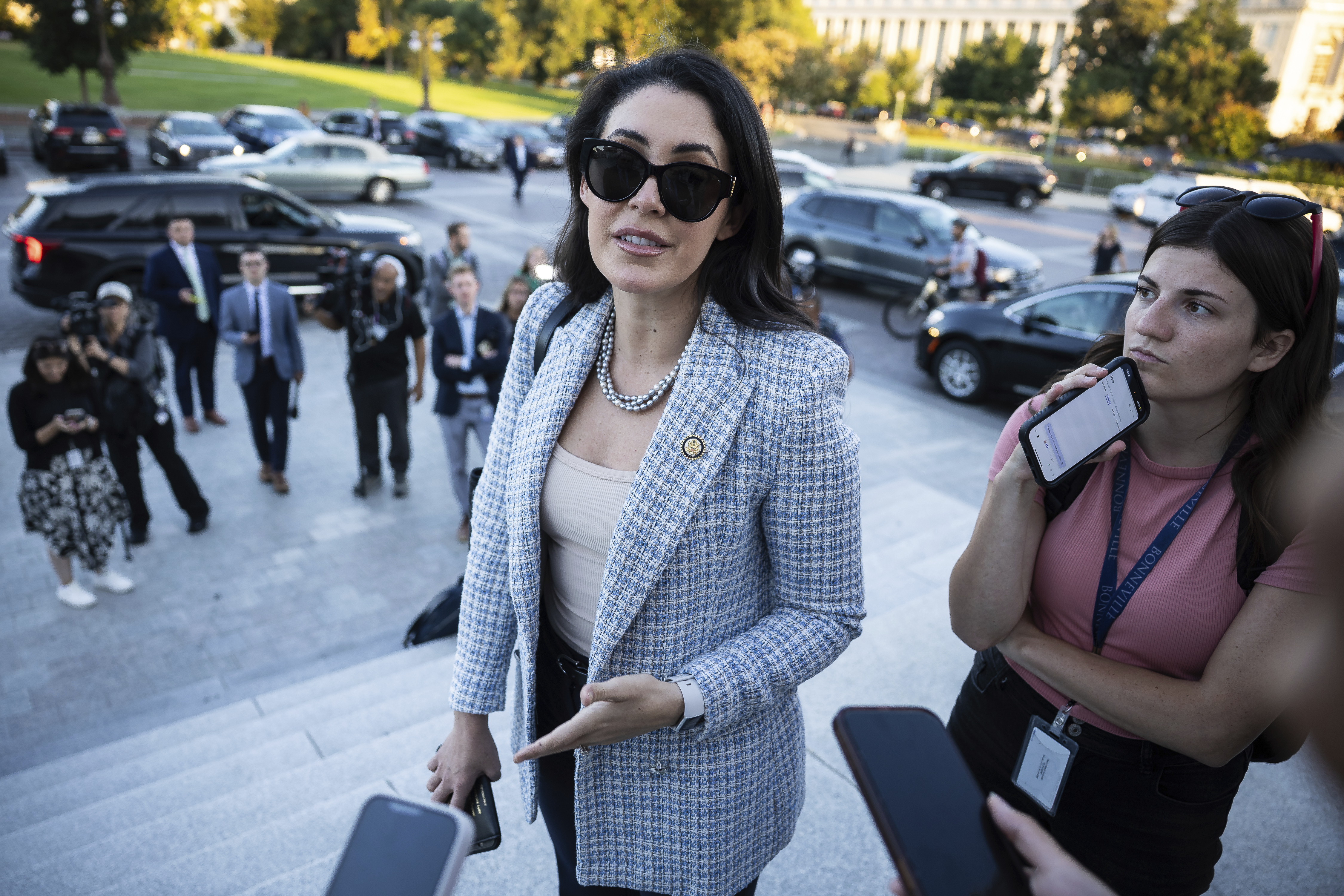
A proposal to ban members of Congress from trading stocks is gaining support from both political parties. Republican Representative Anna Paulina Luna is leading efforts to force a vote on the bill, which aims to prevent potential conflicts of interest by lawmakers. The proposal has backing from over 100 lawmakers and requires 218 signatures to move forward.
Key Facts
A proposal seeks to ban U.S. Congress members from trading stocks.
Republican Representative Anna Paulina Luna filed a petition to push for a vote on this matter.
The bill in question is the Restore Trust in Congress Act, which includes members' families.
If the petition gets 218 signatures, it will force a vote in the House.
The STOCK Act of 2012 allows stock trading with required disclosures, but there's concern about conflicts of interest.
Over 100 lawmakers co-sponsor the bill, showing broad legislative support.
Public surveys show bipartisan support for banning Congressional stock trading.
Luna's actions are partly due to a lack of legislative movement on the issue.
Read the Original
Want the full story? Tap a source to open the original
article.
New Jersey residents who applied for property tax relief under the ANCHOR program will soon receive payments from the state government. The program provides eligible homeowners and renters with direct payments, with most recipients expecting to get their money within 90 days after applying.
Key Facts
The ANCHOR program offers payments to New Jersey homeowners and certain renters.
Homeowners can receive up to $1,750 if they meet income requirements.
Renters with incomes below $150,000 can get a payment of $450.
Seniors who qualify can receive an additional $250 on top of these amounts.
The application deadline was October 31, and the rollout started on September 15.
Payments can be sent via direct deposit or check.
The program aims to help with New Jersey's high property taxes and the overall cost of living.
Read the Original
Want the full story? Tap a source to open the original
article.
President Donald Trump's administration warned 22 states, mostly led by Democrats, that they might lose federal funds for running the Supplemental Nutrition Assistance Program (SNAP) if they do not share information about program recipients. The U.S. Department of Agriculture (USDA) wants data to help prevent fraud but faces opposition from these states over privacy concerns. The federal government covers the cost of SNAP benefits, while states help manage the program.
Key Facts
President Trump's administration warns 22 states they may lose federal SNAP funding.
The USDA asked for information on SNAP recipients, including names and immigration status.
The stated goal is to prevent fraud within the SNAP program.
The USDA threatened to stop administrative funds if states do not comply.
About 42 million Americans use SNAP benefits to purchase groceries.
The federal government pays the full cost of SNAP benefits, while states help with program administration.
Some states, like California and New York, have sued to prevent sharing this data, citing privacy concerns.
28 states have complied and shared the requested data with the USDA.
Read the Original
Want the full story? Tap a source to open the original
article.
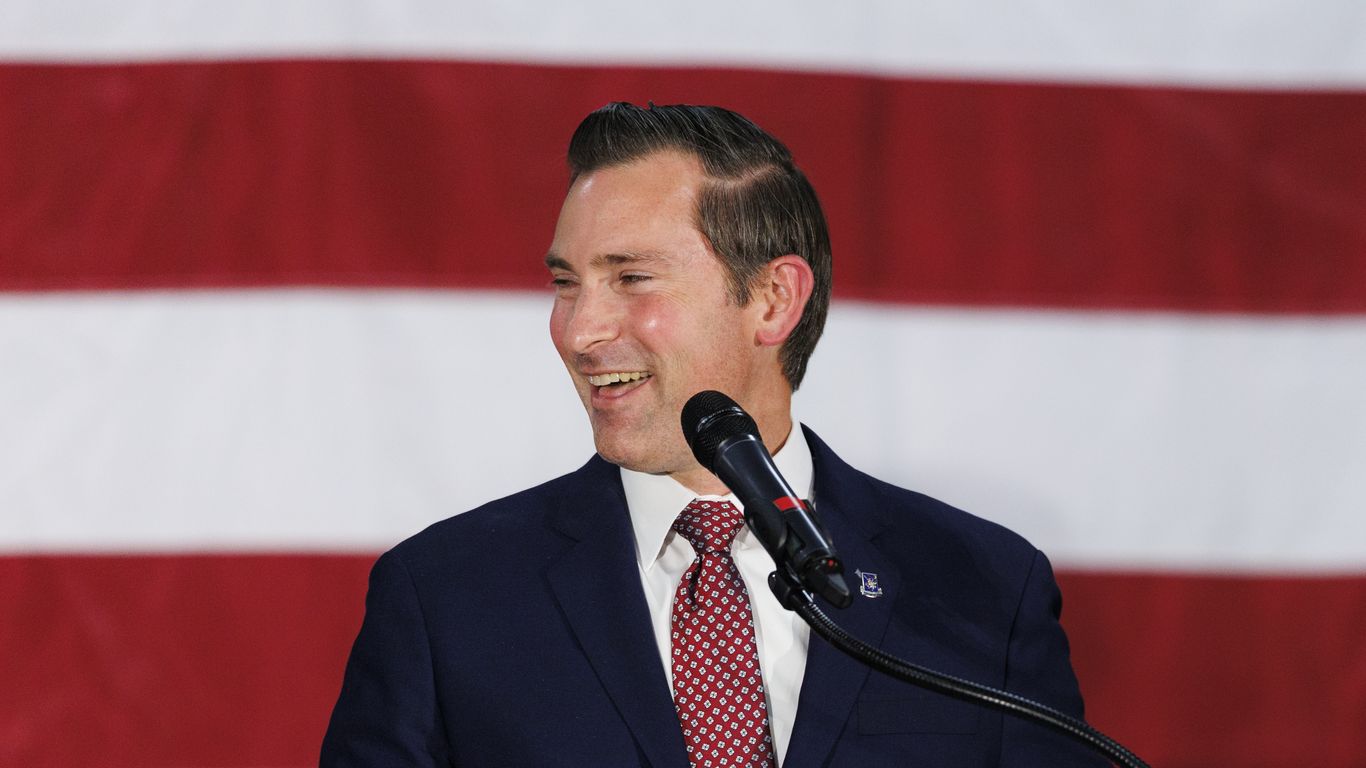
Republicans won a closely watched U.S. House election in Tennessee, where President Trump backed Republican Matt Van Epps won by a narrower margin than expected. The election result raised questions about the party's standing and how economic issues are resonating with voters. Both parties are considering the implications for future elections.
Key Facts
Republicans won a special U.S. House election in a conservative district in Tennessee.
Republican Matt Van Epps, supported by President Trump, won by a narrow margin of 54% to 45%.
Van Epps' win increased the Republican majority in the House to 220–214.
The election involved costly ad campaigns, costing millions of dollars.
Both Republicans and Democrats are concerned about how economic issues like taxation and affordability are affecting voter opinions.
President Trump is focusing efforts on maintaining a Republican majority in the House ahead of next year's midterms.
Trump's campaign operation, including MAGA Inc., heavily supported Van Epps financially.
Democrats are debating whether to support more centrist or progressive candidates in future elections.
Read the Original
Want the full story? Tap a source to open the original
article.
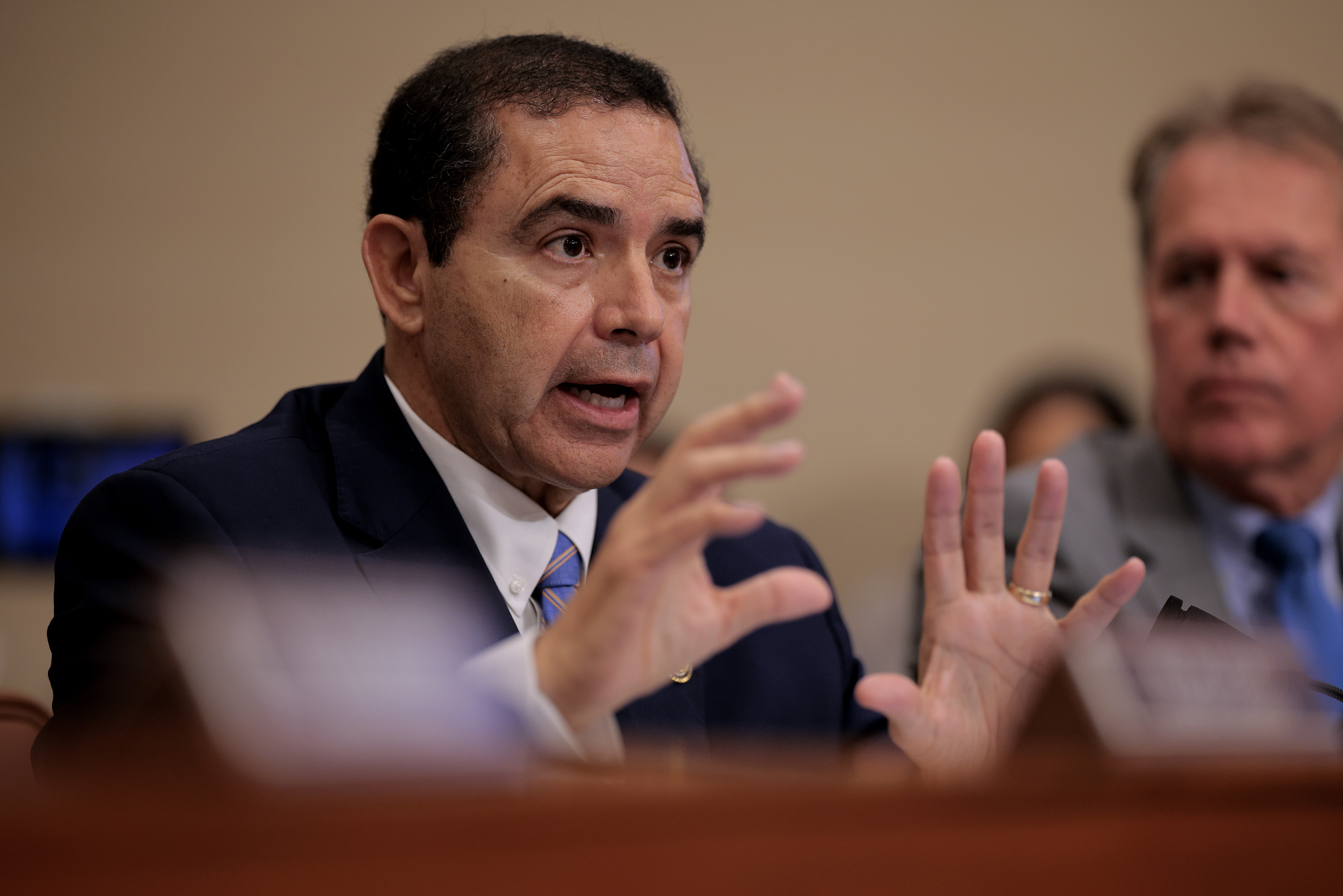
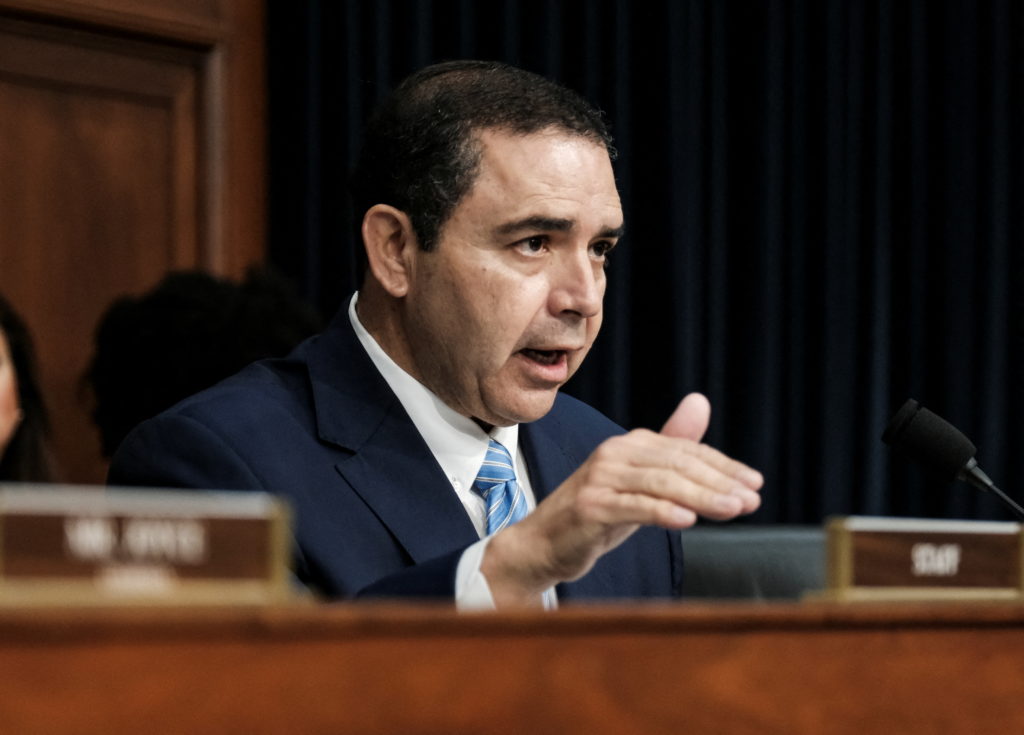
President Donald Trump announced a pardon for Texas Democratic Representative Henry Cuellar and his wife, Imelda, who faced bribery charges. Trump explained that the pardon was due to Cuellar's opposition to open border policies and criticism of President Biden's actions. The announcement was made on Trump's Truth Social platform.
Key Facts
President Trump pardoned Texas Representative Henry Cuellar and his wife, Imelda.
They faced charges related to bribery.
Trump announced the pardon on his Truth Social account.
Trump cited Cuellar's opposition to open borders as a reason for the pardon.
Trump criticized President Biden's border policies and the actions against Cuellar.
The pardon was described as full and unconditional.
Trump does not personally know Henry Cuellar.
Read the Original
Want the full story? Tap a source to open the original
article.
President Donald Trump pardoned Texas Representative Henry Cuellar and his wife in a federal bribery and conspiracy case. Trump claims the charges were politically motivated because Cuellar criticized President Biden's immigration policies.
Key Facts
President Trump pardoned Texas Representative Henry Cuellar and his wife.
They were charged with bribery and conspiracy by federal authorities.
The case involved accusations of accepting money to support an energy company from Azerbaijan and a bank in Mexico.
Cuellar allegedly agreed to promote legislation favorable to Azerbaijan.
Trump stated the legal case was a result of Cuellar's criticism of President Biden’s immigration policies.
President Trump described the justice system as "weaponized" against his political allies.
Read the Original
Want the full story? Tap a source to open the original
article.
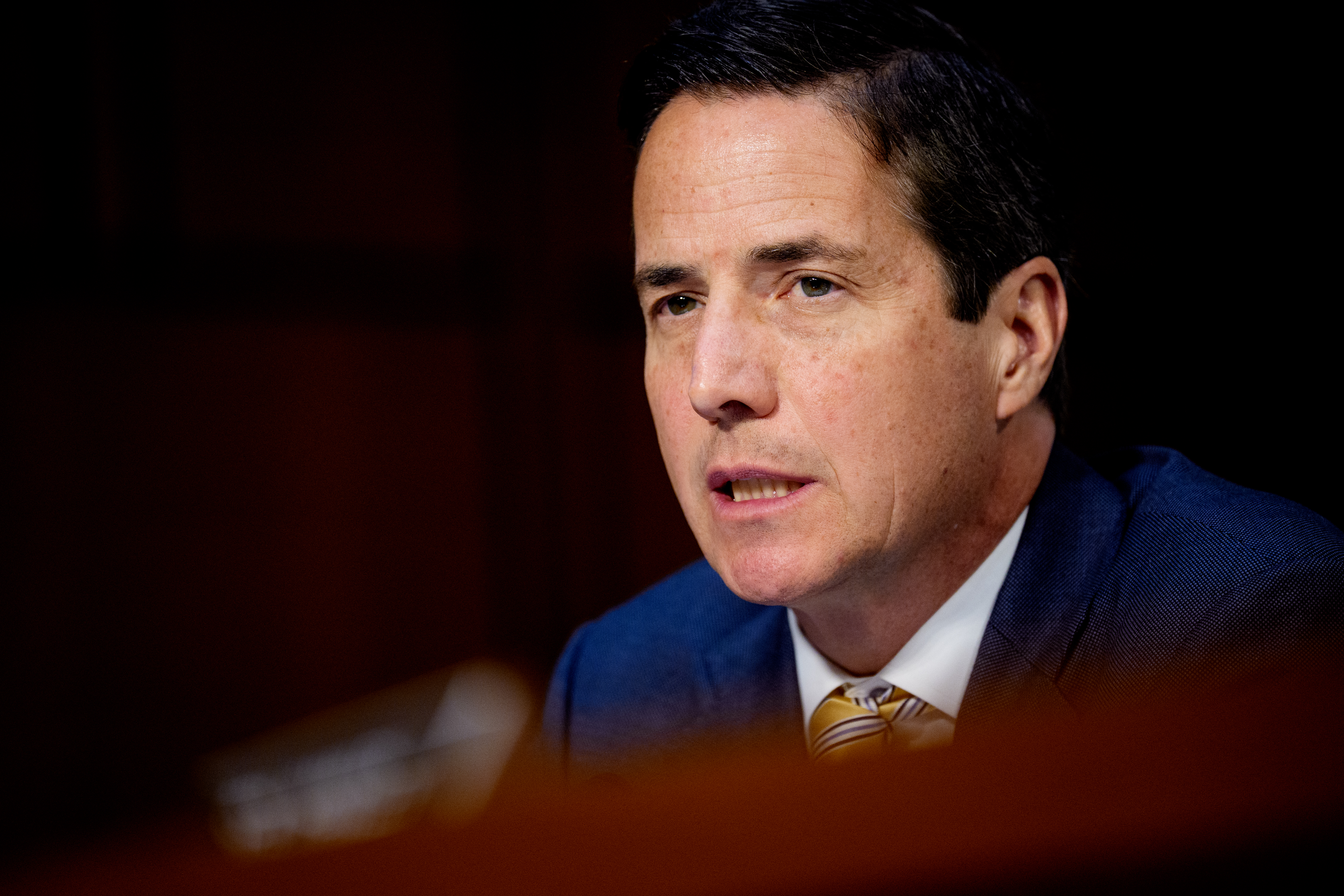
A new bill proposed by Ohio Senator Bernie Moreno would require Americans with dual citizenship to renounce their foreign citizenship or lose their American citizenship. This proposal could affect many people, including political donor Miriam Adelson, who holds dual citizenship with Israel. The bill may face challenges both in Congress and in the courts.
Key Facts
Senator Bernie Moreno, a Republican from Ohio, introduced a bill called the Exclusive Citizenship Act of 2025.
The bill requires Americans with dual citizenship to renounce their non-U.S. citizenship or risk losing U.S. citizenship.
Miriam Adelson, who donated heavily to political campaigns, could be affected as she holds dual citizenship with Israel.
The bill might impact many Americans, including First Lady Melania Trump, who has dual citizenship with Slovenia.
Legal experts suggest the bill could be found unconstitutional, referencing Supreme Court cases that protect citizenship rights.
The bill is expected to face challenges in Congress, needing support beyond just Republican votes due to the filibuster rule.
Michael Wildes, a lawyer, mentions that dual nationality is common and often allowed by other countries.
The Supreme Court has historically limited the government's ability to revoke citizenship without individual consent.
Read the Original
Want the full story? Tap a source to open the original
article.
President Trump has tried to reduce the influence of mainstream media, but these outlets continue to play a significant role in his administration. Despite efforts like lawsuits and limiting reporters’ access, traditional media remains prevalent in shaping national discussions and decisions. This ongoing interaction shows the continued importance of traditional media in U.S. politics.
Key Facts
President Trump aimed to lessen the power of mainstream media when he took office.
He has sued media companies and limited reporter access, but mainstream media remains influential.
President Trump often reacts to stories from traditional media rather than newer news sources.
Efforts to cut off legacy media access have not stopped leaks to these outlets.
Traditional media stories still prompt significant national discussions and political actions.
Influencers and social media play a role, but they often use traditional reporting as their source.
The media landscape has changed, but traditional media continues to have major impact.
President Trump remains highly available to mainstream reporters, despite his criticism of them.
Read the Original
Want the full story? Tap a source to open the original
article.
A new bill introduced by Senator Bernie Moreno aims to end dual citizenship for Americans by requiring citizens to renounce foreign citizenship. Experts argue that the bill conflicts with Supreme Court rulings that protect dual citizenship, as revoking citizenship without voluntary surrender is seen as unconstitutional.
Key Facts
Senator Bernie Moreno from Ohio introduced the Exclusive Citizenship Act of 2025.
The bill requires U.S. citizens to renounce their foreign citizenship or risk losing U.S. citizenship.
Legal experts say the bill challenges long-standing U.S. legal precedents on citizenship.
The U.S. Supreme Court previously ruled in cases like Afroyim v. Rusk and Vance v. Terrazas that citizenship can't be revoked without voluntary action.
The U.S. currently does not require dual citizenship to be declared or registered.
Law professors argue the bill is likely unconstitutional and would be struck down by the Supreme Court.
Some believe the bill might aim to provoke the Supreme Court to reconsider past rulings on dual citizenship.
Read the Original
Want the full story? Tap a source to open the original
article.
President Trump is thinking about introducing a new retirement plan for Americans similar to Australia's current system. This plan is part of his efforts to address economic issues and boost the birth rate in the U.S. The Australian plan involves mandatory employer contributions to employee retirement savings.
Key Facts
President Trump is considering an Australian-style retirement plan for the U.S.
The Australian system requires employers to contribute 12% of an employee's earnings to a retirement fund.
Australia's retirement plan is seen as one of the biggest globally, with AU$4.3 trillion in assets by 2025.
The U.S. Social Security system is facing significant financial challenges, according to a recent report.
Over 70 million Americans currently depend on Social Security benefits.
Trump's administration introduced "Trump Accounts," allocating $1,000 to be invested for each child born in the U.S. between 2025 and 2028.
Michael and Susan Dell donated $6.25 billion towards Trump's child investment accounts.
Read the Original
Want the full story? Tap a source to open the original
article.
The U.S. Citizenship and Immigration Services (USCIS) plans to review green card and immigration applications, which could lead to delays due to limited resources. The review focuses on applications from certain countries considered high risk, following a security incident involving an Afghan national.
Key Facts
USCIS is reviewing pending immigration applications, which could slow down new applications.
The review affects applications from 19 countries labeled high risk, like Afghanistan and Iran.
USCIS has a backlog of 11.3 million pending applications, the highest ever.
The review follows a security incident where an Afghan national was involved in a shooting.
No timeline was given for how long this review process will take.
The review may include applications dating back as far as January 20, 2021.
Experts say few cases will likely be found inadmissible, but the process will consume time and resources.
Read the Original
Want the full story? Tap a source to open the original
article.
Homeowners in Vermont may see a 12% increase in their property tax bills next fiscal year due to increased education spending and budget issues faced by public schools. Vermont's Tax Commissioner has highlighted the growing financial strain on residents, while state leaders discuss the need for educational and financial reforms.
Key Facts
Vermont property taxes are expected to rise by about 12% next fiscal year.
The tax increase is partly due to higher spending on education.
The per-pupil education spending is predicted to grow by 6.8%, reaching $14,892.
Vermont's education funding system faces challenges with declining student numbers.
Property taxes for education have risen nearly 41% over the past five years.
State leaders are considering reforms to make education more affordable and equitable.
Without changes, Vermont may struggle to attract young families and support older residents on fixed incomes.
Read the Original
Want the full story? Tap a source to open the original
article.
Each summary links back to the original reporting, so you can check the work. Support that, and get the daily digest every morning. Most choose $3.99/month.
President Donald Trump is using donations from America's wealthiest individuals to support projects during his presidency. These contributions help fund initiatives like child investment accounts and new White House facilities. Such donations allow the administration to execute plans without relying solely on government funds.
Key Facts
Wealthy individuals and corporations are donating large sums to support projects associated with President Trump's administration.
Michael Dell donated $6.25 billion to create investment accounts for 25 million children.
Inauguration donations in 2025 were a record $245 million, much higher than previous inaugurations.
Timothy Mellon contributed $130 million to support troop salaries during a government shutdown.
Sponsors for a military parade included corporations friendly to President Trump, raising ethical concerns.
A new 90,000-square-foot White House ballroom is under construction, funded by private donations and President Trump's money.
37 corporate and individual donors are publicly known for contributing to the ballroom, but some remain anonymous.
Read the Original
Want the full story? Tap a source to open the original
article.
President Trump and his administration have made critical remarks about Minnesota's Somali community, sparking renewed focus on this group. Minnesota is home to the largest Somali population in the U.S., with many being U.S. citizens. Federal plans include a targeted immigration enforcement operation in Minnesota focused on Somali immigrants.
Key Facts
Minnesota has the largest Somali American population in the U.S., centered mainly in the Minneapolis-St. Paul area.
Approximately 84,000 people of Somali descent live in the Minneapolis-St. Paul area.
Nearly 58% of Somalis in Minnesota were born in the U.S., and 87% of foreign-born Somalis are naturalized U.S. citizens.
President Trump criticized Somalis in the U.S., claiming they have caused trouble and falsely suggested they might have diverted funds to al-Shabaab.
Federal prosecutors have not charged any Somali community members in Minnesota with supporting foreign terrorist organizations.
President Trump terminated Temporary Protected Status for Somali migrants, a move that affects about 705 people nationwide.
Some Somalis in Minnesota were implicated in a large fraud case related to COVID-19 relief funds, but many defendants were U.S. citizens, and the alleged leader was not Somali.
Local leaders, including Minnesota's governor and mayor of Minneapolis, have defended the Somali community against broad blame for fraud.
Read the Original
Want the full story? Tap a source to open the original
article.