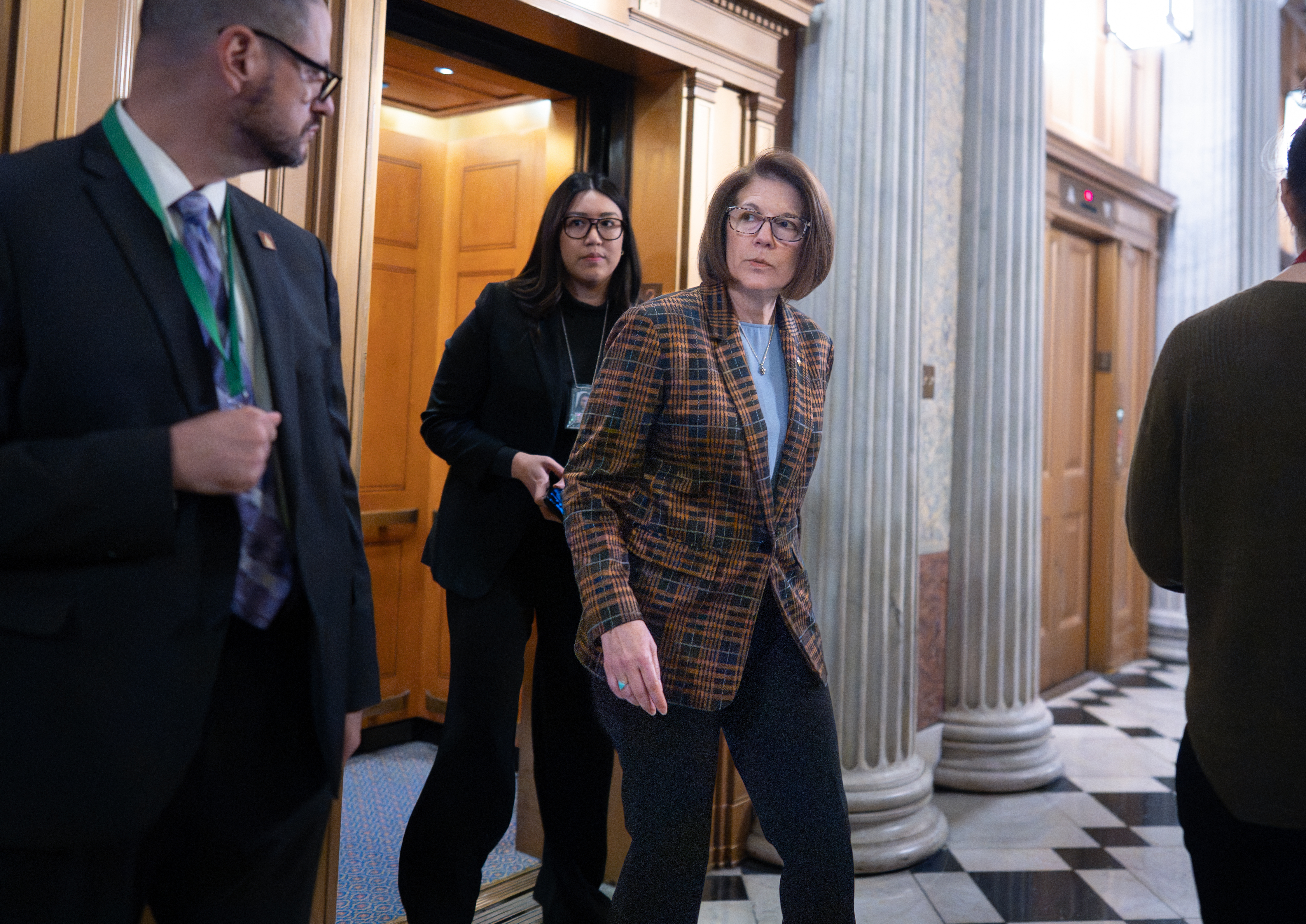
The Trump administration removed a report on missing and murdered Native Americans from the Department of Justice website. This decision upset several U.S. Senators, including Catherine Cortez Masto and Lisa Murkowski, who have requested its restoration. The report, created under the Not Invisible Act, is important for addressing violence and disappearance issues among Indigenous communities.
Key Facts
The report was called the "Not One More" report and was mandated by the Not Invisible Act of 2020.
U.S. Senators Cortez Masto and Murkowski have criticized the removal of the report.
The report was taken down following an executive order defining gender-related policies.
The report contained data, findings, and over 250 testimonies regarding violence against Indigenous people.
Cortez Masto emphasized the report's role in helping keep Tribal communities safe.
The report is still available on some external websites despite its removal from the DOJ site.
Read the Original
Want the full story? Tap a source to open the original
article.
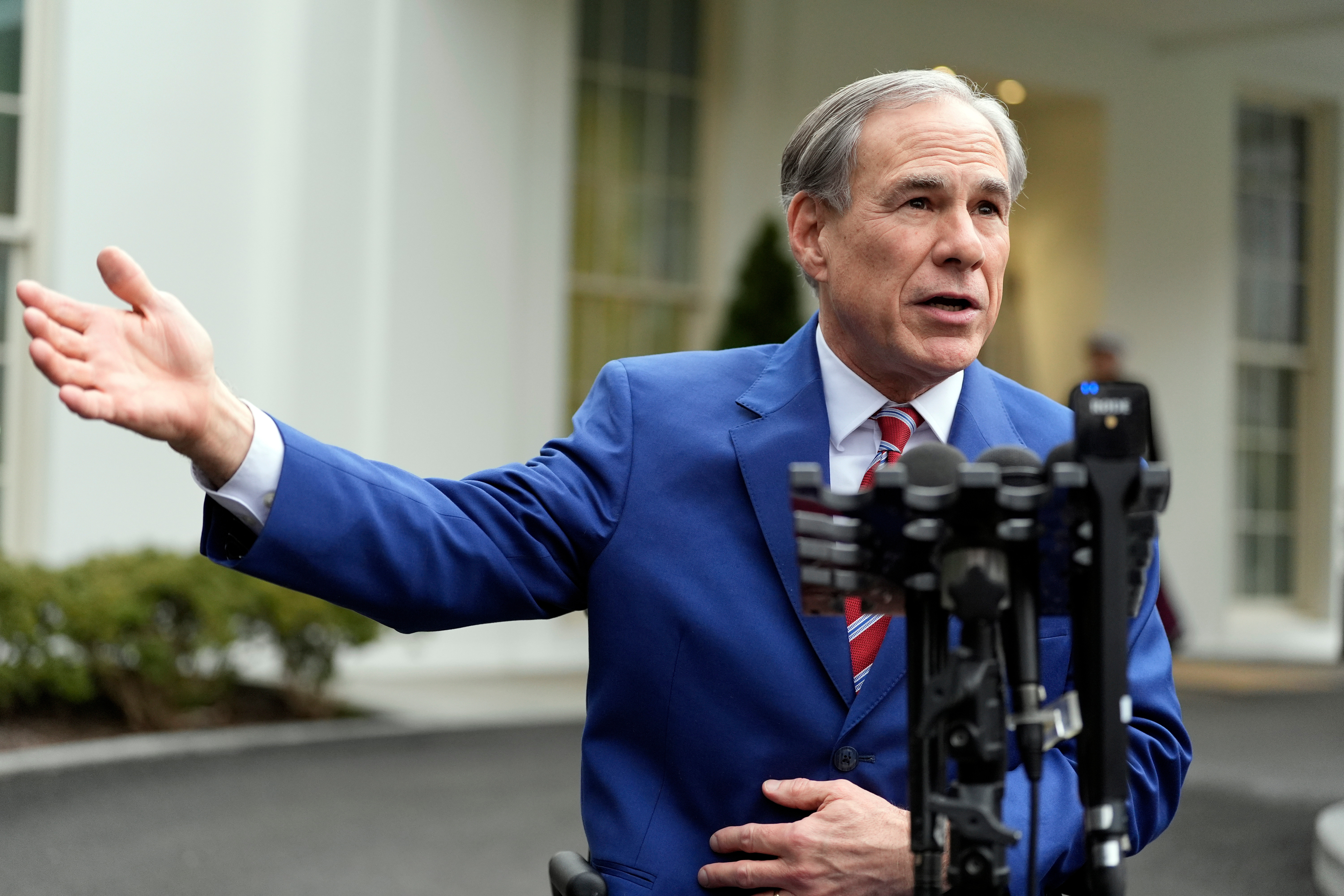
Texas Governor Greg Abbott announced that the Muslim Brotherhood and the Council on American-Islamic Relations (CAIR) are designated as foreign terrorist organizations and criminal groups in Texas. This designation means that the groups face increased law enforcement actions and are not allowed to buy land in Texas.
Key Facts
Governor Greg Abbott made the announcement on Tuesday.
The Muslim Brotherhood originated in Egypt in 1928 and is an international Sunni Muslim organization.
CAIR is a non-profit organization focused on Islamic civil rights and advocacy in the U.S.
Abbott's designation allows for more strict law enforcement actions against the two groups.
The groups are now prohibited from buying property in Texas.
Abbott stated that these groups aim to enforce Sharia law and disrupt laws through violence.
Read the Original
Want the full story? Tap a source to open the original
article.
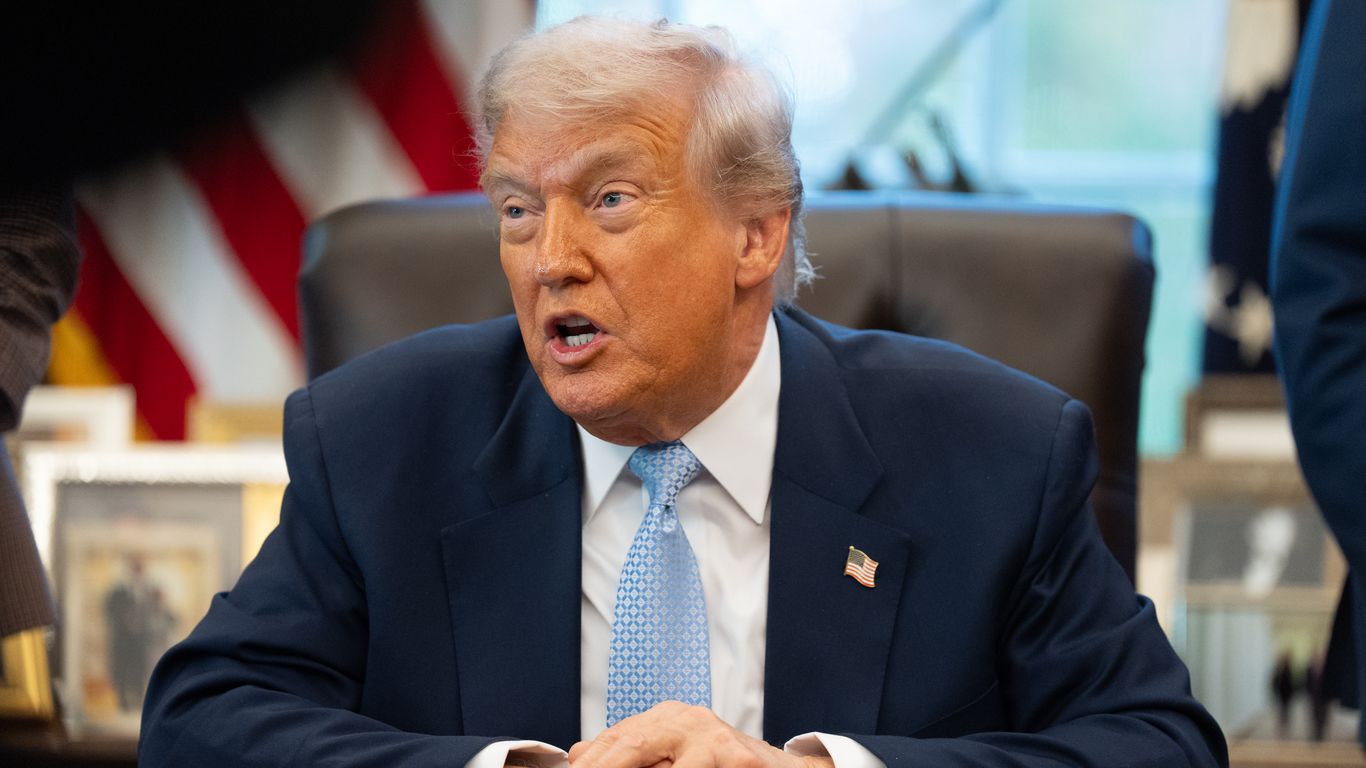
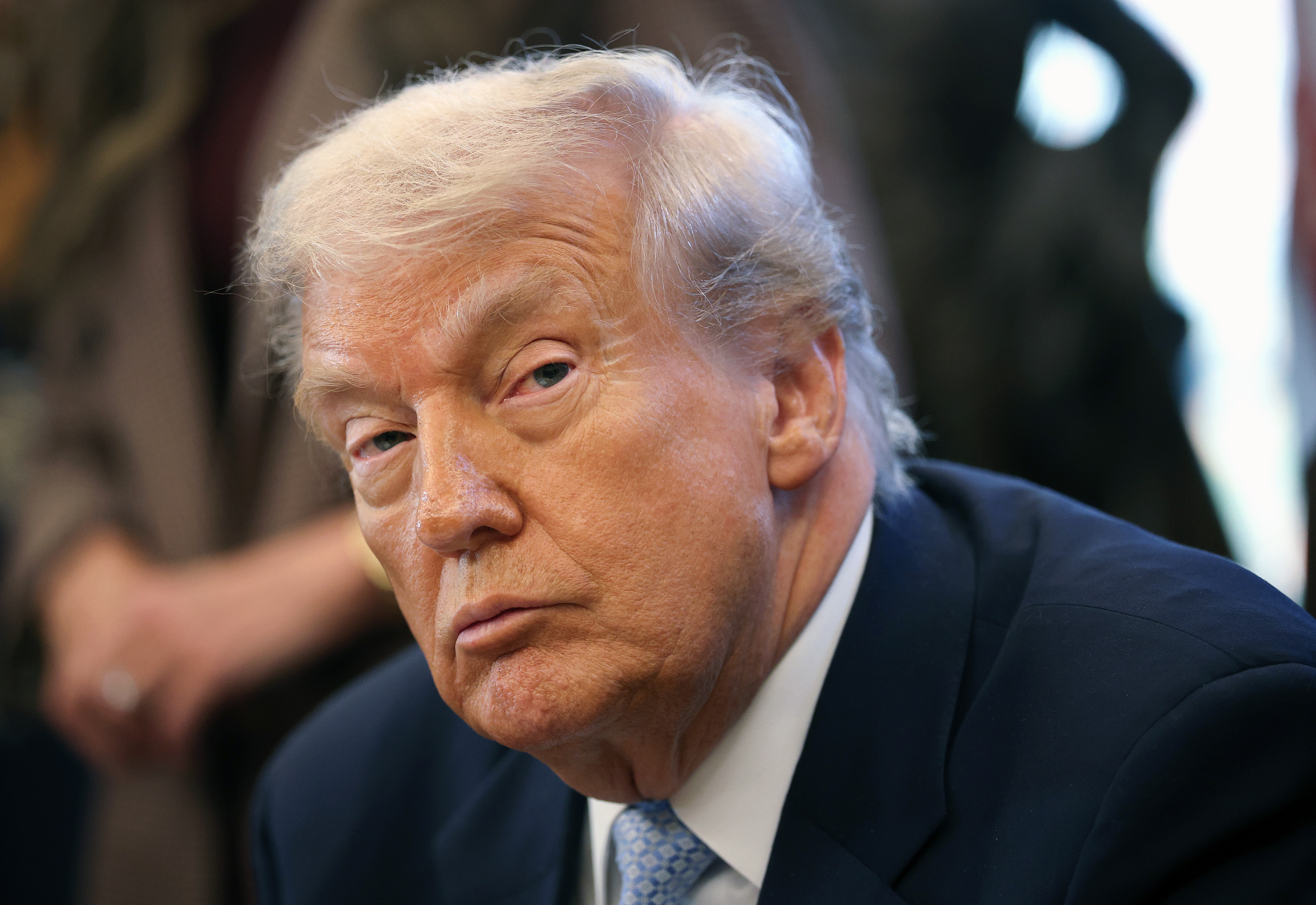
President Trump plans to send $2,000 checks from tariff revenue, which would cost about $450 billion and slightly boost the economy and jobs. Congress needs to approve the plan, and payments might start in 2026. The move aims to help with an affordability crisis and could influence the 2026 midterm elections.
Key Facts
The $2,000 checks are part of President Trump's proposal and would cost about $450 billion.
The checks could give a small boost to the economy and increase employment slightly.
The plan would use up more than a year's worth of tariff income.
Congress needs to pass a law to make these payments happen, which is uncertain.
The checks could be sent out before the 2026 midterm elections.
The Yale Budget Lab found the checks might increase GDP by 0.3% and employment by 0.15% in 2026.
Inflation could rise slightly, by less than 0.1%, due to the checks.
The decision on the plan depends partly on a pending Supreme Court ruling and other Congressional actions.
Read the Original
Want the full story? Tap a source to open the original
article.
President Trump's administration has filed a lawsuit against California over two state laws that limit facial coverings and require visible IDs for non-uniformed officers. The federal government claims these laws interfere with immigration enforcement and violate the Constitution. The lawsuit raises questions about state versus federal authority over federal agents.
Key Facts
The lawsuit challenges California’s Senate Bills 627 and 805.
SB 627, called the "No Secret Police Act," stops officers from wearing masks while doing their jobs.
SB 805 requires non-uniformed federal officers to visibly display ID showing their agency and a name or badge number.
The Justice Department argues these laws unlawfully regulate federal agency operations.
California passed these laws to increase transparency and public trust.
The federal government has stated it does not intend to follow these state laws.
ICE officers reportedly face increased threats and violence, which affects their safety and operations.
Read the Original
Want the full story? Tap a source to open the original
article.
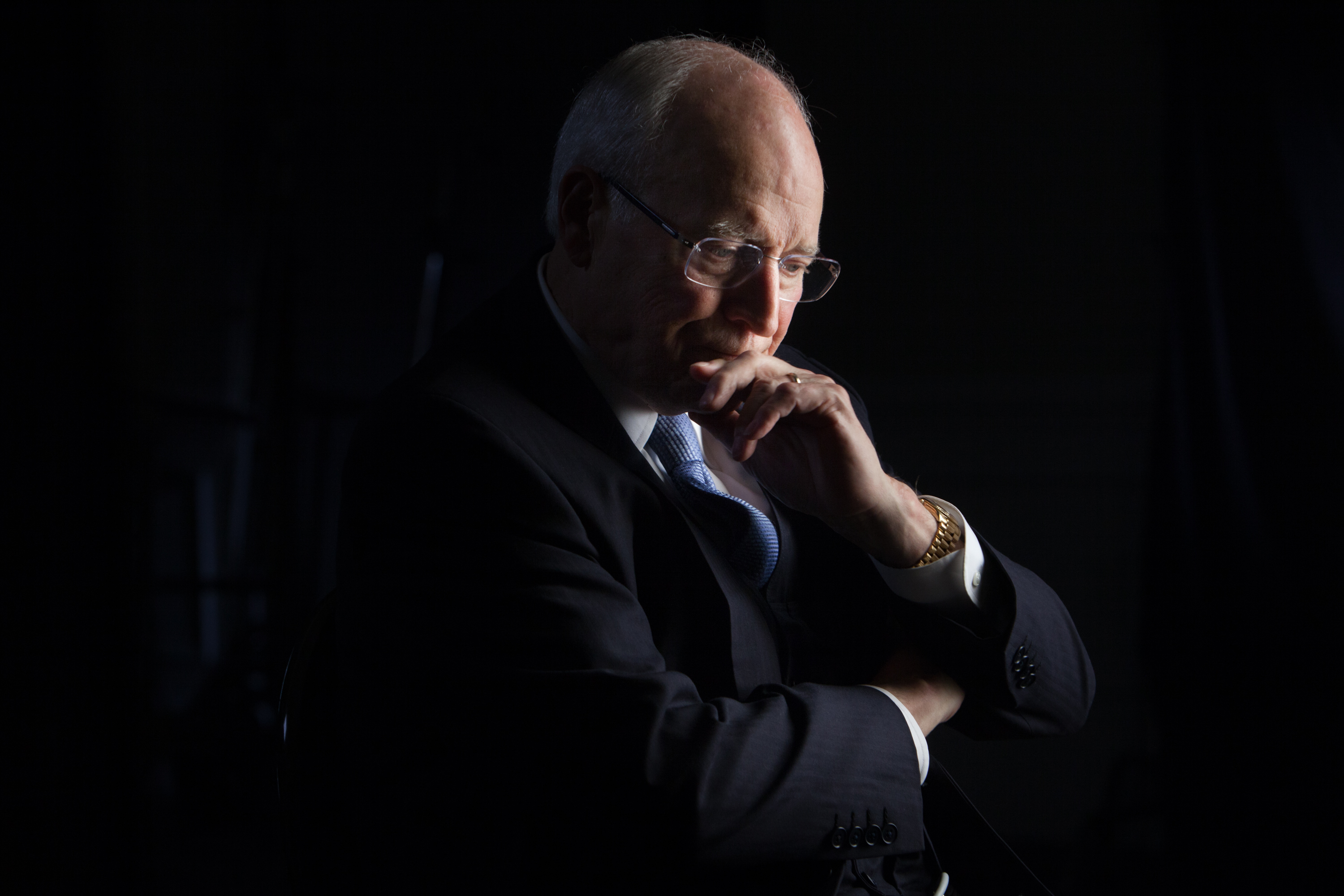
The funeral for former Vice President Dick Cheney will take place on November 20 at Washington National Cathedral. There is uncertainty about whether President Donald Trump will attend, given past tensions between him and Cheney. Former President George W. Bush and other notable figures will participate in the service.
Key Facts
Dick Cheney served as the 46th Vice President under President George W. Bush from 2001 to 2009.
He died on November 3 at age 84 from health complications.
The funeral will happen on November 20 at 11 a.m. ET at Washington National Cathedral and is invite-only.
President Trump has not publicly commented on Cheney's death.
The White House has not confirmed if President Trump or his administration will attend the funeral.
Former President George W. Bush will deliver a tribute at the service.
Other speakers include Pete Williams, Cheney's former spokesperson, and Cheney's daughter Liz Cheney.
Cheney's funeral will have heightened security measures.
Read the Original
Want the full story? Tap a source to open the original
article.
President Donald Trump supports a proposal for 50-year mortgages to make homes more affordable in the U.S. A survey shows that a significant number of Millennials and Gen Z are open to this idea. While it could lower monthly payments, it might lead to higher overall interest, sparking mixed reactions.
Key Facts
President Trump endorses the idea of 50-year mortgages to help with home affordability.
A survey by BadCredit.org found that 45% of Americans would consider this option.
Millennials showed the most support for 50-year mortgages, with 54% in favor.
Only 29% of Boomers and 37% of Gen X support the idea.
Erica Sandberg says young people may prefer longer mortgages because they mean lower monthly costs.
Bill Pulte, Director of the Federal Housing Finance Agency, originally suggested the idea.
Critics say 50-year mortgages could result in significantly more interest paid over time.
Currently, most mortgages are 30-year fixed terms according to the St. Louis Federal Reserve.
Read the Original
Want the full story? Tap a source to open the original
article.
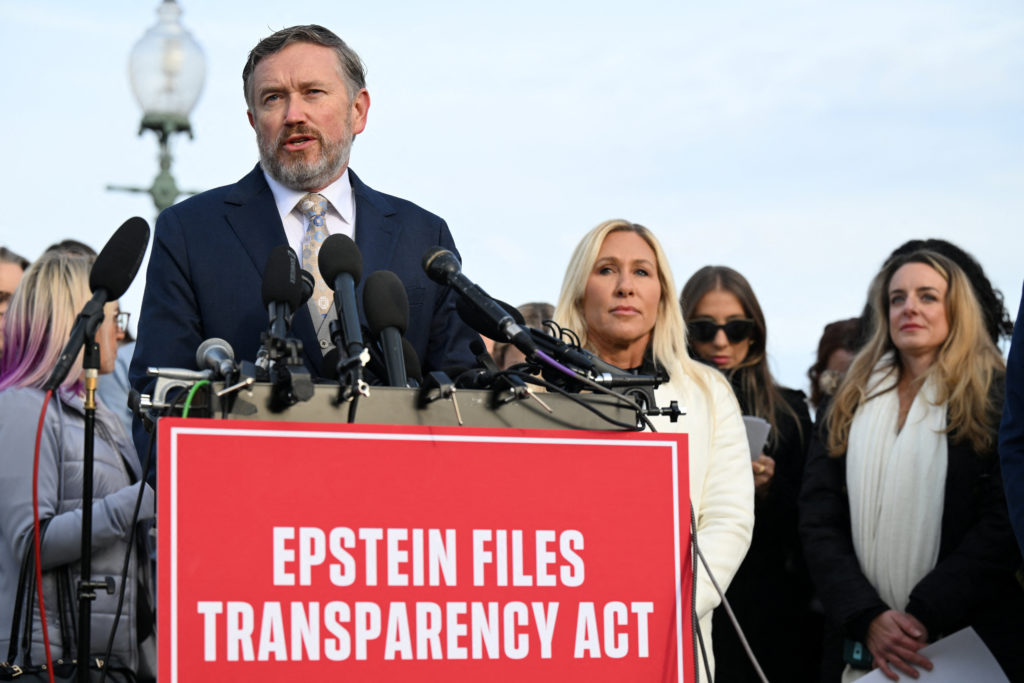
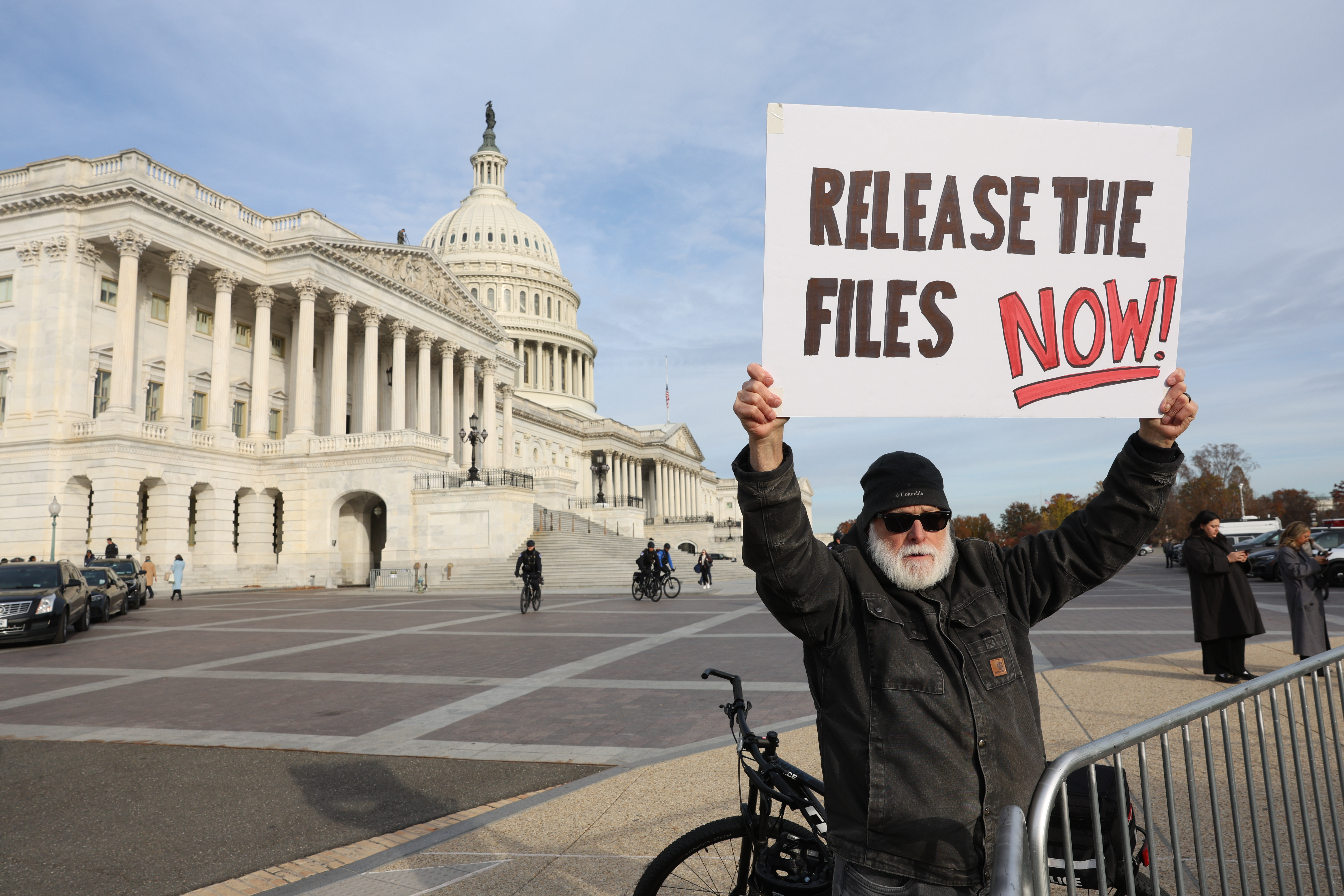
Representatives Ro Khanna, Thomas Massie, and Marjorie Taylor Greene are pushing for the Senate to approve a bill that would make the Justice Department release its files on Jeffrey Epstein. They held a press conference urging the Senate not to change the bill and to pass it as is.
Key Facts
The bill aims to make the Justice Department release files related to Jeffrey Epstein.
Representatives Ro Khanna, Thomas Massie, and Marjorie Taylor Greene support this bill.
They held a press conference to ask the Senate to pass the bill without changes.
Ro Khanna asked the Senate not to delay or alter the bill.
The House voted on the bill after a petition effort led by Khanna, Massie, and Greene.
Khanna acknowledged political challenges faced by supporters Massie and Greene.
Read the Original
Want the full story? Tap a source to open the original
article.
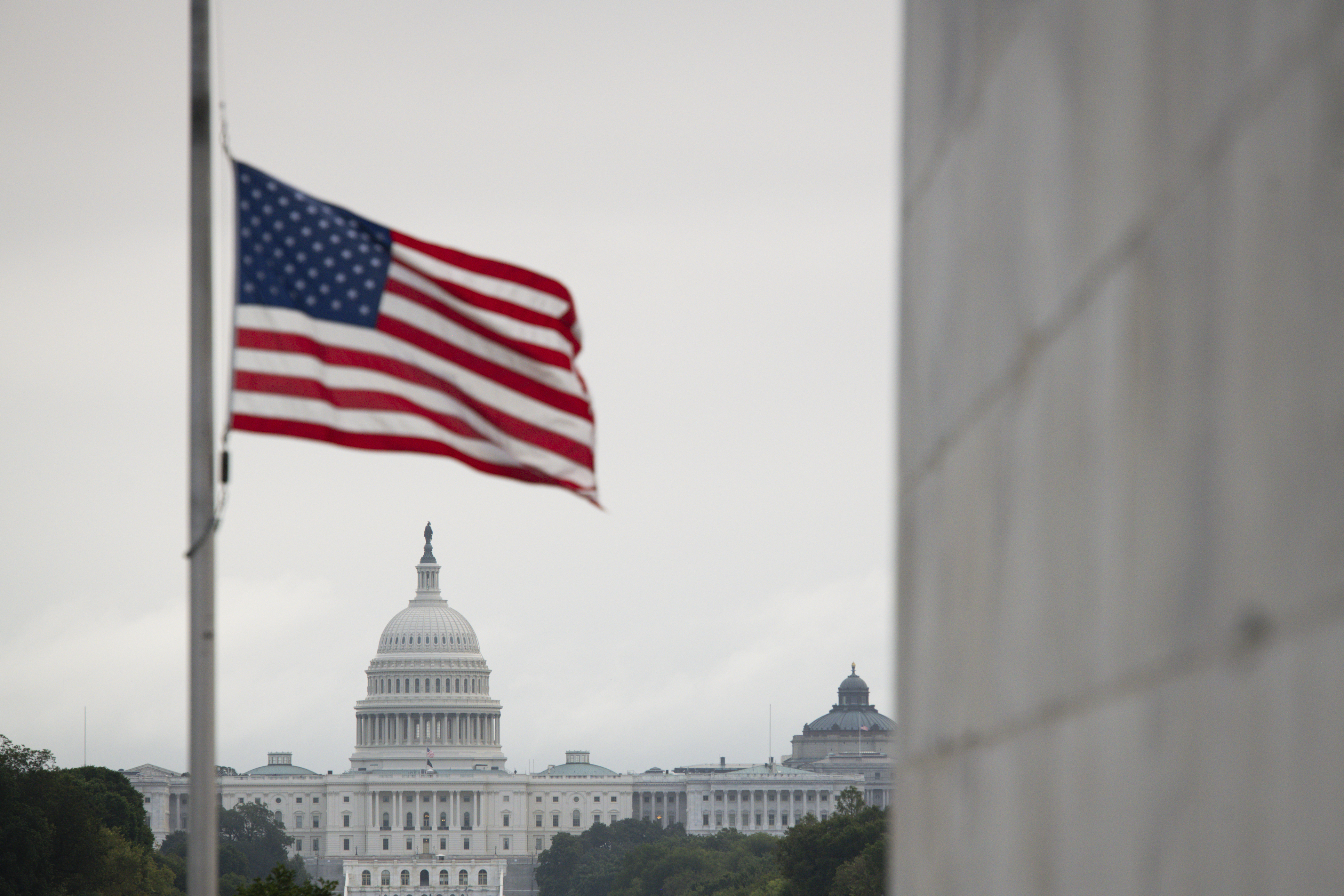
Flags in the United States are at half-staff to honor former Vice President Dick Cheney, who passed away on November 3. The flags will remain lowered until his interment, following U.S. Flag Code protocols. Cheney's funeral is set for November 20 at the Washington National Cathedral.
Key Facts
Former Vice President Dick Cheney died on November 3 at the age of 84.
Flags across the U.S. were lowered to half-staff starting November 4.
The U.S. Flag Code requires flags at half-staff after a vice president's death until their burial.
Cheney's funeral will be on November 20 at Washington National Cathedral.
The public can view the funeral online, but attendance is by invitation only.
Cheney died from complications of pneumonia and heart and vascular diseases.
President Donald Trump did not issue a proclamation about the flags, but they were lowered according to statutory law.
Flags will return to full-staff after sunset on the day of Cheney's interment.
Read the Original
Want the full story? Tap a source to open the original
article.
The National Insurance Crime Bureau (NICB) released a report on car thefts in the United States, showing a 23% drop in the first half of 2025 compared to 2024. Despite this decline, over 334,000 cars were stolen, with certain models like the Hyundai Elantra and Honda Civic being the most targeted. The report shows that substantial reductions in thefts were seen in various states, except Alaska, which saw an increase.
Key Facts
The NICB report shows a 23% decrease in car thefts in the first half of 2025 compared to the same period in 2024.
Over 334,000 cars were stolen in the first six months of 2025.
The Hyundai Elantra was the most-stolen car, with 11,329 reported thefts.
Other frequently stolen models include the Hyundai Sonata, Honda Accord, Chevrolet Silverado 1500, and Honda Civic.
States like Puerto Rico, Washington, and North Dakota saw the largest declines in car thefts.
Alaska reported a 26% increase in car thefts, contrasting with the national trend.
Law enforcement, automakers, and insurers contribute to reducing vehicle theft through collaborative efforts.
Simple prevention measures like locked doors and visible deterrents can help reduce car thefts.
Read the Original
Want the full story? Tap a source to open the original
article.
The U.S. House of Representatives plans to vote on releasing the Epstein files, which President Trump initially opposed but later supported. This vote marks a rare instance where the Republican-led Congress defies President Trump. The files relate to investigations into Jeffrey Epstein, a convicted sex offender.
Key Facts
The House is set to vote on releasing files related to investigations into Jeffrey Epstein.
President Trump initially opposed the release but later changed his stance to support it.
This vote shows a significant challenge to President Trump's influence within his party, the GOP.
Four Republican members plan to vote with Democrats for the files' release.
The Epstein files have become a point of contention amid rising economic concerns and internal GOP disagreements.
Democrats released parts of Epstein-related emails to pressure President Trump.
There is concern that a new investigation into Democrats by Attorney General Pam Bondi could delay the files’ release.
Read the Original
Want the full story? Tap a source to open the original
article.
Jena-Lisa Jones, a woman who was abused by Jeffrey Epstein and Ghislaine Maxwell, urged President Donald Trump to support the release of files related to Epstein's investigation. Jones criticized Trump for not showing leadership on this issue and called his behavior embarrassing, despite having voted for him. A group of survivors, with Reps. Ro Khanna, Thomas Massie, and Marjorie Taylor Greene, is pushing for a House vote to release these files.
Key Facts
Jena-Lisa Jones is a survivor of abuse by Jeffrey Epstein and Ghislaine Maxwell.
Jones asked President Trump to help release Epstein investigation files.
She criticized Trump's handling of the issue, though she voted for him.
Reps. Ro Khanna and Thomas Massie are advocating for a vote to release the files.
Republican Representative Marjorie Taylor Greene is also involved.
If the vote passes, the Department of Justice would release the files within 30 days.
A press conference was held before the House vote on this matter.
Read the Original
Want the full story? Tap a source to open the original
article.
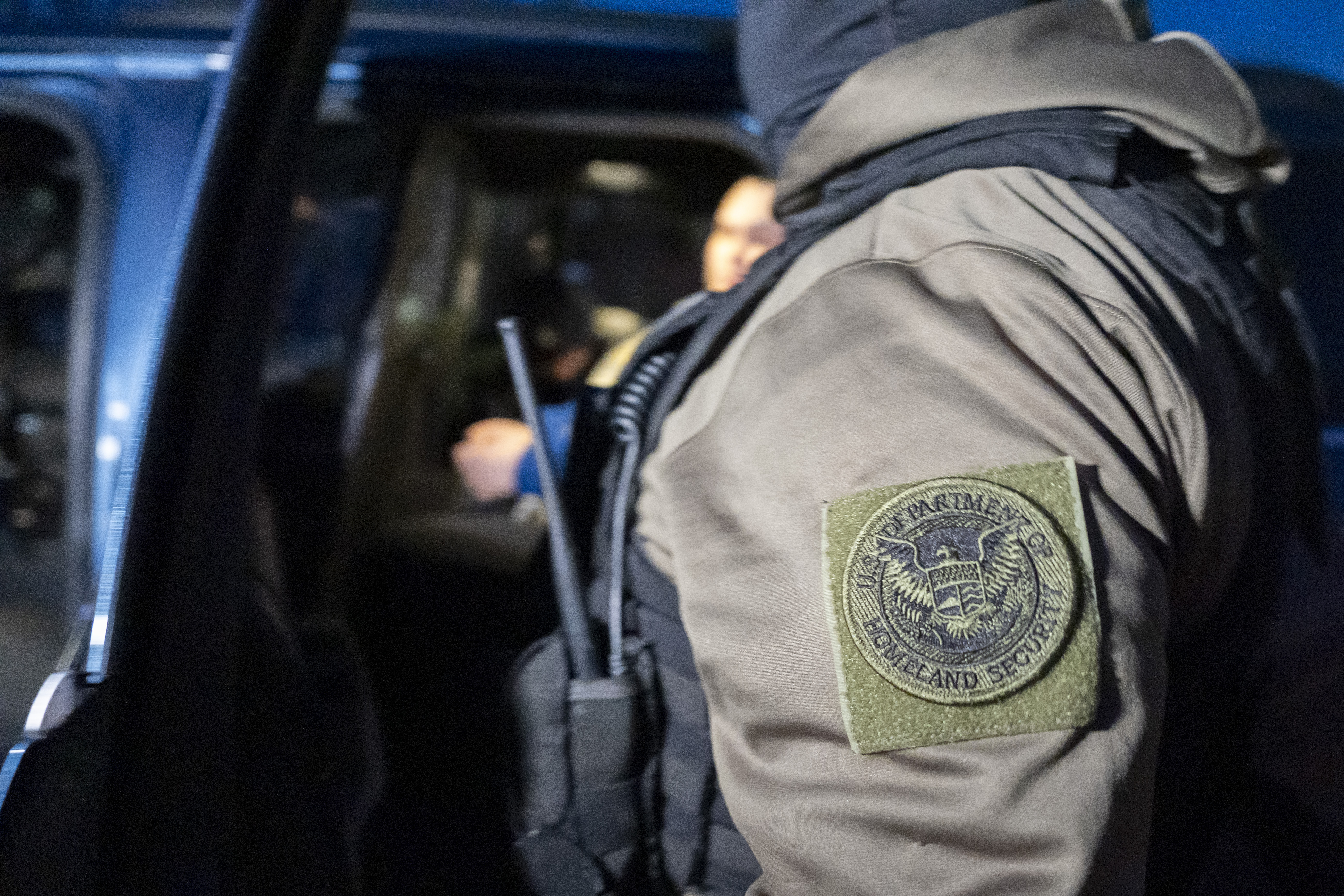
Federal agents detained more than 130 people suspected of being in the U.S. illegally during raids in Charlotte, North Carolina, part of President Donald Trump's intensified immigration enforcement efforts. The operation, named "Operation Charlotte’s Web," focused on areas like apartment complexes and shopping centers and included individuals with criminal records among those detained.
Key Facts
Over 130 people were detained in Charlotte during the immigration raids.
The operation took place over two days.
The Department of Homeland Security (DHS) led the raids, calling it Operation Charlotte’s Web.
44 of those detained have criminal records, including gang membership and various offenses like assault and driving while intoxicated.
The raids occurred in a city with approximately 950,000 people and a Democratic political leaning.
Local officials have objected to the raids, arguing crime has decreased in the area.
DHS aims to remove individuals it sees as threats to public safety as per its enforcement strategy.
There has been criticism regarding the use of a children's book title for the operation’s name.
Read the Original
Want the full story? Tap a source to open the original
article.
On the biggest stories we show what the outlets agree on and where they differ. Readers keep that going, and get the daily digest by email every morning. Most choose $3.99/month.
A survey by Gensler found that many young adults without children in cities like Baltimore, Charlotte, and Miami are thinking about moving away. The study looked at reasons such as job opportunities and housing costs. Fewer young people in San Diego, Boston, and Chicago are considering leaving.
Key Facts
Gensler surveyed 2,200 young adults aged 18-34 without children across 27 major U.S. cities.
About 62% of young adults in Baltimore are likely to leave, the highest percentage found in the survey.
Charlotte and Miami follow with 58% and 52%, respectively.
San Diego and Boston have lower percentages of young adults considering a move, at 27% and 28%.
The survey did not specify a timeline for when these young adults were thinking of moving.
The survey is part of Gensler's report "City Pulse 2025: The Magnetic City."
Reasons for moving include career opportunities and the cost of living.
Emotional connections and a sense of belonging are also important for why people stay in a city.
Read the Original
Want the full story? Tap a source to open the original
article.
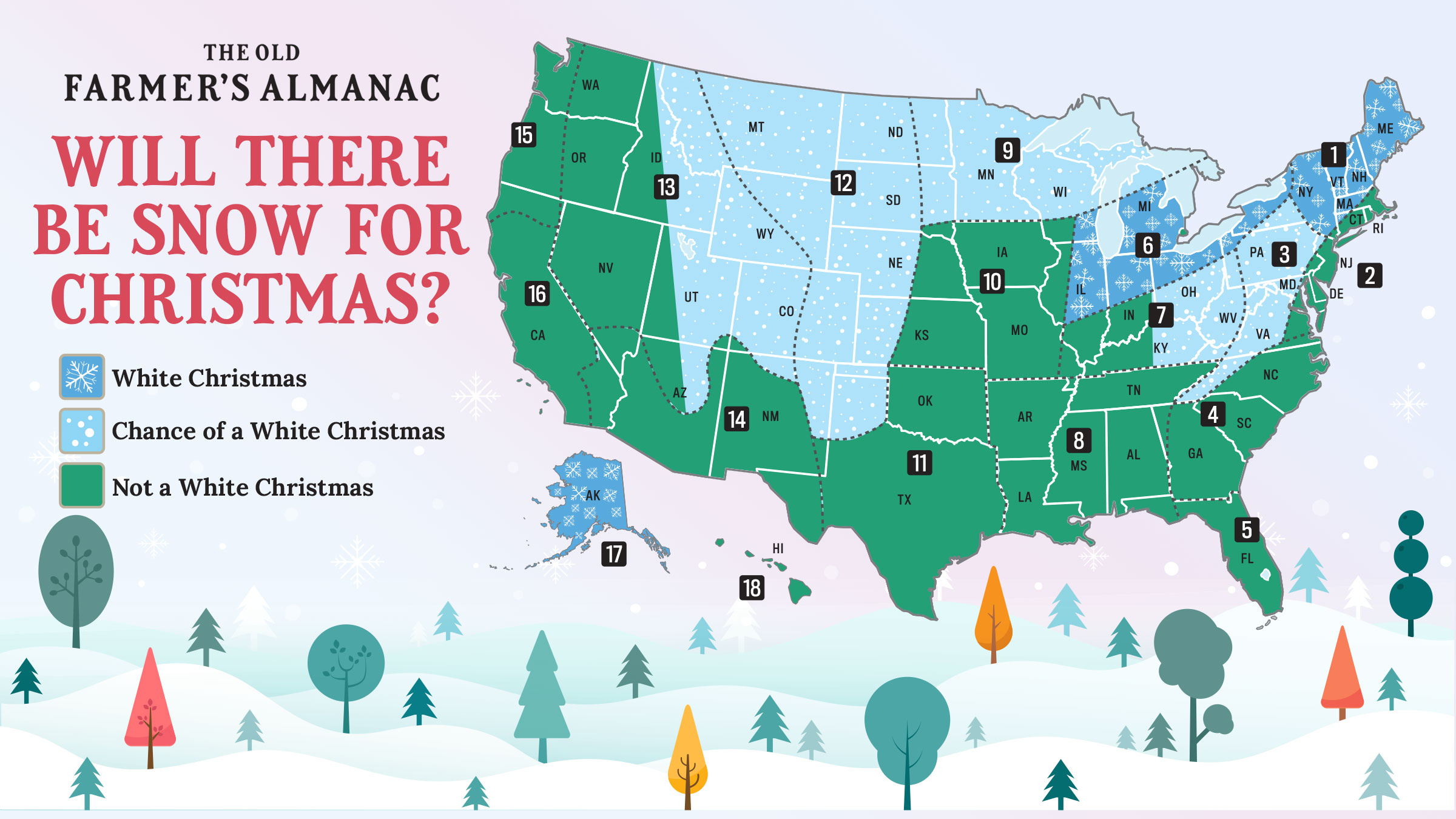
The Old Farmer's Almanac has released its predictions for snow on Christmas Day in the United States. It forecasts a milder-than-average winter, with the best chances for snow mainly in the Central region. Key areas likely to experience a white Christmas include New England, the Lower Great Lakes, and Alaska.
Key Facts
The Old Farmer's Almanac has been making weather forecasts since 1792.
It predicts most of the U.S. will have a milder-than-average winter in 2025.
New England, the Lower Great Lakes, and Alaska are most likely to see snow on Christmas.
The Appalachians, Upper Midwest, High Plains, and East Ohio Valley have a chance of snow.
Regions like the Atlantic Corridor, Southeast, Florida, and Texas–Oklahoma are unlikely to see snow.
In Minneapolis, there is an 80% chance of snow on Christmas, while New Hampshire’s White Mountains have a 97% chance.
Washington, D.C. has only a 6% chance of experiencing a white Christmas.
Travelers in areas forecasted to have snow should plan for possible delays and check travel conditions.
Read the Original
Want the full story? Tap a source to open the original
article.
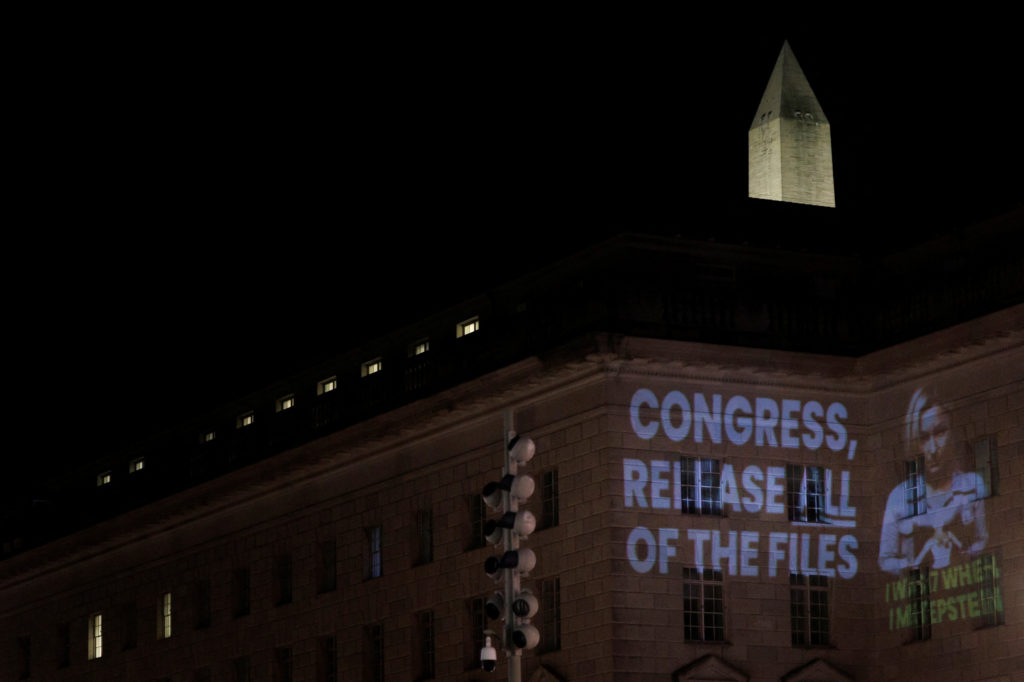
The U.S. House of Representatives plans to vote on a bill that would require the Justice Department to release its files on Jeffrey Epstein. President Trump and Republican leaders initially resisted the bill, but growing support has led to a change in their stance.
Key Facts
The House vote is scheduled for Tuesday.
The bill requires the Justice Department to publicly release files on Jeffrey Epstein.
A small bipartisan group in the House initiated the bill in July.
President Trump and Speaker Mike Johnson initially opposed the bill.
President Trump has since changed his position, urging Republicans to support the bill.
The bill is expected to pass with strong support in the House.
If passed, the Senate will then have to consider the bill.
Read the Original
Want the full story? Tap a source to open the original
article.
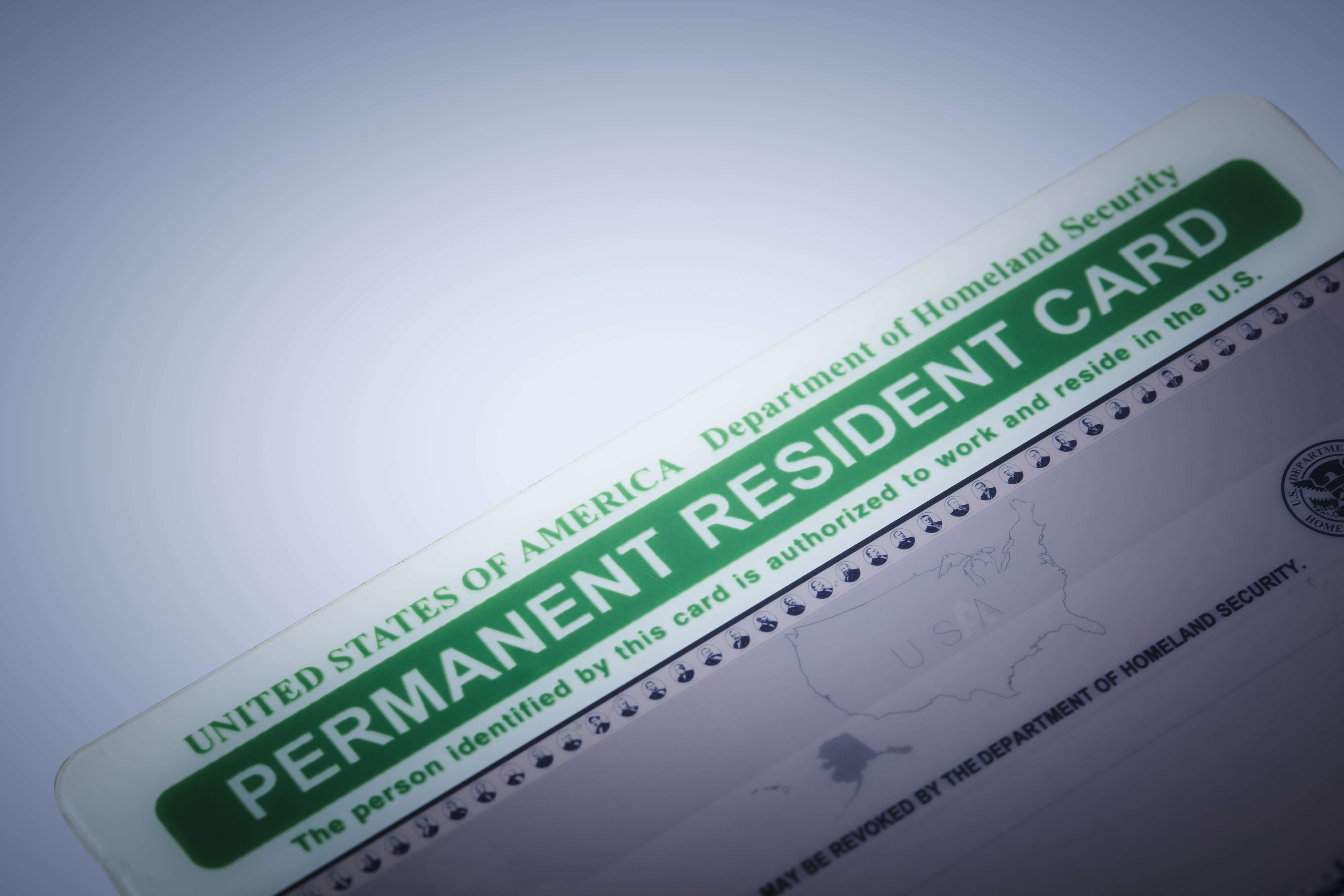
The Trump administration wants to change a rule about green cards that was set by President Biden. This change could make it harder for immigrants to become permanent residents if they use government benefits like Medicaid. The proposed rule would allow more discretion in deciding who might need too much government help.
Key Facts
President Trump's administration is proposing to change a Biden-era rule about green cards.
The rule, known as the "public charge" rule, affects green card applicants who use government benefits.
Biden's 2022 rule limited this concern to specific cash benefits and did not include many non-cash benefits like Medicaid.
If the new proposal goes through, more benefits could lead to denial of permanent residency.
The proposed changes could affect millions of current and future green card applicants.
The Department of Homeland Security plans to publish the new proposal on November 19.
Advocacy groups say the change could create more uncertainty and risk arbitrary decisions by officials.
Some immigrant groups, like refugees and veterans, are typically exempt from these rules.
Read the Original
Want the full story? Tap a source to open the original
article.
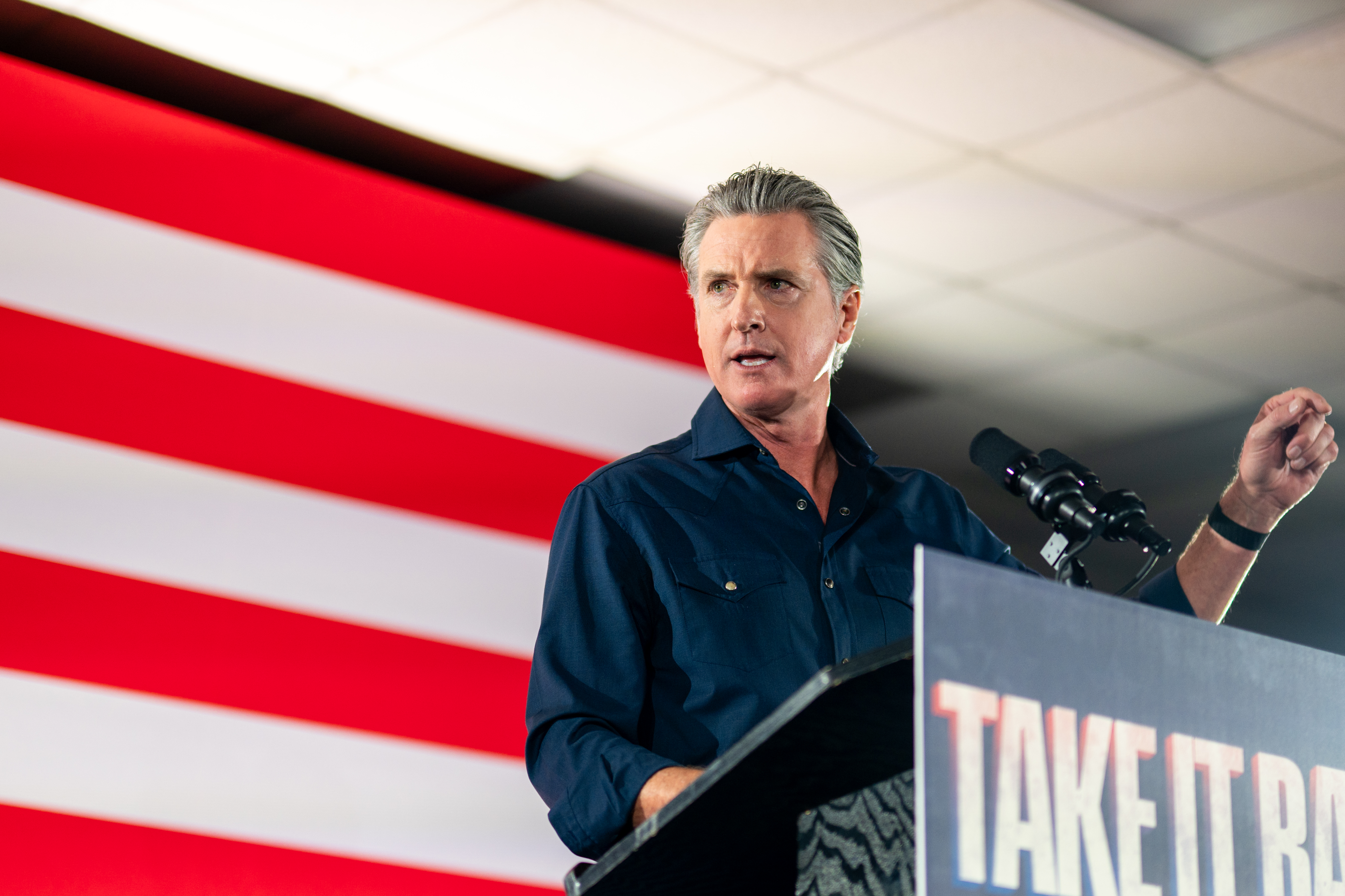
California Governor Gavin Newsom announced a $100 million investment to create jobs in the state. The money will go to nine companies, resulting in 2,752 new jobs. These jobs will pay higher than the average state salary and bring in significant private investment.
Key Facts
Governor Gavin Newsom heads California.
The state is investing $100 million to create jobs.
Nine companies will benefit from this investment.
The investment expects to create 2,752 new jobs.
The jobs will be in sectors like aerospace, electronics, clean technology, and food production.
The average salary for these new jobs is $139,000, which is higher than the state average.
The investment is expected to attract $370 million in private investment.
Read the Original
Want the full story? Tap a source to open the original
article.
President Donald Trump signed a new tax law called the "One Big Beautiful Bill" on July 4, bringing significant changes to taxes and other financial policies. Some parts of the tax law take effect immediately, affecting 2025 tax returns, while other provisions will be phased in over the next few years. Treasury Secretary Scott Bessent mentioned possible future additional refunds for working families, which would need approval from Congress.
Key Facts
The new tax law begins to impact 2025 tax returns, with some immediate changes and others phased in.
The standard deduction increases to $15,750 for single filers and $31,500 for married couples, with annual adjustments for inflation.
Temporary tax breaks, which begin in 2025 and end in 2028, include exemptions on tip income and overtime pay for certain earners.
The Child Tax Credit increases to $2,200 per qualifying child with no end date and also adjusts for inflation.
The SALT deduction limit rises to $40,000 starting in 2025 and will revert to $10,000 in 2030.
In 2026, further changes include a limit on itemized deductions for higher-income individuals and an increased estate tax exemption.
Babies born from 2025 to 2028 will receive a one-time $1,000 in a "Trump Account," which tracks a stock index.
President Trump has proposed sending $2,000 refunds to families, pending Congressional approval.
Read the Original
Want the full story? Tap a source to open the original
article.
That's the point of this site, and readers keep it that way. Support for any amount and the daily digest lands in your inbox every morning at 7am Eastern.
A man named Gerardo Rodriguez was arrested for allegedly holding a 17-year-old boy at gunpoint in California, claiming to be a public officer. It is unclear if Rodriguez was working for Immigration and Customs Enforcement (ICE), as the agency stated he is not an employee, but the incident is under investigation by authorities.
Key Facts
Gerardo Rodriguez is accused of ordering a 17-year-old out of a car at gunpoint.
He allegedly showed a badge during the incident.
ICE and other agencies deny that Rodriguez is an active employee.
The teenager and his family reported the incident to the police.
Rodriguez was arrested, accused of assault with a deadly weapon and other charges.
Video from the incident shows a man approaching a vehicle with a gun.
Rodriguez posted bail and is due in court on December 26.
The investigation by law enforcement is ongoing.
Read the Original
Want the full story? Tap a source to open the original
article.
President Donald Trump mentioned that $2,000 payments could be sent to Americans by the middle of next year. These payments would come from money made through tariffs, but the plan is not yet concrete. The proposal needs approval from Congress, and some experts doubt the funds from tariffs would be enough.
Key Facts
President Trump suggested $2,000 payments for Americans might come next year from tariff revenue.
The checks would go to lower- and middle-income Americans, but income thresholds are not clearly defined.
The plan requires congressional approval to proceed.
Experts question if tariff revenue, reported at $195 billion by 2025, is sufficient to cover the checks.
Some officials suggest the payments might take various forms, not necessarily just a one-time check.
Kevin Hassett believes there is enough tariff revenue to fund the proposal.
Republican Representative Ryan Zinke expressed doubts, noting the national debt concerns.
Read the Original
Want the full story? Tap a source to open the original
article.