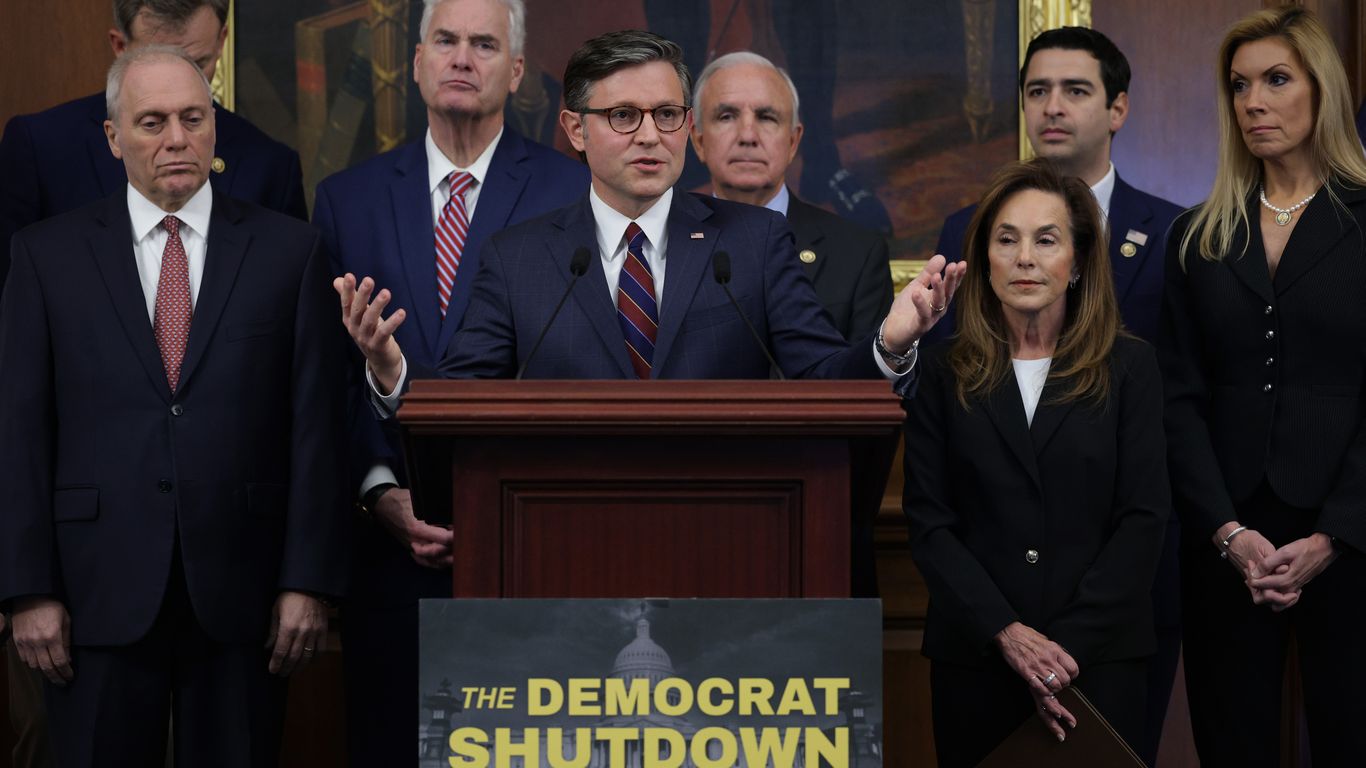
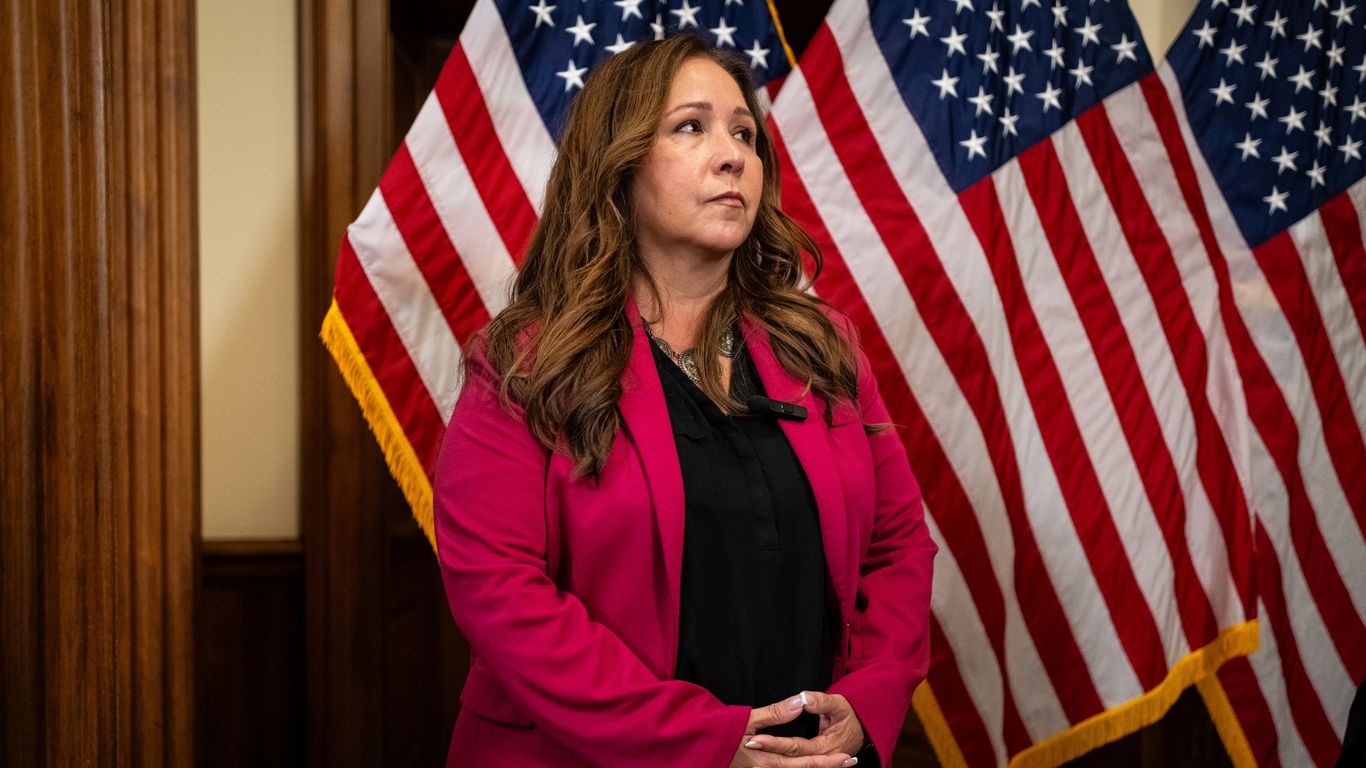
The U.S. House of Representatives will vote on a bill to release all Justice Department case files on Jeffrey Epstein. A petition supporting the vote was signed by all 213 House Democrats and four Republican representatives. The release of these files has gained attention due to Epstein’s connections to public figures, including President Trump.
Key Facts
The House is set to vote on releasing Epstein files after a petition was signed by 213 Democrats and four Republicans.
Democratic Congresswoman Adelita Grijalva’s signature was needed to force the vote after a delay in her joining Congress.
Republican House Speaker Mike Johnson plans to bring the bill to the floor next week.
The bill requires the Justice Department to release Epstein files within 30 days of passage.
Representative Thomas Massie led the petition with support from Marjorie Taylor Greene, Nancy Mace, and Lauren Boebert.
President Trump has dismissed the focus on Epstein as a "hoax" by Democrats.
Epstein was found dead in 2019, and his connections to powerful figures have stirred public interest.
Epstein's files have been a topic of controversy, influencing political discussions.
Read the Original
Want the full story? Tap a source to open the original
article.
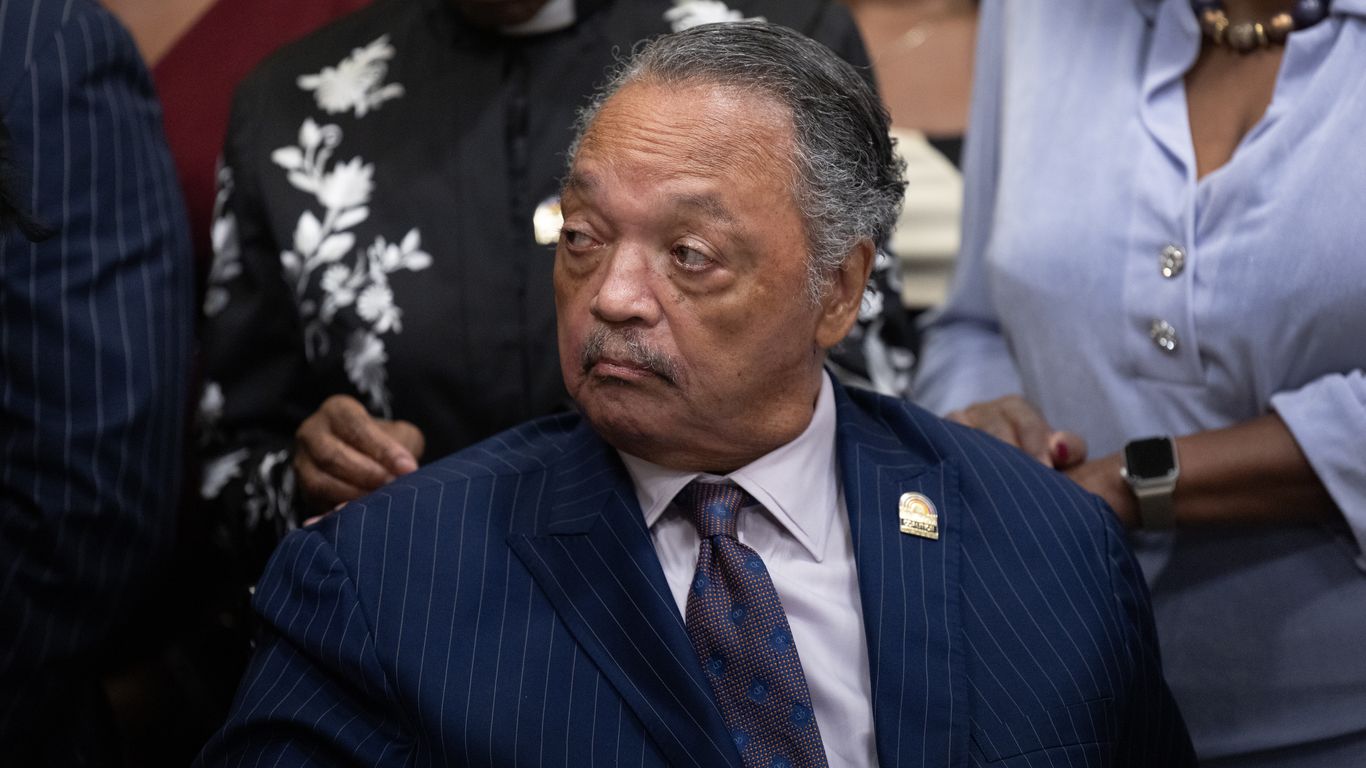
Rev. Jesse Jackson, a well-known civil rights leader, is in the hospital in Chicago. He is being watched for a condition called Progressive Supranuclear Palsy, which he has been dealing with for over ten years.
Key Facts
Jesse Jackson is hospitalized in Chicago.
He is being observed for Progressive Supranuclear Palsy (PSP).
Jackson has managed this condition for more than a decade.
He was first diagnosed with Parkinson's disease before confirming PSP in April.
Jackson has been a key figure in the U.S. civil rights movement since the 1960s.
He worked with Dr. Martin Luther King Jr. in the Freedom Movement.
Jackson ran for president twice as a Democrat.
He retired from Rainbow PUSH leadership in 2023 after a long career in activism.
Read the Original
Want the full story? Tap a source to open the original
article.
Bird flu cases are rising in the United States, affecting several states. This increase in bird flu could influence grocery prices, especially for eggs, during the holiday season. While there may be some impact on egg prices, it's unlikely to affect Thanksgiving turkey costs.
Key Facts
Bird flu, also known as avian influenza, is spreading again in the U.S., impacting states like California, Minnesota, and Michigan.
The U.S. Department of Agriculture (USDA) reports this as a usual pattern related to wild bird migrations.
0.06 million birds were affected in August, rising to 3.95 million by October.
Increased cases could lead to higher egg prices but are less likely to affect turkey prices for Thanksgiving.
The ongoing federal government shutdown may slightly hinder bird flu monitoring efforts.
Turkeys for Thanksgiving have already been harvested and are stored, reducing the impact on holiday costs.
USDA monitoring programs are important for tracking the spread of bird flu.
Experts note that bird population and supply changes could affect future turkey product availability.
Read the Original
Want the full story? Tap a source to open the original
article.
More families in the U.S. are choosing to homeschool their children even after the COVID-19 pandemic, with many wanting to personalize their children's education. Recent data shows homeschooling rates have almost doubled since before the pandemic. Parents cite several reasons for homeschooling, including concerns about the school environment and dissatisfaction with academic offerings in traditional schools.
Key Facts
Homeschooling rates increased to 5.92% of school-aged children in the 2023-24 school year, up from 5.82% the previous year.
These rates have almost doubled from before the pandemic, which was at 2.8% in 2019.
19 out of 21 states reporting data showed increases in homeschooling.
Parents mentioned concerns about school safety, drug exposure, and peer pressure as top reasons for homeschooling.
Dissatisfaction with academic instruction and the desire for religious teaching and nontraditional education are also common reasons.
The COVID-19 pandemic initially increased homeschooling sharply, but many families chose to continue afterward for various benefits.
New families choosing homeschooling come from diverse backgrounds and are not limited to those motivated by religious reasons.
Programs like eXtend Homeschool Tutorial offer community-based group learning options that became more popular during COVID-19 times.
Read the Original
Want the full story? Tap a source to open the original
article.
The U.S. Conference of Catholic Bishops has criticized President Trump's immigration policies, calling for an end to harmful language and actions towards migrants. The bishops expressed worry about the impact of current policies on migrant communities, including fear, anxiety, and the loss of legal status for some immigrants.
Key Facts
The U.S. Conference of Catholic Bishops criticized President Trump's immigration policies.
The bishops called for an end to "dehumanizing rhetoric and violence" against migrants.
The bishops nearly unanimously voted to condemn the Trump administration's immigration policies.
They expressed concern about the fear and anxiety among migrant communities.
The bishops highlighted poor conditions in detention centers and lack of pastoral care.
They also noted concerns about immigrants losing their legal status.
The bishops mentioned threats against houses of worship, hospitals, and schools regarding immigration issues.
Read the Original
Want the full story? Tap a source to open the original
article.
The U.S. House of Representatives plans to vote on making the documents related to Jeffrey Epstein public, according to Speaker Mike Johnson. The vote is backed by a bipartisan petition and follows Democrat Adelita Grijalva's recent addition to Congress. The vote aims to ensure transparency and address public concern over the case.
Key Facts
The House will vote to release Jeffrey Epstein's documents next week.
Speaker Mike Johnson announced the vote.
A bipartisan petition, signed by 218 members, facilitated the vote.
Adelita Grijalva, a new Congress member, signed the petition immediately after being sworn in.
The petition needed support from both Republicans and Democrats.
Republicans have a narrow majority in the U.S. House of Representatives.
The House recently voted on Senate-passed legislation to end the government shutdown.
Tennessee Republican Tim Burchett wants a quicker vote on the Epstein files but faced procedural challenges.
Read the Original
Want the full story? Tap a source to open the original
article.
Homeland Security Secretary Kristi Noem announced that the Trump administration has sped up the processing of green cards and visas. Despite this claim, the U.S. Citizenship and Immigration Services (USCIS) is facing the largest backlog of immigration applications in its history. Processing times for many immigration forms have increased, leaving applicants waiting longer than expected.
Key Facts
Kristi Noem stated the Trump administration improved the speed of green card and visa processing.
USCIS is handling the largest backlog of 11.3 million pending immigration applications.
Processing times for key immigration forms have risen, causing delays.
USCIS manages processes for green cards, work permits, citizenship, and visas.
The agency is funded mainly by application and petition fees.
An effort is being made to present a supportive view of legal immigration.
Immigrant workers face an average wait of 3.5 years for green cards.
The Trump administration continues to enforce strict immigration laws.
Read the Original
Want the full story? Tap a source to open the original
article.
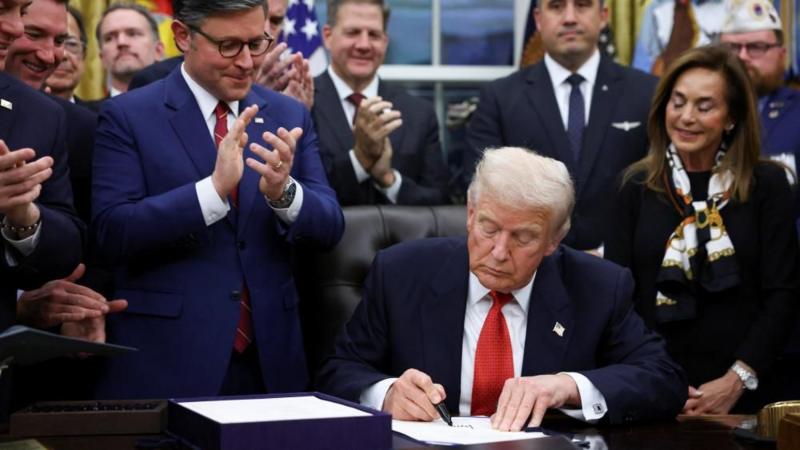
President Donald Trump signed a spending bill to end the longest government shutdown in U.S. history, lasting 43 days. The bill allows government services to resume, but only funds the government until January 30. Democrats initially opposed the bill, demanding health insurance subsidies for low-income Americans.
Key Facts
President Trump signed a bill to end the 43-day U.S. government shutdown.
The House of Representatives approved the bill with a 222-209 vote.
Around 1.4 million federal workers were affected, either on unpaid leave or working without pay.
Critical services like food aid and air travel were disrupted due to the shutdown.
The bill funds the government until January 30, requiring more negotiation soon.
Democrats wanted healthcare subsidies extended, causing initial opposition to the bill.
Some Senate Democrats eventually voted for the package with a promise of a future vote on healthcare subsidies.
Wisconsin Republican Derrick Van Orden traveled a long distance to participate in the House vote.
Read the Original
Want the full story? Tap a source to open the original
article.
Katie Wilson won the Seattle mayoral election, narrowly defeating the current mayor, Bruce Harrell. Her victory aligns Seattle with other major U.S. cities moving towards left-wing leadership, focusing on issues like housing and public safety.
Key Facts
Katie Wilson won the Seattle mayoral race against incumbent Bruce Harrell.
Late ballots helped Wilson widen her lead, leading to her victory.
Wilson is a progressive activist without previous elected office experience.
Her win is part of a trend in major U.S. cities toward more left-wing leadership.
Key issues in her campaign included housing affordability and public safety.
The results led some to compare her victory to that of Zohran Mamdani, a socialist mayor in New York.
Read the Original
Want the full story? Tap a source to open the original
article.
The longest U.S. government shutdown in history, lasting 43 days, has ended. Federal workers will return to their jobs, and government services will resume. Democrats triggered the shutdown over demands for health insurance subsidies but did not secure significant concessions.
Key Facts
The U.S. government shutdown lasted 43 days, the longest in history.
Federal workers will return to work and receive pay, and National Parks will reopen.
Senate Democrats caused the shutdown by not agreeing to a Republican funding measure.
Democrats demanded health insurance subsidies, but only got a promise for a Senate vote without guarantees.
Some Democrats are unhappy with their party's results from the shutdown.
President Trump celebrated the reopening as a victory for Republicans.
Trump's public comments included criticism of Senate Democrat Chuck Schumer during the shutdown.
Read the Original
Want the full story? Tap a source to open the original
article.
Rev. Jesse Jackson, a well-known civil rights leader, was hospitalized in Chicago. He is showing symptoms of a serious condition called progressive supranuclear palsy (PSP), which affects movement and control.
Key Facts
Rev. Jesse Jackson was hospitalized in Chicago on a Wednesday night.
He is showing symptoms of progressive supranuclear palsy (PSP).
PSP is a neurodegenerative condition, meaning it affects the brain and gets worse over time.
Jackson was initially diagnosed with Parkinson’s disease, but his PSP diagnosis was confirmed in April.
Jackson has faced past health issues, including gallbladder surgery and Covid-19 hospitalization in 2021.
He retired as president of the Rainbow PUSH Coalition in July 2023.
The Rainbow PUSH Coalition focuses on financial improvement and equality for black communities.
Read the Original
Want the full story? Tap a source to open the original
article.
Republican U.S. Representative Nancy Mace kept her support for a petition to release the investigation files on Jeffrey Epstein, going against President Donald Trump's pressure to withdraw her name. Trump and his team had tried to convince her and another Republican, Lauren Boebert, to stop supporting the petition. The U.S. House of Representatives will now vote on whether to release the files.
Key Facts
Nancy Mace is a Republican U.S. Representative.
Mace supported a petition to release the Jeffrey Epstein investigation files.
President Trump pressured Mace to remove her support but she did not.
A House vote will take place to decide on the release of the Epstein files.
Trump claims the Epstein investigation is a "hoax" against him.
The petition needed 218 signatures and got them when Congresswoman Adelita Grijalva signed it.
House Speaker Mike Johnson must now schedule the vote.
Read the Original
Want the full story? Tap a source to open the original
article.
On the biggest stories we show what the outlets agree on and where they differ. Readers keep that going, and get the daily digest by email every morning. Most choose $3.99/month.
A new part added to a bill meant to end the government shutdown has upset many Republicans. This part lets senators sue the federal government for up to $500,000 over phone searches related to the January 6 investigation. Both Democrats and Republicans are unhappy because they feel it gives special legal rights to certain lawmakers.
Key Facts
A provision was added last-minute to a bill to stop the government shutdown.
Senate Majority Leader John Thune introduced this provision.
It allows certain senators to sue the government for $500,000 over phone record searches.
These searches are tied to investigations into the January 6 Capitol riot.
The FBI had subpoenaed phone records of eight senators over calls near the time of the riot.
Both political parties are upset about this provision, saying it is unfair.
House Speaker Mike Johnson publicly disagrees with the provision.
Read the Original
Want the full story? Tap a source to open the original
article.
The House of Representatives passed a funding package to end the longest federal government shutdown in history. The shutdown lasted 43 days and affected many federal workers and services. The bill now awaits President Trump's signature to officially reopen the government.
Key Facts
The House passed the funding package with a vote of 222-209.
The bill marks the end of a government shutdown that lasted 43 days.
Thousands of federal workers went unpaid and services were disrupted during the shutdown.
Two Republicans voted with most Democrats against the bill, while six Democrats voted in favor of it.
The package funds the government until January 30 and reverses federal layoffs since October 1.
The House Democratic leadership opposed the bill for not extending Affordable Care Act subsidies.
The deal faced division within both parties, especially among Democrats seeking healthcare assurances.
The bill is now pending President Trump's signature to officially reopen the government.
Read the Original
Want the full story? Tap a source to open the original
article.
The U.S. House of Representatives has passed a spending bill to end the longest government shutdown in U.S. history. The bill received 222 votes in favor and 209 against and will now be sent to President Donald Trump to sign into law. However, the bill does not resolve healthcare subsidy issues that were part of the shutdown debate.
Key Facts
The House passed the spending bill with 222 votes, including support from six Democrats.
The bill aims to end a shutdown that lasted 42 days, the longest in U.S. history.
The Senate had already approved the bill with a 60 to 40 vote.
The bill provides funding through January 30, restoring pay to federal workers.
Healthcare subsidies under the Affordable Care Act remain unresolved.
Republicans and Democrats disagreed on addressing healthcare costs.
Senate Republicans agreed to discuss healthcare subsidies by December.
Some Democrats consider the agreement a temporary fix and fear another shutdown in January.
Read the Original
Want the full story? Tap a source to open the original
article.
U.S. Catholic bishops released a message expressing concern for immigrants and criticized aggressive immigration policies without naming President Trump. They called for more humane treatment and communication about immigration issues. The bishops emphasized the importance of immigration reform and highlighted immigrants' contributions to the U.S.
Key Facts
U.S. Catholic bishops issued a special message about immigration concerns.
The message indirectly criticizes President Trump's immigration policies.
U.S. border crossings have decreased significantly under Trump's administration.
The message is the first of its kind from the bishops in 12 years.
216 bishops supported issuing the message, with 5 opposing and 3 abstaining.
The message opposes mass deportation and negative language about immigrants.
The bishops call for ongoing dialogue with leaders for immigration reform.
The bishops acknowledge immigrants' significant contributions to the U.S.
Read the Original
Want the full story? Tap a source to open the original
article.
A disagreement arose in the U.S. House of Representatives when Rep. Marie Gluesenkamp Perez attempted to condemn Rep. Chuy García for actions related to his retirement. This happened just before a vote on a government funding bill. The move led to a debate among Democrats, with some questioning the timing and need for the resolution.
Key Facts
Rep. Marie Gluesenkamp Perez moved to condemn Rep. Chuy García.
García announced his retirement unexpectedly, leaving his chief of staff as the only candidate for his seat.
Perez's actions caused a heated exchange on the House floor.
House Minority Whip Katherine Clark tried to persuade Perez to delay her actions.
Democrats are focused on voting to reopen the government, with many opposing the bill.
The resolution against García criticizes him for appointing an heir, calling it undemocratic.
Gluesenkamp Perez is a centrist Democrat from a Republican-leaning district.
García cited health reasons influenced by his family for his retirement decision.
Read the Original
Want the full story? Tap a source to open the original
article.
The U.S. House of Representatives is moving toward a vote on releasing files related to Jeffrey Epstein after Rep. Adelita Grijalva was sworn in. Her signature was the last needed to move forward with the vote, which some Republicans, including Speaker Mike Johnson, oppose. The vote on the Epstein files is expected soon, and Grijalva's swearing-in had been delayed by 50 days.
Key Facts
Rep. Adelita Grijalva was sworn in after a 50-day delay.
Grijalva signed a petition that triggered a vote to release Epstein files.
President Trump and House GOP leaders oppose releasing the files.
Speaker Mike Johnson plans a floor vote on the petition next week.
Johnson can omit the typical waiting period for the vote.
Johnson stated the delay was due to House being out of session.
Grijalva's delay was the longest for a special election winner in over a decade.
Read the Original
Want the full story? Tap a source to open the original
article.
Staying informed here is free for everyone. If it's worth something to you, pay what you want. Supporters also get the daily digest by email every morning.
President Donald Trump is facing renewed scrutiny over past connections to Jeffrey Epstein, a known sex offender. New emails from Epstein's estate and a bipartisan push in the House for file release have increased attention on this matter. Some legal analysts suggest this could impact Trump's political standing.
Key Facts
President Trump is involved in controversy due to his past connections with Jeffrey Epstein.
Recently released emails from Epstein’s estate have attracted public and political attention.
These emails mention Trump allegedly spending time at Epstein's home and relate to past misconduct allegations.
Democrat and Republican lawmakers are pushing for the release of thousands of government files related to Epstein.
Legal analysts discuss potential impacts on Trump's political image due to these developments.
The House is set to vote on the release of Epstein-related records, with enough signatures for a petition.
President Trump argues that the focus on Epstein is a diversion from other political issues.
House Democratic and Republican leaders seek full transparency to address public concerns.
Read the Original
Want the full story? Tap a source to open the original
article.
President Donald Trump is considering suing the BBC over how they edited a part of his speech from January 6, 2021, in a documentary. Trump has given the BBC a deadline to respond by Friday, threatening a lawsuit for one billion dollars. The situation also includes discussions of new allegations involving Trump, Ghislaine Maxwell, and Jeffrey Epstein.
Key Facts
President Trump stated in a Fox News interview that he feels he must sue the BBC.
The lawsuit threat concerns how the BBC edited a segment of Trump’s January 6, 2021, speech.
The BBC Chair, Samir Shah, apologized for the editing error.
Trump has threatened to sue the BBC for one billion dollars if they don’t respond by Friday.
CNN’s Senior Legal Analyst, Elie Honig, discussed the potential legal outcomes of the case.
New emails were released alleging Trump spent time with an Epstein victim, which he denies.
Trump has accused Democrats of using these allegations to distract from other political issues.
Read the Original
Want the full story? Tap a source to open the original
article.