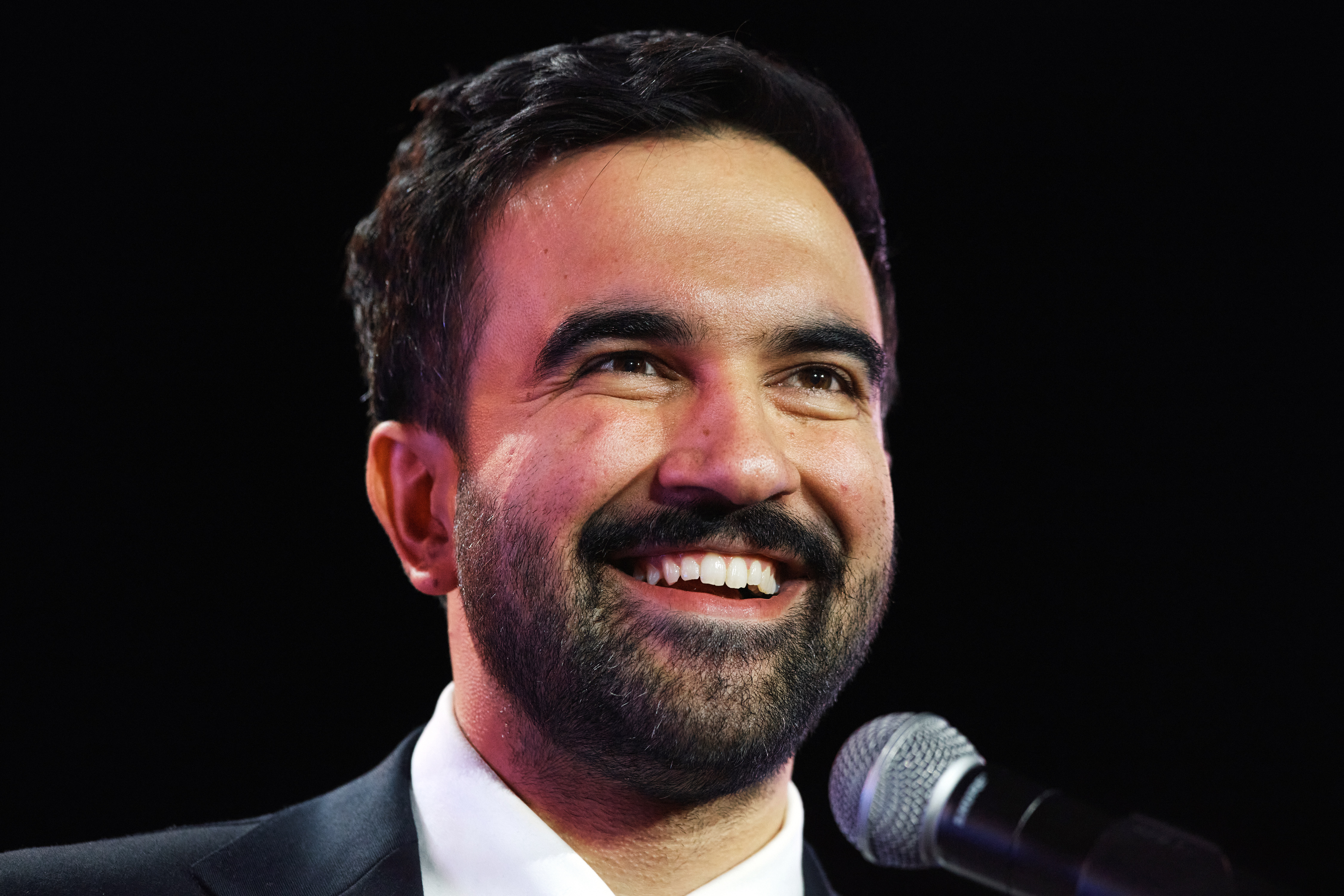
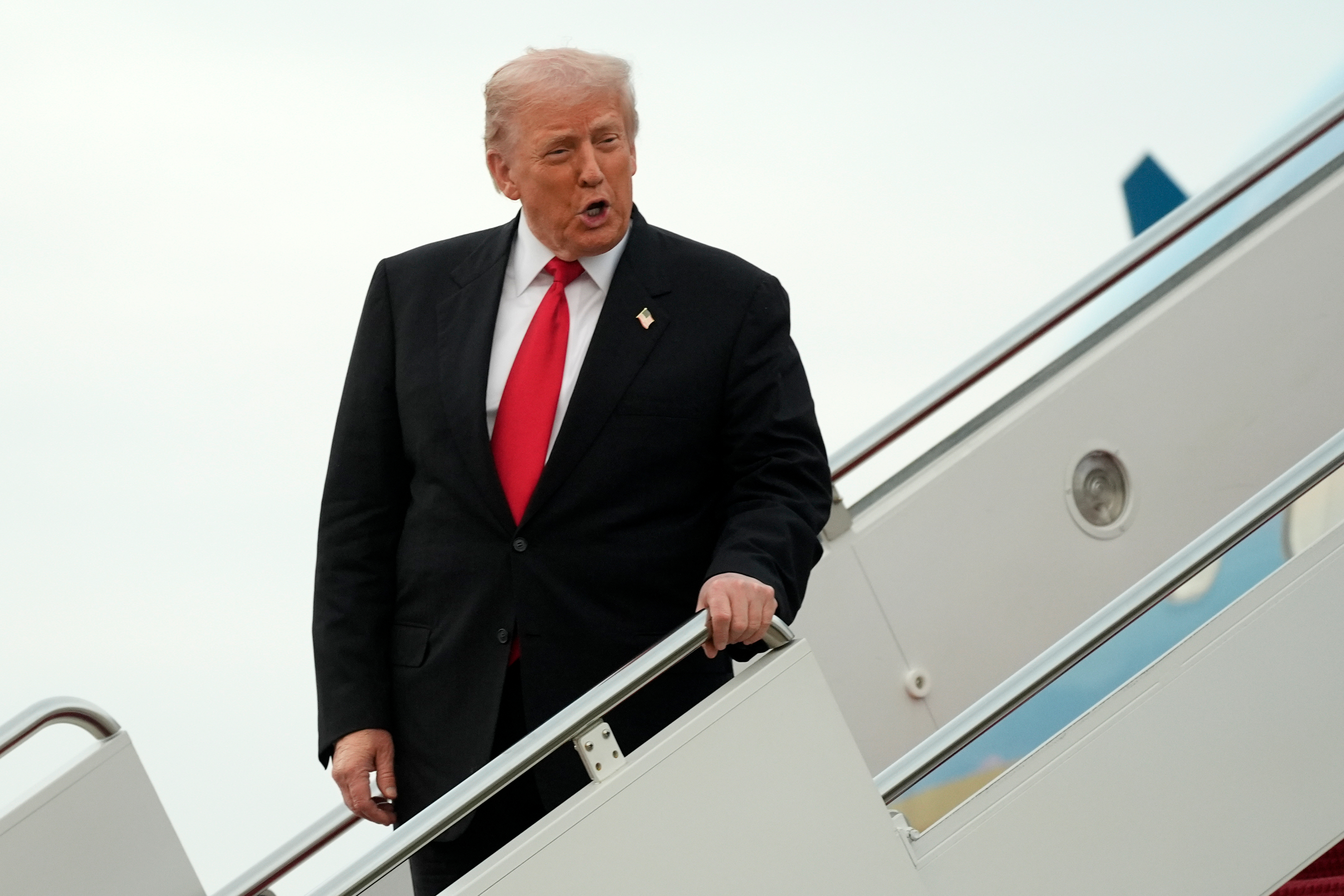
Zohran Mamdani, elected as the next mayor of New York City, plans to contact President Donald Trump before he starts his term. Mamdani believes their relationship is important for the city's success, especially with ongoing federal and city tensions about immigration enforcement.
Key Facts
Zohran Mamdani is the mayor-elect of New York City.
Mamdani plans to call President Trump before assuming office.
He says this relationship is important for New York City's success.
There are tensions between the city's leadership and federal authorities.
These tensions particularly involve the potential use of ICE agents and National Guard troops in the city.
Mamdani has a Democratic Socialist platform.
President Trump has criticized the incoming administration.
Read the Original
Want the full story? Tap a source to open the original
article.
The U.S. Senate voted to end a government shutdown with a proposal led by Republicans, a decision that upset some progressive Democrats. Democratic Senate leader Chuck Schumer faced criticism for allowing the vote to proceed without securing healthcare subsidies as demanded by Democrats. The bill funds parts of the government temporarily but leaves the issue of healthcare subsidies unresolved.
Key Facts
The Senate passed a bill to end the U.S. government shutdown without healthcare subsidies under the Affordable Care Act.
Democratic leader Chuck Schumer faced backlash for enabling the vote on the Republican proposal.
The measure funds the government until January 30 but defers the decision on healthcare subsidies.
Seven Democratic Senators and one Independent Senator voted with Republicans to end the shutdown.
Schumer did not vote for the measure but is criticized for not preventing the defections.
Progressive Democrats are calling for stronger leadership and critiquing Schumer's previous political stances.
Senate Republicans agreed to a future vote on ACA subsidies in December, though approval is uncertain.
Read the Original
Want the full story? Tap a source to open the original
article.
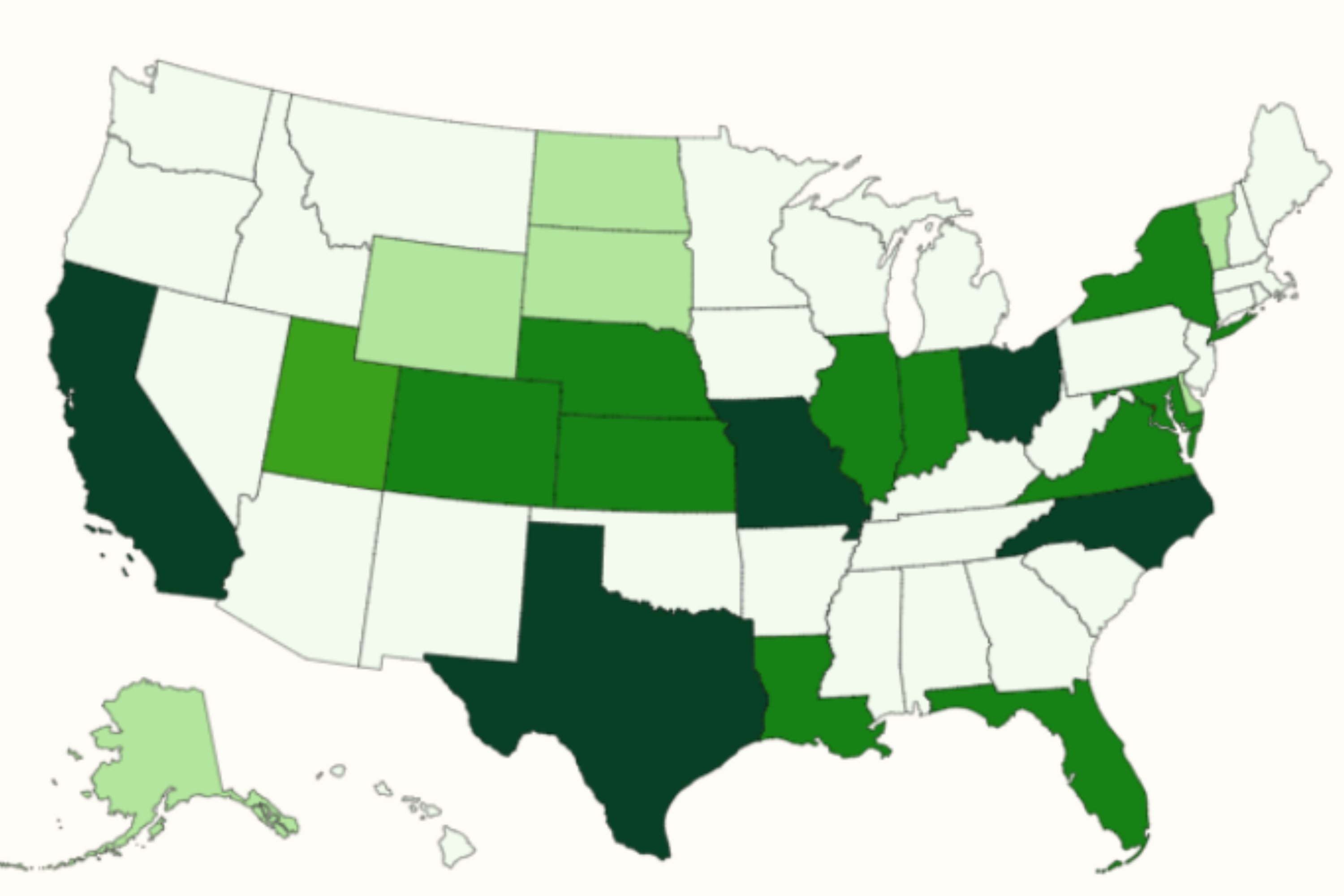
California voters have approved a plan to change the state's congressional map in a way that could help Democrats gain seats in the U.S. House of Representatives. This move is part of wider efforts across the country by both parties to change congressional districts before the 2026 midterm elections. Several states, including Texas and Missouri, have already made changes or are considering them.
Key Facts
California has approved a measure to change its congressional district map, potentially helping Democrats win more seats.
Five states, including California, have already changed their congressional maps.
Texas passed a redistricting plan that could boost Republican seats by up to five.
Missouri's new map targets Democratic Rep. Emanuel Cleaver's seat.
North Carolina's new map aims to gain one Republican seat by changing district lines.
Ohio's new congressional map could increase Republican seats by two.
Democratic chances could improve in states like Utah, where a judge ordered changes to the congressional map.
Illinois, Maryland, New York, and Virginia are also considering redistricting efforts to potentially gain more seats for Democrats in the House.
Read the Original
Want the full story? Tap a source to open the original
article.
Graham Platner, a Democratic candidate for the U.S. Senate from Maine, faces challenges due to past social media posts and staffing issues. Despite this, he continues his campaign, emphasizing his personal experiences and desire to bring change. Platner aims to replace Republican Senator Susan Collins in the 2026 elections and must first secure the Democratic nomination.
Key Facts
Graham Platner is a Democratic candidate seeking to win a U.S. Senate seat in Maine.
He is an oyster farmer and a combat veteran who has openly discussed his struggles with PTSD.
Past social media posts with inflammatory content have resurfaced, causing controversy.
Platner believes voters want new faces in politics and hopes they will overlook his past.
His campaign aims to focus on economic equality and change within the political system.
He grew up in Maine, served in Iraq and Afghanistan, and emphasizes his roots in the community.
Platner must first win the Democratic nomination, facing competition from Gov. Janet Mills.
Read the Original
Want the full story? Tap a source to open the original
article.
U.S. Catholic bishops have elected Oklahoma City Archbishop Paul Coakley as their new president. This decision signals a conservative direction during President Donald Trump’s second term. Coakley succeeded after three rounds of voting, defeating more centrist candidates.
Key Facts
U.S. Catholic bishops elected Archbishop Paul Coakley as their president.
Coakley was previously elected as secretary of the bishops' conference in 2022.
Coakley is known for his conservative stance, especially on issues like abortion and LGBTQ+ rights.
The election took place during President Donald Trump's second term.
Coakley beat centrist Bishop Daniel Flores, who was elected vice president.
Half of the candidates in the election were from the conservative wing.
The U.S. Conference of Catholic Bishops aims to discuss immigration policies.
Despite differences, even conservative bishops generally support migrant rights.
Read the Original
Want the full story? Tap a source to open the original
article.
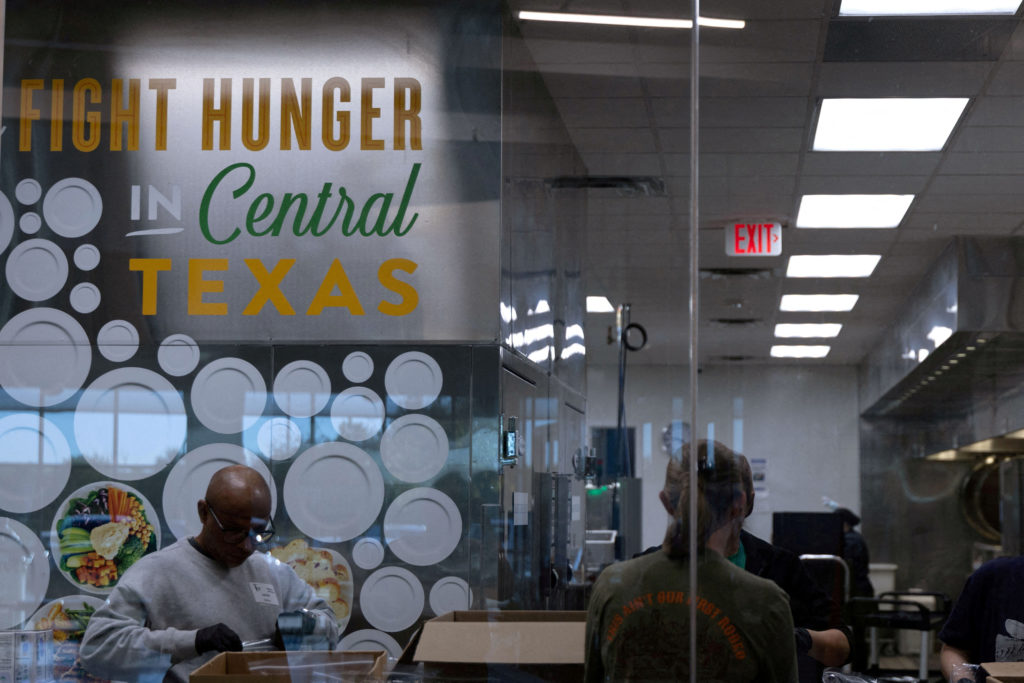
During a prolonged U.S. government shutdown, volunteers across the country are providing services to their communities to fill gaps left by suspended federal programs. Initiatives like Pensacola Grocery Buddies pair people in need with donors to cover groceries, while volunteers at places like the Oklahoma City National Memorial help maintain essential services.
Key Facts
Pensacola Grocery Buddies was created to help with food costs during the government shutdown.
In two weeks, the group connected over 300 people needing help with donors and raised over $10,000.
Volunteers are stepping up across the nation to maintain services usually provided by the federal government.
The Oklahoma City National Memorial relies on volunteers to give tours, normally led by furloughed park rangers.
The site remembers 168 people killed in a bombing 30 years ago.
Volunteers promote a culture of giving back, drawing on their personal experiences.
A graduate in North Carolina started her own "Grocery Buddies" chapter to meet local needs.
People face challenges due to a long-standing drop in volunteer numbers, compounded by the shutdown.
Read the Original
Want the full story? Tap a source to open the original
article.
The Space Weather Prediction Center has warned of potential disruptions to the power grid in 11 U.S. states due to a strong geomagnetic storm. States affected lie north of the 45th parallel, including places like Oregon and Maine. The storm could cause voltage issues and affect satellite systems.
Key Facts
The geomagnetic storm is forecasted to be a category G4.
It may impact states poleward of the 45th parallel, including 11 states like Oregon and Maine.
The storm could cause voltage control problems and mistakenly trip key grid assets.
Satellite systems may experience outages due to the storm.
An aurora borealis might be visible as far south as Alabama.
Geomagnetic storms occur when solar particles interact with Earth's magnetic field.
These storms can disrupt communication and navigation systems.
NOAA uses a standardized scale to issue alerts and warnings on space weather events.
Read the Original
Want the full story? Tap a source to open the original
article.
President Donald Trump has proposed new plans to give direct payments to Americans, like $2,000 checks from tariff money and other financial reliefs. However, no payments have been made yet, and there's no timetable for them. These ideas are still in discussion, and they need more details and approval before moving forward.
Key Facts
President Trump suggested giving $2,000 payments to Americans using money from tariffs, which are taxes on foreign goods.
Trump mentioned on a social media platform that he plans to issue a "dividend" to middle- and lower-income Americans.
Experts warn that these payments could cost $600 billion each year and might increase the national deficit by $6 trillion over ten years.
Tariff revenues are usually paid by U.S. importers and passed on to consumers.
Treasury Secretary Scott Bessent stated that these payments might come as tax cuts or deductions instead of direct checks.
A separate proposal called "baby bonds" would give $1,000 to each child born in the U.S. from 2025-2028, but this needs more legislative steps to become real.
The government has also thought about giving savings from government efficiency to citizens, but no details or plans have been finalized.
Read the Original
Want the full story? Tap a source to open the original
article.
A report from the University of California, San Diego has highlighted a significant increase in students entering without middle school math skills. The percentage of students placing below Algebra 1 in math assessments tripled over five years, raising concerns about student readiness for college. This trend is associated with learning disruptions during the pandemic and changes in admissions practices.
Key Facts
UCSD report shows a rise in students without Algebra 1 skills from 6% in 2020 to 18% in 2025.
Pandemic disruptions and the removal of standardized test requirements are linked to the increase.
Math 2, a course for very basic math skills, now enrolls over 900 students, up from fewer than 100.
A new course, Math 3B, was introduced to cover high school-level math content.
Many students placed in remedial courses had high school math grades, including some with straight A's (4.0 GPA).
The report points to a gap between students' paper qualifications and actual skills.
Schools with high numbers of low-income students have more students needing remedial courses.
There is a debate about balancing access to education with preparing students adequately for college.
Read the Original
Want the full story? Tap a source to open the original
article.
The U.S. House of Representatives is preparing to vote on a spending bill to end a prolonged government shutdown. If House Republicans remain united, they can pass the budget without needing Democratic support, but several issues threaten this unity. One significant point of contention is the renewal of tax credits for affordable health insurance.
Key Facts
The U.S. Senate has passed a spending bill to end the longest government shutdown in history.
House Republicans need to stay united to pass the budget without Democratic votes.
A key issue is whether Republicans will agree to renew tax credits that help 24 million Americans afford health insurance.
Democrats want to attach these tax credits to the spending bill, while Senate Republicans only agreed to a future vote.
Some conservative Republicans warn against allowing health insurance premiums to rise.
Democrats are divided on the issue; the left-wing is critical of those who supported the Senate budget.
Moderate Democrats like Jared Golden and Henry Cuellar may support the Republican spending plan.
The House has a narrow Republican majority with 219 seats; they can only lose two votes on the plan.
Read the Original
Want the full story? Tap a source to open the original
article.
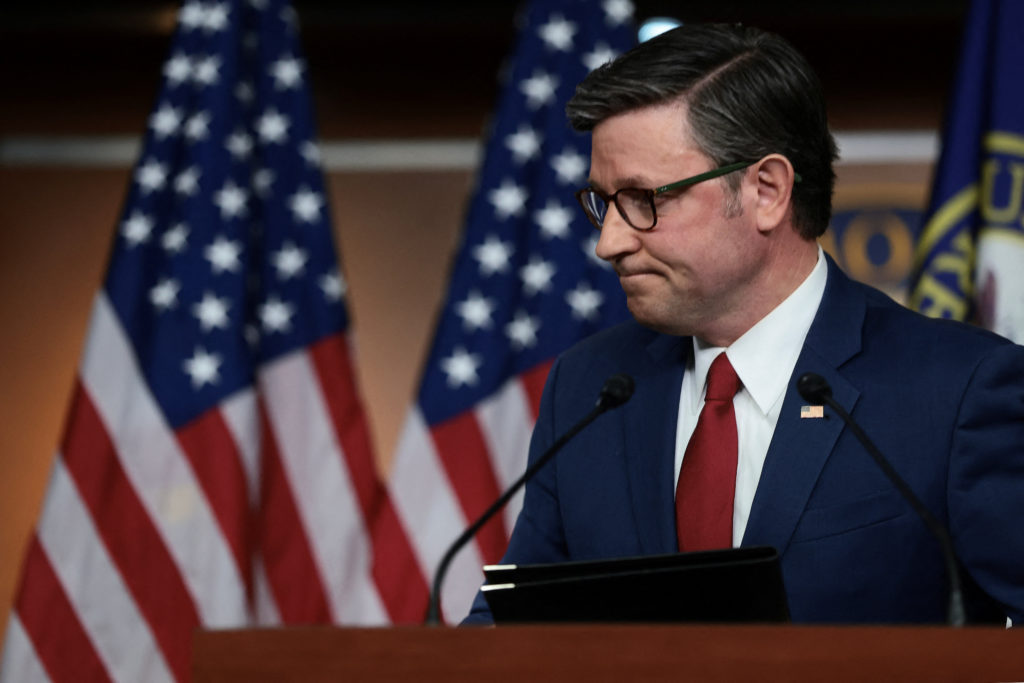
Speaker Mike Johnson is calling U.S. House members back to session after keeping it closed during the government's long shutdown. Lawmakers are set to address a number of pending issues, starting with a vote to reopen the government. The situation highlights Johnson's approach to leadership and his interactions with other government branches.
Key Facts
Speaker Mike Johnson had not convened the U.S. House during a long government shutdown.
He is recalling lawmakers to address pending legislative demands.
The first agenda item is to vote on reopening the government.
The session will also focus on other matters like the Jeffrey Epstein files and swearing in a new representative.
Johnson's decision to keep the House closed differed from historical norms.
The prolonged closure allowed more influence by the executive branch, under President Donald Trump.
Johnson has criticized Democrats, saying they caused the shutdown over health care funding disagreements.
During the shutdown, Johnson said the House had done its part by passing a funding bill, placing responsibility on the Senate.
Read the Original
Want the full story? Tap a source to open the original
article.
A new map shows Democrats are reducing the gap with Republicans in the redistricting efforts before the 2026 midterm elections. Donald Trump has encouraged states to redraw districts to help Republicans, prompting Democrats to act similarly. Changes in states like Utah, Texas, and California could affect the balance of power in the U.S. House of Representatives.
Key Facts
Democrats recently gained an advantage in Utah with a new congressional map that increases their chances of winning a seat.
President Trump has pushed Republican-led states to redraw district maps to benefit the GOP in the 2026 elections.
Texas has responded to Trump's call, with a new map potentially adding five Republican seats.
In California, voters approved a plan that might give Democrats a chance to gain five seats.
Missouri, North Carolina, and Ohio have adopted new maps that could result in additional Republican seats.
A new map in Utah may allow Democrats to flip one of the state's four House seats.
Legal challenges and referendum efforts in states like Missouri and California could impact the newly drawn districts.
Republicans claim California’s redistricting process is unconstitutional and have filed a legal challenge.
Read the Original
Want the full story? Tap a source to open the original
article.
Each summary links back to the original reporting, so you can check the work. Support that, and get the daily digest every morning. Most choose $3.99/month.
In his first months of his second term, President Trump has focused on making financial promises that don't need new laws. He often uses social media to announce ideas like 50-year mortgages and payments to people. Most of these ideas are easy to change or reverse because they are not backed by new laws.
Key Facts
President Trump signed fewer bills into law than other presidents at the same point in their terms.
Trump's political party controls both the presidency and Congress.
Trump often announces financial ideas on social media without new laws to back them.
He suggested a 50-year mortgage to make housing more affordable.
Trump proposed $2,000 payments to individuals, which he changes details about frequently.
The Supreme Court might cancel tariffs because they are not part of new laws.
Trump's ideas can be easily reversed if they are not made into laws.
He pressures companies to lower drug prices without seeking new laws.
Read the Original
Want the full story? Tap a source to open the original
article.
The Trump Administration is reportedly instructing U.S. consular officers to deny visas to applicants who are overweight or have costly long-term medical conditions. This guidance aims to ensure that immigrants can financially support their own healthcare needs without relying on public assistance. The policy has stirred significant discussion due to the perspectives on health discrimination and immigration fairness.
Key Facts
The Trump Administration has issued guidance for consular officers to deny visas based on applicants' health conditions.
Conditions mentioned include obesity, diabetes, and other chronic illnesses.
The guidance emphasizes financial self-sufficiency for healthcare costs over a person's lifetime.
Consular officers are asked to consider the financial resources of applicants and their dependents.
Applicants of retirement age must show they can support themselves without employment income.
Over 40% of adults in the U.S. have obesity, making the policy relevant to many.
The policy has prompted debate about fairness and implementation feasibility.
Critics argue it may unfairly target people with health issues, suggesting it may be hard to enforce consistently.
Read the Original
Want the full story? Tap a source to open the original
article.
The ongoing federal government shutdown in the U.S. has been the longest in history, affecting the economy by delaying paychecks for 1.25 million federal workers and causing thousands of flight cancellations. Although many economic activities will recover after the government reopens, around $11 billion is expected to be permanently lost.
Key Facts
The U.S. is experiencing its longest federal government shutdown, which began on October 1.
About 1.25 million federal workers have not received paychecks during the shutdown.
Thousands of flights have been canceled, with more expected even as the government approaches reopening.
There has been a slowdown in government contract awards and interruptions in food aid benefits for some recipients.
The shutdown is projected to reduce economic growth for the fourth quarter by 1.5 percentage points.
The reopening of the government could increase growth in the first quarter of the following year by 2.2 percentage points.
The Congressional Budget Office estimates that $11 billion in economic activity will not be recovered.
The impact of this shutdown is more significant than a past shutdown in 2018-2019, which lasted for 35 days.
Read the Original
Want the full story? Tap a source to open the original
article.
President Donald Trump proposed a plan to give $2,000 checks to lower- and middle-income Americans, funded by tariffs. Economists are debating the impact, raising concerns about rising inflation and whether tariff revenues can cover the costs.
Key Facts
President Trump proposed $2,000 checks for lower- and middle-income Americans using tariff funds.
Economists worry this could increase inflation since the U.S. already faces high inflation levels.
The proposal has not been finalized, and details about eligibility and implementation are unclear.
Experts believe these checks could push inflation higher, similar to effects seen during COVID-19 stimulus efforts.
Tariffs have generated about $195 billion for the U.S. in fiscal year 2025.
The proposal could cost more than $200 billion, potentially matching annual tariff revenue.
Some analysts believe the checks might boost markets by encouraging spending, which could help the economy.
Experts question whether tariff revenues alone can fund this proposal without worsening long-term U.S. fiscal problems.
Read the Original
Want the full story? Tap a source to open the original
article.
The Senate met after approving a plan to end the government shutdown, but final approval is still pending. Airlines have had to cancel many flights due to staffing issues at air traffic control centers caused by the shutdown. Severe weather and a shortage of air traffic controllers are causing further delays, affecting travel plans for many.
Key Facts
U.S. airports are facing higher flight cancellations due to the government shutdown.
The FAA ordered a reduction in flights to ensure safety amid staffing issues.
Nearly 1,200 flights were canceled on a recent Tuesday as a result.
Severe weather is contributing to further delays and cancellations.
Air traffic controllers have missed paychecks due to the shutdown, leading some to call out of work.
The Senate has approved a measure to end the shutdown, but the process is not complete.
Transportation Secretary Sean Duffy stated that flight reductions would continue until safety standards are met.
President Trump has urged controllers to return to work and offered a $10,000 bonus for those who stayed.
Read the Original
Want the full story? Tap a source to open the original
article.
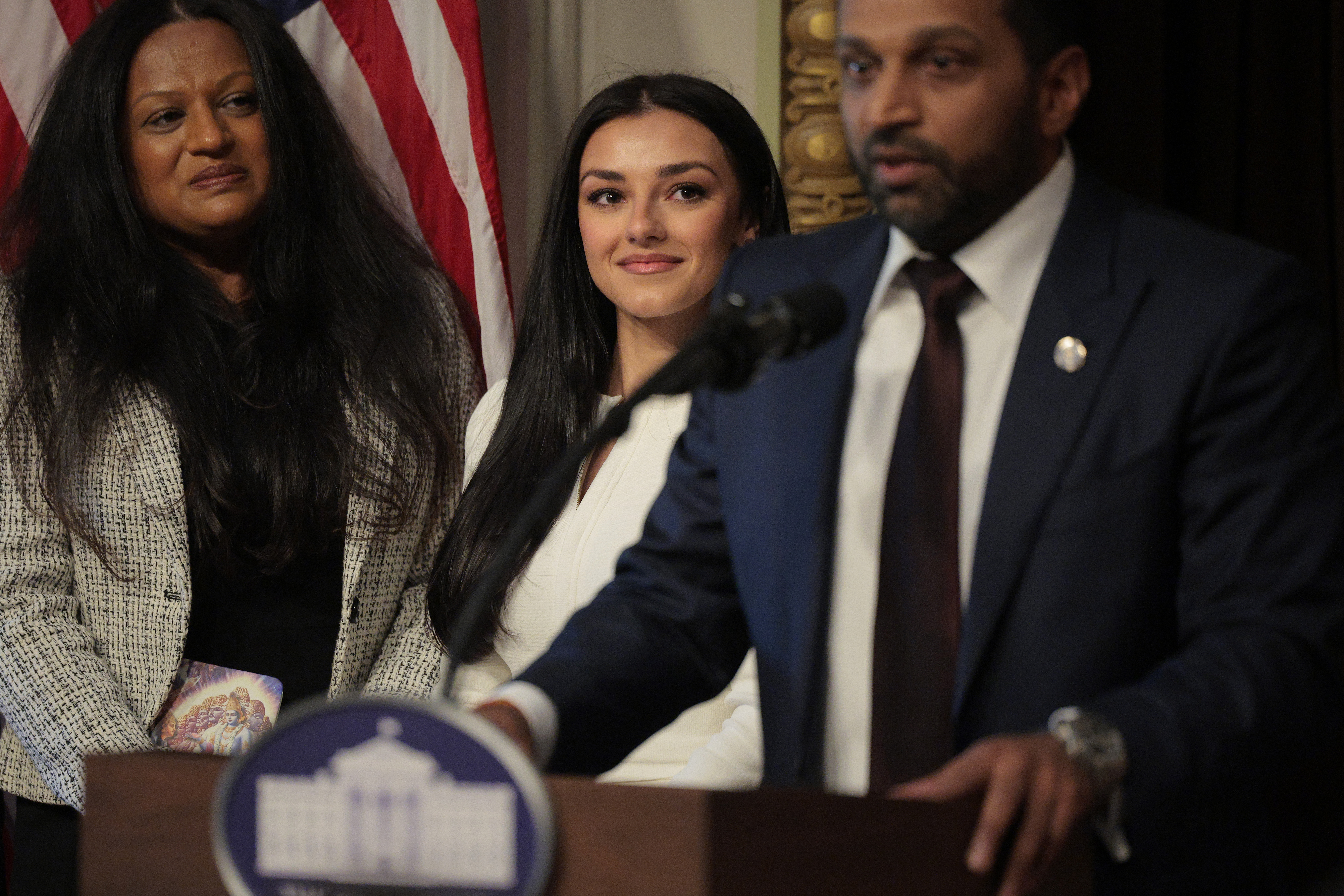
Alexis Wilkins, who is dating FBI Director Kash Patel, has filed lawsuits claiming false statements about her working for Israeli intelligence. The lawsuits target several public figures who shared these allegations. Wilkins denies the accusations and seeks to hold those spreading them accountable.
Key Facts
Alexis Wilkins has filed multiple defamation lawsuits after being accused of being an Israeli spy.
She is a country music singer and a political commentator with a significant social media following.
The lawsuits target Kyle Seraphin, Sam Parker, and Elijah Schaffer, who allegedly spread these accusations online.
Wilkins denies all allegations, stating that they are baseless and damaging.
The accusations claim that her relationship with Kash Patel is part of a "honeypot" operation, which she strongly refutes.
The accusations and lawsuits have attracted media attention and public interest.
Wilkins appeared on The Megyn Kelly Show, where she firmly denied the spy allegations.
Newsweek has reached out to those involved for comments on the lawsuits.
Read the Original
Want the full story? Tap a source to open the original
article.
That's the point of this site, and readers keep it that way. Support for any amount and the daily digest lands in your inbox every morning at 7am Eastern.
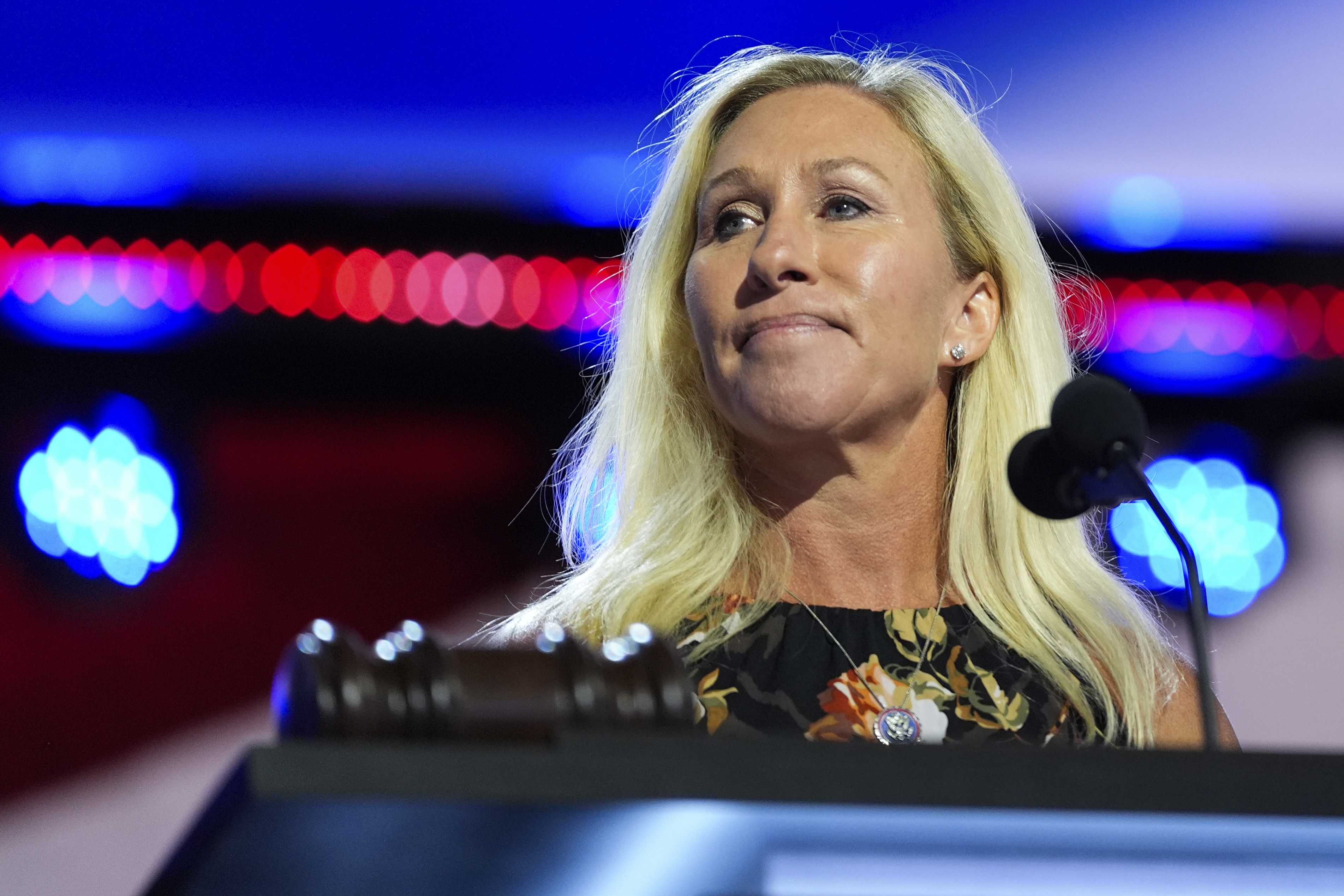
Republican Representative Marjorie Taylor Greene has responded to criticism from President Donald Trump after she suggested he should focus more on domestic issues than foreign policy. The disagreement has highlighted tensions within the Republican Party about priorities, especially as they approach the 2026 midterm elections. Greene wants Trump to prioritize domestic economic issues, such as healthcare costs.
Key Facts
President Donald Trump criticized Marjorie Taylor Greene for her comments on his focus on foreign policy.
Greene responded by stating she is committed to representing her district and prioritizing American interests.
Greene criticized Trump's meeting with Syrian interim President Ahmed al-Sharaa, urging him to focus more on domestic policies.
Greene emphasized the need for a Republican plan to address rising healthcare costs and alternatives to the Affordable Care Act.
The tension between Greene and Trump shows differing priorities within the Republican Party ahead of upcoming elections.
Trump was surprised by Greene's comments, suggesting she does not understand the global responsibilities of the presidency.
Greene called for attention to urgent economic concerns, including health insurance premiums.
Read the Original
Want the full story? Tap a source to open the original
article.
President Donald Trump has experienced the longest stretch of negative approval ratings in his second term, with no positive ratings in 20 days according to major polls. The government shutdown, which has become the longest in U.S. history, is impacting his approval as citizens express disapproval of how he is handling the situation. Polls show a significant majority of Americans disapproving of Trump's performance.
Key Facts
President Donald Trump has not recorded a positive approval rating in major polls for 20 days straight.
His last positive net approval rating was on October 22, according to RMG Research.
The government shutdown is the longest in U.S. history and has affected many Americans, including federal workers and those receiving food assistance.
RMG Research found that 46% of voters approve of Trump, while 51% disapprove, resulting in a net rating of -5.
Other polls: Morning Consult (-10), Newsweek tracker (-10 recently), Quinnipiac (-14), YouGov/Economist (-18), Ipsos/Reuters (-17), Navigator Research (-15).
The YouGov/Economist poll shows 58% disapproval of Trump's handling of the shutdown.
The shutdown has led to disrupted services, furloughed workers, and reduced food assistance benefits for 42 million recipients.
Trump defends his actions on social media, while critics accuse him of using the shutdown for political leverage.
Read the Original
Want the full story? Tap a source to open the original
article.