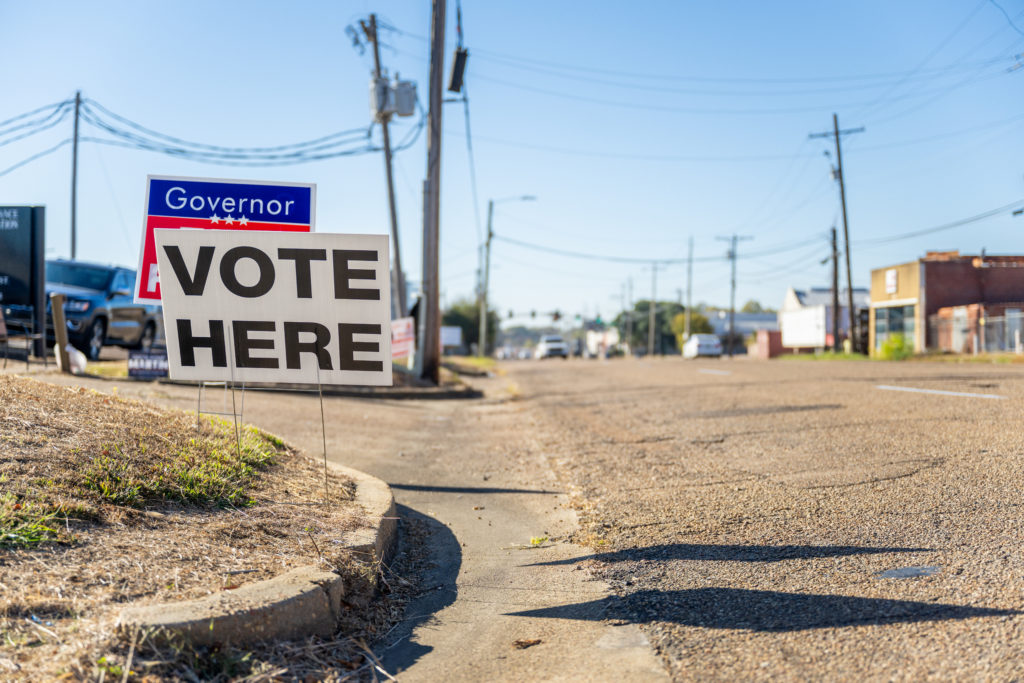
The Supreme Court has agreed to decide if states can keep counting mail ballots that arrive after Election Day. This decision follows an appeal from Mississippi, where a lower court ruled against the practice under federal law. Mississippi is one of several states that accept such ballots if postmarked by Election Day.
Key Facts
The Supreme Court will decide on the legality of counting late-arriving mail ballots.
This issue has been a focus of President Donald Trump.
The appeal comes from Mississippi, challenging a state law on this.
A lower court had ruled the Mississippi law violated federal law.
18 states and Washington D.C. allow late-arriving ballots if postmarked by Election Day.
The decision could impact how mail ballots are handled in future elections.
Read the Original
Want the full story? Tap a source to open the original
article.
President Donald Trump directed air traffic controllers to return to work during the government shutdown. He threatened to reduce the pay of those who do not comply and promised a $10,000 bonus to those who continued working. The shutdown has led to the cancellation of thousands of flights due to a lack of staff.
Key Facts
President Trump ordered air traffic controllers to return to work immediately.
He warned that pay would be reduced for those who did not return.
A $10,000 bonus was offered to controllers who worked during the shutdown.
The federal government shutdown has resulted in many flight cancellations.
Employees are dealing with staff shortages affecting flight safety.
President Trump used Truth Social to share his message.
Trump criticized those taking time off, calling it a "Democrat Shutdown Hoax."
Read the Original
Want the full story? Tap a source to open the original
article.
An early-season arctic blast has brought extreme winter weather to parts of the U.S., affecting over 80 million people. Experts advise taking steps like using humidifiers, thermal curtains, and portable heaters to protect homes and stay safe during the cold snap.
Key Facts
An arctic blast is affecting a large part of the U.S., with more than 80 million people under freeze alerts.
At least 13 states, including Tennessee, Illinois, and New York, are experiencing significant snowfall and ice.
Record-low temperatures and high winds have disrupted travel across several areas.
Experts recommend using humidifiers to add moisture to dry indoor air caused by heating systems.
Thermal curtains can help retain heat by blocking drafts around windows.
Portable power banks are useful for keeping phones charged during power outages.
A backup portable heater can provide heat if the main heating system fails.
Door draught excluders can help keep cold air out and warm air in, improving energy efficiency.
Read the Original
Want the full story? Tap a source to open the original
article.
A new bill, introduced by Senator Elizabeth Warren, seeks to increase Social Security payments by $200 per month for six months. This bill has over 10 cosponsors and aims to help seniors with rising costs, which some lawmakers attribute to President Trump's trade policies. The proposal highlights challenges such as Social Security's funding issues and political divisions.
Key Facts
The bill is called the Social Security Emergency Inflation Relief Act.
It proposes a $200 monthly increase in Social Security and Veterans Affairs benefits for six months.
Senator Elizabeth Warren introduced the bill on October 30.
Over 10 lawmakers, including Senate Minority Leader Chuck Schumer, support the bill.
Supporters link rising costs to President Trump's trade policies, including tariffs.
Social Security may face funding shortages by the early 2030s, reducing payments by about 20%.
Some experts and politicians doubt the bill's passage due to political divisions.
Read the Original
Want the full story? Tap a source to open the original
article.
The FAA has instructed airlines to reduce flights at 40 major U.S. airports due to a federal government shutdown. This has caused staffing issues among air traffic controllers and TSA agents, leading to hundreds of flight cancellations by major airlines. Airlines like Delta, American, United, and Southwest are allowing ticket changes or refunds without penalties.
Key Facts
The FAA ordered airlines to cut flights at 40 large U.S. airports.
This action is due to the long-lasting government shutdown that started on October 1.
Air traffic controllers and TSA agents are working without pay during the shutdown.
On November 5, Transportation Secretary Sean Duffy demanded at least 4% of flight cuts, rising to 10% if the shutdown continues.
On November 8, over 1,500 flights were canceled as per FlightAware data.
Delta, American, United, and Southwest have all announced significant cancellations.
Passengers on these airlines can change or cancel flights without extra fees.
Read the Original
Want the full story? Tap a source to open the original
article.
President Donald Trump's administration is highlighting Zohran Mamdani, the soon-to-be mayor of New York City, as a reason for stricter immigration policies. There is concern among some Republicans about Mamdani's influence on other cities with large immigrant populations. The administration has made immigration laws stricter, focusing on reducing admissions from certain countries and increasing visa requirements.
Key Facts
Zohran Mamdani, born in Uganda, is set to become New York City's next mayor.
President Trump and his administration are focusing on Mamdani to argue against legal immigration.
Immigration policies are being tightened, including fewer refugee admissions and stricter visa requirements.
The Trump administration is scrutinizing new citizens' records for potential denaturalization.
New immigration tests will be more difficult, stressing English language skills and community ties.
U.S. Citizenship and Immigration Services is now assessing "good character" in citizenship applications.
Some Republicans have raised questions about Mamdani's citizenship.
President Trump has made statements questioning Mamdani's political beliefs and citizenship.
Read the Original
Want the full story? Tap a source to open the original
article.
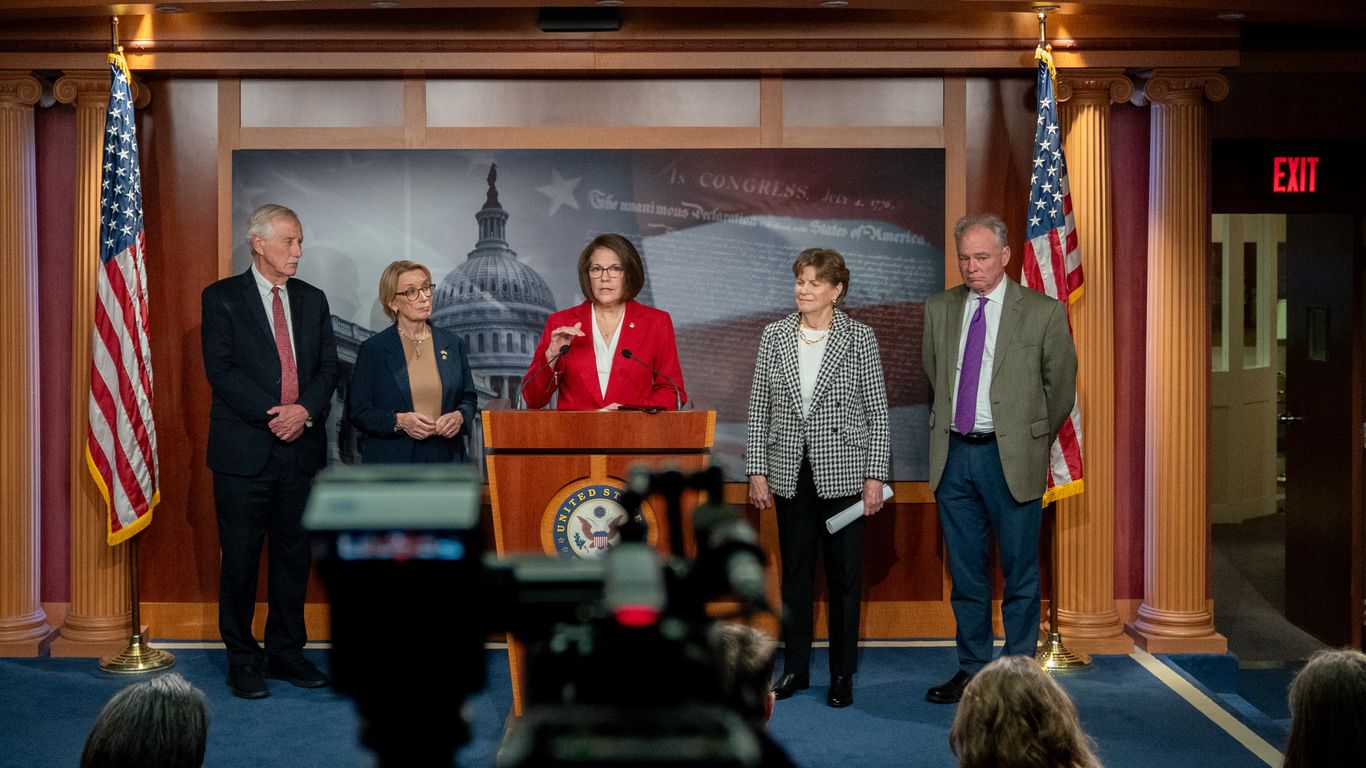
Senate Democrats and Republicans are working on a legislative package to end the longest government shutdown in U.S. history. The package would provide funding to reopen the government and include measures such as backpay for furloughed workers. However, it does not resolve the issue of expiring health care subsidies, which has been a major concern for Democrats.
Key Facts
A group of Senate Democrats joined Republicans to push for ending the government shutdown.
The legislative package provides funding to keep the government running temporarily until January 30.
The package includes backpay for federal workers affected by the shutdown.
The deal does not address health care subsidies, leading to dissatisfaction among some Democrats.
A procedural vote passed in the Senate with a 60-40 margin, allowing the bill to proceed.
The House will need to approve the bill before it goes to President Trump for signing.
The proposed funding includes full financing for programs like agriculture and military construction until September 2026.
An agreement on health care funds is postponed, with a vote expected next month.
Read the Original
Want the full story? Tap a source to open the original
article.
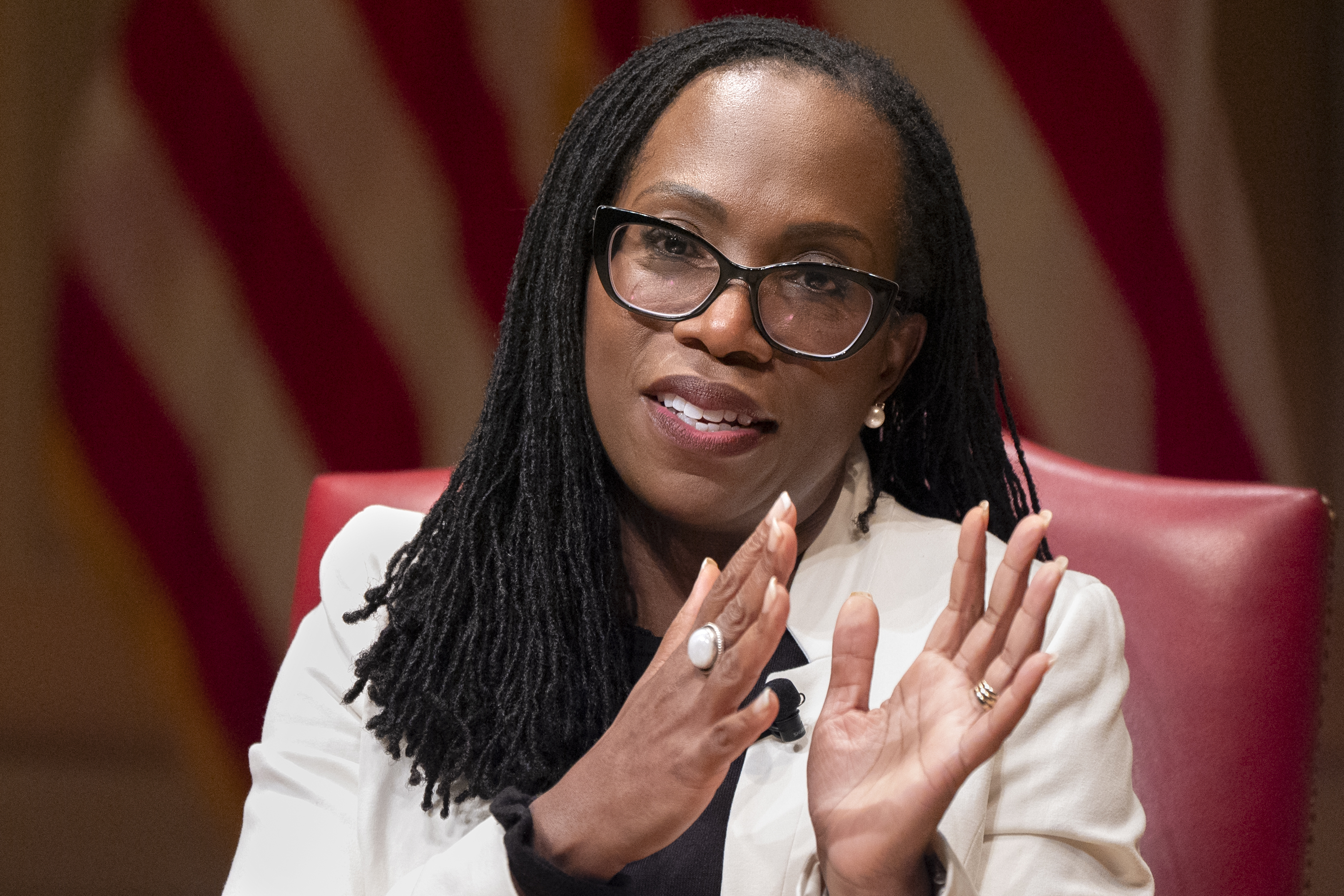
Supreme Court Justice Ketanji Brown Jackson gave the Trump administration a deadline to provide additional legal arguments regarding a ruling on SNAP benefits during the government shutdown. The case involves funding for food assistance programs, and the Supreme Court will decide on how the benefits are paid. The urgency of the case indicates its importance and potential impact on federal policies.
Key Facts
Justice Ketanji Brown Jackson is involved in a case about SNAP (Supplemental Nutrition Assistance Program) benefits.
The Trump administration faced a deadline to submit additional legal arguments by 4 p.m. on a specific Monday.
This case is part of a dispute about paying SNAP benefits during a government shutdown.
The case is Rollins v. Rhode Island State Council of Churches.
Agriculture Secretary Brooke Rollins leads the applicants seeking a legal stay.
The Rhode Island State Council of Churches is one of the respondents.
Responses from the opposing side were due by 8 a.m. the next day.
The Supreme Court could make a quick decision after receiving all filings.
Read the Original
Want the full story? Tap a source to open the original
article.
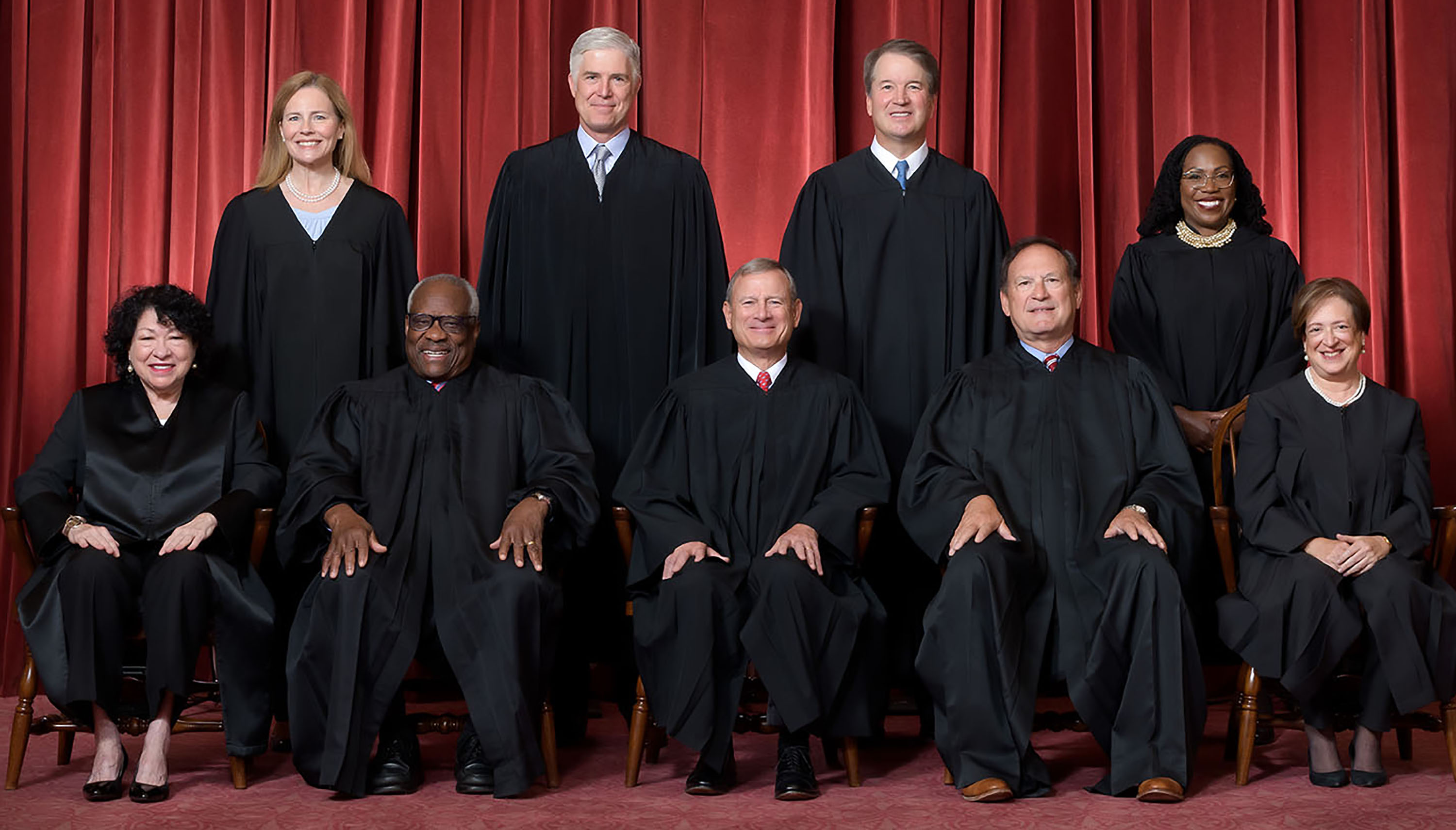
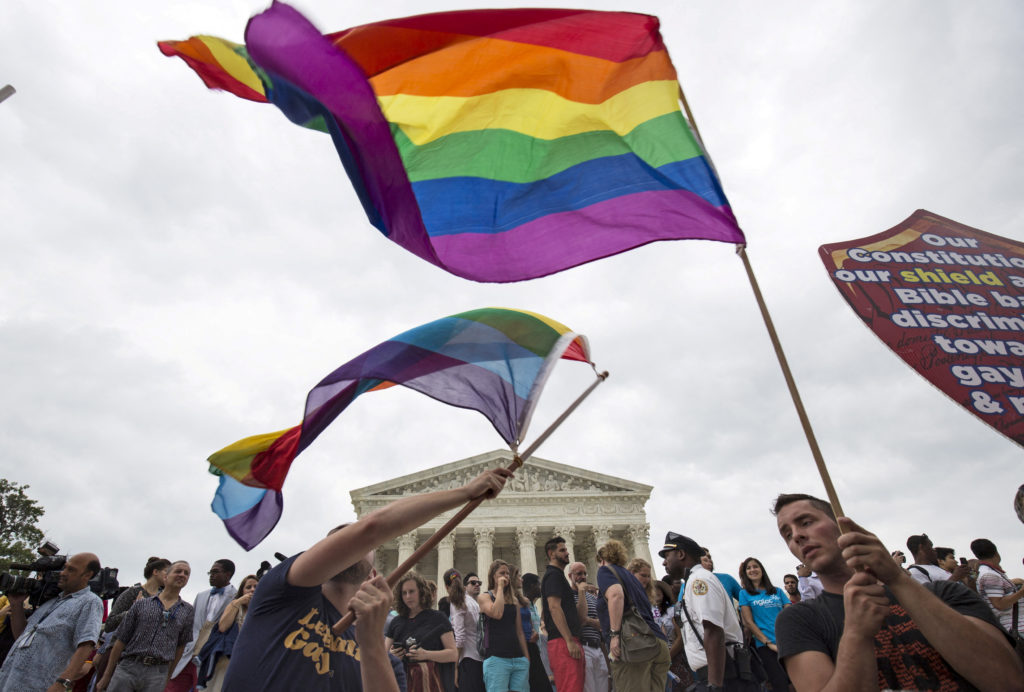
The U.S. Supreme Court is considering whether to revisit its 2015 decision on same-sex marriage. A petition from Kim Davis, a former Kentucky clerk who refused to issue marriage licenses to same-sex couples, challenges the ruling based on religious freedom. The court may soon decide if it will hear Davis's case.
Key Facts
In 2015, the Supreme Court's Obergefell v. Hodges ruling legalized same-sex marriage across the United States.
The decision was made with a 5-4 vote, establishing same-sex marriage as a constitutional right.
Kim Davis, a former Kentucky clerk, is challenging the 2015 ruling, citing religious freedom under the First Amendment.
Davis's petition suggests that the Obergefell decision was not grounded in the constitutional text or history.
The justices recently met to discuss whether they will review Davis's appeal.
Chief Justice John Roberts dissented in the Obergefell ruling and favors restraint, not favoring revisiting the ruling.
Justice Clarence Thomas is a long-time critic of the Obergefell decision and has voiced concerns about its impact on religious freedom.
Read the Original
Want the full story? Tap a source to open the original
article.
Some moderate Senate Democrats made an agreement with Republicans to end a government shutdown, causing disagreement within the Democratic Party. House Democrats and progressive groups are upset because they believe the deal does not address important issues like healthcare. The deal involves funding the government until January and promises a future vote on healthcare credits, but it's unlikely to pass in its current form.
Key Facts
Moderate Senate Democrats and Republicans reached a deal to end the government shutdown.
The deal funds the government through the end of January 2024.
It includes a promise for a December vote on extending healthcare tax credits, but this vote needs 60 votes to pass.
House Minority Leader Hakeem Jeffries said the deal does not properly address healthcare issues.
Many House Democrats, both progressive and centrist, are opposed to the deal.
Progressive groups criticize Senate Democrats who voted for the deal after recent election results.
House Democrats are considering supporting primary challengers against some Senate Democrats.
Senate Minority Leader Chuck Schumer also opposed the deal but faces criticism for not preventing party splits.
Read the Original
Want the full story? Tap a source to open the original
article.
Moderate Senate Democrats agreed to a deal to end the 40-day government shutdown. The deal includes funding the government until late January and a promise to vote on Affordable Care Act tax credits, though it does not guarantee their extension. The agreement came after Democrats decided their negotiations were not making progress, and it will allow federal workers to get back to work.
Key Facts
The government shutdown lasted 40 days.
Eight Senate Democrats broke ranks to help end the shutdown.
The deal funds the government until late January.
There is a promise to vote on Affordable Care Act tax credits, but no guarantee of passing them.
Democrats had hoped to extend the tax credits for 22 million people.
Some Democratic leaders voted against the deal, wanting more ground on health care.
Federal workers are expected to return to work, and services like food assistance and flights should resume normal operations.
The shutdown's end came after negotiations among Democrats, Republicans, and the White House.
Read the Original
Want the full story? Tap a source to open the original
article.
The Supreme Court refused to overturn its 2015 decision that legalized same-sex marriage in the U.S. The decision concerns Kim Davis, a former Kentucky clerk, who did not want to issue marriage licenses to same-sex couples.
Key Facts
The Supreme Court upheld its 2015 decision on same-sex marriage.
The case was originally decided in Obergefell v. Hodges.
Kim Davis, a former court clerk in Kentucky, appealed to have the decision overturned.
Davis did not issue marriage licenses to same-sex couples after the 2015 ruling.
The court also rejected Davis's appeal regarding her requirement to pay $360,000 in damages and attorney’s fees.
The fees were related to a lawsuit from a couple denied a marriage license by Davis.
The Supreme Court's 2015 ruling made same-sex marriage legal across the U.S.
Read the Original
Want the full story? Tap a source to open the original
article.
President Donald Trump has pardoned Rudy Giuliani, Mark Meadows, and others who supported his efforts to challenge the 2020 election results. The pardons apply to federal crimes and do not affect Trump himself. The pardons include individuals like Sidney Powell, John Eastman, and Jeffrey Clark, who were involved in legal actions or accusations related to efforts to overturn the election.
Key Facts
President Trump pardoned his former lawyer Rudy Giuliani and others involved in challenging the 2020 election results.
The pardon was announced by Ed Martin, the government's pardon attorney.
Sidney Powell, John Eastman, and Jeffrey Clark are among the individuals pardoned.
The pardon only applies to federal crimes; these individuals were not charged with federal crimes related to the 2020 election.
The proclamation described the prosecution of Trump's allies as a "grave national injustice."
President Trump himself was not included in this pardon.
Giuliani and others had faced legal challenges in various states for actions related to the 2020 election.
Trump’s legal case over the 2020 election was dropped after his 2024 presidential victory.
Read the Original
Want the full story? Tap a source to open the original
article.
Democratic Senators have introduced two bills to increase Social Security benefits. One bill proposes a $200 monthly rise in payments until July 2026, while the other aims to change how cost-of-living adjustments are calculated. These changes are in response to inflation and the financial needs of retirees.
Key Facts
Democratic Senators propose raising Social Security payments by $200 a month until July 2026.
More than 50 million Americans receive Social Security, providing steady retirement income.
The current inflation rate in the U.S. is 3%, the highest since January.
President Trump supports strengthening Social Security.
The Social Security Emergency Inflation Relief Act and the Boosting Benefits and COLAs for Seniors Act are under consideration in Congress.
The second bill suggests changing how annual cost-of-living adjustments are calculated from CPI-W to CPI-E, which better reflects retiree expenses.
Senator Elizabeth Warren criticizes spending abroad versus domestic support for seniors.
The Senior Citizens League, an advocacy group, supports changing the COLA formula to better benefit seniors.
Read the Original
Want the full story? Tap a source to open the original
article.
Texas Governor Greg Abbott has proposed changes to property taxes in the state. His plan suggests giving voters more control over tax rates, including the possibility of eliminating property taxes for schools through referendums. Abbott's proposal would require a constitutional amendment to proceed.
Key Facts
Governor Greg Abbott of Texas proposed changes to property tax rules.
He suggested giving voters the power to decide on eliminating property taxes that fund schools.
Abbott proposed requiring two-thirds voter approval for any future tax increases.
The plan would need a constitutional amendment, requiring 100 votes in the Texas House and 21 in the Senate.
Recent Texas voter-approved amendments provide tax relief for elderly and disabled residents.
Texas does not have a state income tax, relying more on property and sales taxes.
Abbott has been Texas governor since 2015 and is running for reelection.
Read the Original
Want the full story? Tap a source to open the original
article.
People in parts of Oregon are being asked to stay indoors due to high levels of air pollution. The pollution, particularly fine particles known as PM2.5, has reached "unhealthy" levels, affecting areas in southern Deschutes County and northern Klamath County.
Key Facts
Thousands in Oregon are advised to stay inside due to poor air quality.
High levels of PM2.5, a type of fine particle pollution, are present.
The affected area includes the city of La Pine and nearby communities.
The Environmental Protection Agency (EPA) says sensitive groups should avoid outdoor activities when air quality is poor.
Vulnerable populations include older adults, children, and those with respiratory issues.
AirNow, a resource for air quality data, includes input from the EPA and other agencies.
Read the Original
Want the full story? Tap a source to open the original
article.
Military personnel may not receive their paycheck on November 15, as government funds used to pay them during the shutdown are running out. The Trump administration has been using various funds to ensure military pay, but these might not last beyond mid-November. Congress is still working on passing a bill to end the government shutdown.
Key Facts
Military personnel might miss their pay on November 15 due to running out of funds during the government shutdown.
The Trump administration used a total of $5.3 billion from different funds to pay the military during the shutdown.
$2.5 billion came from the "One Big Beautiful Bill Act," $1.4 billion from a Pentagon procurement account, and $1.4 billion from research and development funds.
An anonymous donor contributed $130 million to help pay military salaries, but it's not enough to cover all troops.
Treasury Secretary Scott Bessent warned that funds might not be available to pay troops on November 15.
President Trump directed the Secretary of War to use all available funds to ensure troops are paid.
Congressional negotiations continue to resolve the shutdown, but no solution is guaranteed by the next military pay date.
Read the Original
Want the full story? Tap a source to open the original
article.
The Senate has started the process to end a government shutdown after some Democrats joined Republicans in a vote. This vote was to move forward with funding the government but did not include a promise to extend health care subsidies.
Key Facts
The Senate vote was 60-40 to start resolving the government shutdown.
A group of moderate Democrats joined Republicans in the vote.
The vote does not promise an extension of health care subsidies.
Some Democrats are upset because they wanted to keep pushing for these subsidies.
Senate Democratic leader Chuck Schumer voted against the funding move.
Only eight Democrats joined the Republicans in this vote.
The Affordable Care Act tax credits are set to expire on January 1.
The legislation might take several days to pass if there are delays.
Read the Original
Want the full story? Tap a source to open the original
article.
Staying informed here is free for everyone. If it's worth something to you, pay what you want. Supporters also get the daily digest by email every morning.
The U.S. Supreme Court temporarily paused a lower court order regarding funding for the Supplemental Nutrition Assistance Program (SNAP). Legal analyst Shan Wu explained that Justice Ketanji Brown Jackson's move appeared to support the Trump administration but was likely a strategic action to ensure a quick resolution and prevent a longer delay. The debate involves whether the Trump administration can withhold emergency funds meant for SNAP during a government shutdown.
Key Facts
The issue is about whether President Trump's administration can legally hold back billions in emergency funds from the SNAP program during a government shutdown.
SNAP provides food assistance to over 40 million Americans.
Justice Ketanji Brown Jackson issued a temporary pause to give time for more careful consideration, not a long-term delay.
Shan Wu, a legal analyst, suggests Jackson's move was strategic to prevent further involvement from the Supreme Court’s conservative majority.
The administration appealed a district court order that required it to use $4 billion from a reserve fund to fully fund SNAP payments.
The administration's argument that using these funds would harm other programs was challenged by legal analysts.
The First Circuit Court of Appeals initially denied the government's request for a pause, maintaining the requirement to fund SNAP.
Read the Original
Want the full story? Tap a source to open the original
article.
A document called Project 2025 suggests changing how food assistance is managed in the U.S. by shifting the Supplemental Nutrition Assistance Program (SNAP) to a different government department and adjusting eligibility rules. This proposal is part of broader discussions on welfare and food assistance policies in the country. The Trump administration's handling of SNAP payments during a government shutdown is also discussed, with legal challenges arising over the distribution of benefits.
Key Facts
Project 2025 suggests moving SNAP from the Department of Agriculture to the Department of Health and Human Services.
The document calls for stricter work requirements for SNAP beneficiaries, especially for certain adults without dependents.
SNAP currently helps about 42 million Americans buy groceries.
The Trump administration faced legal challenges over its management of SNAP benefits during a government shutdown.
A federal judge ordered full restoration of SNAP payments, but the Trump administration appealed the ruling.
The document argues that current eligibility for SNAP is too broad and wants reforms to limit enrollment.
President Trump has shown disagreement with some parts of Project 2025 but included its contributors in his administration.
Project 2025 has sparked debate and attention around welfare policy changes in the U.S.
Read the Original
Want the full story? Tap a source to open the original
article.