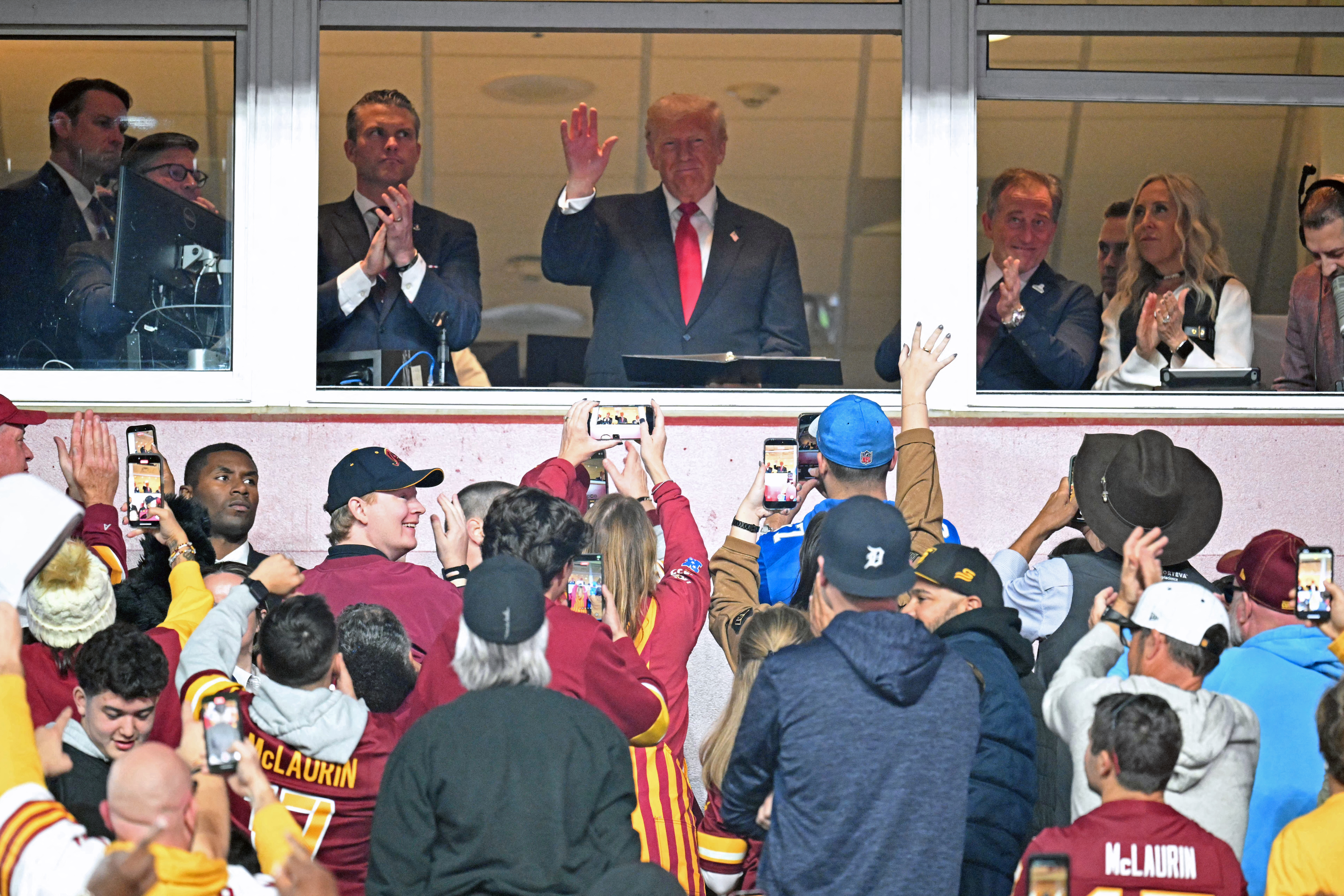
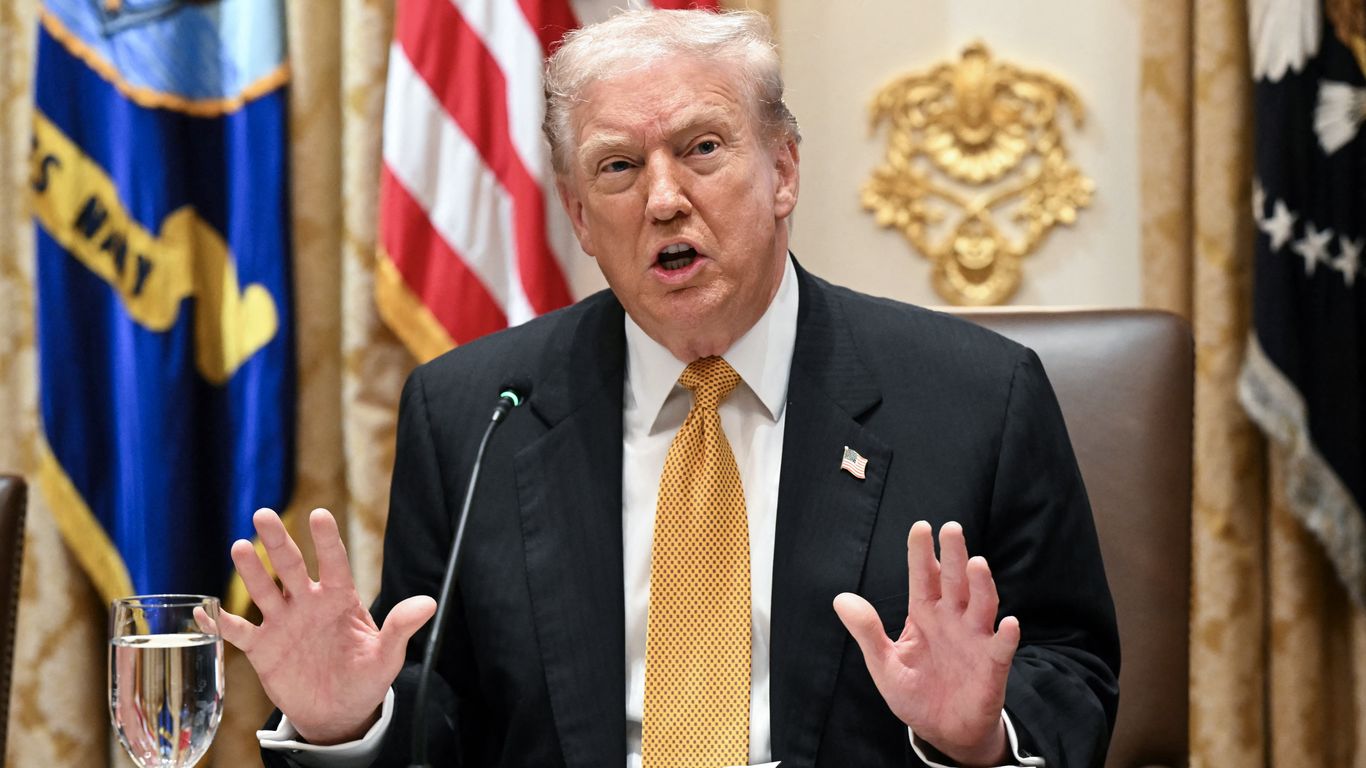
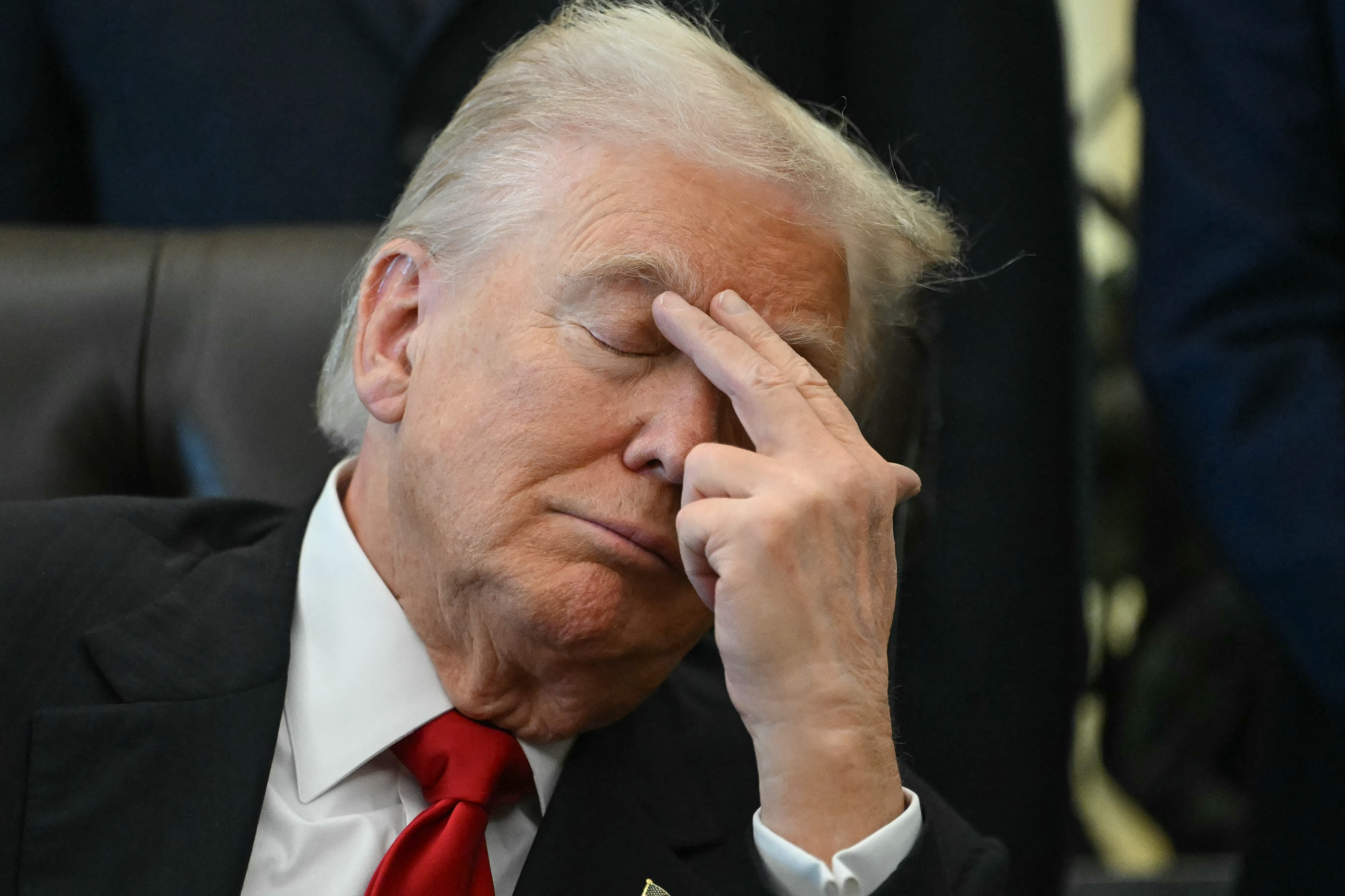
President Donald Trump attended an NFL game between the Washington Commanders and Detroit Lions. This marked the first time in nearly 50 years a sitting U.S. president has attended a regular-season NFL game. Trump received mixed reactions from the crowd, including boos during his appearance on the stadium's big screen.
Key Facts
President Trump attended a regular-season NFL game on Sunday.
He is the first sitting president to attend such a game since Jimmy Carter in 1978.
Trump watched from a suite with House Speaker Mike Johnson.
He received boos from portions of the crowd during his appearance.
The event took place at Northwest Stadium.
Trump had previously attended a Super Bowl while in office.
Lions receiver Amon-Ra St. Brown performed the "Trump dance" during the game.
Several government officials, including cabinet secretaries and a senator, were with Trump.
Read the Original
Want the full story? Tap a source to open the original
article.
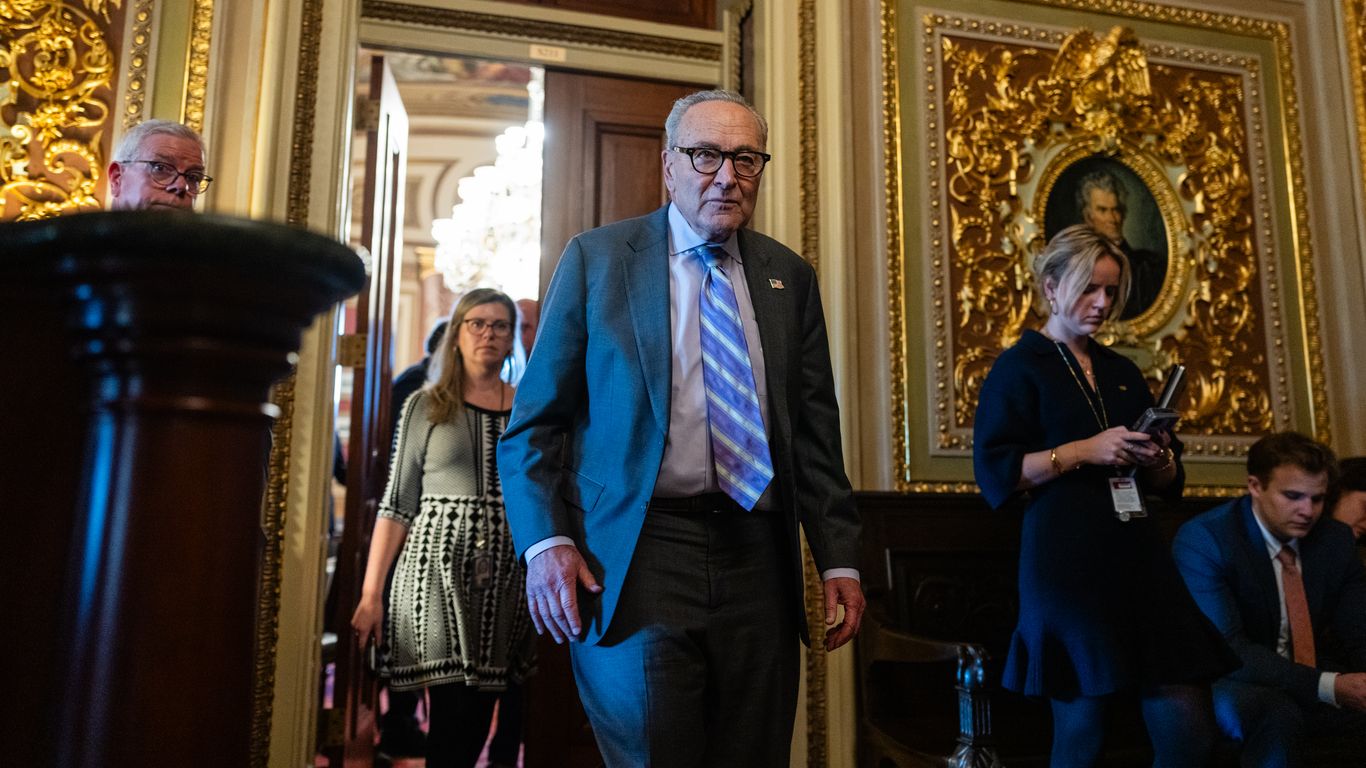
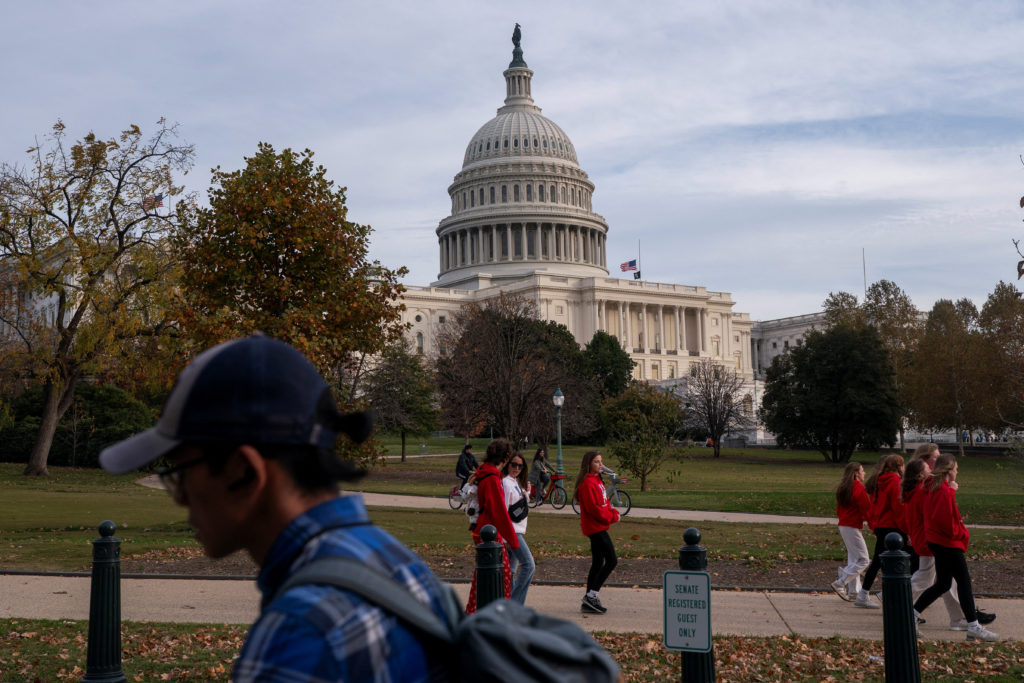
Senate Democrats showed readiness to move forward with a set of bills that could end the U.S. government shutdown. At least 10 Senate Democrats are expected to back a motion to advance spending bills and a short-term funding solution.
Key Facts
Senate Democrats are ready to advance a set of bills to end the government shutdown.
This action is significant towards reaching a bipartisan agreement to reopen the government.
At least 10 Senate Democrats plan to support a procedural motion to move forward with these bills.
The proposed deal includes a vote on extending Obamacare tax credits by December.
Multiple sources from both political parties have provided this information.
The situation is ongoing and updates will be provided as it develops.
Read the Original
Want the full story? Tap a source to open the original
article.
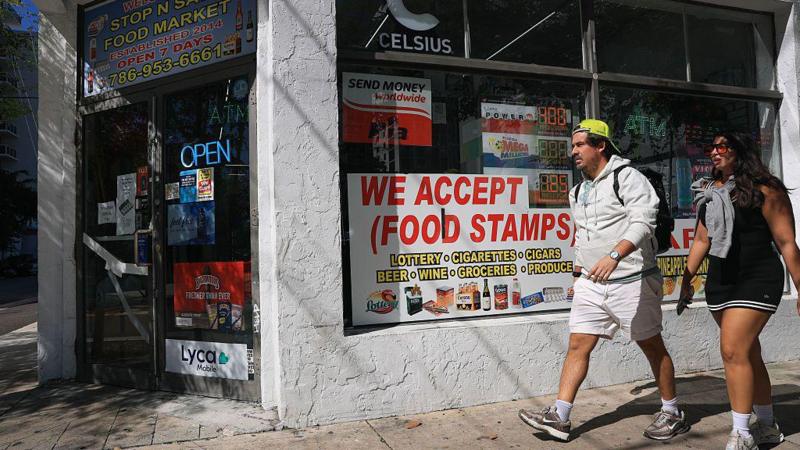
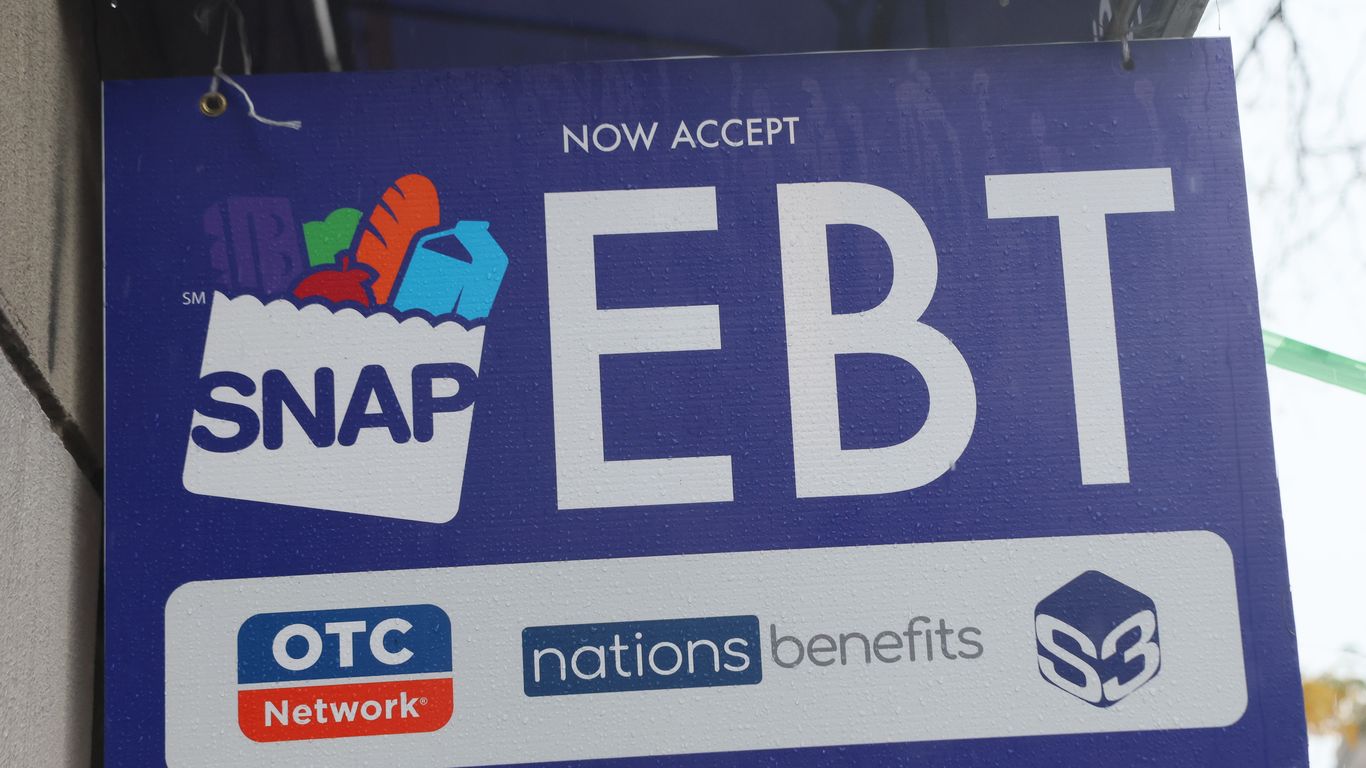
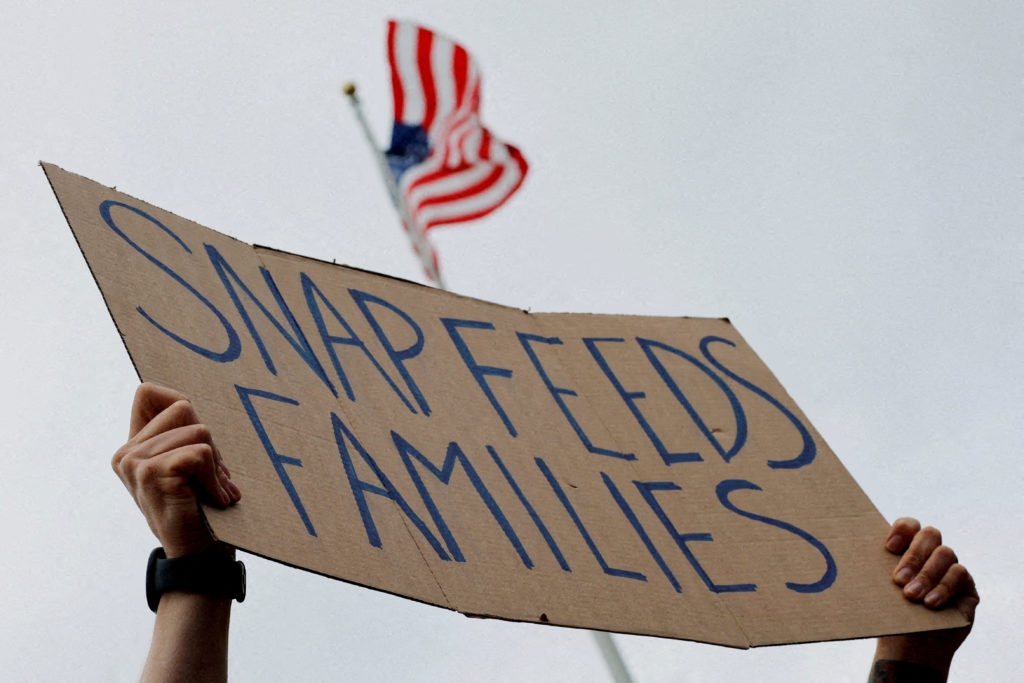
The Trump administration instructed states to stop paying full benefits under the Supplemental Nutrition Assistance Program (SNAP), also known as food stamps. A Supreme Court order allows the administration to withhold some funding, which has led to recipients only receiving partial benefits due to the ongoing government shutdown.
Key Facts
The Trump administration ordered states to stop giving full SNAP benefits.
SNAP, or food stamps, assists over 42 million Americans.
States can now only provide 65% of SNAP benefits.
The Supreme Court allowed the withholding of funds until further legal hearings.
The U.S. government shutdown has caused only partial SNAP benefits to be distributed.
Some states were using their own funds to provide full benefits before this order.
SNAP helps about one in eight Americans and costs nearly $9 billion a month.
The Supreme Court temporarily agreed to the administration withholding $4 billion in SNAP funding.
Read the Original
Want the full story? Tap a source to open the original
article.
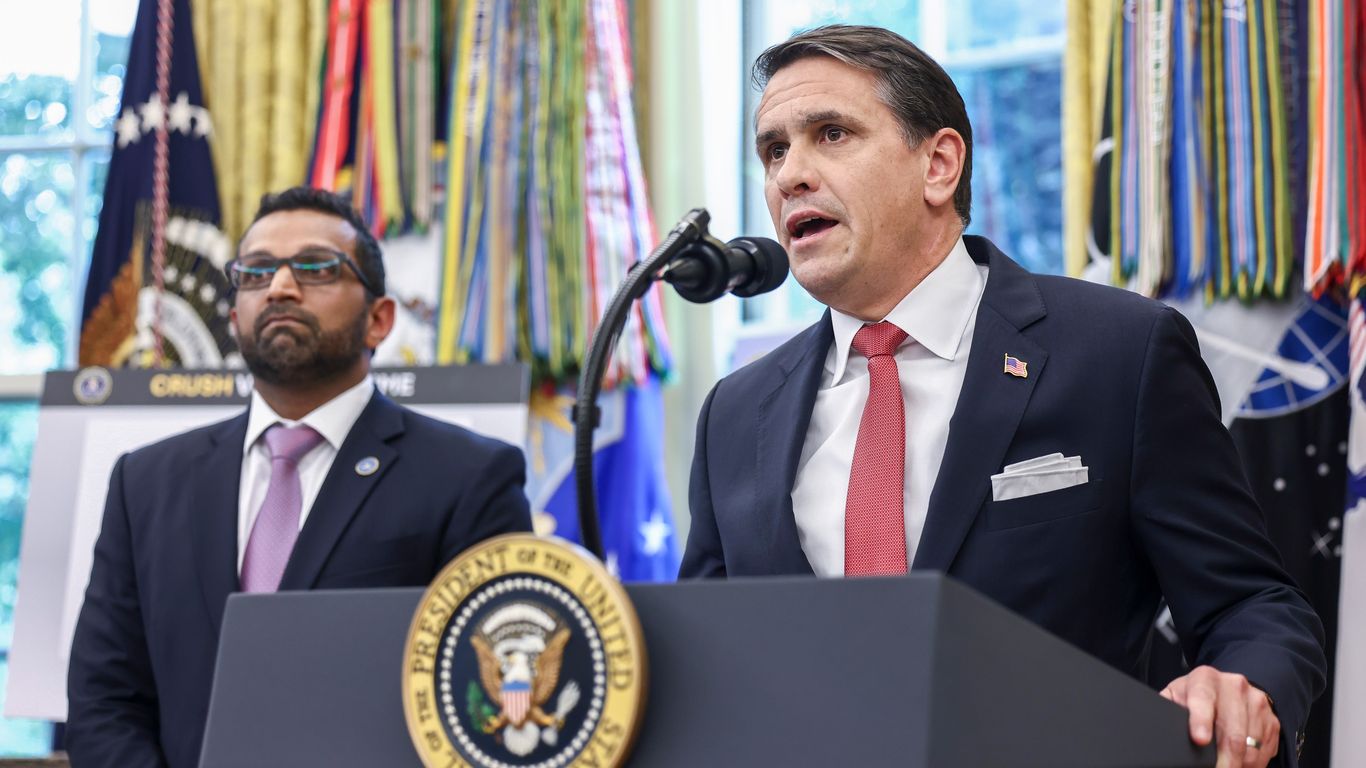
U.S. Deputy Attorney General Todd Blanche called on young lawyers to join a "war" against judges he describes as activist and political. He also criticized state bar associations for targeting conservative lawyers and suggested changes to reduce their oversight. His remarks highlight tensions between the Trump administration and the judiciary.
Key Facts
Deputy Attorney General Todd Blanche described a "war" against what he calls "rogue activist judges."
Blanche spoke at a Federalist Society conference, urging young lawyers to join this effort.
The Trump administration views certain judges as challenging its policy goals.
The administration labels some judges as "activists" and has made efforts to remove them.
Federal district judges have blocked some of Trump's policies using legal actions like injunctions.
The administration has faced accusations of not complying with court orders.
Blanche criticized the D.C. Bar for targeting conservative lawyers and suggested limiting bar associations' oversight powers.
The Justice Department plans to support its lawyers facing bar complaints with outside counsel.
Read the Original
Want the full story? Tap a source to open the original
article.
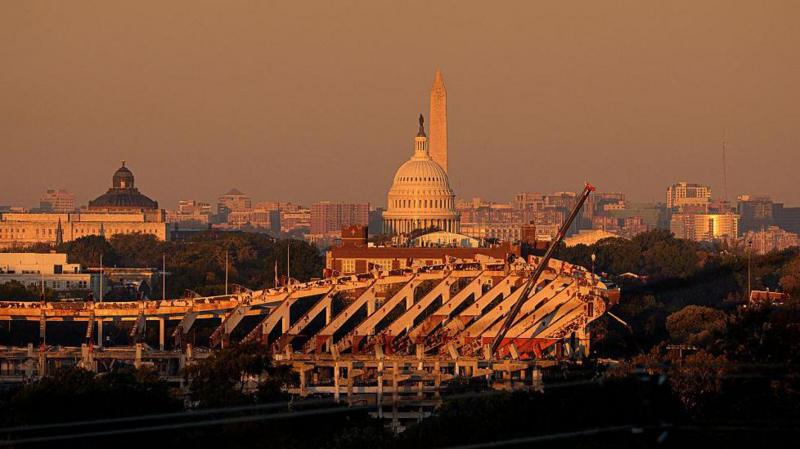
President Donald Trump wants the new Washington Commanders football stadium to be named after him. The stadium, costing $3.7 billion, is being built on the old RFK Stadium site in Washington D.C. Trump is discussing this naming idea with the football team's owners and could soon announce it during a game.
Key Facts
President Trump is interested in having the new Washington Commanders stadium named after him.
The stadium will be constructed on the site of the old RFK Stadium, currently being demolished.
The new stadium project is estimated to cost $3.7 billion.
Trump does not want to buy naming rights or have a corporation pay for it; he wants it as a tribute to his help with the stadium deal.
Trump plans to attend a Commanders football game and might announce his naming wish there.
The White House press secretary has hinted that Trump is keen on having the stadium named in his honor.
Typically, stadiums sell naming rights to companies, but not all do; some are named after people or historical events.
Other projects Trump is reportedly undertaking in Washington D.C. include changes to the White House's East Wing and proposing a triumphal arch.
Read the Original
Want the full story? Tap a source to open the original
article.
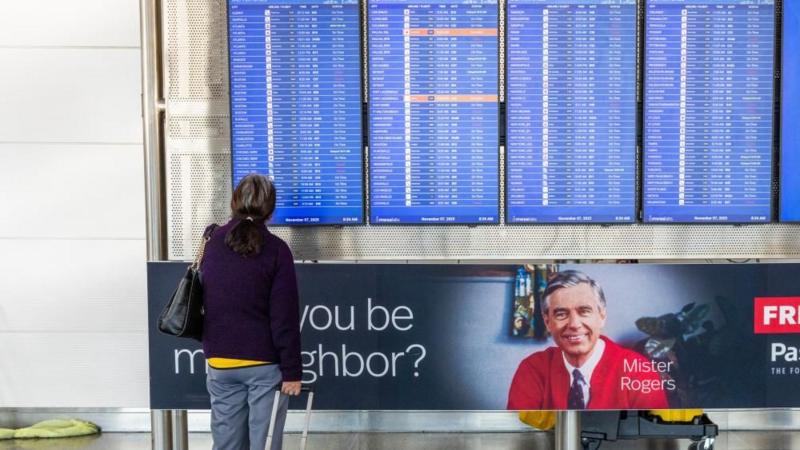
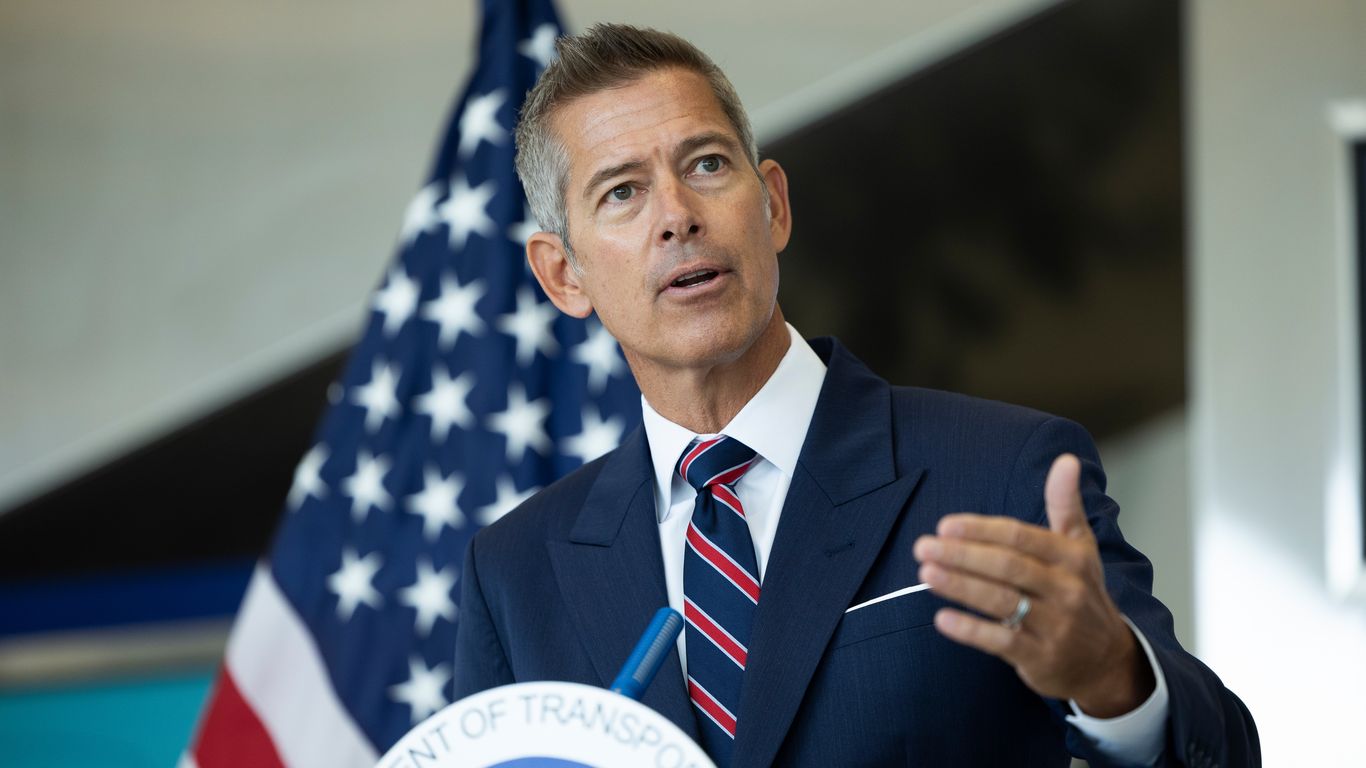
U.S. air travel faces significant disruptions due to a government shutdown, with many flights delayed or canceled. Transportation Secretary Sean Duffy warned that if the shutdown continues, air travel might come to a near halt. Efforts are ongoing in Congress to resolve the funding issue and reopen the government.
Key Facts
The U.S. government shutdown is causing major disruptions in air travel with about 1,400 flights canceled and 2,700 delayed.
The longest flight delays were over two hours in Newark, New Jersey.
Lawmakers are trying to negotiate a deal to end the shutdown and restore government funding.
The Federal Aviation Administration (FAA) plans to cut air travel capacity by up to 10% at 40 major U.S. airports.
Air traffic controllers are working without pay, leading to fatigue and reduced air traffic operations.
Defense Secretary Pete Hegseth offered military air traffic controllers to help, but they are not certified for civilian airports.
The shutdown has affected federal workers' pay and food assistance programs for low-income Americans.
The political impasse is over budget disagreements, including health insurance subsidies, between Republicans and Democrats.
Read the Original
Want the full story? Tap a source to open the original
article.
The U.S. Department of Agriculture (USDA) has told states to stop giving full food assistance benefits through the SNAP program, following a recent Supreme Court decision. The court decision halted a previous judge's order that required full funding for these benefits, leaving states uncertain about how to proceed.
Key Facts
The USDA instructed states to stop issuing full SNAP benefits.
This follows a Supreme Court ruling that paused an earlier order requiring full funding.
SNAP stands for the Supplemental Nutrition Assistance Program, which helps Americans buy food.
About 40 million Americans depend on SNAP for food aid.
States were told to continue providing partial benefits as per earlier instructions.
The USDA warned that continuing full benefits could result in losing federal administrative funding.
Read the Original
Want the full story? Tap a source to open the original
article.
Trump administration officials say prices are not high and are going down, despite data showing rising prices. The administration is addressing concerns about the cost of living and its impact on voters' preferences in recent elections. Government data indicates prices for items like beef and coffee are up, but some officials claim grocery prices are lower under President Trump.
Key Facts
Trump officials say prices are dropping, but data shows they are rising for some items.
Recent elections in New Jersey and Virginia showed voters concerned about the economy preferred Democrats.
President Trump dismissed affordability concerns at a recent White House event.
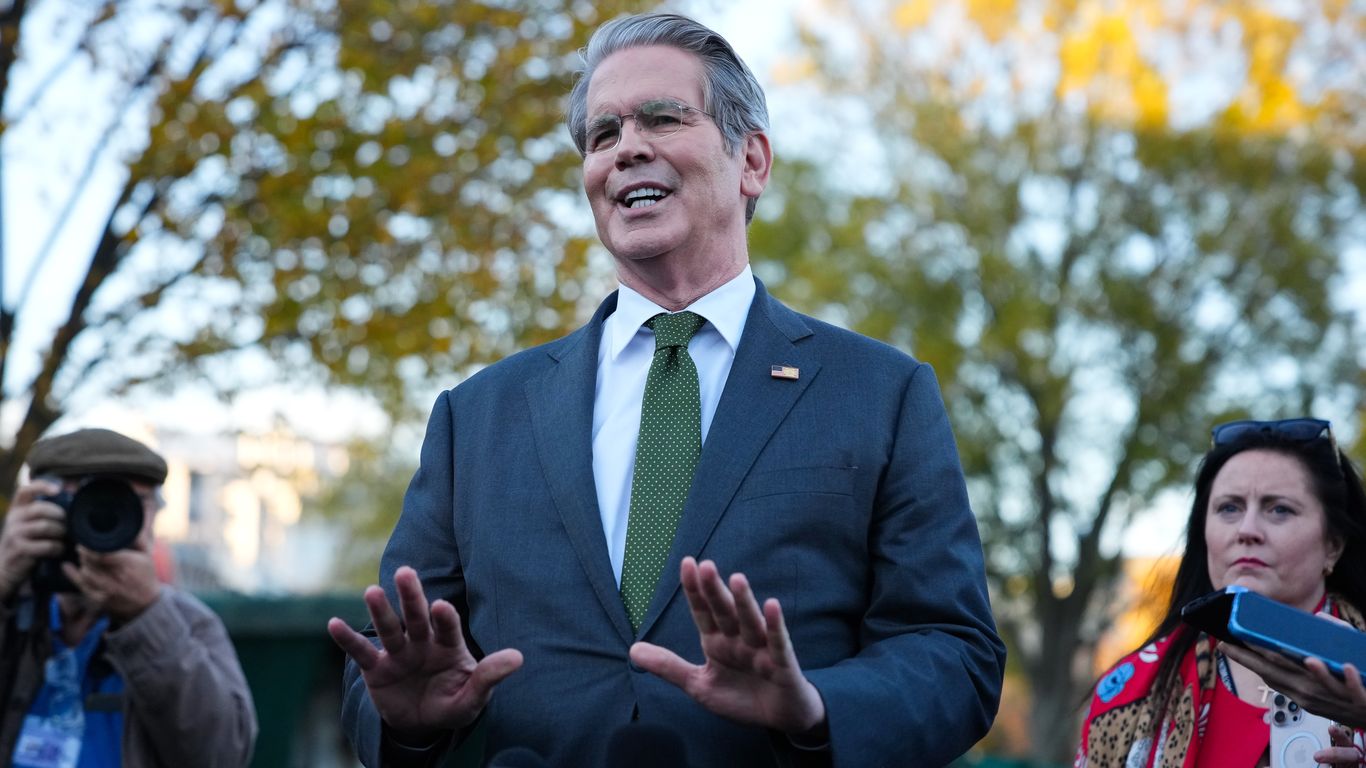
Treasury Secretary Scott Bessent stated prices have started to level off and will continue to decrease.
Government data indicates consumer prices, including food staples, are up significantly year over year.
National Economic Council director Kevin Hassett claims grocery prices have decreased under Trump, without providing specific data.
Hassett also mentioned that real spending power has increased this year.
There is no official data on prices and inflation due to a government shutdown.
Read the Original
Want the full story? Tap a source to open the original
article.
Transportation Secretary Sean Duffy has announced that the ongoing government shutdown is causing significant issues for air travel in the United States. With air traffic controllers missing work due to missed paychecks, airport operations are being reduced, affecting travelers nationwide, especially before the Thanksgiving holiday.
Key Facts
The government shutdown has led to many air traffic controllers not showing up for work.
The FAA has cut airport operations, affecting 40 airports across the country with reductions expected to increase.
Already, thousands of flights have been delayed or canceled in recent days.
Newark Liberty International Airport is experiencing significant delays due to staffing shortages.
Sean Duffy stated that air travel will slow significantly the two weeks before Thanksgiving.
Retirements among air traffic controllers have increased, according to Duffy.
There is political disagreement over responsibility for the shutdown, with both parties blaming each other.
House Minority Leader Hakeem Jeffries called for President Trump to negotiate with Democrats to reopen the government.
Read the Original
Want the full story? Tap a source to open the original
article.
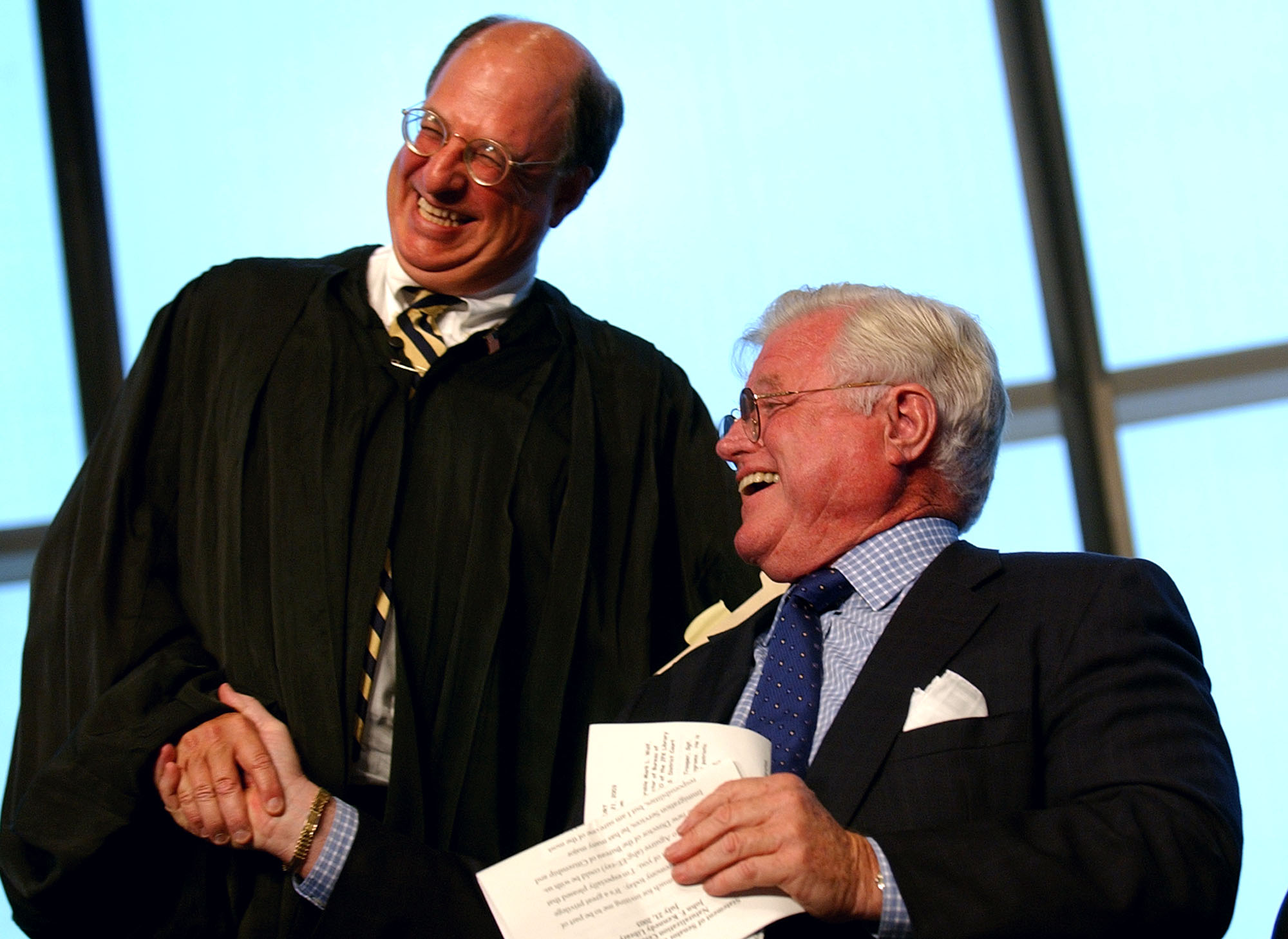
Judge Mark L. Wolf, who served in Massachusetts and was appointed by Ronald Reagan, resigned from his federal judgeship. He criticized President Trump's administration for its approach to justice and the rule of law. Wolf plans to speak out and support efforts to protect the rule of law and American democracy after leaving the bench.
Key Facts
Judge Mark L. Wolf was appointed by Ronald Reagan and served on the U.S. District Court in Massachusetts since 1989.
Wolf resigned to publicly address what he describes as the administration’s negative impact on the rule of law.
In his resignation letter, Wolf expressed his intent to support legal actions and organizations focused on upholding the rule of law.
Wolf's resignation highlights wider concerns within the judiciary about the administration's actions on justice-related matters.
Other judges have also challenged President Trump's policies, including rulings on voter registration forms and deportation laws.
Judge Wolf's earlier career involved tackling corruption and ensuring judicial impartiality.
Wolf has criticized some of President Trump's directives as being unfounded and unconstitutional.
Read the Original
Want the full story? Tap a source to open the original
article.
President Donald Trump's administration is pushing states to reverse full SNAP benefits that were distributed under recent court orders. The U.S. Department of Agriculture says these payments are now "unauthorized" after a Supreme Court decision. This affects many Americans relying on the food assistance program and has led to opposition from some politicians.
Key Facts
The Trump administration is asking states to undo recent full SNAP benefits.
The U.S. Supreme Court temporarily paused rulings that allowed these payments.
SNAP is a program that helps 42 million Americans with food assistance.
Democratic-led states and Republican Senator Lisa Murkowski oppose the directive.
Nonprofits and Democratic attorneys general sued to keep the benefits during a government shutdown.
Justice Ketanji Brown Jackson put a temporary hold on the rulings while the appeal is considered.
States received warnings about penalties for not complying with the directive.
Read the Original
Want the full story? Tap a source to open the original
article.
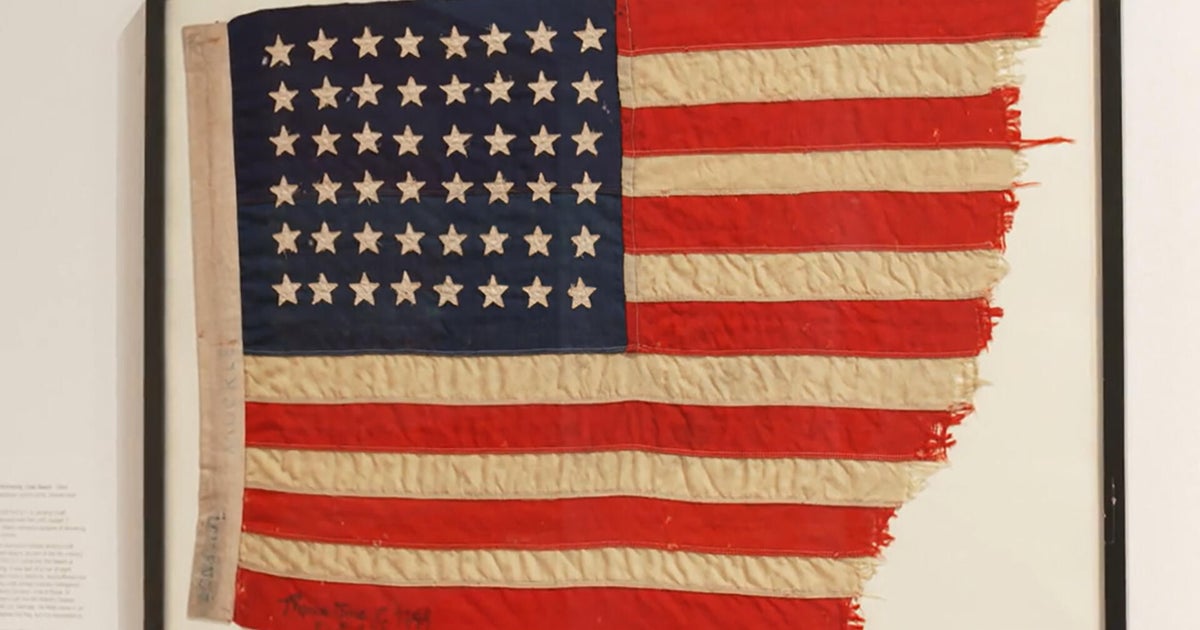
John Monsky has spent many years collecting American flags. His collection includes flags that were present during important moments in U.S. history, like the Civil War, D-Day in World War II, and the Moon landing.
Key Facts
John Monsky collects American flags from different historical events.
Some flags in his collection were with soldiers during the Civil War.
Other flags were on the beaches of France on D-Day, an important World War II event.
His collection also includes flags that went to the Moon.
Monsky says these flags have witnessed important moments in history.
The story was shared on CBS News and features reporter Mo Rocca.
The article highlights the flags as symbols of U.S. history.
Read the Original
Want the full story? Tap a source to open the original
article.
President Trump has suggested a $2,000 payment to Americans from tariff revenue, an idea he's shared before but not yet implemented. This comes as the U.S. Supreme Court reviews the legality of these tariffs, which have been criticized for raising prices. The Supreme Court's decision on the tariffs is pending.
Key Facts
President Trump proposed a $2,000 payment to Americans from tariffs collected this year.
The U.S. Supreme Court is reviewing whether Trump's tariffs were legally imposed.
The tariffs are being scrutinized as they may function like a tax rather than fixing trade issues.
There's a possibility the government might have to refund over $100 billion if tariffs are ruled illegal.
Treasury Secretary Scott Bessent stated the tariffs aim to balance trade, not primarily raise money.
Trump has mentioned the $2,000 dividend idea several times this year.
The Supreme Court has not yet decided on the legality of these tariffs.
Read the Original
Want the full story? Tap a source to open the original
article.
President Trump blames Democrats, media bias, and the shutdown for recent Republican election losses, without acknowledging his role. He emphasizes that Democrats should end the shutdown, though public opinion mostly blames him and the GOP. The shutdown impacts people receiving food stamps and causes general frustration.
Key Facts
President Trump blames Democrats and media bias for his party's election losses.
Republicans control all of Congress but blame Democrats for the government shutdown.
Public polls show voters mostly blame Trump and the GOP for the shutdown.
The shutdown has lasted 40 days, affecting programs like food stamps (SNAP).
Trump is calling for the Affordable Care Act to be scrapped.
Democrats are proposing serious ideas to end the shutdown.
Trump is frustrated with the shutdown but unwilling to meet Democratic demands.
Trump suggested that insurance subsidy funds be given directly to people for healthcare.
Read the Original
Want the full story? Tap a source to open the original
article.
The U.S. government shutdown has reached its 40th day, affecting federal employees and many Americans' access to services. Federal workers have been furloughed, food assistance programs face cuts, and air travel has been disrupted due to political disagreements over spending priorities in the Senate. Efforts to end the shutdown have so far been unsuccessful.
Key Facts
The U.S. government shutdown began on October 1 and has lasted 40 days.
Around 750,000 federal employees are furloughed, meaning they are temporarily out of work without pay.
The shutdown impacts food assistance programs, like SNAP, which helps low-income Americans buy groceries.
Air travel across the U.S. is disrupted due to employee shortages, leading to flight cancellations and delays.
The U.S. Senate has failed to agree on 14 funding measures to end the shutdown.
Democrats and Republicans disagree on spending priorities, including healthcare subsidies and social programs.
The Federal Aviation Administration reported significant staffing shortages affecting air travel in major cities.
President Trump stated he will only restore food aid once the government reopens.
Read the Original
Want the full story? Tap a source to open the original
article.
The U.S. government is in its sixth week of a shutdown, affecting SNAP benefits and air travel. Lawmakers are hopeful for a resolution before Thanksgiving, as the shutdown started over health care funding disputes. Both the House and Senate need to pass a funding bill for President Trump to end the shutdown.
Key Facts
The government shutdown is the longest in U.S. history, now in its sixth week.
Around 42 million Americans rely on SNAP benefits, which are at risk due to the shutdown.
Air travel is disrupted due to staff shortages as employees work without pay.
The shutdown began over disagreements on health care subsidies related to the Affordable Care Act.
Senate Republicans did not vote on a funding bill due to lack of support.
President Trump and Vice President Vance insist negotiations on health care will happen after the government reopens.
A federal judge in Rhode Island ordered the restoration of full SNAP benefits, countering a reduction attempt.
Read the Original
Want the full story? Tap a source to open the original
article.
The U.S. government shutdown has continued for 40 days. The Senate held a weekend session trying to end the shutdown, but progress was limited. President Trump and some lawmakers remain divided on how to fund the government and handle healthcare subsidies.
Key Facts
The U.S. government shutdown has lasted 40 days, impacting flights and food assistance.
The Senate met over the weekend but made little progress on ending the shutdown.
Republican leaders aim to pass bills to reopen the government temporarily and provide full-year funding for some departments.
Democrats want to extend health care subsidies under the Affordable Care Act, which Republicans have opposed.
President Trump urged Republicans to remove Senate filibuster rules to pass legislation without needing 60 votes.
Moderates are discussing a plan to fund parts of the government and extend other funding, with a promise for a future healthcare vote.
Five more votes are needed in the Senate to fund the government, with ongoing negotiations involving both parties.
Some Republicans support extending healthcare subsidies but want new limits on who can receive them.
Read the Original
Want the full story? Tap a source to open the original
article.
President Donald Trump's administration told states to reverse full SNAP benefits given out under court orders, following the U.S. Supreme Court's intervention. This move caused concern among states about financial disruptions, as they had already distributed the benefits based on prior rulings that were then put on hold.
Key Facts
The U.S. Department of Agriculture instructed states to undo full SNAP payments for November.
The U.S. Supreme Court stayed previous court rulings that allowed extra SNAP payments.
Over two dozen states worry about operational and financial issues if not reimbursed.
SNAP benefits help 42 million Americans with food assistance.
Wisconsin issued SNAP benefits to 700,000 people, but faces financial issues due to reimbursement delays.
The Trump administration initially resisted reimbursing the states before the Supreme Court decision.
States fear they might have to return millions of dollars, which could disrupt services.
Read the Original
Want the full story? Tap a source to open the original
article.
On the biggest stories we show what the outlets agree on and where they differ. Readers keep that going, and get the daily digest by email every morning. Most choose $3.99/month.
President Donald Trump's approval rating has decreased significantly, according to pollster Nate Silver and a series of polls. This decline in approval ratings comes amid recent election results where Democrats gained ground in key seats. The impact of these ratings on future elections is uncertain.
Key Facts
Nate Silver reported that Trump’s net approval rating dropped to its lowest during his second term.
Silver's analysis shows Trump's approval rating declined from -7.5 points on October 19 to -13 points on November 8.
A poll by The Economist/YouGov reported Trump's approval at 39%, with 58% disapproving, giving a net approval of -19 points.
Rasmussen Reports indicated Trump's net approval stands at -8 points, the lowest since his second term began.
RealClearPolitics, which combines multiple polls, shows Trump’s net approval rating at -8.9 points.
Recent elections saw Democrats making gains, causing concern for the GOP.
Trump's strong disapproval reached a high of 45% during his second term.
Silver noted Trump’s current approval rating is about 5 points higher than the same time in his first term.
Read the Original
Want the full story? Tap a source to open the original
article.
Thousands of flights have been canceled or delayed due to staffing shortages linked to a government shutdown and Federal Aviation Administration (FAA) orders to reduce flight operations at major U.S. airports. The disruptions have primarily affected large airport hubs like Atlanta, New York, and Chicago. Ongoing political disagreements about government funding have contributed to the shutdown, impacting air traffic control staffing.
Key Facts
The ongoing government shutdown is causing significant flight delays and cancellations.
The FAA has instructed airlines to cut flight operations by up to 10 percent by November 14 due to staffing issues.
Major airports affected include Atlanta, New York area airports, Chicago, and San Francisco.
FlightAware’s "Misery Map" is a tool used to track disruptions at these major airports.
On November 8, at noon ET, there were 720 flight delays and 184 cancellations across U.S. airports.
Air traffic controllers are working without pay, causing increased absences and mandatory overtime.
Political tensions between Democrats and Republicans continue over resolving the government shutdown.
Travelers are advised to check their flight status, anticipate longer wait times, and consider flexible travel plans.
Read the Original
Want the full story? Tap a source to open the original
article.