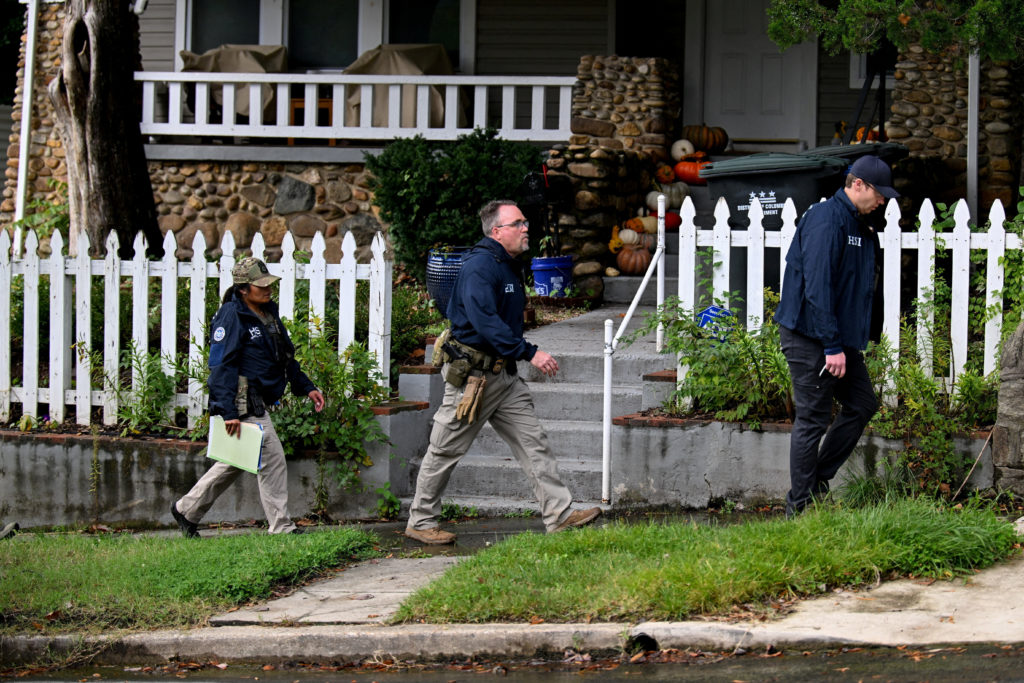
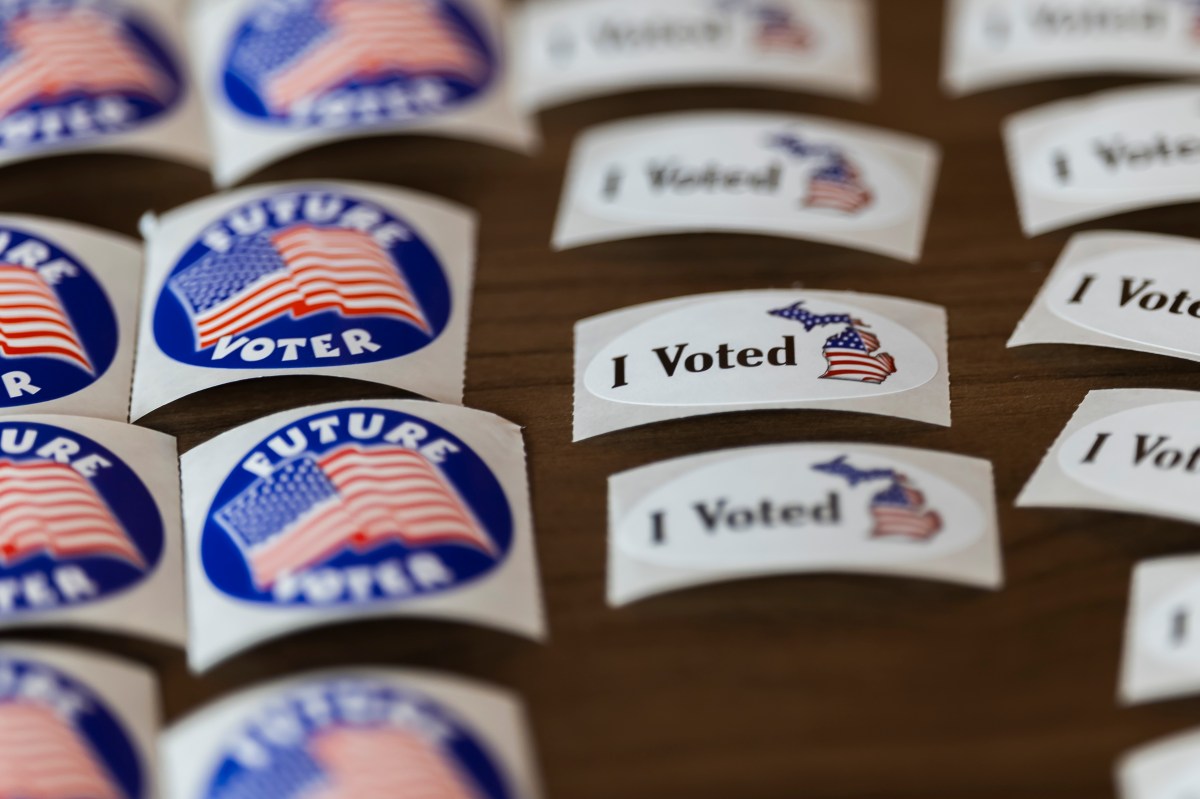
Since President Donald Trump began his second term, Immigration and Customs Enforcement (ICE) has greatly increased its size and funding. The agency has been involved in activities related to immigration enforcement near polling places before the 2026 US midterm elections, raising concerns about possible voter intimidation. Federal laws generally prohibit armed federal agents at polling stations, but some investigations into non-citizen voting have taken place before the elections.
Key Facts
President Donald Trump is leading a campaign to deport undocumented immigrants in his second term.
ICE has grown to 22,000 officers and agents, a 120% increase, and is now the best-funded federal law enforcement agency.
Since January 2025, ICE agents have been involved in at least 25 shootings, with six deaths, and at least 60 people have died in ICE custody.
Human rights and democracy groups worry ICE’s presence near polling places could intimidate voters and reduce turnout.
Federal law from 1865 prohibits armed federal agents at polling stations, except to keep peace or repel enemies.
In recent primary elections, ICE agents were reported near polling stations but left after local police asked them to.
Homeland Security Investigations (HSI), part of ICE, was ordered to investigate non-citizen voting in at least nine states before the midterms.
A federal judge halted these investigations due to concerns that US citizens might be wrongly targeted and intimidated.
Read the Original
Want the full story? Tap a source to open the original
article.
President Donald Trump called for Representative Ilhan Omar to resign after a court filing showed a different name associated with her. Omar’s office denied the claim and said the report was false and meant to distract from political issues.
Key Facts
President Trump said Ilhan Omar used a fake name to get elected.
A federal court filing referred to Omar as “Ilhan Nur Said Elmi” alongside the name Ilhan Abdullahi Omar.
The filing is related to efforts to keep documents sealed about a search warrant for Omar’s home.
Omar’s former husband’s last name is Elmi, and some critics have claimed, without proof, that he is Omar’s brother.
Omar denies the claim that they are related and says the allegations are false.
Omar’s office called the reports a smear meant to distract from political matters.
President Trump spoke about this at a rally in Iowa.
Newsweek reached out to Omar’s office, who denied the claims.
Read the Original
Want the full story? Tap a source to open the original
article.
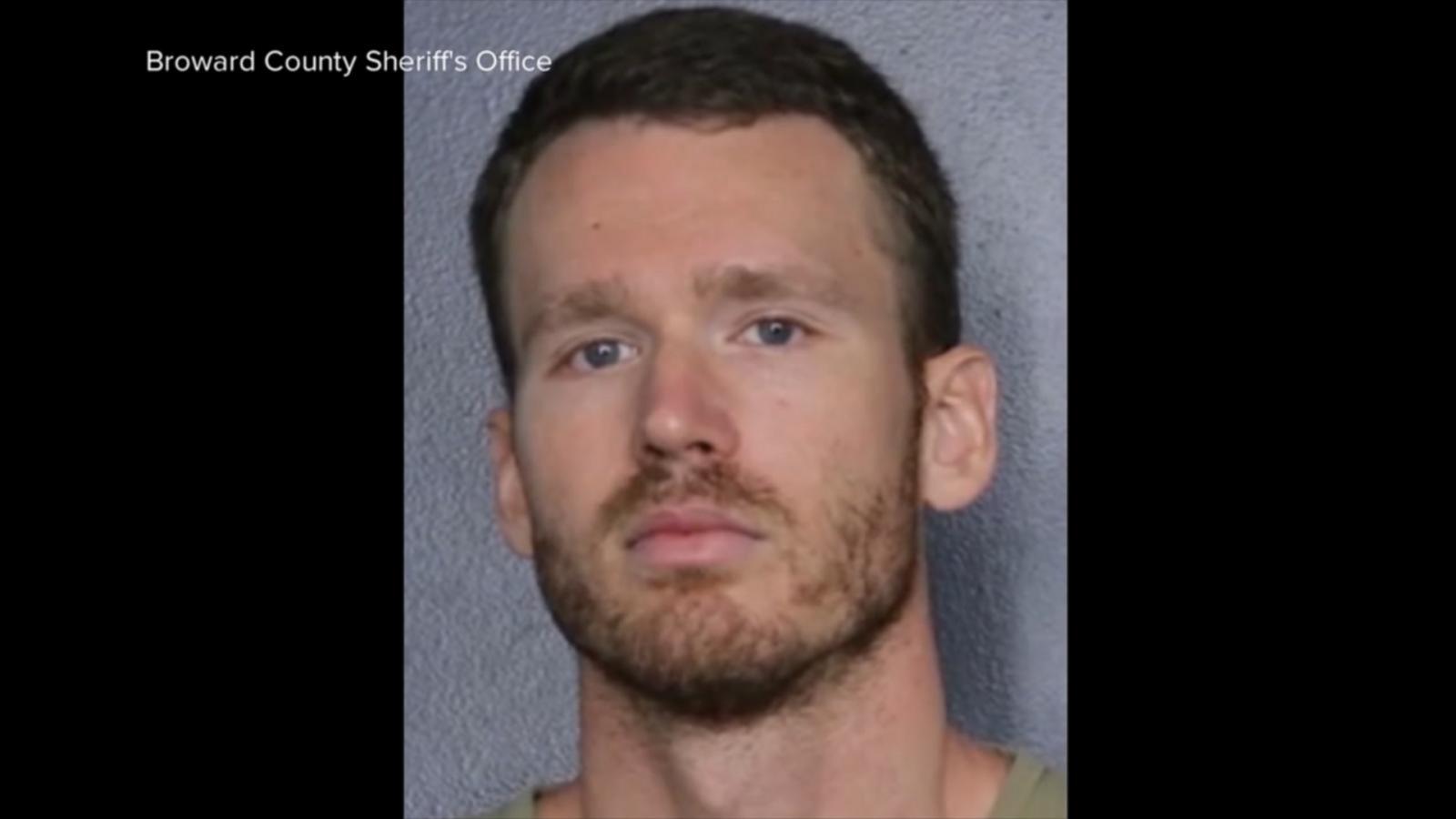
A Florida police officer is accused of stealing the identity of a dead man to take control of his house. The officer is currently on paid leave and could face up to five felony charges.
Key Facts
The officer is from Florida.
He is accused of using a dead man’s identity.
The purpose was to take control of the man’s house.
The officer is on paid administrative leave.
He faces up to five felony charges, which are serious criminal accusations.
The case is under investigation.
The incident involves misuse of a deceased person’s identity.
This news focuses on law enforcement and legal issues in the U.S.
Read the Original
Want the full story? Tap a source to open the original
article.
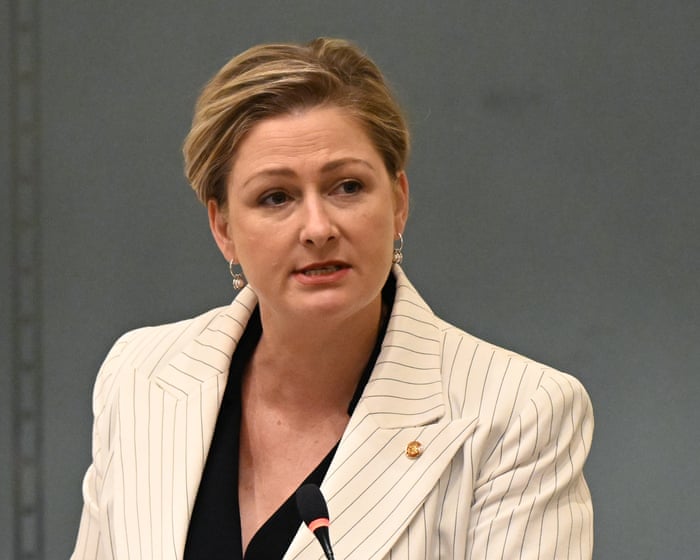
Queensland minister Amanda Camm resigned from the cabinet due to ongoing health issues and safety concerns. Her resignation follows months of pressure over child safety and domestic violence prevention, as well as personal harassment.
Key Facts
Amanda Camm stepped down from her ministerial role in Queensland.
She cited health reasons and stress from ongoing harassment and threats.
Camm was responsible for child safety and domestic violence prevention in the government.
The government faced criticism for children in state care sleeping on office floors.
Budget cuts and slow reforms on domestic violence issues increased pressure on her.
Camm's relationship with another minister caused additional scrutiny.
Premier David Crisafulli said Camm was not removed for poor performance.
A new minister replacement is expected soon, with Amanda Stoker a possible candidate.
Read the Original
Want the full story? Tap a source to open the original
article.
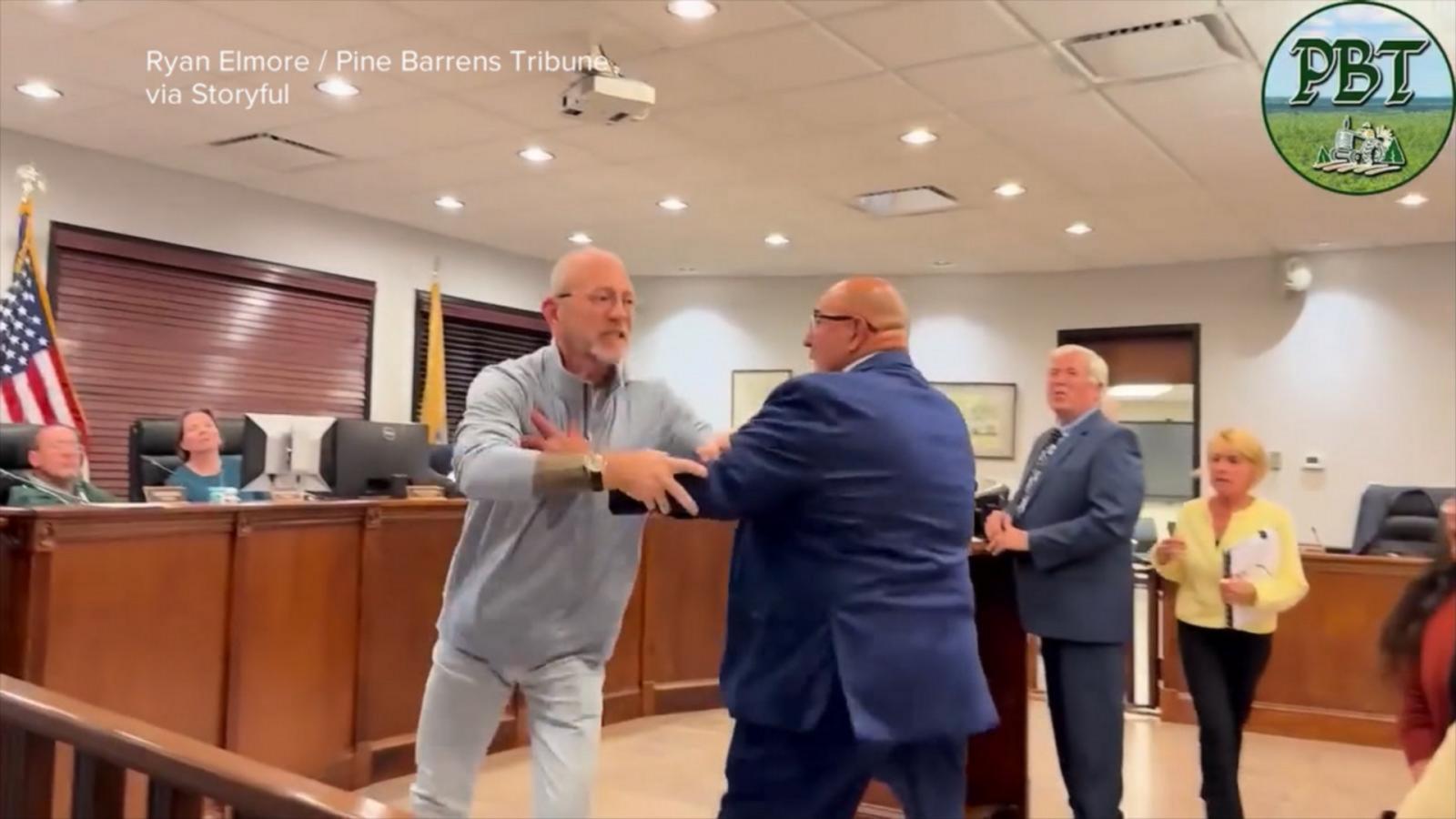
During a town hall meeting in Pemberton, New Jersey, the mayor ran toward a person who was criticizing him. The mayor was stopped by a former police chief and later removed from the meeting.
Key Facts
The incident happened at a town hall meeting in Pemberton, New Jersey.
The mayor charged at a critic during the event.
A former police chief stepped in to restrain the mayor.
The mayor was eventually escorted out of the meeting.
This event was reported on October 22, 2026.
The incident caused chaos during the town hall.
Read the Original
Want the full story? Tap a source to open the original
article.
Corey Lewandowski, a former political adviser to President Donald Trump and a top aide at the Department of Homeland Security (DHS), is under criminal investigation. Authorities are looking into whether he improperly profited from his government role, based on a referral from the DHS internal watchdog.
Key Facts
The investigation into Lewandowski started after a criminal referral from DHS’s inspector general.
Lewandowski is suspected of mishandling certain government contracts while at DHS.
Lewandowski’s lawyer denies all allegations of wrongdoing.
The Department of Justice (DoJ) has not yet issued subpoenas or legal demands in this case.
Lewandowski served as a top aide to former DHS secretary Kristi Noem, who was fired in March after controversies.
Some DHS contracts and grants were signed or put on hold under Lewandowski’s direction despite questions about his legal authority.
President Trump said he wants honest people working for him and that his DoJ will act if they are not.
Lewandowski was campaign manager for Trump’s 2016 run and also advised Trump’s 2024 campaign.
Read the Original
Want the full story? Tap a source to open the original
article.
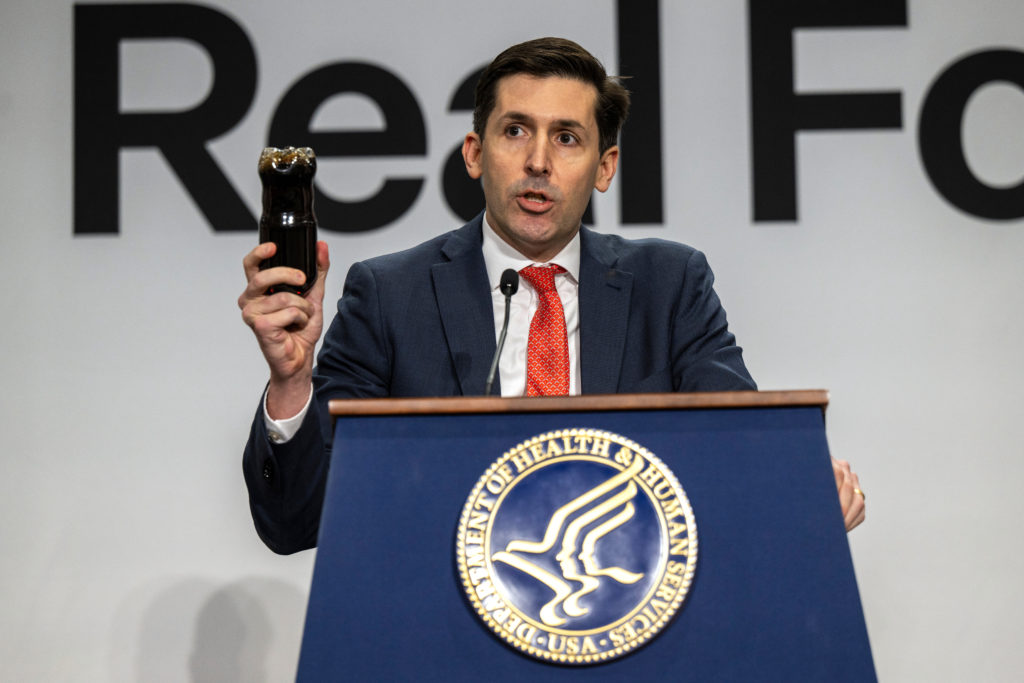
Calley Means, a key adviser to Health Secretary Robert F. Kennedy Jr. and supporter of the Make America Healthy Again (MAHA) movement, resigned from his role in the Trump administration. His resignation comes amid frustration from MAHA members over slow progress on health issues like food security and pesticide regulation.
Key Facts
Calley Means resigned from his adviser position in the Trump administration without giving a specific reason.
Means worked to address health problems linked to ultraprocessed foods, additives, and pesticides.
The MAHA movement aims to improve America’s health by challenging corporate profits related to chronic disease.
Some MAHA supporters were unhappy with the Trump administration’s slow action on food and pesticide policies.
Means often clashed with officials worried about upsetting the food industry.
Kennedy’s team delayed defining "ultraprocessed food," a key health policy issue.
White House praised Means for his efforts, while some health activists appreciated his work against corporate interests.
Means is related to Dr. Casey Means, who failed to be confirmed as surgeon general due to vaccine concerns.
Read the Original
Want the full story? Tap a source to open the original
article.
Agriculture Secretary Brooke Rollins said the Trump administration is strongly continuing plans to reorganize the U.S. Forest Service. Despite some legal challenges, the administration remains committed to this major restructuring effort.
Key Facts
The Trump administration is pushing forward with changes to the U.S. Forest Service.
Agriculture Secretary Brooke Rollins made these comments during a media call.
The administration is committed to taking the U.S. Department of Agriculture (USDA) closer to the people it serves.
There are legal challenges slowing the reorganization, but the plan continues.
The goal of the reorganization is to improve how the Forest Service operates.
Rollins said the administration believes in the plan more now than before.
Read the Original
Want the full story? Tap a source to open the original
article.
Tennessee’s execution team had trouble inserting IV lines in Christa Pike before her execution attempt, using about 10 needles and experiencing possible vein damage. Pike survived two doses of the lethal drug, was hospitalized, and eventually returned to prison, raising questions about Tennessee’s execution methods.
Key Facts
The execution team struggled to insert IV lines in Pike’s arms, causing pain and potential vein injury.
Multiple needles (about 10) were used, and it took nearly an hour to establish both IVs.
Pike reported severe burning pain in her arm during the process.
Pike survived after receiving two doses of the lethal drug pentobarbital.
She was then taken to a hospital, placed on a ventilator, but later recovered and was returned to prison.
Tennessee’s protocol calls for a second dose if the first fails but does not say what to do if a person survives that second dose.
Legal challenges to Tennessee’s lethal injection procedures are ongoing.
This failed execution has increased scrutiny of how death sentences are carried out in Tennessee.
Read the Original
Want the full story? Tap a source to open the original
article.
Attorney General Todd Blanche said the Justice Department might stop states from certifying midterm election results in some rare and extreme cases. He did not give specific examples but mentioned “hypothetical” situations where this could happen.
Key Facts
Attorney General Todd Blanche discussed the possibility of DOJ intervening in election certification.
He mentioned hypothetical or “doomsday” scenarios where the DOJ might block vote certification.
This talk was about the midterm elections in the United States.
Blanche spoke to reporters but did not provide concrete examples of such scenarios.
The statement leaves open the question of how or when the DOJ might act in this way.
Read the Original
Want the full story? Tap a source to open the original
article.
Rep. Ilhan Omar will move out of her Washington, D.C., home after federal agents searched it last week. Authorities are investigating possible fraud related to her family's immigration papers, and Omar says she is confident she did nothing wrong.
Key Facts
Federal agents searched Rep. Ilhan Omar’s home in Washington, D.C.
Authorities are investigating possible fraud connected to her family’s immigration paperwork.
Some of Omar’s relatives have received grand jury subpoenas, which are legal orders to testify or provide evidence.
Omar was born in Somalia and is now a naturalized U.S. citizen.
She says the search made her feel unsafe in her home.
Omar is a Democrat representing Minnesota and is running for reelection in a district around Minneapolis.
She has criticized President Donald Trump, who has pushed for legal action against some of his political opponents.
The search happened weeks before the November 3 midterm elections, which will decide control of Congress.
Read the Original
Want the full story? Tap a source to open the original
article.
New York City's city council voted to ban horse-drawn carriages in Central Park. If Mayor Zohran Mamdani signs the law, the ban will start in June 2028 to protect animals and public safety.
Key Facts
The city council approved a law to stop horse-drawn carriage rides in Central Park.
Mayor Zohran Mamdani supports the ban and is expected to sign it.
The ban will take effect in June 2028 to allow time for carriage drivers to find new jobs.
About 150 people currently work as carriage drivers in the park.
The law includes protections to prevent the horses from being sold for slaughter or other carriage rides.
There have been safety incidents, including a tourist’s death in June 2026 caused by a loose horse.
The Central Park Conservancy supports the ban, citing health and safety reasons.
The horse-drawn carriage rides have been part of New York City tourism for decades and appear in movies and TV shows.
Read the Original
Want the full story? Tap a source to open the original
article.
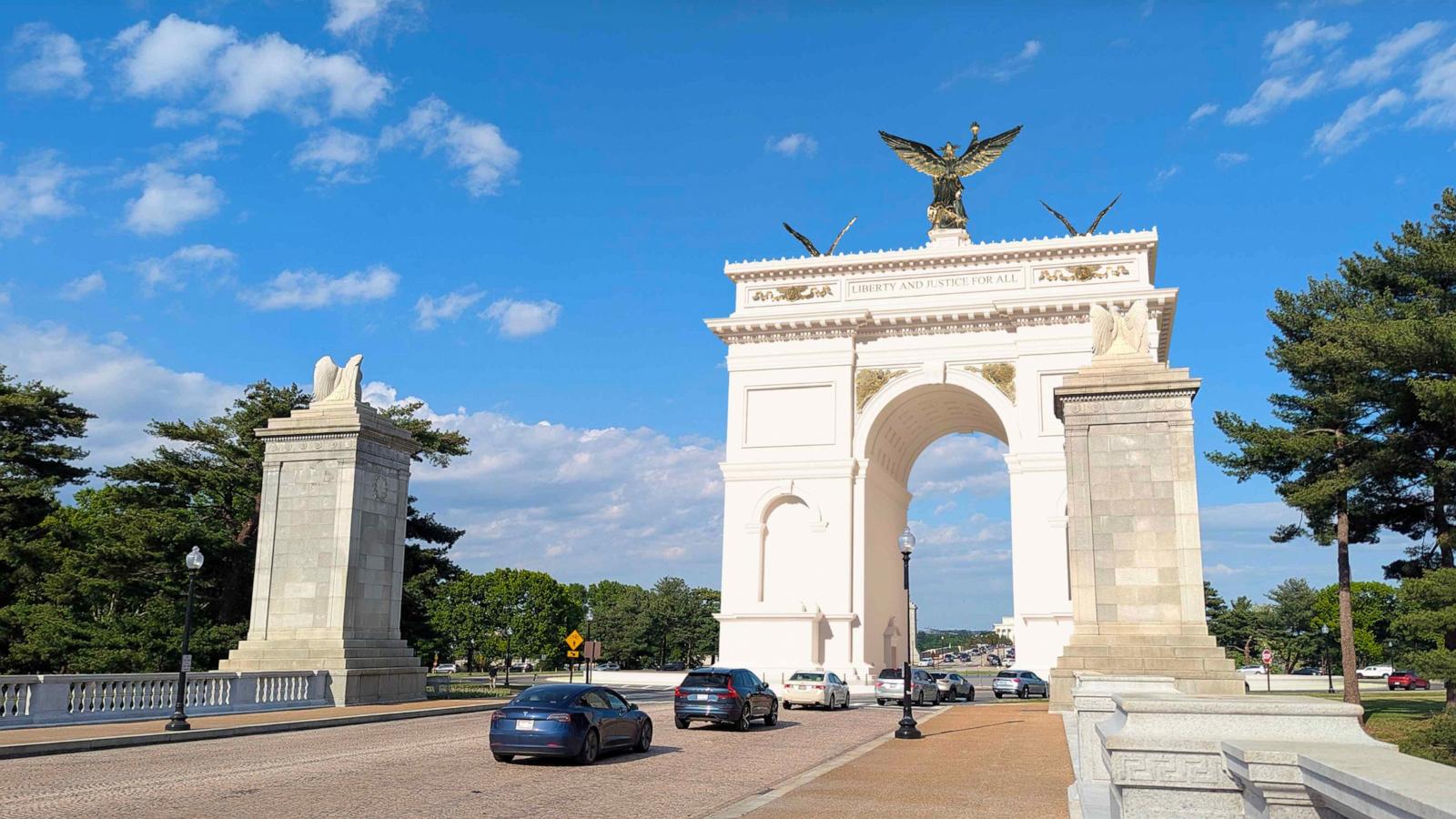
Veterans have asked a federal judge to stop the building of a large arch near Arlington National Cemetery until Congress approves it. The government plans to start construction on November 5 after getting final permits, but veterans say the project lacks legal approval from Congress.
Key Facts
The arch is called a "triumphal arch" and will be 250 feet tall.
It will be built near Arlington National Cemetery, across the Potomac River from the Lincoln Memorial.
The Justice Department says construction could start on November 5.
Veterans filed a lawsuit asking the judge to block construction until Congress authorizes the project.
The Trump administration argues a 1925 law about Memorial Bridge allows the arch, but opponents disagree.
Veterans say the administration did site testing and got some approvals without Congress’s permission.
The administration admits the arch will affect views along the river but says this is unavoidable.
Judge Tanya Chutkan requires 14 days' notice before construction begins.
Read the Original
Want the full story? Tap a source to open the original
article.
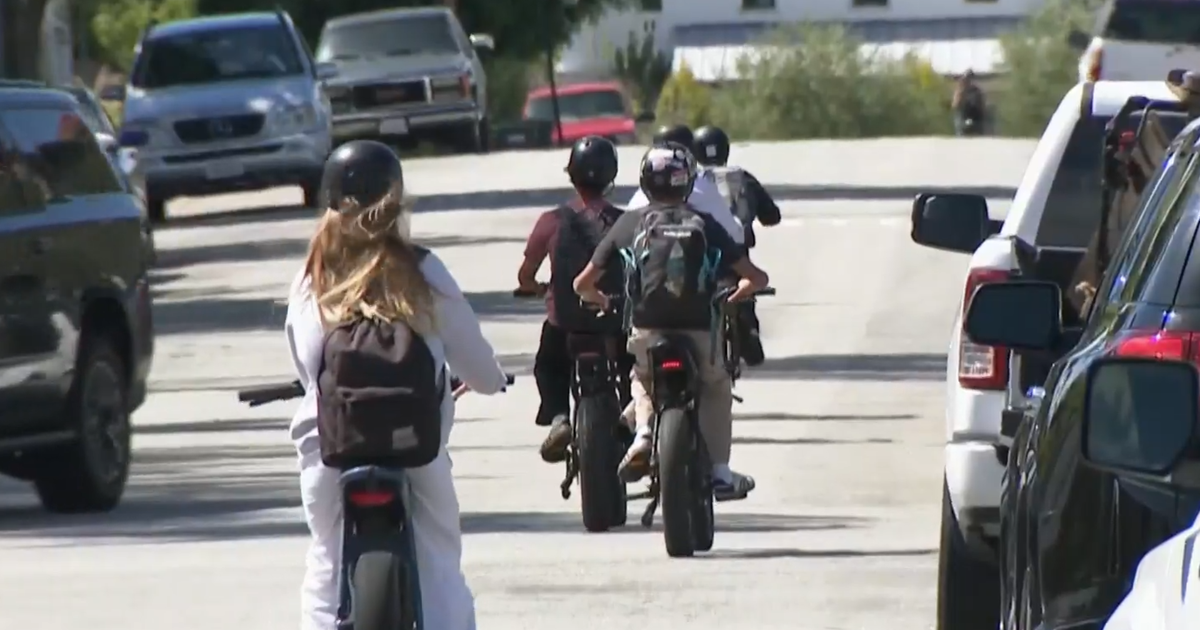
In parts of the United States, especially Southern California, parents are being legally charged when their children cause serious accidents riding electric motorcycles illegally. Many of these children are under 16, which is the legal age limit to ride these vehicles in California, and accidents have led to injuries and deaths.
Key Facts
Children under 16 are not allowed to ride electric motorcycles in California.
Electric motorcycles have more powerful motors than electric bikes.
Orange County District Attorney Todd Spitzer has charged 12 parents this year for letting their children ride these vehicles illegally.
A 13-year-old boy, Benson Nguyen, died after crashing his electric motorcycle while riding dangerously above 40 mph. His parents were charged with child endangerment.
There have been over 125 deaths and tens of thousands of injuries related to electric bikes and motorcycles across the U.S.
Electric motorcycles are now the leading cause of emergency room visits for young people in Orange County.
Officials compare giving children access to electric motorcycles to giving them dangerous weapons due to the safety risks involved.
The goal of prosecutors is to promote responsibility among parents and prevent further accidents.
Read the Original
Want the full story? Tap a source to open the original
article.
The U.S. Justice Department plans to send about 1,000 election monitors to polling places on Election Day, November 3, to observe midterm voting. These monitors will follow state laws and have limited authority, mainly watching and documenting but not interfering in the voting process.
Key Facts
The Justice Department will deploy around 1,000 election monitors for the November 3 midterm elections.
This number is much higher than the 289 monitors sent in the 2022 midterms and the 714 in the 2024 presidential election.
Most monitors will be DOJ personnel, and none will be present during early voting.
Monitors must follow the same rules as the public at polling places and cannot enter unless state law allows it.
Only in three places—St. Landry Parish (Louisiana), Union County (New Jersey), and Pawtucket (Rhode Island)—do federal observers have special court-authorized rights inside polling places.
Monitors do not have the power to question voters, intervene, or override state election officials. Their role is to watch and record what happens.
The DOJ monitors aim to promote transparency, ballot security, and ensure compliance with federal voting laws.
The DOJ Civil Rights Division can investigate violations found during monitoring and take legal action if needed.
Read the Original
Want the full story? Tap a source to open the original
article.
Some states are starting to hold parents legally responsible when their children are involved in accidents using electric bikes (e-bikes) or electric motorcycles. For example, in Orange County, California, District Attorney Todd Spitzer is taking steps to charge parents in these cases.
Key Facts
Parents can face criminal charges if their children cause accidents while riding e-bikes or e-motorcycles.
Orange County, California, is actively prosecuting parents under these new rules.
E-bikes and e-motorcycles are becoming more popular among young people, raising safety concerns.
Holding parents responsible aims to encourage better supervision and safety education.
This approach is part of a broader trend across multiple states addressing youth e-vehicle accidents.
District attorneys are using existing laws or new policies to go after parents in serious accident cases.
The focus is on increasing accountability to reduce injuries and deaths involving kids on e-bikes.
Read the Original
Want the full story? Tap a source to open the original
article.
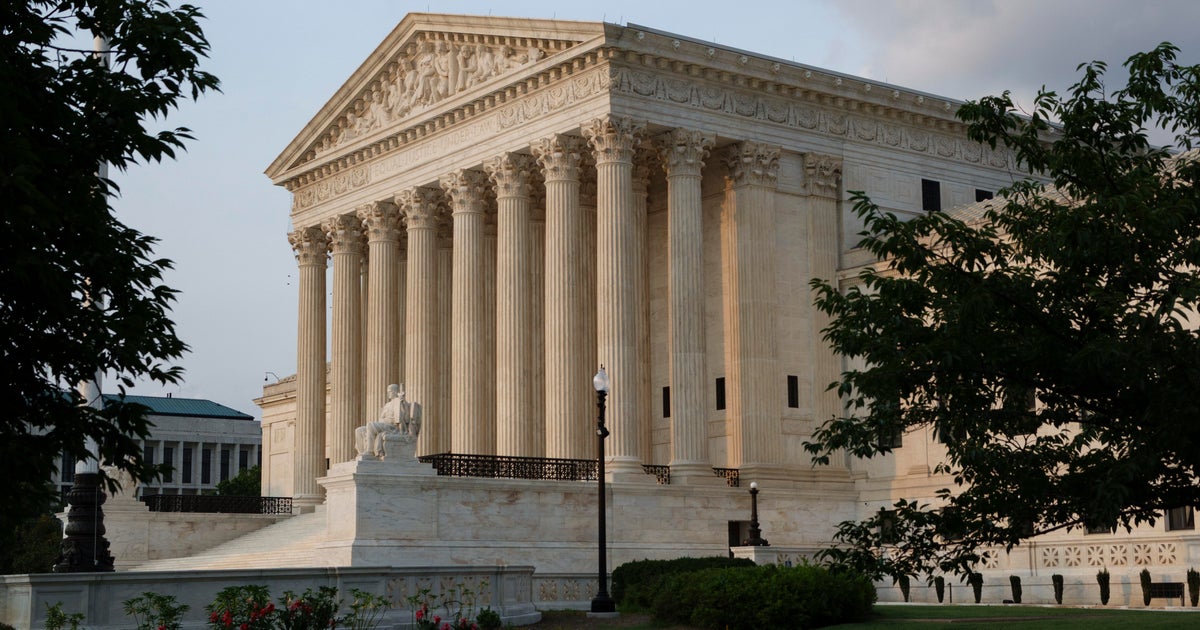
The Supreme Court allowed New Hampshire to ban the use of student IDs for voting in the upcoming elections. The court blocked a lower court's decision that had allowed student IDs as a backup ID method, emphasizing that election rules should not be changed close to an election.
Key Facts
New Hampshire passed a law banning student IDs as an accepted form of voter ID.
The state’s secretary of state also barred student IDs as a backup way to prove identity.
A lower court blocked the secretary of state’s guidance but kept the law in place.
The Supreme Court sided with New Hampshire, blocking the use of student IDs for voting.
The court cited the "Purcell principle," which discourages changing election rules right before elections.
Justice Ketanji Brown Jackson disagreed, saying this case might not fit the Purcell rule.
Republican New Hampshire Attorney General John Formella praised the decision as protecting election integrity.
The ruling came less than two weeks before New Hampshire’s midterm election, which includes a close U.S. Senate race.
Read the Original
Want the full story? Tap a source to open the original
article.
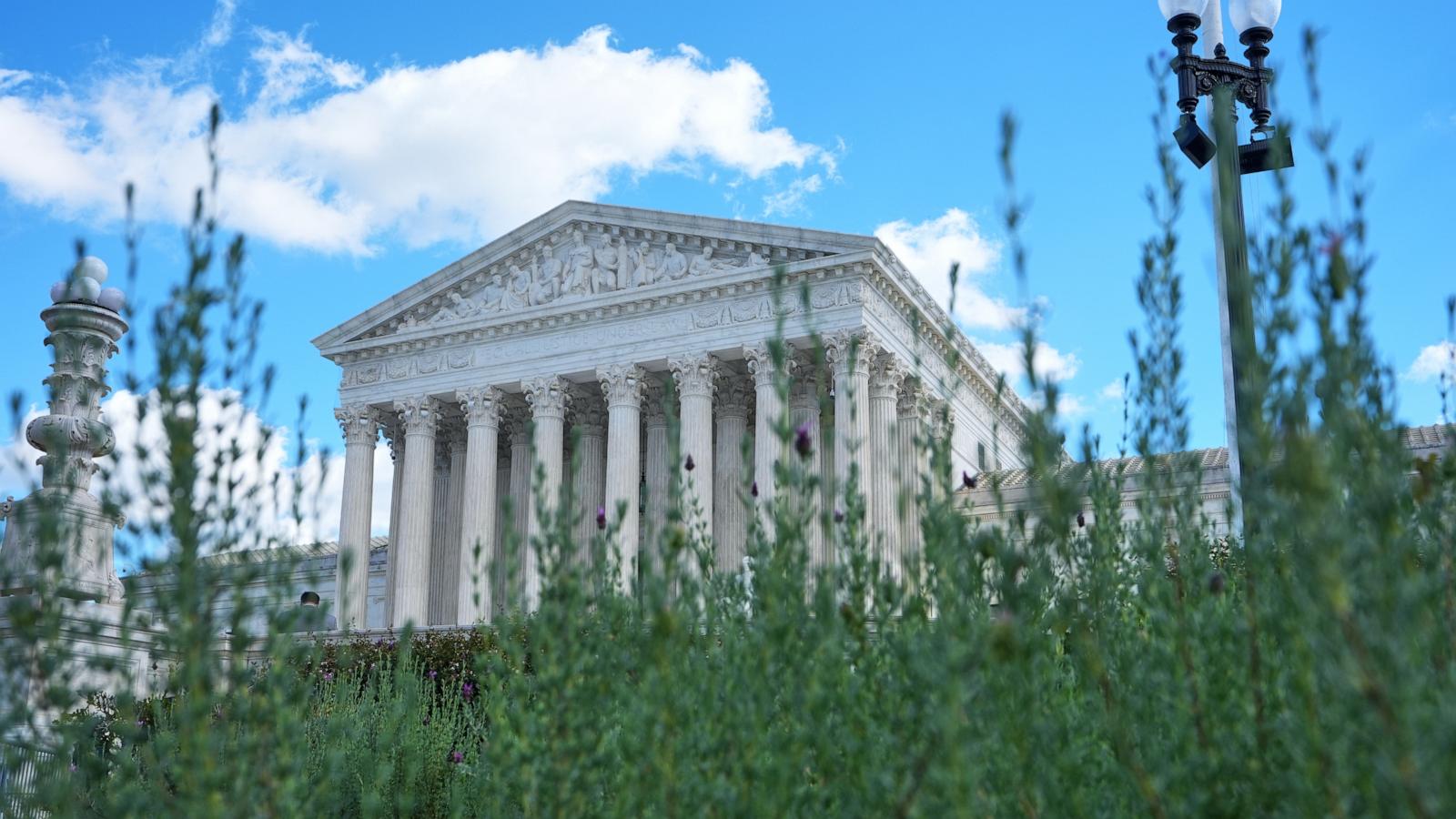
The U.S. Supreme Court allowed New Hampshire to stop accepting student IDs for voting in the upcoming midterm elections. The Court blocked a lower court’s order that had allowed student IDs as backup identification, citing the need to avoid changing voting rules close to Election Day.
Key Facts
New Hampshire passed a law banning student IDs as a form of voter identification in 2026.
The state’s secretary of state issued rules preventing student IDs from being used even as backup ID.
A judge initially blocked the state’s rule but did not cancel the law.
The Supreme Court sided with New Hampshire, allowing the ban on student IDs to stand.
Justice Ketanji Brown Jackson was the only justice to disagree publicly.
The decision came less than two weeks before New Hampshire’s midterm election.
The Republican National Committee supported New Hampshire’s appeal.
The Court’s ruling was based on the idea that making changes to voting rules right before an election can cause problems.
Read the Original
Want the full story? Tap a source to open the original
article.
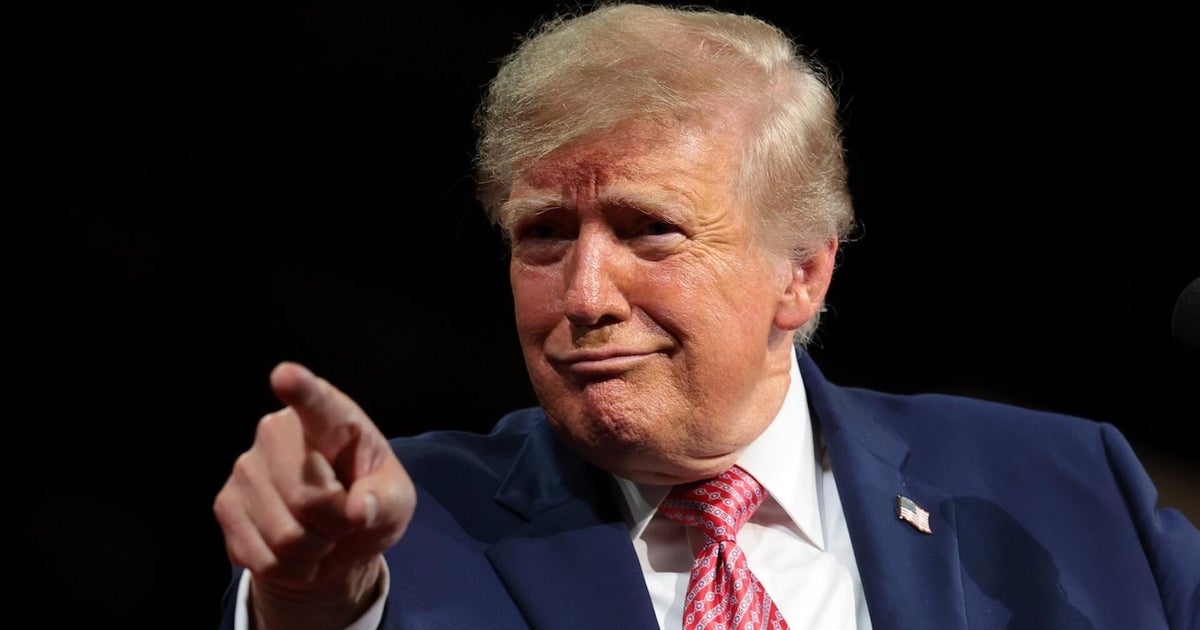
President Donald Trump defended a controversial political advertisement used in Ohio's race for governor. The ad, supporting candidate Vivek Ramaswamy, drew criticism, but President Trump spoke out in favor of it.
Key Facts
The ad in question is part of Ohio's gubernatorial (governor) race.
Vivek Ramaswamy is the candidate supported by the ad.
The advertisement has caused public backlash and controversy.
President Donald Trump publicly defended the ad despite criticism.
Ohio Governor Mike DeWine asked Ramaswamy to remove the ad.
The ad targets Amy Acton, who is also involved in the governor's race.
The defense of the ad was reported by CBS News correspondent Weijia Jiang.
Read the Original
Want the full story? Tap a source to open the original
article.
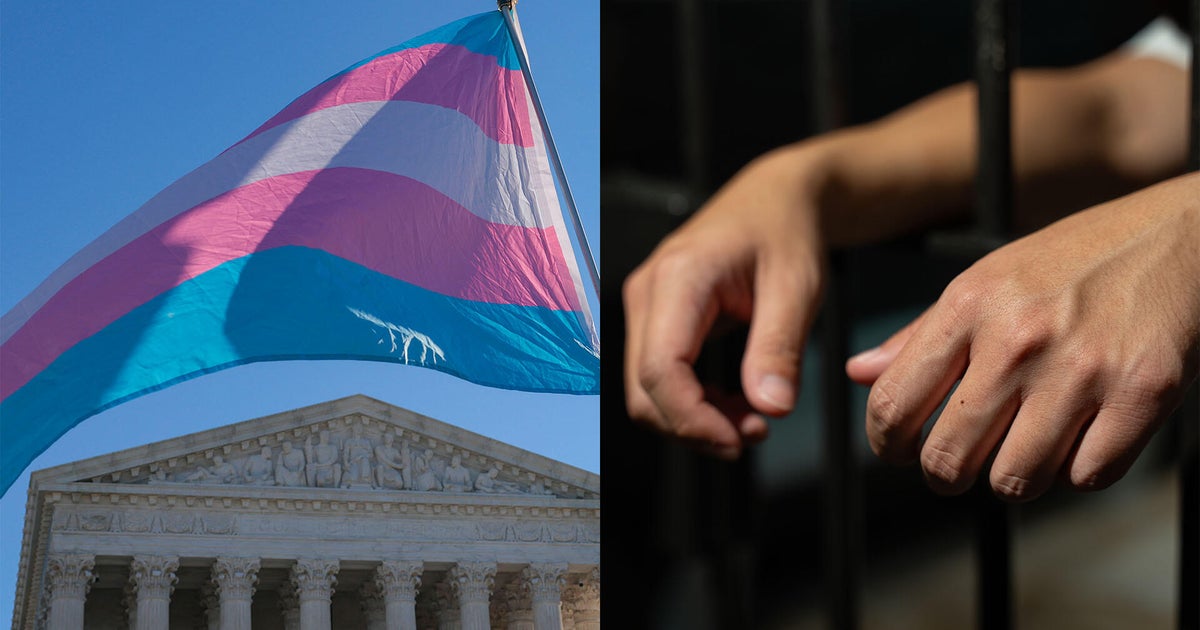
The Supreme Court has refused to allow the Trump administration to limit some medical treatments for transgender inmates in prison. This means transgender prisoners can continue to access certain medical care related to their gender.
Key Facts
The Supreme Court made a decision about medical treatment for transgender inmates.
The ruling blocked the Trump administration's attempt to restrict some care for these inmates.
Transgender inmates are people in prison whose gender identity is different from the sex they were assigned at birth.
The decision allows them to keep receiving certain medical treatments related to their gender.
Jessica Levinson, a CBS legal expert, explained the ruling on CBS News.
The case involved health care rights for transgender prisoners in the U.S. prison system.
Read the Original
Want the full story? Tap a source to open the original
article.