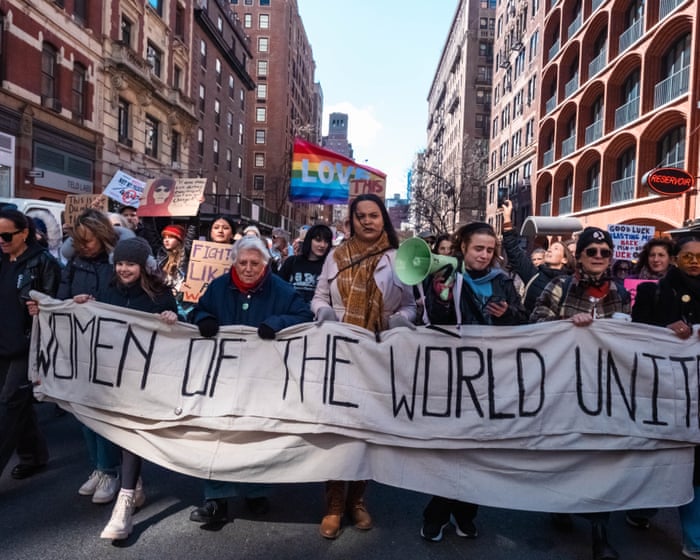
A woman filed a lawsuit against Cornell University and a fraternity, saying the university did not protect her from a rape by seven men. The article discusses how President Trump’s behavior and his administration have influenced attitudes toward women and misogyny in America.
Key Facts
A woman sued Cornell University, claiming it failed to protect her from a rape at a fraternity house.
The district attorney decided not to charge the seven men involved due to insufficient evidence.
President Donald Trump was found in civil court to have sexually abused writer E. Jean Carroll.
Trump has made public insults and inappropriate comments about women.
Trump’s administration took actions seen by some as promoting a male-dominated culture.
Some of Trump’s allies and officials faced accusations of sexual misconduct or promoting male dominance.
Social media saw an increase in sexist attacks on women after Trump’s 2024 election win.
The article links several public figures connected to Trump to a culture known as the "manosphere," which emphasizes dominance and submission.
Read the Original
Want the full story? Tap a source to open the original
article.
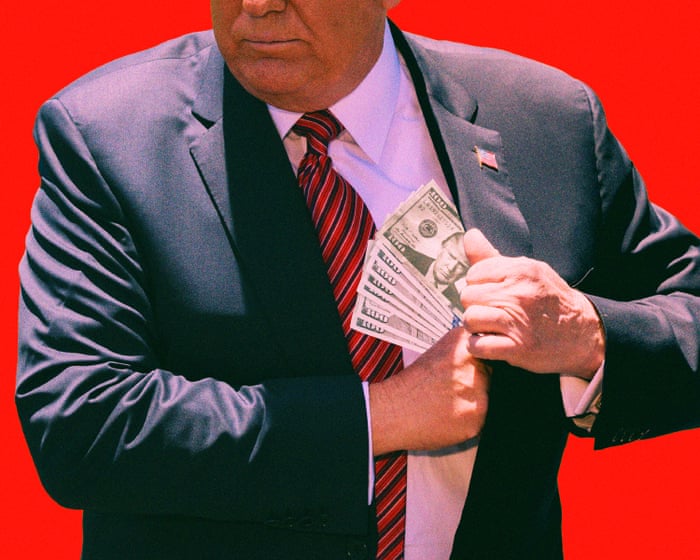
President Donald Trump says he donates his presidential salary to maintain the White House, but a recent event linked to a cryptocurrency connected to him suggests he profits from it. Democrats are using claims of corruption to try to gain support in the upcoming midterm elections, while Trump’s administration denies the accusations and says he works for the American people’s best interests.
Key Facts
President Trump claims he donated his presidential salary during both terms to White House preservation.
A crypto company linked to Trump’s memecoin, called $Trump, held an exclusive dinner event to attract big investors.
Trump profits from the memecoin and reportedly made about $636 million from it last year.
Democrats believe these corruption claims could help them win control of Congress in the November midterm elections.
Senate Democratic leader Chuck Schumer stated Trump is trying to become highly corrupt.
The Trump administration rejects corruption accusations, calling them irresponsible and false.
Public concern about government corruption in the US is very high, with a recent Gallup poll showing 89% believe corruption is widespread.
Trump administration highlights efforts like lowering drug prices and fighting unfair trade as proof of working for Americans’ interests.
Read the Original
Want the full story? Tap a source to open the original
article.
President Donald Trump published Senator Tom Cotton’s phone number over a delayed bill about keeping daylight saving time all year. This action has affected Cotton’s race for reelection and could lead to a heated debate in the Senate about changing the clocks twice a year.
Key Facts
Senator Tom Cotton is a Republican from Arkansas seeking reelection.
The bill in question aims to keep daylight saving time year-round, removing the need to change clocks twice each year.
President Trump shared Cotton’s cellphone number on his social media platform called Truth Social.
Cotton’s delay in advancing the bill upset President Trump.
The dispute is drawing more attention to the daylight saving time issue in the Senate for the upcoming fall session.
The public fight could influence voters in Cotton’s Arkansas reelection campaign.
Daylight saving time means setting clocks forward in spring and back in fall. The bill would stop this twice-yearly change.
The conflict highlights tensions within the Republican Party ahead of the elections.
Read the Original
Want the full story? Tap a source to open the original
article.
Justice Samuel Alito, who has been on the U.S. Supreme Court for 20 years, is releasing his first book called "So Ordered." The book collects his past speeches on topics like abortion, originalism (a way to interpret the Constitution), and challenges facing the courts.
Key Facts
Samuel Alito has served on the U.S. Supreme Court for 20 years.
His book is titled "So Ordered."
The book is a collection of his speeches given over the years.
Topics covered include abortion and originalism.
Originalism is a method of interpreting the Constitution based on its original meaning.
The book discusses threats to the judiciary.
The book is set to be released on Tuesday.
The content mainly adapts previously given speeches rather than presenting new material.
Read the Original
Want the full story? Tap a source to open the original
article.
President Trump has been effective in encouraging Democrats to vote in the 2026 midterm elections. However, it is not yet clear if he can also motivate enough Republican voters to support the GOP in these elections.
Key Facts
Early voting for the 2026 midterm elections has already started in six states.
By the end of next week, early voting will be available in 19 states.
More than 100 million ballots are expected to be cast in total.
President Trump’s actions have increased Democratic voter turnout so far.
It is uncertain whether President Trump can similarly boost Republican voter turnout.
The focus is on the impact of President Trump on voter enthusiasm during the midterms.
Read the Original
Want the full story? Tap a source to open the original
article.
Defense Secretary Pete Hegseth is encouraging U.S. military members to register and vote in the 2026 midterm elections. He gave them one day off this month to vote but did not tell them who to vote for. Some people support his efforts, while others are doubtful.
Key Facts
Pete Hegseth is the U.S. Defense Secretary.
He is leading a campaign to get military personnel to register to vote.
The focus is on the 2026 midterm elections.
Hegseth issued a "stand-down" order giving service members one day off in the month to vote.
He did not direct troops on how to vote or which candidates to choose.
There are mixed opinions about his efforts, with some praising and others skeptical.
The effort aims to increase voter participation among the military.
This is part of an official government push to support military voting rights.
Read the Original
Want the full story? Tap a source to open the original
article.
President Trump has proposed a big plan called the Golden Dome, which aims to create a national missile defense system. The project could cost about $1.2 trillion over 20 years, but it is uncertain if it will get enough funding to start this year.
Key Facts
The Golden Dome is a national ballistic missile defense program.
It is President Trump’s plan to protect the country from missile threats.
The estimated cost of the program is $1.2 trillion over 20 years.
The program includes both development and operation expenses.
Funding for the project has not yet been secured.
The project needs a large amount of money to begin this fiscal year.
Without funding, the plan faces challenges and delays.
Read the Original
Want the full story? Tap a source to open the original
article.
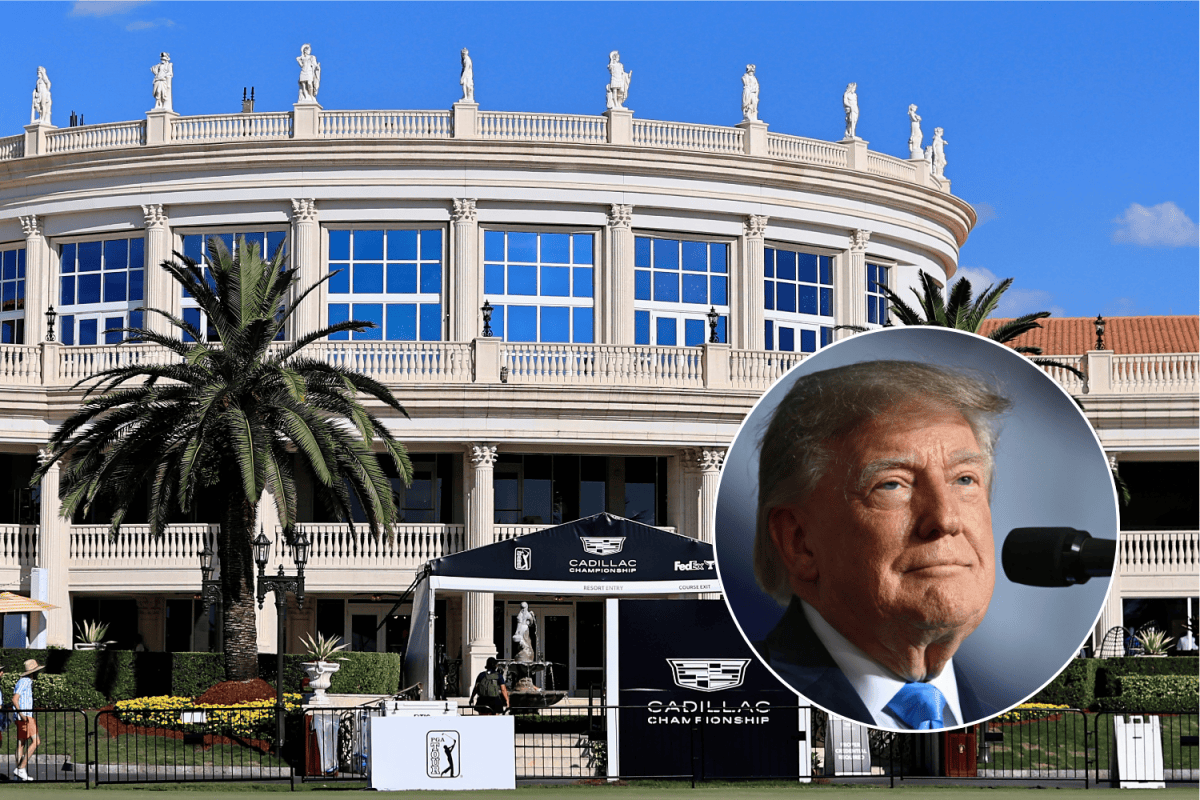
President Donald Trump accused The New York Times of altering a photo of his Trump National Doral resort to make the building look old and dirty. Trump shared a cleaner image of the resort and said the Times made the resort look bad on purpose. Newsweek found older photos showing the resort did have some weathering and dirt on its exterior.
Key Facts
President Trump said The New York Times changed a photo of Trump National Doral to make it look dirty and worn down.
Trump posted two photos: one published by the Times with a dull facade, and another bright and clean photo he said showed the true look.
The Times article focused on how Trump’s presidency and personal business interests are connected, especially with hosting the G20 summit at Doral.
It’s unclear when the Times’ photo was taken, and no proof was found that it was digitally edited.
Other photos from 2023 show some discoloration and dirt on the same building facade.
Trump has long criticized The New York Times, accusing it of biased reporting and currently has a $15 billion defamation lawsuit against them.
The dispute comes during Trump’s second term as president and the G20 summit plans at Doral.
Read the Original
Want the full story? Tap a source to open the original
article.
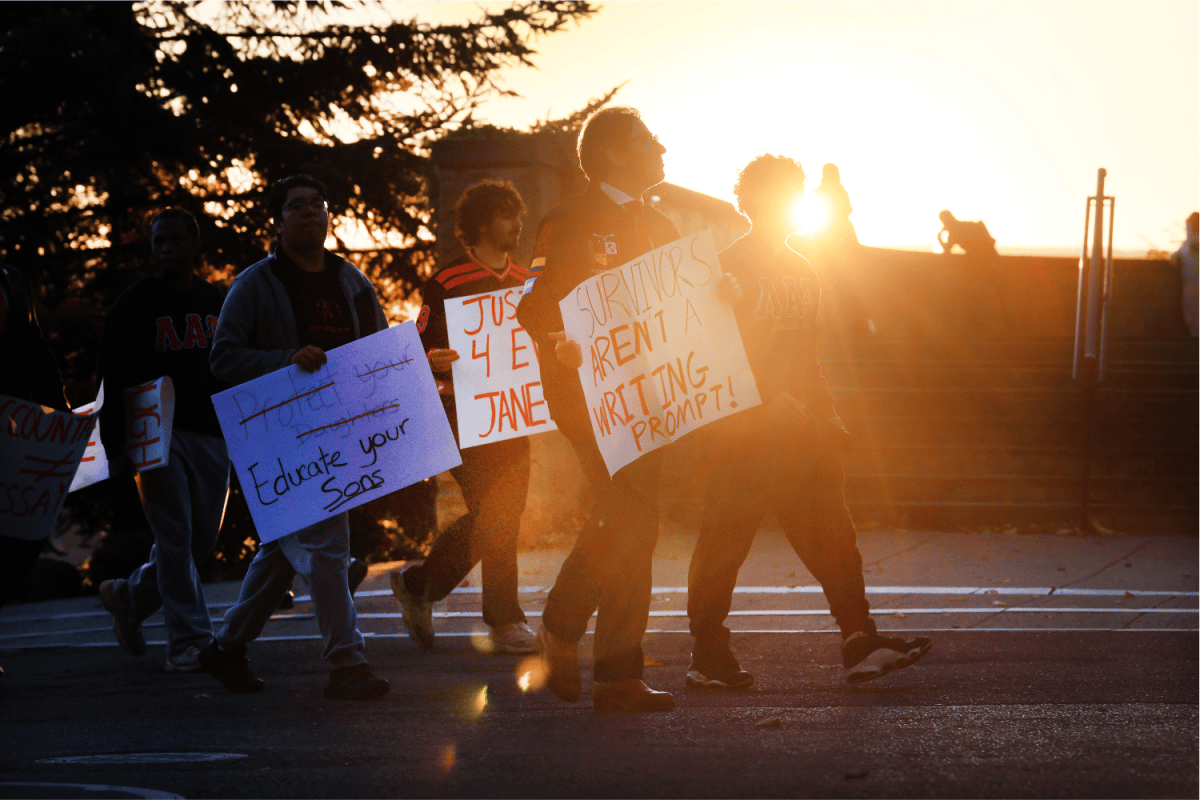
Students at Cornell University protested after a woman filed a lawsuit alleging gang rape at a fraternity. Activists damaged a campus building and covered it with graffiti to show their frustration about how the university has handled the case.
Key Facts
The Day Hall building at Cornell was damaged, with smashed glass and graffiti messages.
The graffiti included phrases like “Smash the patriarchy” and “At Cornell rapists are protected protestors are expelled.”
The protest came after a woman filed a lawsuit in 2024 accusing multiple men of rape involving alcohol and ketamine at a fraternity house.
The Chi Phi fraternity chapter at Cornell closed in 2024 and is banned from campus due to the allegations.
All men named in the lawsuit deny the accusations; one lawyer called the claims “intentionally dishonest.”
Prosecutors reopened an investigation into the case, with Cornell supporting this decision.
The Chi Phi fraternity said it strongly condemns sexual assault and drug and alcohol abuse.
Thousands of students and faculty joined a “Justice for Survivors” protest, calling for Cornell’s president to resign and for better handling of sexual violence cases.
Read the Original
Want the full story? Tap a source to open the original
article.
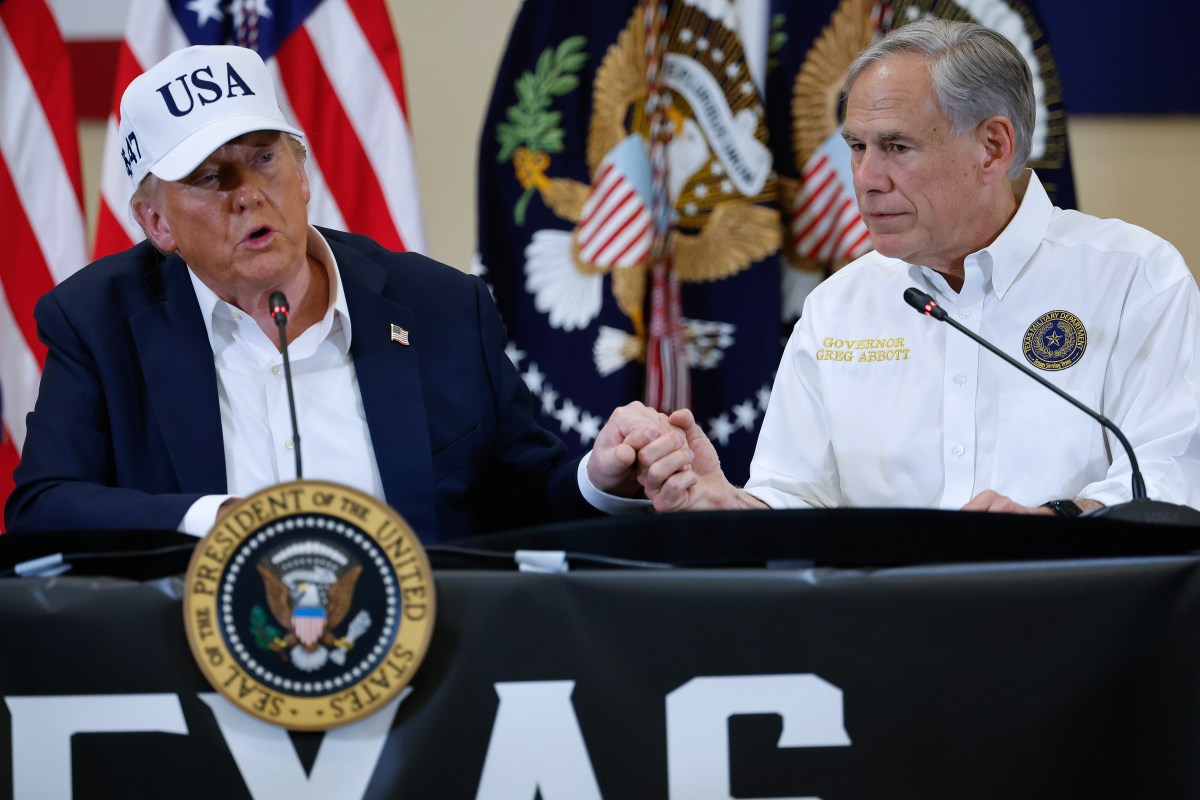
Texas Governor Greg Abbott will not attend President Donald Trump's rally in San Antonio due to other campaign events. The election race in Texas is becoming closer, with Democratic candidate Gina Hinojosa leading in recent polls.
Key Facts
Governor Greg Abbott is skipping President Trump’s rally in San Antonio.
Abbott has other campaign events planned at the same time.
Abbott said President Trump helps excite and organize the Republican voter base.
Gina Hinojosa, a Democrat, is running a strong campaign against Abbott.
A New York Times/Siena poll shows Hinojosa at 49% and Abbott at 46%.
The poll surveyed 615 Texas voters from September 21 to 30.
President Trump is campaigning in Texas multiple times to support Republican candidates.
Republicans have traditionally seen Texas as a safe state but face tougher races this year.
Read the Original
Want the full story? Tap a source to open the original
article.
President Donald Trump said that Iran could attack the cities of Los Angeles and San Diego during a political rally in Nebraska. California Governor Gavin Newsom called Trump's statement dangerous and inappropriate.
Key Facts
President Trump made his comment about Iran’s potential to "take out" Los Angeles and San Diego at a rally in Nebraska.
The comment was made on October 5, 2026, while Trump was campaigning for Republican candidates in Nebraska.
California Governor Gavin Newsom criticized the remarks, calling them "deranged and dangerous."
The statement received wide attention and condemnation from California leaders.
The incident reflects ongoing tensions between the U.S. and Iran.
President Trump is actively campaigning ahead of upcoming midterm elections.
The story was reported by ABC News on October 6, 2026.
Read the Original
Want the full story? Tap a source to open the original
article.
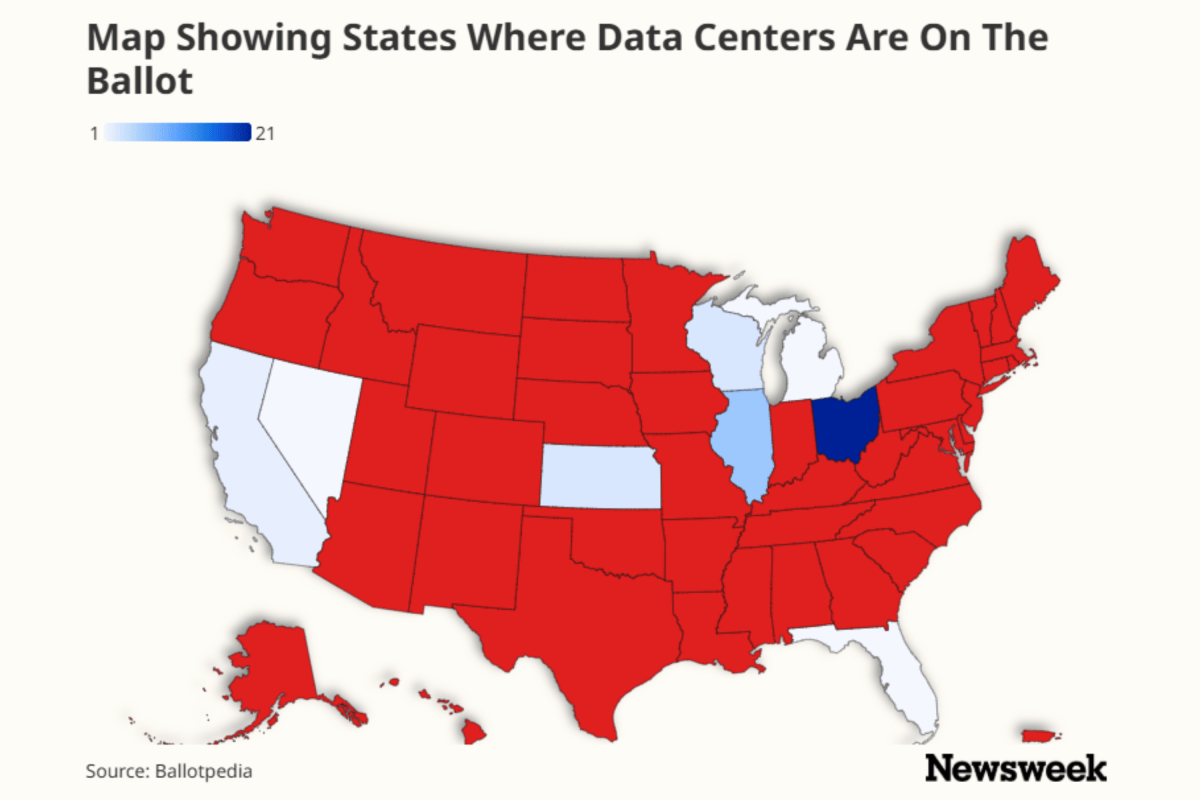
Voters in eight U.S. states will decide on local ballot measures about building data centers, which are important for AI technology. These measures include bans, rules, or support for data centers, reflecting concerns about their impact on power use, water, land, and taxes.
Key Facts
At least 39 ballot measures on data center development are scheduled in California, Florida, Illinois, Kansas, Michigan, Nevada, Ohio, and Wisconsin.
Most measures will be decided in the November 3 general election, with four already voted on earlier this year.
Proposed measures vary from banning new data centers to requiring voter approval or regulating tax incentives for companies.
Concerns include data centers using too much electricity and water, taking up land, and the fairness of tax breaks.
Supporters say data centers help grow the AI industry, create construction jobs, attract investments, and increase local tax revenue.
In Ohio, Senate candidate Sherrod Brown criticizes Senator Jon Husted for supporting data center projects, making it a key campaign issue.
Senator Husted now supports laws to make large energy users, including data centers, pay for needed infrastructure upgrades to protect consumers.
Newsweek’s AI Policy Scorecard ranks lawmakers on AI issues, showing Husted as cautious about expanding data centers compared to more supportive lawmakers.
Read the Original
Want the full story? Tap a source to open the original
article.
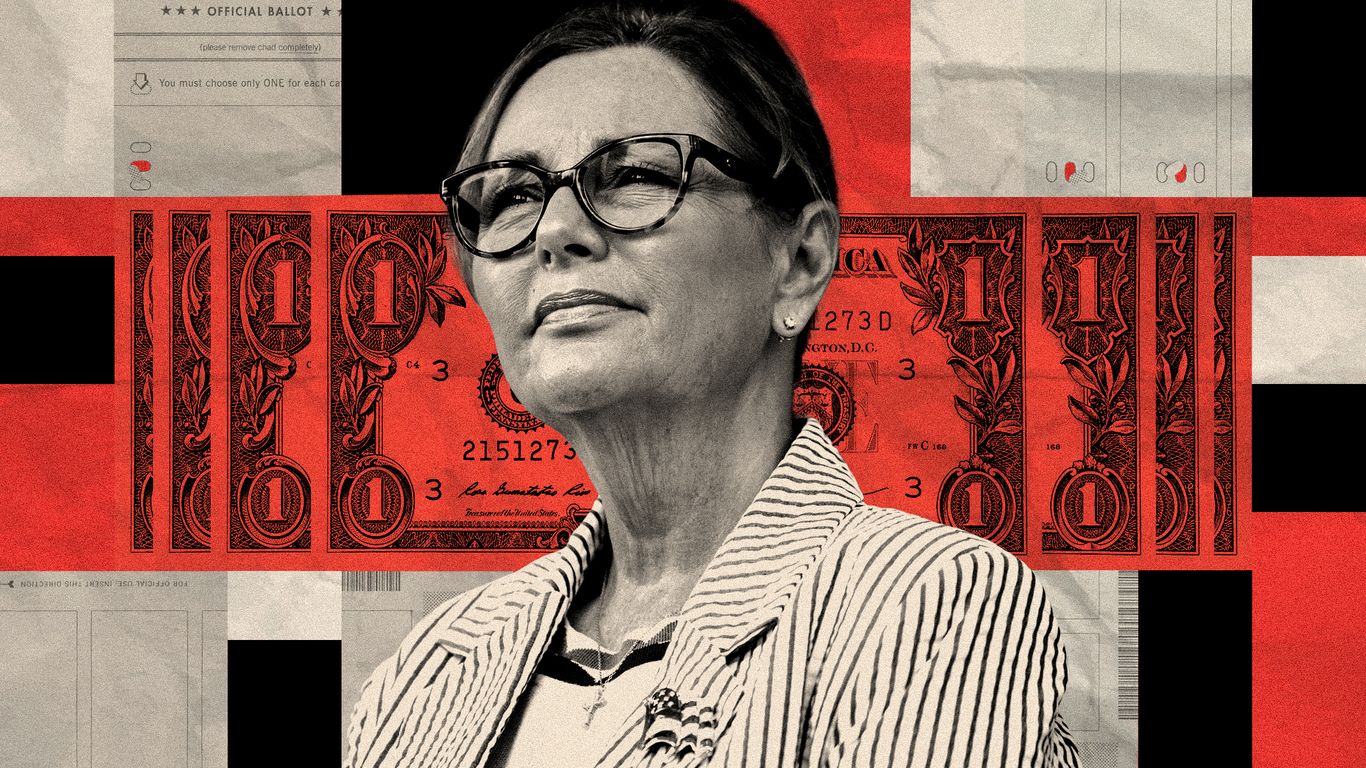
The main Republican super PAC plans to spend $5 million to support GOP Senate nominee Darline Graham in South Carolina, where the race is unexpectedly close. This shows concern among Republicans about holding the seat, as Democrats are gaining ground weeks before the November election.
Key Facts
The Senate Leadership Fund super PAC will inject $5 million to help Darline Graham, the GOP candidate in South Carolina.
Graham was appointed in July, promoted by President Donald Trump, and is the sister of Senator Lindsey Graham.
Graham is behind in fundraising and polling compared to her Democratic opponent, Annie Andrews.
Recent polls show the race nearly tied in a state Republicans have controlled for a long time.
Democrats canceled some ad spending in nearby North Carolina, where their candidate is doing well.
The super PAC is spending money in other challenging GOP races nationwide, not just South Carolina.
Graham avoids media interviews and faced criticism during the GOP primary debate for lack of knowledge on foreign policy.
Andrews, a pediatrician, runs a quieter campaign but has significant funding from a group supporting Democrats with science and tech backgrounds.
Read the Original
Want the full story? Tap a source to open the original
article.
US households are paying 62% more for drinking water now than they did 10 years ago. This rise is faster than increases in inflation, food prices, and household incomes, affecting many families, especially low-income ones.
Key Facts
The study looked at water bills from the 500 largest US community water systems, serving about 155 million people (45% of the population).
In 2025, the average household using 60,000 gallons paid $531 annually for drinking water.
Water bills went up 62% from 2015 to 2025, while overall inflation increased by 39%.
Water costs rose faster than grocery prices (30%) and eggs (28%).
Water bills grew 19% more than the national median household income over the last decade.
Corporate-owned water systems charged $823 on average, which is 67% more than $494 charged by public systems.
California had over half of the most expensive water systems, while the cheapest were all publicly owned and mostly in southern states.
In many places, especially West Virginia and Puerto Rico, water bills take a large share of low-income household income, making water very unaffordable.
Read the Original
Want the full story? Tap a source to open the original
article.
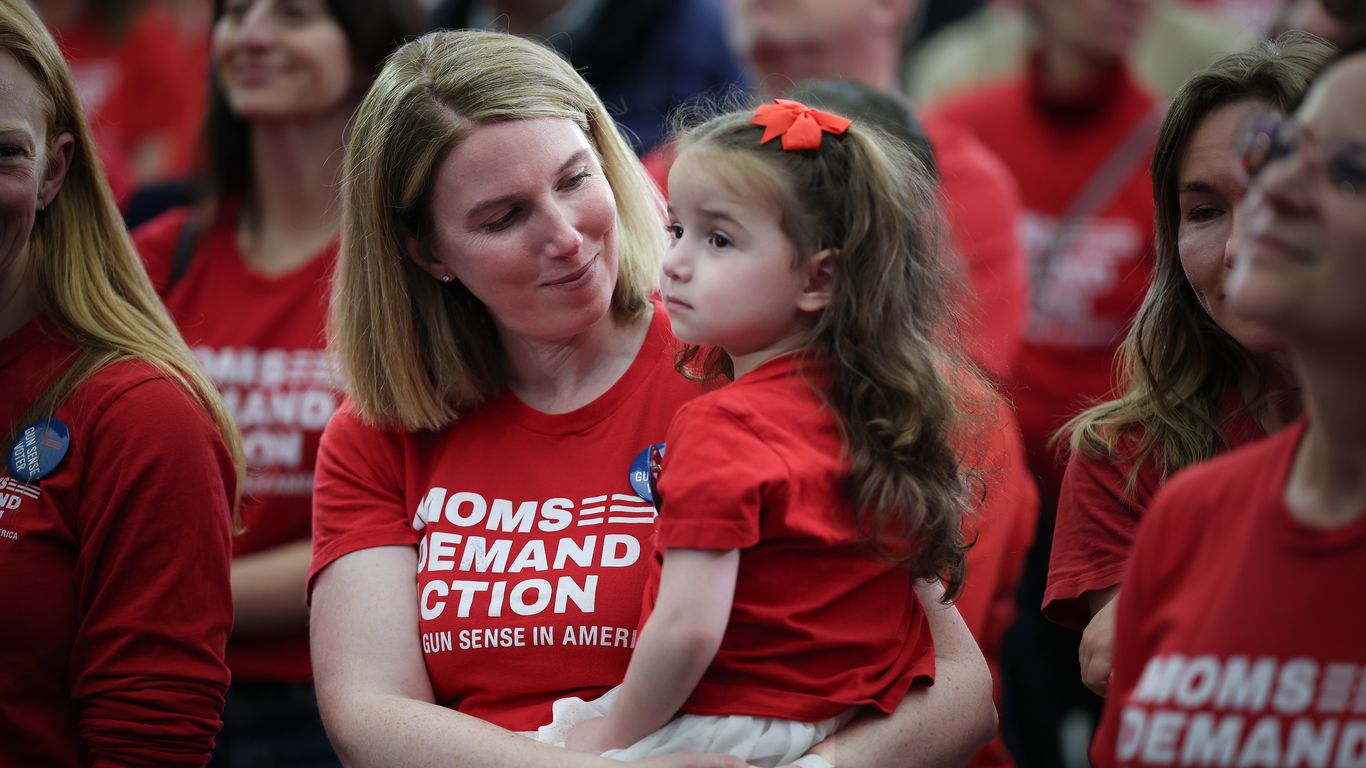
Everytown for Gun Safety is working with House Democrats on a $10 million ad campaign to support eight candidates who were former volunteers for Moms Demand Action, a gun safety group. The ads focus on public safety issues, including gun control, crime, and police funding, aiming to help Democrats win seats in the midterm elections.
Key Facts
Everytown for Gun Safety is spending $10 million on ads to support Democratic congressional candidates.
The candidates were all volunteers for Moms Demand Action, a gun safety advocacy group.
The campaign targets eight districts across Arizona, Florida, Iowa, Michigan, and Pennsylvania.
Ads emphasize public safety topics: gun control, drug trafficking, immigration, crime, and police funding.
The group wants to challenge the current MAGA House and President Donald Trump’s administration on gun laws.
House Majority PAC, a main Democratic super PAC, is partnering in this campaign.
Republicans criticize Democrats for allegedly supporting policies that weaken law enforcement and public safety.
Some ads highlight candidates’ past work on reducing crime and supporting police funding.
Read the Original
Want the full story? Tap a source to open the original
article.
President Donald Trump has created a new task force called the "Super Intelligence" group to unify the government's approach to AI policy. The task force aims to balance safety concerns with fast innovation, avoiding strict laws that could quickly become outdated.
Key Facts
The task force was formed to bring together scattered AI policy efforts in the government.
Scott Kupor, co-chair of the task force, said rigid laws on AI might become obsolete fast.
The group includes officials with different views on AI regulation, from cautious to more industry-friendly.
Treasury Secretary Scott Bessent and Chief of Staff Susie Wiles support some voluntary AI oversight efforts.
The Commerce Department manages voluntary model reviews for companies like OpenAI, Anthropic, and Google.
Jay Clayton, director of national intelligence, leads coordination of the task force.
The task force will work for 120 days and may suggest that different federal agencies regulate AI in different ways.
The government favors corporate self-regulation through audits and reporting rather than new strict laws.
Read the Original
Want the full story? Tap a source to open the original
article.
A national Latino civic group launched an AI app called Nubi to help voters understand election rules in English or Spanish. The app gives reliable, local voting information and aims to make complex election details easier to navigate for Latino voters ahead of the midterms.
Key Facts
Nearly 39 million Hispanics can vote in the 2024 midterm elections.
The Latino voting population grew by 5.25 million since 2022, the largest increase of any group.
Mi Familia en Acción created Nubi, a bilingual AI app that answers questions about voting, registration, and rights.
Nubi provides local voting info for all 50 states, using trusted, reviewed sources, not open internet searches.
The app is designed to say when it doesn’t have an answer and points users to reliable resources.
This technology complements, but does not replace, traditional community outreach like door-knocking.
Latinos’ political choices are becoming more unpredictable, with many switching party support or undecided.
Pew Research expects Hispanics to make up 16% of eligible voters by 2026, nearly double their share in 2006.
Read the Original
Want the full story? Tap a source to open the original
article.
The 2026 U.S. midterm elections are expected to have a large number of election observers, including government monitors, partisan groups, and citizen journalists. Officials are concerned that some observers may mistake normal election activities for problems, while some political groups claim voter fraud is a serious issue. The Justice Department plans to deploy many election monitors to help oversee the process.
Key Facts
The 2026 midterm elections will have many observers from different groups, both nonpartisan and partisan.
The Justice Department will train and send about 1,000 election monitors across the country.
Some officials worry that citizen journalists and activists might wrongly claim election problems.
After the 2020 election, claims of wrongdoing led to many court cases, most of which were dismissed.
The White House says evidence of voter fraud is growing, while nonpartisan groups say illegal voting is very rare.
The Republican and Democratic parties are both organizing teams of observers and poll workers.
Anti-ICE activists are trained to watch the polls in response to concerns about ICE activity on election day.
Rules for election observers vary by state, including where they can stand and what they can do near voting machines.
Read the Original
Want the full story? Tap a source to open the original
article.
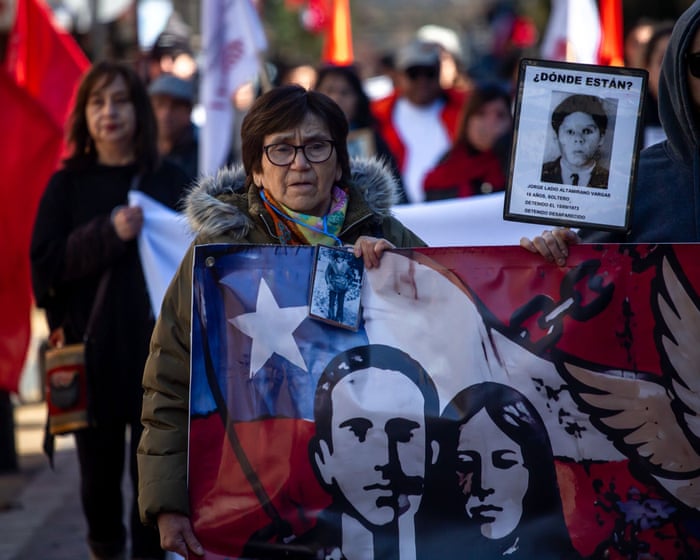
The author compares Chile’s 1988 vote that ended dictator Augusto Pinochet’s rule to the current political situation in the United States under President Donald Trump. The article highlights the importance of voters, institutions, and the military in preventing authoritarianism and protecting democracy ahead of the 2024 US elections.
Key Facts
In 1988, Chile held a vote (plebiscite) to decide whether Pinochet would continue ruling or allow a transition to democracy.
Pinochet lost the vote with around 56% voting against him, despite attempts to block the results and hold an auto-coup.
The military eventually accepted the outcome, which led to Chile transitioning to democracy beginning in 1990.
The article compares this moment to the current US political context under President Donald Trump ahead of the November 2024 midterm elections.
There are concerns Trump might reject election outcomes, similar to Pinochet’s attempts to disavow his loss.
The author stresses the need for civilians, institutions, and loyal military forces to uphold the law and democracy.
The article warns that removing an authoritarian leader does not erase the lasting damage caused during their rule.
Read the Original
Want the full story? Tap a source to open the original
article.
A recent poll by the health research group KFF found that many voters worry about paying for health care. The poll also showed that voters trust Democrats more than Republicans to handle health care costs.
Key Facts
Health care costs are a big concern for many voters.
About 60% of voters are worried about affording health care and insurance.
The poll was conducted by the Kaiser Family Foundation (KFF), a health research group.
Voters trust Democrats nearly twice as much as Republicans on health care cost issues.
The poll included a wide group of voters to measure their opinions on affordability and political trust.
The concern over health care costs affects voters' views on political parties.
This poll reflects ongoing debates about health care policy in the U.S.
Read the Original
Want the full story? Tap a source to open the original
article.