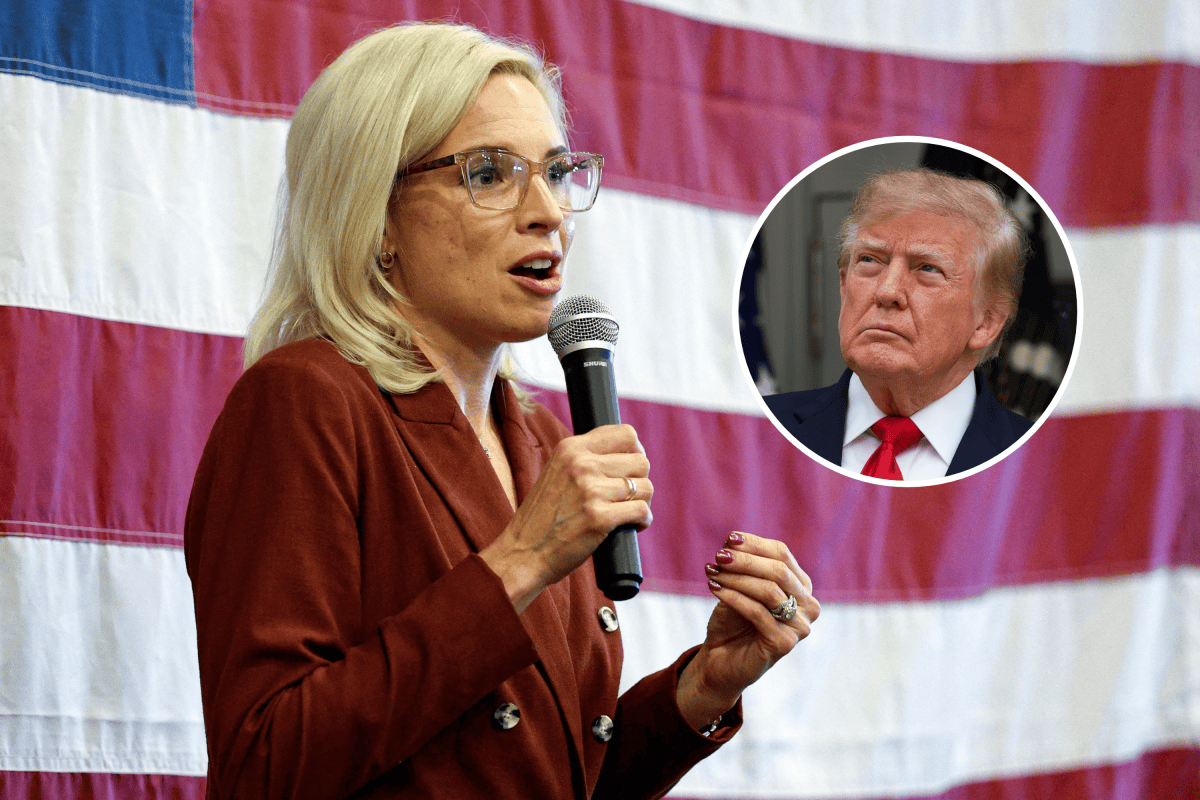
Republican Ashley Hinson disagrees with President Trump’s deal involving Russia supplying diesel fuel. She plans to tell him it was a bad idea before his Iowa rally, where he will support her Senate campaign in a tight race against Democrat Josh Turek.
Key Facts
Ashley Hinson is a Republican House representative running for an open Iowa Senate seat.
President Trump announced a deal with Russia to supply diesel fuel to global markets to lower fuel prices.
Hinson said she believes the deal with Russia is a bad idea and plans to say so to Trump.
The diesel deal received criticism from some Republicans who oppose supporting Russia amid its war with Ukraine.
Iowa’s Senate race is closely contested between Hinson and Democrat Josh Turek.
Turek criticizes Hinson for voting to continue U.S. involvement in the Iran war multiple times.
President Trump will hold a rally in Sioux City, Iowa, to support Hinson before the midterm elections.
Iowa’s gas and diesel prices are slightly below the national average but still high.
Read the Original
Want the full story? Tap a source to open the original
article.
Tom Skerritt, a well-known American actor famous for TV shows like Picket Fences and movies such as Alien and Top Gun, has died at age 93. He passed away from natural causes, and his family remembered him for both his acting career and his kindness.
Key Facts
Tom Skerritt was 93 years old when he died.
He acted in TV series like Picket Fences and Mash.
He appeared in films including Alien, Top Gun, A River Runs Through It, and Ted.
Skerritt’s career spanned about 60 years.
He co-founded TheFilmSchool in Seattle to help new filmmakers.
His family said he was known for humor, wisdom, generosity, and love.
They said he believed stories could help people heal and make a difference.
He died on a Wednesday from natural causes.
Read the Original
Want the full story? Tap a source to open the original
article.
Aipac, a major pro-Israel group in the US, said it will stop directly endorsing political candidates or giving them money. Instead, it will keep supporting candidates through other political funds. This change shows that Aipac recognizes its direct support is now hurting more than helping candidates because public opinion about Israel has changed.
Key Facts
Aipac announced it will no longer directly endorse or fund political candidates.
It will still use its super PAC, United Democracy Project, to support pro-Israel candidates.
The change reflects a shift in US public opinion regarding Israel, especially after the Gaza conflict.
Aipac has spent millions supporting candidates, including $32 million in Michigan against a critic of Israel.
Many candidates who once accepted Aipac money now distance themselves from the group.
Some elected officials have returned Aipac donations or refused to take its money.
Aipac said the 2026 election will be very challenging and that it will change its political strategy.
Critics say Aipac’s brand has become politically harmful for candidates due to its strong stance on Israel.
Read the Original
Want the full story? Tap a source to open the original
article.
Florida State Senator Angie Nixon, a Democratic Socialist, won her party’s primary in August and is now trailing her Republican opponent by four points in recent polls for the Florida Senate seat. The race is considered competitive ahead of the upcoming election.
Key Facts
Angie Nixon is a Florida State Senator and identified as a Democratic Socialist.
She won an upset victory in the Democratic primary in August 2026.
Current polls show Nixon four points behind her Republican rival.
The election is for a Florida Senate seat.
The race is closely watched as it could change party control for this seat.
Primary and polling results suggest increased voter interest and competition.
This race is part of the broader political contests happening in the US for state government positions.
Read the Original
Want the full story? Tap a source to open the original
article.
The Justice Department has ended more than 50 old school desegregation cases without fully checking if the schools had stopped racial discrimination. A watchdog group found that in many cases, the DOJ did not ask courts to confirm that schools had fixed their past discriminatory practices before dismissing the cases.
Key Facts
Since President Trump took office in 2025, the DOJ supported ending at least 56 school desegregation cases.
In at least 18 cases, the DOJ did not ask courts to confirm if schools had achieved "unitary status," meaning they ended racial discrimination.
Courts consider six main areas to decide unitary status: student and staff assignments, transportation, facilities, and extracurricular activities.
One case in Concordia Parish, Louisiana, was dismissed despite ongoing discrimination, after the DOJ sided with the school board.
The DOJ’s Civil Rights Division has filed lawsuits and consent decrees since the 1960s to fight school segregation.
These legal agreements aimed to change school policies to avoid racial segregation of students.
As of May 2022, the DOJ was involved in about 140 active desegregation cases before recent dismissals.
The watchdog group that reported this is Red Line for Civil Rights, linked to former DOJ attorneys.
Read the Original
Want the full story? Tap a source to open the original
article.
President Donald Trump expressed sadness about New York City’s plan to ban horse-drawn carriages. The city council is expected to vote on the ban, which would begin in 2028.
Key Facts
President Trump shared his feelings on the upcoming ban of horse-drawn carriages in New York City.
The New York City Council is expected to vote on the ban on Thursday.
If approved, the ban will start in 2028.
Horse-drawn carriages have been a popular attraction in Central Park.
The ban is part of a broader effort to address animal welfare concerns.
Read the Original
Want the full story? Tap a source to open the original
article.
President Donald Trump’s support among white evangelical Protestant voters has dropped from 77% in January 2025 to 63% recently. White evangelicals are an important group for the Republican Party as the November 3 midterm elections approach, where control of Congress is at stake.
Key Facts
A new Reuters/Ipsos poll shows Trump’s support among white evangelicals fell to 63% from 77% at his second inauguration.
Trump’s overall approval rating has dropped to 31%, a historic low.
White evangelicals make up about 13% of the US population and nearly a third of Trump’s 2024 voting base.
Trump campaigned in South Carolina, a state with many white evangelical voters, focusing on social issues important to them.
Some Republican Senate candidates in key states like South Carolina, Kansas, and Texas face close races with Democratic challengers.
White evangelicals remain more supportive of Trump than other groups, despite controversies surrounding him.
Shifts in evangelical support may impact Republican turnout in the midterms even though Trump is not on the ballot.
Other evangelical groups, such as Black Protestant evangelicals, largely support Democrats.
Read the Original
Want the full story? Tap a source to open the original
article.
President Donald Trump criticized NBA player LeBron James for not standing still during the US national anthem at a recent basketball game. Trump said James disrespected the country and should apologize to American heroes.
Key Facts
LeBron James was seen moving and making golf swing motions during the national anthem before a game.
President Trump said on social media that James disrespected the US and should apologize.
James has not replied to Trump's recent comments.
The national anthem is usually observed by standing still at sports events as a sign of respect.
This issue is part of a broader, ongoing debate about protests and respect during the anthem in sports that began around 2016.
Trump and James have publicly criticized each other multiple times since 2016.
James has supported Trump’s political opponents, while Trump has made negative personal remarks about James.
The criticism reflects ongoing tensions between political and sports figures in the US.
Read the Original
Want the full story? Tap a source to open the original
article.
A federal judge limited the Department of Homeland Security (DHS) from investigating suspected noncitizen voting in nine states. The judge said these investigations might scare away eligible voters and interfere with their rights ahead of the 2026 midterm elections.
Key Facts
The judge blocked DHS operations targeting people likely to be U.S. citizens in California, Connecticut, Georgia, Missouri, Nevada, New York, Pennsylvania, Washington, and Wisconsin.
DHS had created a "target list" from sources like state voter rolls and private data, but the judge questioned the accuracy of this data.
Lawsuit groups showed evidence that DHS's actions could intimidate voters and stop people from encouraging voter participation.
DHS said it focuses on finding and removing noncitizens who vote and does not plan to investigate people they believe are citizens.
Previous court rulings have stopped the Trump administration from getting state voter data, but the administration still seeks to investigate noncitizen voting by other methods.
A whistleblower report claimed some DHS staff used questionable data and pressured officials to investigate voter fraud with little training.
The administration recently sued California to try to stop about 20,000 voters from having mail-in ballots counted.
Democratic groups are suing the government for using unfounded fraud claims to influence how elections are run.
Read the Original
Want the full story? Tap a source to open the original
article.
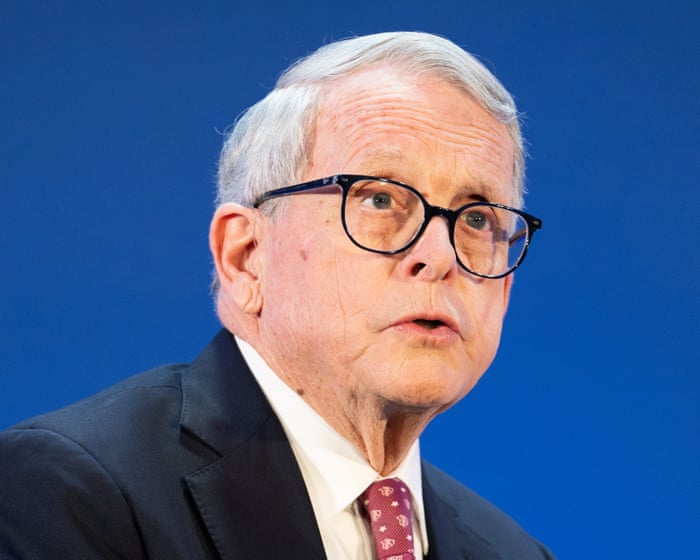
President Donald Trump supported Republican candidate Vivek Ramaswamy’s political ad in Ohio, which features the Democratic candidate Amy Acton’s estranged mother. Trump criticized Ohio Governor Mike DeWine for asking Ramaswamy to remove the ad.
Key Facts
President Trump defended Vivek Ramaswamy’s political ad in Ohio.
The ad includes Amy Acton’s estranged mother making statements.
Ohio Governor Mike DeWine, a Republican, asked Ramaswamy to take down the ad.
Trump criticized DeWine for his request on the social media platform TruthSocial.
Trump encouraged Ramaswamy to continue running the ad.
The dispute happened during the Ohio gubernatorial race.
Ramaswamy is the Republican candidate for governor in Ohio.
Amy Acton is the Democratic candidate running against Ramaswamy.
Read the Original
Want the full story? Tap a source to open the original
article.
Ohio Governor Mike DeWine criticized a political ad by Republican candidate Vivek Ramaswamy that targeted his opponent Amy Acton by featuring her estranged mother. President Donald Trump disagreed with DeWine and encouraged Ramaswamy to keep the ad shown in the governor’s race.
Key Facts
Ohio Governor Mike DeWine said the ad was wrong and called it “deeply troubling.”
The ad features Amy Acton’s estranged mother, Donna Arthur, making negative claims about Acton.
Amy Acton has not seen her mother for decades due to past family abuse.
Ramaswamy’s campaign said they would spend $4 million to run the ad statewide.
President Trump called DeWine “disloyal” and said Ramaswamy should keep the ad up.
Some Republicans, including Senator Jon Husted and Secretary of State Frank LaRose, criticized the ad but DeWine still supports Ramaswamy’s full Republican ticket.
Acton’s brother called the ad “a despicable low” and noted his and Acton’s removal from their mother’s custody in childhood.
Vice-President JD Vance defended the campaign, saying politics is tough and more focus should be on Democrats’ policies.
Read the Original
Want the full story? Tap a source to open the original
article.
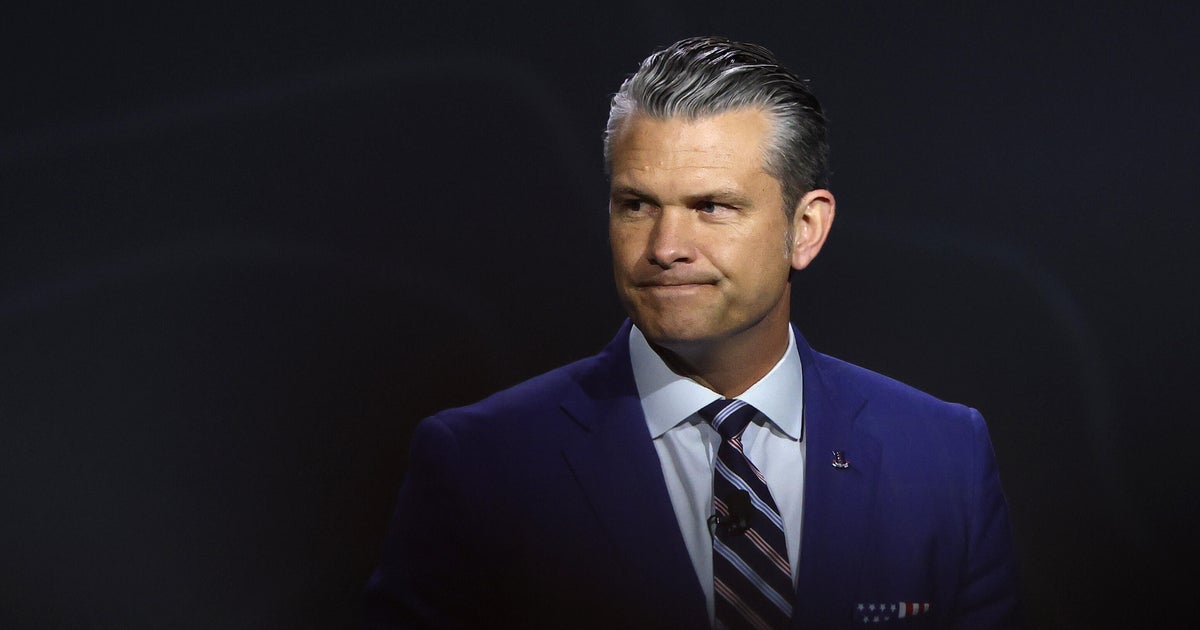
Defense Secretary Pete Hegseth has banned U.S. military personnel from using private military information to bet on U.S. military actions. The ban covers both secret and public information and includes online prediction markets like Polymarket and Kalshi because such betting could help enemies learn about U.S. military plans.
Key Facts
The ban applies to all Defense Department workers, including military and civilian staff.
Bets on military-related prediction markets could reveal sensitive information to foreign enemies.
Prediction markets named in the memo include Polymarket and Kalshi.
Violating this ban may lead to disciplinary or criminal charges under military law or federal law.
The memo was sent on October 20, 2026, to senior Pentagon leaders and combat commanders.
This action comes after a U.S. Special Forces soldier was arrested for allegedly betting on a secret operation to capture Venezuelan leader Nicolas Maduro.
The soldier reportedly won over $409,000 by betting shortly after President Trump announced the capture.
The soldier pleaded not guilty in federal court in New York.
Read the Original
Want the full story? Tap a source to open the original
article.
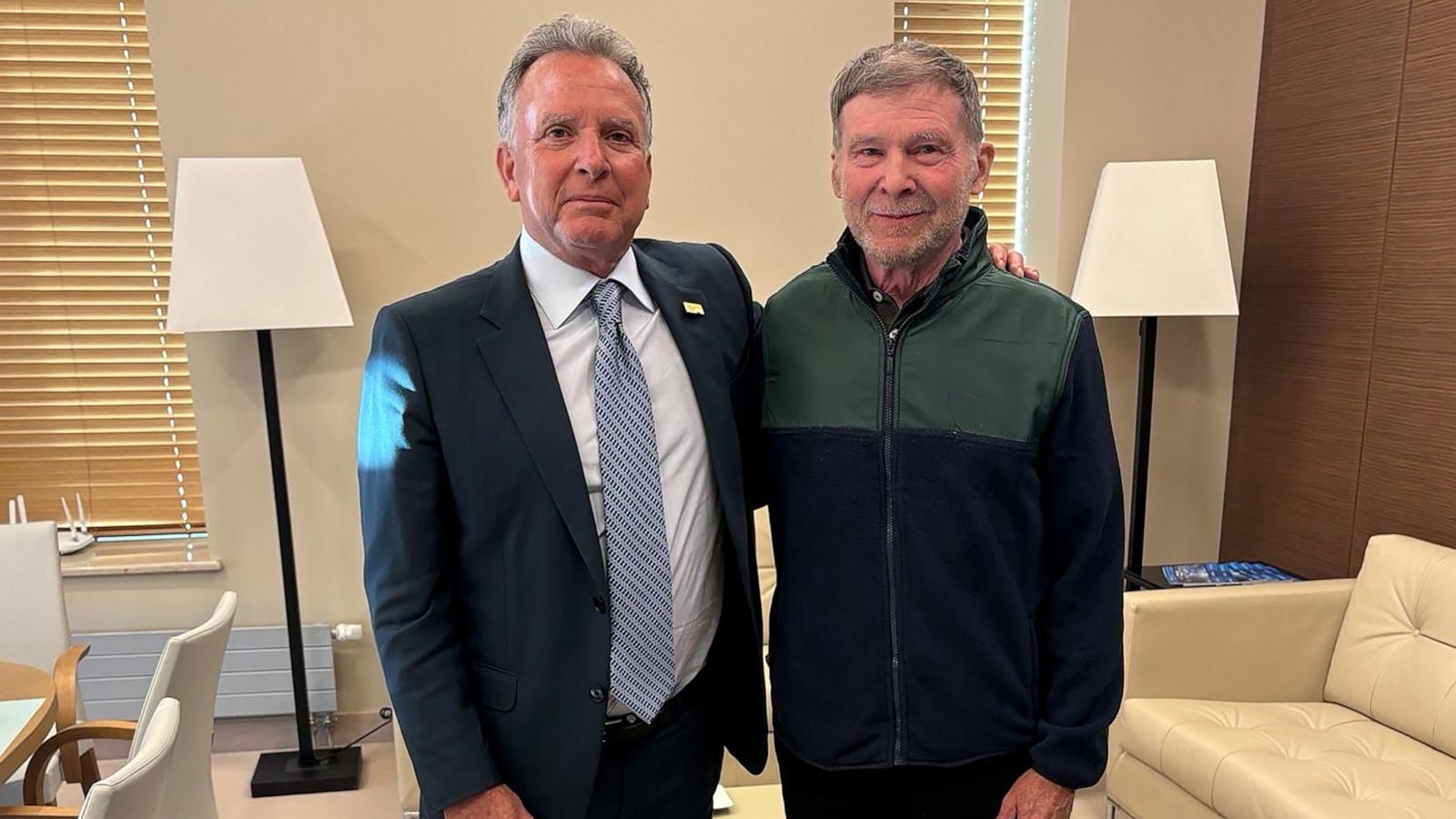
President Donald Trump stated that the U.S. did not give anything in return for the release of American Stephen Hubbard from Russia. However, the U.S. waived new Russia-related sanctions during negotiations, which some see as a concession to Russia.
Key Facts
Stephen Hubbard, a retired U.S. teacher, was detained in Russia on mercenary charges but was later declared wrongfully detained by the U.S. State Department.
Russian President Vladimir Putin announced Hubbard’s release during a meeting with U.S. Special Envoy Steve Witkoff in St. Petersburg.
Steve Witkoff publicly called Putin a “humanitarian” after Hubbard’s release.
President Trump waived some new sanctions against Russia to avoid disrupting negotiations for Hubbard’s release.
Trump said previous administrations gave money and other things in hostage negotiations, but his administration did not.
Some experts worry that waiving sanctions might encourage Russia to detain more Americans to gain political benefits.
The article references a 2023 deal where the Biden administration released Iranian funds to free American detainees, showing complexities in hostage negotiations.
Critics say Russia uses hostage-taking to pressure the U.S. politically.
Read the Original
Want the full story? Tap a source to open the original
article.
Homeland Security Secretary Markwayne Mullin said the Department of Homeland Security is reviewing new technology for use at the U.S. border. The Pentagon has given DHS a military device called the Active Denial System, which uses a heat ray to repel people by sending out invisible waves that cause discomfort but no permanent harm.
Key Facts
DHS is testing new technology to improve border security.
The Pentagon provided a device called the Active Denial System.
The device uses electromagnetic waves to create a heat sensation on the skin.
This heat ray is designed to discourage people from crossing the border illegally.
The beam is invisible and causes temporary discomfort, not injury.
Secretary Markwayne Mullin confirmed ongoing evaluation of such technologies.
The goal is to find safe and effective tools to support border enforcement.
Read the Original
Want the full story? Tap a source to open the original
article.
Vice President JD Vance supported an attack ad by Republican Vivek Ramaswamy's campaign in the Ohio governor race. The ad features the Democratic candidate Amy Acton's mother disputing Acton's claims of childhood abuse and homelessness. Vance told Republicans to stop complaining about the ad and focus on winning the election.
Key Facts
JD Vance is the Vice President of the United States.
Vivek Ramaswamy is a Republican candidate running for Ohio governor.
Ramaswamy’s campaign released a strong attack ad against Democrat Amy Acton.
The ad shows Acton’s estranged mother, Donna Arthur, challenging Acton’s claims of abuse and homelessness when she was a child.
Amy Acton says she was sexually abused by her stepfather at age 12.
The stepfather was charged with rape but fled and never went to trial; he died in 2004.
Acton and her brother were removed from their mother’s custody due to abuse and neglect.
Vance urged Republicans to stop complaining about the ad and focus on winning the governor’s race.
Read the Original
Want the full story? Tap a source to open the original
article.
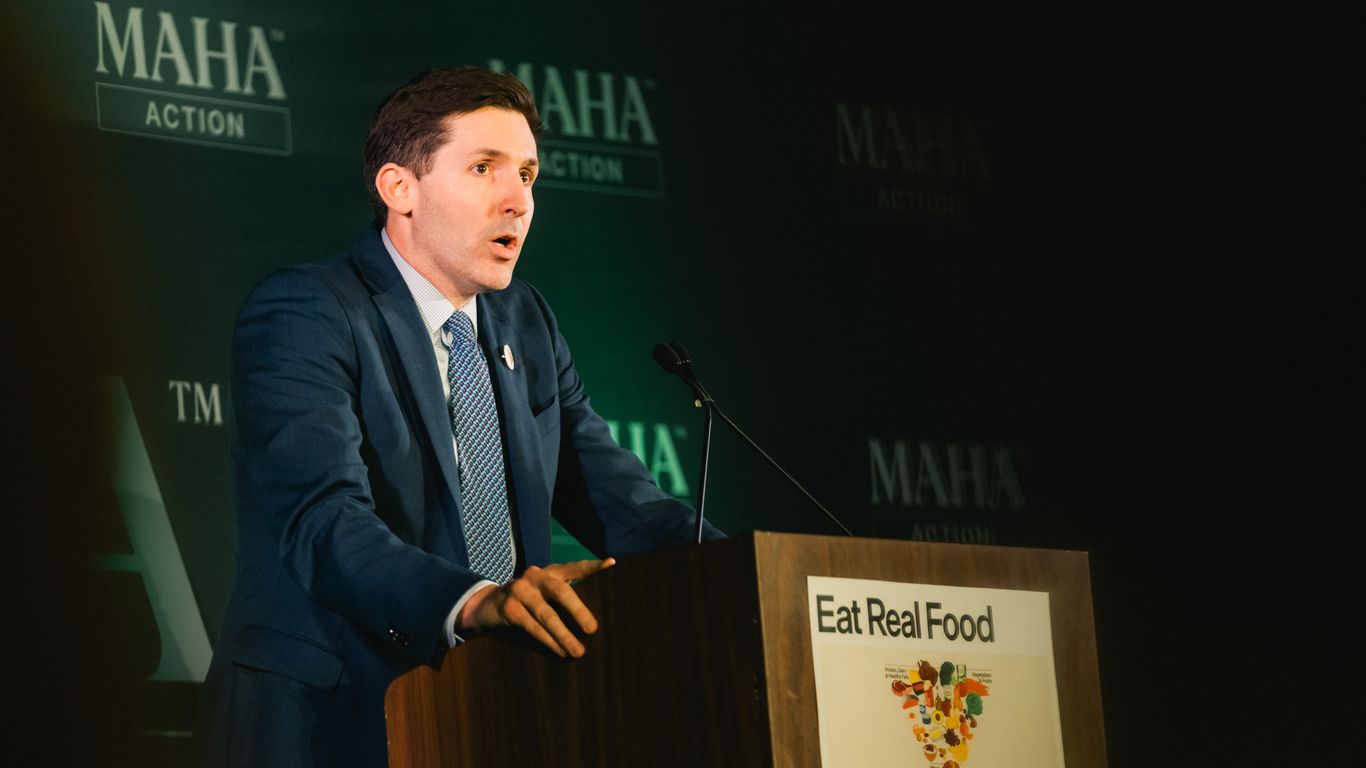
Calley Means, a health adviser known for supporting the MAHA agenda in President Trump’s administration, resigned two weeks before the midterm elections. Means cited frustration with slow food policy changes and mentioned respect for President Trump and Health Secretary Robert F. Kennedy Jr.'s efforts to improve health guidelines and reduce harmful food additives.
Key Facts
Calley Means resigned from his senior adviser position in the Trump administration.
He was a leading supporter of the MAHA agenda, which focuses on health and food policy reforms.
Means expressed frustration with slow progress on food policies, especially pesticide use.
He praised President Trump and Health Secretary Robert F. Kennedy Jr. for their vision for change.
The administration has worked to update dietary guidelines and remove artificial food additives.
The government banned using food stamps (SNAP benefits) for sugary drinks under this effort.
Conflict arose after President Trump issued an executive order to boost production of the weed killer glyphosate.
Means’ sister, Casey, was nominated for surgeon general but the Senate stalled her confirmation, leading to her nomination being withdrawn.
Read the Original
Want the full story? Tap a source to open the original
article.
Calley Means, a senior advisor involved with the Make America Healthy Again (MAHA) movement within President Donald Trump’s administration, resigned over frustrations with delays in changing food policies. Means criticized the influence of the food industry and special interests on policy decisions and expressed respect for President Trump and Robert F. Kennedy Jr., a leading figure in MAHA.
Key Facts
Calley Means resigned from his role in the Trump administration working on food policy.
Means was an ally of Robert F. Kennedy Jr., the anti-vaccine Health Secretary and MAHA leader.
Means helped push policies like changes to Dietary Guidelines, psychedelic reforms, and removing soda from food aid programs (SNAP).
He grew frustrated with slow progress and the influence of the food industry and special interests on policy.
The administration delayed two key MAHA priorities: regulating ultraprocessed foods and improving school meal nutrition.
MAHA’s image suffered due to corporate sponsorships from companies like Walmart and OpenAI at a recent summit.
Means co-authored a book considered a key MAHA text, promoting unusual health advice and skepticism toward doctors.
Casey Means, Calley’s sister, was nominated for surgeon general by President Trump but her nomination was dropped over concerns about her medical views.
Read the Original
Want the full story? Tap a source to open the original
article.
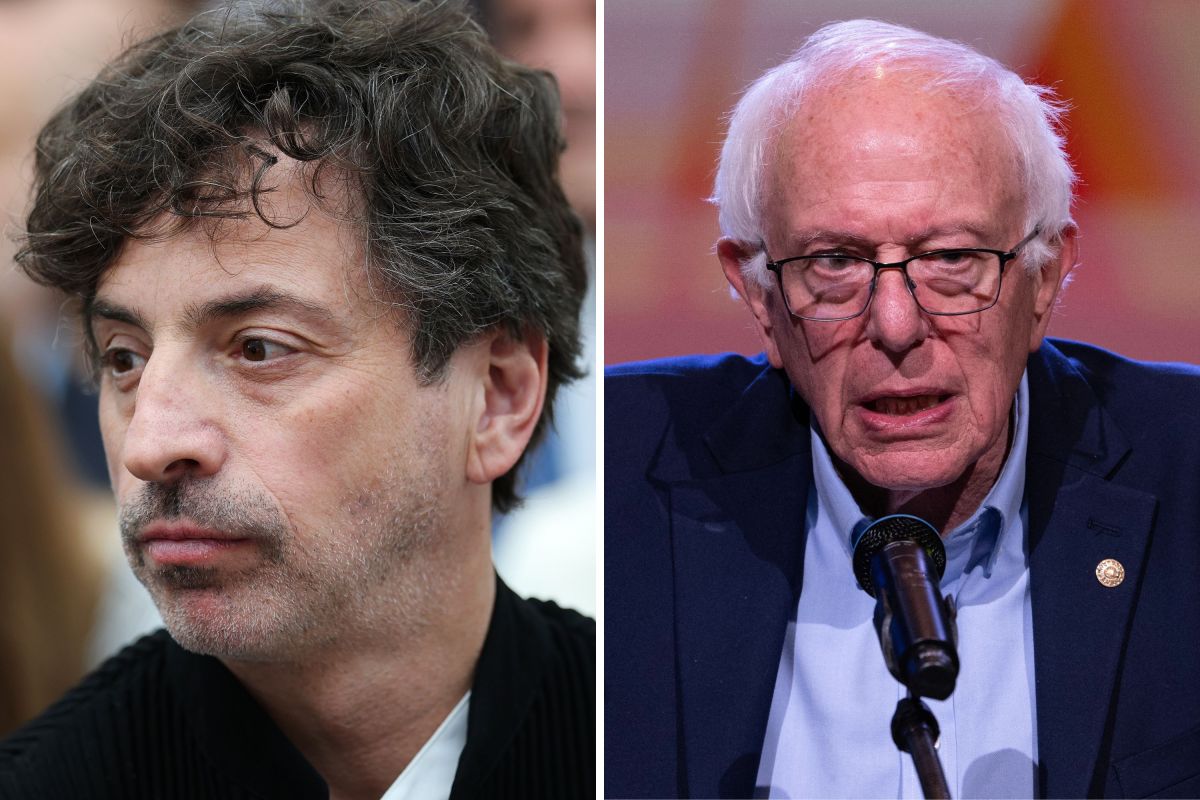
Sergey Brin, co-founder of Google, has donated more than $100 million to oppose California’s Proposition 40, a one-time 5% tax on billionaires' wealth. He recently changed his residency to Nevada, which may affect whether the tax applies to him, but experts say this may not be enough to avoid the tax.
Key Facts
Sergey Brin is the largest individual donor to a California ballot measure campaign, funding efforts against Proposition 40.
Proposition 40 would impose a one-time 5% tax on billionaires who lived in California on January 1, 2026.
The tax measure is supported by Senator Bernie Sanders and is called the "most important ballot measure in America" by him.
Brin changed his residency to Nevada and registered to vote there in December 2025 after buying a $42 million home.
Analysts estimate Proposition 40 could cost Brin about $13 billion if it passes.
The vote on Proposition 40 is close, with polls showing it near a tie just before the November 3 election.
California Governor Gavin Newsom opposes the measure, causing divisions within the Democratic Party.
Tax experts say Brin’s move to Nevada might not exempt him from the tax, based on previous legal cases about residency and taxes.
Read the Original
Want the full story? Tap a source to open the original
article.
Senator Bernie Sanders criticized the American Israel Public Affairs Committee (AIPAC) for donating millions to support Mike Rogers, a Republican Senate candidate in Michigan. Sanders blamed AIPAC for U.S. involvement in conflicts in the Middle East and accused the group of promoting harmful policies.
Key Facts
Senator Bernie Sanders expressed strong disagreement with AIPAC over its financial support of Mike Rogers.
AIPAC is spending about $9 million against Abdul El-Sayed, who is running for Senate in Michigan.
Sanders linked AIPAC to U.S. military actions in Iran.
He accused AIPAC of backing actions that he described as genocidal.
The disagreement happened publicly and involved heated online exchanges.
Mike Rogers is a Republican candidate favored by AIPAC funding.
Abdul El-Sayed is the opponent candidate receiving criticism from AIPAC.
Read the Original
Want the full story? Tap a source to open the original
article.
Texas Senate candidate James Talarico accused Elon Musk of using large donations to support his opponent, Attorney General Ken Paxton. Talarico criticized the political system for allowing wealthy individuals to influence elections through big contributions.
Key Facts
James Talarico is running as a Democratic candidate for the U.S. Senate in Texas.
Elon Musk has donated large amounts of money to support Ken Paxton, the Republican candidate and Texas Attorney General.
Talarico claims Musk’s donations are an attempt to “buy” a senator who aligns with Musk’s interests.
Talarico said there is a problem with the political system allowing very rich people to control elections this way.
Ken Paxton is Talarico’s opponent in the Texas Senate race.
Elon Musk is a technology entrepreneur known for companies like Tesla and SpaceX.
The exchange highlights concerns about money’s role in U.S. political campaigns.
Read the Original
Want the full story? Tap a source to open the original
article.