Residents of tower blocks with dangerous cladding fear that new government rules will allow some flammable cladding to remain, even if it poses a fire risk. After a recent fatal fire in a London building, some residents worry that the updated fire safety standards will not require full removal of unsafe cladding, putting their safety at risk.
Key Facts
Natasha Parcell, a resident evacuated after a fire in her east London tower block, is concerned new rules may let flammable cladding stay on buildings.
The new rules, called PAS9980, rate cladding fire risk as high, medium, tolerable, or low. Only high and medium risk cladding must be removed.
Nearly 3,000 UK tower blocks still have dangerous cladding needing repair, almost ten years after the Grenfell Tower fire.
The developer of Parcell’s building, Barratt Redrow, says it still plans to remove all flammable cladding despite the rule change.
Critics say the new system relies too much on fire safety assessors hired by builders or owners, which could affect impartial judgments.
The government says the new approach will speed up cladding removal and ensure repairs are checked properly.
Campaigners and insurers want all flammable cladding removed, not just pieces judged as high or medium risk.
Some experts argue that fire safety problems beyond cladding should also be fixed, but the new rules do not require this.
Read the Original
Want the full story? Tap a source to open the original
article.
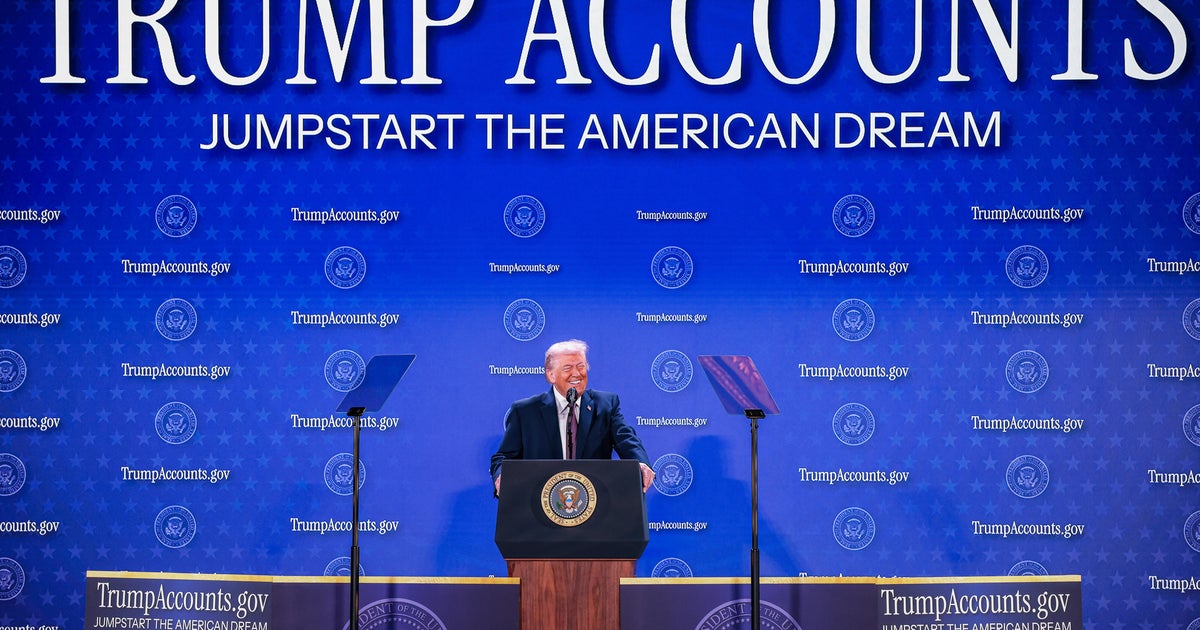
The Treasury Department will start automatically creating "Trump Accounts" for up to 60 million eligible children in the U.S. beginning October 1. These are tax-deferred investment accounts that provide a $1,000 government contribution for children born between 2025 and 2028, and allow others to contribute money to help save for the child's future.
Key Facts
Up to 60 million children will be auto-enrolled in Trump Accounts starting October 1.
Trump Accounts are tax-deferred investment accounts for children born between January 1, 2025, and December 31, 2028.
Each eligible child will receive a $1,000 initial government contribution to their account.
Parents or guardians no longer have to sign up for these accounts; enrollment will be automatic.
Friends, relatives, and employers can contribute up to $5,000 a year to each account.
Wealthy donors and corporations have pledged billions to fund these accounts for children in certain income areas.
The rule change aims to include children whose families may not have the resources or awareness to apply manually.
The accounts were created under President Trump's One Big Beautiful Bill tax and spending legislation.
Read the Original
Want the full story? Tap a source to open the original
article.
The article discusses the balance in the United States between keeping the country safe and protecting freedom of the press. It highlights how people view limits on information differently when these limits are about real dangers versus when they seem driven by politics.
Key Facts
The U.S. is trying to balance national security with press freedom.
Restrictions on information are more accepted if linked to clear, real threats.
Some limits are seen as politically motivated rather than necessary for safety.
Public trust plays a key role in how these restrictions are viewed.
The issue involves deciding when it is right to restrict information to protect the country.
Read the Original
Want the full story? Tap a source to open the original
article.
Migration through the U.S.-Mexico border area has dropped sharply since early 2025, following actions by President Donald Trump’s administration and increased enforcement by Mexico. The changes have reduced large migrant caravans and shifted migration patterns within Latin America.
Key Facts
Migrant crossings through Panama’s Darién Gap dropped by 95% in early 2025 compared to 2024.
Honduran migrants traveling in large groups also decreased significantly by 79%.
By mid-2026, migration through this key route was down 97% from the first half of 2024.
President Trump’s administration ended CBP One appointments and tightened asylum rules after January 2025.
From February to September 2025, over 94% of Border Patrol encounters resulted in quick removal or detention of migrants.
Migration had already begun to drop in late 2024 due to stricter Mexican enforcement and new U.S. asylum limits under the previous administration.
Migration shifted from mostly northbound journeys to more complex movements within Latin America.
Public concern about immigration and support for hiring more Border Patrol agents declined from 2024 through 2026.
Read the Original
Want the full story? Tap a source to open the original
article.
In six key states with important Senate races, unemployment rates vary widely and could affect the upcoming midterm elections. Some states like Michigan, Texas, and Alaska have higher unemployment than the national average, while others like Iowa, Maine, and Ohio have lower rates, influencing how voters view economic concerns.
Key Facts
Democrats aim to flip Republican Senate seats in Alaska, Iowa, Maine, Ohio, and Texas, and defend an open seat in Michigan.
Michigan has the highest unemployment among these states at 5%, while Iowa has the lowest at 3.2%.
The national unemployment rate stood at 4.1% in August, unchanged from July.
Republicans highlight low unemployment as a sign of economic strength in some states.
Democrats focus on layoffs and job insecurity, especially in manufacturing and energy sectors.
Low unemployment does not always mean people feel financially secure due to rising costs and underemployment.
Economic concerns remain a top issue for voters ahead of the midterm elections.
Experts say unemployment figures alone do not fully show how people experience the job market.
Read the Original
Want the full story? Tap a source to open the original
article.
Senator Eric Schmitt spoke about a mistake he made during a Senate hearing with special counsel Jack Smith. He asked Smith a question about attending a basketball game, which turned out to be incorrect.
Key Facts
Senator Eric Schmitt is from Missouri and is a member of the Senate Judiciary Committee.
Jack Smith is a special counsel involved in a Senate hearing.
Schmitt asked Smith if he attended an NBA game in Atlanta in February 2024.
The question was based on incorrect information.
Schmitt said his role in the hearing is to ask questions.
Read the Original
Want the full story? Tap a source to open the original
article.
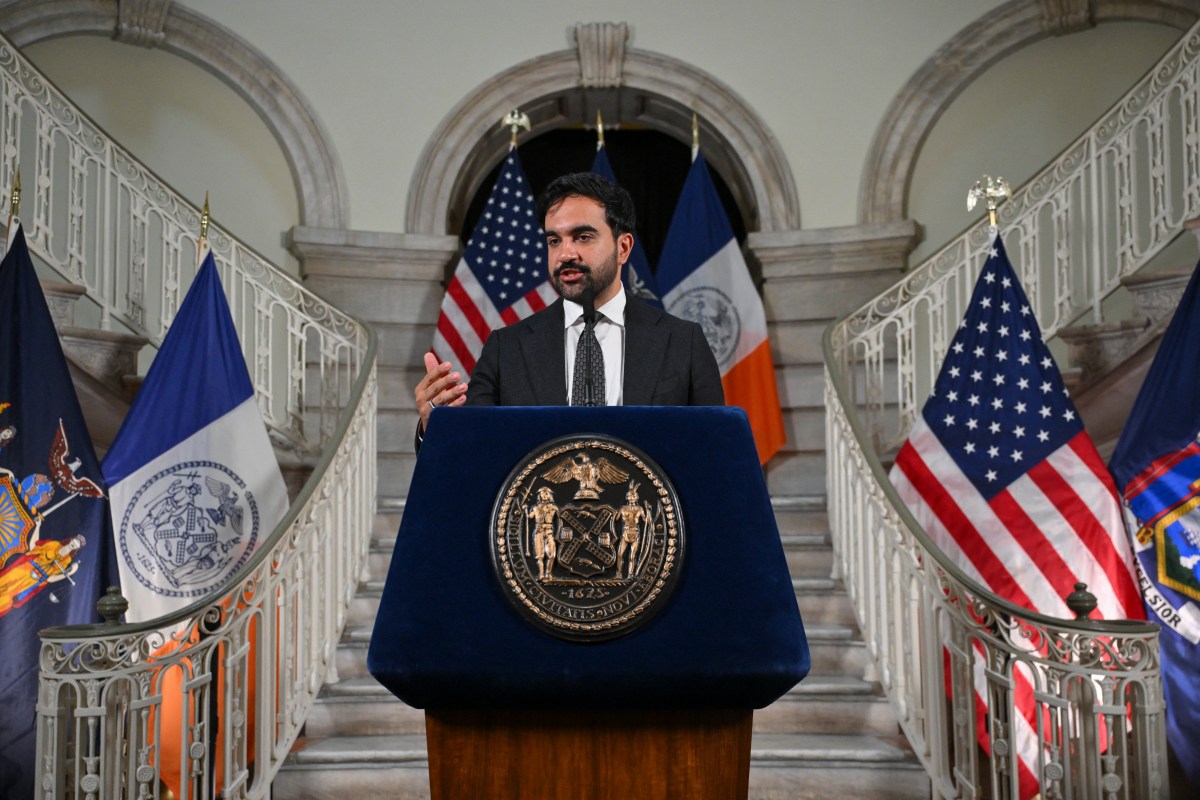
New York City Mayor Zohran Mamdani has introduced several policies aimed at making housing and groceries more affordable. Some of these policies, including a tax on expensive homes, a rent freeze, and new city-run grocery stores, are facing legal challenges.
Key Facts
Mamdani proposed a pied-à-terre tax on expensive second homes, targeting properties over $5 million and condos/co-ops over $1 million not used as primary residences.
A judge ruled that the city did not follow proper procedures when sending tax notices for this tax, but the tax itself was not canceled. The city appealed and can continue implementation during the legal process.
Casino owner Steve Wynn and former Trump official Wilbur Ross have sued to challenge the pied-à-terre tax’s constitutionality.
The city’s Rent Guidelines Board voted for a rent freeze on about one million rent-stabilized apartments starting October 1, but landlords sued, claiming the board was improperly influenced by Mayor Mamdani.
The rent freeze has not been stopped and is still planned to begin October 1; the lawsuit is ongoing with court-ordered examinations of communication from city officials.
Mamdani announced plans to open five city-run grocery stores by 2029 with below-retail prices to lower food costs, but independent grocers have filed lawsuits claiming this would harm their businesses and may violate federal antitrust laws.
An Asian-American parent has sued over changes to elite public school admissions in NYC, saying a program meant to help disadvantaged students unfairly hurts Asian-American students.
Supreme Court Justice Sonia Sotomayor denied an emergency request to admit this student during the legal appeal, but the overall lawsuit is still being decided.
Read the Original
Want the full story? Tap a source to open the original
article.
A Michigan nurse, Chloe Renae Freeman, was charged with helping an injured Mexican immigration detainee escape from a hospital while he was under federal custody. The incident happened on May 28 at Trinity Health Ann Arbor Hospital, and Freeman admitted to letting the detainee leave despite knowing he was in immigration custody.
Key Facts
Chloe Renae Freeman, 33, is charged with assisting the escape of a person under arrest.
The charge could lead to up to one year in prison and a fine.
The detainee was a Mexican man who had been previously removed from the U.S. in December 2022 without permission to return.
He was injured while running from U.S. Border Patrol agents and taken to the hospital for treatment.
The man was in federal immigration custody during his hospital stay, described as an administrative arrest (not a criminal arrest).
Freeman reportedly used her hospital badge to enter the CT scan room and then helped the detainee leave the hospital through the ambulance bay.
Security footage shows the detainee leaving the hospital shortly after Freeman's entry.
Freeman told investigators she believed the detainee was not in custody at that moment because immigration agents were not present in the CT room.
Read the Original
Want the full story? Tap a source to open the original
article.
The Biden administration’s immigration policies over the past four years have led to higher housing costs, lower wages for low-income workers, crowded schools, and more unpaid medical care in emergency rooms.
Key Facts
Immigration policies under President Biden were not designed to limit impacts on public services.
Housing rents have increased during this period.
Wages for low-income workers have been kept low.
Schools have admitted more students than they planned for in their budgets.
Emergency rooms have treated more patients without being paid.
These outcomes align with basic economic predictions about open border policies.
Read the Original
Want the full story? Tap a source to open the original
article.
The Trump administration is changing federal homelessness policy by moving away from the “Housing First” approach, which provides permanent housing before other help. Instead, it supports “Treatment First” and short-term housing programs, causing concern among shelters and groups who say this may put vulnerable homeless people at greater risk.
Key Facts
“Housing First” policy focused on giving people stable homes first to improve their lives.
The new policy under President Donald Trump favors treatment and short-term housing before permanent homes.
Many homelessness programs across the country are adjusting or cutting permanent housing plans because of this change.
Nearly 750,000 people were homeless in the U.S. last year, with 31% more than in 2019.
About 25% of homeless people are chronically homeless, meaning they have long-term disabilities and repeated homelessness.
Half of homeless adults have disabilities, up to two-thirds have mental illness, and 40% struggle with substance use.
Leaders and outreach workers warn the policy shift could worsen health and living conditions for homeless people.
Examples of affected places include Louisville, Kentucky, where shelters and housing programs are reconsidering their plans.
Read the Original
Want the full story? Tap a source to open the original
article.
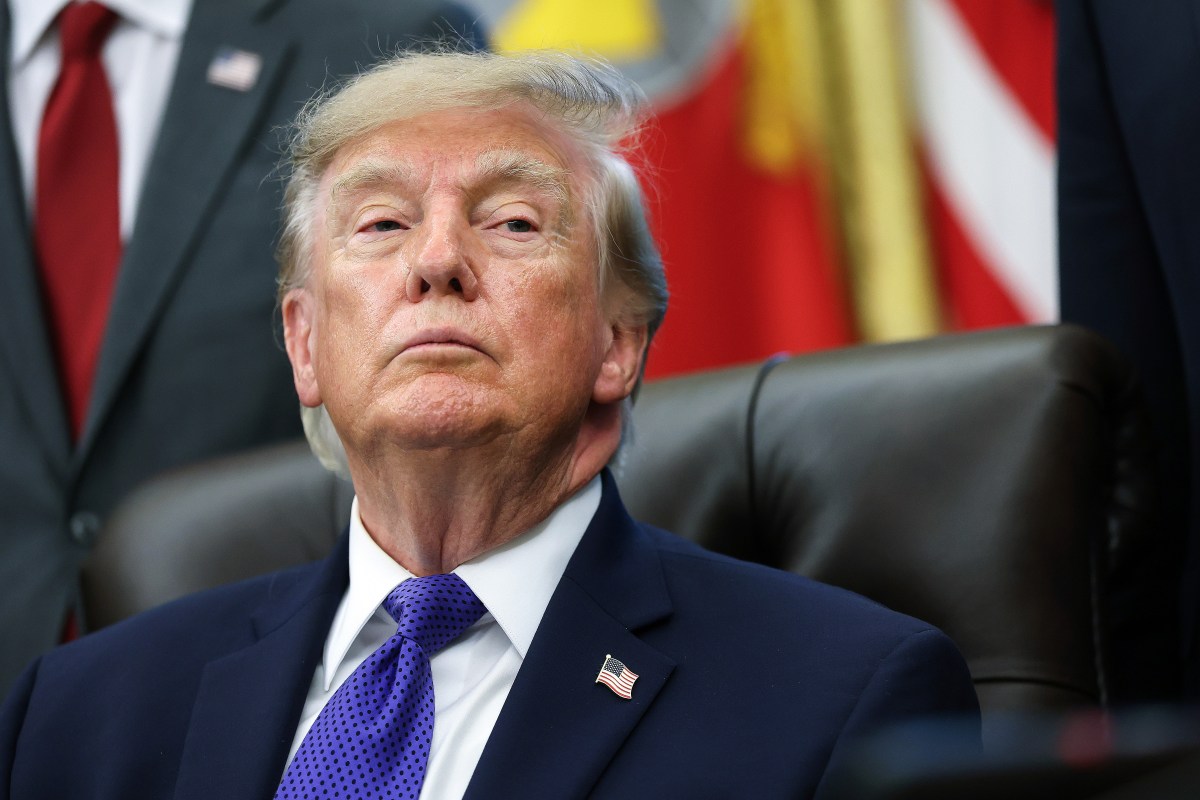
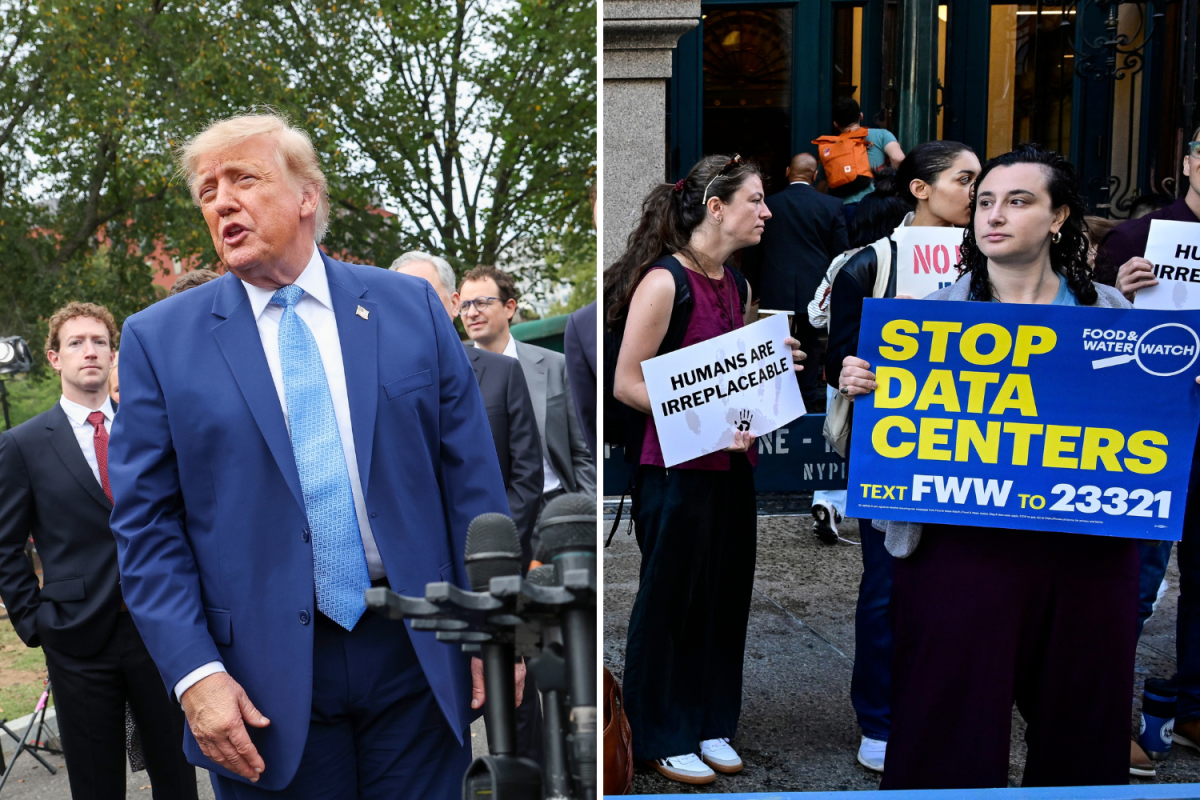
President Donald Trump said many Americans want data centers and highlighted their economic benefits. However, recent polls show most people worry about the environmental and local impacts of AI data centers, with many opposing their construction nearby.
Key Facts
President Trump promotes expanding AI data centers, saying they bring wealth and tax benefits to their areas.
He signed an executive order to replace the term "artificial intelligence" with "Super Intelligence" in government communications.
Trump and top AI company leaders signed a safety agreement to develop AI technology responsibly.
A May Gallup poll found 71% of Americans oppose AI data centers in their local area.
Environmental concerns include water use, energy consumption, pollution, and effects on quality of life.
A September Pew poll showed 60% of Americans are uncomfortable with new data centers in their neighborhoods.
In July, 142 protests took place in 42 states against AI data center construction.
Texas Governor Greg Abbott paused new data center power connections to review possible threats to the power grid.
Read the Original
Want the full story? Tap a source to open the original
article.
The US Supreme Court allowed the Trump administration to continue deporting immigrants to countries other than their home countries without letting them challenge the decision. President Donald Trump also announced a "morally binding" agreement with major tech companies to self-regulate artificial intelligence and signed an order renaming AI as "superintelligence."
Key Facts
The Supreme Court’s conservative majority temporarily stopped a lower court’s order requiring notice for immigrants facing deportation to third countries.
The Trump administration asked the court to permit denying gender-affirming care to transgender prisoners in federal prisons.
The EPA workers’ union sued the administration over the forced end of a collective bargaining agreement.
President Trump agreed to stop fighting the payment of a $5 million verdict to E Jean Carroll in her sexual abuse and defamation case.
Trump announced a "morally binding" AI agreement with leaders of top US tech companies to promote self-regulation of artificial intelligence.
Trump signed an executive order renaming artificial intelligence as “superintelligence.”
OpenAI introduced new AI tools called “dots,” which are described as more advanced than ChatGPT.
The US Senate rejected a resolution demanding accountability for violence in the West Bank involving Israeli settlers and security forces.
Read the Original
Want the full story? Tap a source to open the original
article.
Cornell University has reopened an investigation into a rape case after a woman sued seven men, the university, and two Greek organizations, accusing them of sexual assault in 2024. Student journalists at Cornell have actively covered the case, pushing for transparency and updates from the university.
Key Facts
A woman filed a lawsuit claiming she was raped multiple times over nearly seven hours at the Chi Phi fraternity house in 2024.
The lawsuit involves seven men, Cornell University, the woman’s sorority, and the fraternity.
Text messages from a fraternity Snapchat group suggest some members treated the assault casually, with one message saying "shop still open?" during the attack.
The university reopened its investigation in response to pressure from the lawsuit.
Student journalists from The Cornell Daily Sun have been continuously reporting on the case and criticizing the university’s handling.
The student newspaper published an editorial calling out the university for lack of transparency and named the accused men.
Protests and other topics such as Iran student protests and a journalist’s imprisonment in Russia were mentioned, but the main focus is the Cornell case.
Read the Original
Want the full story? Tap a source to open the original
article.
Women often experience longer illness times partly because medical research and doctor training have not focused enough on women's health. A new US plan proposes $20 billion over 10 years to improve research, education, and data collection specifically about women's health issues.
Key Facts
Women live longer than men but tend to spend more time being sick.
Only 5 cents of every medical research dollar worldwide is spent on women's health.
The Society for Women's Health Research (SWHR) is leading a $20 billion, 10-year federal plan to improve women's health in the US.
NIH's funding for women's health research dropped from 13% in 1989 to less than 10% today.
Women were only required to be included in NIH clinical research starting in 1993.
Many women's health issues, like cardiovascular disease and menopause, remain under-studied, causing delays in diagnosis.
The plan includes funding for research, coordination, clinical training, better data collection, and improving health knowledge in the US.
More than 60 health organizations support this plan to reduce health disparities between women, including racial differences.
Read the Original
Want the full story? Tap a source to open the original
article.
A report says that many public high schools in the United States are graduating students who struggle with basic reading and math skills. Education officials are avoiding or hiding this information instead of addressing the problem.
Key Facts
Many public high school graduates have low reading skills.
Many graduates also have poor math skills.
This situation is described as widespread across the country.
Education officials are not openly discussing or sharing this information.
The issue suggests a decline in basic education quality.
Read the Original
Want the full story? Tap a source to open the original
article.
The health of women receives less than 10% of funding from the National Institutes of Health, which is mostly supported by taxpayers. The Society for Women's Health Research has proposed a $20 billion, 10-year federal plan to improve healthcare for women in the United States.
Key Facts
Women's health research gets less than 10% of NIH funding.
The NIH funds research mostly using taxpayer money.
The Society for Women's Health Research (SWHR) wants to change this funding gap.
SWHR proposes a $20 billion plan spread over 10 years.
The plan aims to improve health outcomes for over half of the population (women).
This plan is described as a first-of-its-kind federal roadmap.
The issue highlights a gap in funding, discussion, and research on women’s health.
The announcement was discussed on a CBS News program called Healthful.
Read the Original
Want the full story? Tap a source to open the original
article.
The U.S. government announced a new passport design coming in 2028 and introduced a fully online application process starting next year. This change will allow people to apply for their first U.S. passport from home without paper forms or in-person visits.
Key Facts
The new U.S. passport design will be released in 2028 and features a larger Great Seal and more images of American history.
Passport pages will include scenes like the American Revolution, westward expansion, and NASA's Artemis missions.
An animation effect will show an eagle in flight when flipping through the passport pages.
Starting next year, first-time applicants can apply for passports entirely online via America.gov.
Applicants will use login.gov, upload photos from home, pay online, and track their application digitally.
The online system removes the need for printing forms, photo appointments, or in-person visits.
The goal is for most Americans to use the digital application platform by the end of 2027.
The passport update is part of President Trump’s America.gov platform, which uses AI to improve government services.
Read the Original
Want the full story? Tap a source to open the original
article.
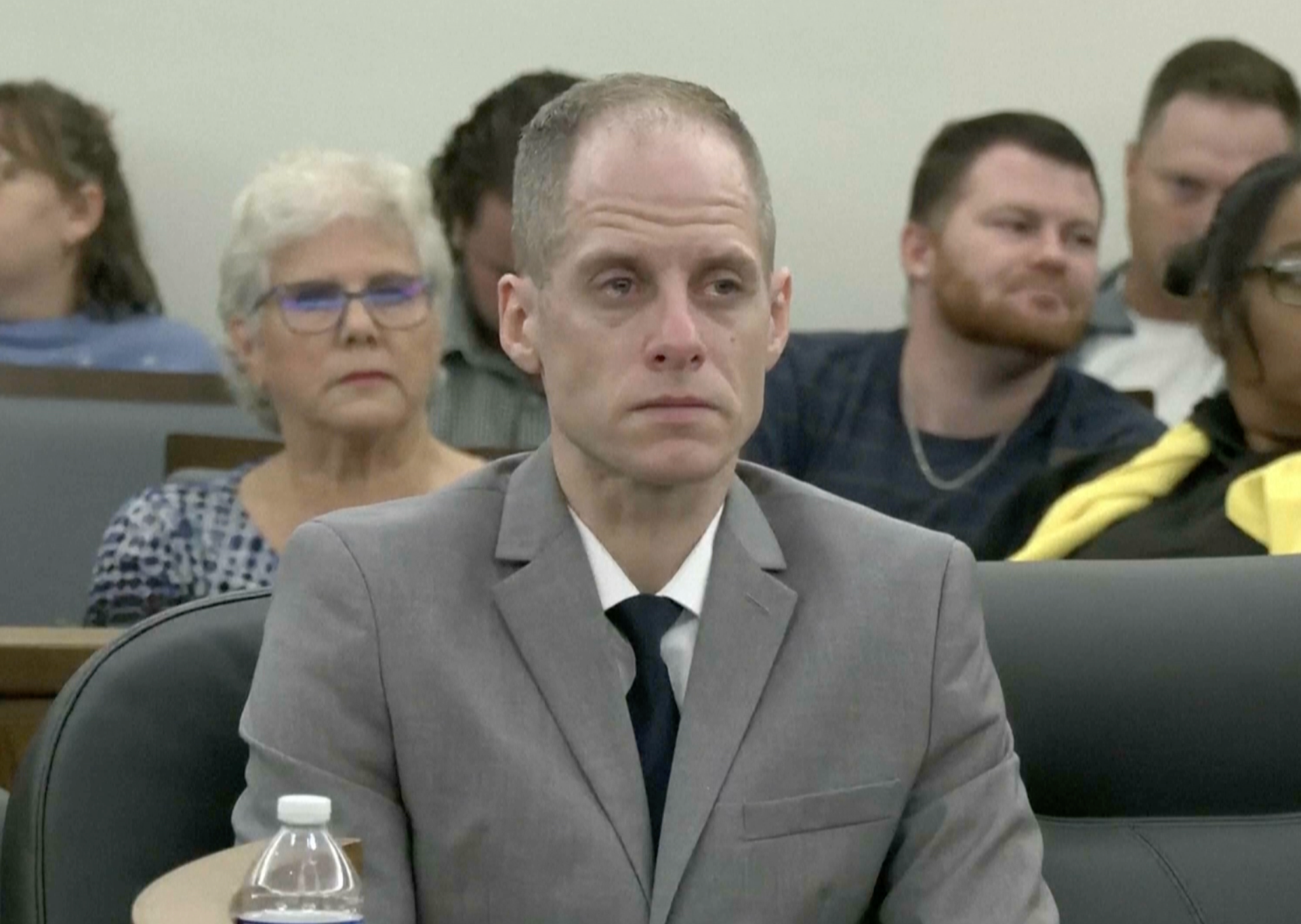
Caleb Flynn, who appeared on American Idol, was found guilty of killing his wife, Ashley. He was having an affair at the time, and he will be sentenced soon, possibly facing life in prison without parole.
Key Facts
Caleb Flynn is a former contestant on American Idol.
He was found guilty of murdering his wife, Ashley Flynn.
The murder happened while he was involved in an affair.
The sentencing will take place on Monday.
Flynn could receive a life sentence without the possibility of parole.
Read the Original
Want the full story? Tap a source to open the original
article.
Some large US food and farming companies are paying social media influencers to challenge claims made by Robert F. Kennedy Jr’s Make America Healthy Again (Maha) campaign. These companies want to protect their reputation and fight ideas they see as threatening, like criticisms of pesticides, processed foods, and farming methods.
Key Facts
Robert F. Kennedy Jr is now secretary of health and human services and leads the Make America Healthy Again (Maha) campaign.
Maha connects concerns about food safety with some false claims about vaccines and other health issues.
A recent poll showed about 40% of US adults support some Maha ideas, and many want more regulation on pesticides and food chemicals.
The food industry created the “Growing a Healthier America” (Gaha) campaign to respond to Maha’s influence.
Gaha pays social media influencers to share messages that support current farming practices and to build trust in the food industry.
The campaign focuses on topics like seed oils, pesticides, high-fructose corn syrup, organic and regenerative farming, and dairy products.
At least six influencers are part of Gaha, reaching over 2.6 million people online through posts on TikTok, Instagram, and blogs.
The Center for Food Integrity leads Gaha, aiming to stop misinformation and prevent new regulations on agriculture.
Read the Original
Want the full story? Tap a source to open the original
article.
During President Donald Trump’s second term, federal immigration officers carried out large immigration raids in several Democratic cities, leading to protests and violence, including the deaths of two US citizens. After public outcry, the administration changed leadership and shifted to less visible but still strong immigration enforcement methods.
Key Facts
Federal agents conducted major immigration raids in cities like Los Angeles, Chicago, Charlotte, New Orleans, and Minneapolis.
Two US citizens, Alex Pretti and Renee Good, were killed by federal agents during enforcement actions in Minneapolis in January 2026.
The raids drew protests and accusations of militarized tactics by federal officers.
President Trump replaced the aggressive border official Gregory Bovino with immigration veteran Tom Homan after the Minneapolis incidents.
Kristi Noem, then Secretary of Homeland Security, was fired amid scandals and her false statements about the shootings.
Markwayne Mullin was confirmed as the new Secretary of Homeland Security in March 2026 and aimed to lessen headline-making enforcement incidents.
Despite a move away from public raids, immigration enforcement remains aggressive but less visible.
Local police forces have been empowered to support immigration enforcement on the streets.
Read the Original
Want the full story? Tap a source to open the original
article.