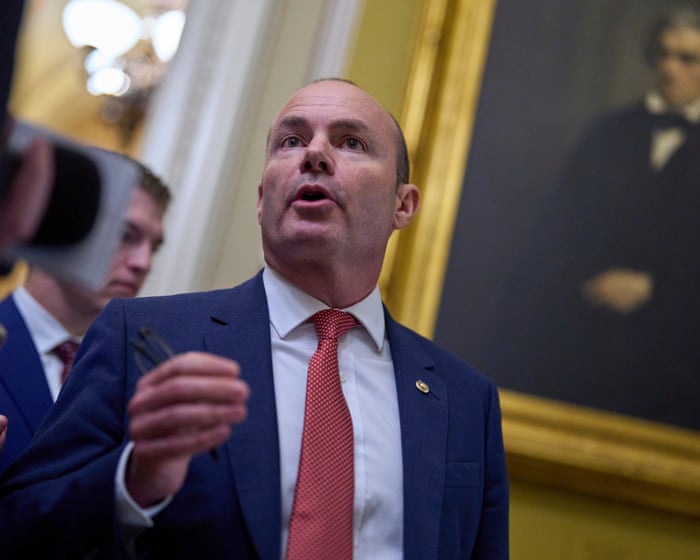
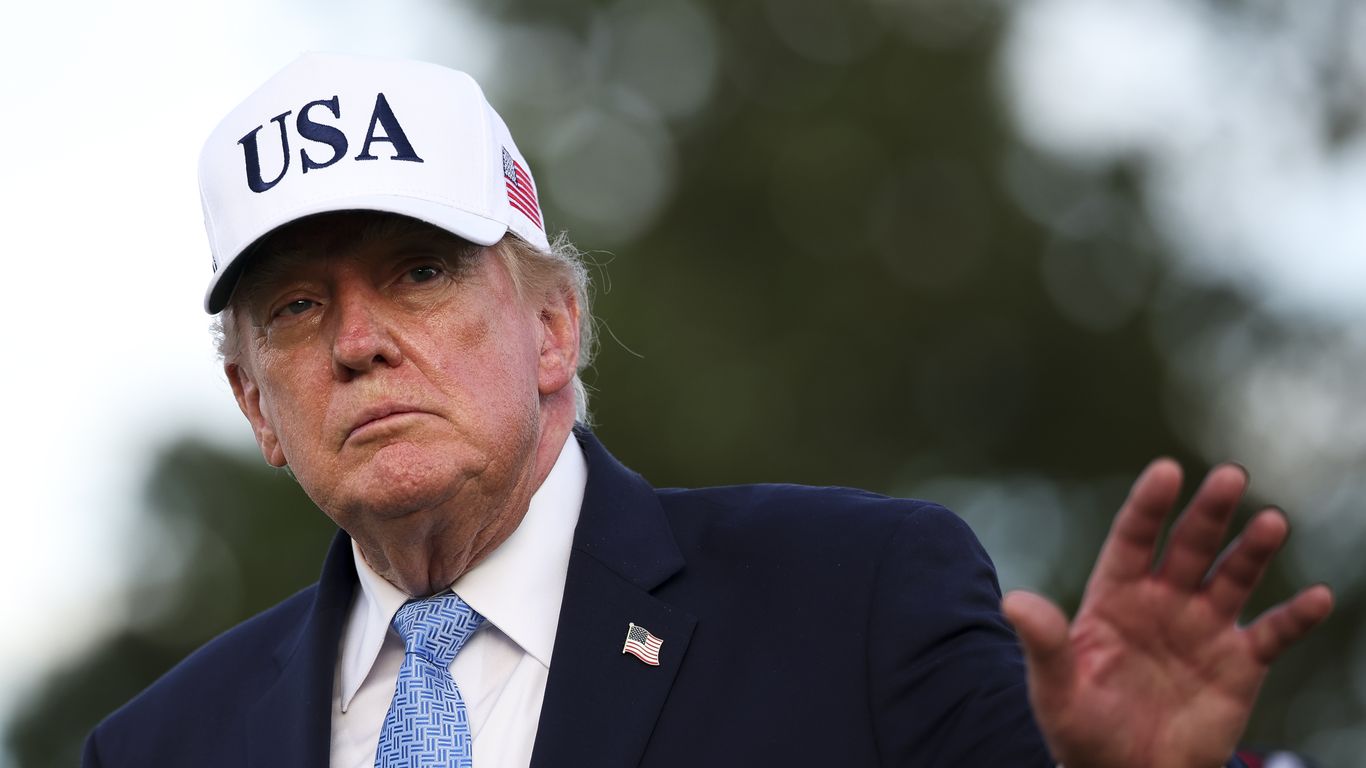
A Republican senator blocked a bill that would stop President Trump from demolishing the Kennedy Center without Congress’s approval. The bill aimed to protect presidential memorials like the Kennedy Center from being torn down unless lawmakers said yes.
Key Facts
Senator Mike Lee, a Republican from Utah, blocked the Protecting Presidential Memorials Act.
The bill was bipartisan, co-written by Democrat Jeff Merkley and Republican Lisa Murkowski.
The bill would have prevented demolition of presidential memorials without Congress’s permission.
President Trump took control of the Kennedy Center, replaced its board with his allies, and tried to rename it after himself.
A federal judge ruled the renaming illegal and stopped a planned closure of the center.
President Trump said he would cancel a $257 million renovation unless the renaming ruling was reversed.
The Justice Department warned the Kennedy Center might decay if the renovation is blocked.
Senator Lee has supported several Trump-backed initiatives and was involved in efforts after the 2020 election.
Read the Original
Want the full story? Tap a source to open the original
article.
States are taking the lead in making energy policies that focus on being responsible and forward-thinking. This is happening especially when the federal government reduces its involvement in energy issues.
Key Facts
States are developing their own energy policies.
These policies aim to be responsible and plan for the future.
The federal government has reduced its role in energy policy.
State-level actions are important in addressing energy challenges.
Local efforts can help improve the energy situation across the country.
Read the Original
Want the full story? Tap a source to open the original
article.
New text messages have come to light in a gang rape lawsuit involving a former Cornell University student who says she was drugged and assaulted at a fraternity house in 2024. The district attorney is reopening the investigation, and the messages show early conversations between the victim and one accused, with differing accounts about memory and consent.
Key Facts
A former Cornell student says she was drugged and raped at the Chi Phi fraternity in 2024.
Prosecutors plan to reopen the investigation into the alleged assault.
Text messages exchanged two days after the incident show the accused apologizing and both sides mentioning heavy intoxication.
The victim said in texts that none of the sexual acts were illegal and suggested wanting to hang out again under different circumstances.
The victim’s lawyer says she was traumatized and confused after the event and denies the district attorney’s claim that her statements differ from the lawsuit.
The lawyer also says none of the accused men were arrested and that the investigation missed evidence.
Two other men sued are denying the allegations.
The victim had dreamed of attending Cornell and is dealing with the impact of the case.
Read the Original
Want the full story? Tap a source to open the original
article.
Republican pollster Frank Luntz said President Trump's plan for the upcoming midterm elections is risky. The GOP is facing challenges as Election Day gets closer, partly because parties not in power often have an advantage in midterms.
Key Facts
Frank Luntz is a Republican pollster who analyzes political trends.
He described President Trump's midterm election strategy as "dangerous."
Midterm elections happen halfway through a president’s term and often see gains by the party not in power.
The GOP (Republican Party) is currently the party in power with President Trump as president.
Historically, the party not controlling the White House gains support in midterms, which is a challenge for the GOP.
Luntz mentioned there is an “energy challenge” for the GOP’s supporters, implying lower enthusiasm or turnout may be an issue.
The midterms are approaching soon, increasing political pressure on the GOP.
Read the Original
Want the full story? Tap a source to open the original
article.
President Donald Trump announced a $15 billion steel plant in Iowa, built by Mesabi Metallics, a company owned by the Indian Essar Group. This group has ties to Russian businesses, including partnerships affected by US and European sanctions related to Russia’s war in Ukraine.
Key Facts
The steel plant, located in Iowa, is expected to be the largest in the United States with first steel production in 2030.
The project aims to create about 1,750 permanent jobs and support 6,000 construction jobs.
Essar Group, the Indian owner of Mesabi Metallics, has historical business links with Russia, including a partnership with Rosneft, a Russian gas company under Western sanctions.
Essar sold a major Indian oil refinery in 2016 to a Russian-led group; that refinery was rebranded Nayara Energy.
Nayara Energy, partially owned by Rosneft, supplies petroleum products to Russia amid fuel shortages due to the Ukraine conflict.
President Trump said steel tariffs helped make this project possible by protecting the US steel industry.
The announcement came soon after Trump signed a law allowing tariffs on countries buying Russian oil, including India.
The project combines iron ore mining in Minnesota with the steel factory in Iowa to boost US steel production and the economy.
Read the Original
Want the full story? Tap a source to open the original
article.
Republican lawmakers are opposing President Trump’s move to cancel nearly $1 billion in federal funds. This disagreement creates tension within the Republican Party at a sensitive time for the GOP.
Key Facts
President Trump decided to cancel almost $1 billion in federal funding.
The funding cut was announced on a Friday.
The administration used a budget method called a “pocket veto” to cancel the funds.
GOP lawmakers from President Trump’s own party are pushing back against this decision.
This situation is causing conflict within the Republican Party.
The timing is sensitive for the GOP, implying political challenges ahead.
The dispute involves federal budget management and internal party disagreements.
Read the Original
Want the full story? Tap a source to open the original
article.
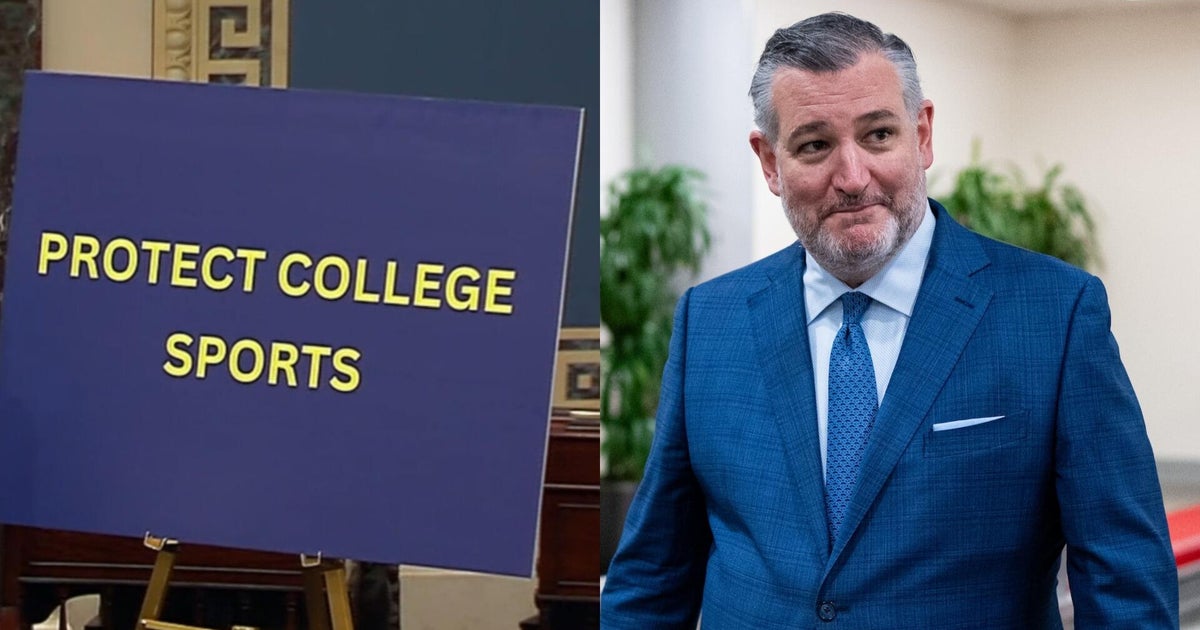
Senators from both the Republican and Democratic parties agreed on a bill to change the college sports industry. The bill aims to improve rules and conditions for college athletes.
Key Facts
The bill passed in the U.S. Senate with support from both parties.
It focuses on making changes to how college sports are managed.
The goal is to help student-athletes with better opportunities and protections.
This is a rare example of bipartisan cooperation in the Senate.
The bill addresses issues like athlete compensation and health protections.
Read the Original
Want the full story? Tap a source to open the original
article.
The article discusses how taking care of an aging parent can be a meaningful experience rather than just a difficult task. Arthur Brooks, a columnist for "The Free Press," shares ideas about finding positive value in caregiving.
Key Facts
The article focuses on caring for an aging parent.
Arthur Brooks wrote the column featured in "The Free Press."
"The Free Press" is owned by Paramount Skydance, CBS News' parent company.
The article suggests caregiving can have positive meaning.
It aims to change the view of caregiving from a burden to something valuable.
Read the Original
Want the full story? Tap a source to open the original
article.
President Donald Trump and House Speaker Mike Johnson are meeting with leaders in artificial intelligence (AI) at the White House. They plan to talk about AI technology and how to create safety rules for its use.
Key Facts
President Trump and House Speaker Mike Johnson are hosting AI leaders at the White House.
The meeting focuses on AI technology and potential safety measures.
The goal is to discuss how to manage risks connected to AI.
AI leaders attending the meeting come from various companies and organizations.
The discussion aims to help guide future AI policies and safety standards.
This meeting highlights the government’s interest in regulating AI technology.
Read the Original
Want the full story? Tap a source to open the original
article.
The Clean Air Act was created to protect people in the United States from dangerous pollution. It was not meant to protect oil and gas companies from being held responsible for pollution or to take away states' power to defend their residents from harmful actions.
Key Facts
The Clean Air Act aims to reduce harmful pollution to protect public health.
Fossil fuel companies are facing legal challenges related to pollution.
The Act was not intended to prevent states from taking legal action against polluters.
States want to maintain their authority to protect their communities.
Pollution causes harm to people and costs taxpayers a lot of money.
The article warns against using the Clean Air Act to shield polluters from responsibility.
Read the Original
Want the full story? Tap a source to open the original
article.
A federal court stopped the Trump administration from holding back some counterterrorism funds to states that do not make certain election changes. FEMA, the agency that gives out these grants, had said states must adopt five election policies to receive full funding.
Key Facts
The Trump administration wanted to link counterterrorism money to states adopting specific election reforms.
The court ruled against this plan and blocked the administration’s effort.
FEMA manages the counterterrorism grants to states and local governments.
The administration required five election policies for states to get the full grants.
States that do not adopt these election reforms were at risk of losing part of their funding.
The court order stops these funding restrictions from taking effect.
This case deals with how the federal government uses money to influence state election rules.
Read the Original
Want the full story? Tap a source to open the original
article.
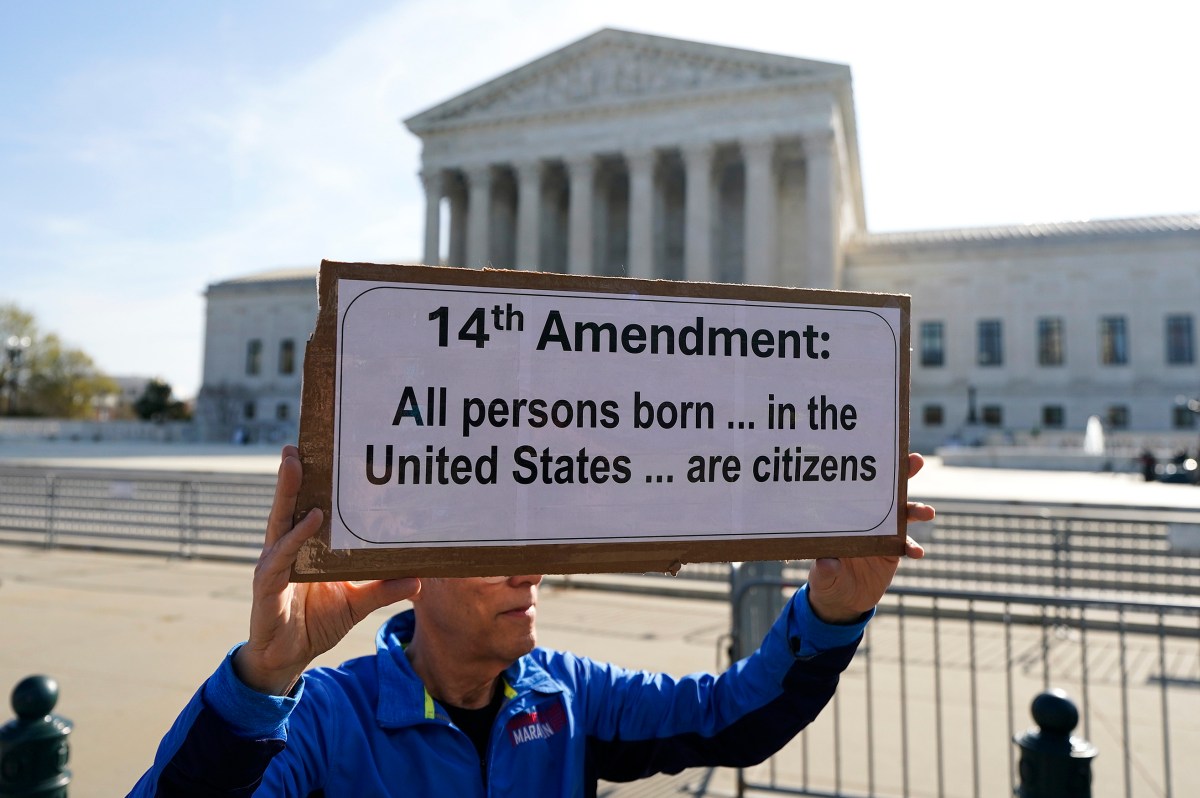
The Trump administration is facing a nationwide lawsuit against an executive order that tries to deny U.S. citizenship to some children born in the country, including those born via commercial surrogacy or to certain foreign government employees. The lawsuit argues this order breaks the Fourteenth Amendment, which guarantees citizenship to almost everyone born on U.S. soil.
Key Facts
The lawsuit was filed on September 28 in a Washington, D.C. federal court.
President Trump's August 6 executive order directs agencies to not recognize citizenship for certain U.S.-born children if neither parent is a U.S. citizen.
The order targets children of "alien enemies," foreign government employees, parents who pay for surrogacy, or commit fraud to get citizenship.
The plaintiffs are three families affected by the order, seeking to block its enforcement nationwide.
One plaintiff couple lives in D.C. on G-4 visas and works for international organizations.
Another couple is from Australia and has children born in the U.S. through surrogacy, which the order could affect.
The lawsuit claims this order violates the Constitution’s guarantee of birthright citizenship under the Fourteenth Amendment.
The American Civil Liberties Union (ACLU) is representing the families and calls the order illegal.
Read the Original
Want the full story? Tap a source to open the original
article.
Dennis Haskins, the American actor best known for playing Mr. Belding in the TV series Saved by the Bell, has died at age 75. His cause of death has not been announced.
Key Facts
Dennis Haskins was famous for his role as Mr. Richard Belding, the high school principal in Saved by the Bell and its related shows.
He first played the character in Good Morning, Miss Bliss, then in Saved by the Bell (1989-1993), and later in Saved by the Bell: The New Class (1993-2000).
The show Saved by the Bell was very popular among young people in the US and focused on the lives of high school students.
Haskins loved his fans and often spent time with them, according to his agent.
He passed away late on Sunday, but the cause of death has not been revealed.
Fellow actor Lark Voorhies, who starred with him, shared a tribute on Instagram praising his kindness and friendship.
A karaoke bar in Burbank, California, where Haskins often went, also paid tribute, saying he was loved by many and known for singing and taking selfies with fans.
Haskins earned a bachelor’s degree in theater from the University of Tennessee at Chattanooga in 2015, years after his TV success.
Read the Original
Want the full story? Tap a source to open the original
article.
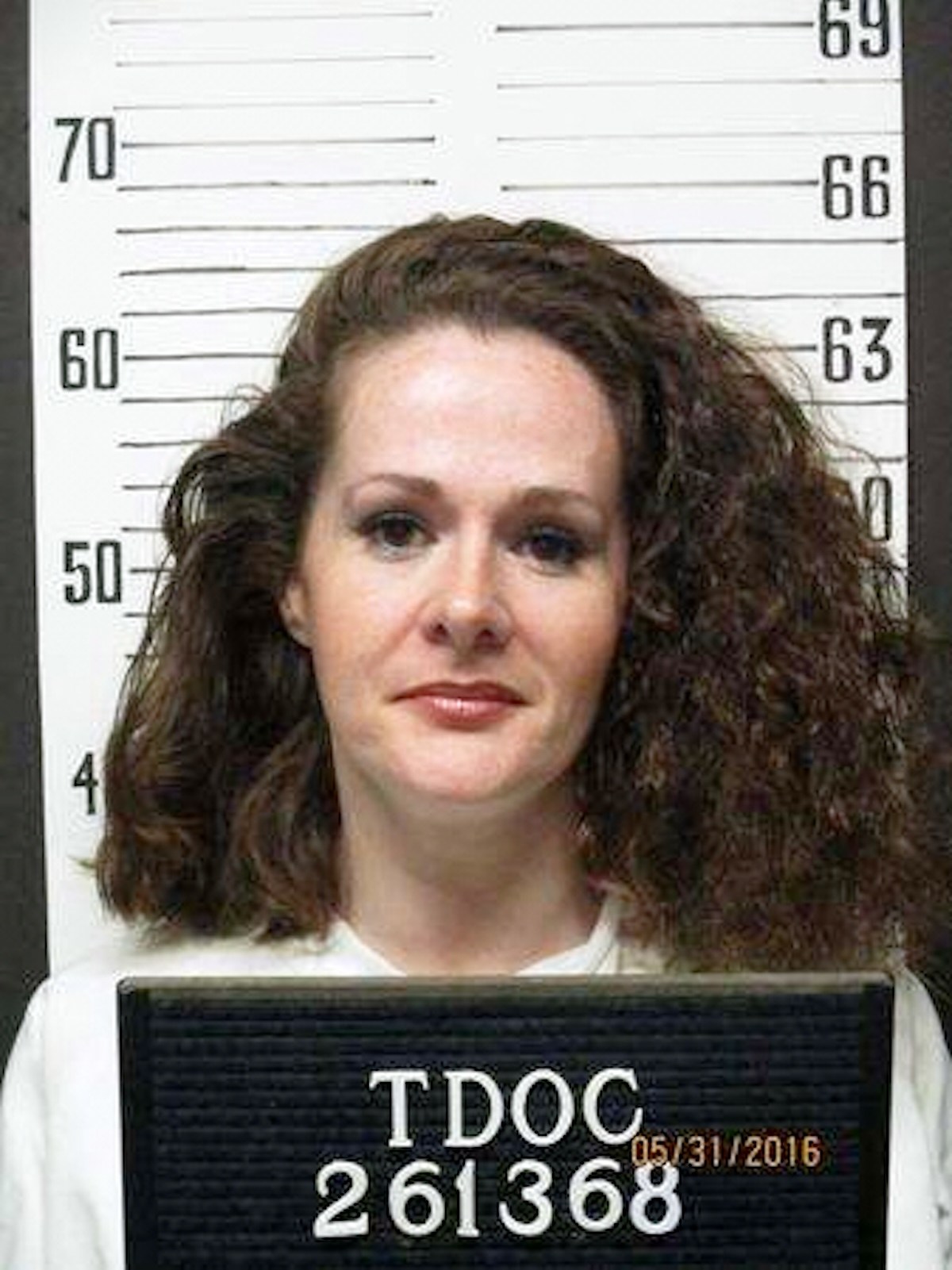
Christa Pike is set to be executed by lethal injection in Tennessee, making her the first woman executed there in over 200 years. She was convicted of murder in 1996 for a 1995 killing committed when she was 18 years old, and despite legal challenges and clemency requests, the execution is scheduled to proceed.
Key Facts
Christa Pike was convicted of first-degree murder and conspiracy for killing Colleen Slemmer in 1995.
Pike was 18 years old at the time of the crime and has spent around 30 years on death row.
Tennessee Governor Bill Lee denied Pike’s clemency request despite appeals from civil rights groups.
Civil rights organizations raised concerns about Pike's history of childhood abuse and mental illness not being considered at trial.
Pike’s execution is scheduled for September 30, 2026, at Riverbend Maximum Security Institution in Nashville.
The execution will not be televised, but some media and witnesses will be allowed to watch.
A special judge was appointed to review if the execution process meets Tennessee’s constitutional rules.
Pike requested to be executed by hanging instead of lethal injection due to her history of sexual violence as a child.
Read the Original
Want the full story? Tap a source to open the original
article.
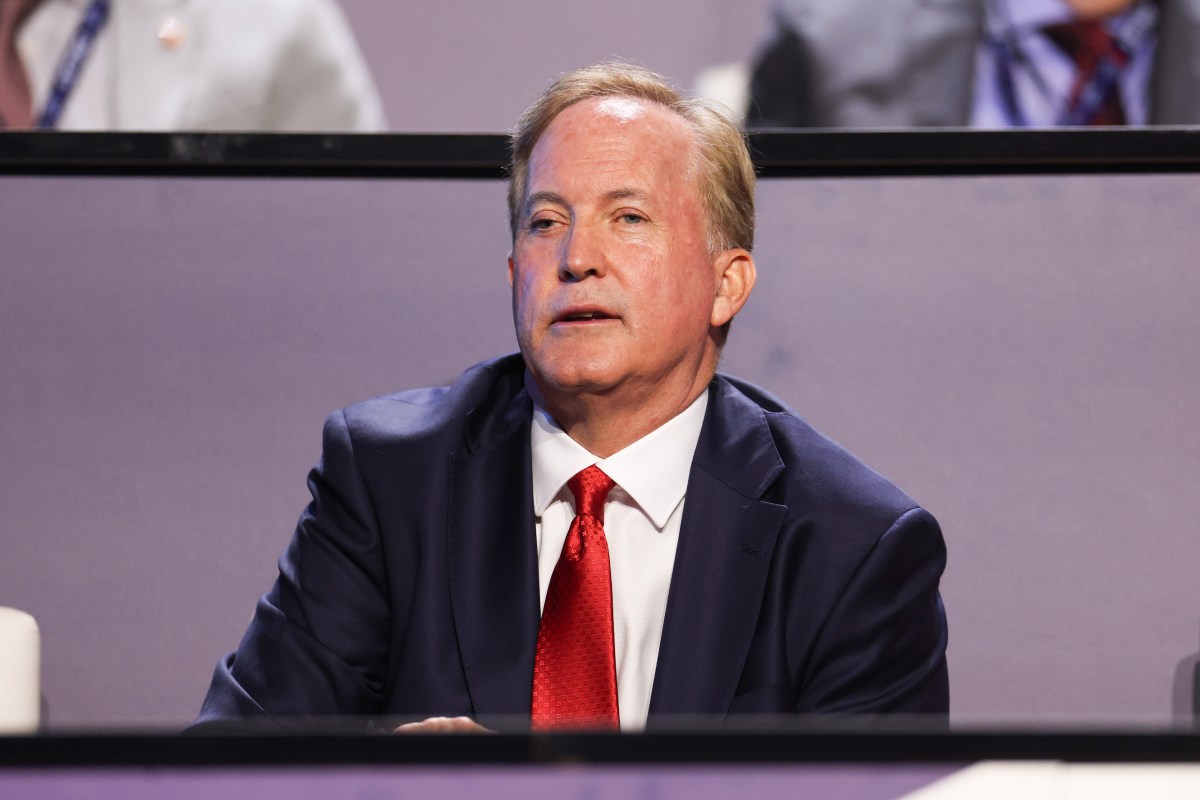
Texas Attorney General Ken Paxton supports building more data centers in Texas with rules to protect water and electricity for residents. He says data centers bring jobs and help the U.S. compete with China in technology, but they should not be built too close to homes.
Key Facts
Ken Paxton is the Republican nominee for U.S. Senate in Texas.
Paxton said Texas has enough open space to build data centers without harming neighborhoods.
He wants rules so data centers do not use the electric grid unfairly or raise costs for others.
Paxton says data centers should recycle their water to avoid worsening local water problems.
Texas Governor Greg Abbott has paused new data center permits until their electricity use is reviewed.
Some Texas communities oppose data centers because of concerns about water, electricity, noise, and land use.
Representative James Talarico proposes stopping tax breaks for data centers and requiring them to fully pay for their electric and water use.
Data centers store and process large amounts of data and need lots of electricity and water, especially for cooling equipment.
Read the Original
Want the full story? Tap a source to open the original
article.
President Donald Trump and House Speaker Mike Johnson will meet with leaders from technology companies and government officials for a White House lunch focused on artificial intelligence (AI). The meeting includes many top executives and key officials, with the administration favoring industry-led guidance over strict government rules.
Key Facts
President Donald Trump and House Speaker Mike Johnson will host an AI meeting on Tuesday.
31 people confirmed to attend, including top tech CEOs and government officials.
Attendees include Amazon founder Jeff Bezos, Elon Musk, Microsoft CEO Satya Nadella, and Meta CEO.
White House officials like Chief of Staff Susie Wiles and Treasury Secretary Scott Bessent will attend.
Other government figures include Vice President JD Vance, Commerce Secretary Howard Lutnick, and NASA Administrator Jared Isaacman.
The Trump administration prefers the tech industry to set AI rules, avoiding heavy government regulation.
OpenAI President Greg Brockman will attend, but CEO Sam Altman will be at another event.
The event is seen as a major gathering of influential figures in technology and government, but no firm policy decisions are expected.
Read the Original
Want the full story? Tap a source to open the original
article.
Douglas Stewart Carter was released on bail after spending 41 years on death row for a murder in Utah. New DNA evidence showed he was not connected to the crime, and a court ordered a new trial due to earlier investigation problems.
Key Facts
Carter was convicted for killing Eva Olesen in Utah in 1985 and sentenced to death.
He always said his signed confession was forced during police questioning.
The Utah Supreme Court ordered a new trial in 2023 because of police misconduct.
DNA tests excluded Carter as the source of blood and genetic material found at the scene.
Two witnesses who helped convict Carter admitted they were pressured and paid to lie.
Evidence pointing to the victim’s husband was not shared with prosecutors initially.
Carter must wear a GPS monitor while out on bail but faces objections from the victim’s family.
Carter’s defense lawyers want the case dismissed based on this new evidence.
Read the Original
Want the full story? Tap a source to open the original
article.
The Trump administration has deported some migrants from Latin America to Liberia, a country in West Africa. Many of these migrants say they were sent to places they did not know and have no connection to.
Key Facts
Migrants from Latin America have been deported to Liberia under the Trump administration.
Liberia is a West African country far from the migrants' original homes.
Many deportees say they had never heard of Liberia before being sent there.
The deportations are part of a policy to send migrants to "third countries" where they have no ties.
CBS News reporters spoke directly with these migrants in Liberia.
This policy aims to reduce the number of migrants staying in the U.S. by removing them to distant locations.
The decision to deport to third countries raises questions about the migrants' rights and support after deportation.
Read the Original
Want the full story? Tap a source to open the original
article.
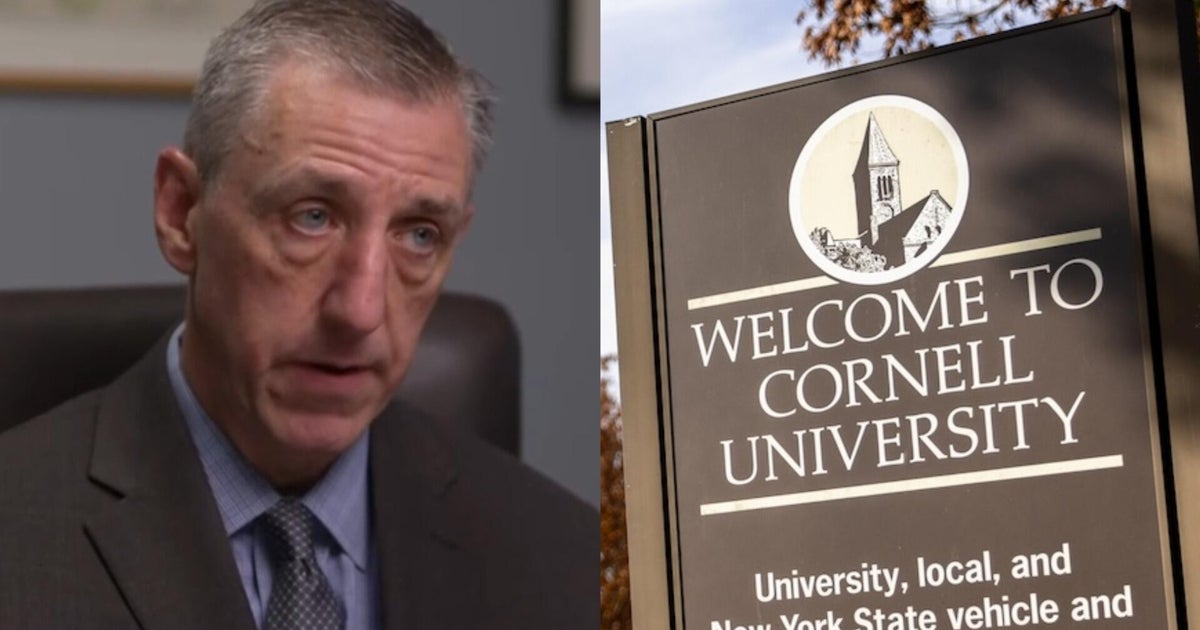
The district attorney of Tompkins County, Matthew Van Houten, is discussing a reopened investigation into a rape case at Cornell University in 2024. The case involves at least seven male students and one unidentified woman.
Key Facts
The investigation concerns an alleged rape that happened at Cornell University.
It took place in 2024.
At least seven male students are involved in the case.
The woman involved in the case has not been identified publicly.
Tompkins County District Attorney Matthew Van Houten is leading the investigation.
The case was reopened, meaning it was previously investigated but new attention or evidence has brought it back to the authorities.
CBS News reporter Lilia Luciano is covering the story.
Read the Original
Want the full story? Tap a source to open the original
article.