Fact-first summaries of the news — stay informed, stay grounded.
Your favorite news sources, one calm feed — fact-first summaries that always link to the
original story. No outrage bait, and we tell you when you're caught up. How it works
US News
Latest developments and key stories from across the United States
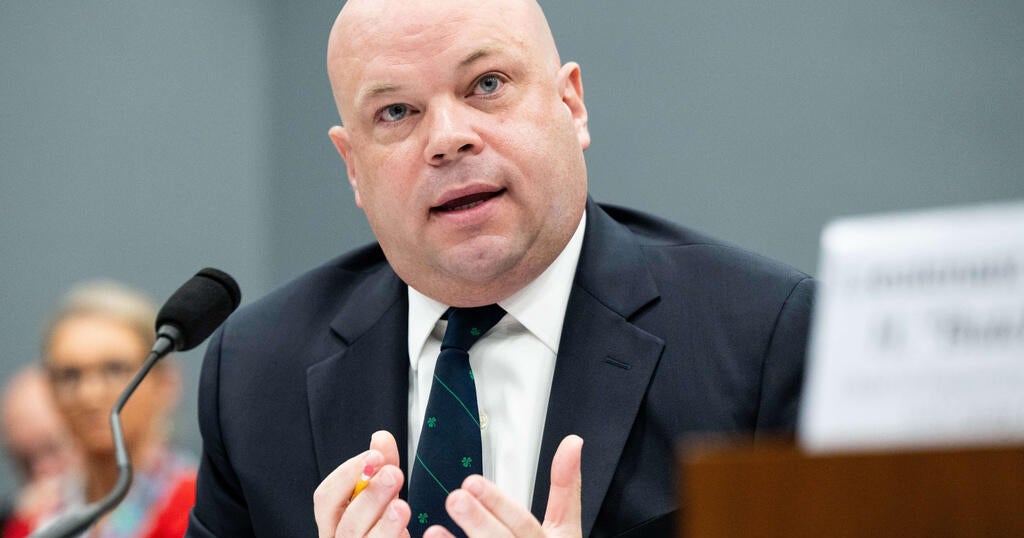
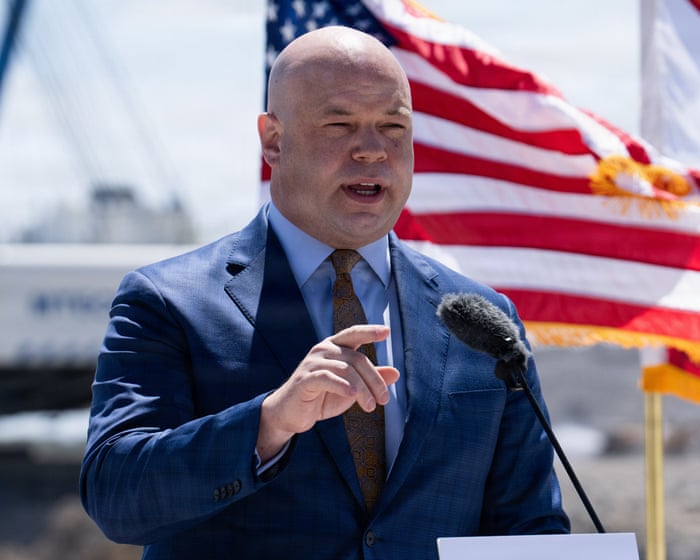
President Donald Trump named Adam Telle, a civilian leader in the U.S. Army Corps of Engineers, as the new acting Army secretary after Dan Driscoll resigned. Driscoll left following disagreements with Defense Secretary Pete Hegseth, who has overseen several changes in Army leadership.
Key Facts
Adam Telle is currently the assistant secretary of the Army for civil works and has experience working for Republican senators and in the White House.
Dan Driscoll resigned as the top civilian leader of the Army after months of conflict with Defense Secretary Pete Hegseth.
Driscoll had plans to modernize the Army, including adding more drones and new technology.
Army Chief of Staff Gen. Randy George and Gen. Chris Donahue, both linked to Driscoll’s initiatives, also left their positions recently.
The Army is reducing support for a new drone battalion that learned from the war in Ukraine, after disagreements with acting Chief of Staff Gen. Christopher LaNeve.
The U.S. military faces shortages of key missile defense systems due to ongoing conflicts, including tensions with Iran.
Some politicians, including Republican Sen. Thom Tillis, criticized Hegseth for causing instability in Army leadership.
The changes come as the U.S. keeps significant military forces deployed in the Middle East.
Read the Original
Want the full story? Tap a source to open the original
article.
The White House launched a new online arcade featuring five simple games that highlight President Donald Trump’s key policies, such as building the border wall and deporting migrants. The games aim to share the administration’s message in a fun way, while some critics say the focus should be on real problems like the cost of living.
Key Facts
The White House created an online arcade with five retro-style games tied to the Trump administration’s agenda.
Games include building a border wall, deporting migrants, and promoting a children’s savings program called Trump Accounts.
One game mimics Tetris, where players build a border wall to protect the country.
Another game features Tom Homan, a border official, chasing migrants in a version of the classic “Snake” game.
The Make America Healthy Again initiative is highlighted with a game about sorting school lunch food.
Trump Accounts give $1,000 to eligible children under 18 born during President Trump’s current term, and more than six million accounts had been requested by early July.
The arcade is free to play on the White House website and hints at future games to come.
Some critics argue that creating games on a government website is not a priority while Americans face high inflation and rising living costs.
Read the Original
Want the full story? Tap a source to open the original
article.
President Donald Trump met privately with six anti-Zionist rabbis. These rabbis are known for opposing Israel’s wars and the military draft of yeshiva students.
Key Facts
President Trump held a private meeting with six anti-Zionist rabbis.
The rabbis have criticized Israel’s involvement in multiple wars.
They are concerned about the military draft of yeshiva students, who are religious Jewish students.
The meeting happened during protests against Israeli military conscription.
The discussions focused on issues related to Israel and its military policies.
Read the Original
Want the full story? Tap a source to open the original
article.
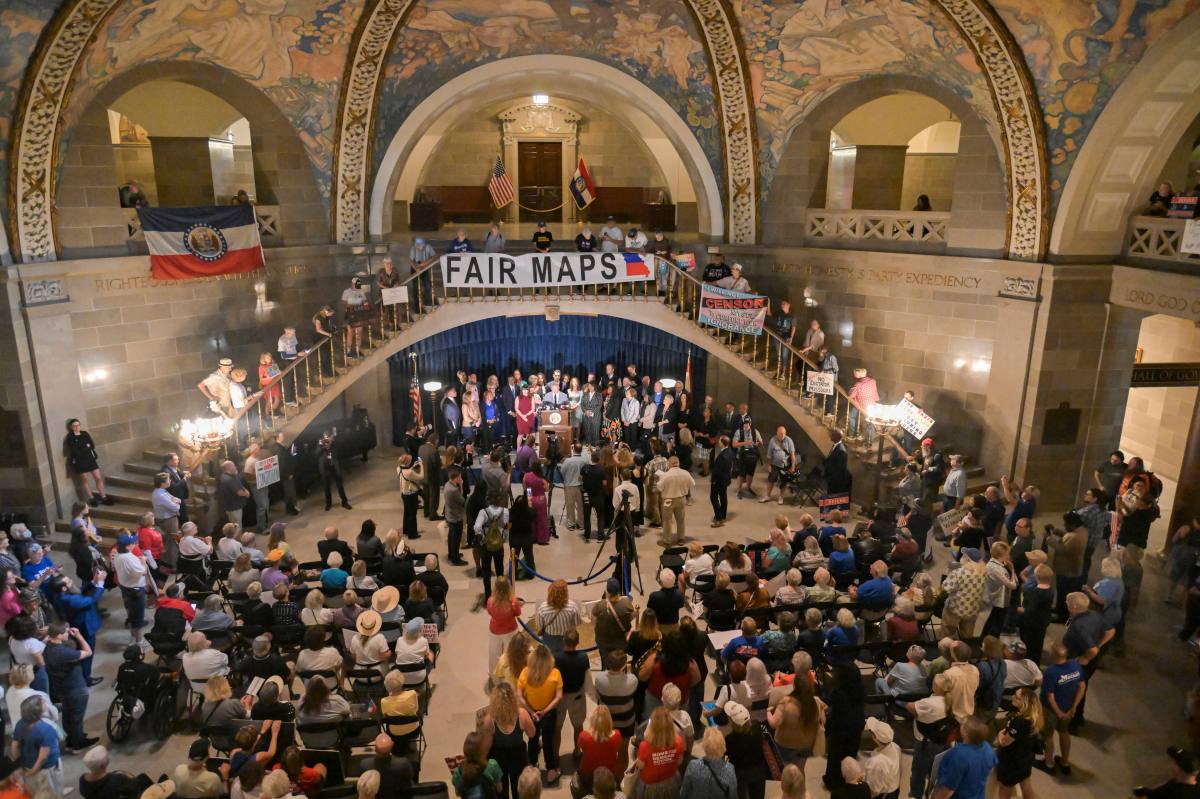
The Missouri Supreme Court ruled that a Republican-backed congressional map must be approved by voters before it can be used in elections. The court blocked the new map from being used in the November midterms, meaning the state will use the previous districts for the 2026 election.
Key Facts
The Missouri Supreme Court unanimously stopped a new Republican-supported congressional map from being used in the November 2024 elections.
The court said the map must be approved by voters through a referendum first.
This ruling means Missouri will use the old congressional map in the 2026 general election.
The new map was backed by President Donald Trump and Missouri Republicans and aimed to favor the GOP and reduce a Democratic district in Kansas City.
President Trump criticized the decision on his social media, calling it unfair and unconstitutional.
The referendum petition was organized by a group named People Not Politicians and was accepted by the court despite initial rejection by the Missouri Secretary of State.
Missouri Attorney General Catherine Hanaway said Republicans plan to appeal the ruling to the U.S. Supreme Court.
Democratic Representative Emanuel Cleaver, whose district would have been changed, praised the ruling as a win for democracy.
Read the Original
Want the full story? Tap a source to open the original
article.
A Pennsylvania college student, Karoline Heintz, was found dead in her car after being stabbed by her boyfriend, Royce Moser. His mother, Rachel Moser, is also charged for helping cover up the crime by disposing of evidence and assisting her son.
Key Facts
Karoline Heintz was a student at PennWest California University.
Her body was found in a vehicle on August 20 after she did not return to campus.
Royce Moser, 18, is charged with homicide for stabbing Heintz.
Moser said a “demon” told him to stab her during an argument.
Rachel Moser, his mother, is charged with helping hide the crime, including washing Royce’s clothes and trying to throw away the knife.
Police found the body with blood in the car after tracking the vehicle using an AirTag.
Both Royce and Rachel Moser face charges including tampering with evidence, abuse of a corpse, and obstruction of justice.
They are held without bail and will have a formal court hearing on October 13.
Read the Original
Want the full story? Tap a source to open the original
article.
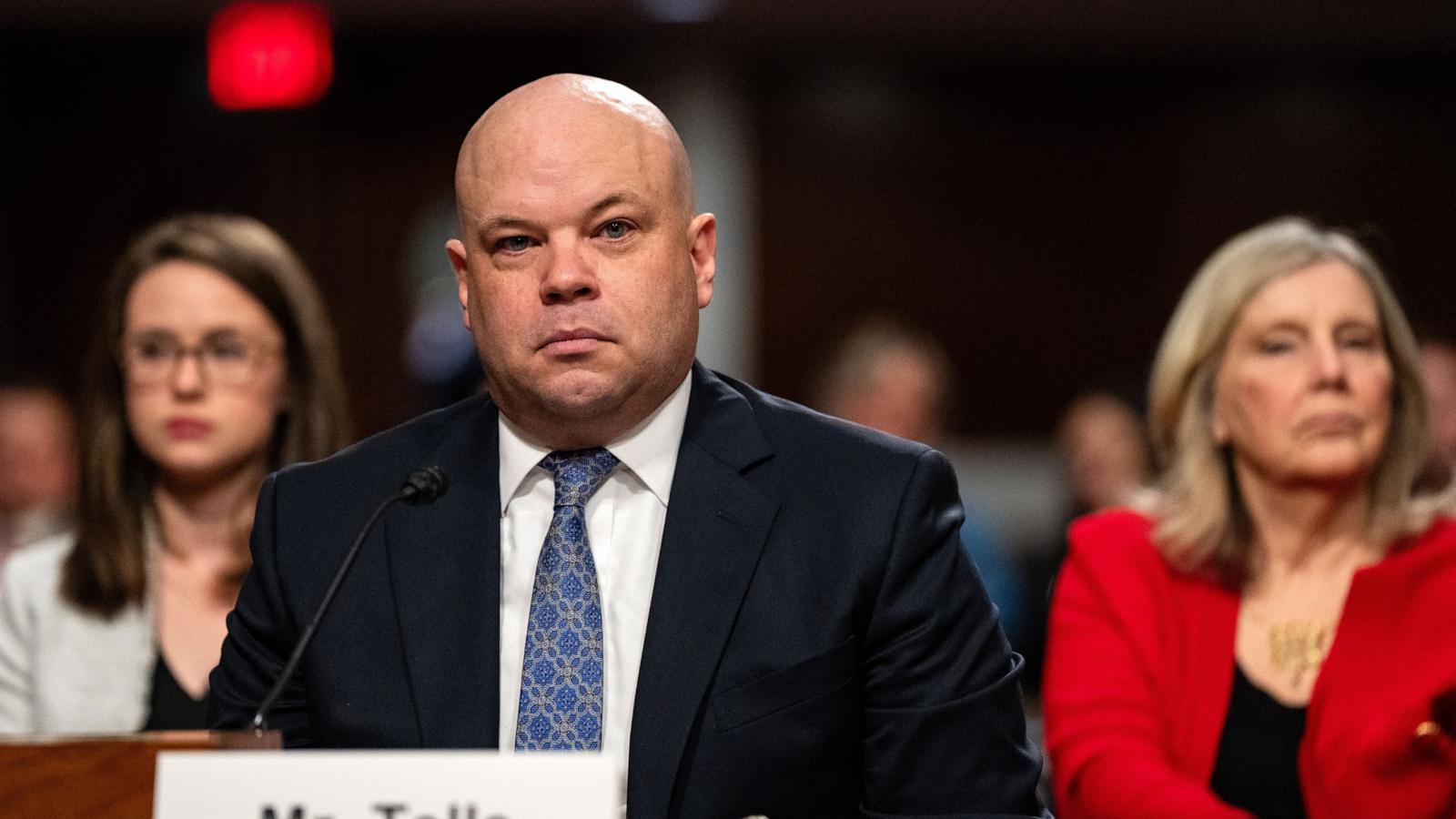
President Donald Trump announced that Adam Telle will serve as the acting secretary of the Army after Dan Driscoll resigned. Telle, who was sworn in as assistant secretary of the Army for Civil Works in August 2025, will begin his new role immediately.
Key Facts
Dan Driscoll’s last day as Army secretary was Wednesday before he resigned amid tensions with Defense Secretary Pete Hegseth.
President Trump appointed Adam Telle as the acting secretary of the Army effective immediately.
Adam Telle has been the assistant secretary of the Army for Civil Works since August 2025.
Telle previously worked as chief of staff to Senator Bill Hagerty and led the Senate team in the White House Office of Legislative Affairs during Trump’s first term.
Senator Roger Wicker, chairman of the Senate Armed Services Committee, praised Telle’s appointment and leadership abilities.
The White House acknowledged Driscoll’s work as “highly effective” on the day his resignation was accepted.
There is a history in the U.S. of temporary acting service secretaries who may not become permanent nominees.
Read the Original
Want the full story? Tap a source to open the original
article.
Secretary of Defense Pete Hegseth is facing criticism over his management of the Pentagon, including calls from Republican Senator Thom Tillis for President Trump to replace him. Since he took office in January 2025, there have been many resignations, firings, and controversies, raising concerns about the stability and readiness of the U.S. military leadership.
Key Facts
Senator Thom Tillis called for President Trump to remove Hegseth, citing poor leadership at the Pentagon.
Army Secretary Dan Driscoll resigned amid tensions with Hegseth, following several other high-level departures.
Hegseth, confirmed in January 2025, has pushed to reshape the military with an emphasis on “warrior ethos” and lethality.
In March 2025, Hegseth was involved in a controversy called “Signalgate,” where sensitive military information was shared on the messaging app Signal.
Military officials warn that sharing operational details on third-party apps threatens service member safety.
Several top military leaders, including the first women to hold certain commands, were fired under Hegseth’s leadership, with “leadership deficiencies” cited.
Hegseth has removed many names from official military promotion lists, an unusual action for a defense secretary.
Critics say the leadership changes and cultural conflicts under Hegseth have undermined military stability and readiness.
Read the Original
Want the full story? Tap a source to open the original
article.
A Republican candidate for the Missouri House, Thomas Ross, was arrested for allegedly trying to frame his primary opponent, Louise Secker, by planting drugs on her. Ross is charged with planning to distribute cocaine and Adderall to his former campaign manager to plant on Secker. Ross narrowly won the primary but faces calls to drop out.
Key Facts
Thomas Ross, a Republican candidate in Missouri House District 161, was arrested for attempting to frame his opponent Louise Secker with drugs.
Ross gave cocaine and Adderall to his former campaign manager to hide in Secker's purse or car.
The plan was discussed through text messages where Ross asked for updates and approved anonymous tips.
The Joplin police alerted the FBI, which provided the former manager with a recording device to capture conversations with Ross.
Ross has been charged with conspiring to distribute a controlled substance.
Secker lost to Ross by just 33 votes in the August Republican primary.
The incumbent representative is not running for reelection, making this an open seat.
Missouri GOP chair Peter Kinder urged Ross to withdraw from the race due to the serious nature of the arrest.
Read the Original
Want the full story? Tap a source to open the original
article.
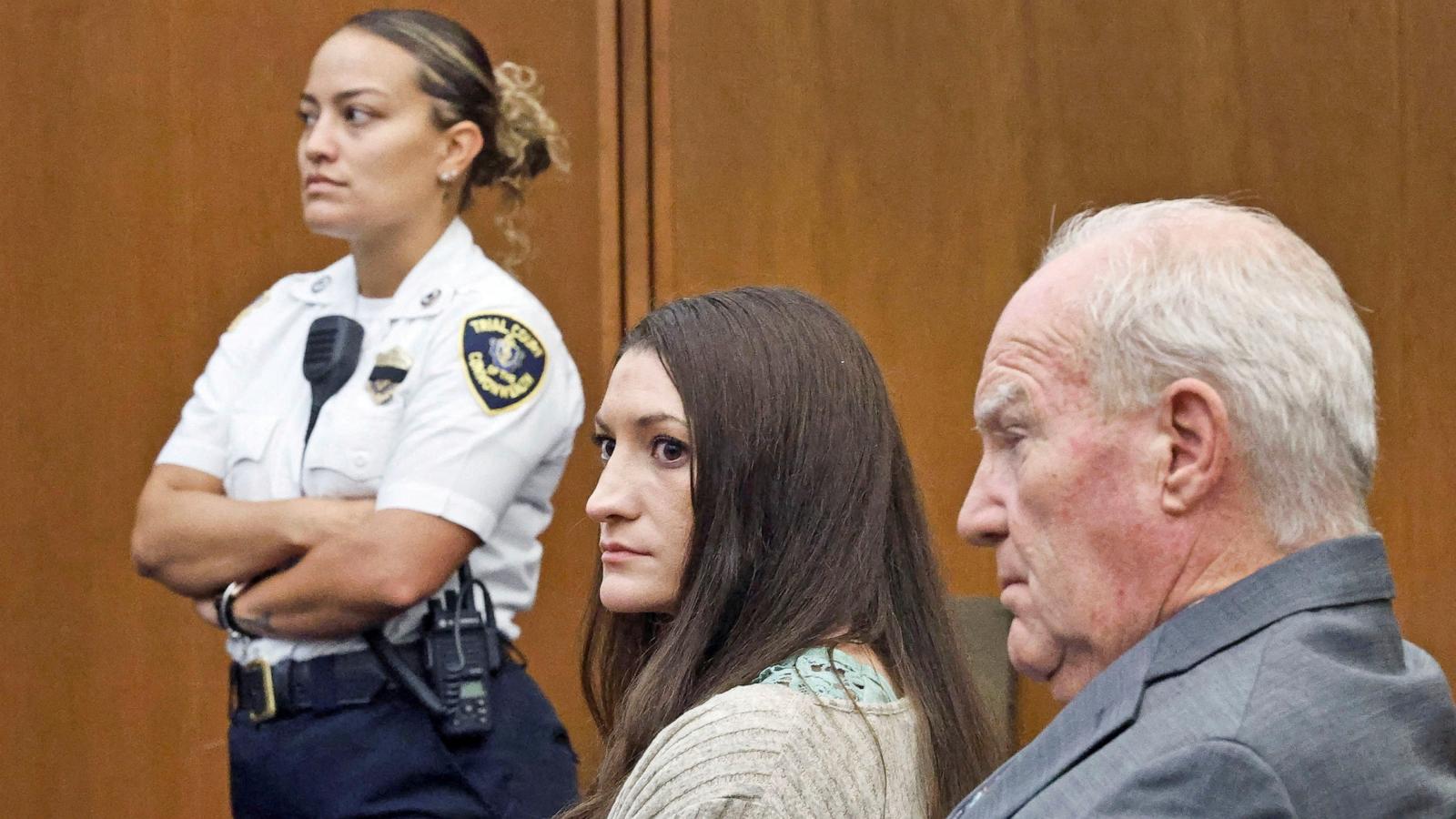
Lindsay Clancy is on trial for the deaths of her three young children, which happened in January 2023. The main issue is whether she was mentally responsible for the killings, as her defense says she suffered from postpartum psychosis and used an insanity defense under Massachusetts law.
Key Facts
Lindsay Clancy faces three murder charges for the deaths of her 5-year-old daughter, 3-year-old son, and infant son.
The children died at the family home in Duxbury, Massachusetts, on January 24, 2023.
Clancy, a former nurse, attempted suicide the same night, which left her paralyzed and in a wheelchair.
The defense argues Clancy was suffering from postpartum psychosis, a serious mental illness that can cause hallucinations and delusions after childbirth.
Massachusetts law allows a defendant to be found not guilty if they lacked criminal responsibility due to mental illness at the time of the crime.
Prosecutors must prove beyond a reasonable doubt that Clancy was mentally responsible or aware that her actions were wrong.
Jurors have spent over 35 hours deliberating and are still deciding if Clancy should be held criminally responsible.
One juror reportedly refused to follow the judge’s instructions during deliberations, causing tension in the trial.
Read the Original
Want the full story? Tap a source to open the original
article.
The jury in the Lindsay Clancy case could not reach a decision after six days of discussion. Clancy’s lawyer asked the judge to remove a juror who refused to follow the law about reasonable doubt, but the judge said no.
Key Facts
The jury failed to agree on a verdict in the Lindsay Clancy case after six days.
The jury forewoman sent a note saying a juror would not follow instructions on reasonable doubt.
Reasonable doubt means the juror must be sure before finding someone guilty.
Clancy’s lawyer asked the judge to remove this juror because of their refusal.
The judge did not agree to remove the juror.
The case is ongoing with jury deliberations continuing.
The video of the court moment is reported by BBC’s Ana Faguy.
Read the Original
Want the full story? Tap a source to open the original
article.
Vice President JD Vance said the conflict between the U.S. and Iran should not be called a "war" and avoided predicting when it would end before the November midterm elections. The U.S. continues to respond to Iranian attacks on ships in the Strait of Hormuz, a key oil shipping route.
Key Facts
Vice President JD Vance said there is no "active shooting" right now and does not call the U.S.-Iran conflict a war.
Iran recently fired at Kuwait, an ally of the U.S. in the Gulf region.
The U.S. carried out strikes on Iran earlier this week because Iran targeted commercial ships passing through the Strait of Hormuz.
The conflict started about six months ago and was expected to last only weeks but is still ongoing.
Rising gas prices and inflation have affected American consumers during this conflict.
Vance said he cannot predict when the conflict will end and said only Iran can answer when they will stop attacks.
The Pentagon changed how it counts casualties from the conflict, moving some deaths and injuries into a new category.
Brent crude oil prices rose to more than $95 per barrel, up from about $72 before the conflict began.
Read the Original
Want the full story? Tap a source to open the original
article.
The Maryland Supreme Court decided to keep a redistricting referendum on the November ballot, changing the wording of the question. This decision reverses an earlier court order that blocked the referendum.
Key Facts
The Maryland Supreme Court made the ruling on Thursday evening.
The referendum was originally led by Democrats.
The court changed the wording of the referendum question instead of removing it.
A lower court had previously blocked the referendum from appearing on the ballot.
The referendum is related to redistricting, which is how voting districts are drawn.
This vote could affect political control in Maryland’s congressional districts.
The Democratic Party sees this as an opportunity to improve their chances in the upcoming House elections.
Read the Original
Want the full story? Tap a source to open the original
article.
A federal prosecutor in Minnesota, Matthew Evans, who was investigating an ICE officer for possible civil rights violations, has been fired. The ICE officer, Christian Castro, was charged with lying about the shooting of a Venezuelan immigrant, but the prosecutor said his attempts to pursue stronger charges were blocked by higher officials.
Key Facts
Matthew Evans, a federal prosecutor, was investigating ICE officer Christian Castro for civil rights offenses.
The investigation concerns the shooting of Venezuelan immigrant Julio Cesar Sosa-Celis.
Castro was charged with making false statements about the incident, but the indictment is sealed.
Evans said he was directed by higher officials not to pursue more serious charges against Castro.
Evans reportedly objected strongly to this decision but was overruled.
Evans has been fired and is under investigation by the Justice Department for possible leaks.
The story is ongoing, with more updates expected.
Read the Original
Want the full story? Tap a source to open the original
article.
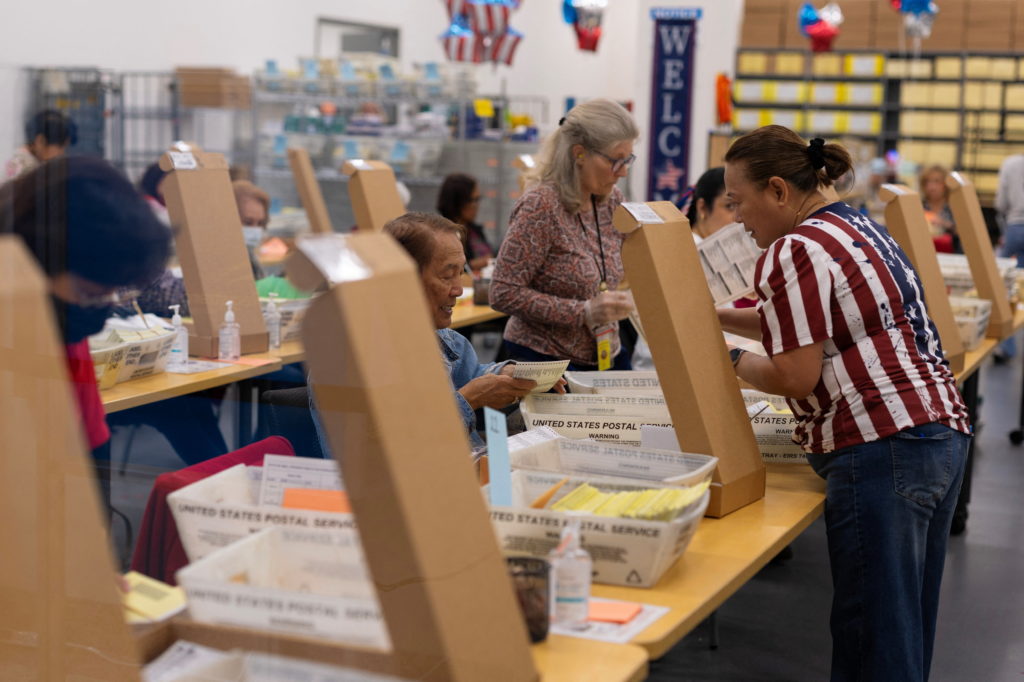
The Trump administration asked the Supreme Court to block a federal judge's order that stopped a new mail ballot rule from being put in place. This request came just before North Carolina began sending out mail ballots for the November midterm elections, amid ongoing court fights over President Trump's mail voting restrictions.
Key Facts
The Trump administration appealed to the Supreme Court to overturn a judge's order halting a mail ballot rule.
The appeal was filed the day before North Carolina planned to send mail ballots.
The rule involves the U.S. Postal Service enforcing a uniform envelope style for mail ballots.
States must submit lists of eligible voters to an online system that was not confirmed to be working yet.
The Supreme Court's conservative majority allowed the plan to proceed but has not ruled on its legality.
The effort is part of broader legal battles over President Trump's executive order on mail voting.
The midterm elections are scheduled for November, with many states preparing to mail ballots soon.
Read the Original
Want the full story? Tap a source to open the original
article.
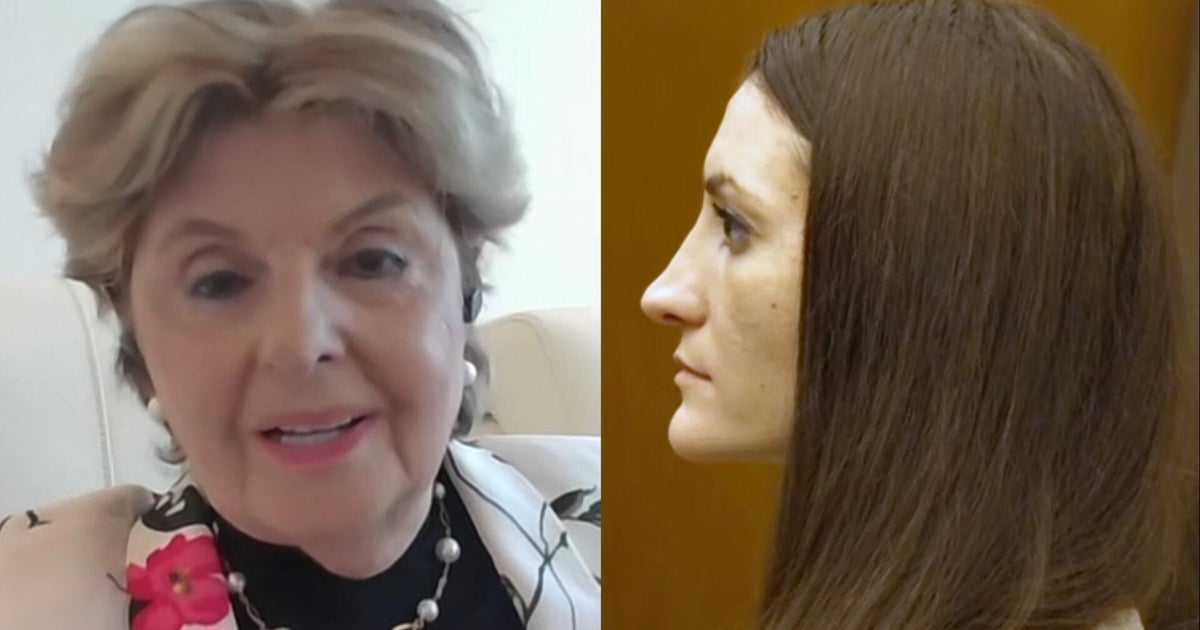
The trial of Lindsay Clancy involves difficult topics like motherhood, mental health after birth, and postpartum issues. Gloria Allred, a lawyer known for women's rights, spoke about the case on CBS News.
Key Facts
Lindsay Clancy is on trial for murder.
The trial raises questions about motherhood and the mental health challenges some women face after giving birth.
Postpartum refers to the time after a woman has a baby.
Mental health issues after birth can include serious conditions that affect a mother’s well-being.
Gloria Allred is an attorney who focuses on women's rights.
Allred appeared on CBS News to share her views on the trial.
The case has started many discussions about how mental health and motherhood are linked.
CBS News provided coverage of the trial and related topics.
Read the Original
Want the full story? Tap a source to open the original
article.
Jurors in Massachusetts are still deciding whether Lindsay Clancy should be found guilty of killing her three young children in 2023. Clancy’s lawyers say she had a severe mental illness called postpartum psychosis, while prosecutors say she planned the killings on purpose.
Key Facts
Lindsay Clancy is on trial for the 2023 deaths of her three young children at her home in Massachusetts.
Both sides agree Clancy caused the deaths, but the defense claims she had postpartum psychosis, a serious mental illness after childbirth.
Prosecutors argue Clancy intentionally planned the killings.
The trial included 21 days of testimony from various witnesses such as doctors, first responders, family members, and Clancy’s ex-husband.
If found guilty, Clancy could face life in prison; if not guilty, she might be released or kept in a mental health facility.
The jury has not yet reached a verdict and has been deliberating for several days.
A judge refused to remove a juror who was reportedly refusing to follow the legal rule about reasonable doubt, despite a defense request.
The judge reminded jurors again about the standard of reasonable doubt and questioned them privately to try to resolve the issue.
Read the Original
Want the full story? Tap a source to open the original
article.
President Donald Trump named Adam Telle as the acting Army Secretary after Daniel Driscoll resigned. Telle has experience in both the Army Office of Civil Works and in government roles, and he will lead the Army during ongoing conflicts and military challenges.
Key Facts
Adam Telle was appointed acting Army Secretary by President Trump after Daniel Driscoll's resignation.
Daniel Driscoll resigned without giving a specific reason but had known clashes with Defense Secretary Pete Hegseth.
Telle served as assistant secretary of the Army for civil works since August 2025.
Telle has over 20 years of experience working in Congress and held a White House legislative role during Trump’s first term.
The Army is currently involved in conflict with Iran and faces shortages in key defense systems like missile interceptors.
Driscoll is an Army veteran who served in Iraq and had good relations with politicians across parties.
Some allies of Driscoll in the Army were removed by Hegseth, including Gen. Randy George.
Driscoll praised the progress made with Hegseth’s support and called his service an honor, though Democrats and Republicans expressed concern about leadership changes linked to Hegseth.
Read the Original
Want the full story? Tap a source to open the original
article.
A federal jury in New Orleans could not agree on murder charges against Sean Alfortish and Leon "Chunky" Parker in a trial about a fake accident and insurance fraud scheme. Alfortish was found guilty of fraud-related charges, but a mistrial was declared on the murder charges, and prosecutors plan to try those charges again.
Key Facts
The jury spent over 30 hours deciding on charges after a three-week trial.
Alfortish was found guilty of conspiracy to commit mail and wire fraud, two counts of mail fraud, obstruction of justice, and witness tampering.
The jury could not decide on five murder-related charges, leading the judge to declare a mistrial on those counts.
Parker had already pleaded guilty to conspiracy and two mail fraud counts and faces up to 60 years in prison.
The case is linked to "Operation Sideswipe," a large fraud ring where people caused fake accidents with big trucks to claim insurance money.
The murder charges involved the killing of Cornelius Garrison, who was reportedly cooperating with the FBI about the fraud scheme.
Prosecutors said Alfortish paid Parker to kill Garrison after learning he was talking to investigators.
Defense attorneys claimed the murder evidence was not convincing and that their clients were not guilty of the killings.
Read the Original
Want the full story? Tap a source to open the original
article.
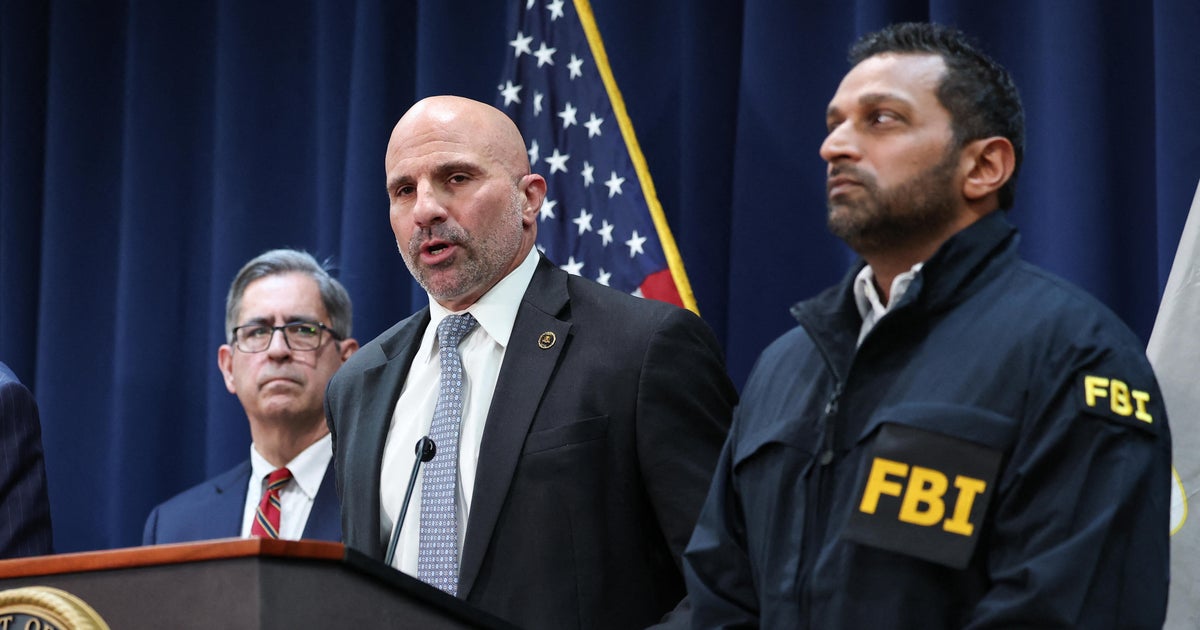
The FBI is using artificial intelligence (AI) to find threats faster and catch criminals more quickly. Deputy Director Christopher Raia said AI helps sort through many tips, turning them into actions within hours or minutes, improving the agency’s response time.
Key Facts
The FBI uses AI to identify threats from criminal groups and drug cartels more efficiently.
AI has shortened the time from receiving tips to field action from weeks to hours or minutes.
Violent crime rates in the U.S. have recently dropped to a 20-year low, including declines in murder, assault, rape, and robbery.
AI helps the FBI analyze large amounts of data that human analysts cannot process quickly.
The FBI works with other agencies through the Homeland Security Task Force to target gangs and cartels.
A man who threatened a preschool was caught quickly due to AI prioritizing the tip.
The FBI says it protects civil liberties and shares documents with Congress to ensure oversight.
Privacy advocates have raised concerns about data from license plate readers used by law enforcement.
Read the Original
Want the full story? Tap a source to open the original
article.
Texas Governor Greg Abbott is facing a close race against Democrat Gina Hinojosa in the 2026 election. Abbott’s recent decision to slow down data center projects in Texas, citing concerns about the state’s power supply, has become a key issue in the campaign.
Key Facts
Texas Governor Greg Abbott, a Republican, is running for a fourth term in 2026.
Democrat Gina Hinojosa has narrowed the polling gap against Abbott in this traditionally Republican state.
Abbott previously promoted Texas as a major site for artificial intelligence (AI) data centers.
Recently, Abbott ordered an audit of data centers seeking to connect to Texas' power grid before allowing new projects to move forward.
The audit aims to address concerns about data centers straining the electricity supply.
Hinojosa and Texas Democrats criticize Abbott for changing his stance to gain voter support.
Public opinion shows low support (30%) for having data centers in local communities.
President Donald Trump supports data centers, saying they bring jobs and lower taxes, warning against opposing them.
Read the Original
Want the full story? Tap a source to open the original
article.