Neutral summaries of your favorite news sources — just the facts.
Your favorite news sources, one neutral feed — we distill their reporting into fact-first
summaries and always link to the original story. How it works
US News
Latest developments and key stories from across the United States
Nearly 1 million bottles of a heart failure medication are being recalled across the United States. The recall is due to possible contamination with an unknown foreign substance, as reported by the Food and Drug Administration (FDA).
Key Facts
The medication is used to treat heart failure.
Close to 1 million bottles are affected by the recall.
The recall applies nationwide in the U.S.
The FDA issued an alert about the recall.
The reason for the recall is a possible foreign substance found in the medication.
Patients using this medication should check with their healthcare provider.
The recall aims to prevent harm from contaminated medication.
Read the Original
Want the full story? Tap a source to open the original
article.
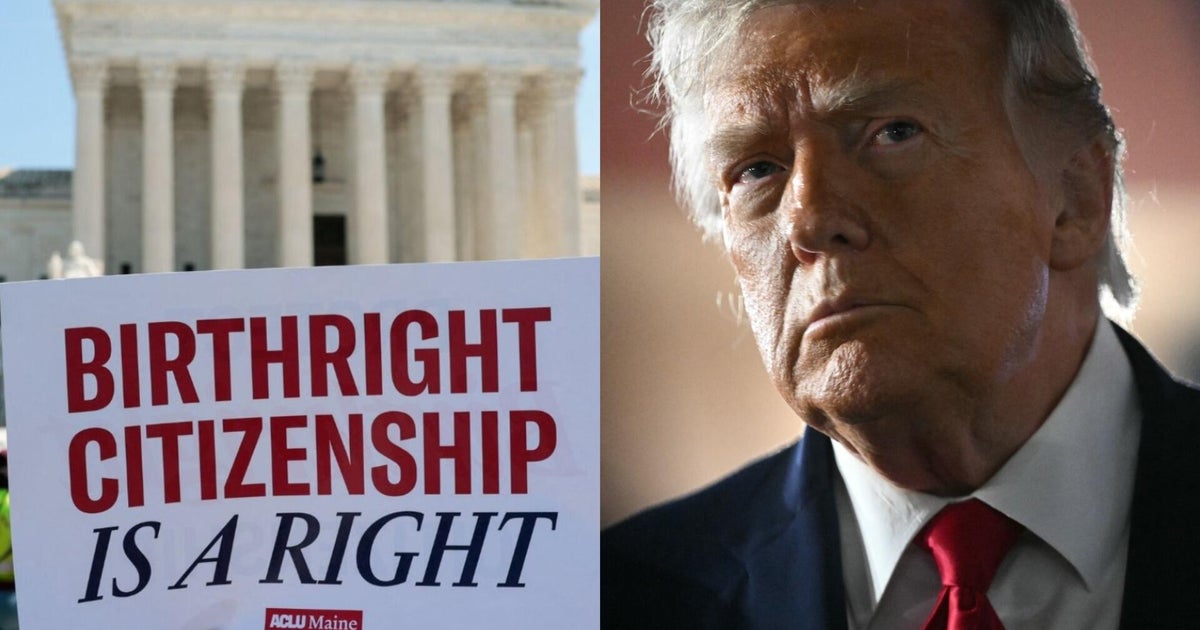
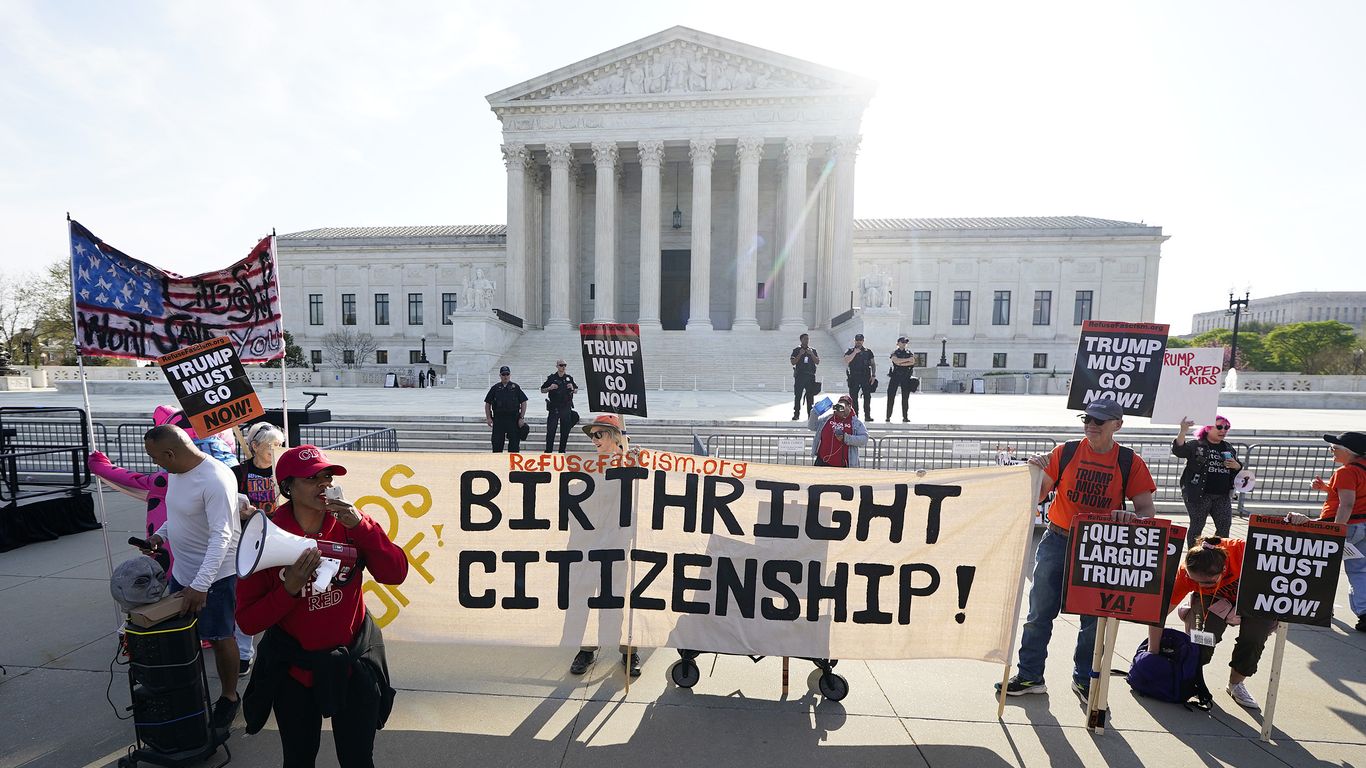
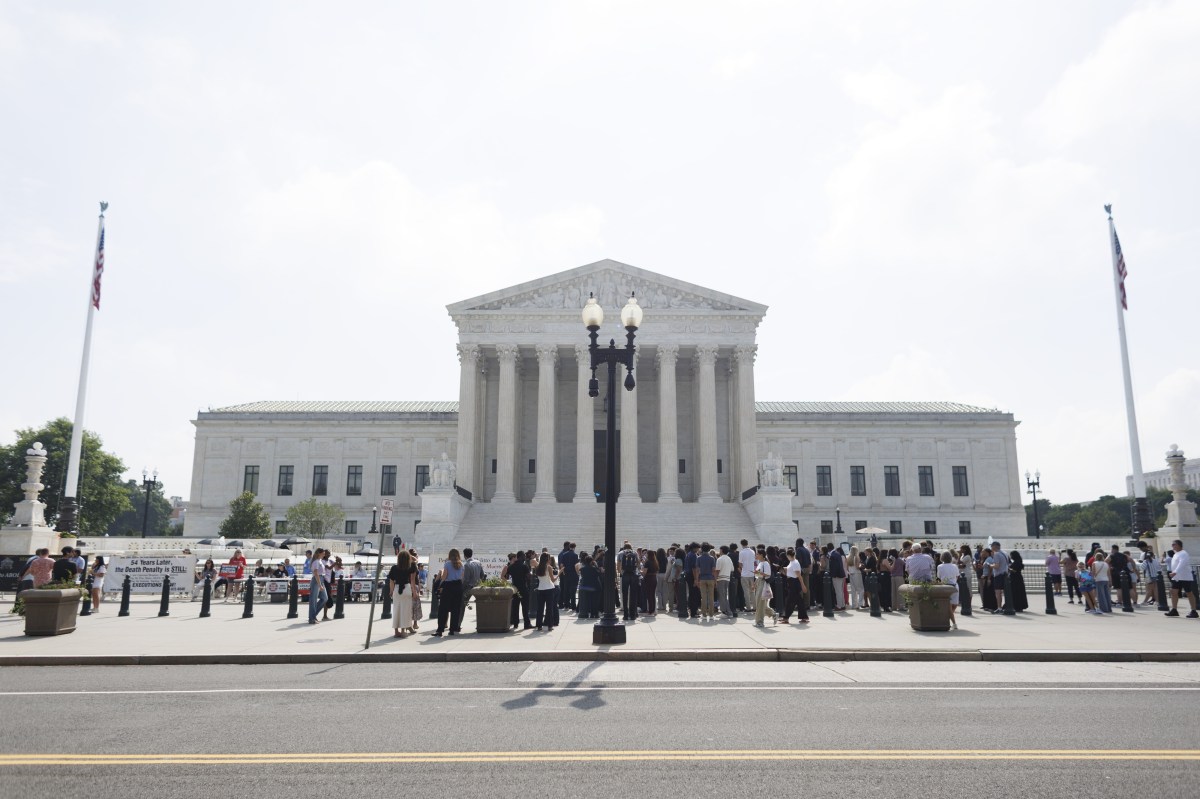
The Supreme Court rejected President Donald Trump's order that tried to stop birthright citizenship. This means that children born in the United States still have the right to citizenship, regardless of their parents' immigration status.
Key Facts
The Supreme Court made a decision against President Trump's executive order.
The order aimed to end birthright citizenship in the U.S.
Birthright citizenship means anyone born in the U.S. automatically becomes a citizen.
The court’s ruling keeps this policy in place.
The decision was covered in a CBS News special report.
Read the Original
Want the full story? Tap a source to open the original
article.
The White House awarded a contract valued at up to $500 million to build the East Wing ballroom without a competitive bidding process. This contract was managed through the Executive Residence, which does not have to follow the usual federal rules for bidding and disclosure.
Key Facts
The contract is worth up to $500 million.
It is for building a ballroom in the East Wing of the White House.
No other companies competed for the contract because it was no-bid.
The Executive Residence handled the contract.
The Executive Residence is exempt from federal rules that require competitive bids.
These rules also normally require public sharing of contract details.
The information was reported by The Washington Post.
The project is connected to President Donald Trump’s White House.
Read the Original
Want the full story? Tap a source to open the original
article.
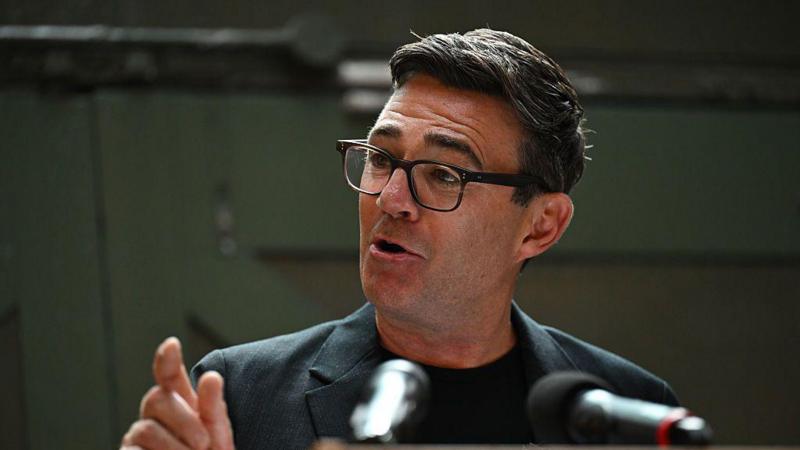
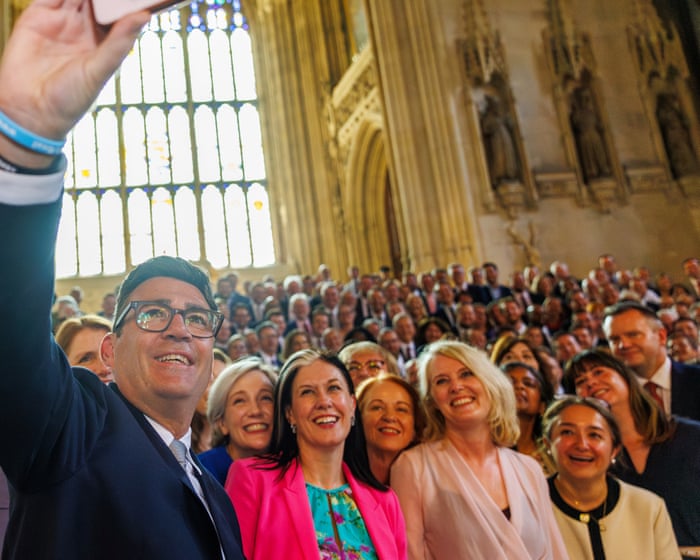
Andy Burnham plans to work part of the week in Manchester if he becomes prime minister. He aims to share power with local regions by creating a new government unit based in Manchester called "No 10 North."
Key Facts
Andy Burnham wants to split his time between Downing Street in London and Manchester as prime minister.
He plans to set up a "No 10 North" unit in Manchester to oversee giving more control to English regions.
This new unit would handle areas like housing, transport, and local economic decisions.
Burnham says the changes would be the biggest shift in power from London to local communities in the country's history.
He is the former mayor of Greater Manchester and recently became the MP for Makerfield.
Burnham is currently the only Labour MP running to replace outgoing Labour leader Sir Keir Starmer as prime minister.
Past prime ministers have worked outside London but Burnham may be the first in many decades not to live mainly at Downing Street.
The last prime minister not to live in Downing Street was in the late 19th century.
Read the Original
Want the full story? Tap a source to open the original
article.
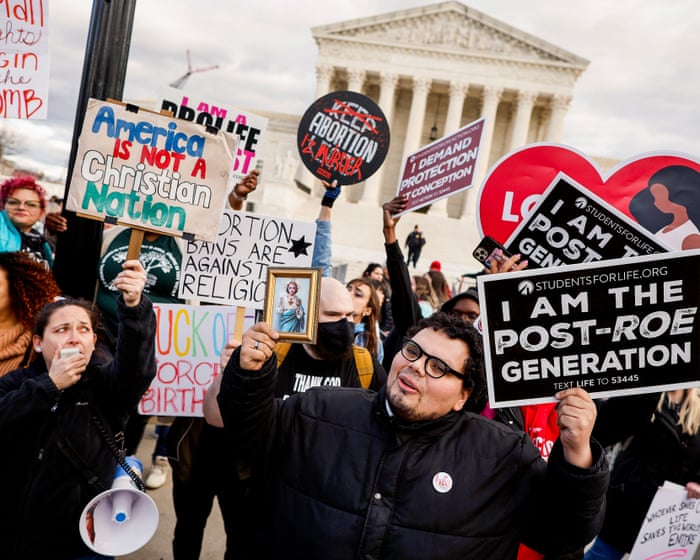
The Trump administration is making religious freedom a main focus in U.S. health policies. This approach affects areas like abortion, LGBTQ+ healthcare, and vaccine rules by emphasizing the rights of health providers to refuse certain services based on religion.
Key Facts
The Department of Health and Human Services (HHS) reorganized its civil rights office to prioritize religious freedom and conscience protections.
The Department of Justice (DOJ) released a report on religious liberty addressing abortion, vaccines, and gender-affirming care.
The new focus may allow healthcare providers and organizations to refuse services such as reproductive care or gender-affirming treatments.
Experts say the changes mainly protect providers’ rights and could lead to discrimination against LGBTQ+ people and abortion providers.
The administration’s approach may use funding to influence states and local governments on these issues.
Vaccine mandates, especially for schools, are challenged by citing religious objections.
Some legal experts warn this could reduce enforcement on discrimination protections for disabled and transgender people.
The Supreme Court did not clearly resolve conflicts between emergency medical care laws and abortion bans, opening the door to conscience refusals.
Read the Original
Want the full story? Tap a source to open the original
article.
The Christian Brothers used a new legal tactic to stop hundreds of abuse trials by saying they might go broke. They want to sell their properties and create a separate fund to pay creditors, including abuse survivors, while transferring many valuable assets to another Catholic group, Edmund Rice Education Australia, which will not sell those assets to help survivors.
Key Facts
The Christian Brothers asked for a permanent stop to hundreds of abuse cases against them.
They claim they cannot afford to pay abuse survivors and want to sell property to raise money.
They transferred large amounts of land and buildings to Edmund Rice Education Australia for just $1 each.
These transferred assets will not be sold to help abuse survivors.
Lawyers say they are investigating the property transfers closely to protect survivors’ rights.
One trial was canceled just before it was about to start because of the Christian Brothers’ legal move.
Some survivors had to stop legal actions or lost expected payments due to this tactic.
Abuse survivors report lifelong harm and feel betrayed by the Christian Brothers’ actions.
Read the Original
Want the full story? Tap a source to open the original
article.
Women voters will play a very important role in the 2026 elections. Certain groups of women, called "skippers" and "flippers," could influence the results a lot.
Key Facts
President Donald Trump faces challenges in gaining support from women voters.
"Skippers" are women who do not vote regularly but may vote in certain key elections.
"Flippers" are women who change their vote from one party to another between elections.
Both "skippers" and "flippers" represent important groups that could decide election outcomes.
Women's votes have been identified as a crucial factor in recent and upcoming elections.
Political campaigns are focusing more on understanding and reaching these groups of women voters.
The 2026 elections will be closely shaped by voter turnout and preferences of women.
Read the Original
Want the full story? Tap a source to open the original
article.
The Supreme Court removed federal limits on how much money political campaigns can spend when they work together with outside groups. This decision comes before the 2026 midterm elections.
Key Facts
The Supreme Court made a ruling on coordinated campaign spending.
Federal limits on spending by campaigns working with outside groups were struck down.
This change affects how much money can be spent during elections.
The decision could impact the 2026 midterm elections.
The ruling was announced on a Tuesday.
CBS News reported on the ruling with contributions from Rebecca Roiphe.
Read the Original
Want the full story? Tap a source to open the original
article.
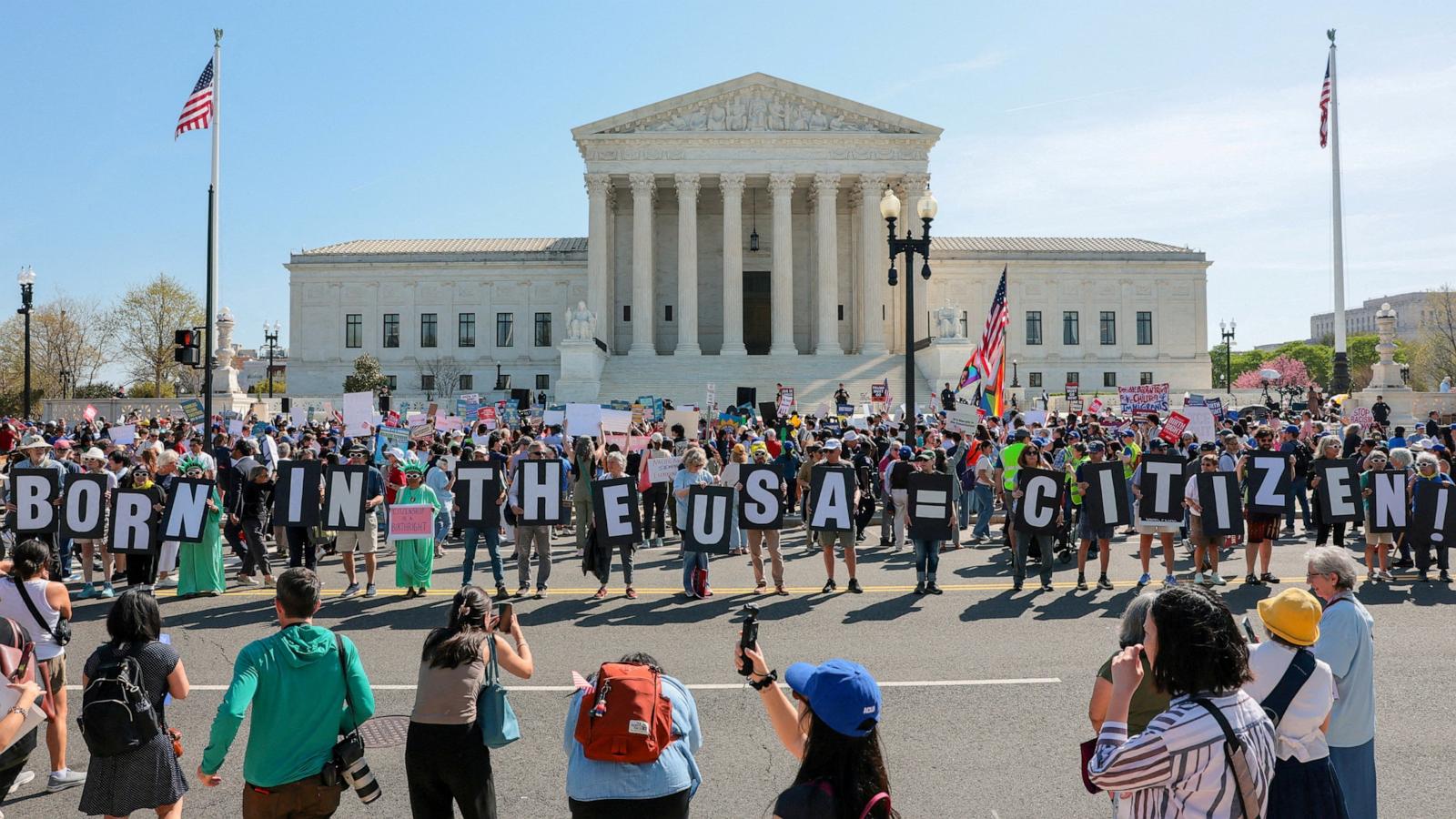
The US Supreme Court rejected President Donald Trump’s executive order that tried to limit birthright citizenship to children born only to US citizens or permanent residents. The court ruled 6-3 that the Constitution’s 14th Amendment protects citizenship for virtually all children born in the United States.
Key Facts
The Supreme Court ruled against President Trump’s executive order on birthright citizenship.
The order aimed to deny citizenship to children born to parents in the US illegally or temporarily.
The 6-3 decision upholds the 14th Amendment’s Citizenship Clause, which grants citizenship to almost all born in the US.
President Trump issued the order on his first day back in office in 2025 as part of immigration restrictions.
A lawsuit filed in New Hampshire challenged the order on constitutional grounds.
The court’s ruling overturns the administration’s interpretation that only children of citizens or green card holders qualify for citizenship.
The 14th Amendment was ratified in 1868 to secure citizenship for formerly enslaved people and prevent racial exclusion.
Experts said the order could have affected up to 250,000 babies born each year if it had been allowed.
Read the Original
Want the full story? Tap a source to open the original
article.
The U.S. Supreme Court ruled 6-3 against President Donald Trump's order to end birthright citizenship for babies born in the U.S. to non-citizen parents. The court upheld the long-standing rule that anyone born on American soil is automatically a U.S. citizen under the 14th Amendment.
Key Facts
The Supreme Court decision keeps the rule that all babies born in the U.S. are citizens.
President Trump had tried to end birthright citizenship by executive order.
The 14th Amendment says anyone born or naturalized in the U.S. is a citizen.
Immigrant groups warned ending birthright citizenship would harm many children and create legal problems.
About 255,000 children born yearly to non-citizen parents could have lost citizenship under Trump's order.
The court rejected the argument that children of non-citizens are not fully under U.S. jurisdiction.
Lower courts had already blocked Trump’s order, calling it unlawful.
The Supreme Court’s ruling preserves a century-old legal precedent on citizenship.
Read the Original
Want the full story? Tap a source to open the original
article.
The Supreme Court ruled 6-3 against President Donald Trump's executive order that tried to end birthright citizenship in the U.S. The court confirmed that nearly everyone born in the U.S. is automatically a citizen under the 14th Amendment.
Key Facts
The Supreme Court struck down President Trump's order to end birthright citizenship.
Five justices said the order violates the 14th Amendment of the Constitution.
Justice Brett Kavanaugh agreed but based his disagreement on federal law.
Three justices dissented and supported the order.
The Citizenship Clause of the 14th Amendment grants citizenship to almost all born in the U.S.
Trump’s order aimed to deny citizenship to babies born to parents in the country illegally or temporarily.
The order never went into effect because federal courts blocked it.
About 250,000 babies born annually in the U.S. would have been denied citizenship under this order.
Read the Original
Want the full story? Tap a source to open the original
article.
New federal student loan rules begin this week, changing repayment plans and borrowing limits for some students and parents. These changes mainly affect borrowers using the SAVE repayment plan, new borrowers after July 1, graduate students, and parents using Parent PLUS loans.
Key Facts
The SAVE repayment plan is being phased out, and current borrowers must switch to another plan within 90 days or face automatic placement in a standard plan.
New borrowers after July 1 will choose between a standard repayment plan or a new simpler income-driven Repayment Assistance Plan.
Graduate PLUS loans will no longer be available after July 1 for new borrowers; new borrowing limits will start, with some exceptions for professional degree programs.
Parent PLUS loans will have new annual and lifetime caps on how much parents can borrow from July 1 onward.
Some borrowers will see little change, while others will face significant shifts in repayment and borrowing options.
Temporary protections may exist for students already enrolled in certain graduate programs regarding borrowing limits.
The new rules aim to simplify repayment but reduce the number of income-driven options for new borrowers.
These changes affect federal student loans and do not apply to private loans.
Read the Original
Want the full story? Tap a source to open the original
article.
The Supreme Court rejected President Donald Trump’s executive order that aimed to limit birthright citizenship for children born in the United States to parents without legal status. The Court confirmed that the 14th Amendment grants citizenship to almost anyone born on U.S. soil, and changing this rule would likely require a constitutional amendment.
Key Facts
The Supreme Court struck down President Trump’s order limiting birthright citizenship.
The decision was led by Chief Justice John Roberts and supported by four other justices.
The Court ruled that children born in the U.S. are citizens at birth under the 14th Amendment.
The ruling reaffirms the 1898 United States v. Wong Kim Ark precedent about birthright citizenship.
In 2023, about 300,000 babies were born to unauthorized immigrant mothers in the U.S.
President Trump’s order tried to deny citizenship to children with parents in the U.S. illegally or on temporary visas.
Multiple lower courts blocked the order before the Supreme Court ruled on it.
Changing birthright citizenship would most likely require amending the Constitution, a difficult and unlikely process.
Read the Original
Want the full story? Tap a source to open the original
article.
Andy Burnham, a Labour politician, has promised to stop the practice of staff leaking negative information about female ministers in his team. At a meeting with Labour women MPs, he said those who undermine women will be fired and denied ever calling himself the "first female Labour PM."
Key Facts
Burnham will sack any staff who leak negative stories about female ministers.
Female Labour MPs have complained about a “boys club” culture and unfair leaks against them.
Burnham criticized a comment calling him “the first female Labour PM” and denied ever saying it.
Labour women MPs asked Burnham to commit to having equal numbers of men and women in leadership roles.
Some Labour female MPs feel excluded from decision-making rooms, leading to weaker policies.
Burnham praised female leaders like home secretary Shabana Mahmood at the meeting.
Burnham’s close team includes women who played key roles in his election campaign.
Labour women MPs accused the Conservative leader of insulting them by calling them “handmaidens.”
Read the Original
Want the full story? Tap a source to open the original
article.
The Supreme Court rejected President Donald Trump’s executive order that tried to limit birthright citizenship to children born in the U.S. only if their parents were legally present. The Court confirmed the 14th Amendment grants citizenship to anyone born on American soil, regardless of their parents’ status.
Key Facts
The Supreme Court’s decision says all children born in the U.S. are citizens by birth under the 14th Amendment.
President Trump aimed to stop children of parents in the country illegally from automatically getting citizenship.
Chief Justice John Roberts wrote the majority opinion supporting birthright citizenship.
Justice Clarence Thomas disagreed in a dissenting opinion, partly supporting the President’s order.
If the order had passed, millions of children could lose citizenship and some risk becoming stateless.
Before the ruling, President Trump criticized two justices he appointed who were expected to oppose his position.
The order challenged the idea that people born in the U.S. illegally are “subject to the jurisdiction” of the country.
Surveys show about two-thirds of Americans support keeping birthright citizenship as guaranteed by the Constitution.
Read the Original
Want the full story? Tap a source to open the original
article.
The Supreme Court ruled 6-3 to remove limits on coordinated spending between political parties and candidates. Justice Elena Kagan and two other justices disagreed, saying this could lead to more political corruption by allowing wealthy donors to bypass existing rules.
Key Facts
The Supreme Court struck down federal limits on spending coordinated between parties and candidates.
The case involved the National Republican Senatorial Committee and the Federal Election Commission.
Before the ruling, coordinated spending was limited based on office and state to prevent corruption.
Justice Kagan wrote the dissent, warning the decision could cause serious harm to election integrity.
The majority argued other rules, like contribution caps and disclosure, are enough to prevent corruption.
Coordinated spending means money spent on activities like joint ads by parties and candidates.
The ruling changes decades of campaign finance law aimed at stopping money-for-favors exchanges.
The decision may let wealthy donors influence elections more by routing funds through political parties.
Read the Original
Want the full story? Tap a source to open the original
article.
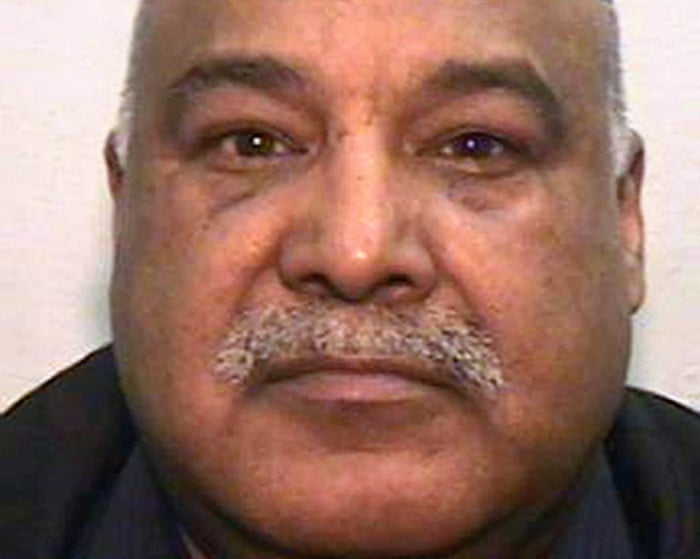
Shabir Ahmed, the leader of the Rochdale grooming gang convicted in 2012, is set to be released from prison but cannot be deported from the UK due to laws protecting long-term residents. He will be on strict license conditions, including 24-hour supervision, electronic monitoring, and exclusion zones.
Key Facts
Shabir Ahmed was convicted of multiple rapes and sexual offenses against girls as young as 12.
He had dual British and Pakistani citizenship but was stripped of his British citizenship after conviction.
Ahmed cannot be deported to Pakistan because he arrived in the UK before 1973 and lived there for at least five years before deportation was considered.
He will be released on July 2 with a 24-hour supervised living arrangement and electronic tagging.
Victims and local politicians want the government to change laws to allow his deportation.
The gang operated by exploiting girls with drugs and alcohol, then abusing them in multiple locations.
A report found police and local authorities failed to act despite concerns about the gang.
Other gang members have also lost citizenship but it is unclear if they have been deported.
Read the Original
Want the full story? Tap a source to open the original
article.
Steve Bannon, a former adviser to President Trump, criticized the FBI and Director Kash Patel’s crime statistics. He said people do not believe the reports that say crime is decreasing.
Key Facts
Steve Bannon spoke on his show called “War Room.”
Bannon expressed doubt about the FBI’s crime statistics.
He also questioned crime numbers released by Director Kash Patel.
Bannon said people do not trust the claim that crime is going down.
Kash Patel is involved in reporting or presenting crime data.
Bannon addressed Patel directly, calling him “brother.”
The discussion took place on a Monday.
Read the Original
Want the full story? Tap a source to open the original
article.
The US Supreme Court ruled 6-3 against President Donald Trump’s order to end birthright citizenship for people born in the United States. The court decided that the order goes against the US Constitution and past Supreme Court decisions.
Key Facts
President Trump signed an executive order to stop some children born in the US from automatically becoming citizens.
The order targeted children born to parents with temporary or no legal status.
The Supreme Court’s majority opinion was written by Chief Justice John Roberts.
The court referred to the 14th Amendment and a 1898 Supreme Court case supporting birthright citizenship.
The ruling confirms that anyone born in the US is a citizen, no matter the parents’ status.
The decision upholds a lower court ruling against Trump’s order.
President Trump said Congress could change birthright citizenship by law, but no strong political support exists for that now.
The ruling marks a significant defeat for Trump’s immigration policy changes.
Read the Original
Want the full story? Tap a source to open the original
article.
The Supreme Court ruled that President Donald Trump’s policy to limit birthright citizenship is unconstitutional. The Court said the 14th Amendment gives automatic citizenship to most children born in the United States.
Key Facts
The Supreme Court made the decision on Tuesday.
The ruling invalidates President Trump’s immigration policy restricting birthright citizenship.
Chief Justice John Roberts wrote the main opinion.
The decision was supported by the three liberal justices and Justice Amy Coney Barrett.
The 14th Amendment guarantees citizenship to almost all children born on U.S. soil.
The policy aimed to change automatic citizenship for children born in the U.S.
The Court’s ruling protects the rights of children born in the United States regardless of their parents’ status.
Read the Original
Want the full story? Tap a source to open the original
article.