Neutral summaries of your favorite news sources — just the facts.
Your favorite news sources, one neutral feed — we distill their reporting into fact-first
summaries and always link to the original story. How it works
US News
Latest developments and key stories from across the United States
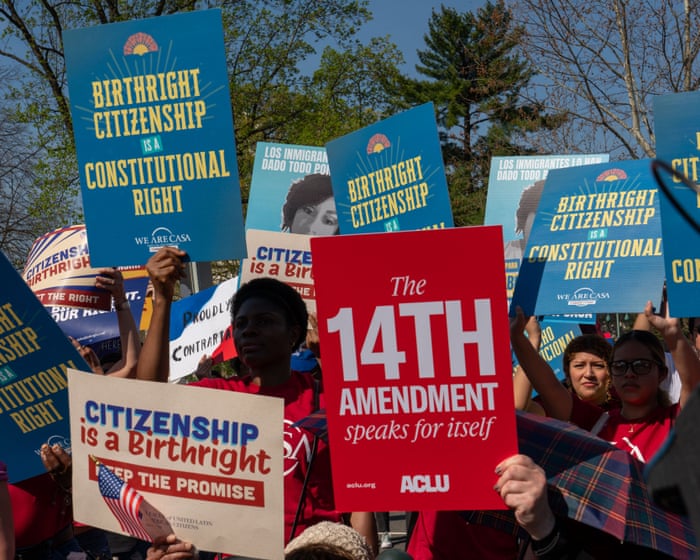
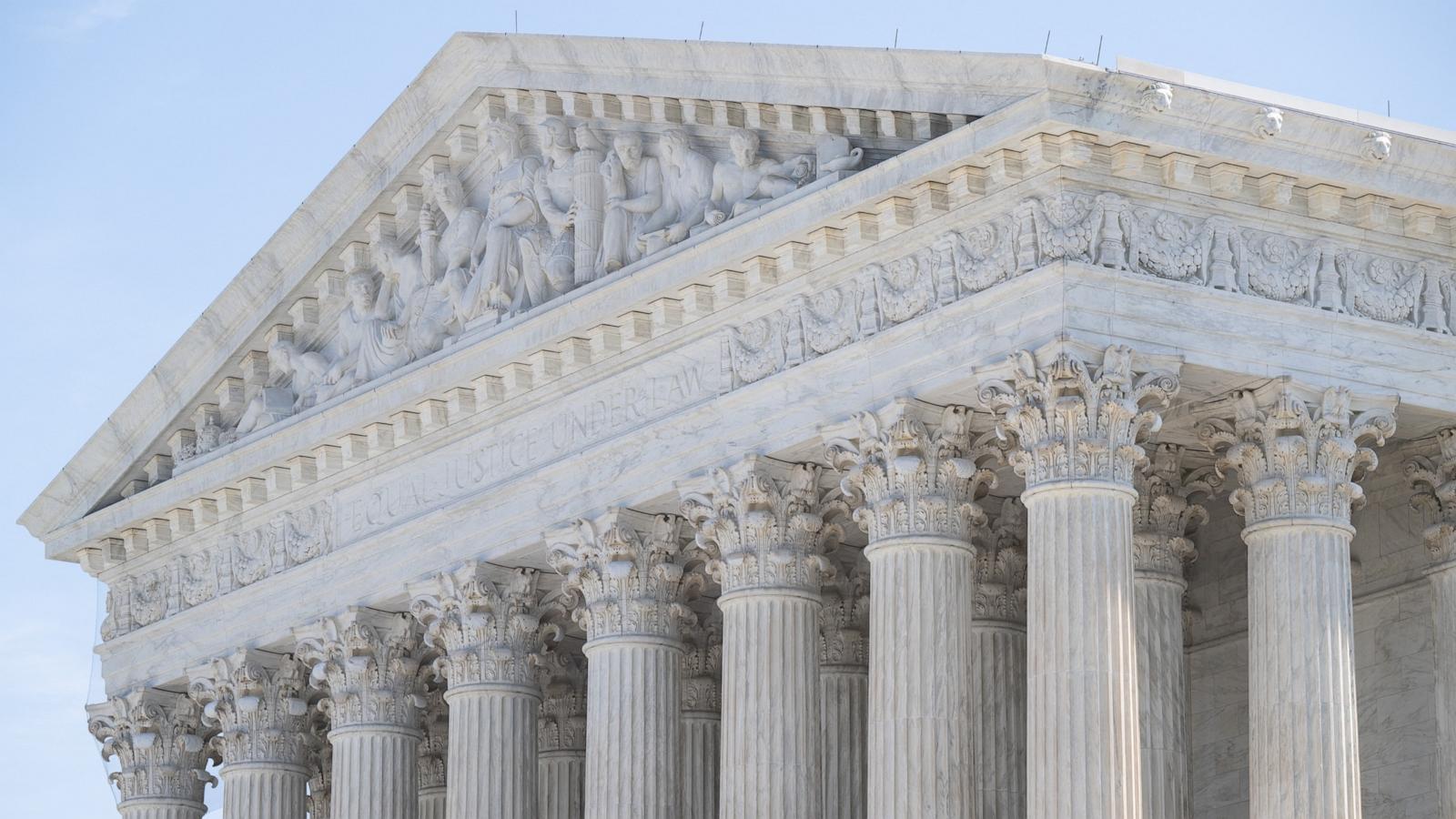
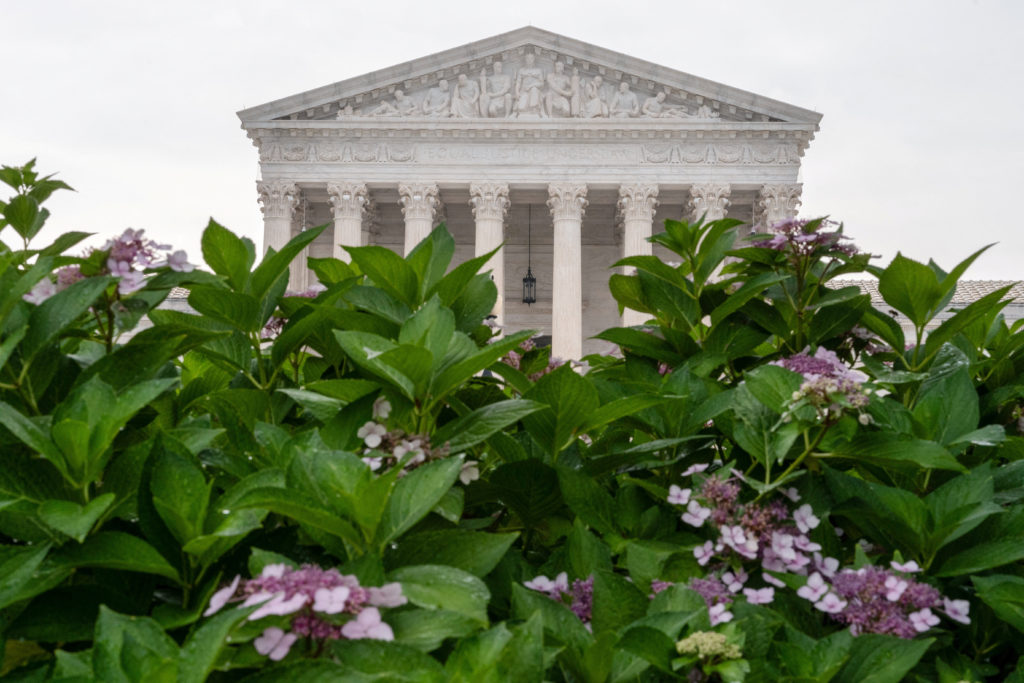
The Supreme Court ruled that President Donald Trump’s policy to limit birthright citizenship is unconstitutional. The Court said the 14th Amendment gives automatic citizenship to most children born in the United States.
Key Facts
The Supreme Court made the decision on Tuesday.
The ruling invalidates President Trump’s immigration policy restricting birthright citizenship.
Chief Justice John Roberts wrote the main opinion.
The decision was supported by the three liberal justices and Justice Amy Coney Barrett.
The 14th Amendment guarantees citizenship to almost all children born on U.S. soil.
The policy aimed to change automatic citizenship for children born in the U.S.
The Court’s ruling protects the rights of children born in the United States regardless of their parents’ status.
Read the Original
Want the full story? Tap a source to open the original
article.
Representative Thomas Kean Jr. from New Jersey returned to the U.S. Capitol after missing more than 100 House votes because of a medical issue. He has served in Congress since 2023, representing a district considered competitive in elections.
Key Facts
Thomas Kean Jr. is a Republican congressman from New Jersey.
He represents New Jersey’s 7th Congressional District.
Kean missed over 100 House votes due to a medical condition.
His last recorded vote was on March 5.
He has been in office since 2023.
The district he represents is considered a "toss up," meaning it could be won by either party.
The medical condition causing his absence was not explained in detail.
Read the Original
Want the full story? Tap a source to open the original
article.
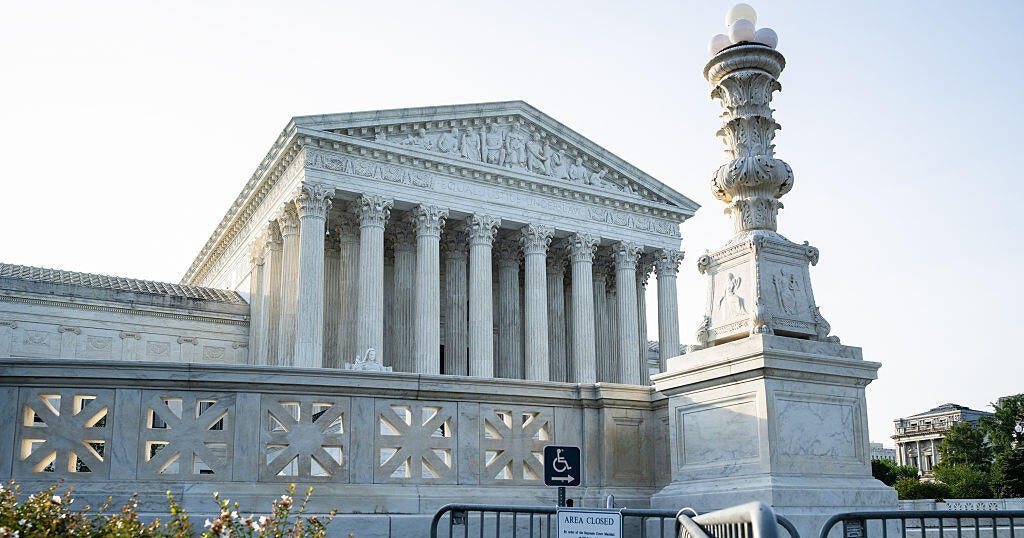
The US Supreme Court has ruled that nearly everyone born in the United States is automatically a citizen, rejecting President Donald Trump’s effort to end this rule. The decision supports the citizenship clause of the 14th Amendment, which grants citizenship to children born on US soil regardless of their parents’ legal status.
Key Facts
The Supreme Court confirmed that children born in the US to parents who are unlawfully or temporarily present are US citizens at birth.
Chief Justice John Roberts wrote the main opinion, joined by three liberal and one conservative justice.
President Trump issued an executive order to end birthright citizenship, but it was challenged in court as unconstitutional.
The American Civil Liberties Union and state attorneys general filed lawsuits against Trump’s order.
The 14th Amendment, adopted in 1868, guarantees citizenship to people born or naturalized in the US.
The Trump administration argued that “subject to the jurisdiction” means children of non-lawful residents should not be citizens.
The court rejected this interpretation, maintaining that birthright citizenship under the 14th Amendment remains valid.
The ruling overturns a key part of President Trump’s anti-immigration policy aimed at restricting citizenship automatically given at birth.
Read the Original
Want the full story? Tap a source to open the original
article.
The Supreme Court ruled against President Donald Trump’s order that limited birthright citizenship for children born in the U.S. to parents who are in the country illegally or temporarily. The Court confirmed that almost everyone born in the U.S. is a citizen based on the 14th Amendment and federal laws.
Key Facts
The Supreme Court upheld a broad interpretation of birthright citizenship.
President Trump had issued an order saying some children born in the U.S. should not get citizenship.
The Court based its decision on the 14th Amendment, which was adopted after the Civil War.
Federal laws also support the rule that most people born in the U.S. are citizens.
Lower courts had blocked President Trump’s order before it could take effect anywhere.
The decision means the order will not change current citizenship rules.
The ruling affects children born to parents who are in the U.S. illegally or temporarily.
Read the Original
Want the full story? Tap a source to open the original
article.
The US Supreme Court ruled that President Donald Trump's executive order to limit birthright citizenship is unconstitutional. This executive order sought to change a policy that has been in place for over 100 years.
Key Facts
The Supreme Court struck down President Trump's order on birthright citizenship.
The order aimed to stop granting automatic citizenship to children born in the US.
Birthright citizenship has been a US policy for more than a century.
The ruling means the current policy remains unchanged.
This decision affects immigration rules related to citizenship.
President Trump had pushed to limit who qualifies for US citizenship by birth.
The ruling is seen as a legal setback for President Trump’s immigration agenda.
The case was closely watched given its impact on US immigration policy.
Read the Original
Want the full story? Tap a source to open the original
article.
The U.S. Supreme Court ruled 6-3 against President Donald Trump’s executive order aimed at limiting birthright citizenship. The Court confirmed that the Constitution’s 14th Amendment guarantees citizenship to almost all children born in the country, rejecting the President’s attempt to change this rule by executive order.
Key Facts
The case, Trump v. Barbara, involved President Trump's 2025 order restricting birthright citizenship for children born to noncitizen parents.
The Supreme Court’s majority opinion was written by Chief Justice John Roberts and joined by Justices from both conservative and liberal wings.
The decision reaffirmed that the 14th Amendment grants citizenship to nearly all U.S.-born children, regardless of their parents’ immigration status.
The Court said changing citizenship rules requires a constitutional amendment, not just an executive order.
President Trump had expressed doubts that his policy would survive court challenges but said he would accept the ruling.
Lower courts had already blocked the policy before it reached the Supreme Court, calling it likely unconstitutional.
Justices Kavanaugh, Barrett, and others had varying opinions, with some concurring in part and others dissenting.
The ruling affects immigration policy and the status of hundreds of thousands of children born in the U.S. each year.
Read the Original
Want the full story? Tap a source to open the original
article.
The Supreme Court decided to remove federal limits on how much money political parties can spend when working with their candidates. This change allows party committees to spend unlimited funds alongside candidates, affecting future election campaigns.
Key Facts
The Supreme Court ruled 6-3 that spending limits on party coordination with candidates violate the First Amendment.
The decision overturns a 25-year-old rule that had set these limits.
This ruling lets party committees spend unlimited amounts with their candidates during campaigns.
The case was National Republican Senatorial Committee v. Federal Election Commission.
The ruling was supported by Justice Brett Kavanaugh and opposed by Justice Elena Kagan.
Supporters say the limits made parties weaker compared to outside groups like super PACs.
Critics worry this change could increase corruption by allowing big donors more influence.
The decision may make party committees more attractive to wealthy donors in close races.
Read the Original
Want the full story? Tap a source to open the original
article.
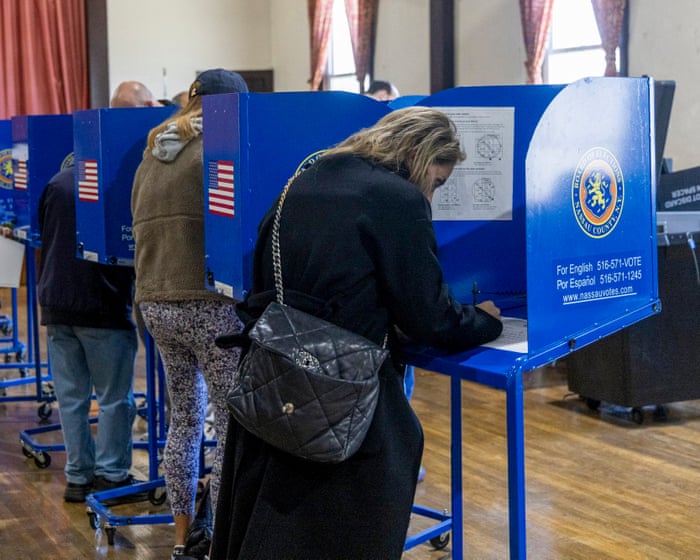
The U.S. Supreme Court ruled that federal limits on the amount of money political parties can spend with candidates for federal office violate the First Amendment. This decision removes long-standing restrictions on campaign spending, potentially increasing political spending before upcoming elections.
Key Facts
The Supreme Court made the ruling on June 25, 2026.
The ruling concerns limits on campaign spending coordinated between political parties and federal candidates.
The Court said these spending limits violate free speech rights under the First Amendment.
This decision overturns previous limits that had been in place for many years.
The ruling may lead to increased spending by political parties before the 2026 midterm elections.
The case affects federal elections, not state or local elections.
The decision is expected to impact how campaigns raise and use money going forward.
Read the Original
Want the full story? Tap a source to open the original
article.
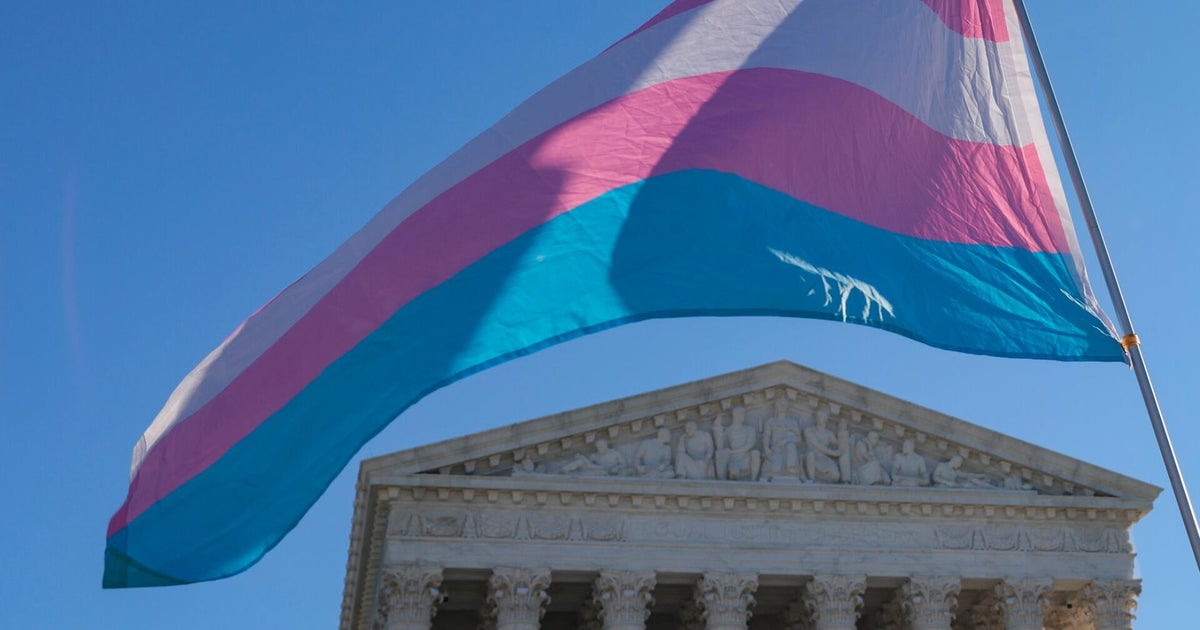
The U.S. Supreme Court agreed to allow states to enforce bans that stop transgender athletes from playing in girls' and women's sports. This ruling means states can decide not to let transgender girls and women compete in female sports teams.
Key Facts
The Supreme Court approved state laws banning transgender athletes from competing in girls' and women's sports.
The decision supports state rules that restrict transgender participation based on gender identity.
This ruling affects high school and college sports where these bans are in place.
The court did not overturn federal laws but allowed states to set their own policies.
The ruling was covered in a CBS News Special Report anchored by Tony Dokoupil.
This case is part of ongoing debates about transgender rights and sports participation in the U.S.
Read the Original
Want the full story? Tap a source to open the original
article.
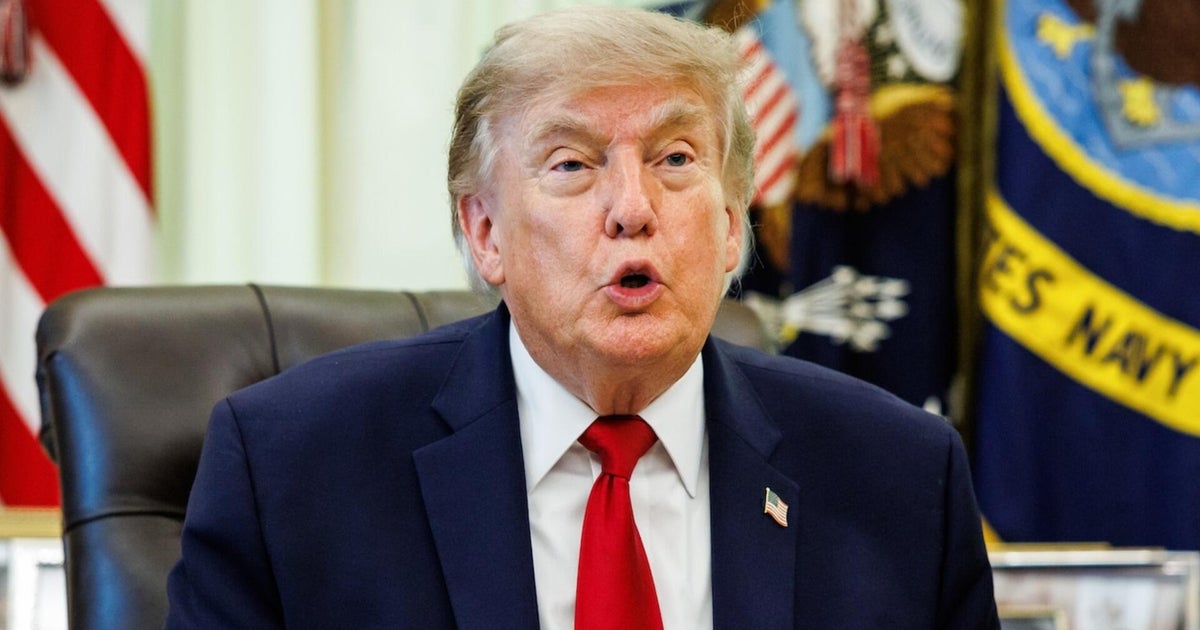
President Donald Trump called a bipartisan housing affordability bill "a big yawn" and expressed stronger support for the SAVE America Act. He made these comments while speaking to reporters in the Oval Office.
Key Facts
President Trump was expected to sign a bipartisan housing affordability bill last week.
He described that bill as unexciting compared to the SAVE America Act.
The SAVE America Act is a separate legislative proposal favored by President Trump.
Trump made these remarks during a press interaction in the Oval Office.
The bipartisan housing bill aims to address housing costs.
The SAVE America Act's details or goals were not explained in the article.
The article was reported by CBS News.
Read the Original
Want the full story? Tap a source to open the original
article.
Florida Governor Ron DeSantis said he will not actively support the property tax cut measure on the November ballot because it is different from his original plan. The ballot measure proposes raising the homestead exemption on property taxes but faces criticism from local leaders who worry about funding cuts for public services.
Key Facts
Governor DeSantis proposed increasing the homestead exemption from $50,000 to $250,000, aiming to almost eliminate property taxes for 60% of Florida residents.
DeSantis wanted a future exemption increase to $500,000 to nearly end property taxes entirely.
The ballot measure (Amendment 3) raises the homestead exemption to $150,000 in 2027 and $250,000 in 2028, without the $500,000 goal.
Amendment 3 lowers the yearly allowed increase in taxable value of non-homestead properties from 10% to 5%, except for school taxes.
The measure limits how local governments can spend property tax funds, focusing on core services like education and public safety.
DeSantis criticized the legislature’s version, saying it was not his original proposal.
Local officials oppose the measure, fearing it will reduce money for schools, infrastructure, and other public services.
Amendment 3 requires 60% voter approval to pass in November.
Read the Original
Want the full story? Tap a source to open the original
article.
The Supreme Court removed federal limits on how much political parties can spend when working together with candidates in congressional and presidential elections. This decision overturns a law that has been in place for over 50 years and was challenged by a Republican-led lawsuit.
Key Facts
The Supreme Court struck down limits on coordinated spending between political parties and candidates.
The removed law had limited party spending in federal elections for more than 50 years.
The case was brought by Republicans, including Vice President JD Vance.
Conservative justices formed the majority in this decision.
The Court’s 2010 Citizens United ruling had already allowed unlimited independent spending in elections.
The original spending limits aimed to stop donors from bypassing individual contribution caps by giving large sums to parties instead.
The ruling affects spending in federal congressional and presidential campaigns.
Read the Original
Want the full story? Tap a source to open the original
article.
Senator John Fetterman from Pennsylvania said he will open investment accounts for his three children under President Trump’s new program. Although his children do not qualify for the $1,000 starting funds from the Treasury, they can still receive money from parents, employers, and certain charity gifts through these “Trump accounts.”
Key Facts
Senator John Fetterman announced he will open Trump investment accounts for his three children.
His children do not qualify for the initial $1,000 seed funds provided by the Treasury.
The accounts can receive additional contributions from parents, employers, and approved charities.
The program is part of an investment initiative started by President Trump.
These accounts aim to help families build savings and investments for their children.
Read the Original
Want the full story? Tap a source to open the original
article.
The US Supreme Court has removed a limit on how much political parties can spend to support their candidates. This decision follows a legal challenge arguing that party spending limits are unnecessary given existing rules on outside groups called Super PACs.
Key Facts
The ruling struck down a lower court's limit on political party spending linked to candidates.
The case was brought by JD Vance, Steve Chabot, and Republican Senate and House committees against the Federal Election Commission (FEC).
The Supreme Court has previously eased restrictions on political spending in important cases like Citizens United (2010) and McCutcheon (2014).
Super PACs can spend unlimited money independently but cannot coordinate directly with candidates.
The plaintiffs argued that political parties should also be able to spend without limits to support their candidates fully.
The Trump administration supported the side seeking to remove spending limits on parties.
The FEC currently lacks a quorum and cannot take enforcement action.
Opponents of the ruling warn it may increase the risk of vote-buying and corruption in politics.
Read the Original
Want the full story? Tap a source to open the original
article.
The Supreme Court ruled that federal limits on how much political parties can spend in coordination with their candidates are unconstitutional. This decision supports Vice President Vance and the Republican Party, saying such limits violate free speech rights protected by the First Amendment.
Key Facts
The Supreme Court decided in a 6-3 vote.
The ruling affects federal rules on campaign spending by political parties.
The Court sided with Vice President Vance, a Republican.
The decision says spending limits violate the First Amendment, which protects free speech.
This case was part of an ongoing conflict between the two major U.S. political parties over campaign finance.
The ruling allows parties to spend more money directly with their candidates.
The issue centers on how money influences political campaigns and elections.
This decision could change rules for future campaign financing in the U.S.
Read the Original
Want the full story? Tap a source to open the original
article.
The U.S. Supreme Court ruled 6-3 to remove federal limits on how much political party committees can spend in coordination with federal candidates. The court said these limits violate the First Amendment right to free speech, allowing parties to spend more money together with their candidates in campaigns.
Key Facts
The case is National Republican Senatorial Committee v. Federal Election Commission.
The court’s conservative majority found that coordinated spending limits restrict political speech.
The decision affects spending rules on coordination between party committees and federal candidates.
Current limits set by Congress range from about $65,000 to $4 million depending on the office.
The Federal Election Campaign Act regulates these spending limits.
The case was brought by Republican candidates and committees arguing limits violate free speech.
The Federal Election Commission (FEC) and Democratic committees supported keeping the limits.
This ruling continues a trend of the Supreme Court striking down campaign finance restrictions since 2010.
Read the Original
Want the full story? Tap a source to open the original
article.
Dave Portnoy, the founder of Barstool Sports, said he is thinking about running for political office. He may run against New York City Mayor Zohran Mamdani, a Democrat. Portnoy previously said he didn’t want to join politics but now feels more action is needed.
Key Facts
Dave Portnoy founded Barstool Sports, a sports and pop culture company.
He is considering a political run, possibly against NYC Mayor Zohran Mamdani.
Mamdani is a member of the Democratic Party.
Portnoy told Fox News he once believed politics wasn’t his path.
He now thinks change might need to happen through political office.
No formal announcement of his candidacy has been made yet.
Read the Original
Want the full story? Tap a source to open the original
article.
Extreme heat waves are expected to affect cities across the United States this week. Dr. Reed Caldwell, an emergency doctor at NYU Langone Health, advises that drinking enough water is important to stay safe during very hot weather.
Key Facts
Cities across the U.S. will experience very high temperatures this week.
The heat waves may cause discomfort and health risks.
Drinking plenty of water helps prevent heat-related illness.
Dr. Reed Caldwell works at NYU Langone Health’s emergency center.
Staying hydrated is the main recommendation to survive extreme heat.
CBS News reported these tips to help people stay safe during the heat.
Read the Original
Want the full story? Tap a source to open the original
article.
Gasoline prices in the United States have started to fall, giving some relief to drivers after recent disruptions, but the decrease is slower than expected. President Donald Trump has ordered gas stations to lower their prices quickly and said the Justice Department will investigate claims that oil companies are keeping prices high unfairly.
Key Facts
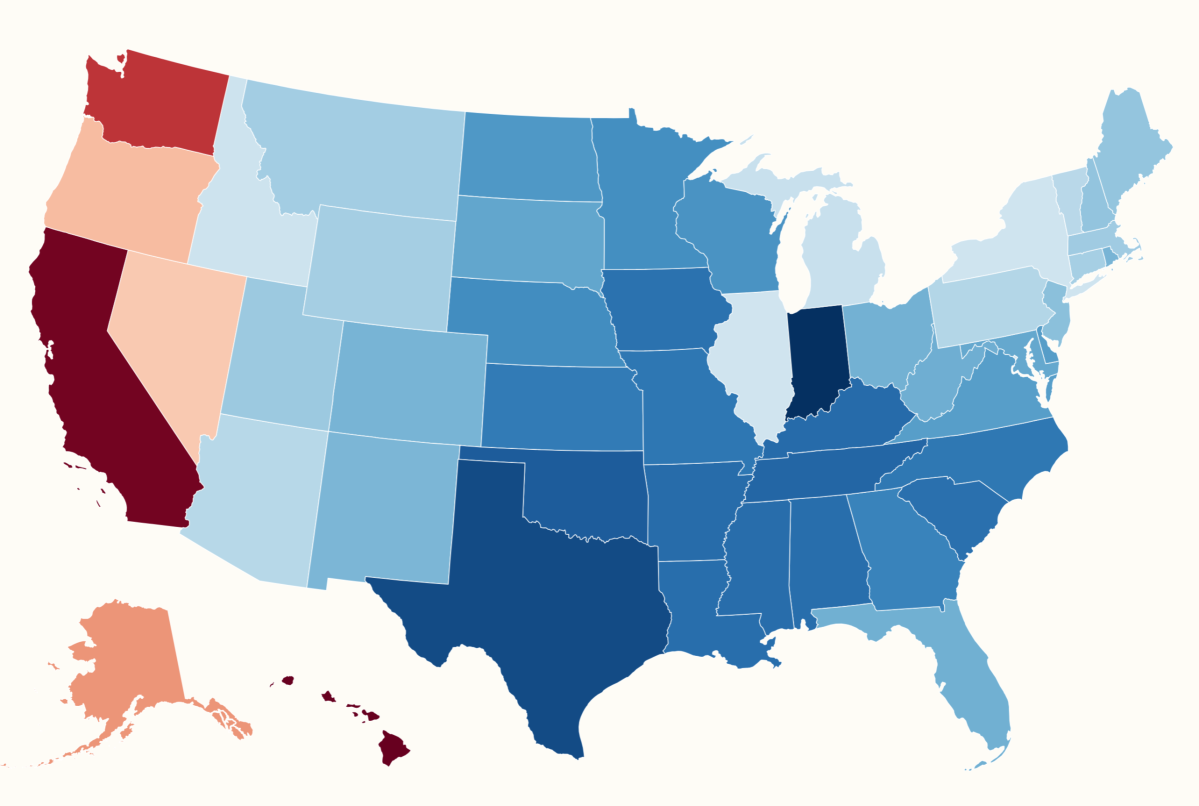
National average gas price dropped to $3.85 per gallon, down from $4.36 a month ago.
Indiana currently has the lowest gas prices in the U.S. at $3.18 per gallon.
Hawaii and California have the highest prices, at $5.47 and $5.43 per gallon respectively.
Gas prices vary widely by state due to taxes, demand, and proximity to refineries.
Recent increases in global oil prices followed supply disruptions caused by conflicts involving Iran.
President Trump accused oil companies of price gouging by not lowering pump prices in line with falling oil costs.
The Justice Department will investigate these price gouging claims.
California is increasing fuel taxes despite some states suspending theirs during the conflict period.
Read the Original
Want the full story? Tap a source to open the original
article.
The U.S. Supreme Court ruled that schools can restrict participation in girls' and women's sports based on biological sex, upholding bans on transgender athletes in Idaho and West Virginia. This decision supports laws in about 27 states that limit transgender athletes' participation and aligns with policies promoted by President Donald Trump's administration.
Key Facts
The Supreme Court ruled that schools may decide sports eligibility using biological sex, not gender identity.
The ruling involved two cases: Idaho’s and West Virginia’s bans on transgender girls playing on female sports teams.
Justice Brett Kavanaugh wrote the court’s opinion, joined by four conservative justices.
Some liberal justices dissented, expressing disagreement with parts of the ruling.
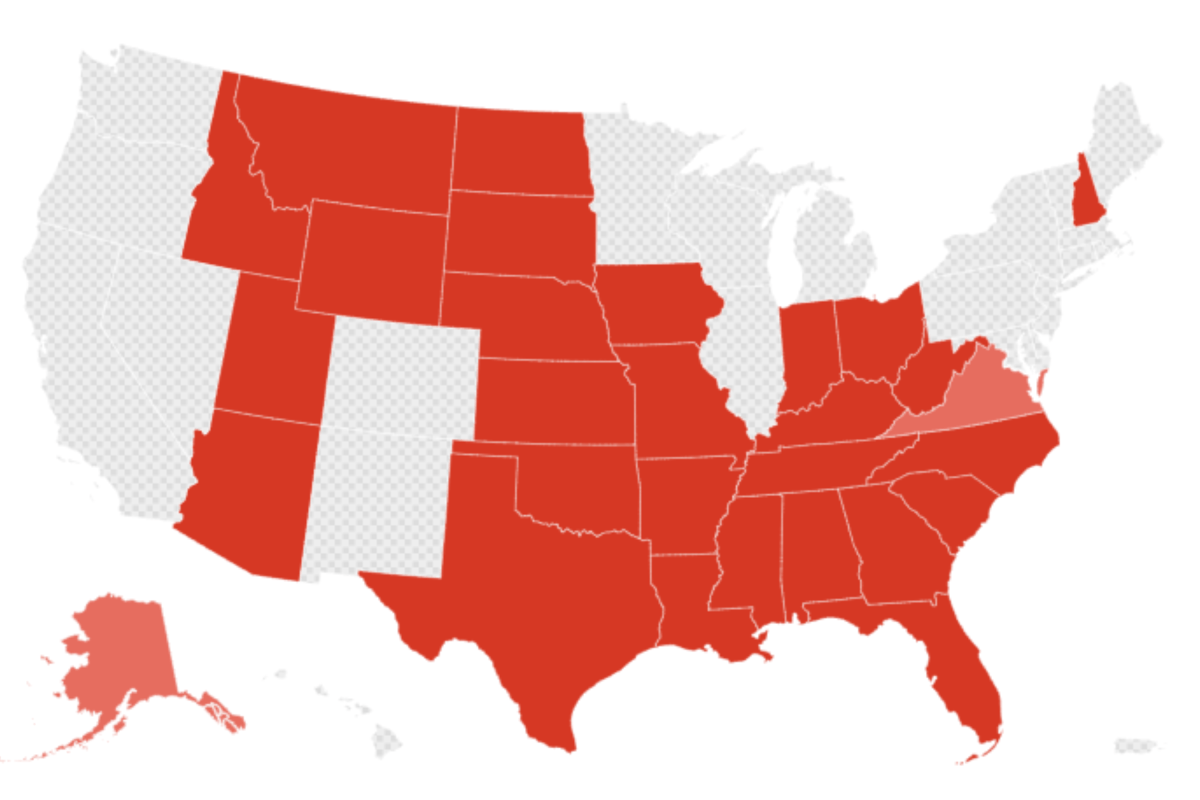
Around 27 states have laws restricting transgender athletes from competing on teams matching their gender identity.
President Trump signed an executive order stating gender identity cannot replace biological sex for legal purposes.
Supporters of the bans argue they protect fairness and safety in girls' sports.
Opponents say the bans unfairly discriminate against transgender athletes and harm their rights.
Read the Original
Want the full story? Tap a source to open the original
article.