Neutral summaries of your favorite news sources — just the facts.
Your favorite news sources, one neutral feed — we distill their reporting into fact-first
summaries and always link to the original story. How it works
US News
Latest developments and key stories from across the United States
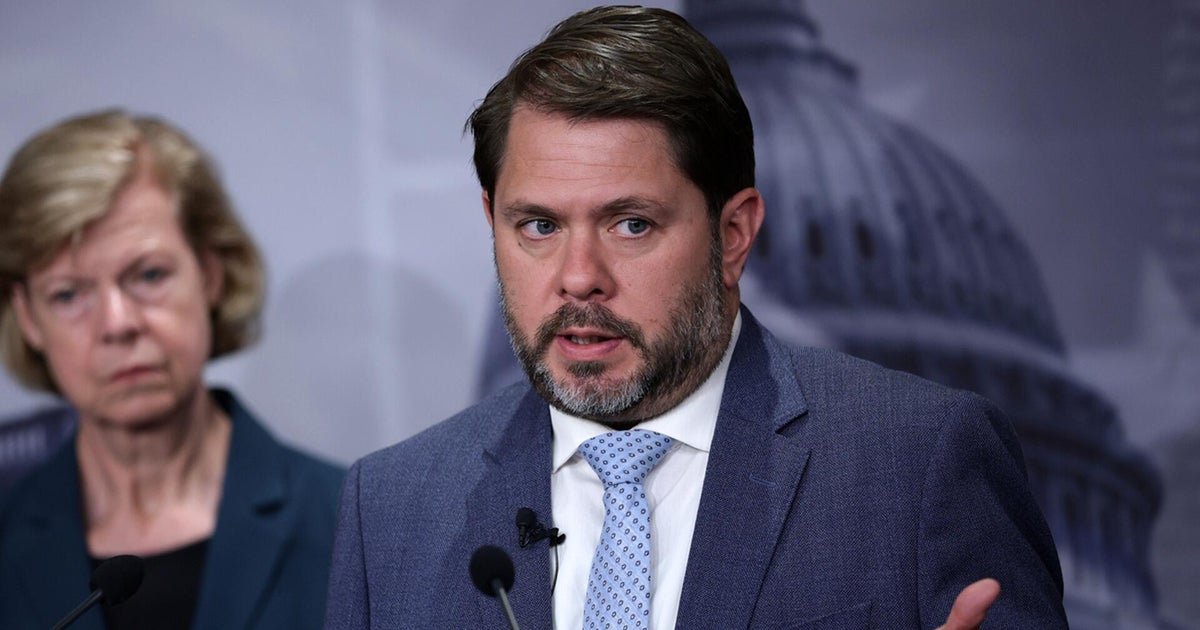
The U.S. Department of Justice (DOJ) has started an investigation into Senator Ruben Gallego's campaign finances. This means they are looking into the money related to his political campaign to check for any problems or illegal activity.
Key Facts
The DOJ is investigating Senator Ruben Gallego's campaign finances.
The investigation focuses on how campaign money was handled.
The news was reported by the media outlet NOTUS.
Oriana González and Julia Manchester discussed this story on the program "The Takeout."
Senator Ruben Gallego is a U.S. politician under scrutiny as part of this probe.
The investigation is part of the DOJ’s work to enforce campaign finance laws.
Read the Original
Want the full story? Tap a source to open the original
article.
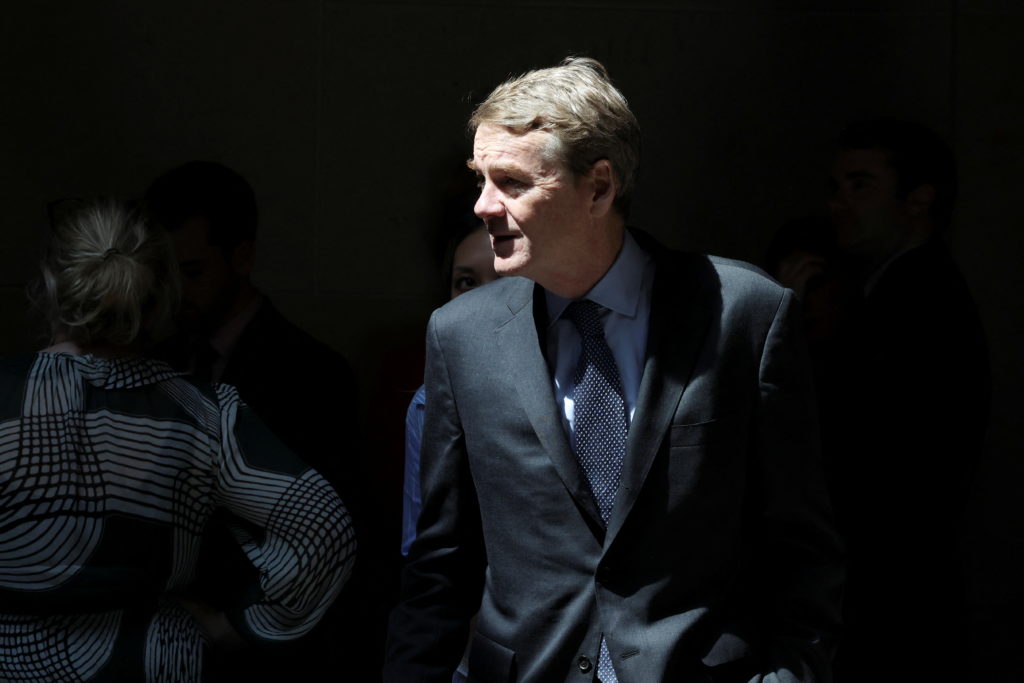
Colorado voters are choosing nominees in primary elections, including for governor and congressional seats. The Democratic race for governor is between U.S. Senator Michael Bennet and state Attorney General Phil Weiser to replace term-limited Governor Jared Polis.
Key Facts
Colorado is holding primary elections to pick candidates for governor, U.S. Senate, and U.S. House.
Jared Polis, the current Democratic governor, cannot run again because of term limits.
The Democratic governor’s race is between U.S. Senator Michael Bennet and Attorney General Phil Weiser.
The winner will represent the Democratic Party in the general election for governor.
President Donald Trump is actively involved in Colorado politics, with some seeing his actions as targeting the state and its leaders.
The outcome of the governor’s primary could affect the balance in the U.S. Senate.
Read the Original
Want the full story? Tap a source to open the original
article.
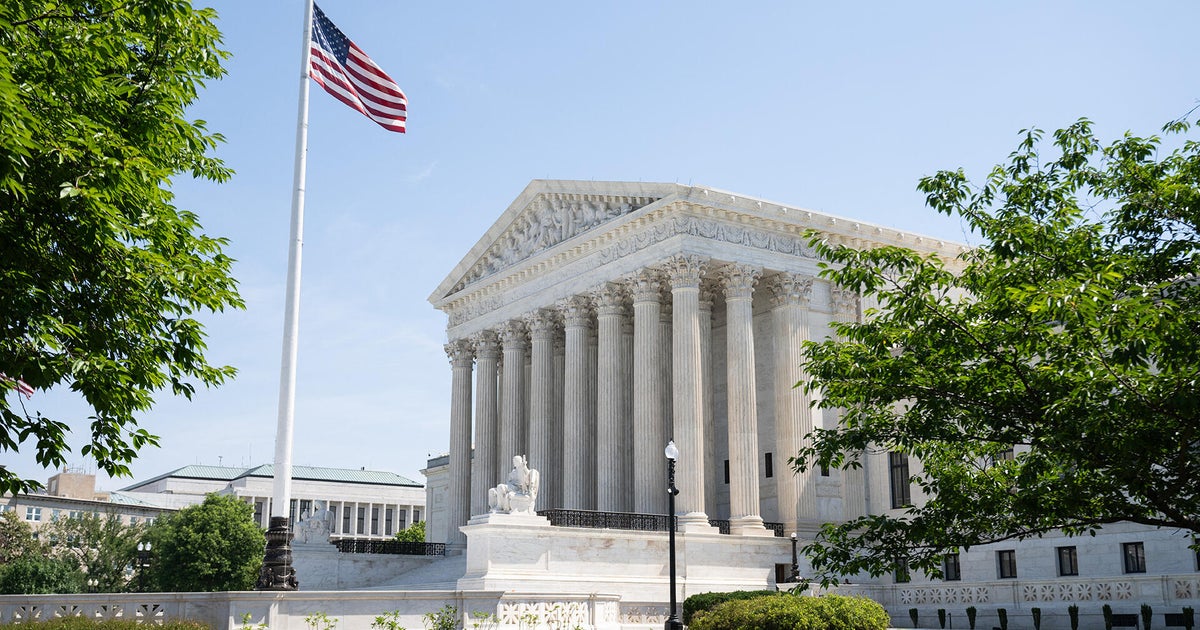
The Supreme Court made mixed decisions affecting President Trump. They allowed the president to remove leaders of independent agencies more easily but blocked a major policy of his that tried to limit mail-in voting.
Key Facts
The Supreme Court ruled that President Trump can fire leaders of independent government agencies.
This decision gives the president more control over these agencies.
The Court rejected part of President Trump’s plan to restrict mail-in voting.
Restricting mail-in voting was a key goal in President Trump’s political agenda.
The Court also made a separate ruling related to the Federal Reserve that affects President Trump.
These cases were heard and decided on the same day by the Supreme Court.
The rulings show a mix of support and opposition to President Trump’s policies.
Read the Original
Want the full story? Tap a source to open the original
article.
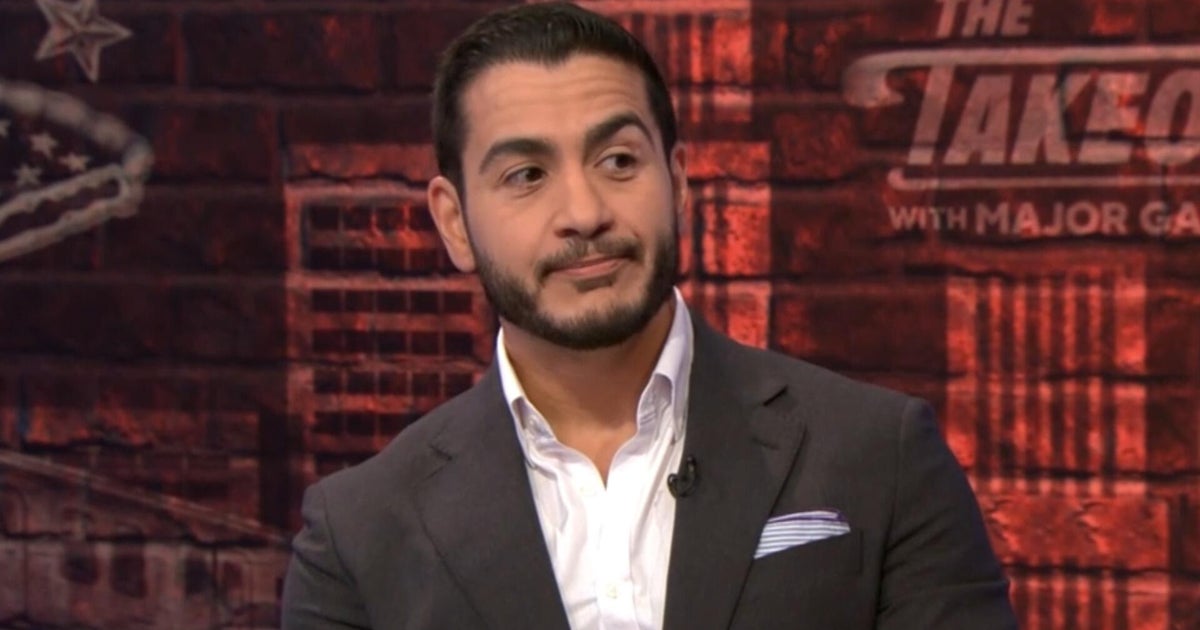
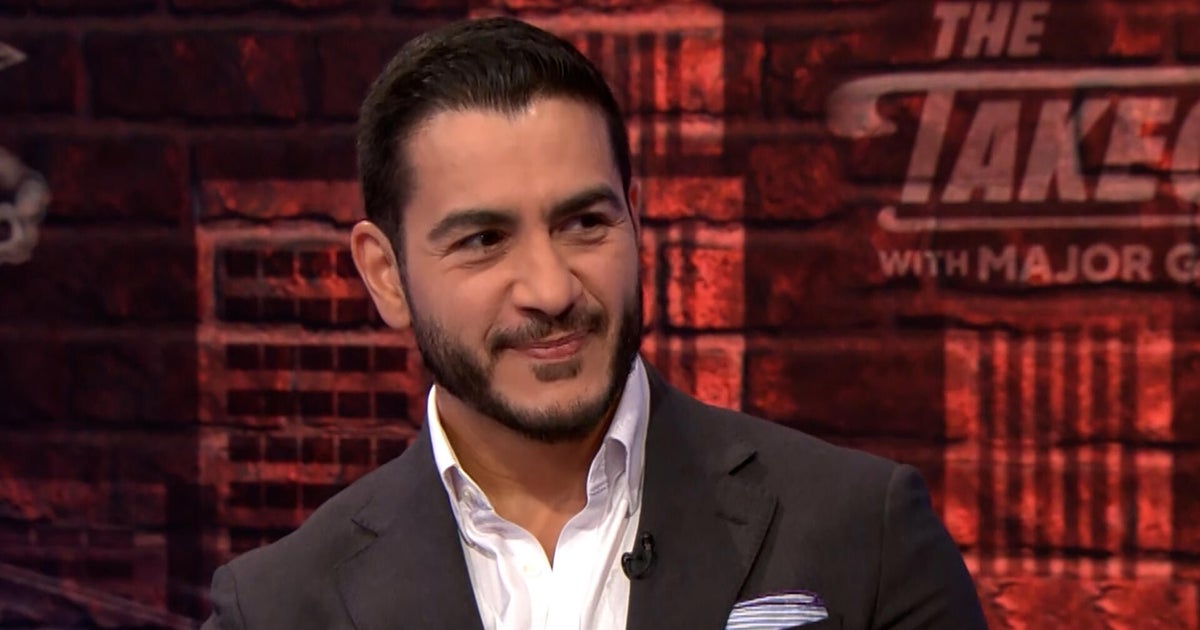
Dr. Abdul El-Sayed is running for the Democratic nomination for the U.S. Senate in Michigan. He spoke about police funding, the situation in Israel and Gaza, and his campaign goals during an interview on CBS News.
Key Facts
Dr. Abdul El-Sayed is a candidate for the U.S. Senate from Michigan.
He is competing with State Senator Mallory McMorrow and Representative Haley Stevens for the Democratic nomination.
El-Sayed discussed police funding, which relates to how money is allocated to law enforcement.
He also talked about the conflict involving Israel and Gaza.
The interview took place on a CBS News program called "The Takeout."
The discussion included topics important to voters in Michigan.
The article focuses on his current campaign and views, not past events.
Read the Original
Want the full story? Tap a source to open the original
article.
California state Senator and congressional candidate Scott Wiener left a pro-trans rights march after protesters criticized him about Gaza. Wiener, who is Jewish, said Israel's military actions in Gaza amounted to genocide.
Key Facts
Scott Wiener is a California state Senator and running for Congress.
He attended a pro-trans rights march recently.
At the march, some protesters criticized Wiener about the situation in Gaza.
Wiener is Jewish.
He believes Israel’s military actions in Gaza amount to genocide.
Because of the criticism, Wiener chose to leave the event.
Wiener spoke about the incident on CBS News’ program “The Takeout.”
Read the Original
Want the full story? Tap a source to open the original
article.
An Arizona sheriff responded to a recent email from Nancy Guthrie that reportedly included video footage of a suspect connected to an ongoing case. The sheriff’s office is involved in reviewing the new information.
Key Facts
An email was sent to TMZ from someone claiming to have video related to a suspect.
The case is being investigated by an Arizona sheriff’s office.
The email and video are considered new evidence in the investigation.
Nancy Guthrie is associated with the email in some way.
The sheriff acknowledged receiving this information.
Read the Original
Want the full story? Tap a source to open the original
article.
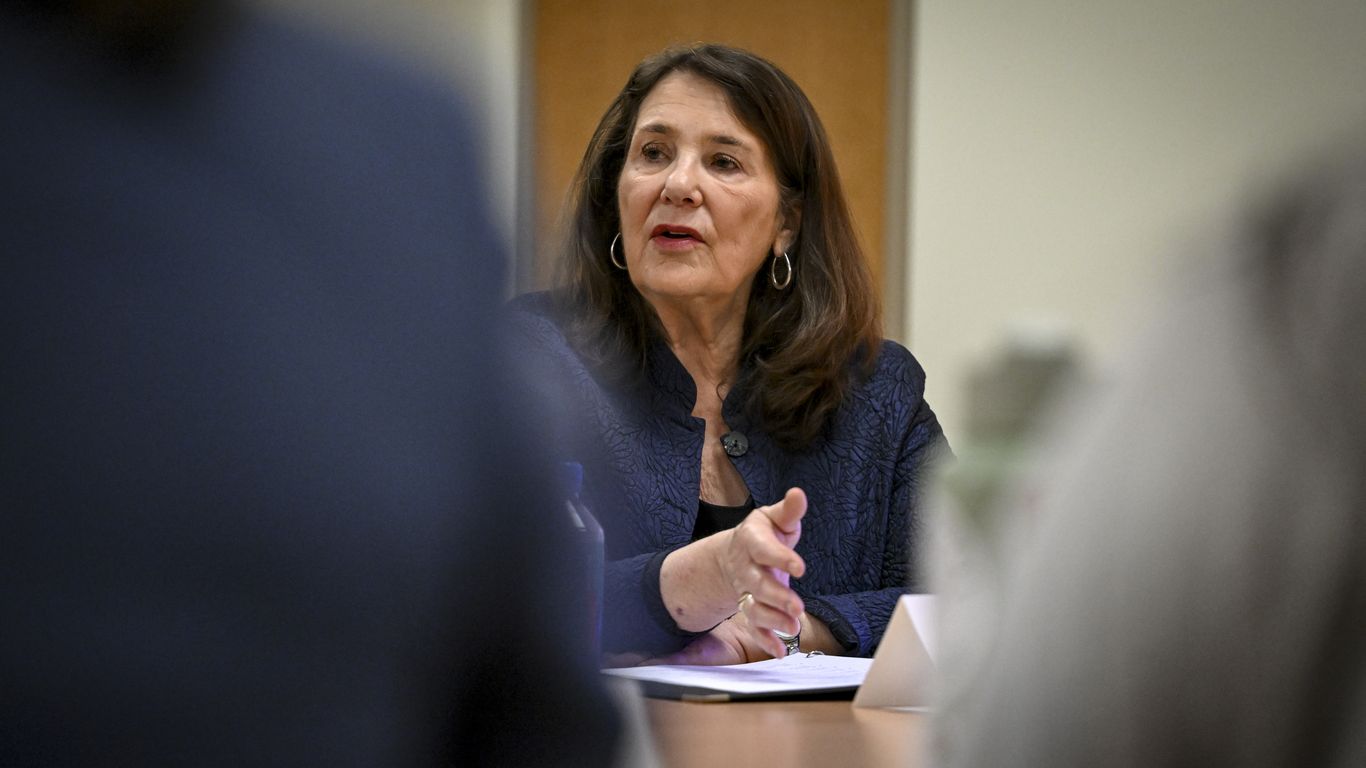
Democratic Representative Diana DeGette in Colorado is facing a strong primary challenge from Melat Kiros, a younger left-wing candidate supported by progressive groups. This race is seen as a test of whether recent anti-establishment wins in Democratic primaries represent a new trend or are isolated cases.
Key Facts
Diana DeGette has served as a U.S. Representative from Denver since 1997 and is part of the Congressional Progressive Caucus.
DeGette is challenged by Melat Kiros, a 29-year-old attorney and member of the Democratic Socialists of America.
Kiros is supported by Senator Bernie Sanders, Representative Ro Khanna, and several left-wing groups.
DeGette has endorsements from prominent progressive leaders and pro-abortion organizations.
Some Democrats believe DeGette might lose, viewing the race as a significant threat to established party members.
Outside groups have spent millions in the race, with pro-DeGette super PACs spending over $2 million combined.
Kiros’ campaign highlights DeGette’s corporate donations and pro-Israel votes as reasons to support change.
The primary outcome could indicate whether recent left-wing victories are a lasting shift inside the Democratic Party.
Read the Original
Want the full story? Tap a source to open the original
article.
The UK government plans to increase prison sentences by up to 10 years for people who kill a partner or ex-partner at home using a weapon. This change aims to better reflect the severity of domestic murders, especially those involving women as victims, and is part of a broader effort to reduce violence against women.
Key Facts
Currently, the starting prison sentence for murder with a weapon taken to the scene is 25 years.
Most domestic murders at home involve a weapon already present, leading to a lower 15-year starting sentence.
The Ministry of Justice wants to raise the starting sentence for domestic killings to close this 10-year gap.
More than 20% of all murders are domestic, with women being the main victims.
The rule change still protects victims of domestic abuse who kill their abusers by keeping the 15-year baseline in those cases.
The plan is being consulted on with the Sentencing Council and will be introduced soon.
Campaigners who lost daughters to domestic killings have supported this change.
The UK government aims to halve violence against women and girls within 10 years and calls it a national emergency.
Read the Original
Want the full story? Tap a source to open the original
article.
England and Wales will increase the minimum prison sentence for people who kill their current or former partners from 15 to 25 years. This change follows a campaign by victims’ families and aims to better reflect the harm caused by domestic murders.
Key Facts
The new minimum sentence for killing a current or ex-partner is 25 years in jail.
Previously, most domestic murders had a minimum sentence of 15 years.
The change responds to a campaign led by mothers of women who were murdered by partners.
About 70% of people killed in their homes are women.
The law change is part of efforts to reduce violence against women and girls.
The sentence increase does not apply when a victim kills their abuser.
Some groups want the law to cover killings by family members and “honour”-based abuse too.
The prison system may face more pressure due to longer sentences.
Read the Original
Want the full story? Tap a source to open the original
article.
A group of 25 states plus Washington, D.C., filed a lawsuit against the Trump administration. They challenge a new rule that changes Medicaid work requirement exemptions for people who are medically frail, saying it breaks laws set by Congress.
Key Facts
The lawsuit was filed in a federal court in Massachusetts.
It involves Medicaid, the government health insurance program for low-income people.
The rule changes how people who are medically frail can be exempt from work requirements to keep Medicaid.
The states claim the Centers for Medicare and Medicaid Services (CMS) did not follow congressional protections.
25 states and Washington, D.C., are part of the lawsuit.
The legal action focuses on the balance between federal rules and congressional intent for Medicaid exemptions.
Work requirements usually mean Medicaid recipients must work, look for work, or do community activities to keep benefits.
Medically frail refers to people with serious health problems that make work difficult or impossible.
Read the Original
Want the full story? Tap a source to open the original
article.
Bill Pulte, director of the Federal Housing Finance Agency, repeated his claims that Federal Reserve board member Lisa Cook committed mortgage fraud. This came after the Supreme Court stopped President Donald Trump from firing her immediately for this reason.
Key Facts
Bill Pulte is the director of the Federal Housing Finance Agency (FHFA).
Lisa Cook serves as a member of the Federal Reserve board.
Pulte accused Cook of mortgage fraud. Mortgage fraud means lying or cheating on home loan documents.
Pulte believes Cook will face formal charges (indictment) for this alleged fraud.
The Supreme Court ruled that President Donald Trump cannot fire Cook right away for cause.
This Supreme Court decision came before any formal charges or firing occurred.
The situation involves high-level government officials connected to housing and finance.
Read the Original
Want the full story? Tap a source to open the original
article.
Over 100 Venezuelans were deported from the United States to Caracas and held in a hotel when earthquakes hit Venezuela. Survivors say rescue efforts began quickly to find people trapped under the rubble.
Key Facts
A deportation flight from Miami to Caracas arrived hours before the earthquakes.
The flight carried 146 Venezuelans, including 19 women and 7 children.
Those deported were held in a hotel at the time of the earthquakes.
Rescue workers and survivors worked to find survivors and recover bodies from the rubble.
The deportation flight was tracked by ICE Flight Monitor, run by the group Human Rights First.
Read the Original
Want the full story? Tap a source to open the original
article.
The U.S. Supreme Court decided that mail-in ballots sent by Election Day can be counted even if they arrive after that day. Experts discussed how this decision affects the election process and voting rules.
Key Facts
The Supreme Court made a ruling about mail-in ballots on Monday.
Ballots must be cast by Election Day to be counted, even if they arrive late.
The decision clarifies rules about when mail-in votes can be included in election results.
David Becker, an election expert, provided analysis on CBS News.
The ruling impacts how states handle mail-in voting and election deadlines.
The decision aims to balance voter access and election integrity.
This case is part of ongoing discussions about voting rules in the U.S.
Read the Original
Want the full story? Tap a source to open the original
article.
A group of House Republicans is trying to repeal the 17th Amendment, which allows voters to elect U.S. senators directly. They want state legislatures to choose senators instead, arguing this would better protect state interests. This effort comes amid a disagreement between House and Senate Republicans over a voting-related bill called the SAVE Act.
Key Facts
The 17th Amendment, passed in 1912, lets voters directly elect U.S. senators.
Representative Keith Self and eight other House Republicans introduced a bill to repeal the 17th Amendment.
If repealed, state legislatures would select senators instead of voters.
Repealing a constitutional amendment requires approval by two-thirds of both the House and Senate and three-fourths of state legislatures.
This repeal effort faces low chances because it needs broad support, including from Democrats.
The effort is linked to frustrations over the Senate’s inaction on the SAVE Act, a bill about federal election rules.
Republicans currently control more state legislatures than Democrats (28 states vs. 18 states).
No constitutional amendment has been repealed except the 18th Amendment, which ended Prohibition.
Read the Original
Want the full story? Tap a source to open the original
article.
A heat wave is affecting the Midwest and spreading east across the United States, causing outdoor activities to be canceled and leading communities to open cooling centers. Temperatures and humidity are forecast to remain high through the week, with some areas expecting record heat later in the week.
Key Facts
The Midwest, including Iowa, is under an extreme heat warning through at least Tuesday.
Heat index values (how hot it feels) are expected to reach over 100 degrees Fahrenheit (about 38 degrees Celsius).
Cooling centers have opened in some places like Flint, Michigan, to help people stay safe.
Some outdoor events, including summer camps and a farmers market, were canceled or rescheduled because of the heat.
The University of Wisconsin-Madison closed many buildings due to limited air conditioning after a broken cooling plant water line.
The heat wave is expected to move east, affecting the Ohio Valley, Mid-Atlantic, and Northeast later in the week.
Meteorologists advise people to stay hydrated, use shade or air conditioning, and avoid the hottest parts of the day to prevent heat-related health problems.
Heat waves have also caused problems and deaths in Europe recently, highlighting the dangers of extreme heat.
Read the Original
Want the full story? Tap a source to open the original
article.
The Supreme Court made important rulings about when and how a U.S. president can fire government officials. CBS News legal expert Jan Crawford explained the court's decisions on the show "The Takeout."
Key Facts
The Supreme Court issued decisions about presidential firings.
These rulings clarify rules for how a president can remove certain officials.
Jan Crawford, CBS News chief legal correspondent, discussed the decisions.
The explanation was given on the CBS News program called "The Takeout."
The topic focuses on the powers of President Donald Trump related to firing officials.
The decisions impact how the government operates and the limits on presidential power.
The coverage is available on the CBS News app and website.
Read the Original
Want the full story? Tap a source to open the original
article.
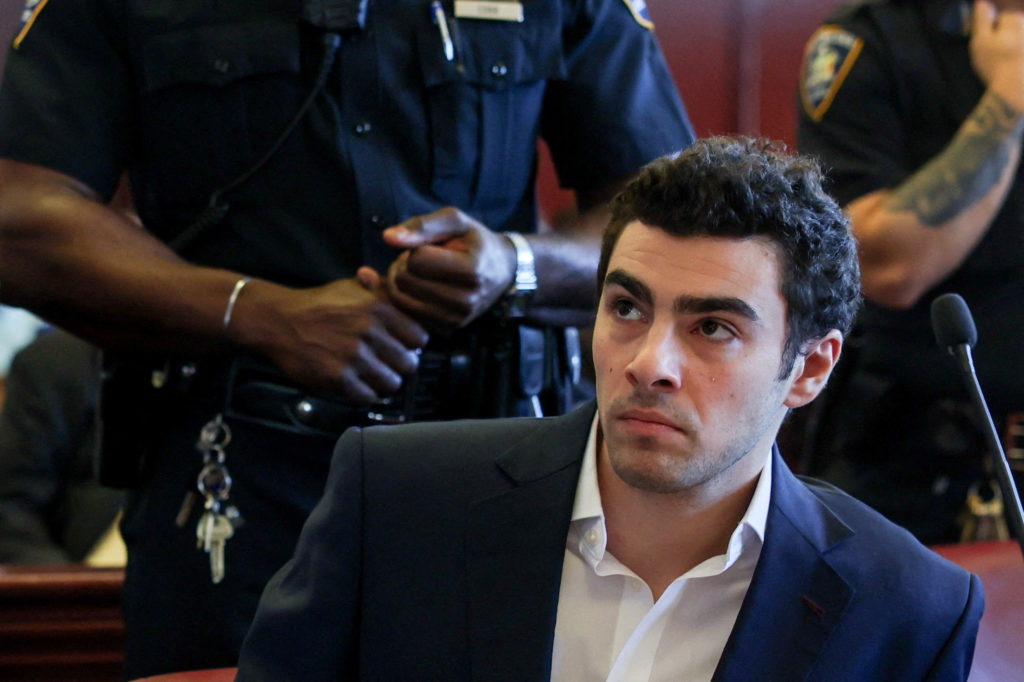
Luigi Mangione’s federal trial for the killing of UnitedHealthcare CEO Brian Thompson has been delayed until January. The delay was announced during a court hearing that started late because Mangione was stuck in an elevator. The judge postponed the federal trial to allow Mangione’s lawyers to focus on his state murder trial starting in September.
Key Facts
Luigi Mangione is accused in the killing of UnitedHealthcare CEO Brian Thompson.
His federal trial was scheduled for the fall but has been delayed until January.
The court hearing was delayed because Mangione got stuck in a courthouse elevator.
U.S. District Judge Margaret Garnett ordered the delay.
The federal trial was postponed so Mangione’s lawyers can prepare for his state murder trial.
The state murder trial is set to begin on September 8.
The case is taking place in New York.
Read the Original
Want the full story? Tap a source to open the original
article.
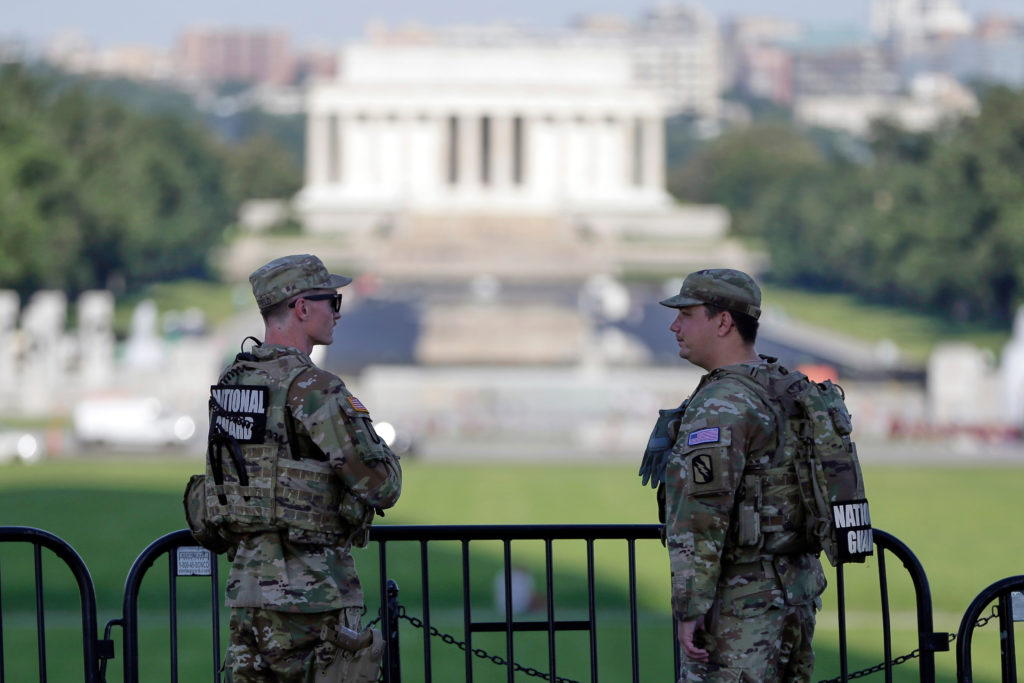
The District of Columbia agreed to pay $50,000 to settle a lawsuit from a man who said police wrongly detained him for playing the Darth Vader theme song on his phone while following an Ohio National Guard patrol. The man, Sam O'Hara, said he was protesting President Donald Trump's increase of federal law enforcement in the city.
Key Facts
Sam O'Hara filed a lawsuit against D.C., four police officers, and an Ohio National Guard member.
He played Darth Vader's "Star Wars" theme song on his cellphone while following a guard patrol.
O'Hara claimed this was a peaceful protest against President Trump's federal law enforcement actions in D.C.
Authorities detained him, which he said was illegal.
The District of Columbia agreed to pay $50,000 to settle the lawsuit.
The incident involved the Metropolitan Police Department and Ohio National Guard members.
The case highlights tensions related to federal law enforcement presence in Washington, D.C.
Read the Original
Want the full story? Tap a source to open the original
article.
Dr. Abdul El-Sayed, a candidate for the Democratic nomination for U.S. Senate in Michigan, gave an extended interview. He talked about topics such as artificial intelligence (AI), his previous statements on police funding, and issues related to Israel and Gaza.
Key Facts
Dr. Abdul El-Sayed is running to become the Democratic nominee for U.S. Senate in Michigan.
The interview was conducted by Major Garrett from CBS News.
Key discussion topics included artificial intelligence (AI).
Dr. El-Sayed addressed his past remarks on police funding.
He also talked about the situation involving Israel and Gaza.
The interview is available to watch on the CBS News app.
Read the Original
Want the full story? Tap a source to open the original
article.
On Monday, the U.S. Supreme Court made several important decisions. President Donald Trump said the United States and Iran would have talks on Tuesday, but Iranian officials denied these talks were planned.
Key Facts
The U.S. Supreme Court released key rulings on Monday.
President Donald Trump announced talks between the U.S. and Iran scheduled for Tuesday.
Iranian officials stated no talks with the U.S. were planned for that day.
The news was covered by CBS News on June 29.
The situation indicates ongoing complexities in U.S.-Iran relations.
The Supreme Court’s decisions and the diplomatic statements were main news points.
Read the Original
Want the full story? Tap a source to open the original
article.