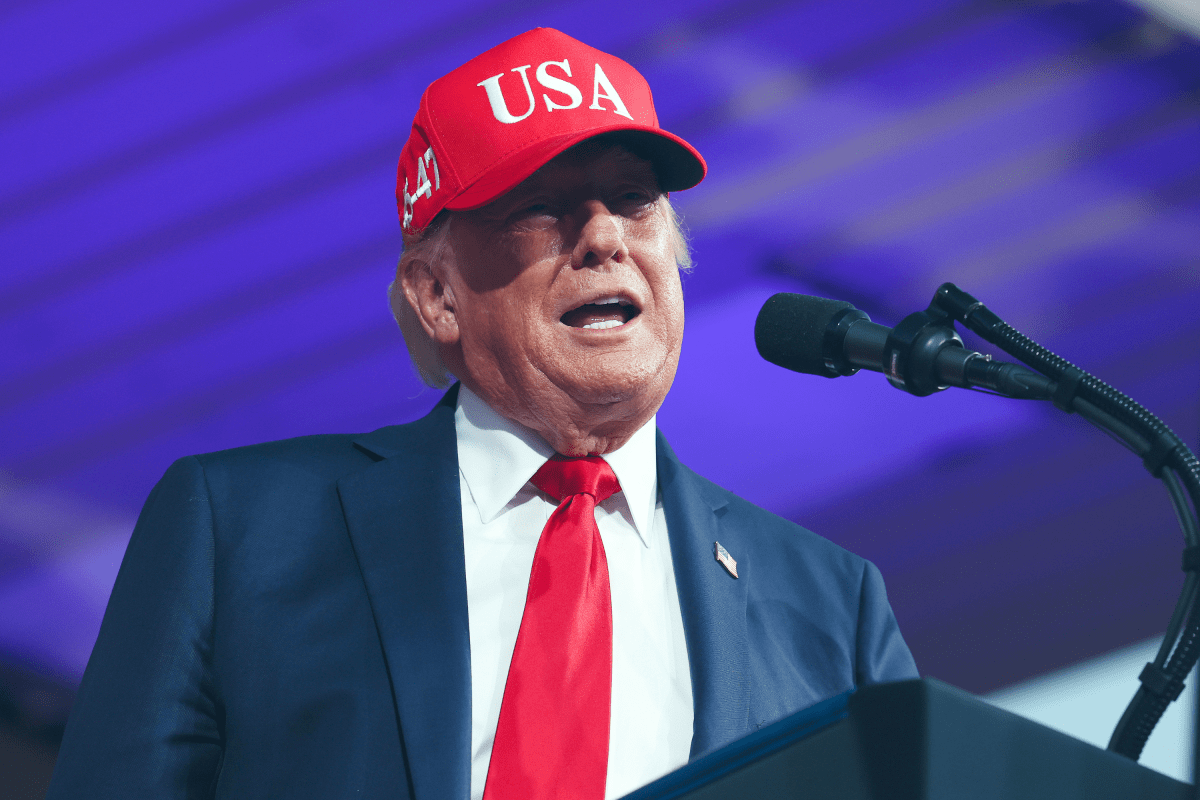
President Donald Trump’s approval rating among very conservative Americans dropped from 84% in July to 76% in September, based on a Marquette Law School Poll. Experts say this change may reflect concerns about issues like the Iran war and household financial pressures, but it is too early to say if it shows a lasting decline in support.
Key Facts
Trump’s approval among very conservative Americans fell by 8 points from July to September.
Overall, Trump’s approval in the September poll was 37%, with 63% disapproving.
The net approval rating (approval minus disapproval) for Trump dropped from -20 to -26 between the two polls.
Approval of Trump’s handling of inflation and living costs was only 19%, with the economy rated at 28%.
Inflation and cost of living were the top concerns for 37% of adults surveyed.
The Republican National Committee says conservative voter enthusiasm remains strong, citing increased reported voting likelihood.
Political scientists warn the subgroup sample size was small, so the change might be due to chance rather than a real shift.
Reduced motivation among very conservative voters could affect turnout in midterm elections, even if voters don’t switch parties.
Read the Original
Want the full story? Tap a source to open the original
article.
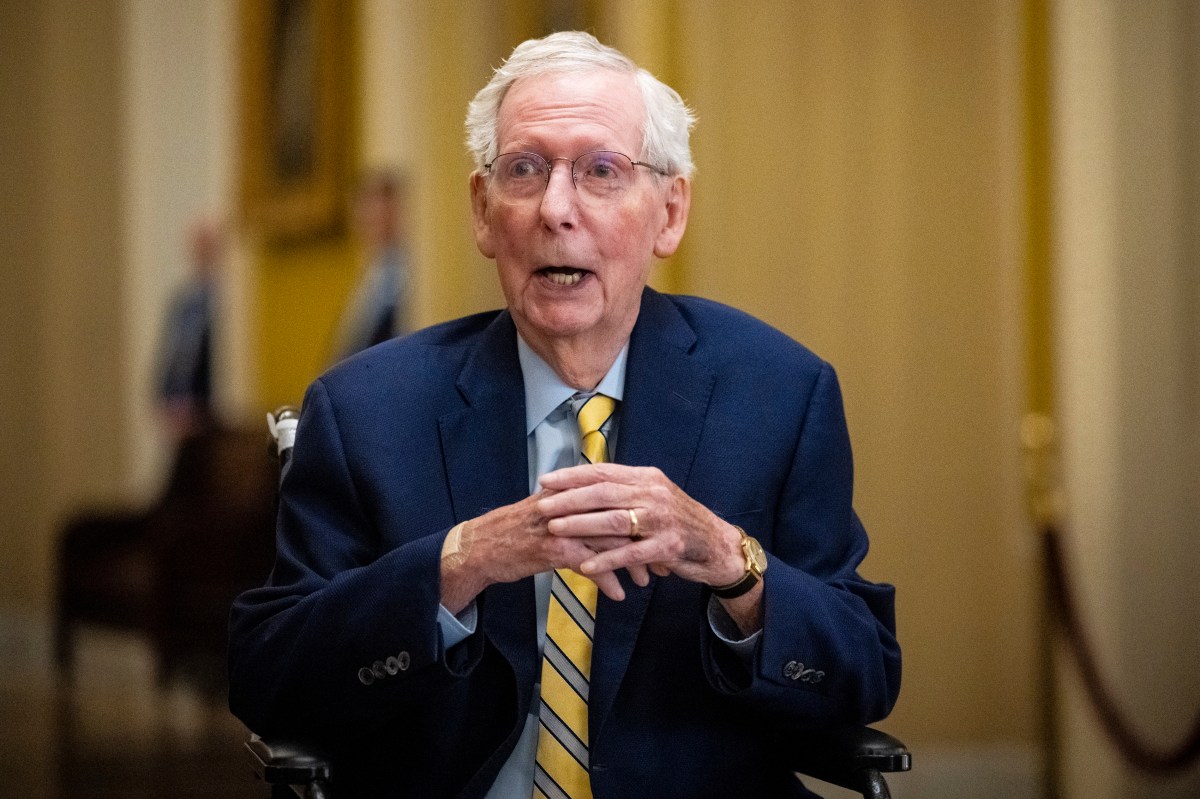
Senator Mitch McConnell returned to the Senate after about three months away due to a fall, hospitalization, and pneumonia. An expert said that McConnell's recovery is slower than usual because of the lasting effects of childhood polio, which can reduce strength and make healing harder as survivors get older.
Key Facts
Senator Mitch McConnell missed about three months from the Senate due to a fall, hospitalization, and pneumonia.
McConnell said his recovery is difficult partly because of polio he had as a child.
Polio can damage nerve cells that control muscles, and survivors often compensate for this damage when young.
As polio survivors age, their bodies may lose the ability to compensate for earlier nerve damage.
Some polio survivors develop post-polio syndrome, causing new muscle weakness and fatigue years later.
Falls are more dangerous for polio survivors because inactivity can cause quick loss of strength.
McConnell had several falls in recent years linked to his post-polio condition.
His recovery includes physical therapy to rebuild strength and avoid future falls.
Read the Original
Want the full story? Tap a source to open the original
article.
President Donald Trump announced that CNN, MS NOW, and Politico are banned from the White House. He said these media outlets spread false information. The ban has sparked criticism and could face legal challenges.
Key Facts
President Trump banned CNN, MS NOW, and Politico from White House access.
He accused these outlets of spreading "fake news."
The ban was announced on Friday, September 19, 2026.
Press freedom groups criticize the move as a threat to free journalism.
The ban may face legal challenges in courts.
President Trump has had a difficult relationship with many media organizations.
This action affects how these outlets report on the White House directly.
The announcement was reported by France 24 and related news agencies.
Read the Original
Want the full story? Tap a source to open the original
article.
President Donald Trump has banned CNN, MS NOW, and Politico from the White House, accusing them of spreading false news. The media outlets and press groups have criticized the ban, saying it violates the First Amendment that protects free press in the U.S.
Key Facts
President Trump announced on Truth Social that CNN, MS NOW, and Politico are banned from the White House “immediately.”
Trump accused these outlets of reporting “fake news” and writing negative stories about his administration.
CNN, Politico, and press organizations say the ban is illegal and an attack on press freedom protected by the First Amendment.
CNN spoke out in support of their White House reporters and emphasized their right to report without government interference.
Politico denied claims by Trump that it received government subsidies, calling those claims false.
The National Press Club and other groups said the ban is an attempt to control which media can report on the president.
White House journalists have special press passes that courts say cannot be revoked without fair reasons and proper process.
In 2018, CNN successfully challenged the White House when journalist Jim Acosta’s press pass was taken away without due process.
Read the Original
Want the full story? Tap a source to open the original
article.
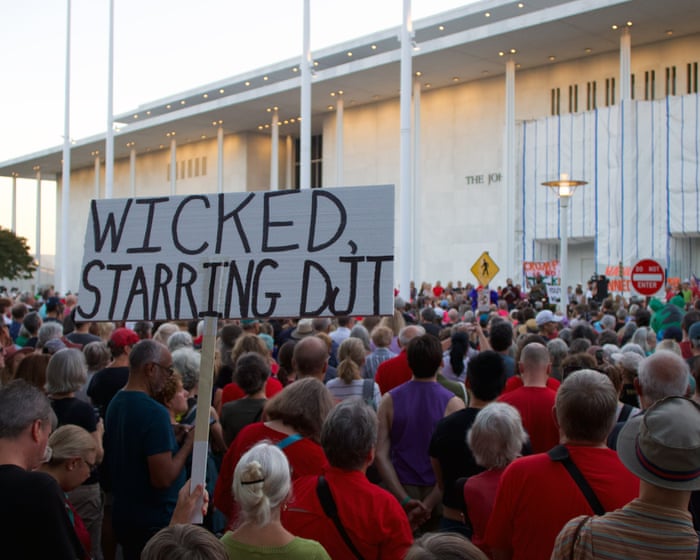
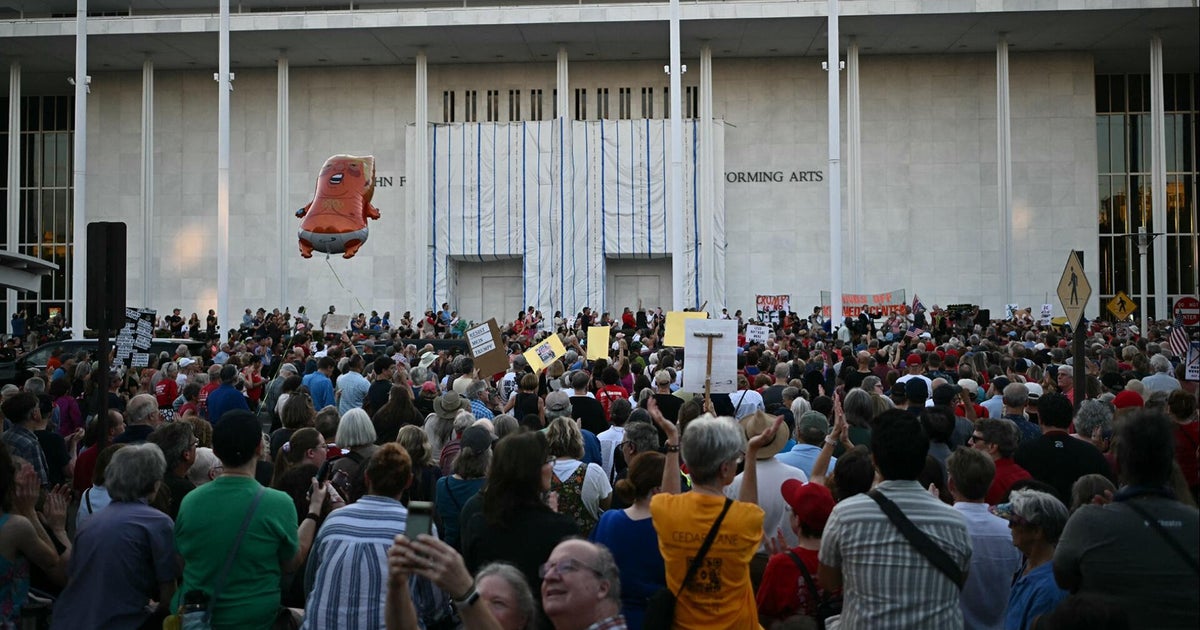
Protesters gathered outside the Kennedy Center in Washington after President Trump said he plans to close the building for renovations. He called the center a "dump" and threatened to tear it down if a judge does not approve adding his name to it.
Key Facts
President Trump plans to close the Kennedy Center for renovations.
He referred to the Kennedy Center as a "dump."
Trump wants to add his name to the Kennedy Center building.
He threatened to demolish the building if a judge does not approve his name being added.
Protesters gathered outside the Kennedy Center to oppose these plans.
The Kennedy Center is a major arts venue in Washington.
The controversy involves both the building’s future and President Trump’s name on it.
Read the Original
Want the full story? Tap a source to open the original
article.
President Donald Trump announced that he is banning the media outlets CNN, MSNBC, and Politico from the White House. He said these news organizations have reported false information, often called “fake news.” An expert from NewsGuard talked about what this means for the media’s ability to cover the White House.
Key Facts
President Trump is banning CNN, MSNBC, and Politico from the White House.
He accuses these outlets of spreading “fake news.”
The ban means reporters from these organizations cannot enter the White House to cover events or ask questions.
NewsGuard’s Executive Editor James Warren commented on how this affects press access.
The move raises concerns about how the White House will be covered by the media.
The term “fake news” is used by President Trump to criticize certain news reports he disagrees with.
Press access to the White House is important for transparent government coverage.
This action is an example of tensions between the President and some news organizations.
Read the Original
Want the full story? Tap a source to open the original
article.
A federal appeals court ruled that immigrants must be given clear notice and a chance to challenge deportation before being sent to a third country where they have no ties. This ruling blocks a Department of Homeland Security policy that allowed fast deportations to third countries without prior warning.
Key Facts
The U.S. Court of Appeals for the First Circuit made the decision.
The court overturned a DHS policy permitting quick deportations to third countries.
Immigrants must now be told in advance where they will be sent and can contest that removal.
The policy was often used when the U.S. had diplomatic agreements with countries like Liberia, Ghana, and the Central African Republic.
Some immigrants were reportedly not informed of their destination until during the flight.
The administration has spent nearly $50 million on agreements for these deportations.
Critics say some deported immigrants faced danger and mistreatment in the countries they were sent to.
The ruling protects immigrants' right to due process and international protections against persecution.
Read the Original
Want the full story? Tap a source to open the original
article.
Kerry Kennedy, niece of President John F. Kennedy, said people would return to the Kennedy Center if President Donald Trump stopped his plans to add his name to the building. President Trump is pushing for major renovations and to have his name added, but many oppose this, leading to protests around the center.
Key Facts
Kerry Kennedy criticized President Trump’s plan to put his name on the Kennedy Center.
Thousands protested outside the Kennedy Center to oppose the renaming and renovation plans.
President Trump claims the building needs major repairs and subsidies, justifying his involvement.
Congress approved $257 million for renovation, but Trump wants his name added before work proceeds.
The Kennedy Center board decided to close the main building but keep a smaller theater wing open.
A judge ruled the center must give 30 days notice before any major changes like demolition.
The Department of Justice warned the building could be demolished if not fixed.
The Kennedy Center is a living memorial to President John F. Kennedy since 1971.
Read the Original
Want the full story? Tap a source to open the original
article.
The NAACP and other civil rights groups have filed a lawsuit to stop the Trump administration from sending armed agents to U.S. polling places before the November midterm elections. The lawsuit targets several government agencies and officials, seeking to prevent this action.
Key Facts
The NAACP and other civil rights groups filed the lawsuit on Friday.
The lawsuit aims to block armed agents from being sent to polling stations.
The target date is ahead of the November midterm elections.
Agencies named in the lawsuit include the Department of Homeland Security (DHS), Immigration and Customs Enforcement (ICE), the Department of Justice (DOJ), and the FBI.
The lawsuit also names several Trump administration officials.
The organizations seek to prevent what they see as an intimidation effort at the polls.
Read the Original
Want the full story? Tap a source to open the original
article.
Thousands of people protested outside the Kennedy Center in Washington, D.C., because they are worried President Donald Trump might demolish the building. A judge has ordered the Kennedy Center to give 30 days’ notice before making any major changes, including demolition.
Key Facts
The Kennedy Center is a famous arts building on the Potomac River in Washington, D.C.
Thousands joined the “Hands Around the Kennedy Center” protest to oppose President Trump’s plans.
Trump began installing supporters on the Kennedy Center’s board in 2025 and later put his name on the building.
A judge ruled Trump’s name was added illegally and ordered it to be removed.
The Kennedy Center board, aligned with Trump, voted to close the center for repairs after the judge stopped them from returning Trump’s name.
A judge also ordered a 30-day notice before any major physical changes, like demolition, happen at the center.
Protesters reacted to a photo of Trump apparently looking at a demolition plan for the Kennedy Center.
President Trump said from the Oval Office he is working to save the center but did not answer a question about tearing it down.
Read the Original
Want the full story? Tap a source to open the original
article.
The U.S. government is proposing changes to hold parents responsible if their children commit crimes. These changes could involve parents losing benefits or, in rare cases, facing prison time, with judges deciding the punishment.
Key Facts
Youth Justice Minister Jake Richards said parents should be accountable to help keep communities safe.
The government plans to strengthen Parenting Orders, which now require parents to attend counseling or pay fines.
Prison sentences for parents would only happen in extreme cases and would be decided by judges.
The new approach is described as "carrot-and-stick," meaning both rewards and penalties.
Critics say voluntary involvement of parents works better than punishments.
Courts already consider Parenting Orders for children under 16 and sometimes for 16- and 17-year-olds.
Use of Parenting Orders has dropped sharply, from over 1,000 in 2009/10 to just 33 in 2022/23.
These reforms follow a report that showed missed chances to prevent child murders in Southport due to parental and agency failures.
Read the Original
Want the full story? Tap a source to open the original
article.
The Pentagon says 18 US military members have died in the Iran war, but a report from The Washington Post cites six unnamed Pentagon officials who say the number is at least 22. The Pentagon has not explained the difference in numbers, and some officials have denied the report.
Key Facts
The Pentagon officially reports 18 US military deaths in the Iran war.
The Washington Post cites six unnamed Pentagon officials claiming the death toll is at least 22.
The Pentagon has not provided an explanation for this difference.
Pete Hegseth called the report "a complete lie."
The discrepancy concerns deaths during the ongoing Iran war.
The Washington Post is the source of the report about the higher death count.
The issue highlights a lack of clear communication about military casualties.
Read the Original
Want the full story? Tap a source to open the original
article.
Pennsylvania Governor Josh Shapiro responded to President Trump’s criticism calling him a “bad governor” after four people died from measles in Pennsylvania. Shapiro said that allowing measles, a disease once declared eliminated, to come back is the real incompetence.
Key Facts
Four people died from measles in Pennsylvania recently.
President Trump called Governor Shapiro a “bad governor” and “close to incompetent” because of the measles outbreak.
Governor Shapiro replied that letting measles return is the real incompetence.
Measles was declared eliminated in the U.S. in 2000.
Shapiro’s remarks were made on social media on Friday.
Read the Original
Want the full story? Tap a source to open the original
article.
A federal appeals court ruled that U.S. immigration officials must give detainees a fair chance to challenge being deported to countries they have no connection to. The ruling blocks the Trump administration’s policy that allowed deporting migrants to third countries with little or no notice.
Key Facts
The court said detainees must get clear notice and a chance to contest deportation to third countries.
The policy allowed deporting migrants far from their home countries, sometimes even to different continents.
This policy was introduced last year by the Department of Homeland Security (DHS).
The court mostly agreed with a lower court’s decision that said the policy violated legal rights.
Over 25,000 migrants have been deported under this policy, with about 80% sent to Mexico.
Some deportees were sent to countries in Africa like Liberia without prior notice or chance to challenge.
DHS said the policy is still in use since the court ruling is not yet in effect.
The ruling is likely to be appealed to the Supreme Court.
Read the Original
Want the full story? Tap a source to open the original
article.
A U.S. appeals court blocked President Trump's policy that allowed quick deportation of migrants to countries they are not from. The court ruled migrants must have a fair chance to raise safety concerns before being sent to third countries, although part of the policy was allowed to continue on procedural grounds.
Key Facts
The 1st U.S. Circuit Court of Appeals rejected the Trump administration’s third-country removal policy as unlawful.
The policy involved sending migrants to countries other than their home country without full legal process.
Migrants must be given a meaningful opportunity to raise concerns about their safety before deportation.
The case is part of a class-action lawsuit about migrants’ legal rights during deportation.
The court partly overturned earlier decisions regarding whether officials must first try deporting migrants to countries they have ties to.
The Trump administration plans to appeal the ruling, which could reach the Supreme Court.
Since March 2025, over 25,000 migrants were sent to at least 29 third countries, often Mexico.
The policy has faced legal challenges and criticism for risking migrants’ safety in dangerous countries.
Read the Original
Want the full story? Tap a source to open the original
article.
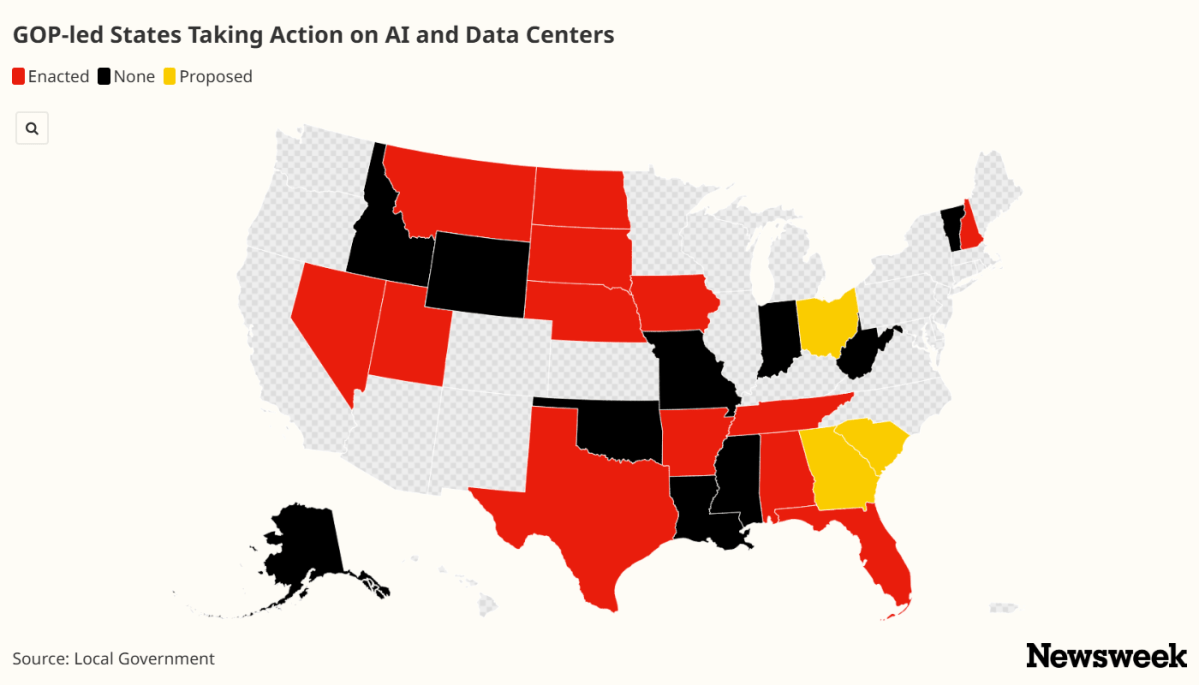
President Donald Trump wants the U.S. to quickly grow its artificial intelligence (AI) industry. However, Republican governors in some states are setting new rules for data centers, the places that power AI, because local communities worry about their impact on electricity, water, land, and taxes.
Key Facts
President Trump calls for fast development of AI to keep the U.S. ahead of China.
Some Republican-led states like Texas, Florida, Nevada, and Nebraska are imposing limits on data center construction.
Nevada's Governor Joe Lombardo recently added tighter rules on taxes, energy use, water, and community effects for data centers.
Many voters oppose building AI data centers near them because of concerns over electricity usage, water needs, and local costs.
A poll showed 61% of likely voters oppose new data centers, with opposition from Democrats, Republicans, and independents.
Opposition is more about the local effects of data centers than AI itself.
Republican governors are balancing Trump's push for AI growth with voters' worries about infrastructure cost.
AI and data centers are becoming local political issues ahead of the 2026 midterm elections.
Read the Original
Want the full story? Tap a source to open the original
article.
Protesters gathered outside the Kennedy Center in Washington, D.C., after President Donald Trump said he might demolish the building. The event drew media attention as people expressed their opinions about the president’s threat.
Key Facts
Protesters assembled near the Kennedy Center on a Friday evening.
President Donald Trump made a public threat to tear down the Kennedy Center.
The Kennedy Center is a major cultural venue in Washington, D.C.
The protest was covered by local news, including WUSA9.
The situation attracted both protesters and media reporting.
No official plans for demolition were confirmed beyond President Trump’s statement.
The event took place during President Trump’s current term in office.
Read the Original
Want the full story? Tap a source to open the original
article.
President Donald Trump signed a law that imposes strong sanctions on Russia because of its war against Ukraine. The law, supported by both parties in Congress, includes penalties on Russian leaders, banks, energy, and defense sectors, and allows tariffs on major buyers of Russian oil, like China and India.
Key Facts
The law is called the Lindsey O. Graham Sanctioning Russia and Iran Act of 2026, named after a late Republican senator.
It was co-written by Republican Senator Lindsey Graham and Democratic Senator Richard Blumenthal.
Sanctions target Russian President Vladimir Putin, officials, oligarchs, banks, energy, and defense sectors.
The law allows President Trump to impose tariffs of up to 100% on the top five buyers of Russian oil and gas.
China and India are the largest buyers of Russian oil and are most affected by the tariffs.
The bill also extends sanctions on Iran’s energy and weapons sectors.
The bill passed Congress with bipartisan support, including 58 Democrats voting in favor.
Ukrainian President Volodymyr Zelenskyy praised the law as a strong tool against Russia’s war efforts.
Read the Original
Want the full story? Tap a source to open the original
article.
Defense Secretary Pete Hegseth said he completely supports President Donald Trump’s decision to stop CNN, MS Now, and Politico from entering the White House. Hegseth agreed with the ban on these media outlets.
Key Facts
Defense Secretary Pete Hegseth expressed full support for President Trump’s ban on certain media outlets.
The media outlets banned from the White House are CNN, MS Now, and Politico.
The ban means these news organizations cannot enter or report from inside the White House.
President Trump made the decision to impose this ban.
This issue relates to the relationship between the White House and the press.
Read the Original
Want the full story? Tap a source to open the original
article.
Senator Josh Hawley invited the leaders of several companies that make AI-powered surveillance cameras to speak before a Senate Judiciary subcommittee. The hearing will focus on crime and counterterrorism issues related to these technologies.
Key Facts
Sen. Josh Hawley is the chair of the Senate Judiciary Subcommittee on Crime and Counterterrorism.
Hawley invited CEOs from Flock Safety, Axon, Motorola, and Verkada to testify.
These companies produce surveillance cameras that use artificial intelligence (AI).
The testimony will take place next week in the Senate.
The focus is on how these AI surveillance cameras relate to crime fighting and counterterrorism efforts.
Hawley announced the invitation through his social media channels.
Read the Original
Want the full story? Tap a source to open the original
article.