Neutral summaries of your favorite news sources — just the facts.
Your favorite news sources, one neutral feed — we distill their reporting into fact-first
summaries and always link to the original story. How it works
US News
Latest developments and key stories from across the United States
A recent poll shows that the Texas Senate race is very close between Democrat James Talarico and Republican Attorney General Ken Paxton. Both candidates have about 47% support from likely voters in Texas.
Key Facts
The race is for a U.S. Senate seat representing Texas.
James Talarico is a Texas state representative and a Democrat.
Ken Paxton is the Texas Attorney General and a Republican.
A New York Times/Siena poll conducted recently shows both candidates tied at 47%.
The poll reflects the opinions of likely voters, people expected to vote.
The result indicates a highly competitive and uncertain race.
Read the Original
Want the full story? Tap a source to open the original
article.
A recent CBS News poll explored how Americans feel about political disagreements, love for their country, and the idea of the American Dream. The poll data was explained by CBS News' expert on elections and surveys, Anthony Salvanto.
Key Facts
The poll focused on views about political division in the U.S.
It measured how people feel about patriotism or love for the country.
The poll also asked questions about the American Dream, the idea that anyone can succeed through hard work.
Anthony Salvanto, CBS News' director for elections and surveys, discussed the poll results.
The information was shared on CBS Morning News and available in the CBS News app.
The poll reflects current public opinions across different topics related to American society.
Read the Original
Want the full story? Tap a source to open the original
article.
Historical re-enactors, also known as living historians, dress in period clothing and demonstrate life from the American Revolutionary War to educate communities. As the U.S. celebrates its 250th anniversary, these groups continue their work locally across the country, showing battle formations, historic trades, and daily life from the 18th century.
Key Facts
Joe Ryan, now 80, started using muskets made by students to teach Revolutionary War history over 50 years ago.
Living historians wear period clothes and use authentic tools to bring history to life for their communities.
The 250th U.S. anniversary celebrations are mainly focused on local events rather than national, large-scale programs.
Sherry Emershaw leads the 24th Connecticut militia regiment and noted increased participation, including women portraying soldiers.
Most reenactment groups are in the eastern and mid-Atlantic U.S., where many battles occurred, but some groups like Spirit of 76 in Washington state portray broader 18th century life.
Re-enactors often began their interest in history as children inspired by visits to historic sites like Valley Forge.
Living historians aim to educate the public every day, not just during anniversaries or special occasions.
Read the Original
Want the full story? Tap a source to open the original
article.
The article informs readers that the newsletter "Movement" will join "The Hill Insider," a new paid digital subscription service starting in July 2026. Subscribers will receive political news and policy updates with extra features like live editor calls and exclusive reports.
Key Facts
The newsletter "Movement" will become part of "The Hill Insider" in July 2026.
"The Hill Insider" is a new premium (paid) digital subscription.
Subscribers will get weekly briefings on politics and policy.
Additional benefits include live calls with editors.
Subscribers will have access to exclusive analysis and direct communication with reporters.
The service focuses on covering political events happening in Washington, D.C.
Read the Original
Want the full story? Tap a source to open the original
article.
The article discusses the outcome of a recent election in Georgia and suggests that voters continue to make their own decisions. It challenges the idea that President Trump's influence is decreasing based on the election results.
Key Facts
An election recently took place in Georgia.
Some commentators said the results showed President Trump's influence is fading.
The article argues that the results show voters think independently.
It implies that voters are not simply following political leaders without their own judgment.
The focus is on voter behavior in the state of Georgia.
Read the Original
Want the full story? Tap a source to open the original
article.
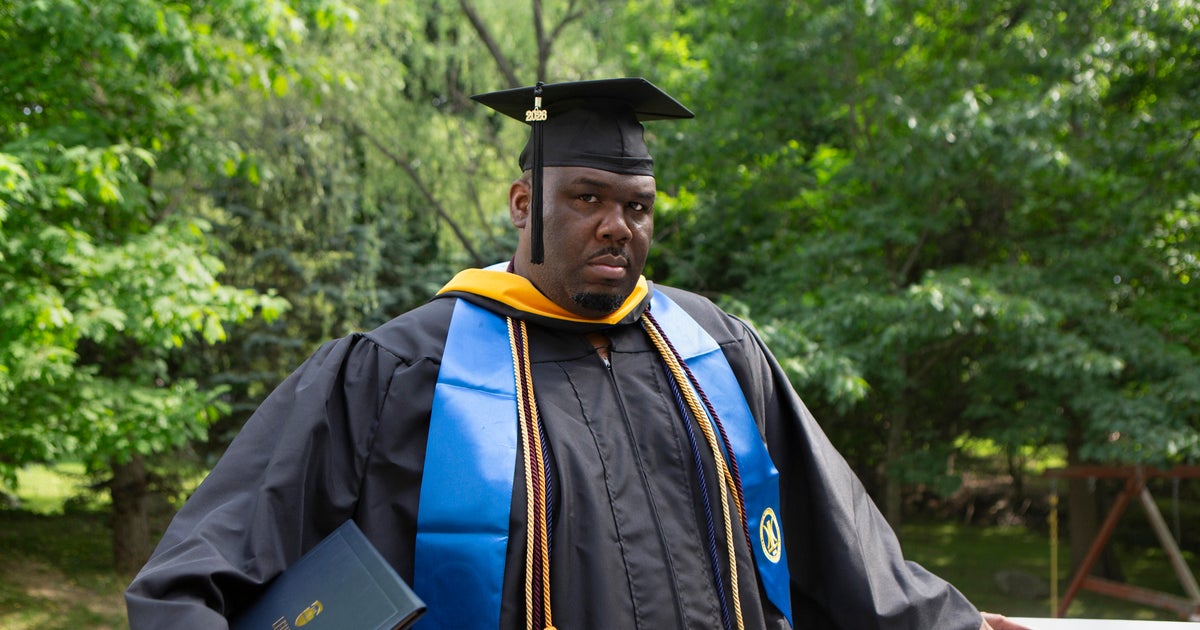
Benjamin Pinckney, who wants to become a physician assistant, faces new limits on federal student loans starting July 1, 2024. These loan caps may force him to borrow from private lenders with higher interest rates and fewer options, making it harder for many graduate students to pay for school.
Key Facts
Benjamin Pinckney was inspired to become a physician assistant after being treated for gunshot wounds.
He recently earned a Bachelor of Science degree and plans to apply to physician assistant school.
New federal student loan rules, part of a law signed by President Trump, limit how much graduate students can borrow.
The loan caps are $200,000 total for professional degrees (with a $50,000 yearly limit) and $100,000 total for other graduate degrees.
Critics say the new limits are too low to cover tuition, housing, and living expenses, pushing students toward private loans.
A federal judge temporarily blocked enforcement of the government’s definition of "professional degree" under the new law.
Experts worry these loan limits could reduce diversity in healthcare and worsen shortages in rural and primary care fields.
The cost of attending medical school often exceeds the federal loan caps, with median costs near $300,000 for public and $400,000 for private schools.
Read the Original
Want the full story? Tap a source to open the original
article.
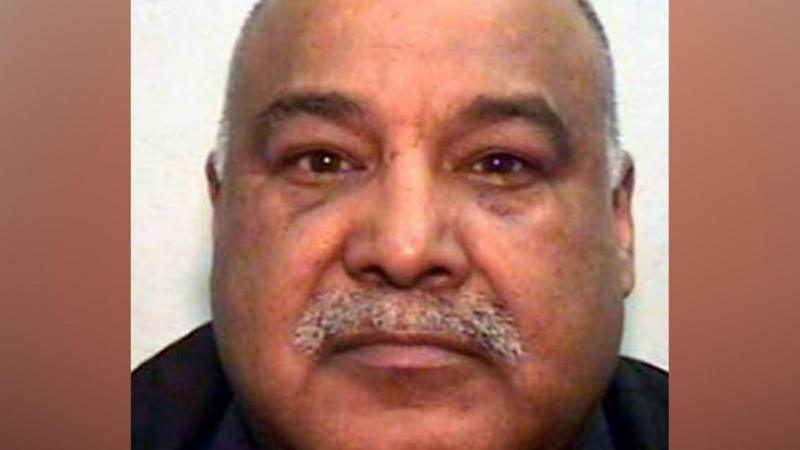
Shabir Ahmed, the leader of a gang that abused girls in Rochdale, will be released from prison but cannot be deported to Pakistan due to UK immigration laws. He will live under strict supervision and must follow rules to protect the public.
Key Facts
Shabir Ahmed was convicted in 2012 for multiple rapes and sexual offenses against girls as young as 12.
He had dual British-Pakistani citizenship but was stripped of British citizenship after his conviction.
Ahmed cannot be deported because UK law prevents removal of people who arrived before 1973 and lived in the UK for at least five years.
He will be released from prison with strict rules, including living in supervised housing 24/7 and staying away from Rochdale.
The gang abused girls by giving them drugs and alcohol, then forcing them into sexual exploitation.
Police and local authorities failed to act properly despite warnings about the gang.
Other gang members fought deportation by claiming human rights protections in court, with mixed legal outcomes.
The Home Office called Ahmed’s crimes "horrific" and said violations of his release conditions would lead to immediate re-imprisonment.
Read the Original
Want the full story? Tap a source to open the original
article.
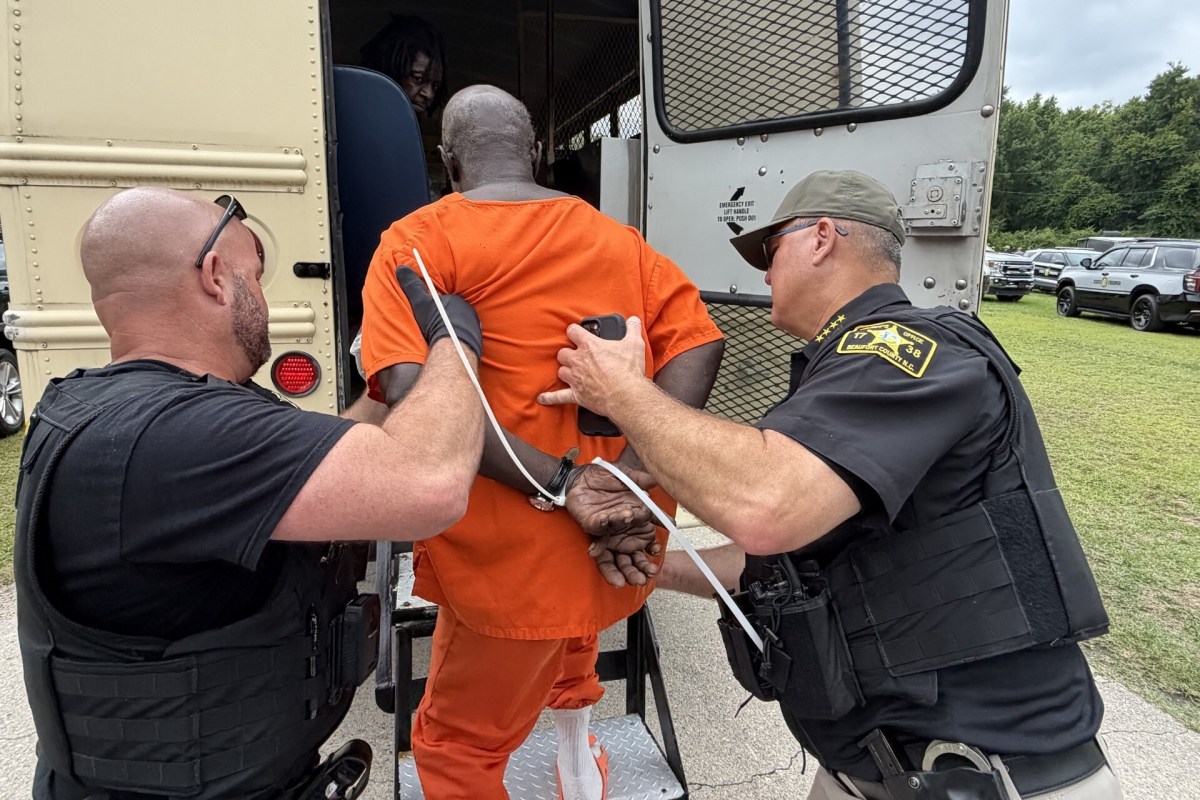
In North Carolina, inmates at the Bertie-Martin Regional Detention Center took control of parts of the jail, holding two guards hostage before the situation was resolved safely. The takeover highlights ongoing problems with prison staffing shortages, which have made it harder to run jails and prisons safely across the United States.
Key Facts
The incident happened early on a Monday morning in Windsor, North Carolina.
88 inmates and 3 guards were inside when the disturbance started.
Two guards were taken hostage; one guard escaped.
After negotiations, 18 inmates and both hostages were safely released.
All inmates and staff are now safe; some received medical treatment for injuries.
Staffing shortages are a major problem, with some North Carolina prisons having up to 50% of correctional officer jobs unfilled.
A 2023 federal report said 21% of federal prison officer jobs were vacant, forcing non-security staff to help guard inmates.
Officials say staffing shortages cause burnout, inmate tensions, violence, and reduced access to services like healthcare.
Read the Original
Want the full story? Tap a source to open the original
article.
A new poll shows Democratic state Representative James Talarico and Republican Attorney General Ken Paxton tied at 47 percent each in the race for U.S. Senate in Texas. This poll, conducted by the New York Times and Siena College, is known for its accuracy and suggests the race could be very competitive.
Key Facts
James Talarico is a Democratic state Representative running for U.S. Senate in Texas.
Ken Paxton is the Republican Attorney General of Texas and Talarico’s opponent.
A New York Times/Siena College poll shows both candidates tied at 47 percent.
This polling partnership was rated the most accurate in 2024 by FiveThirtyEight.
Texas has historically favored Republicans in statewide elections.
The poll results increase Democratic hopes of winning a Senate seat in Texas in 2026.
Polls are not final results but are closely watched by political analysts and strategists.
The race is seen as a major test of whether Democrats can compete in Texas.
Read the Original
Want the full story? Tap a source to open the original
article.
Graham Platner won the Democratic primary in Maine with 72 percent of the vote. National Democrats plan to support him with resources to help win back control of the U.S. House and Senate, instead of removing him from the race.
Key Facts
Graham Platner won the Democratic primary in Maine.
He received 72 percent of the vote.
Platner has a controversial past.
National Democrats want to focus on winning back the House and Senate.
They plan to support Platner with resources for the general election.
There is no plan to remove Platner from the race.
Read the Original
Want the full story? Tap a source to open the original
article.
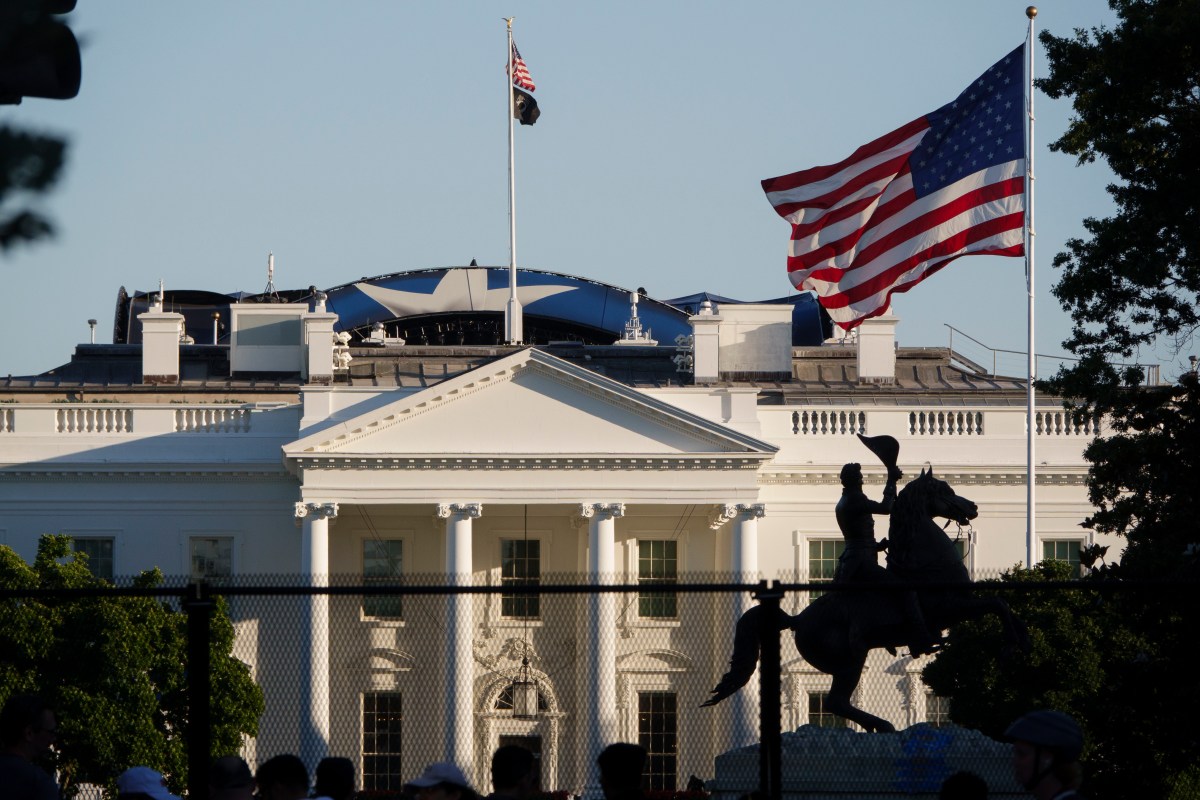
The White House posted a TikTok video showing various images it said represent American culture. The video includes scenes like fast food, landmarks, and sports but was criticized and mocked by many viewers online.
Key Facts
The TikTok video was posted by the White House and aimed to show American culture.
It features pictures such as Buc-ee’s, Walmart, the Statue of Liberty, sports events, and famous landmarks like Mount Rushmore.
The video includes scenes of fast food items like a Super Big Gulp and Chick-fil-A ice.
On TikTok, the video has over 1.1 million views and 100,000 likes.
Many social media users criticized the video, calling it embarrassing and questioning the choice of images.
Comments highlighted that fast food and retail stores do not strongly represent culture.
The post came during celebrations for America’s semi quincentennial and before the 4th of July weekend.
The video reflects ongoing discussions online about the idea that America has limited culture outside of consumerism.
Read the Original
Want the full story? Tap a source to open the original
article.
The US Supreme Court will issue rulings on two key issues during President Donald Trump's term: limiting birthright citizenship and bans on transgender athletes in female sports. The decisions could change established laws about automatic citizenship and sports participation rules for transgender students.
Key Facts
Birthright citizenship means anyone born in the US automatically becomes a citizen, based on the 14th Amendment from 1868.
President Trump signed an order to limit birthright citizenship for children of parents in the US illegally or temporarily.
The issue focuses on the phrase "subject to the jurisdiction thereof" in the 14th Amendment and its meaning.
The ACLU sued, saying limiting birthright citizenship is unconstitutional and would create a permanent underclass of people born in the US.
During court hearings, justices questioned Trump's attempt to change a long-standing legal tradition.
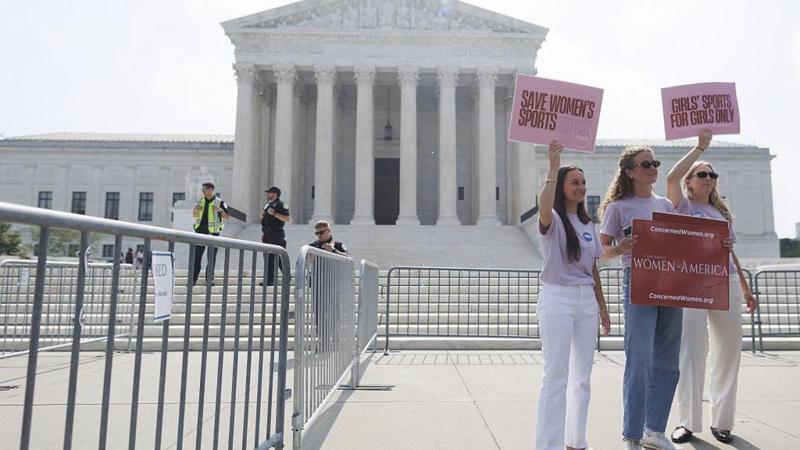
The Supreme Court will also decide if states can ban transgender athletes from competing in women's and girls' school sports.
Laws in Idaho and West Virginia require sports participation based on sex recorded at birth, which some students challenged as unfair.
The court's decisions could affect immigration policy and civil rights related to gender identity.
Read the Original
Want the full story? Tap a source to open the original
article.
The US Supreme Court gave President Donald Trump and future presidents the power to fire leaders of independent government agencies, changing 90 years of legal rules. The court also ruled to allow mail-in ballots that arrive after election day to be counted in some states and upheld privacy protections against broad law enforcement data searches.
Key Facts
The Supreme Court ruled that the president can fire heads of independent agencies, overturning past limits on this power.
This decision was seen as a major win for President Trump and future presidents by some experts.
The court allowed mail-in ballots arriving after election day to be counted in over a dozen states, opposing Trump’s position.
It required privacy protections for law enforcement’s use of broad warrants to collect smartphone location data.
The court refused to review a civil case where President Trump was found liable for sexually abusing and defaming writer E Jean Carroll, leaving a $5 million judgment in place.
President Trump criticized the court’s refusal to review the Carroll case on social media.
Labour and consumer groups expressed concern that the ruling on firing agency heads could hurt US democracy.
The Supreme Court announced Keith Sonderling as nominee for US Secretary of Labor.
Read the Original
Want the full story? Tap a source to open the original
article.
A former DEA agent accused the agency of knowingly allowing large shipments of deadly fentanyl pills to enter Albuquerque, New Mexico, to catch bigger drug traffickers. The DEA denies these claims but has asked the Justice Department's inspector general to investigate the whistleblower’s complaint. New Mexico's attorney general has also started a formal investigation into the matter.
Key Facts
The whistleblower, DEA agent David Howell, claims agents let hundreds of thousands of fentanyl pills reach Albuquerque to build bigger cases.
Howell said the DEA had clear intelligence about shipments, including exact pill amounts, but did not seize them.
One kilogram of fentanyl can kill about 500,000 people according to DEA data.
The DEA disputes the accusation, saying their actions were legal and coordinated with prosecutors to protect the public.
The DEA requested a federal investigation into Howell’s claims.
New Mexico Attorney General Raúl Torrez opened a state investigation and emphasized the deadly impact of fentanyl in the state.
Torrez said federal agents are protected by law but still must be held accountable if they broke rules.
The story raises questions about whether the DEA focused too much on large Mexican trafficking groups and not enough on local drug distribution and overdose deaths.
Read the Original
Want the full story? Tap a source to open the original
article.
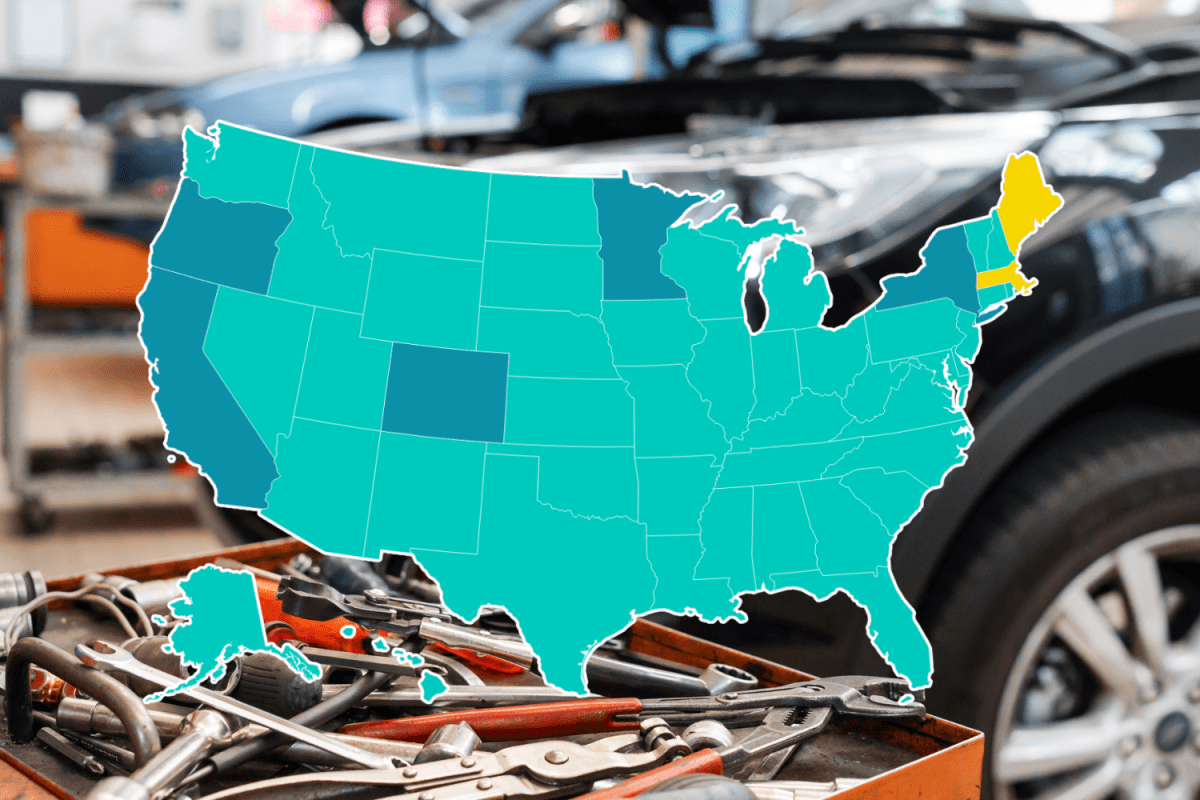
A new map shows which U.S. states allow people to legally fix their own cars. President Donald Trump signed a memo directing federal officials to clarify rules on car repairs related to emissions systems, aiming to expand repair rights across the country.
Key Facts
Only Massachusetts and Maine have strong laws allowing car owners to access repair information and fix their vehicles.
Massachusetts passed its right-to-repair law in 2012 and expanded it in 2020 to include wireless data from newer cars.
Maine approved a similar law in 2023, including plans to share vehicle data securely starting in 2025.
Five states have right-to-repair laws for electronics or farm equipment, but these laws do not cover cars.
More than 40 states, including Texas and Florida, have no automotive right-to-repair laws yet.
Federal protections and industry agreements provide some repair access nationwide but do not cover newer technology like telematics.
President Trump’s June 29 memorandum directs the EPA to clarify emissions repair rules to allow more repairs without breaking the law.
The goal of the memorandum is to lower repair costs and give car owners more freedom to fix their vehicles.
Read the Original
Want the full story? Tap a source to open the original
article.
A recent broadcast of Woman's Hour covered several topics including the release of a report on maternity care problems in England, advice on managing school holiday costs, the role of women in the history of the internet, and a rise in wig sales. Experts and campaigners discussed the report’s findings and government plans to improve maternity services.
Key Facts
Baroness Amos released a national report investigating problems in maternity and newborn care in England.
The report included eight key recommendations, one being the appointment of the UK's first Maternity and Neonatal Commissioner.
Guests on the show included medical experts, maternity campaigners, and government advisors.
Families in the UK face challenges with money and childcare during summer school holidays.
Marketing expert Catherine Shuttleworth shared tips for managing holiday costs while having fun.
The program highlighted women’s and sex workers’ early roles in shaping internet culture.
Artist and professor Mindy Seu discussed alternative internet histories during a London lecture.
Wig sales in the UK are up 10%, with celebrities influencing trends; experiences and opinions on different wig styles were shared.
Read the Original
Want the full story? Tap a source to open the original
article.
A 19-year-old police officer, PC Jess Turnbull, died after being hit by a car while closing a road following a crash in Cramlington, Northumberland. She was injured when a black Mercedes hit the police car she was near and died two days later in hospital.
Key Facts
PC Jess Turnbull was attending a crash scene to close the road on the A189 Spine Road.
She was outside a stationary police car when a black Mercedes crashed into it.
PC Turnbull suffered very serious injuries and died at the hospital two days after the accident.
The incident happened on the night of 8 June, and she died on 10 June.
A 73-year-old man was arrested on suspicion of causing death by dangerous driving and later released on bail.
Police asked the public for information about a black Mercedes with a 09 registration seen in nearby areas on 8 June.
The inquest into her death has been adjourned until January 2027.
PC Turnbull joined Northumbria Police less than a year before the accident and was praised as a dedicated officer by her family and police.
Read the Original
Want the full story? Tap a source to open the original
article.
Starting July 1, major changes to federal student loans will take effect under the One Big Beautiful Bill Act. These changes will simplify repayment plans, end the SAVE plan, impose stricter borrowing limits, and require most borrowers to switch to new repayment options with different payment calculations.
Key Facts
The SAVE plan, which helped about 7 million borrowers with low monthly payments, will end, and those borrowers must switch to new options or face automatic moves to standard repayment plans.
The One Big Beautiful Bill Act replaces multiple income-driven repayment plans with just two: the Standard Repayment Plan and the new Repayment Assistance Plan (RAP).
The new RAP sets payments between 1% and 10% of a borrower's income, but loan forgiveness will only occur after 30 years of payments, lengthening the repayment period compared to older plans.
Borrowers with current loans can keep some old plans for now, but most will eventually move to the new system, especially if they take out new loans after July 1.
The Graduate PLUS loan, which let graduate students borrow up to the full cost of attendance, will no longer be available starting July 1.
New borrowing limits will restrict how much students can take out in federal loans.
The Education Department stated that the SAVE plan was implemented without proper congressional approval and faced legal challenges.
Loan servicers will start sending 90-day notices to SAVE plan borrowers soon to inform them of the changes.
Read the Original
Want the full story? Tap a source to open the original
article.
The Supreme Court decided to support state laws that do not allow transgender girls and women to join school sports teams. This means the bans will continue to be enforced in those states.
Key Facts
The decision was made by the Supreme Court on a Tuesday.
The ruling supports laws that stop transgender girls and women from playing on school sports teams.
These laws are set by individual states, not the federal government.
The Supreme Court's decision means the bans will remain in effect.
The case involves the participation of transgender female students in athletics at schools.
This ruling affects policies across multiple states with similar bans.
The decision could impact the rights of transgender students in school sports.
Read the Original
Want the full story? Tap a source to open the original
article.
The US Supreme Court made several important decisions involving President Donald Trump’s powers and government agency independence. The court mostly sided with Trump by allowing him to fire members of independent agencies without giving a reason but blocked his attempt to remove a Federal Reserve governor, protecting the Fed’s independence.
Key Facts
The Supreme Court ruled 6-3 that President Trump can fire members of independent agencies without explaining why, overturning a law from 1935.
This ruling supported Trump’s firing of Rebecca Slaughter from the Federal Trade Commission, which lower courts had blocked.
Justice Sonia Sotomayor disagreed strongly, warning the decision could cause confusion in government.
Senator Elizabeth Warren criticized the ruling for allowing Trump to control previously independent agencies.
In a separate 5-4 decision, the court stopped Trump from firing Federal Reserve Governor Lisa Cook to keep the Fed independent.
Trump had accused Cook of mortgage fraud, claims she denies and called an excuse to remove her over policy disagreements.
The Federal Reserve is a key, independent institution that manages the US economy’s monetary policy.
Chief Justice John Roberts emphasized the importance of the Fed’s independence and public confidence in the institution.
Read the Original
Want the full story? Tap a source to open the original
article.