Neutral summaries of your favorite news sources — just the facts.
Your favorite news sources, one neutral feed — we distill their reporting into fact-first
summaries and always link to the original story. How it works
US News
Latest developments and key stories from across the United States
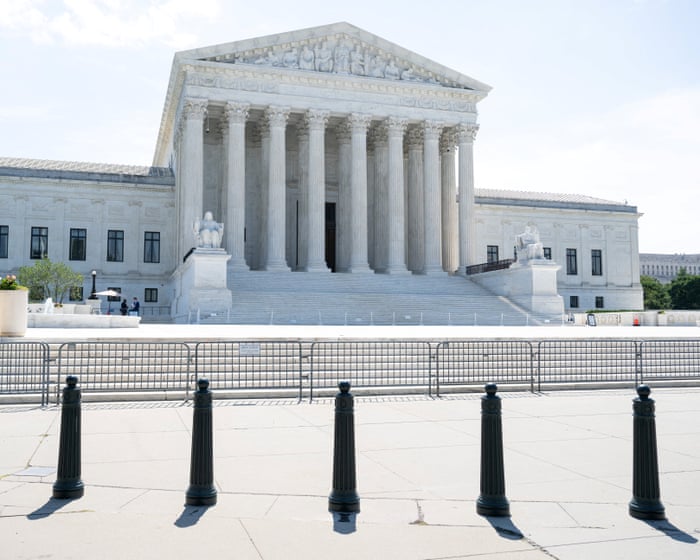
The US Supreme Court made several important decisions involving President Donald Trump’s powers and government agency independence. The court mostly sided with Trump by allowing him to fire members of independent agencies without giving a reason but blocked his attempt to remove a Federal Reserve governor, protecting the Fed’s independence.
Key Facts
The Supreme Court ruled 6-3 that President Trump can fire members of independent agencies without explaining why, overturning a law from 1935.
This ruling supported Trump’s firing of Rebecca Slaughter from the Federal Trade Commission, which lower courts had blocked.
Justice Sonia Sotomayor disagreed strongly, warning the decision could cause confusion in government.
Senator Elizabeth Warren criticized the ruling for allowing Trump to control previously independent agencies.
In a separate 5-4 decision, the court stopped Trump from firing Federal Reserve Governor Lisa Cook to keep the Fed independent.
Trump had accused Cook of mortgage fraud, claims she denies and called an excuse to remove her over policy disagreements.
The Federal Reserve is a key, independent institution that manages the US economy’s monetary policy.
Chief Justice John Roberts emphasized the importance of the Fed’s independence and public confidence in the institution.
Read the Original
Want the full story? Tap a source to open the original
article.
The U.S. Supreme Court will decide soon on President Donald Trump’s attempt to limit birthright citizenship. The court heard arguments in April and is expected to issue a final ruling this week.
Key Facts
President Donald Trump is trying to change the rules on birthright citizenship.
Birthright citizenship means that anyone born in the U.S. automatically becomes a citizen.
The case was argued before the Supreme Court in April 2026.
The Supreme Court’s decision is expected this week.
The ruling will set limits on how far the president can use executive power in this issue.
This is one of the major cases the court is considering right now.
Read the Original
Want the full story? Tap a source to open the original
article.
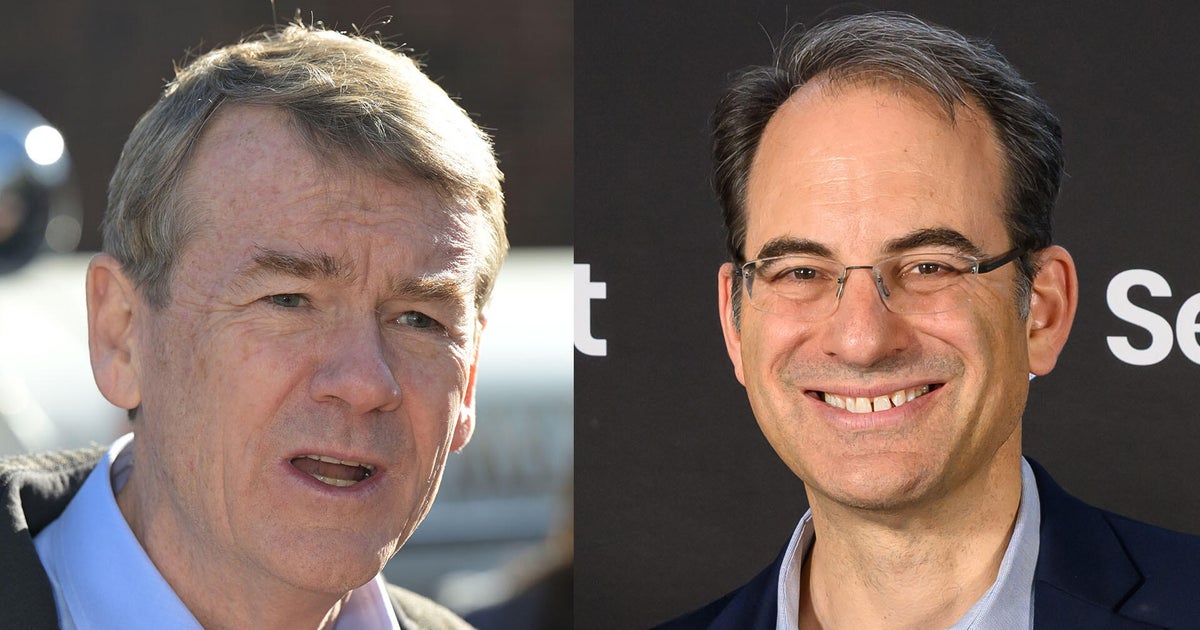
In Colorado, several Democratic primary races are seeing challenges to party establishment candidates, including Senators Michael Bennet and John Hickenlooper and Representative Diana DeGette. These challenges come from more progressive or outsider candidates who want to change the party's direction, following a similar trend seen in other states.
Key Facts
Senator Michael Bennet, a moderate, is running for governor but is being challenged by state Attorney General Phil Weiser.
Weiser criticizes Bennet as a Washington insider and highlights his lawsuits against President Trump's administration.
In Colorado’s 1st Congressional District, 29-year-old Melat Kiros, a democratic socialist, is challenging 15-term incumbent Diana DeGette.
Kiros accuses DeGette of being influenced by corporate donors, while DeGette points to Kiros’s lack of experience.
Senator John Hickenlooper faces a primary challenge from state Senator Julie Gonzales, who seeks new leadership and opposes the party establishment.
Colorado generally favors Democrats, with strong chances for primary winners in the November general election.
This trend reflects a wider shift within the Democratic Party, where progressive and anti-establishment candidates are gaining ground.
House Minority Leader Hakeem Jeffries acknowledged competitive primaries will continue while President Trump is in office.
Read the Original
Want the full story? Tap a source to open the original
article.
Republican Representative Tom Kean Jr. of New Jersey plans to return to Congress after several months away due to an undisclosed medical issue. House leaders and his family say the illness is serious but temporary, and Kean expects a full recovery and a return to work soon.
Key Facts
Tom Kean Jr. has missed more than 140 votes in the House since March 5.
He is running for a third term in a competitive district.
House Speaker Mike Johnson spoke with Kean on April 24 and said Kean was handling a personal health matter.
Kean has not publicly revealed details about his illness.
Kean’s father described the illness as serious but expected to be temporary.
Kean has continued some official activities online during his absence, like introducing bills and signing documents.
Kean said in May he was on the road to full recovery and would soon return to Congress.
House leadership respects Kean’s privacy and said the health issue is uncommon but not severe.
Read the Original
Want the full story? Tap a source to open the original
article.
Progressive candidates backed by the Democratic Socialists of America (DSA) have recently won several elections in New York City, showing growing influence in urban areas. However, progressives still struggle to win support in rural parts of the United States, where voters often have more conservative views but show openness to some economic policies like raising the minimum wage.
Key Facts
The DSA has grown from a small group in 2007 to having at least 15 elected candidates in New York state by 2024.
Socialist candidates recently won important seats in New York City, including Darializa Avila Chevalier and Claire Valdez.
Left-wing candidates tend to win over 50% in urban areas but have about a 30% support ceiling in swing or rural districts.
Only one member of the Congressional Progressive Caucus in 2024 represents a mostly rural district.
Rural voters are generally whiter, older, more likely to own guns, and have conservative views on immigration.
Despite this, many rural voters support economic policies such as a $15 minimum wage, Medicare for All, and background checks on gun sales.
About 29% of rural voters who supported President Trump also support certain progressive economic policies and oppose abortion bans.
Progressive populist candidates like Dan Osborn are making unexpected gains in conservative rural areas by focusing on economic issues important to working-class voters.
Read the Original
Want the full story? Tap a source to open the original
article.
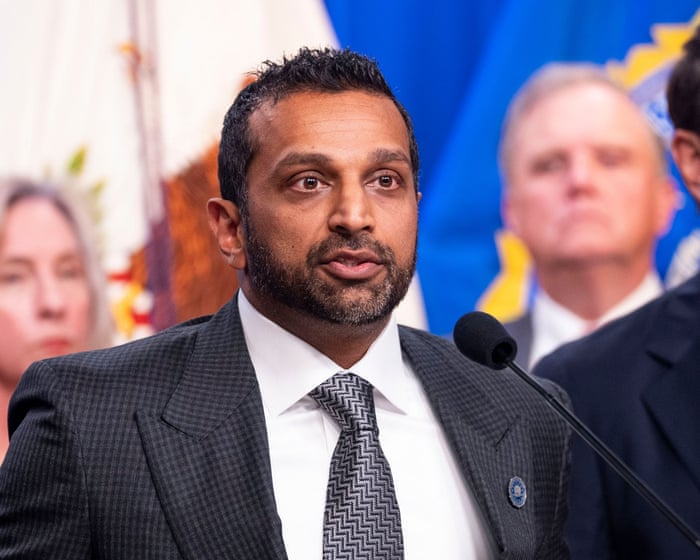
Kash Patel, the FBI director, shared details on social media about arrests in a plot to attack a White House UFC event before the investigation was complete and before a court allowed the information to be public. FBI agents and the Secret Service criticized Patel for revealing case details prematurely, saying it could harm the investigation and cooperation between agencies.
Key Facts
FBI Director Kash Patel posted on social media about five arrests in a plot to attack a UFC event at the White House.
The case was under a court sealing order, which generally prevents public disclosure without permission.
Law enforcement officials said the investigation was still active and more suspects were being searched for when Patel posted.
The Secret Service, which led the investigation, chose not to share information publicly to protect the case.
Patel praised the FBI, partners, and Department of Justice for the operation in his social media post.
Other FBI agents said Patel focused on sharing investigation details to gain attention rather than on the work itself.
Experts warned Patel’s early disclosure might break legal rules and FBI ethical guidelines.
The Justice Department announced arrests publicly several hours after Patel’s post.
Two more men were arrested later in connection with the alleged attack plot.
Read the Original
Want the full story? Tap a source to open the original
article.
A South Carolina state representative urges Congress to pass the Kids Online Safety Act (KOSA) to protect children on social media. The law would require tech companies to take steps to prevent harm to minors, such as online exploitation and exposure to dangerous content.
Key Facts
The author’s son died because of an online sextortion scheme linked to social media.
Social media companies design platforms to increase user engagement but often ignore child safety risks.
Congress has debated online child safety laws for years but has not passed strong federal protections.
Many states are passing their own online safety laws because there is no federal law.
The Kids Online Safety Act (KOSA) would require platforms to take reasonable actions to reduce harm to minors.
KOSA would address problems like sexual exploitation, predatory behavior, and promotion of self-harm.
The law does not ban social media or limit free speech but sets clear safety expectations for companies.
Parents cannot fully monitor their children’s online activity, so legislative action is necessary.
Read the Original
Want the full story? Tap a source to open the original
article.
The article explains that for the U.S. to keep its lead in artificial intelligence (AI), it needs strong infrastructure like data centers and energy systems. It warns that foreign rivals, particularly China, may be trying to slow down U.S. progress by funding opposition to building these facilities. This could limit America’s ability to use its AI innovations fully.
Key Facts
Strong infrastructure, including data centers and energy grids, is needed to support AI development.
The U.S. leads in AI technology but must also build the infrastructure to use it at scale.
China invests heavily not only in AI but also in the infrastructure that supports it.
Reports suggest foreign donors, possibly linked to Beijing, fund groups opposing U.S. data center construction.
This opposition to infrastructure may be coordinated, not just local disagreements.
Foreign influence can turn local disputes over construction into obstacles for national AI progress.
Congress needs to update permitting processes and defenses against foreign interference.
Infrastructure delays can limit the U.S.’s ability to turn AI innovations into real power.
Read the Original
Want the full story? Tap a source to open the original
article.
President Donald Trump is focusing on recent victories by far-left Democrats in primary elections. He is using these wins to warn voters that the Democratic Party supports communism as the November midterm elections approach.
Key Facts
President Trump is linking Democratic primary wins to far-left or progressive ideas.
He calls the Democrats “communists” to highlight their political views.
This messaging comes about four months before the midterm elections.
The goal is to motivate Republican voters using concerns about Democratic progressivism.
Trump has previously described Democrats as far left, but this campaign is more intense.
The strategy aims to influence voters by focusing on ideological differences.
Midterm elections will determine control of Congress.
Read the Original
Want the full story? Tap a source to open the original
article.
The Supreme Court ruled to remove deportation protections for people from Haiti and Syria who have Temporary Protected Status (TPS). This decision affects all TPS holders, a program that allows people from certain countries to stay in the U.S. when it is unsafe to return home.
Key Facts
The Supreme Court ended deportation protections for Haitians and Syrians with TPS.
TPS is a status given to people from 17 countries deemed unsafe to deport to.
The Trump administration has been reducing TPS protections.
This ruling could affect all TPS recipients, not just those from Haiti or Syria.
TPS was created to protect people when their home countries face dangers like natural disasters or conflict.
Ending TPS protections may lead to deportations of many people currently living in the U.S. under this program.
The ruling signals a shift in how the U.S. handles immigration protections for vulnerable groups.
Read the Original
Want the full story? Tap a source to open the original
article.
Democratic socialists in Colorado are competing in a primary election for a House seat. Melat Kiros, a far-left candidate, is running against incumbent Representative Diana DeGette and Wanda James for Colorado’s 1st Congressional District.
Key Facts
The election is a primary for Colorado’s 1st Congressional District House seat.
Melat Kiros is a far-left candidate and a former attorney.
Diana DeGette is the current representative and considered more progressive but part of the establishment.
Wanda James, a University of Colorado Regent, is also running in the primary.
The race highlights a struggle between the established Democratic leaders and the more progressive, activist wing.
The primary election is scheduled for Tuesday in Colorado.
Democratic socialists hope to achieve a significant political win with this race.
Read the Original
Want the full story? Tap a source to open the original
article.
In the 2026 Democratic primaries, four current House members have lost their races so far, which is double the number from a similar point in 2018. This shows a possible change in influence within the Democratic Party as new candidates challenge established members.
Key Facts
Four Democratic incumbents in the House have been defeated in 2026 primaries.
This number is twice as many as in 2018 at the same stage.
The 2018 primaries gave rise to a group called “the squad.”
The 2026 results could indicate shifts in party dynamics and power.
The primary calendar is more than half completed.
These challenges come within the Democratic Party’s elections.
Outcome may affect the party’s direction and leadership in the House.
Read the Original
Want the full story? Tap a source to open the original
article.
Republican senators believe the conflict with Iran and peace talks led by Vice President Vance will play a big role in the 2028 presidential primary. Vice President Vance and Secretary of State Marco Rubio are seen as leading candidates in that race.
Key Facts
Republican senators view the Iran conflict as a key issue for the 2028 presidential race.
Vice President Vance is leading efforts on peace talks with Iran.
The peace deal involves reopening the Strait of Hormuz, an important waterway.
Some Republicans criticize the deal because of defense concerns.
Vice President Vance and Secretary of State Marco Rubio are early favorites to run in 2028.
The Iran issue could affect voters’ opinions during the primary elections.
Read the Original
Want the full story? Tap a source to open the original
article.
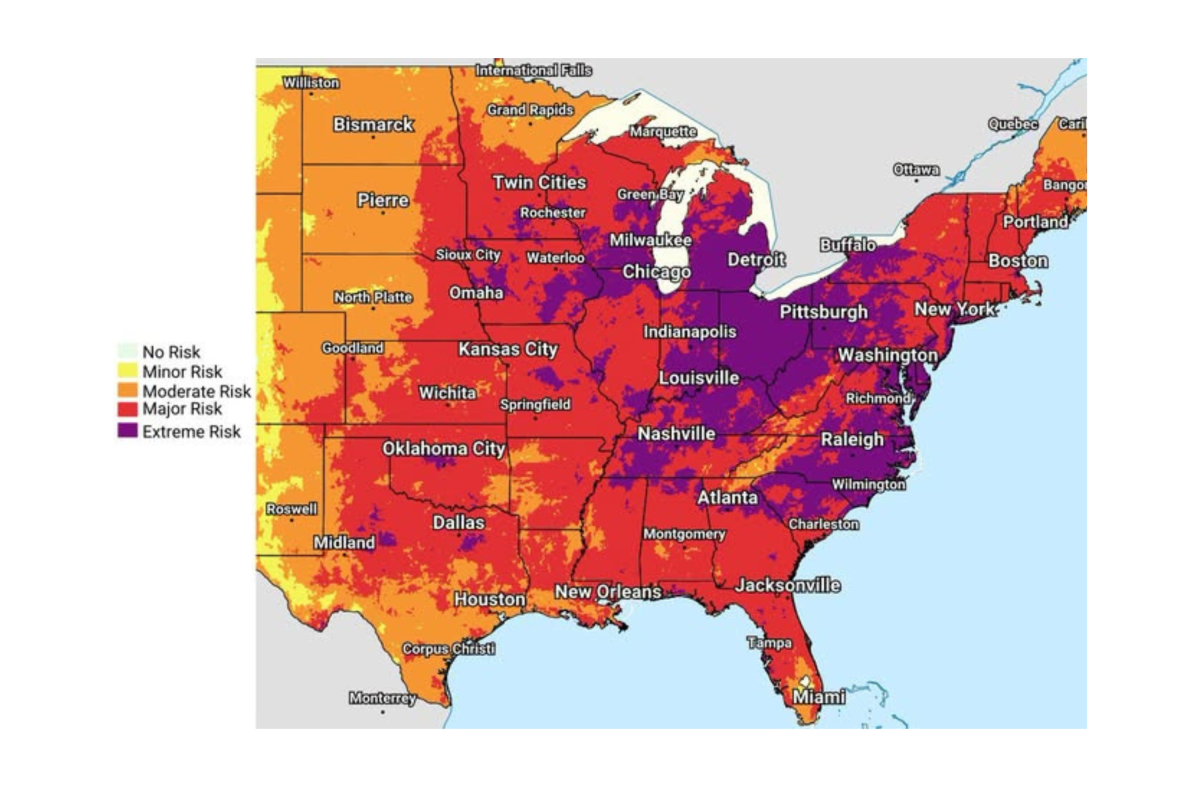
More than 100 million people in the United States are under heat alerts due to a strong heat wave affecting much of the eastern two-thirds of the country. This heat wave is caused by a weather pattern called a heat dome that traps hot, humid air and creates dangerously high temperatures ahead of the July 4 holiday.
Key Facts
The heat wave affects regions including the Midwest, Great Lakes, Ohio Valley, Mid-Atlantic, Northeast, Southeast, and Gulf Coast.
Temperatures are expected to reach the 90s and low 100s Fahrenheit, with heat indexes (which include humidity) between 100 and 110 degrees, and isolated areas nearing 115 degrees.
Overnight temperatures will remain high, in the 70s or 80s, giving little relief from the heat.
Connecticut and New York states have activated special protocols and extended pool hours to help residents cope.
Major events like the America 250 celebrations in Washington, D.C., will coincide with this heat, posing risks for large crowds outdoors.
Officials advise people at public events to stay hydrated, wear light clothing, seek shade, and use cooling stations.
The 2026 FIFA World Cup organizers in Philadelphia are adjusting fan events by adding cooling areas and changing operating hours to reduce heat risks.
Public health experts warn that extreme heat increases chances of heat exhaustion and heat stroke, especially for older adults, children, and those with health issues.
Read the Original
Want the full story? Tap a source to open the original
article.
The Democratic Party is facing internal divisions over support for Israel ahead of the 2024 midterm elections. In recent New York primaries, candidates with a more critical stance toward Israel won over those seen as moderate, signaling changing attitudes within the party's base.
Key Facts
The issue of Israel's military actions in Gaza is becoming important in Democratic politics.
In New York’s 10th congressional district primary, Brad Lander, who called the Gaza campaign a genocide and opposed US military funding for Israel, won against Dan Goldman, who criticized Israel but did not use the term genocide.
Lander refused campaign donations from AIPAC, an influential pro-Israel lobbying group, while Goldman had accepted such contributions.
Lander’s victory is part of a broader trend where candidates critical of Israel are succeeding in primaries in New York City.
These primary winners are likely to become members of Congress, which may lead to tougher debates about US support for Israel.
Groups like J-Street, which supports Israel but criticizes its government’s policies, had mixed endorsements in the race.
Younger and progressive Democratic voters want more nuanced discussions about Israel and Gaza.
The trend could affect upcoming Senate primaries, such as in Michigan.
Read the Original
Want the full story? Tap a source to open the original
article.
The US Supreme Court ruled that President Donald Trump can remove leaders of some independent government agencies at will, overturning a rule from 1935 that protected these agencies from political interference. The court also blocked Trump’s attempt to fire a Federal Reserve Governor and rejected his effort to change rules about late mail-in ballots.
Key Facts
The Supreme Court expanded President Trump’s power to fire heads of certain independent agencies.
This ruling overturns a nearly 90-year-old precedent designed to keep agencies independent and free from political control.
Justice Sonia Sotomayor criticized the decision, warning it may cause chaos.
Trump successfully fired leaders of some agencies during his second term, including the first Black woman on the National Labor Relations Board.
The court ruled 5-4 that Trump could not fire Federal Reserve Governor Lisa Cook, who he accused of mortgage fraud without proof.
The Supreme Court also rejected Trump’s effort to limit late-arriving mail-in ballots, which could affect mostly Democratic voters.
The court will soon rule on Trump’s order to end birthright citizenship, a policy based on the 14th Amendment.
Trump nominated Keith Sonderling as Labor Secretary; Sonderling warned states about misuse of federal funds.
Read the Original
Want the full story? Tap a source to open the original
article.
Australia’s Labor government has proposed new laws to limit gambling advertising, but some politicians from the Liberal and Greens parties say the changes are not strong enough. They want stricter rules to better protect people from gambling harm. The proposed rules include limits on when and where ads can appear, but there is disagreement about whether these measures will pass or if more review is needed.
Key Facts
Labor’s gambling ad reforms aim to reduce gambling harm by restricting ads on TV, radio, online, and at sports venues.
Proposed changes include limiting TV gambling ads to three per hour between 6am and 8:30pm and banning ads during live sports in that time.
Radio ads would be banned during school pickup/drop-off times, and online ads would require users to be over 18 with an opt-out option.
The rules also forbid celebrity or influencer endorsements of gambling.
Some Liberal MPs and Greens say the reforms are too weak and call for stronger action to protect families and children.
Former opposition leader Peter Dutton had a stricter policy proposal banning TV gambling ads an hour before and after sport events.
The legislation faces criticism for a rushed consultation process with both the gambling industry and harm reduction groups.
Communications Minister Anika Wells supports the reforms and cautions that further delays, like extended Senate inquiries, could prevent timely implementation.
Read the Original
Want the full story? Tap a source to open the original
article.
Three progressive Democrats in New York City won House primary races by focusing on fighting wealth inequality. They support taxing very wealthy people and want to pause building new data centers for artificial intelligence to address local concerns.
Key Facts
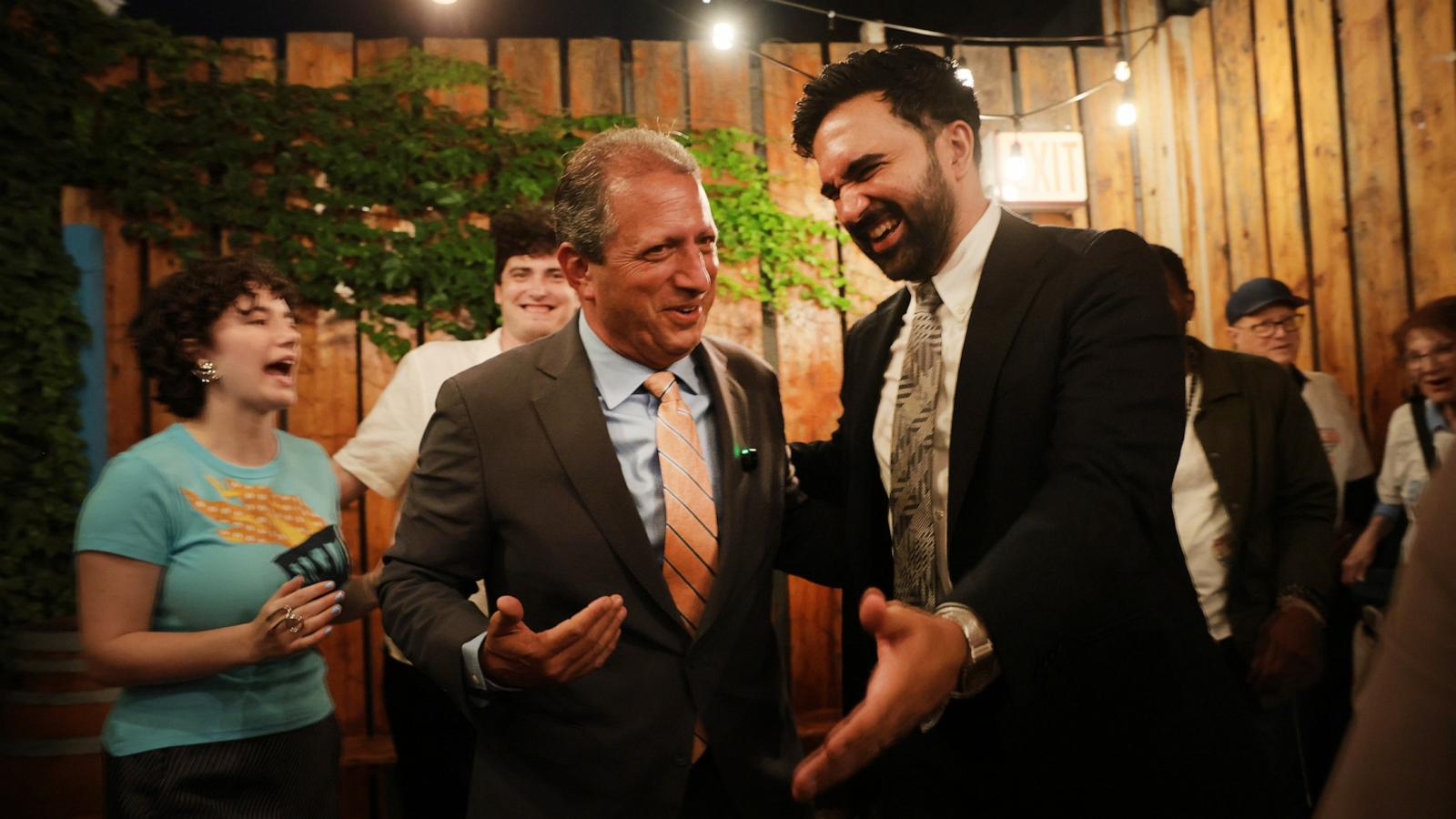
Brad Lander, Darializa Avila Chevalier, and Claire Valdez won their Democratic primaries in New York City.
All three candidates back a tax on billionaires and very rich households to fund social programs.
The tax proposals include the Ultra-Millionaire Tax Act and matching capital gains taxes to ordinary income for high earners.
They want to pause the construction of AI data centers due to worries about rising utility costs and minimal job benefits.
Lander defeated incumbent Rep. Dan Goldman in Brooklyn's 10th District.
Chevalier beat incumbent Rep. Adriano Espaillat in New York's 13th District.
Valdez won the primary against Brooklyn Borough President Antonio Reynoso in the 7th District.
New York City recently passed a tax on second homes valued over $1 million instead of increasing taxes on incomes over $1 million.
Read the Original
Want the full story? Tap a source to open the original
article.
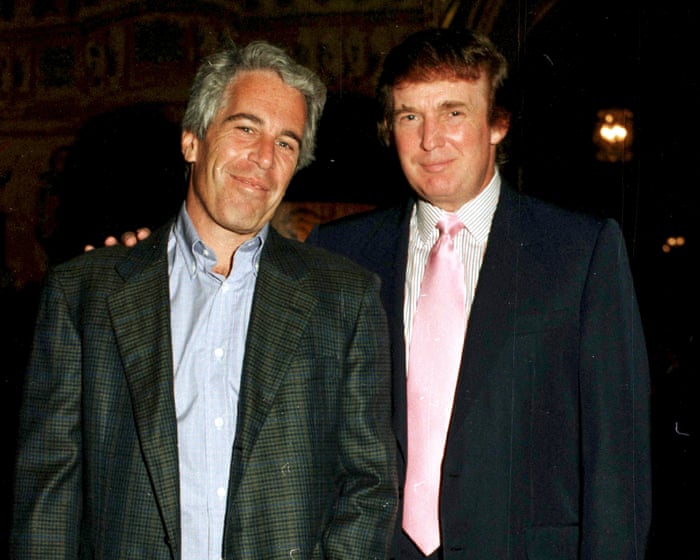
A woman known as Jane Doe 4, who alleges abuse by Jeffrey Epstein and President Donald Trump during her youth, is living in fear and staying hidden because of possible retaliation. There is a legal and political dispute over the handling and release of FBI files related to her case, involving the Justice Department and acting Attorney General Todd Blanche, who was President Trump’s former personal lawyer.
Key Facts
Jane Doe 4 made allegations of abuse by Epstein in the 1980s and sexual assault by President Trump when she was 13 to 15 years old.
She was interviewed four times by the FBI in 2019, and these interviews are part of the Epstein investigation records.
The White House has denied the allegations against President Trump, calling them baseless and unsupported by credible evidence.
Acting Attorney General Todd Blanche, President Trump’s former personal attorney, is involved in controversy over how the Justice Department handled and released related documents.
A federal judge ordered the Justice Department to provide unredacted files and interview notes about Jane Doe 4’s case by July 2.
The Justice Department released over 3 million documents related to Epstein and Ghislaine Maxwell, but the process had problems including exposing victim names and withholding some records.
Epstein died in jail in 2019, and Maxwell is serving a prison sentence.
Advocates and family members say the Justice Department should take responsibility for pursuing the case and protecting victims.
Read the Original
Want the full story? Tap a source to open the original
article.
The Supreme Court ruled that President Donald Trump can fire leaders of independent government agencies at will, overturning long-standing laws that protected these leaders from politically motivated firings. However, the Court upheld protections for members of the Federal Reserve Board, who cannot be fired without cause.
Key Facts
The Supreme Court overturned a 91-year-old precedent and parts of the 112-year-old Federal Trade Commission Act.
The ruling allows President Trump to remove heads of independent agencies without restrictions set by Congress.
The case, Trump v. Slaughter, involved Trump firing Rebecca Slaughter from the Federal Trade Commission without cause.
The Court ruled that agencies exercising executive power must be under the president’s control.
Members of the Federal Reserve Board remain protected from removal without cause.
Lisa Cook, a Biden appointee who was fired by Trump, was protected under this ruling.
The decision shifts power from Congress to the president concerning government agency leadership.
The ruling affects the independence and functioning of federal agencies created by Congress.
Read the Original
Want the full story? Tap a source to open the original
article.