Neutral summaries of your favorite news sources — just the facts.
Your favorite news sources, one neutral feed — we distill their reporting into fact-first
summaries and always link to the original story. How it works
US News
Latest developments and key stories from across the United States
A three-year-old boy was seriously injured after being attacked by a crocodile at a zoo in Cambridgeshire. Up to 40 hospital staff accessed the boy’s medical records without clear reasons, leading to an investigation by the hospital and a report to the Information Commissioner’s Office.
Key Facts
The boy was attacked in a crocodile enclosure at Johnsons of Old Hurst zoo near Huntingdon.
He was treated at the scene and then taken to Addenbrooke’s Hospital in Cambridge, where his condition is now stable.
Police arrested a 30-year-old man on suspicion of attempted murder related to the incident.
Up to 40 hospital staff looked at the boy’s medical records, which had restricted access to protect privacy.
The hospital is investigating whether these staff had legitimate reasons for viewing the records.
The hospital reported the issue to the Information Commissioner’s Office, which oversees data protection.
The hospital stressed it has strict rules around patient confidentiality and will discipline staff who access records improperly.
The boy’s family has been informed about the investigation into the data access breach.
Read the Original
Want the full story? Tap a source to open the original
article.
Hayley Pearce, a TV personality diagnosed with ADHD, is pregnant and preparing for motherhood while managing the challenges of ADHD. She shares her experience and seeks advice from another mother with ADHD on strategies to stay organized and cope with motherhood demands.
Key Facts
Hayley Pearce became known from the BBC show The Call Centre and was diagnosed with ADHD at age 20.
ADHD symptoms include difficulty with time management, organization, and staying focused.
Her midwife warned she might have a higher risk of postnatal depression due to ADHD.
Hayley uses notes and reminders to help manage daily tasks.
She met Rhiannan Morgan, a mother of four with ADHD, who shares tips and hacks for managing family life.
Rhiannan’s strategies include asking children to help, meal planning, using alarms, and setting routines like regular grocery deliveries.
Both women describe ADHD as bringing creativity but also challenges like trouble with memory and staying on task.
Sharing their experiences aims to raise awareness and support for mothers with ADHD.
Read the Original
Want the full story? Tap a source to open the original
article.
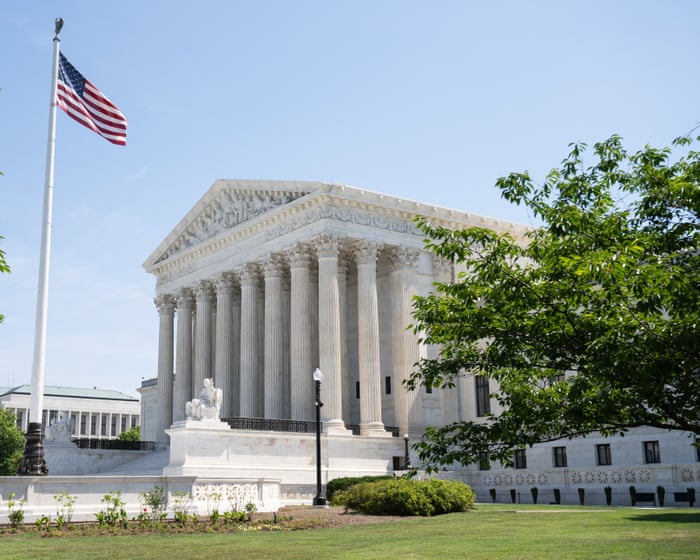
The US Supreme Court agreed with President Trump's decision to end Temporary Protected Status (TPS) for Haitians and Syrians. This ruling lets the government stop the protections before courts fully decide if the policy change is legal.
Key Facts
The Supreme Court supported the Trump administration's plan to end TPS for Haitians and Syrians.
Temporary Protected Status is a program that protects certain people from deportation due to problems in their home countries.
The ruling allows the government to end TPS protections immediately.
Courts have not yet made a final decision on whether ending TPS is lawful.
TPS had been protecting Haitians and Syrians from being sent back to their countries.
This decision affects immigrants currently under TPS from Haiti and Syria.
The ruling could lead to deportation of these TPS holders if no other protections are granted.
Read the Original
Want the full story? Tap a source to open the original
article.
The Sheffield Family Holiday Fund is a charity that has been giving holidays to families facing hard times for 50 years. It helps families dealing with problems like illness, disability, homelessness, and bereavement by providing short breaks and trips to places like beaches and theatre shows.
Key Facts
The charity started in 1976 and is run by volunteers.
It supports families referred by community groups, including those facing homelessness, domestic abuse, and illness.
In 2025, the charity helped 57 families (221 people), including 113 children, to take holidays.
Many families supported had never been on holiday before.
Holidays are proven to help improve children’s confidence, mental health, and family relationships.
The charity partners with the national Family Holiday Charity and local organizations in Sheffield.
Examples include families who enjoyed trips to seaside towns like Skegness and theatre pantomimes at Christmas.
One family improved school behavior and family well-being after their holiday.
Read the Original
Want the full story? Tap a source to open the original
article.
New police bodycam footage has been released showing the arrest of Vickrum Digwa, who was jailed for life for the murder of 18-year-old Henry Nowak. The video reveals Digwa repeatedly lied to police about the events, including false claims that he was racially attacked and that Henry was drunk, while the footage also highlights differences in how each man was treated by police.
Key Facts
Vickrum Digwa was sentenced to life in prison with a minimum of 21 years for killing Henry Nowak last December.
Police bodycam video from the night of the murder was released after a BBC request.
Digwa repeatedly claimed he was attacked and acted in self-defense, but these claims were proven false during the trial.
Henry Nowak was handcuffed while dying, but Digwa was never handcuffed during his custody or arrest.
Henry’s blood alcohol level was low enough to pass a breathalyzer test, contradicting Digwa’s claim that Henry was drunk.
The footage shows Digwa’s hair was tied up before the stabbing but loose when police arrived, disproving his story.
Digwa made false statements over several days to police to support his version of events.
The release of the footage follows previous public anger over Henry being shown handcuffed while injured, which sparked unrest in Southampton.
Read the Original
Want the full story? Tap a source to open the original
article.
This article refers to a discussion on a podcast about President Donald Trump and an event involving the White House reflecting pool. The content mentions media sources and programs that cover political topics and the World Cup. There is no detailed explanation of the reflecting pool incident in the provided text.
Key Facts
The article is connected to a podcast discussing President Donald Trump.
It mentions coverage from news agencies like AP and Reuters.
The podcast and related media cover political topics and the World Cup soccer tournament.
References are made to journalists Arwa Mahdawi, David Smith, and Jonathan Freedland.
The reflecting pool, a water feature near the White House, is part of the discussion.
Contact information is given for sending questions or feedback about the political podcast.
The Guardian is promoting its political podcasts and YouTube channels.
A photo credit is given to Kent Nishimura from AFP/Getty Images.
Read the Original
Want the full story? Tap a source to open the original
article.
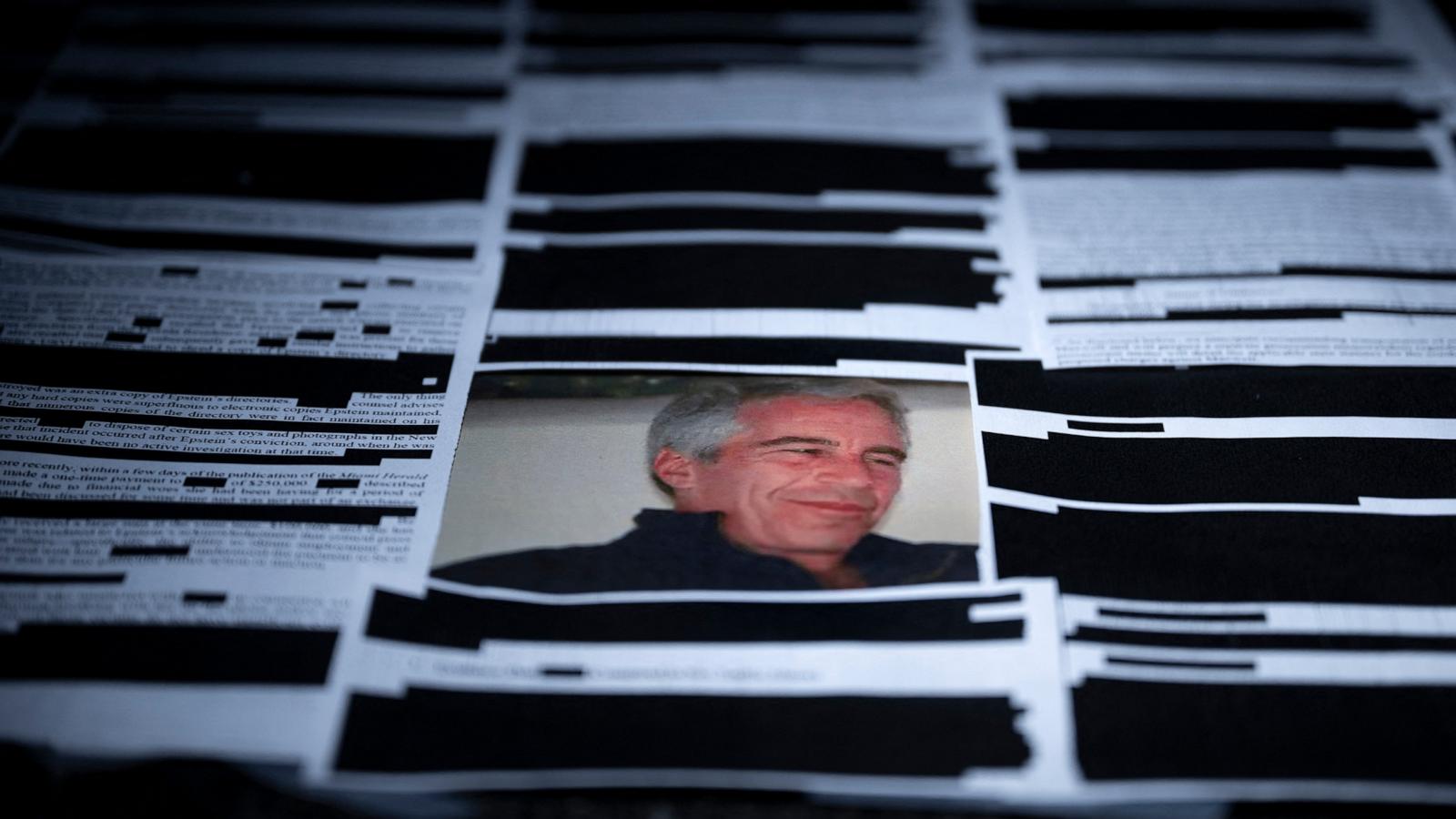
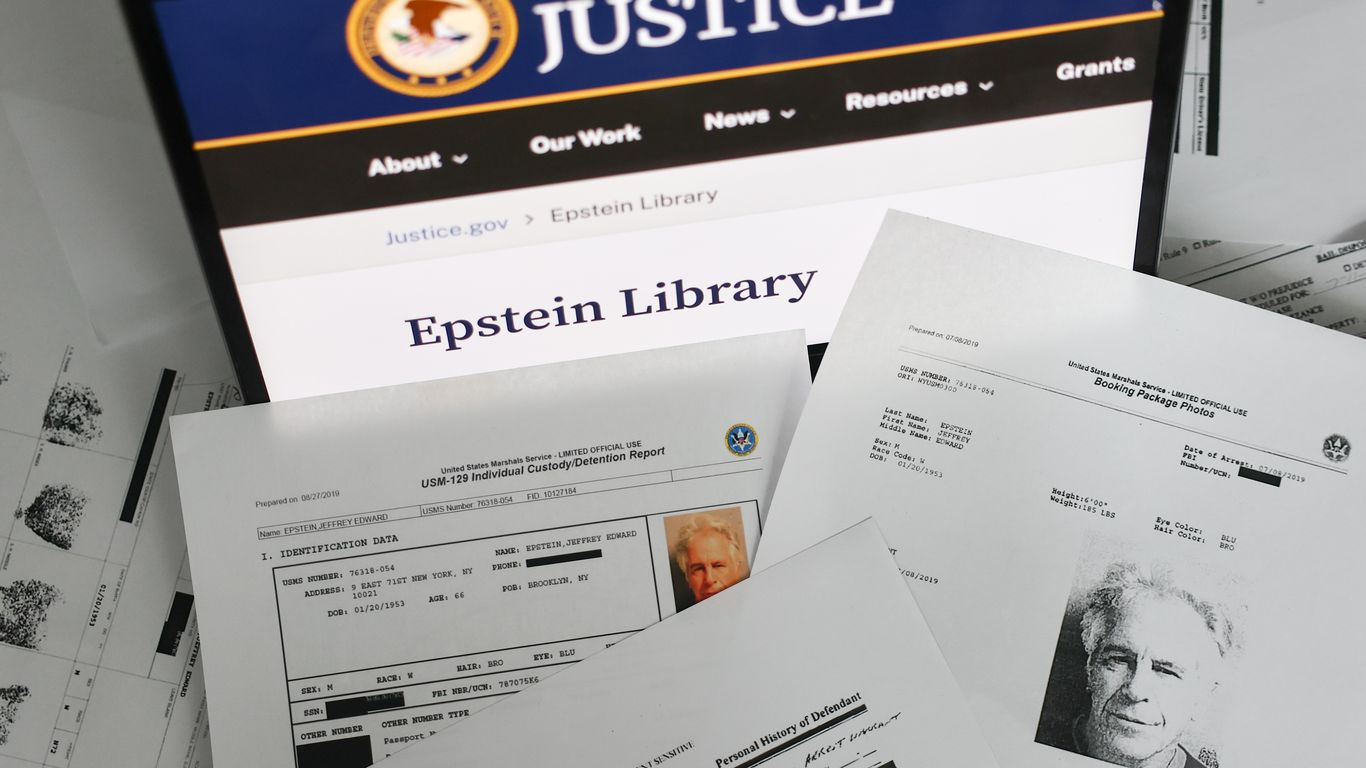
A federal judge has ordered the U.S. Department of Justice (DOJ) to release less-redacted versions of certain documents related to Jeffrey Epstein, or explain why some parts remain hidden. The judge ruled in favor of an independent journalist who sued for transparency, including releasing FBI interview notes tied to an assault claim against President Donald Trump.
Key Facts
U.S. District Judge Emmet Sullivan demanded the DOJ give unredacted or less-redacted Epstein-related documents by July 2 or explain why they remain censored.
The ruling requires the DOJ to reveal sender and recipient names in some emails and co-conspirators named in a draft indictment.
The judge ordered the DOJ to publish a log explaining all redactions in the files.
The DOJ must release FBI notes from an interview with a woman accusing President Trump of assault; Trump denies these claims and they remain uncorroborated.
The judge rejected the DOJ's arguments to keep the materials secret, siding with the Public Integrity Project and journalist Katie Phang.
Some emails referenced recruiting young women, including disturbing comments on girls as young as 14 or 15 years old.
The ruling aims to increase public transparency about Epstein and his network.
The DOJ started releasing thousands of pages of Epstein-related documents in late 2025 after the Epstein Files Transparency Act.
Read the Original
Want the full story? Tap a source to open the original
article.
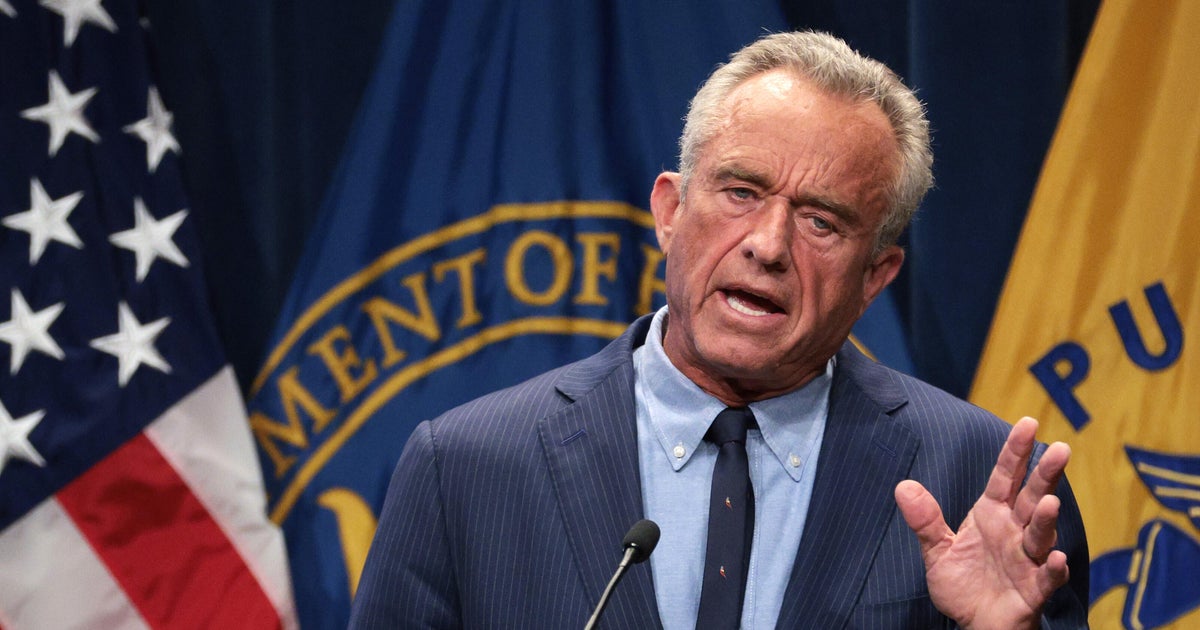
Newly released emails reveal how Health and Human Services Secretary Robert F. Kennedy Jr. influenced the Centers for Disease Control and Prevention (CDC) during President Trump's second term. The emails show Kennedy’s team pushing to halt some vaccine advertising and replacing all members of a key vaccine advisory panel.
Key Facts
The emails cover public health decisions from early in President Trump’s second term through August 2025.
In February 2025, Kennedy ordered pulling flu vaccine ads to focus on "informed consent" messaging about vaccine risks and benefits.
CDC officials warned that stopping flu vaccine ads during a severe flu season risked damaging the agency’s reputation and legal issues.
Kennedy removed all 17 members of the CDC’s Advisory Committee for Immunization Practices (ACIP), which makes national vaccine recommendations.
Notes revealed Kennedy wanted to replace ACIP members to align the committee more with his goals and reduce political influence.
The committee is important because its vaccine advice affects federal policies and insurance coverage.
Kennedy and his team expressed frustration that the Biden administration had recently appointed members to ACIP before leaving office.
The Senate Committee on Health, Education, Labor and Pensions released the emails after getting them from a former CDC official who resigned following the CDC director’s firing.
Read the Original
Want the full story? Tap a source to open the original
article.
A federal judge has ordered Tesla CEO Elon Musk to testify under oath in two legal cases accusing him of trying to influence voters in important states before the 2024 election. This testimony, called a deposition, is part of an investigation into possible election fraud claims connected to Musk.
Key Facts
A federal judge in Texas named Susan Hightower issued the order.
Elon Musk is required to give a deposition, which means answering questions under oath.
The case involves allegations that Musk attempted to influence voters in key swing states.
These allegations relate to the 2024 U.S. general election.
The legal action concerns claims of election fraud.
Musk is the CEO of Tesla.
The cases are being heard in the Western District of Texas.
The judge’s decision is part of ongoing investigations into the election-related claims.
Read the Original
Want the full story? Tap a source to open the original
article.
House Speaker Mike Johnson said Congress will send a bipartisan housing bill to President Donald Trump for his signature, but did not specify when. President Trump delayed signing the bill until the SAVE America Act, a voting reform bill, also passes Congress.
Key Facts
The bipartisan housing bill passed both the House and Senate with veto-proof majorities.
Sending the bill to the president starts a 10-day period for him to sign or veto it.
President Trump canceled a planned signing ceremony for the housing bill, linking it to passage of the SAVE America Act.
The SAVE America Act includes requirements like photo ID to vote and proof of citizenship to register.
Some House GOP members are blocking other legislation until the SAVE America Act passes.
President Trump called on House Republicans to unite and stop blocking votes on rules.
Democrats oppose the SAVE America Act, saying it could prevent some people from voting.
Senate Republicans currently lack the votes to change filibuster rules needed to pass the voting bill.
Read the Original
Want the full story? Tap a source to open the original
article.
New York City’s Rent Guidelines Board approved a two-year rent freeze for 1 million rent-stabilized apartments. This affects buildings built before 1974 and some with specific tax breaks, starting in October.
Key Facts
The Rent Guidelines Board voted 7-1 in favor of the rent freeze.
The proposal was put forward by Mayor Zohran Mamdani.
The rent freeze covers about 1 million rent-stabilized apartments in New York City.
It applies to buildings constructed before 1974.
Buildings receiving certain tax breaks are also included.
The rent freeze will last for two years.
The new rules will take effect starting in October.
Read the Original
Want the full story? Tap a source to open the original
article.
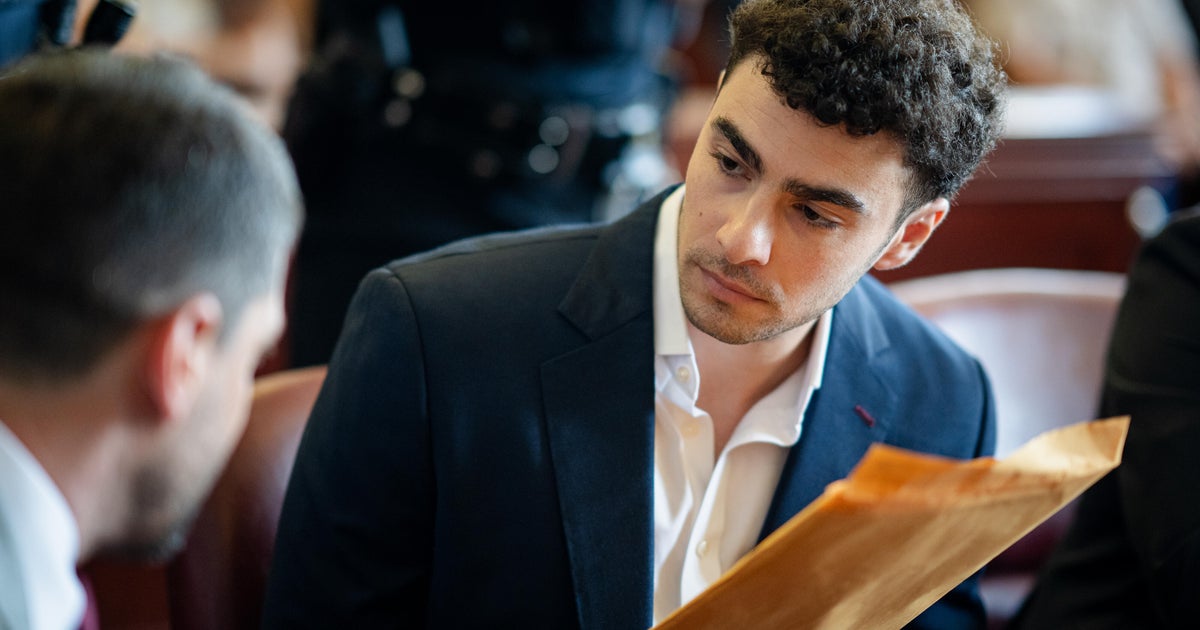
Attorneys for Luigi Mangione, charged with killing UnitedHealthcare CEO Brian Thompson, and federal prosecutors discussed a possible plea deal before a Monday court hearing, but the talks fell apart. Mangione faces both state and federal charges and has pleaded not guilty; the upcoming hearings and trials are still planned.
Key Facts
Luigi Mangione is charged with killing Brian Thompson, CEO of UnitedHealthcare, in December 2024.
Mangione faces separate state and federal charges related to the case.
Defense attorneys and federal prosecutors discussed a plea deal before a hearing but negotiations ended without an agreement.
A pretrial hearing is scheduled in Manhattan federal court on Monday to discuss trial plans.
Mangione has pleaded not guilty to all charges.
Defense lawyers said reports about plea talks are part of efforts to harm Mangione’s right to a fair trial.
It is common for defense and prosecutors to negotiate plea deals before trials.
Mangione’s state trial is set for September, and a related federal trial on interstate stalking is planned for November.
Read the Original
Want the full story? Tap a source to open the original
article.
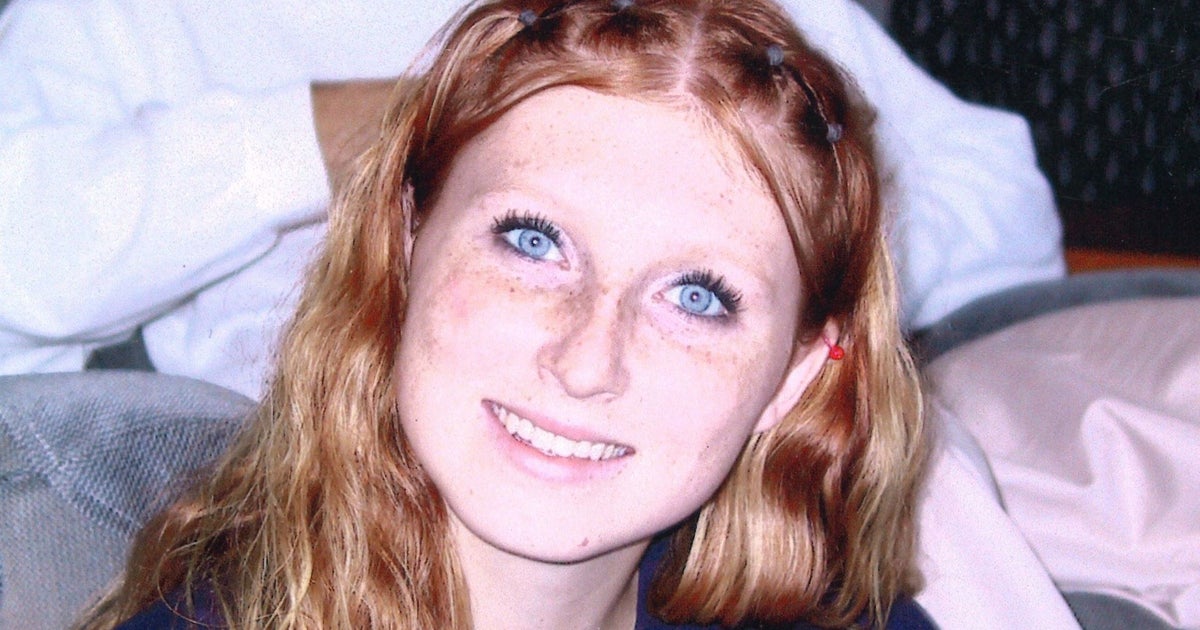
A Las Vegas man named David Vander Meer died shortly after being arrested and charged with murdering his wife, Bernadette, who died in a fall while hiking in Utah’s Zion National Park in 2006. Authorities reopened the case after new evidence suggested David was involved in her death and had received a large life insurance payout following her fall.
Key Facts
David Vander Meer was a former youth pastor from Las Vegas.
Bernadette Vander Meer died after falling from Angels Landing in Zion National Park in 2006.
Her death was initially ruled an accident by local authorities.
The case was reopened in 2022 after a minor from David’s youth group said he demanded Bernadette be dead for them to be together.
David had increased their life insurance policies before Bernadette’s death and later received over $567,000.
He was arrested and charged with murder and insurance fraud but died days after his arrest.
Bernadette’s parents have expressed relief and said they had been waiting for justice.
David Vander Meer lived a lavish lifestyle after receiving the insurance money.
Read the Original
Want the full story? Tap a source to open the original
article.
A federal judge ordered the U.S. Department of Justice (DOJ) to either release additional unredacted records about Jeffrey Epstein or explain why they cannot by July 2. The judge’s decision relates to a lawsuit claiming the DOJ improperly withheld or redacted important information, including files mentioning President Donald Trump.
Key Facts
Judge Emmet Sullivan gave the DOJ a deadline of July 2 to comply with the order.
The DOJ has already released 3.5 million pages of documents under the Epstein Act.
The lawsuit was filed by media analyst Katie Phang, who alleges the DOJ still hides or censors information improperly.
Some redacted information includes names in emails about a “torture video” and alleged sexual abuse involving young women and minors.
The lawsuit also claims the DOJ withheld names of co-defendants and co-conspirators in draft indictments.
Specifically, 36 materials mentioning President Trump were reportedly withheld, including FBI interview notes from a victim claiming Epstein introduced her to Trump, who allegedly assaulted her as a teenager.
President Trump denies any wrongdoing related to Epstein and has not been charged with a crime.
The DOJ argues Phang cannot sue because she should have used a Freedom of Information Act (FOIA) request, but her lawyers say FOIA requests were denied.
Read the Original
Want the full story? Tap a source to open the original
article.
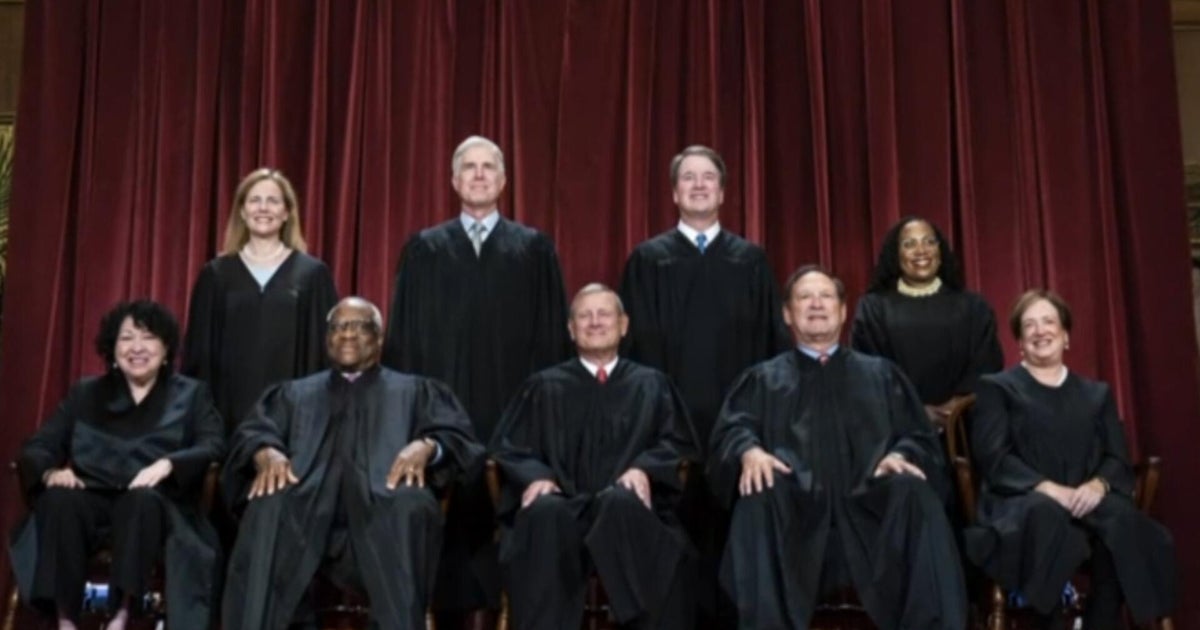
The Supreme Court made two important decisions about immigration on Thursday. One decision allows the U.S. government to deport many Haitian and Syrian immigrants who were previously protected from deportation.
Key Facts
The Supreme Court issued two major rulings on immigration.
One ruling removes deportation limits for thousands of Haitian and Syrian immigrants.
Previously, these immigrants had special protections preventing their deportation.
These decisions may change how immigration laws are applied in the U.S.
The rulings came from the highest court in the country.
Legal experts explained the impact of these decisions.
The cases involve how immigration policies are enforced.
Read the Original
Want the full story? Tap a source to open the original
article.
The US Supreme Court has allowed President Trump’s administration to block some asylum seekers from entering the US at the Mexico border, changing how asylum claims are handled. The court also supported the administration’s plan to end protected status for many Haitians and Syrians living legally in the US.
Key Facts
The Supreme Court ruled 6-3 to let the Trump administration stop migrants from physically entering the US before applying for asylum.
The ruling revived the “metering” policy that limits how many asylum seekers can enter at the border.
Justices disagreed on the meaning of “arrive in” the US, with the majority saying it means physically entering US territory.
Human rights groups say this decision breaks US and international refugee laws.
The Court also approved ending Temporary Protected Status (TPS) for hundreds of thousands of Haitians and Syrians.
These decisions support President Trump’s tough immigration policies.
Three Supreme Court justices dissented, arguing the rulings harm asylum seekers.
Read the Original
Want the full story? Tap a source to open the original
article.
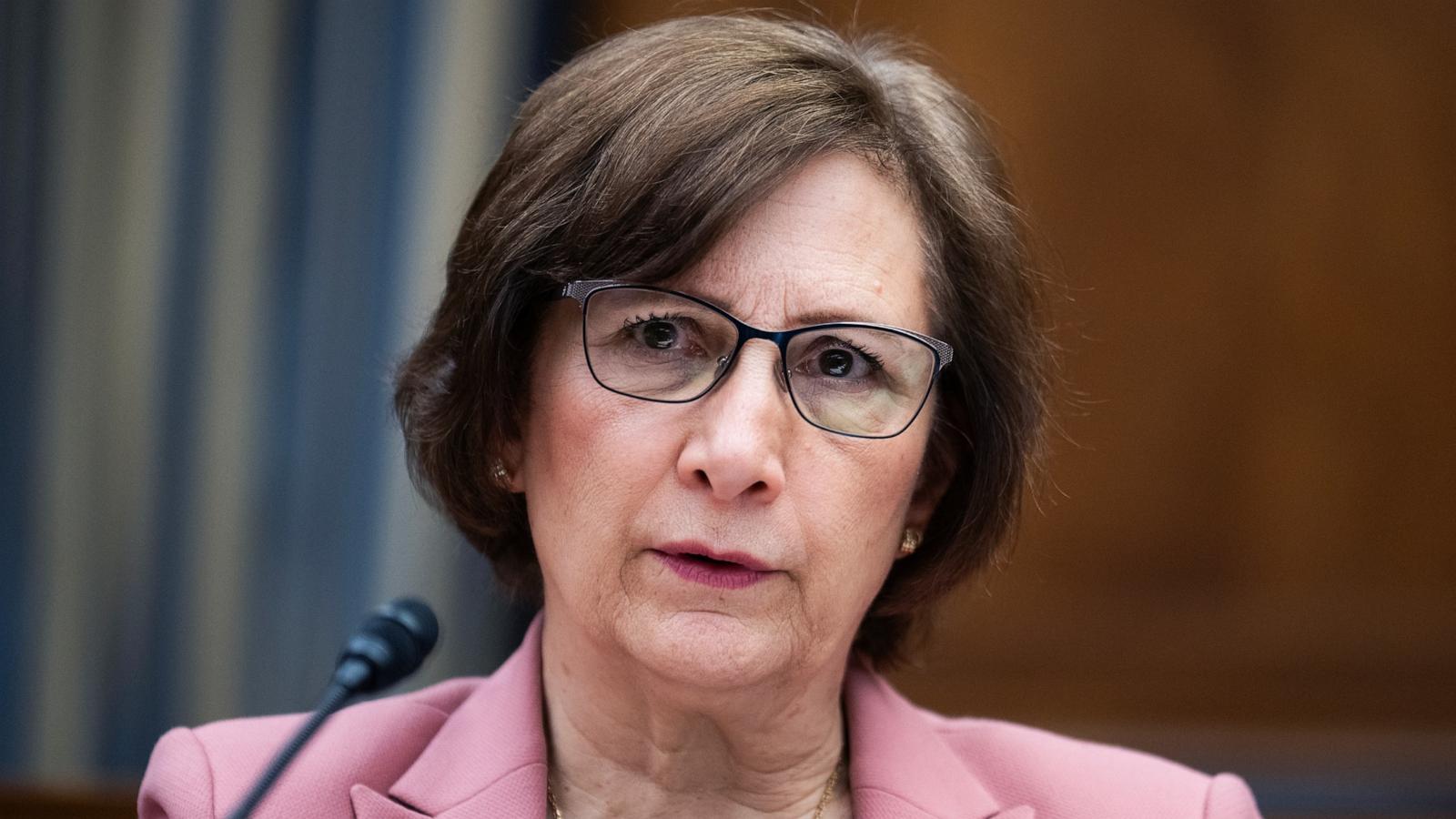
Rep. Suzanne Bonamici, a Democrat from Oregon, introduced articles of impeachment against Education Secretary Linda McMahon for trying to dismantle the Department of Education. Bonamici says McMahon illegally moved important education programs to other agencies and lied to Congress about it.
Key Facts
Rep. Suzanne Bonamici filed impeachment articles against Secretary Linda McMahon.
The impeachment is based on McMahon’s effort to reduce the Department of Education’s role.
McMahon moved special education and civil rights duties to the Health and Human Services and Justice Departments.
Bonamici claims McMahon made illegal transfers and gave false statements to Congress.
McMahon responded by accusing Democrats of opposing efforts to improve education and reduce bureaucracy.
More than a dozen Democrats co-sponsored the impeachment resolution.
The Republican-controlled House and Senate make it unlikely the impeachment will succeed at this time.
The Department of Education says students’ rights will not be affected by the moved programs.
Read the Original
Want the full story? Tap a source to open the original
article.
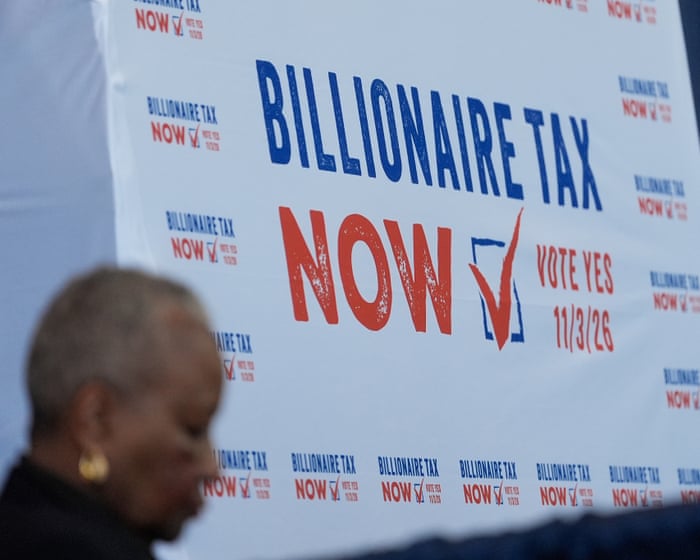
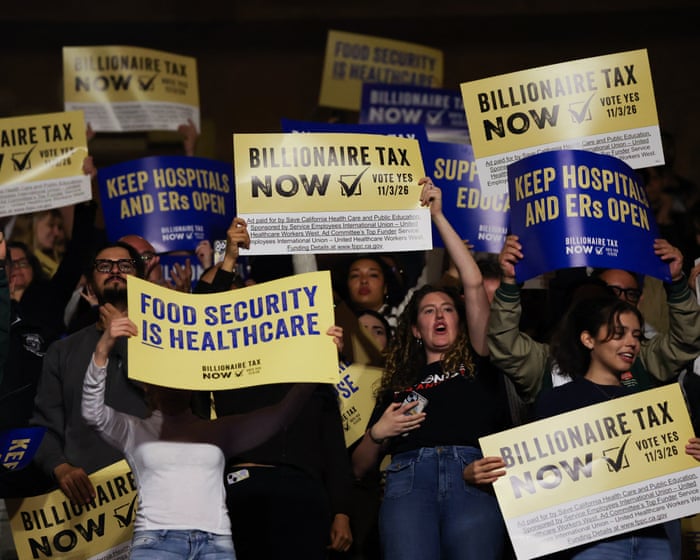
California will vote in November on a new tax proposal that would charge a one-time 5% tax on residents worth over $1 billion. The tax aims to fund state programs like food assistance, healthcare, and education, but it faces opposition from Governor Newsom, some unions, and tech industry leaders who worry it could drive billionaires out of the state.
Key Facts
The billionaire tax proposal qualified for the November ballot after gathering more than twice the required signatures.
It would apply a one-time 5% tax on anyone living in California with wealth above $1 billion as of January 1, 2026.
The tax is supported by the SEIU-UHW union to help fund healthcare, education, and food assistance in California.
Senator Bernie Sanders supports the tax, seeing it as a step toward similar national taxes on the ultra-rich.
Governor Gavin Newsom and many Silicon Valley billionaires strongly oppose the tax, arguing it could hurt California’s economy.
Opposition also comes from some labor unions and healthcare groups who worry the tax does not provide steady, long-term funding.
California has the highest number of billionaires in the US, about 200, many of whom have increased their wealth recently through AI-related businesses.
Negotiations between Governor Newsom and the supporting union to withdraw the measure failed before the ballot certification.
Read the Original
Want the full story? Tap a source to open the original
article.
California voters will decide in November whether to approve a one-time 5% tax on billionaires. The tax proposal will appear on the ballot after backers missed the deadline to withdraw it, following failed negotiations with Governor Gavin Newsom.
Key Facts
The California Billionaire Tax Act will be on the November ballot after supporters failed to withdraw it by the deadline.
The tax would charge billionaires a one-time 5% tax aimed at funding healthcare, education, and food assistance programs.
The proposal was put forward by the Service Employees International Union–United Healthcare Workers West (SEIU-UHW).
More than 1.55 million signatures were collected, over twice the amount needed to qualify for the ballot.
Governor Gavin Newsom and opponents argue the tax could harm California’s economy and push businesses out of the state.
Tech billionaires like Peter Thiel, Sergey Brin, and Chris Larsen have spent millions to oppose the tax.
Some labor unions and medical groups, including the California Teachers Association and Planned Parenthood Affiliates of California, have also opposed the tax.
Opponents have introduced a separate measure to block new taxes on retirement savings and personal assets, which also qualified for the ballot.
Read the Original
Want the full story? Tap a source to open the original
article.