Neutral summaries of your favorite news sources — just the facts.
Your favorite news sources, one neutral feed — we distill their reporting into fact-first
summaries and always link to the original story. How it works
US News
Latest developments and key stories from across the United States
A federal judge blocked President Donald Trump’s plan to create a federal voter list and restrict who can get mail-in ballots before the November midterm elections. Another judge recently stopped Trump’s rule requiring proof of U.S. citizenship when registering to vote.
Key Facts
President Trump proposed changes to election rules in the U.S.
One plan would create a federal voter list to manage registrations.
Another plan would limit who can receive mail-in ballots for the midterms.
U.S. District Court Judge Indira Talwani blocked these plans on Thursday.
Judge Talwani was appointed by former President Obama.
The blocking of these plans is the second legal loss for President Trump in two days.
On Wednesday, a different judge stopped Trump’s requirement for citizenship proof to register to vote.
These rulings prevent the election changes from happening before November’s midterm elections.
Read the Original
Want the full story? Tap a source to open the original
article.
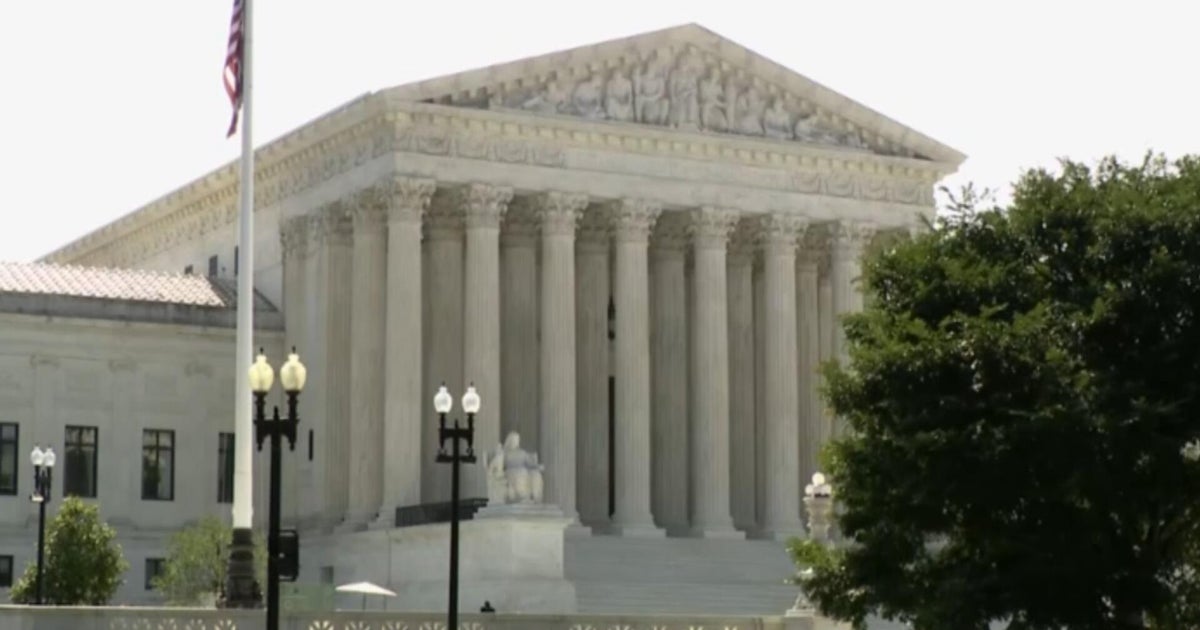
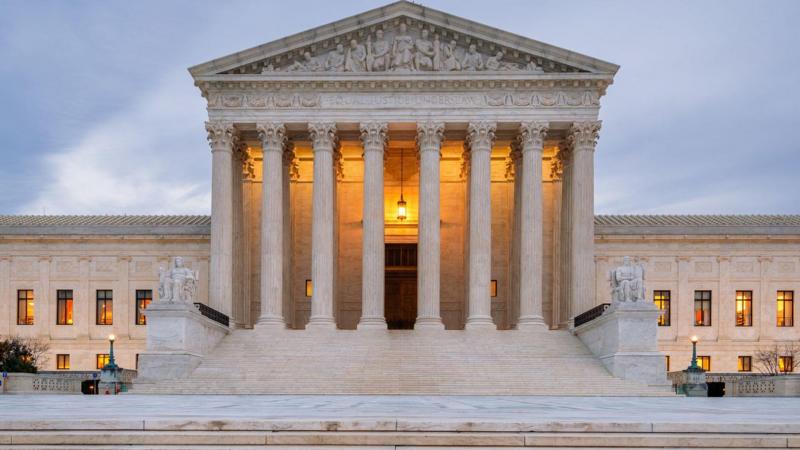
The U.S. Supreme Court made decisions on important immigration cases. The Court ruled in favor of President Trump by allowing his administration to end temporary protected status for Syrian and Haitian immigrants.
Key Facts
The Supreme Court issued opinions on several important cases on Thursday.
One key ruling supported President Trump’s policies on immigration.
The Court allowed the government to stop temporary protected status (TPS) for Syrians and Haitians.
Temporary protected status is a program that protects people from certain countries from deportation due to unsafe conditions in their home countries.
Ending TPS means that some Syrian and Haitian immigrants could lose their protection from deportation.
CBS News reporters and a legal expert provided analysis of the decisions.
Read the Original
Want the full story? Tap a source to open the original
article.
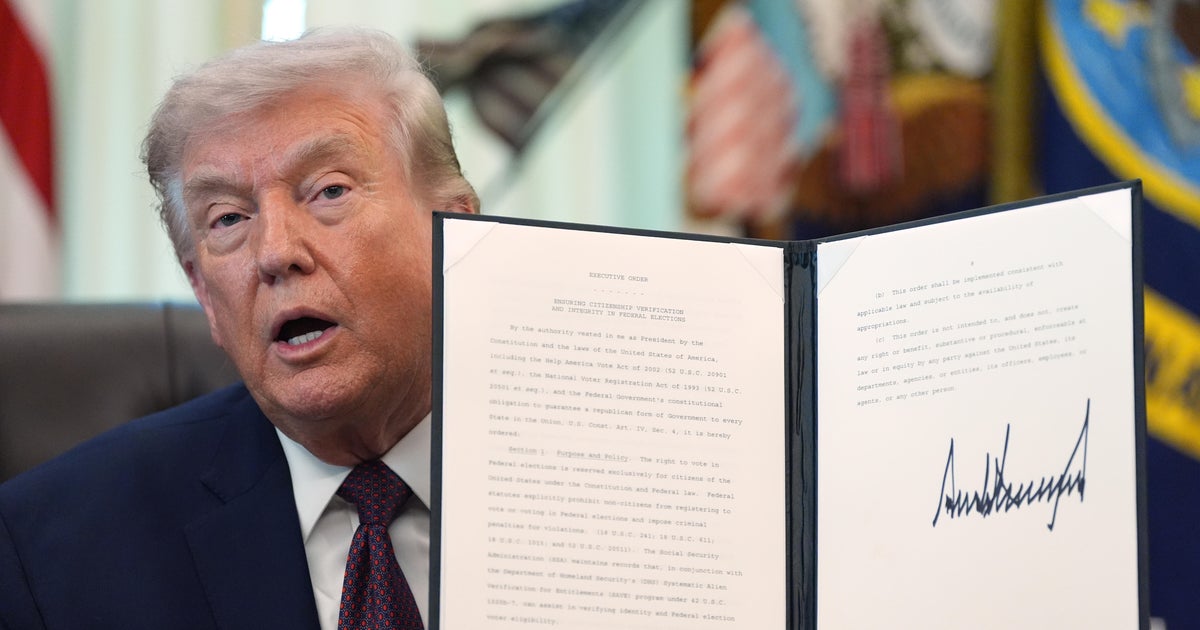
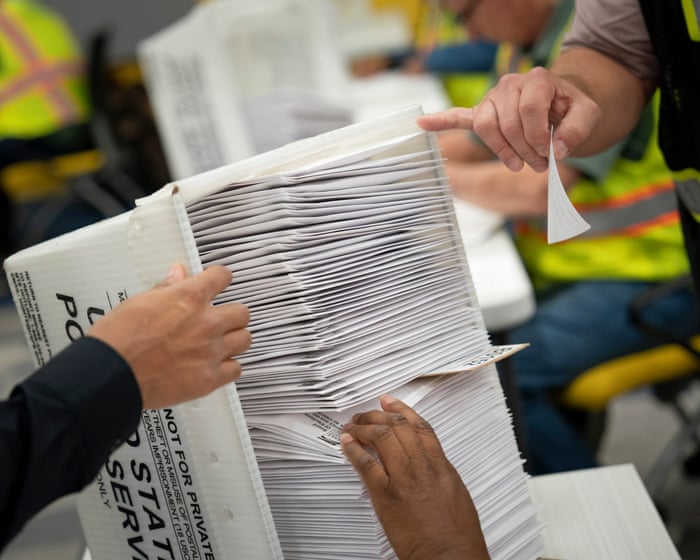
A federal judge in Boston has stopped President Trump’s order that would tighten mail-in voting rules and require a federal list of eligible voters for each state. The judge ruled that only states—not the federal government—have the authority to manage voter lists and that the order cannot be enforced.
Key Facts
President Trump signed an executive order in March to create a federal list of eligible voters for every state using Social Security data.
The order also told the U.S. Postal Service to send mail-in ballots only to people on these federal lists.
U.S. District Judge Indira Talwani blocked these parts of the order, saying neither the president nor Congress has the power to control voter rolls.
Talwani said states alone have the authority to manage voting eligibility.
The order directed the attorney general to prioritize prosecuting election officials who don’t use the federal lists.
The judge said this could scare local election officials and interfere with voting rights.
The Postal Service was told to refuse ballots in states that don’t send approved voter lists to the federal government.
Another judge in Washington, D.C. had previously allowed parts of the order but that decision is being appealed by opponents.
Read the Original
Want the full story? Tap a source to open the original
article.
A federal judge blocked President Donald Trump’s executive order that aimed to create a federal list of eligible voters and limit who could get mail-in ballots. The judge ruled that the order violated the U.S. Constitution because only states and Congress have the power to set election rules.
Key Facts
The judge who blocked the order was U.S. District Court Judge Indira Talwani, appointed by President Barack Obama.
The ruling applies to the 2026 midterm elections.
Nearly two dozen states challenged the order in federal court, saying it was unconstitutional.
The court said the order broke the separation of powers by giving the president control over election rules.
This was the second recent court decision against President Trump’s election-related orders.
One previous ruling stopped a Trump order requiring voters to prove citizenship when registering.
President Trump’s order wanted the U.S. government to make a list of voters and limit mail ballots to those people.
States and election officials said the order could cause problems and be abused.
Voting by noncitizens is very rare and already illegal under current laws.
Read the Original
Want the full story? Tap a source to open the original
article.
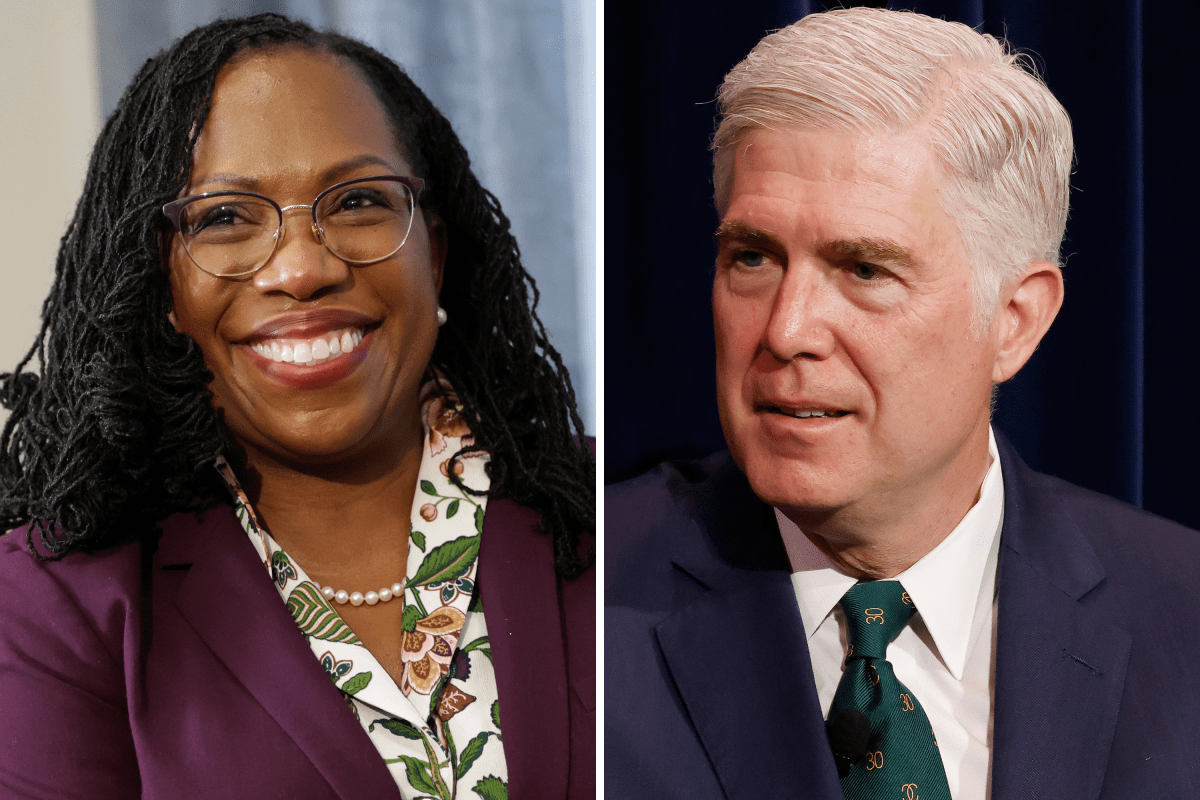
The U.S. Supreme Court ruled 7-2 that Bayer, which owns Roundup, cannot be sued in state courts over cancer warnings because federal law controls pesticide labeling. Justices Ketanji Brown Jackson and Neil Gorsuch disagreed, saying the ruling wrongly blocks people from seeking justice in state courts.
Key Facts
The case involved Bayer’s Roundup weedkiller and cancer warning lawsuits.
The court decided Bayer must follow federal pesticide labeling rules, not state laws.
The ruling prevents many state lawsuits claiming Bayer failed to warn about cancer risks.
The Environmental Protection Agency (EPA) has not found that glyphosate, Roundup’s main chemical, causes cancer.
Justice Brett Kavanaugh wrote the majority opinion supporting Bayer.
Justices Jackson (liberal) and Gorsuch (conservative) wrote a joint dissent, disagreeing with the majority.
The case started with John Durnell suing Bayer after he developed cancer allegedly from using Roundup.
The ruling interprets the Federal Insecticide, Fungicide, and Rodenticide Act (FIFRA) as blocking state law claims that conflict with federal rules.
Read the Original
Want the full story? Tap a source to open the original
article.
Fox News host Sean Hannity responded to viewers' concerns about his health after they noticed changes in his appearance on TV. He explained in a social media post that he developed pain while training and has already talked about it on his radio show.
Key Facts
Sean Hannity is a host on Fox News.
Viewers noticed changes in his appearance during recent broadcasts.
Fans expressed worry about his health online.
Hannity posted on social media to address these concerns.
He mentioned he developed pain while training.
This topic was previously discussed on his radio show.
Hannity thanked viewers for checking on him.
Read the Original
Want the full story? Tap a source to open the original
article.
Anna Kohl, a mother of a child with Down syndrome, supports abortion rights even though she chose to keep her daughter. She criticizes how some people, like content creator Jesse Ridgway, describe Down syndrome negatively when explaining their decision to end pregnancies. Kohl highlights the need for better support for families of children with disabilities.
Key Facts
Anna Kohl is 33 years old and lives in Oregon.
Her daughter Addy, who has Down syndrome, is now 4 years old.
Kohl supports the right to abortion but finds parenting a child with disabilities challenging without enough support.
Jesse Ridgway and his wife ended a pregnancy due to a high chance of Down syndrome, sharing their decision online.
Ridgway described Down syndrome in negative terms, which Kohl called unfair and harmful.
Trisomy 21 (Down syndrome) happens in about 1 in 1,000 births worldwide.
People with Down syndrome can live full lives with the right care and assistance.
Kohl emphasizes that supporting abortion rights does not mean promoting negative views of people with disabilities.
Read the Original
Want the full story? Tap a source to open the original
article.
A federal judge stopped President Donald Trump’s order that aimed to create a national voter list and restrict who could get mail-in ballots. The judge’s decision applies to this year's midterm elections and came after several states challenged the order.
Key Facts
President Donald Trump issued an executive order to make a federal voter list.
The order also sought to limit who can receive mail-in ballots.
U.S. District Court Judge Indira Talwani blocked this order.
The judge was nominated by President Barack Obama.
Nearly two dozen states joined to challenge the order.
The judge granted a summary judgment, meaning the case was decided quickly.
The ruling affects the 2024 midterm election cycle.
Read the Original
Want the full story? Tap a source to open the original
article.
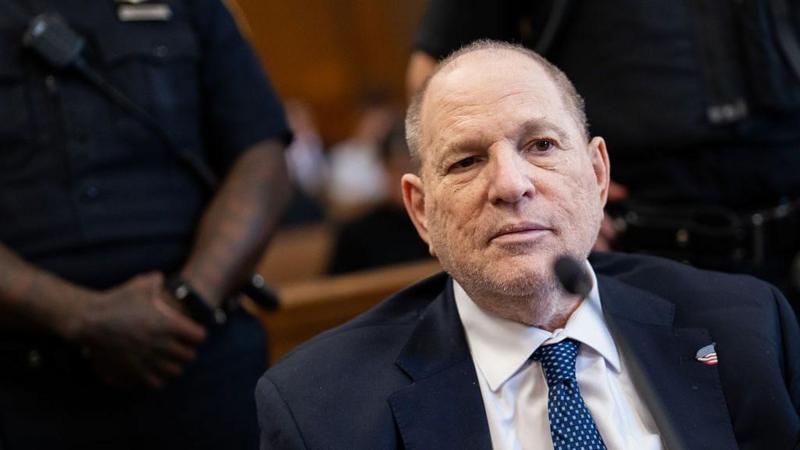
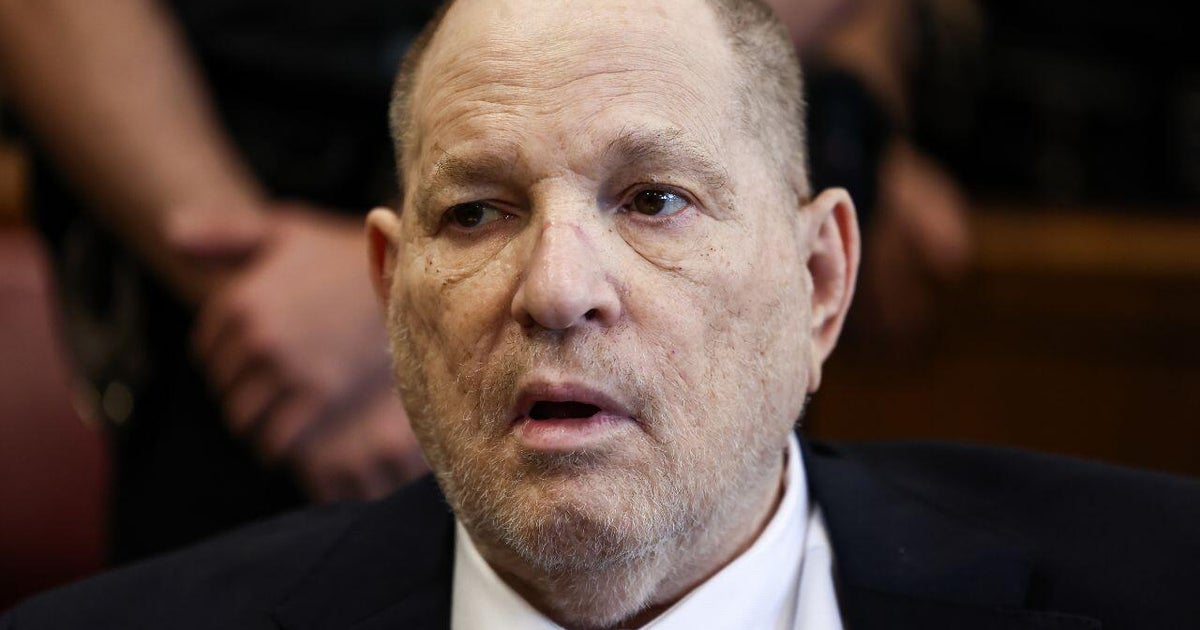
New York prosecutors have decided not to continue with a rape charge against Harvey Weinstein. This comes after three previous trials on the same charge, and follows discussions with the accuser, Jessica Mann, who chose not to face another trial.
Key Facts
Prosecutors dropped a rape charge against Harvey Weinstein for the fourth time.
Weinstein’s previous trials on this charge included one overturned conviction and two hung juries (where jurors could not agree).
Weinstein still has other sexual felony convictions in New York and California.
The decision followed discussions with the accuser, Jessica Mann, who is a hairstylist and actor.
The accuser did not want to go through another trial.
Manhattan District Attorney Alvin Bragg Jr stated that they believe Ms. Mann’s story and find her a credible witness.
The case is part of ongoing legal issues linked to Weinstein’s past sexual misconduct allegations.
Read the Original
Want the full story? Tap a source to open the original
article.
Joe Rogan, a podcaster and emcee for the UFC Freedom 250 event at the White House, said the organizers should not have invited a fighter who made a rude comment about Michelle Obama. Rogan supports President Donald Trump in the 2024 election.
Key Facts
Joe Rogan hosted the UFC Freedom 250 fight night at the White House.
The event took place earlier in the current month.
One fighter at the event insulted Michelle Obama.
Rogan said that fighter probably should not have been invited.
Rogan is supporting President Donald Trump in the 2024 election.
The event was connected to President Trump’s administration.
Rogan expressed his opinion in a public statement about the fighter’s comment.
Read the Original
Want the full story? Tap a source to open the original
article.
Rep. Suhas Subramanyam stated that more people have been arrested for damaging the Lincoln Memorial Reflecting Pool than for matters related to Jeffrey Epstein’s files. He made this comment while serving on the House Oversight and Government Reform Committee.
Key Facts
Rep. Suhas Subramanyam represents Virginia and is a Democrat.
He spoke on a Thursday about arrests related to the Lincoln Memorial Reflecting Pool.
More arrests were made for alleged vandalism of the Reflecting Pool than from investigations involving Jeffrey Epstein’s files.
Subramanyam is a member of the House Oversight and Government Reform Committee.
The Lincoln Memorial Reflecting Pool is a landmark in Washington, D.C.
Jeffrey Epstein was a convicted sex offender who had extensive files related to his case.
Read the Original
Want the full story? Tap a source to open the original
article.
A federal judge in Boston blocked a Trump administration rule that would require the postal service to track and possibly reject mail-in ballots if states did not share their voter lists with federal officials. The judge said this rule was unconstitutional because the president cannot create new powers over election rules without Congress.
Key Facts
The Trump administration issued an executive order on March 31 requiring the postal service to track mail-in ballots using barcodes linked to citizenship data.
US District Judge Indira Talwani ruled this order unconstitutional and blocked its enforcement.
The plan would have denied mail-in ballots to states that refused to share their voter rolls with the federal government.
President Trump is pushing Congress to pass new laws imposing voter ID rules and limiting mail-in voting.
Voting rights groups and 23 states plus Washington, D.C. sued to stop the rule, arguing the president has no authority over election administration.
During a Senate hearing, Democratic senators questioned the postmaster general about the legality of the proposed rule.
The postal service had proposed that states submit voter lists with barcodes 30 days before elections, and mail-in ballots not matching would be rejected.
The judge’s order allows states to voluntarily share data but prohibits the federal government from forcing or controlling state voter lists or punishing states over election administration.
Read the Original
Want the full story? Tap a source to open the original
article.
The Supreme Court allowed the Trump administration to bring back a policy that limited the number of migrants who can ask for asylum each day at the U.S.-Mexico border. The policy was first used under President Obama and expanded during President Trump’s first term but was stopped in 2021. The court ruled that people waiting at the border do not legally arrive until they enter the U.S., so they can be turned away without applying for asylum.
Key Facts
The policy, known as “metering,” restricts how many migrants can apply for asylum daily at border crossings.
It began under President Obama during a Haitian migrant surge and was expanded by President Trump.
The policy stopped in 2020 due to new restrictions during the COVID-19 pandemic and was officially ended by President Biden in 2021.
A lower court found metering violated asylum seekers’ rights, but the Supreme Court reversed this decision in a 6-3 vote.
The Trump administration said the policy is necessary to manage high numbers of asylum seekers safely.
The Supreme Court majority said people waiting at the border have not “arrived” in the U.S. legally, so officials can block entry.
Justice Sonia Sotomayor dissented, arguing the ruling goes against U.S. values of welcoming asylum seekers.
The case is one of several immigration issues the court is considering this term, including birthright citizenship and protections for migrants fleeing danger.
Read the Original
Want the full story? Tap a source to open the original
article.
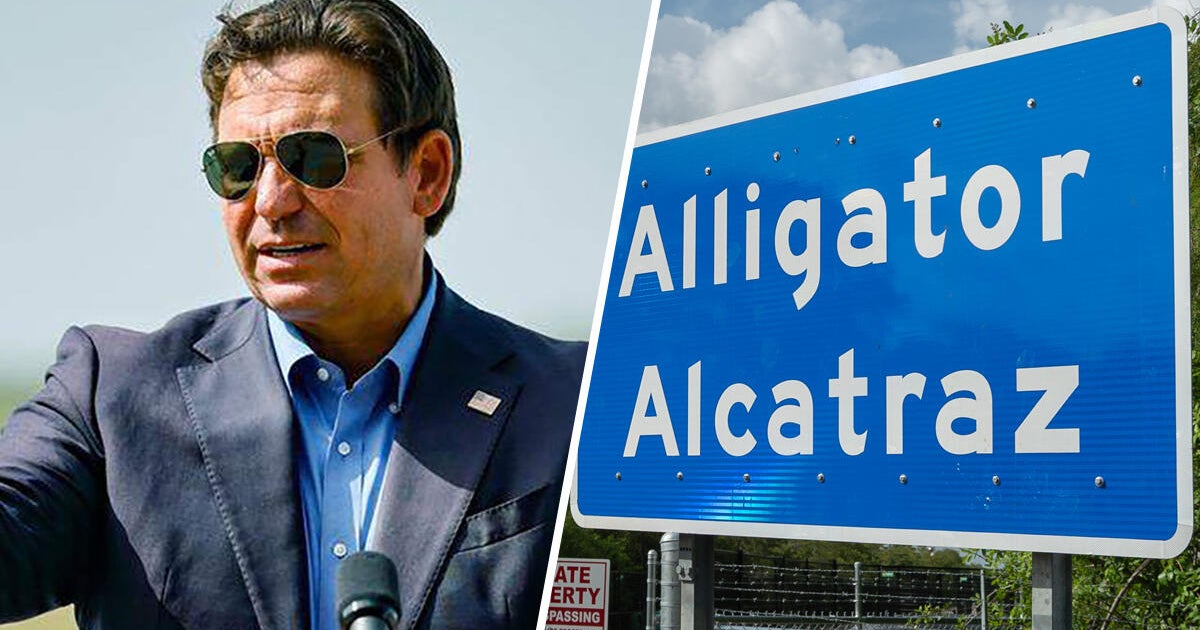
Florida Governor Ron DeSantis held a news conference at the immigration detention center known as "Alligator Alcatraz," amid reports that the facility is closing. The final detainees left last week, and the site may be transformed into protected Everglades land proposed by Miami-Dade officials.
Key Facts
"Alligator Alcatraz" is an immigration detention center in Florida, costing around $1.2 billion.
The facility was praised by Governor DeSantis and President Donald Trump as a model for other states.
Vendors were told to begin full demobilization, signaling the facility's closure.
The last detainees were transferred or deported, partly due to safety concerns before hurricane season.
Conditions inside the facility faced criticism from lawyers, families, and human rights groups.
Miami-Dade Mayor Daniella Levine Cava plans to convert the land to protected natural space as part of Everglades restoration.
The site is on county-owned land near the Everglades, with limited use for aviation and high maintenance costs.
Officials will work with federal, state, tribal, and environmental groups to transfer the land properly.
Read the Original
Want the full story? Tap a source to open the original
article.
The U.S. Supreme Court ruled 6-3 to allow President Donald Trump’s administration to end temporary protected status (TPS) for Haitian and Syrian immigrants, which had prevented their deportation. This decision removes court blocks and lets the government quickly stop protections for about 350,000 Haitians and 6,000 Syrians who fled violence and disasters in their countries.
Key Facts
The Supreme Court’s decision lets the Department of Homeland Security end TPS for Haitians and Syrians without further court review.
TPS is a program that temporarily protects immigrants from deportation when their home countries face danger like war or natural disasters.
About 350,000 Haitians and 6,000 Syrians currently have TPS, with a total of 1.3 million people from 17 countries protected.
The Trump administration argued that immigration officials’ decisions on TPS should not be overruled by judges.
Critics say the affected countries remain unsafe and that ending protections was done too quickly and unfairly.
The administration has ended TPS for people from 13 countries since Trump returned to office in 2025, including Venezuela.
The U.S. first gave TPS to Haitians after the 2010 earthquake and to Syrians during their civil war starting in 2012.
TPS allows people to stay and work for about 18 months legally but does not give a way to become U.S. citizens.
Read the Original
Want the full story? Tap a source to open the original
article.
New York prosecutors have dropped the rape charge against Harvey Weinstein after his jury could not reach a verdict for the third time. Weinstein remains convicted of other sexual crimes and will stay in prison while prosecutors recommend a 20-year sentence.
Key Facts
Prosecutors decided not to try Weinstein again on the New York rape charge.
Weinstein is still convicted of other sexual offenses in New York and California.
The rape charge involved actress Jessica Mann, who accused Weinstein of raping her in 2013.
The jury was deadlocked twice and could not reach a unanimous decision.
Jessica Mann testified she was raped despite having a prior consensual relationship with Weinstein.
Weinstein’s lawyers claimed the relationship was consensual and denied assault.
Weinstein admitted to acting wrongly but denied assaulting anyone.
Prosecutors said Weinstein should receive a 20-year prison sentence based on his convictions.
Read the Original
Want the full story? Tap a source to open the original
article.
The U.S. Supreme Court ruled 6-3 that migrants at the U.S.-Mexico border must enter the country physically before they can apply for asylum. This decision allows President Donald Trump’s administration to bring back a policy that limits the number of asylum seekers who can request protection each day.
Key Facts
The Supreme Court ruled that migrants stopped outside the U.S. cannot apply for asylum until they are physically inside the country.
The ruling supports a policy sometimes called "metering," which limits how many asylum seekers can enter the U.S. daily.
This policy was first used under President Trump’s administration in 2016 and ended under President Biden in 2021.
The court also agreed that the Trump administration can end temporary protections for over 356,000 Syrian and Haitian immigrants.
Federal law allows asylum claims only for those who are "physically present" or "arrive in" the U.S.
Justices debated what it means to "arrive" in the U.S., with the majority saying arrival means entering the country physically.
President Trump announced a broader ban on asylum seekers in 2025, which is still facing legal challenges.
The case Noem v. Al Otro Lado refers to this Supreme Court decision on asylum seeker policies at the border.
Read the Original
Want the full story? Tap a source to open the original
article.
Law enforcement agencies in Southern California are using license plate readers and drones to catch people who steal packages from porches. These tools have helped police identify and arrest suspects, leading to more recoveries of stolen goods.
Key Facts
Between August 2024 and October 2025, the Los Angeles Police Department recorded 668 cases of petty theft from residential porches.
The Orange County Sheriff's Department also reported multiple theft cases but does not specify if items were taken from porches.
Irvine police use drones to track suspects and license plate readers to identify vehicles involved in thefts.
71% of people arrested for these crimes in Irvine do not live in the city.
A woman’s stolen package was recovered after police used camera footage and license plate readers to catch the thief.
Porch piracy spikes about 40% after Amazon Prime Day, with an estimated 37 million packages stolen in the U.S. yearly, worth over $8.2 billion.
The average value of a stolen package is about $222, but many thefts go unreported—only about 25% of cases are reported to police.
Experts suggest re-routing packages to secure locations, adding cameras or motion lights, and scheduling deliveries when someone is home to reduce theft risk.
Read the Original
Want the full story? Tap a source to open the original
article.
The House of Representatives passed several bills in June aimed at fighting fraud. This action was motivated by a report that accused Minnesota’s Governor Tim Walz and Attorney General Keith Ellison of knowing about fraud in government-funded social programs but not acting to stop it.
Key Facts
The House passed seven major bills focused on preventing fraud.
They also passed 15 less controversial measures related to fraud prevention.
The increased effort followed a report about fraud in social programs funded by the federal government.
Minnesota Governor Tim Walz and Attorney General Keith Ellison were accused of knowing about the fraud.
The report said these officials did not take action to stop the fraud.
The fraud involves taxpayer money meant for social programs.
The bills aim to improve government efforts to detect and prevent fraud.
Read the Original
Want the full story? Tap a source to open the original
article.
A recent Gallup poll found that two out of three Americans are struggling financially because gas prices have gone up. The poll links these price increases to economic effects related to the war in Iran.
Key Facts
67% of Americans said higher gas prices have caused financial problems for them or their families.
The poll connects the rise in gas prices to the conflict involving Iran.
Gas price increases are impacting many households across the U.S.
One-third of respondents did not report financial hardship from gas price increases.
The Gallup poll reflects current feelings about the U.S. economy and energy costs.
The Iran war is seen as a factor influencing fuel costs in the United States.
Rising gas prices mean people have to spend more money on transportation and energy.
Read the Original
Want the full story? Tap a source to open the original
article.