Neutral summaries of your favorite news sources — just the facts.
Your favorite news sources, one neutral feed — we distill their reporting into fact-first
summaries and always link to the original story. How it works
US News
Latest developments and key stories from across the United States
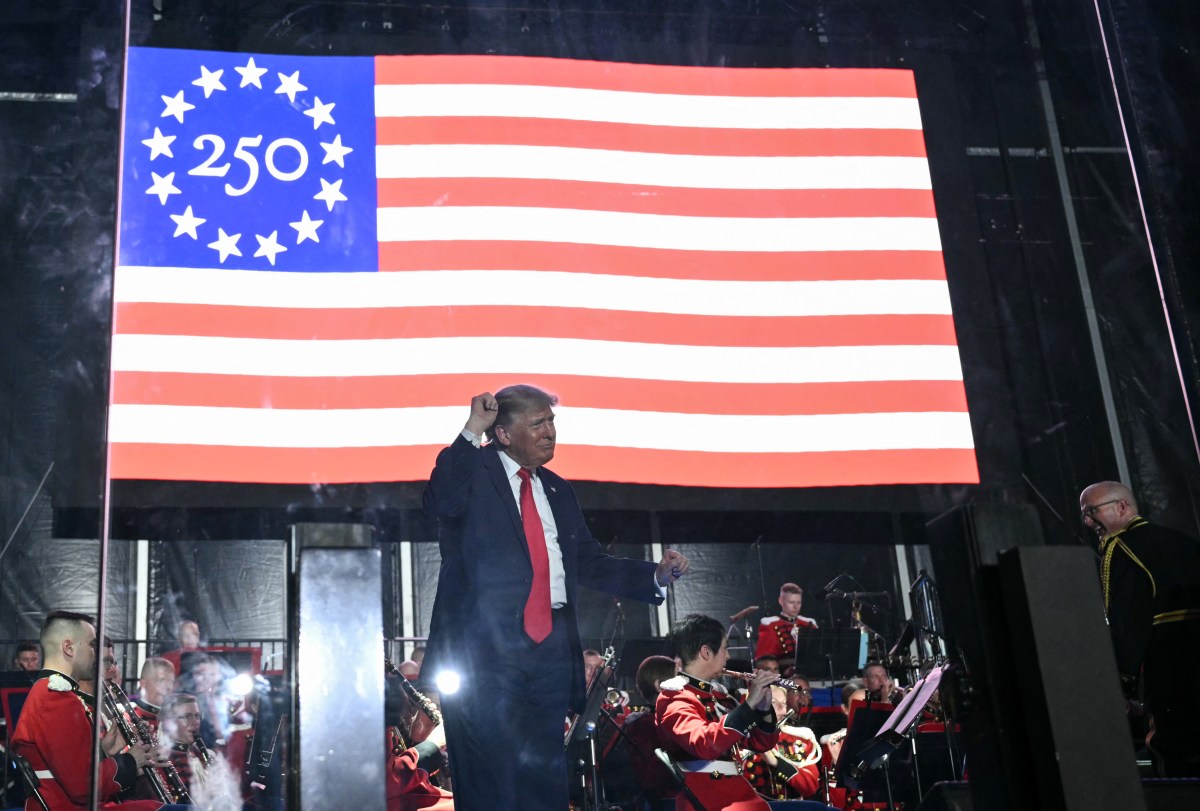
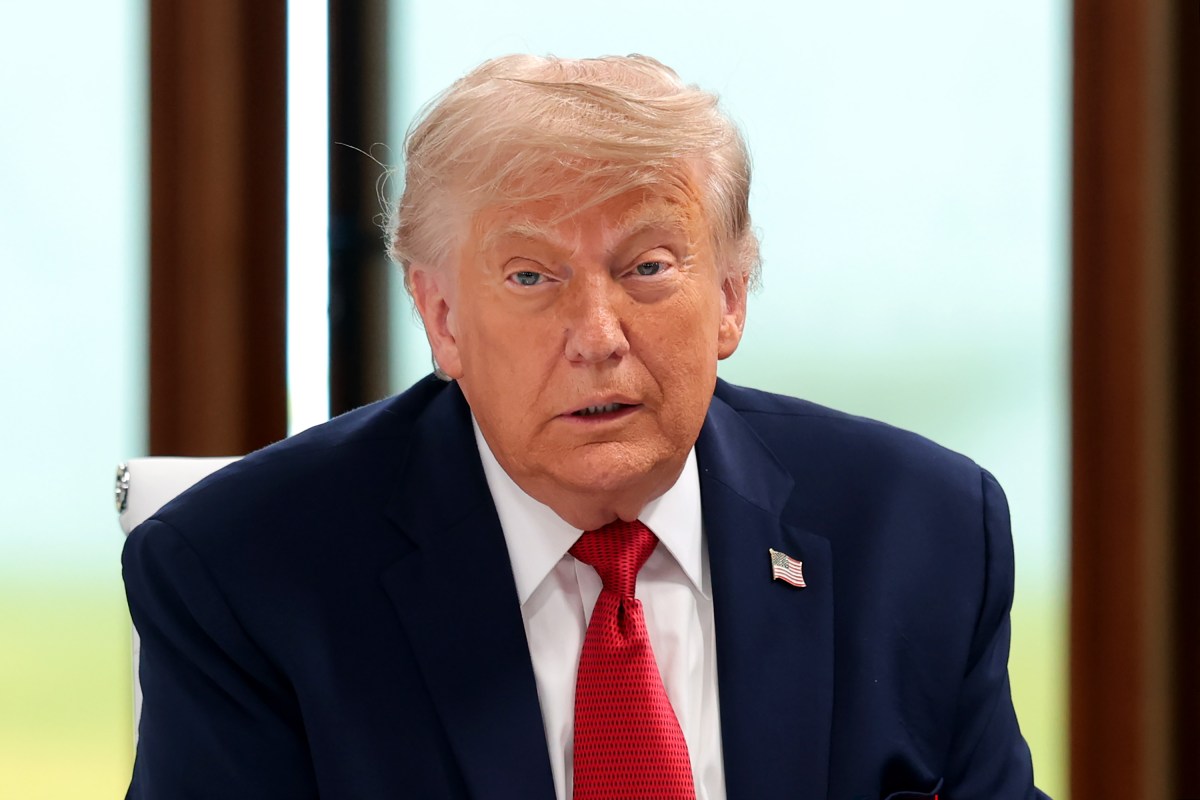
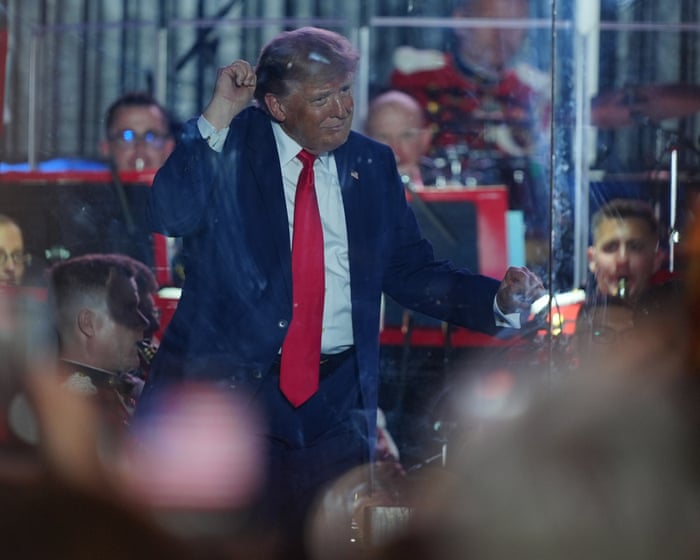
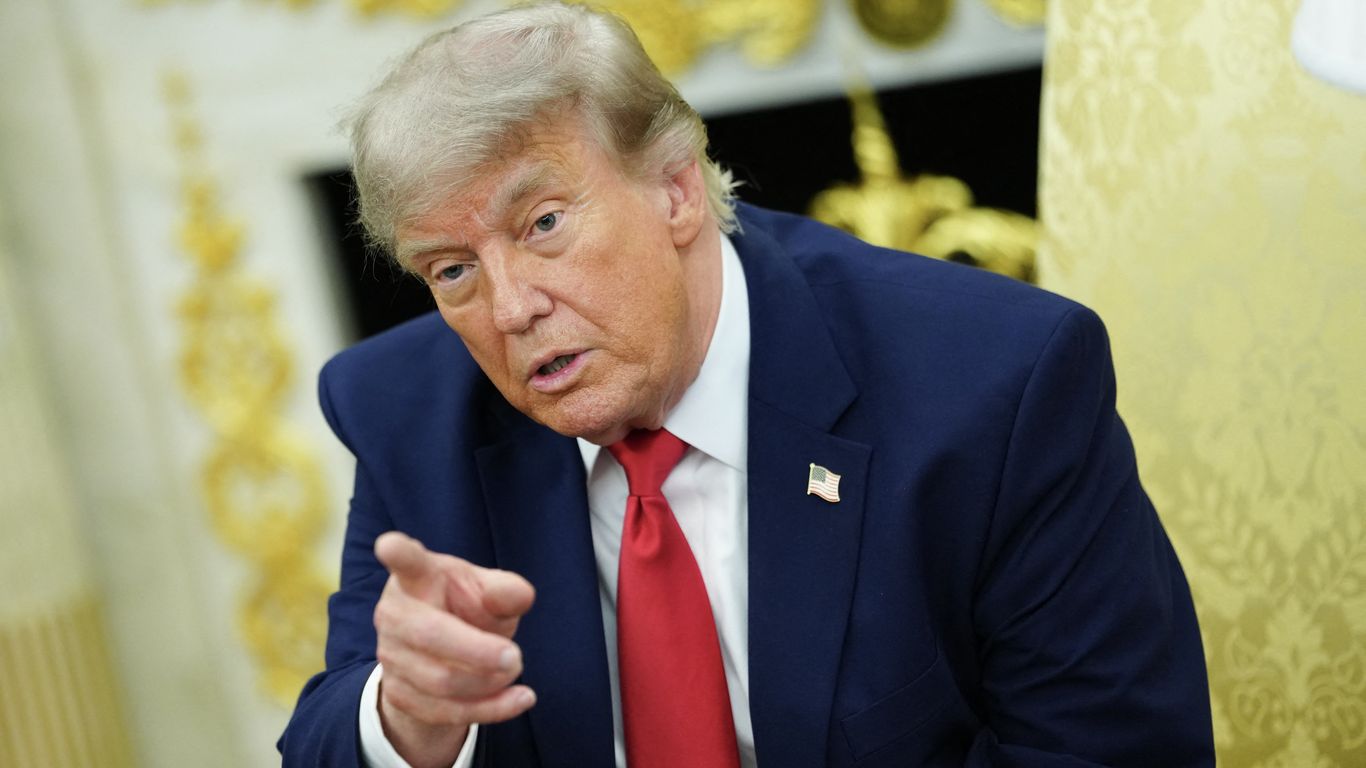
President Donald Trump spoke at the start of the Great American State Fair, held on the National Mall in Washington to mark America's 250th birthday. Instead of focusing on unity or inspirational themes, his speech and the event had strong political tones, with some scheduled performers withdrawing due to concerns about politicization.
Key Facts
The event celebrated 250 years of American independence on the National Mall in Washington, D.C.
President Trump spoke from behind protective glass near the Washington Monument.
His speech included comments on transgender issues, a White House ballroom, and renaming the Gulf of Mexico.
He praised a cleaned statue of Christopher Columbus and mentioned vandalism at the Lincoln Memorial reflecting pool without proof.
The event included music from the US Marine Band and Christopher Macchio after several artists withdrew.
Some attendees wore Trump campaign gear, and no Democrats were present.
Transportation Secretary Sean Duffy praised Trump highly and criticized the performers who canceled.
Military jets flew overhead during the event, which had a patriotic theme mixed with political messaging.
Read the Original
Want the full story? Tap a source to open the original
article.
President Donald Trump said the Lincoln Memorial Reflecting Pool was damaged by vandals but now looks "perfect." He said those responsible are mostly caught and the pool will be fully restored. Security around the pool has been increased, and some officials question the handling of the restoration project.
Key Facts
President Trump claimed the Reflecting Pool was "gruesomely vandalized" but is now looking good.
He said the vandals damaged the pool by cutting a 350-foot hole and using chemicals.
The vandals have mostly been caught and are being prosecuted, according to the president.
Security has been increased with fencing around parts of the pool.
The Interior Department said fencing was planned before but was put up earlier due to vandalism concerns.
Democratic Senator Richard Blumenthal questioned the quality and cost of the pool’s renovation.
Blumenthal raised concerns about contractors with ties to President Trump and the quick return of algae problems.
The administration has not publicly shared evidence of the vandalism claims.
Read the Original
Want the full story? Tap a source to open the original
article.
From 2020 to 2025, the number of children under 18 in the U.S. dropped by 1.8 million in every region except the South, where child population increased. The South also saw overall population growth and is facing challenges like crowded schools and housing pressures.
Key Facts
The U.S. child population fell by 1.8 million between 2020 and 2025.
The South is the only region where the under-18 population grew, adding about 304,000 children.
The West saw the largest decline in children, down by over 1 million (5.7%).
The South's total population grew 6%, nearly twice the national average of 3.1%.
Growth in the South includes more children, adults in family-building years, and retirees.
Most child population growth in the South happened in metro counties, while rural and small counties saw declines.
The U.S. median age rose to 39.4 years in 2025, reflecting an aging population.
People aged 65 and older increased by 16.2% nationally during this period.
Read the Original
Want the full story? Tap a source to open the original
article.
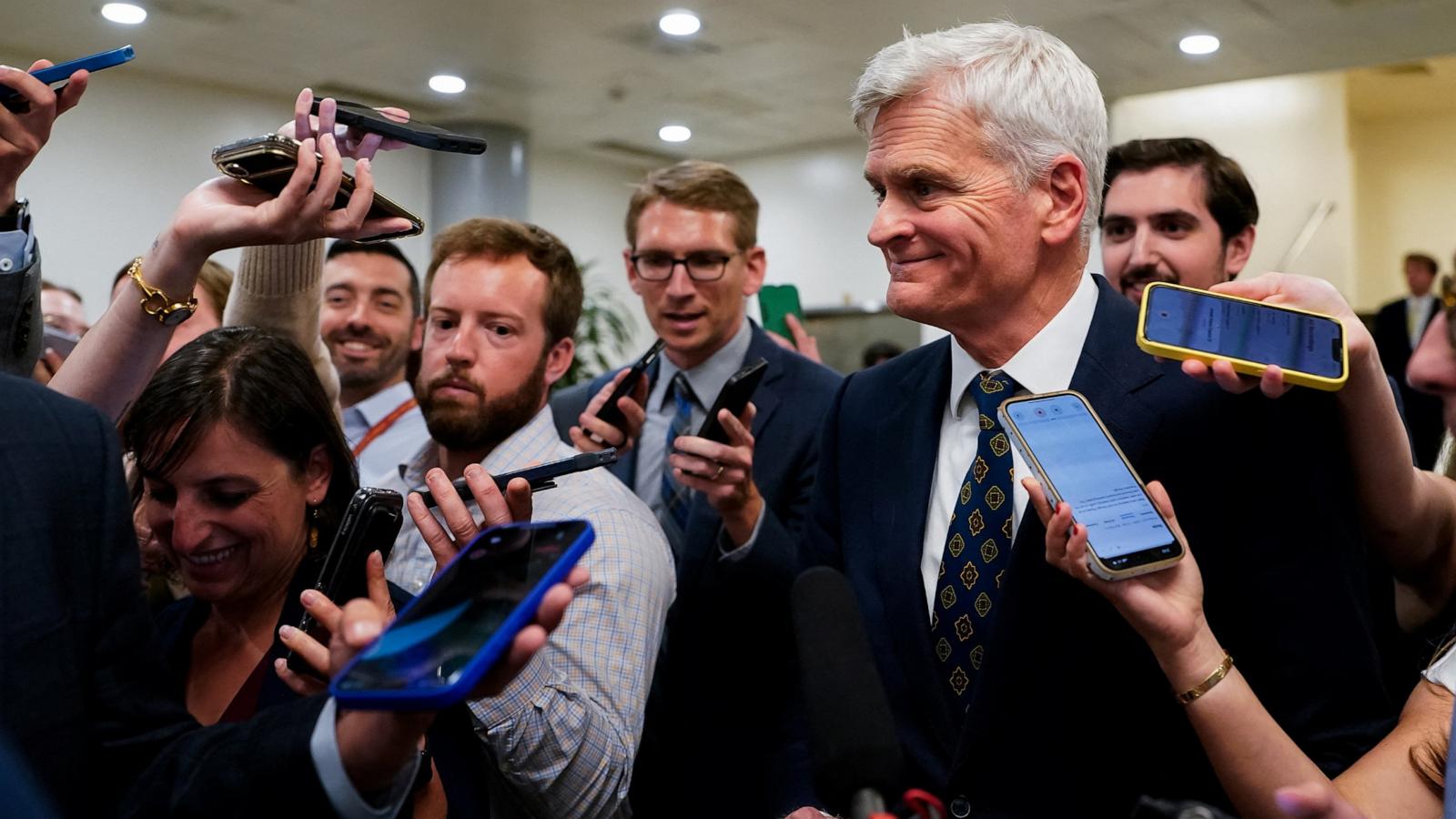
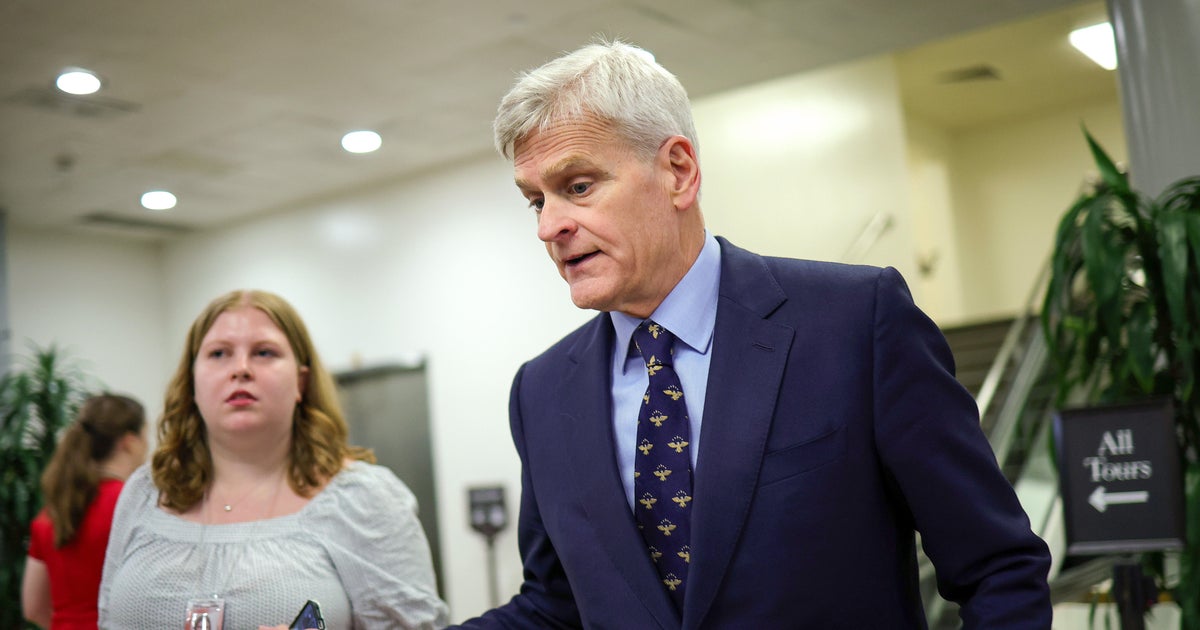
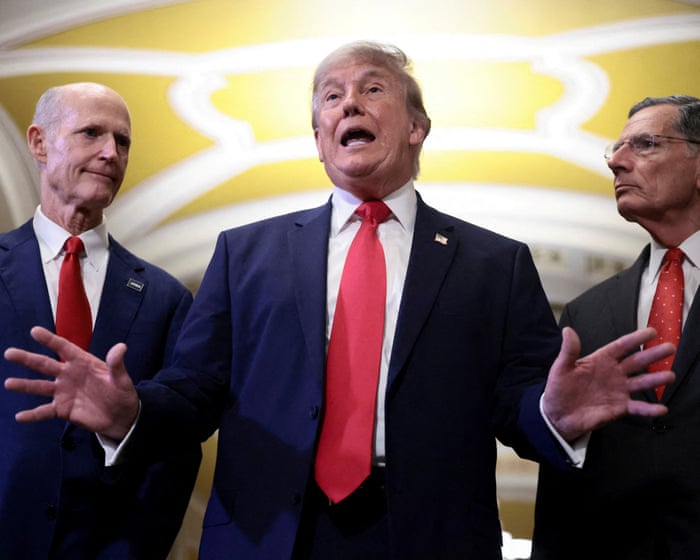
The Senate voted to block a resolution that would limit President Trump's power to take military action in Iran. Senator Bill Cassidy, who had earlier supported a similar resolution, joined most Republicans in stopping the new measure.
Key Facts
The Senate blocked a resolution aimed at limiting President Trump's war powers regarding Iran.
Senator Bill Cassidy initially supported a previous war powers resolution.
Cassidy argued with President Trump earlier during a GOP lunch at the U.S. Capitol.
After a briefing from Vice President JD Vance and Special Envoy Steve Witkoff, Cassidy voted with most Republicans to block the resolution.
The vote marked a change from Cassidy’s earlier position on limiting war powers.
President Trump publicly criticized Cassidy for supporting the earlier resolution.
The issue relates to how much authority the president has for military actions without congressional approval.
Read the Original
Want the full story? Tap a source to open the original
article.
The Senate voted 50 to 47 against a measure that would limit President Trump's power to conduct war against Iran. Some Republican senators who had supported restricting these war powers earlier changed their votes after discussions with the White House, while President Trump expressed frustration with Congress's actions on this issue.
Key Facts
The Senate blocked a resolution that aimed to restrict President Trump's ability to wage war against Iran.
The vote was 50 against and 47 in favor, with two Republicans joining Democrats to support the measure.
The resolution was introduced by Democratic Senator Tim Kaine and would have required the president to end military hostilities with Iran unless authorized by Congress.
The Trump administration argues the U.S. is no longer in conflict with Iran due to a current ceasefire.
President Trump criticized the Congress's attempts to limit his war powers and had a tense meeting with Senate Republicans.
Some Republican senators who had voted to limit war powers reconsidered and voted against advancing the resolution after briefings from White House officials.
Senate Majority Whip John Barrasso helped negotiate support to block the resolution.
President Trump recently signed an agreement with Iran to extend a ceasefire and start discussions on Iran's nuclear program.
Read the Original
Want the full story? Tap a source to open the original
article.
The Senate voted 47-50-1 against formally criticizing President Donald Trump’s administration again over its military actions in Iran. Republican leaders convinced some senators that condemning the administration could hurt ongoing negotiations related to the conflict.
Key Facts
The vote took place late Wednesday night.
The final count was 47 in favor, 50 against, and 1 abstention.
The resolution aimed to officially criticize the Trump administration’s military actions in Iran.
This would have been the second time Congress tried to formally rebuke the administration over this issue.
Republican leaders persuaded some swing votes to oppose the resolution.
Senators were concerned that a rebuke might negatively affect peace talks or conflict negotiations with Iran.
The vote reflects disagreements in Congress about how to handle the Iran conflict.
The issue involves the balance of power between Congress and the President in decisions about war.
Read the Original
Want the full story? Tap a source to open the original
article.
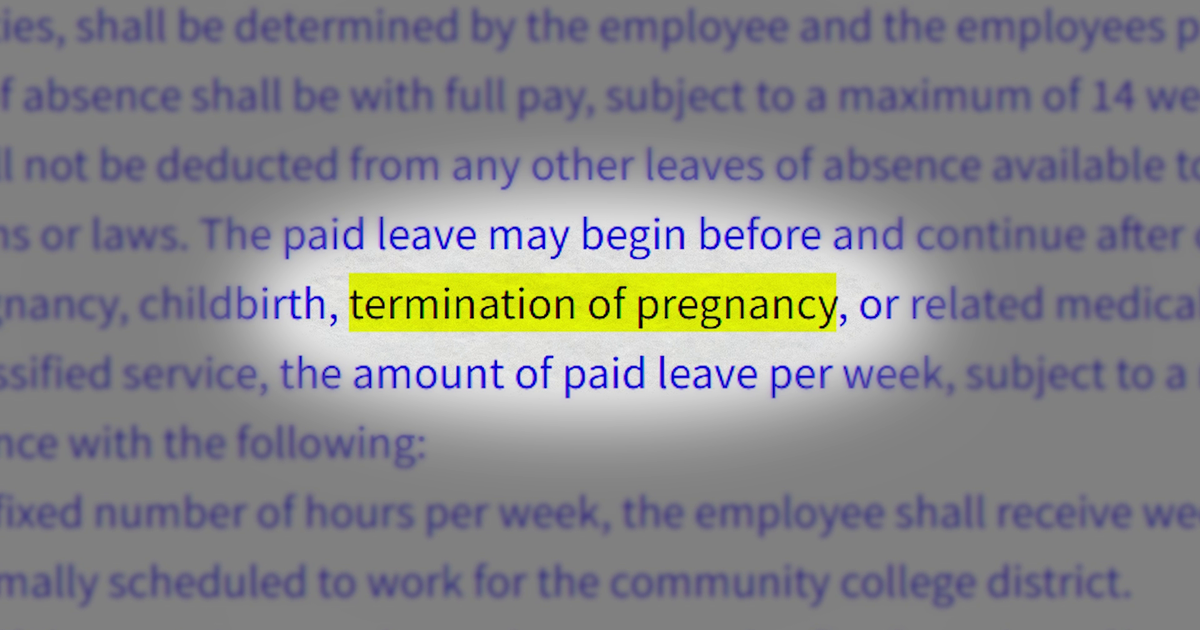
California lawmakers are considering a bill that would give public school teachers up to 14 weeks of paid pregnancy disability leave funded by the state. The bill includes language that could also allow paid leave for elective abortions, making California possibly the first state to offer taxpayer-funded paid abortion leave for teachers.
Key Facts
The bill, Assembly Bill 65, is authored by Assembly Majority Leader Cecilia Aguiar-Curry.
It aims to provide up to 14 weeks of state-funded paid pregnancy disability leave to California teachers.
Teachers currently can’t access pregnancy disability benefits through the State Disability Insurance program like many private-sector workers.
The bill’s language includes paid leave for "termination of pregnancy," which refers to abortions.
Some lawmakers and critics are concerned about the lack of an annual limit on leave and privacy issues for teachers.
The measure passed the California Assembly with bipartisan support and now goes to the Senate for further debate.
Lawmakers expect the bill to be amended, possibly removing or changing the abortion-related provisions.
Governor Gavin Newsom supports providing paid pregnancy leave for teachers after several previous efforts failed.
Read the Original
Want the full story? Tap a source to open the original
article.
A federal immigration enforcement operation called Operation Metro Surge took place in Minnesota starting in December under President Donald Trump’s administration. While the operation officially ended in February, many immigrants in the area still feel scared and face ongoing challenges like trauma and economic hardship.
Key Facts
Operation Metro Surge began in December to target undocumented immigrants, especially those accused of crimes.
The operation involved raids in Minneapolis, including schools and homes, by ICE and Customs and Border Protection agents.
Two U.S. citizens protesting the operation, Renee Good and Alex Pretti, were shot and killed by federal agents in January.
Public backlash, including from some Republicans, led to the removal of hundreds of agents by the end of February.
Immigrants in Minnesota, including asylum seekers, report ongoing fear and trauma even months after the operation ended.
Some students stopped attending school during the raids and some had to leave school to support their families after job losses.
Community groups and schools worked to provide support, such as food and donations, to those affected.
The administration described the operation as successful in removing dangerous criminals but many residents experience long-term effects.
Read the Original
Want the full story? Tap a source to open the original
article.
Utah Senate President Stuart Adams lost his Republican primary election after supporting a large data center project in Box Elder County that upset many voters. This project became a key issue in the race and contributed to Adams being removed from his powerful position.
Key Facts
Stuart Adams was the Utah Senate President and one of the state's longest-serving legislative leaders.
He supported a large data center development in Box Elder County, Utah.
The data center project was controversial and caused many voters to oppose Adams.
Adams lost his GOP primary election to a challenger on Tuesday.
The voter backlash against the data center project played a major role in the election outcome.
This loss ended Adams’ long tenure as the Senate President in Utah.
Read the Original
Want the full story? Tap a source to open the original
article.
A large fire broke out at an old commercial building in Allentown, Pennsylvania, on Wednesday night. Firefighters are working to control the blaze, and nearby residents are asked to evacuate or shelter in place while power is shut off in the area.
Key Facts
The fire began around 8:40 p.m. at an old commercial building on Front Street in Allentown.
It grew to a six-alarm fire, indicating a very large and serious blaze.
The fire spread to a house across the street.
About 3,600 customers lost power after PPL Electric Utilities turned off electricity near the fire.
Authorities asked residents in the 300 block of Front Street to evacuate through their backyards.
Others in the area were told to stay indoors and shelter in place for safety.
No injuries have been reported so far.
Firefighters are still working to control the fire, and updates are ongoing.
Read the Original
Want the full story? Tap a source to open the original
article.
President Donald Trump opened the Great American State Fair on the National Mall as part of the 250th anniversary of the United States. He gave a prepared speech emphasizing that America is strong and prosperous.
Key Facts
The event took place on the National Mall in Washington, D.C.
The Great American State Fair is part of the U.S. 250th anniversary celebrations.
President Trump spoke to a crowd during the opening ceremony.
He followed a prepared speech without deviating from it.
In his speech, President Trump said, "America is back."
The event highlights American history and achievements as the country marks 250 years of independence.
The fair brings together people to celebrate the nation’s past and future.
Read the Original
Want the full story? Tap a source to open the original
article.
Senator Bill Cassidy from Louisiana met with Vice President JD Vance and Special Envoy Steve Witkoff at the White House to get an update on the situation with Iran. This meeting happened after Cassidy had a strong disagreement with President Trump earlier that day.
Key Facts
Senator Bill Cassidy is from Louisiana and is a Republican.
Cassidy had a heated argument with President Donald Trump during a meeting.
Later the same day, Cassidy received a briefing about Iran from Vice President JD Vance and Special Envoy Steve Witkoff.
The briefing took place at the White House.
The discussion focused on the ongoing conflict involving Iran.
Read the Original
Want the full story? Tap a source to open the original
article.
A new Quinnipiac poll shows President Donald Trump’s approval rating among independent voters has risen to 34 percent, his highest since December. Despite this increase, his overall approval remains below 40 percent, and many voters express skepticism about recent U.S. military actions in the Middle East.
Key Facts
President Trump’s approval rating among independents rose to 34 percent in the latest poll.
This is the highest approval among independents since December, but still below a majority.
Overall, Trump has a 38 percent approval rating and a 55 percent disapproval rating.
Polling was done from June 18 to June 22, surveying 1,165 registered voters.
60 percent of voters said recent U.S. military action against Iran was not worth it.
Nearly half of voters think the U.S. is too supportive of Israel.
Operation Epic Fury was a joint U.S.-Israel military action against Iran in February.
The poll shows mixed feelings about Trump’s foreign policy among voters, especially independents.
Read the Original
Want the full story? Tap a source to open the original
article.
President Donald Trump began America’s 250th independence celebration with a political rally at the Great American State Fair on the National Mall in Washington, DC. The event featured Trump highlighting his administration’s achievements and included patriotic themes, although some performers and states withdrew due to political concerns.
Key Facts
President Trump opened the Great American State Fair, marking the start of America's 250th year of independence.
He spoke about the country’s progress, mentioning a deal with Iran, immigration enforcement, and a tax bill.
The Lincoln Memorial reflecting pool was renovated for the celebration, costing about $14.1 million.
Trump claimed vandalism caused damage to the reflecting pool’s liner, but no evidence was provided.
Many scheduled performers, including popular musicians, withdrew because they felt the event became politically focused.
Some states chose not to participate in the event for similar reasons.
The FBI director’s girlfriend sang the national anthem at the event and denied nepotism claims.
Other events on the National Mall included a UFC fight and a Patriot Games contest for high school students with scholarships as prizes.
The Trump administration has faced criticism for removing materials about slavery, Indigenous people, and climate from national monuments but was ordered to restore them.
Read the Original
Want the full story? Tap a source to open the original
article.
Postmaster General David Steiner said the U.S. Postal Service will stop delivering mail-in ballots in states that do not share certain voter data with the federal government. This plan follows a rule proposed by the Trump administration.
Key Facts
The USPS will withhold delivery of mail-in ballots in some states.
This action targets states that refuse to share sensitive voter data with the federal government.
The rule comes from the Trump administration’s proposal.
David Steiner, the Postmaster General, announced this decision during a Senate committee hearing.
The Senate committee involved is the Homeland Security and Governmental Affairs Committee.
The sensitive voter data is linked to the federal oversight of elections.
The move aims to enforce cooperation between states and the federal government regarding voter information.
Read the Original
Want the full story? Tap a source to open the original
article.
The U.S. military has started requiring flu vaccines again for recruits despite an earlier decision to make the vaccine optional. This change comes after a flu outbreak at Lackland Air Force Base, where many trainees have become sick.
Key Facts
All U.S. military branches now require flu vaccines for new recruits starting this month.
This rule is an exception to Defense Secretary Pete Hegseth’s previous decision to make flu vaccines voluntary.
Lackland Air Force Base in Texas has had a recent flu outbreak with 275 cases among trainees.
The outbreak led to increased health measures, including monitoring exposed trainees and treating symptoms with antiviral drugs like Tamiflu.
Military departments requested exemptions to keep flu vaccines mandatory for certain groups, such as people living in close quarters and healthcare workers.
The Pentagon reviewed the risk and concluded that flu vaccines help maintain military readiness and protect vulnerable personnel.
Flu vaccines have been required for troops on and off since 1945, except for a few periods.
The military also required COVID-19 vaccines until the mandate was lifted, with some service members returning after refusing the shots.
Read the Original
Want the full story? Tap a source to open the original
article.
House Democrats are preparing for a larger and more outspoken group of left-wing members, called democratic socialists, to join Congress in 2027. This new group is expected to be more active and independent, which could create challenges for party leaders trying to keep unity.
Key Facts
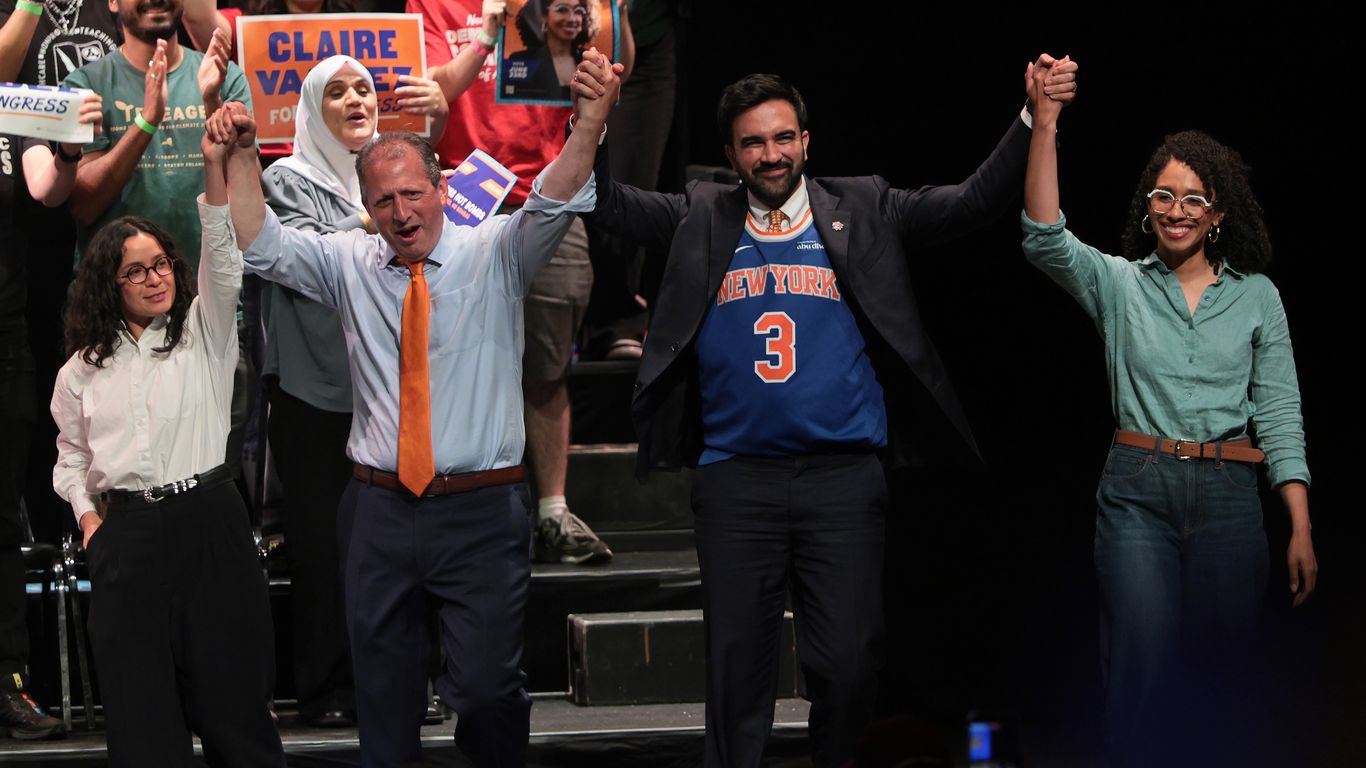
The number of Democratic Socialists of America (DSA) members in Congress will more than double after recent primary wins.
New DSA members include Claire Valdez and Darializa Avila Chevalier from New York and Chris Rabb from Pennsylvania.
Currently, Reps. Alexandria Ocasio-Cortez and Rashida Tlaib are DSA members.
Several new left-wing candidates have won primaries or are challenging incumbents in various states.
These progressive members are coordinating and plan to work together as a group in Congress.
Some Democrats worry this group may cause conflicts, similar to the GOP Freedom Caucus in 2023.
Democratic leaders say they will try to build relationships and include these new members in the party.
House Democratic leaders express confidence in managing this dynamic despite potential difficulties.
Read the Original
Want the full story? Tap a source to open the original
article.
President Donald Trump is delaying the signing of a housing bill that has strong support from both political parties. He wants the Senate to first approve a voting law called the Save America Act, which would change election rules by requiring proof of citizenship to register and limit mail-in voting.
Key Facts
The 21st Century Road to Housing Act aims to lower housing costs and increase housing supply in the US.
The housing bill passed both the Senate and House with large bipartisan majorities.
President Trump called the housing bill “of minor importance” and refused to sign it until the voting bill passes.
The Save America Act would require voters to show proof of citizenship and reduce mail-in voting options.
Senate Democratic leader Chuck Schumer criticized Trump’s decision to block the housing bill.
A federal judge blocked Trump’s executive order that would require proof of citizenship to vote.
Trump has also ordered a Justice Department investigation into oil companies over gas prices.
There is a legal dispute over removing Trump’s name from the Kennedy Center building.
Read the Original
Want the full story? Tap a source to open the original
article.
President Donald Trump asked Congress for $87.6 billion in extra money, mainly to cover costs related to the war with Iran. Lawmakers from both parties are debating the president’s war powers and whether military action against Iran should have had Congress’s approval.
Key Facts
The total requested amount is $87.6 billion in supplemental funding.
$67 billion would go to the Defense Department for things like weapons, military operations, and secret programs.
$21 billion is for munitions (weapons and ammunition).
$17.3 billion is for operational costs of the military.
$12.1 billion is for classified (secret) military programs.
$11.1 billion would help farmers.
$1.4 billion would support efforts to fight the Ebola outbreak in Central Africa.
The Senate recently passed a resolution trying to limit military action against Iran without congressional approval.
Read the Original
Want the full story? Tap a source to open the original
article.
The U.S. Postal Service (USPS) announced it will not deliver mail-in ballots in states that do not provide a list of approved absentee voters to the federal government. This is part of a proposed rule linked to President Donald Trump’s effort to increase federal oversight of elections, which is currently facing legal challenges and criticism from Democrats.
Key Facts
USPS will refuse to deliver mail-in ballots in states that do not give voter lists to the federal government.
States must provide names, addresses, and ballot barcode numbers for voters to receive mail ballots.
The voter information requested is less detailed than full voter registration data, focusing on absentee voters.
The proposal is based on an executive order signed by President Trump in March 2026.
The Postal Service says the rule aims to ensure ballots are delivered securely and accurately.
At least five lawsuits have been filed challenging the executive order, but enforcement has not started yet.
Democrats argue the policy is unconstitutional and an attempt to federalize or control elections.
The public comment period for the USPS proposed rule is still open as of late June 2026.
Read the Original
Want the full story? Tap a source to open the original
article.